
REVIEW · TOKYO STREET FOOD TOURS
Tsukiji Fish Market: Street Food Tour with Tasting
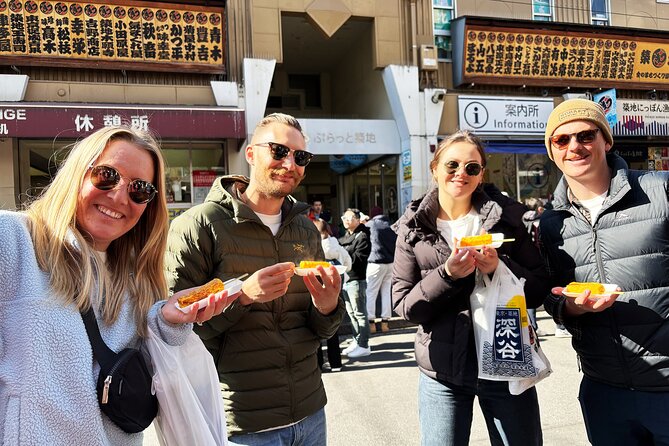
Tsukiji is best understood one bite at a time. This two-hour tour combines a walk through the market, a generous tasting set, a traditional fish-cutting demonstration, and a short visit to Tsukiji Hongwanji Temple. Fresh wasabi is one especially useful touch, since it shows how a small change can alter the taste of raw fish.
I like the flexible food choices and the way the guide helps you deal with a crowded market. I also like the mix of food and culture: you get Wagyu, eel, tamagoyaki, and seafood, then see how the market connects to Japanese cooking and Buddhism.
The main drawback is the pace. Two hours goes quickly, and a $97.55 price tag is high if you only want a few snacks. This suits you best if you want a guided introduction with several tastings rather than a casual, self-guided market stroll.
Key points to know before booking
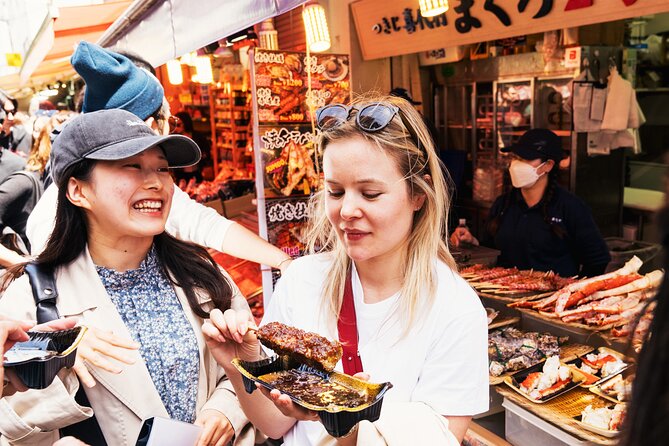
- Seven or more tasting stops in one set: Expect premium sushi or a seafood rice bowl, Wagyu beef, Wagyu menchi katsu, tamagoyaki, grilled eel, shumai, and a strawberry dessert.
- A traditional fish-cutting show: A chef fillets a whole fish with traditional techniques before you enjoy a fresh seafood bowl.
- A special wasabi set: The guide supplies wasabi intended to sharpen and change the flavor of the seafood.
- A small group of up to 15 people: That is compact enough for a guide to help with food choices and questions at market stalls.
- A temple visit included: The final 15 minutes at Tsukiji Hongwanji adds Buddhist culture to the food focus.
- A firm cancellation deadline: Cancel at least 24 hours before the start time for a full refund.
What the Tsukiji food tour is really offering
This is not just a quick stop for sushi. The food list is broad, and that matters because Tsukiji’s appeal comes from variety. You can compare raw seafood with grilled eel, sweet omelette with savory dumplings, and premium beef with a seafood bowl.
The guide’s special wasabi set gives the tasting a clear purpose. You are not simply eating several items and moving on. You get a small lesson in how Japanese cooks use freshness, preparation, preservation, and seasoning to bring out umami.
The food also comes with an explanation of artisan technique. You learn how market workers and cooks handle ingredients, how traditional methods preserve food, and why preparation can matter as much as the ingredient itself. That makes the meal more interesting than a string of unrelated samples.
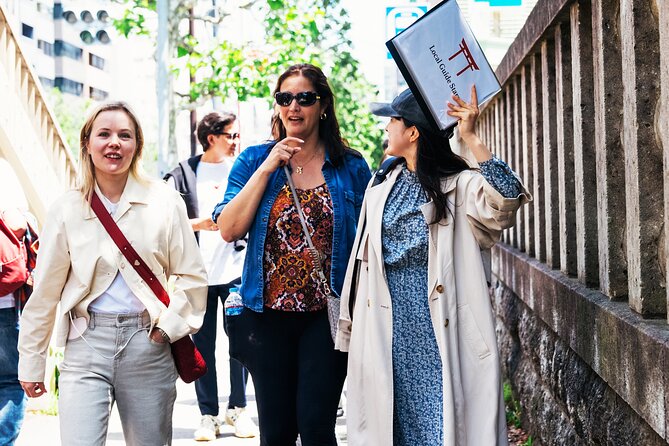
The experience is led in the market area by a local guide. Kawa is noted for moving easily through the crowded lanes and allowing flexibility with food choices. Tomo is noted for explaining the items and asking stall owners follow-up questions. Your exact guide may differ, but those are useful qualities to look for in this kind of tour.
More street food tours in Tokyo:
- Tokyo: Tsukiji Fish Market Food and Culture Walking Tour
★ 4.7 · 757 reviews - Tsukiji Fish Market: Street Food & Culture Walking Tour
★ 5.0 · 669 reviews - Tsukiji Fish Market: Street Food & Culture Walking Tour
★ 4.8 · 259 reviews
Starting at Tsukiji Hongwanji Temple
You meet at the main hall of Tsukiji Hongwanji Temple, at 3-chome-15-1 Tsukiji, Chuo City. This is a practical starting point because the temple is close to the market and easy to connect with by public transportation.
The temple is not just a meeting marker. It is also part of the tour. During the final 15 minutes, the guide explains the building’s appeal and introduces Buddhist culture and history. That short stop gives you a bit of context before or after the food-focused portion of the morning.
Do not expect a long temple visit. Fifteen minutes is enough for a compact introduction, not a full religious or architectural tour. Still, it helps keep the experience from feeling like a shopping trip with snacks attached.
If you arrive early, use the meeting point to get oriented. Tsukiji can feel confusing once you enter the market lanes, especially when many people are moving between small shops. The exact meeting point is clearly given, and the tour ends back there, which simplifies the logistics.
Tsukiji Jogai Market: the best part for curious eaters
The first market portion lasts about 45 minutes and focuses on Japanese food culture. This is where the tour earns much of its value. You are guided through the outer market area while tasting several foods and learning what makes them distinctive.
The tasting list is unusually varied for a short tour:
- Premium sushi or a seafood rice bowl
- Wagyu beef skewer
- Wagyu menchi katsu
- Tamagoyaki, a sweet Japanese omelette
- Grilled eel
- Shumai dumpling
- Strawberry dessert
The choice between premium sushi and a seafood bowl is useful. It lets the meal lean toward raw seafood or a more substantial rice-based dish, depending on the food option available and your preference. The seafood bowl also returns later in the fish-cutting portion, tying the meal to the demonstration.
The Wagyu items add contrast. A beef skewer gives you a simple grilled taste, while menchi katsu offers a fried, minced-beef preparation. Then tamagoyaki brings sweetness and a soft texture, and grilled eel adds a smoky, savory note. This is a good menu for someone who wants to sample more than sushi.
The strawberry dessert finishes the set on a familiar note. It may sound less connected to the market than the seafood, but it keeps the tasting from becoming heavy with salt, oil, and raw fish.
Crowds are part of the setting. Kawa’s ability to guide a group through busy lanes is important here, since you may need help staying with the group and moving between stalls. The maximum group size is 15, which is not private, but it is manageable compared with a large coach-style outing.
The wasabi lesson is small but worthwhile
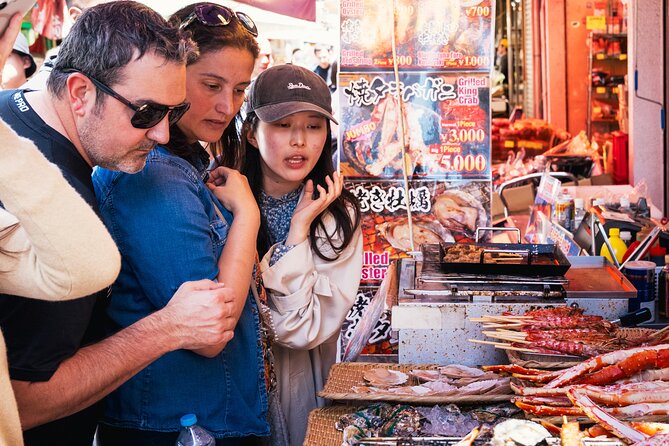
The special wasabi set is one of the more distinctive parts of the experience. Fresh wasabi can taste softer and more fragrant than the sharp green paste many people know. Used with raw fish, it can add flavor without simply overwhelming the seafood.
Tomo is noted for showing how fresh wasabi works with raw fish. That sort of detail is valuable because it gives you something to pay attention to while eating. You can compare the fish plain, then with wasabi, and notice how the flavor changes.
The guide’s role matters here. At a market stall, you may not know what to ask or how a condiment is meant to be used. A guide can explain the item and, when appropriate, ask the stall owner a question for you. That can turn a quick purchase into a short lesson in local food.
The wasabi set is also a reminder that this is a tasting tour, not simply a meal. You are encouraged to notice ingredients and techniques. If you already know Tsukiji well, the added interpretation may be more useful than the basic sightseeing.
Same city, another round of plates:
- Tokyo: Togoshi Ginza Street Food Tour
★ 5.0 · 34 reviews - Tokyo Street Food Tour – 7 Japanese Foods
★ 5.0 · 16 reviews - Private Tokyo food scene 6 hour experience: Depatika, street food, izakaya
★ 5.0 · 9 reviews - Tokyo: Private Tsukiji Fish Market Tour with 3 Food Stops
★ 5.0 · 9 reviews
The fish-cutting show and seafood bowl
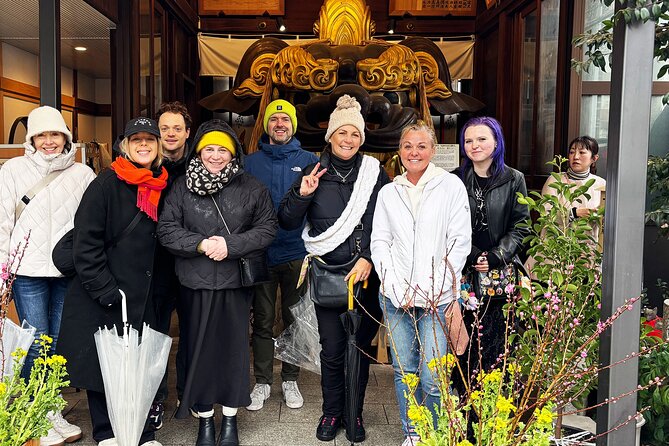
The second Tsukiji stop lasts about 30 minutes and includes a fish-cutting demonstration. A skilled chef fillets a whole fish using traditional techniques, followed by a fresh seafood bowl.
This is the most focused educational part of the tour. Fish filleting requires control, speed, and a clear understanding of the fish’s structure. Watching the process helps you see the work behind the neat pieces of seafood served at the market.
The demonstration also connects directly to the wider idea of Japanese food craftsmanship. The goal is not simply to make the fish look attractive. Cutting affects texture, portioning, and how the fish is served. Traditional preparation methods help preserve quality and bring out umami.
The seafood bowl afterward gives the lesson a satisfying finish. You see the ingredient handled, then eat seafood in a prepared dish. That connection is stronger than hearing a general explanation while walking past a shop.
Keep your expectations sensible. The show is listed at about 30 minutes, so it is a short demonstration rather than a full culinary class. You watch the chef work, receive context from the guide, and eat the result. If you want hands-on instruction, this tour does not promise that.
A working market, not a staged attraction
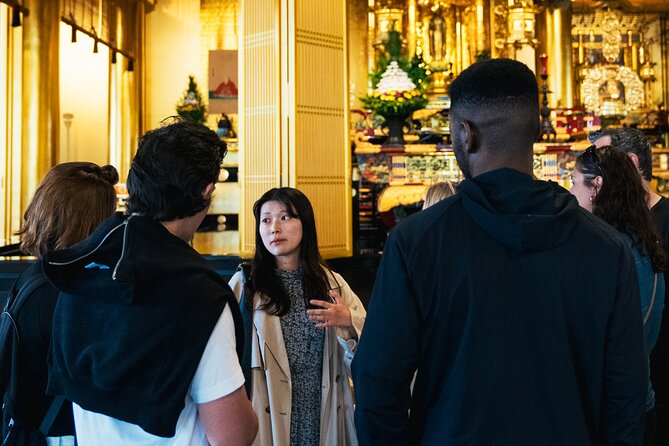
Another 30-minute section takes you through the authentic fish-market setting where professional traders operate. This is a useful distinction. You are not only visiting a row of food stalls designed for sightseeing. You also see a place connected to the business of buying and selling seafood.
That working atmosphere can be exciting, but it calls for awareness. Stay close to the guide, follow directions, and do not block narrow paths. The market is an operating environment, not just a photo backdrop.
This section may be the most rewarding for you if you like seeing how food moves from trade to preparation. The tasting becomes easier to understand after you have seen the people and places behind the ingredients.
It may be less appealing if you prefer a quiet meal or a slow shopping experience. The schedule moves from one part of the market to another, and the two-hour limit leaves little time to browse independently. The guide helps you make sense of the area, but you give up some freedom in exchange for structure.
Is $97.55 good value?
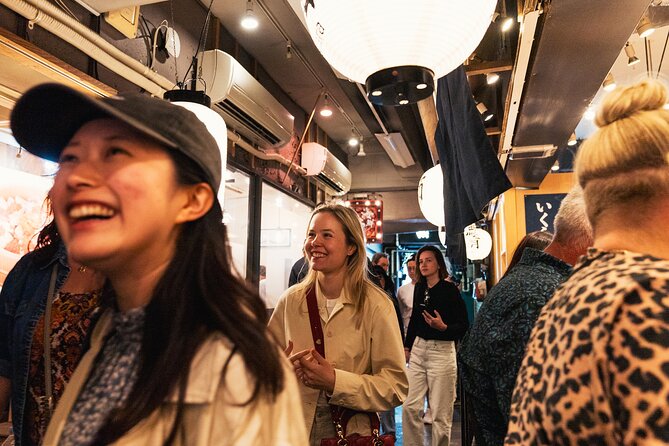
At $97.55 per person, this is not a bargain snack walk. The price makes more sense when you count what is included: several food tastings, premium sushi or a seafood bowl, the fish-cutting show, a local guide, a wasabi set, the working-market walk, and the temple visit.
You are paying for a planned sequence rather than individual purchases. That has value in Tsukiji, where you might otherwise spend time choosing stalls, trying to understand menus, and guessing which foods are worth the cost. The guide also helps with questions and food choices.
Still, value depends on your appetite and interests. If you eat little seafood, do not care about fish preparation, or mainly want to look around, you may find the price hard to justify. If you want a broad tasting menu and cultural explanation in a short visit, the cost is easier to defend.
The small group cap helps. Up to 15 people is not an intimate private tour, but it should allow the guide to keep the group together and respond to questions. The flexibility associated with Kawa is particularly helpful if your food preferences do not match the first option offered.
Timing, group size, and practical details
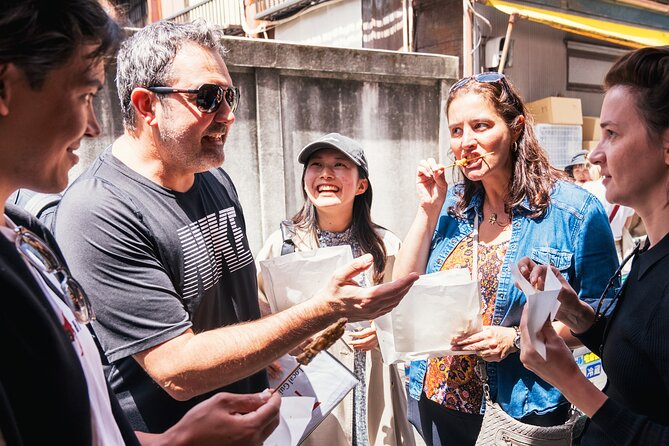
The full activity lasts about two hours and ends at the temple meeting point. That makes it easy to fit before another Tokyo plan, but you should leave extra time around it for getting to the meeting point and continuing afterward.
A mobile ticket is provided, and confirmation arrives at booking. The meeting point is near public transportation, and most people can take part. The maximum group size is 15.
The food schedule may feel quick. You should arrive ready to walk, listen, and eat without long pauses between samples. Wear comfortable shoes and keep your belongings easy to manage, since market lanes can be crowded. Those are practical choices for any market visit, not special requirements stated by the operator.
The cancellation rule is simple but strict. You receive a full refund if you cancel at least 24 hours before the start time. Cancellations or changes made inside that window are not accepted for a refund, and the cut-off follows local Tokyo time.
Who will enjoy this experience most?
I would choose this tour for a first visit to Tsukiji, especially if you want a guide to explain unfamiliar foods. It also suits anyone who wants more than sushi, since the menu includes beef, egg, eel, dumpling, fruit, and seafood.
It is a good match for food-focused visitors who enjoy seeing how ingredients are handled. The fish-cutting show and traditional preservation discussion give the tasting some substance.
Families and mixed groups may also find the variety useful. One person can focus on sushi, another on Wagyu, and someone else may prefer tamagoyaki or dessert. The available flexibility with food choices is a practical advantage.
I would be more cautious if you dislike crowded markets, need a slow pace, or want a private guide. Fifteen people is a modest group, but the market itself remains busy. You also should not book this expecting a full temple tour or a hands-on cooking lesson. The temple stop is brief, and the fish demonstration is watched rather than performed by you.
Should you book the Tsukiji Street Food Tour?
Book it if you want a compact, well-fed introduction to Tsukiji with context along the way. The strongest reasons are the range of tastings, the traditional fish-cutting show, the wasabi set, and the chance to see both a working market and Tsukiji Hongwanji Temple.
I especially like the balance between familiar foods and less obvious choices. Sushi may bring you here, but Wagyu menchi katsu, tamagoyaki, grilled eel, and fresh wasabi give the experience more range. A guide such as Kawa or Tomo can also make a real difference in a crowded market.
Skip it if you prefer to wander alone, already know Tsukiji well, or want the lowest-cost way to eat. At $97.55, this is a guided food experience, not a cheap breakfast. For a first-time visitor who values explanation, variety, and a clear two-hour plan, it is a solid choice.
FAQ
How long does the Tsukiji food tour last?
The experience lasts approximately two hours.
Where does the tour start?
It starts at the main hall of Tsukiji Hongwanji Temple, at 3-chome-15-1 Tsukiji, Chuo City, Tokyo 104-0045, Japan.
Where does the tour end?
The activity ends back at the meeting point.
What food is included?
The tasting set includes premium sushi or a seafood rice bowl, a Wagyu beef skewer, Wagyu menchi katsu, tamagoyaki, grilled eel, shumai, and a strawberry dessert.
Is a fish-cutting demonstration included?
Yes. A skilled chef fillets a whole fish using traditional techniques, followed by a fresh seafood bowl.
How many people can join the tour?
The tour has a maximum of 15 participants.
Can I cancel for a full refund?
Yes. You can cancel at least 24 hours before the start time for a full refund. Cancellations or changes made less than 24 hours before the start time are not refunded.
Newly added plates around Tokyo
- Tsukiji Fish Market Street Food & Culture Walking Tour★ 5.0 · 8 reviews
- Ueno Park and Ameyoko Street Food Market Half Day Walking Tour★ 5.0 · 3 reviews
- Tokyo:Enjoy street food & Japanese food culture at Tsukiji Market★ 5.0 · 6 reviews
- Tokyo Fish Market Food Tour: Street Food & Friendly Guide★ 3.0 · 2 reviews
- Tokyo Street Food Tour – 7 Japanese Foods★ 5.0 · 16 reviews
- Private Tokyo food scene 6 hour experience: Depatika, street food, izakaya★ 5.0 · 9 reviews
- Matsushima Bay, Islands and Seafood Market day tour from Tokyo★ 5.0 · 2 reviews
- Historic Kamakura: Temples, Shrines and Street Food Private Walking Tour★ 5.0 · 6 reviews
Tokyo Street Food Tours, compared.
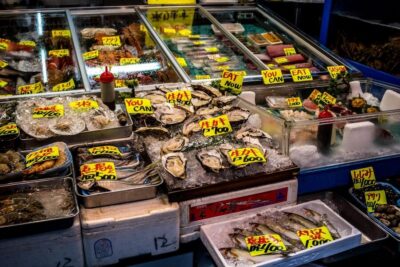
Tsukiji Fish Market Food and Culture Walking Tour
Read our review →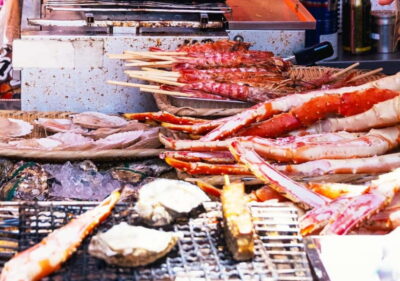
Tsukiji Fish Market: Street Food & Culture Walking Tour
Read our review →Tsukiji Fish Market: Street Food & Culture Walking Tour
Read our review →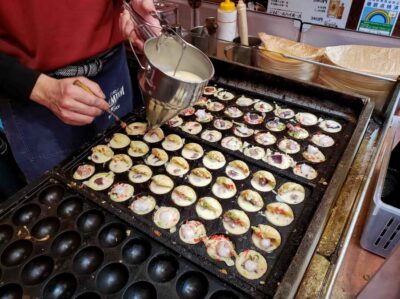
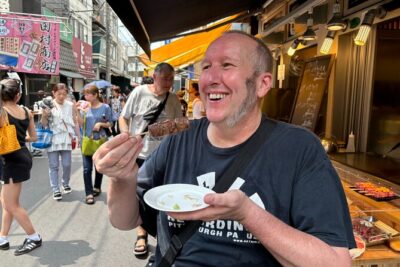
Private Tsukiji Fish Market Tour with 3 Food Stops
Read our review →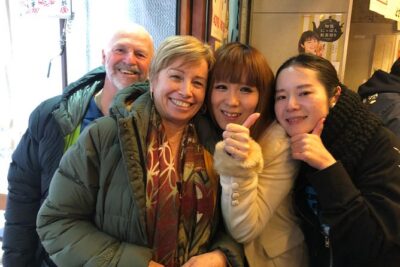
Private Tokyo food scene 6 hour experience: Depatika, street food, izakaya
Read our review →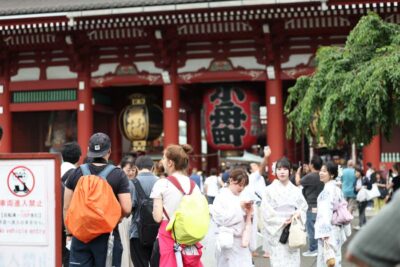
Sensoji Temple & Street Food: Private Tour with guide
Read our review →Browse the lists this tour appears in