
REVIEW · TOKYO STREET FOOD TOURS
Tokyo:Enjoy street food & Japanese food culture at Tsukiji Market
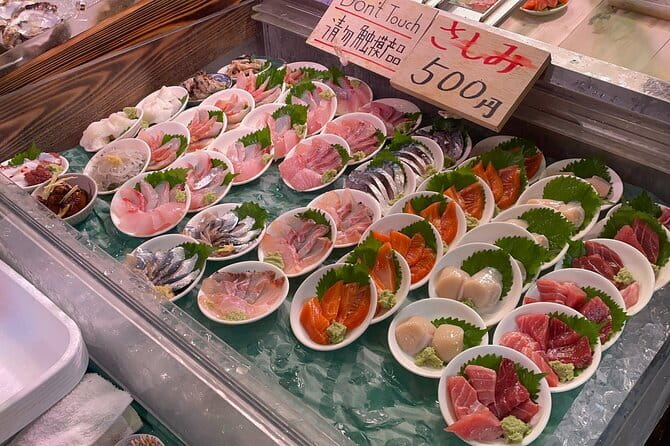
Tsukiji is far more than a fish counter, and this three-hour walk makes that clear. You’ll sample seafood, dried fish, seasoned seaweed, roast beef sushi and bean snacks while learning how everyday Japanese food connects with religion, trade and home cooking. I like the small group of six or fewer and the fact that your guide helps you make sense of a market that can otherwise feel like a maze.
I also like the mix of food and local landmarks. Tsukiji Hongwanji Temple and Namiyoke Shrine give the market a cultural frame, while guides such as Yoshi, Yuki, Haruka and Hiro have been praised for explaining dashi, market customs and the area’s past. The drawback is price: at $100.34 per person, lunch and extra purchases cost more, so this is not a cheap snack stop.
Key points about the Tsukiji food walk
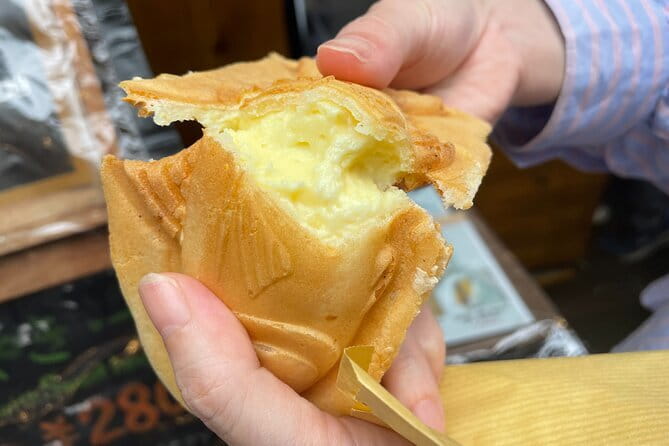
- Taste more than raw fish: Included snacks can feature oysters, sashimi, dried fish, roast beef sushi, seasoned seaweed and bean snacks.
- Keep the group personal: The maximum group size is six, useful in narrow market lanes and busy food shops.
- See Tsukiji’s cultural side: The route includes Tsukiji Hongwanji Temple and Namiyoke Shrine, not just food stalls.
- Bring room for lunch: You choose and pay for lunch at Tsukiji Uogashi after the guided tasting.
- Expect a practical market lesson: Guides explain food customs, dashi, religion and the role of Tsukiji in Tokyo life.
- Plan for walking: You need moderate physical fitness, and the tour is not wheelchair accessible.
Why Tsukiji still matters after the wholesale market moved
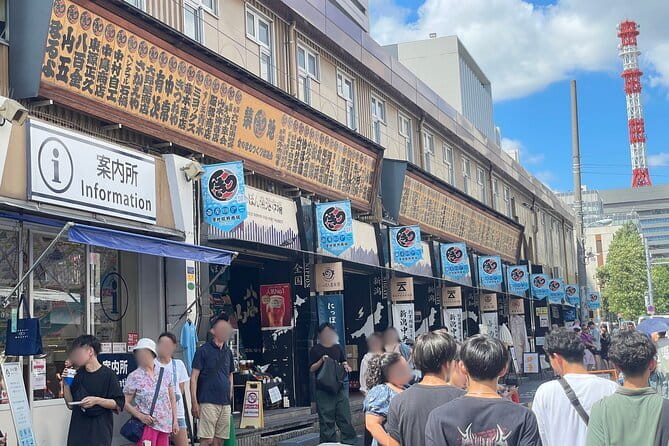
The name Tsukiji often brings to mind the old wholesale fish market, but that operation moved away several years ago. The Tsukiji Outer Market remains open as a shopping and dining district, with shops selling seafood, pantry goods, snacks and prepared food.
That change matters when you set your expectations. You are not signing up for a behind-the-scenes visit to the former wholesale auction floor. You are exploring the public market area that continues to serve shoppers and food lovers.
I think this tour works best because it gives the market a human scale. Instead of simply walking past unfamiliar products, you have an English-speaking guide to explain what you are seeing and how it fits into Japanese food culture. The small group also helps when several people need to stop at a shop or listen to an explanation.
The tour starts at Tsukiji Hongwanji Temple and ends at Namiyoke Shrine. That route is useful because it gives you a clear beginning and end, rather than leaving you to find your way through the market alone.
More street food tours in Tokyo:
- Tokyo: Tsukiji Fish Market Food and Culture Walking Tour
★ 4.7 · 757 reviews - Tsukiji Fish Market: Street Food & Culture Walking Tour
★ 5.0 · 669 reviews - Tsukiji Fish Market: Street Food & Culture Walking Tour
★ 4.8 · 259 reviews
Starting at Tsukiji Hongwanji Temple
Your first stop is Tsukiji Hongwanji Temple, near the main gate at 3-chome-15-1 Tsukiji. You spend about 20 minutes here, and admission is included.
The temple’s appearance sets it apart from many places you may expect to see in Tokyo. Its building and decorations use architectural ideas from other parts of Asia, including India, giving it an unusual oriental character. Your guide can help explain why this place belongs in a Tsukiji food tour, rather than treating it as a quick photo stop.
This is a good opening because it slows the pace before you enter the market lanes. You get a little context about religion and local life before turning your attention to food. One guide, Hiro, has been especially appreciated for explaining the connection between Japanese culture and food, including the many uses of dashi.
Do not expect a long temple visit or a formal religious program. The stop lasts about 20 minutes, so its purpose is orientation and cultural context. If you want an extended look at the architecture, you may need to return on your own.
Tasting your way through Tsukiji Outer Market
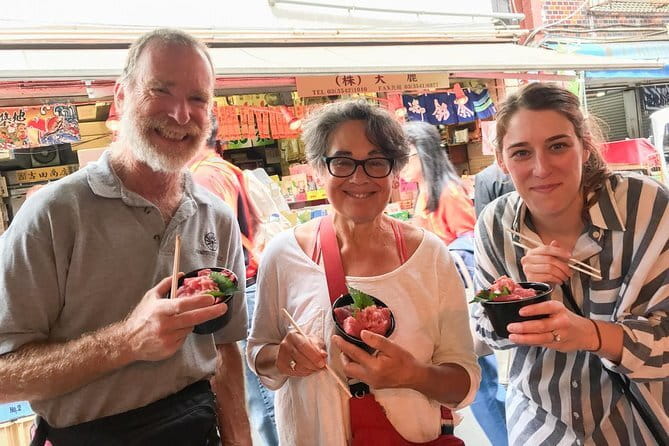
The main food portion takes place at Tsukiji Jogai Market, the Outer Market. You spend about an hour here, buying several snacks at shops selected by the guide.
The exact food choices can vary, but the included tasting may contain seasoned seaweed, dried fish, roast beef sushi, oysters, sashimi and bean snacks. Seafood and meat are part of the experience, so you should tell the guide about allergies before eating. The tour specifically asks you to mention any other allergies as well.
This is where the small group matters most. Tsukiji can be confusing, especially when you are trying to decide what is worth buying, what needs to be eaten right away and what a particular Japanese ingredient is used for. Guides such as Haruka have helped people find their way through the many shops and choose food that suits them.
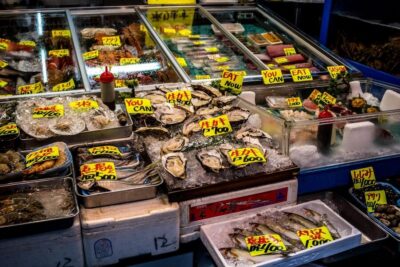
I like that the tour does not limit the experience to fish. The inclusion of seaweed, beans and dried products gives you a broader view of the Japanese pantry. These are the foods that help explain daily meals, not just the eye-catching seafood displayed at market counters.
The tasting also includes items that may feel more special, such as oysters, sashimi or roast beef sushi. One food-focused account singled out king crab, sea urchin and lobster crackers, though the available selection can vary. Treat that as a sign of the range you might encounter, not a fixed menu.
You will also have time to buy other food for yourself. Those extra purchases are not included in the tour price. This is helpful if you already have a strong interest in a particular ingredient, but it means the final cost depends partly on your appetite and shopping choices.
Choosing lunch at Tsukiji Uogashi
After the snack tasting, your guide takes you to Tsukiji Uogashi, specifically the Kaikobashi building area. You spend about an hour and 10 minutes here choosing lunch.
Lunch is not included, and you pay for it yourself. That may sound like a small distinction, but it matters when comparing the $100.34 tour price with other Tokyo food walks. The included snacks add value, but you should still budget for a separate meal and any extra market purchases.
The benefit is choice. You are not locked into a set lunch that may not suit your appetite. You can look over boxed lunches and other available items, choose what appeals to you, and eat it with the snacks already purchased during the tour.
This part also makes the experience feel less rushed. Instead of finishing with a few samples and sending you away, the schedule allows time for lunch. You can ask the guide for help as you decide, then enjoy your food before moving to the final shrine.
The tradeoff is that the tour does not promise one particular lunch dish. If you are hoping for a famous sushi set or a specific seafood item, the available choices and prices may not match your plans. The tour gives you guidance and access, but the decision remains yours.
Same city, another round of plates:
- Tokyo: Togoshi Ginza Street Food Tour
★ 5.0 · 34 reviews - Tokyo Street Food Tour – 7 Japanese Foods
★ 5.0 · 16 reviews - Private Tokyo food scene 6 hour experience: Depatika, street food, izakaya
★ 5.0 · 9 reviews - Tokyo: Private Tsukiji Fish Market Tour with 3 Food Stops
★ 5.0 · 9 reviews
Finishing at Namiyoke Shrine
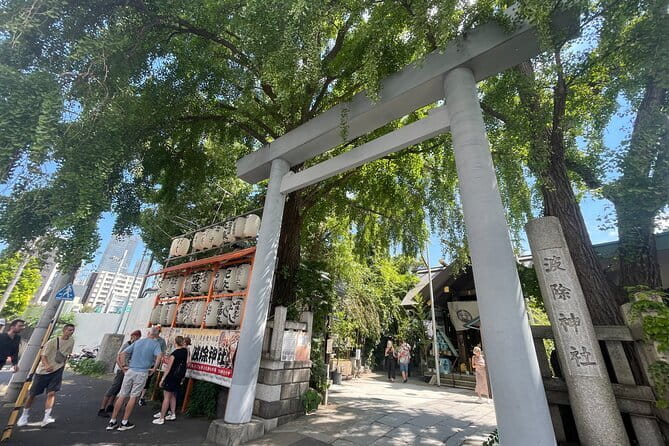
The final stop is Namiyoke Shrine, where you spend about 30 minutes. The shrine has been associated with the market since Tsukiji was established in this location.
Market workers have long prayed here for safety at sea. That detail brings the food district into focus: Tsukiji was not simply a place where food appeared for shoppers. It was tied to fishing, shipping, risk and the people who handled seafood before it reached the city’s kitchens.
The shrine also gives the tour a calm ending after the market’s food stops. You finish at 6-chome-20-37 Tsukiji, rather than returning to the temple. If you plan to continue sightseeing, keep that in mind when arranging your next destination.
I find this final visit useful because it connects the modern shopping area with the working community that shaped it. The market’s cultural identity is easier to understand when you see both its religious landmarks and its food businesses.
How the guides shape the experience
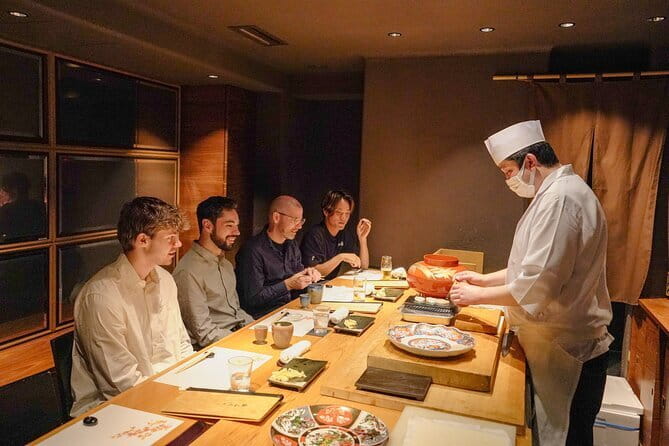
The guide is the main reason to choose this tour over simply walking through Tsukiji by yourself. The market is easy enough to reach by public transportation, but it is harder to understand at a glance.
The guides are expected to speak English and explain more than the name of each food. Yoshi and Yuki have been praised for teaching food and cultural context while leading tastings. Haruka has helped with restaurant and shop choices, and Hiro has explained dashi and Japanese customs in detail.
Those subjects give you a sense of the tour’s strongest feature. You are not only collecting snacks. You are learning how ingredients are used, why certain foods matter and how religion connects with market life.
A guide can also make a difference when you are unsure about buying raw seafood, unfamiliar dried goods or prepared snacks. Still, the tour is not a private shopping assistant. You pay for your own purchases, and your guide’s recommendations do not remove the need to make your own choices.
Is $100.34 a fair price?
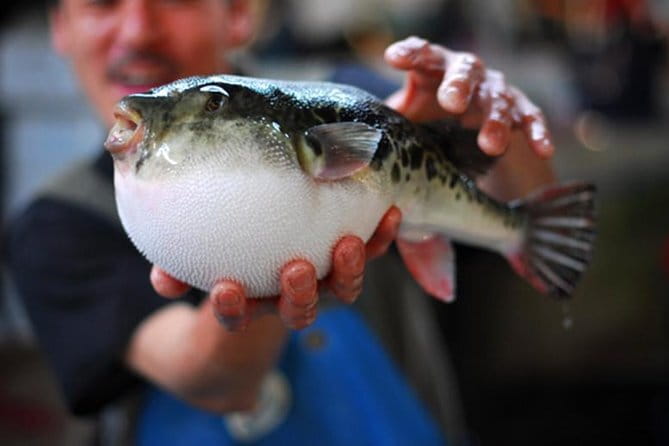
At $100.34 per person, this is a premium food walk for three hours. The price includes a guide and a set of market snacks, but not lunch or extra shopping.
I would judge the value by what you want from Tsukiji. If you mainly want to wander, take photos and buy one meal, you can spend less by visiting independently. If you want explanations in English, help choosing food and a compact introduction to the market’s religious and cultural setting, the price is easier to justify.
The maximum group size of six improves the value. You are not trying to hear a guide across a large crowd, and the route can stay flexible when a shop or tasting takes a little time. The tour also saves you from planning a food route through an unfamiliar market.
There is no need to treat every included snack as a full meal. The tastings are part of the learning experience, and the separate lunch stop is built into the schedule for a reason. You should arrive ready to eat, but keep enough appetite for lunch.
Timing, walking and practical details
The experience lasts about three hours and uses a mobile ticket. It begins at the main gate of Tsukiji Hongwanji Temple and finishes at Namiyoke Shrine.
You should expect to walk through market areas and stand while looking at food or listening to explanations. A moderate level of physical fitness is required, and the tour is not wheelchair accessible. That restriction is important because the route involves market surroundings that may be difficult to navigate with mobility equipment.
The tour is near public transportation, making it practical to reach from elsewhere in Tokyo. Since it ends at a different location from the starting point, check your onward route before you arrive.
Food allergies deserve early attention. The included snacks can contain seafood and meat, including raw or prepared seafood items. Tell the guide about allergies before the tasting begins, but do not assume the tour can provide a completely separate menu unless that has been confirmed.
Cancellation is free if you cancel at least 24 hours before the start time. Cancellations or changes made less than 24 hours before the experience are not refunded or accepted.
Who should book this Tsukiji experience?
I would choose this tour if you want a guided introduction to Japanese food culture rather than a simple meal. It suits first-time visitors to Tsukiji, people who feel unsure about ordering unfamiliar foods and anyone who wants market context without spending a full day on a food tour.
It is also a good match for seafood fans who want to try items such as oysters, sashimi, dried fish or crab-related snacks. The tour is less suitable if you have serious food restrictions, dislike seafood and meat, need wheelchair access or want a bargain-priced lunch outing.
The tour also works well for people who have already seen Tsukiji videos online but want help interpreting what they see. A guide can explain details that a camera cannot, such as how dashi is used, why certain shops sell specific ingredients and how the shrine relates to the market.
Should you book it?
Book this Tsukiji walk if you value explanations, guided tastings and a small group more than the lowest possible price. The strongest parts are the range of snacks, the cultural stops and the guides’ focus on Japanese food customs rather than seafood alone.
Skip it if you want an inexpensive self-guided market visit, need a guaranteed lunch menu or cannot eat the seafood and meat used in the tasting. For everyone else, the combination of temple, market, lunch and shrine makes this a well-shaped three-hour introduction to Tsukiji.
FAQ
How long does the Tsukiji food tour last?
The experience lasts approximately three hours. The schedule includes about 20 minutes at Tsukiji Hongwanji Temple, one hour at the Outer Market, one hour and 10 minutes at Tsukiji Uogashi, and 30 minutes at Namiyoke Shrine.
What food is included?
Included snacks can include seasoned seaweed, dried fish, roast beef sushi, oysters, sashimi and bean snacks. The exact selection may vary, and the tour includes seafood and meat.
Is lunch included in the price?
No. You choose and purchase your own lunch at Tsukiji Uogashi. Lunch is eaten with the snacks bought during the guided market visit.
Where does the tour start and finish?
The tour starts at the main gate of Tsukiji Hongwanji Temple, at 3-chome-15-1 Tsukiji. It finishes at Namiyoke Shrine, at 6-chome-20-37 Tsukiji.
How many people can join the tour?
The tour has a maximum of six travelers. An English-speaking guide leads the group.
Is the tour wheelchair accessible?
No. The tour is not wheelchair accessible, and participants should have a moderate level of physical fitness.
Newly added plates around Tokyo
- Tsukiji Fish Market Street Food & Culture Walking Tour★ 5.0 · 8 reviews
- Tsukiji Fish Market: Street Food Tour with Tasting★ 5.0 · 4 reviews
- Ueno Park and Ameyoko Street Food Market Half Day Walking Tour★ 5.0 · 3 reviews
- Tokyo Fish Market Food Tour: Street Food & Friendly Guide★ 3.0 · 2 reviews
- Tokyo Street Food Tour – 7 Japanese Foods★ 5.0 · 16 reviews
- Private Tokyo food scene 6 hour experience: Depatika, street food, izakaya★ 5.0 · 9 reviews
- Matsushima Bay, Islands and Seafood Market day tour from Tokyo★ 5.0 · 2 reviews
- Historic Kamakura: Temples, Shrines and Street Food Private Walking Tour★ 5.0 · 6 reviews
Tokyo Street Food Tours, compared.
Tsukiji Fish Market Food and Culture Walking Tour
Read our review →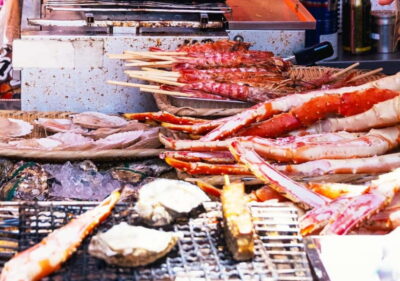
Tsukiji Fish Market: Street Food & Culture Walking Tour
Read our review →Tsukiji Fish Market: Street Food & Culture Walking Tour
Read our review →
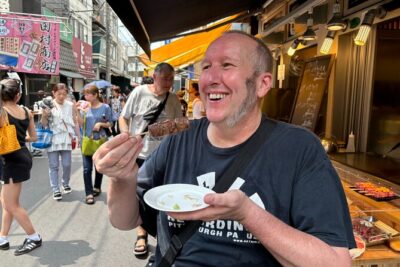
Private Tsukiji Fish Market Tour with 3 Food Stops
Read our review →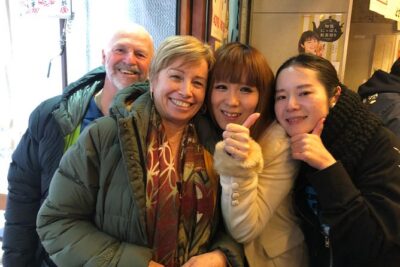
Private Tokyo food scene 6 hour experience: Depatika, street food, izakaya
Read our review →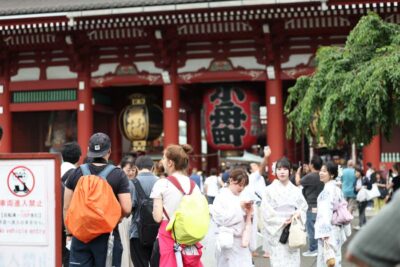
Sensoji Temple & Street Food: Private Tour with guide
Read our review →Browse the lists this tour appears in