
REVIEW · TOKYO STREET FOOD TOURS
Tokyo: Sensoji Temple & Street Food: Private Tour with guide
Asakusa gives you Tokyo at its most traditional, with red temple gates, incense, old-style shops, and food stalls packed into a busy neighborhood. This private tour makes sense if you want help finding your way through the crowds and a clear explanation of what you are seeing, rather than simply walking past Sensoji with a few photos.
I like the three included food tastings, which let you try local snacks without guessing what to order. I also like the private format, since guides such as Ryota, Sewa, and Mari can answer questions and adjust the pace. The main caution is the walking: crowded streets, summer heat, and uneven access make this a poor choice for wheelchair users or anyone with limited mobility.
Key points to know
- Sensoji and Thunder Gate: See Asakusa’s best-known temple sights with context about their spiritual and cultural role.
- Three Japanese foods included: The guide selects the tastings, while extra snacks and drinks are your responsibility.
- Private guide, not a fixed group: Your own guide can respond to your questions and help you avoid the thickest crowds.
- Useful crowd management: Ryota’s route included quieter stretches and well-timed breaks during very hot weather.
- Nakamise Street and nearby lanes: Shop for traditional goods while tasting food tied to the area’s long-standing street culture.
- $43 per person: A fair price if you value interpretation, food samples, and help navigating Asakusa.
Why a private walk works well in Asakusa
Sensoji is easy to find but not always easy to understand. The temple area can be packed, especially in summer, and the approach from Thunder Gate through Nakamise Street is lined with shops, food counters, signs, and people moving in every direction.
A private guide gives you a human filter for all of this. Instead of trying to read every sign or work out temple customs on your own, you can ask simple questions as they come up. Why is the gate important? What should you do at the temple? Which food is worth trying? The guide is there to connect the details.
The private setup is also useful for families and couples who do not want to match the pace of a larger group. A guide can pause when you need a break, spend more time on the temple, or keep the walking moving if you are eager to reach the food stops.
The tour is offered in English or Japanese. Three guides named in the available information are Ryota, Sewa, and Mari. Your guide may be different, but the experience is designed around direct conversation rather than a recorded explanation.
More street food tours in Tokyo:
- Tokyo: Tsukiji Fish Market Food and Culture Walking Tour
★ 4.7 · 757 reviews - Tsukiji Fish Market: Street Food & Culture Walking Tour
★ 5.0 · 669 reviews - Tsukiji Fish Market: Street Food & Culture Walking Tour
★ 4.8 · 259 reviews
Meeting the guide at Family Mart
The tour begins in front of Family Mart, where the guide will be waiting. This is a simple meeting arrangement, but you should allow enough time to locate the correct store and guide before the scheduled start.
Arrive early. The no-show rule is strict after 15 minutes, and the tour clock begins at the scheduled meeting time. If you are running late, contact the tour provider through the supplied email or emergency contact. Do not rely on the booking agency to relay the message.
Bring water, a camera, and shoes you can comfortably walk in. Asakusa’s main sights are close together, but the experience involves standing and walking through busy public spaces. Smoking is not allowed during the activity.
Thunder Gate and the first look at Asakusa
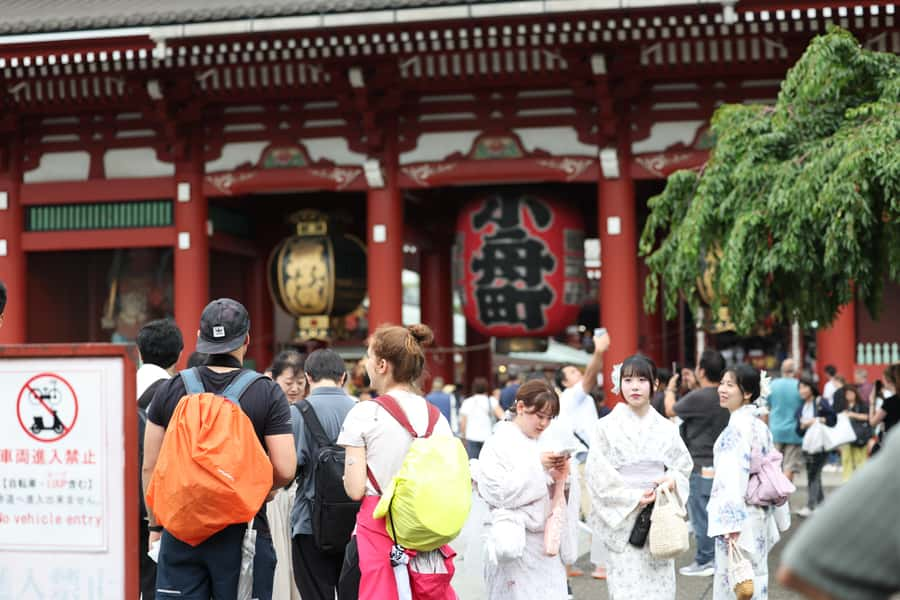
Thunder Gate, known for its large lantern and imposing entrance, is the natural opening scene for a walk through Asakusa. It marks the approach to Sensoji and gives you an immediate sense of the district’s traditional character.
This is where a guide can add value quickly. You will see a famous Tokyo landmark, but the meaning behind it is easy to miss if you are only looking for a photo. Your guide explains the connection between the gate, the temple grounds, and the religious life of the area.
The gate is also a practical orientation point. From here, you can see how the route leads toward Nakamise Street and the main temple buildings. If the area is crowded, your guide can help you move through it without losing your place.
Expect plenty of people around Thunder Gate. It is one of the busiest points on the route, so do not expect a quiet temple entrance. The benefit of a private guide is not that the crowds disappear. It is that someone familiar with the area can help you make sense of them.
Sensoji Temple, Tokyo’s essential old-town stop
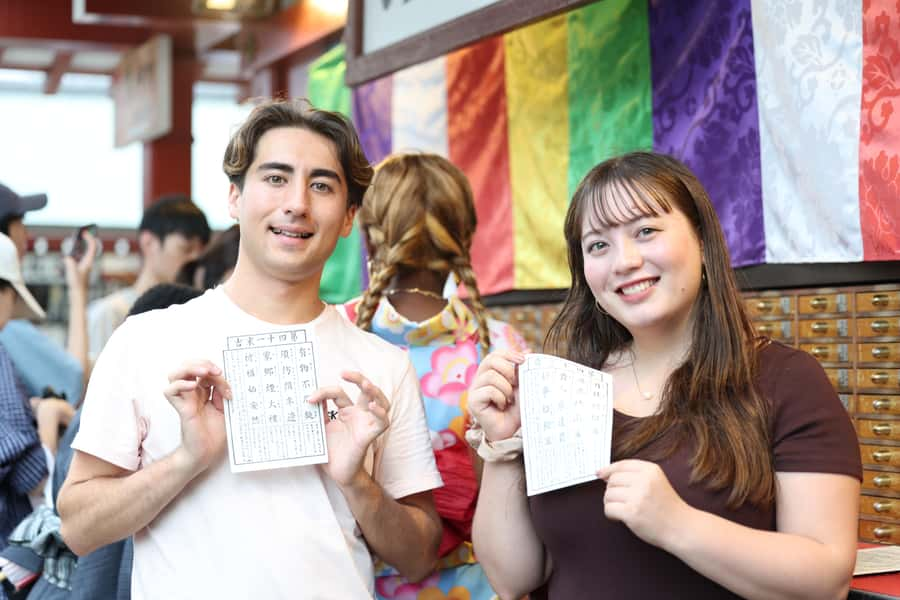
Sensoji is the heart of the tour. It is one of Tokyo’s best-known Buddhist temples, and the visit gives you a chance to see a major place of worship as well as a major sightseeing stop.
Your guide shares the temple’s cultural background and explains the customs you encounter. That matters because a temple visit can otherwise become a quick sequence of gates, incense, and photographs. With some context, the setting feels less like a backdrop and more like a living part of Tokyo.
Take your time here. Look beyond the central view and notice how worshippers and sightseers share the grounds. Your guide can answer questions about what is happening and how to behave respectfully.
The biggest drawback is the crowd. One private tour handled a summer visit in heat around 90 degrees Fahrenheit, with hundreds of people in the area. Ryota’s route included breaks at sensible points and moved away from the densest sections when possible. That kind of judgment can make a real difference on a hot day.
Still, you should expect some congestion. This is not a secluded temple visit. If you want a quiet religious site with few people, Sensoji will not provide that. If you want an accessible introduction to one of Tokyo’s major cultural landmarks, it is a strong choice.
Same city, another round of plates:
- Tokyo: Togoshi Ginza Street Food Tour
★ 5.0 · 34 reviews - Tokyo Street Food Tour – 7 Japanese Foods
★ 5.0 · 16 reviews - Private Tokyo food scene 6 hour experience: Depatika, street food, izakaya
★ 5.0 · 9 reviews - Tokyo: Private Tsukiji Fish Market Tour with 3 Food Stops
★ 5.0 · 9 reviews
Nakamise Street and the art of choosing a snack
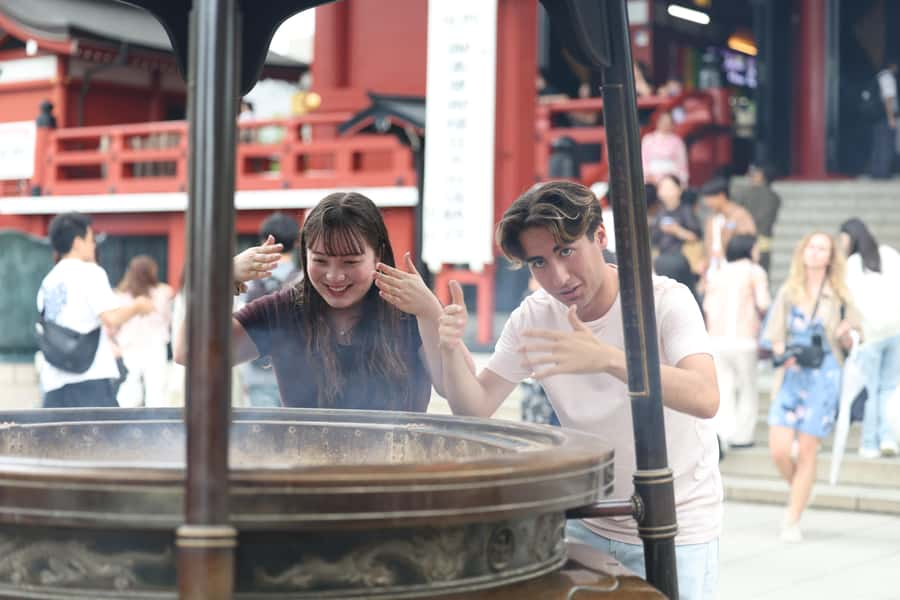
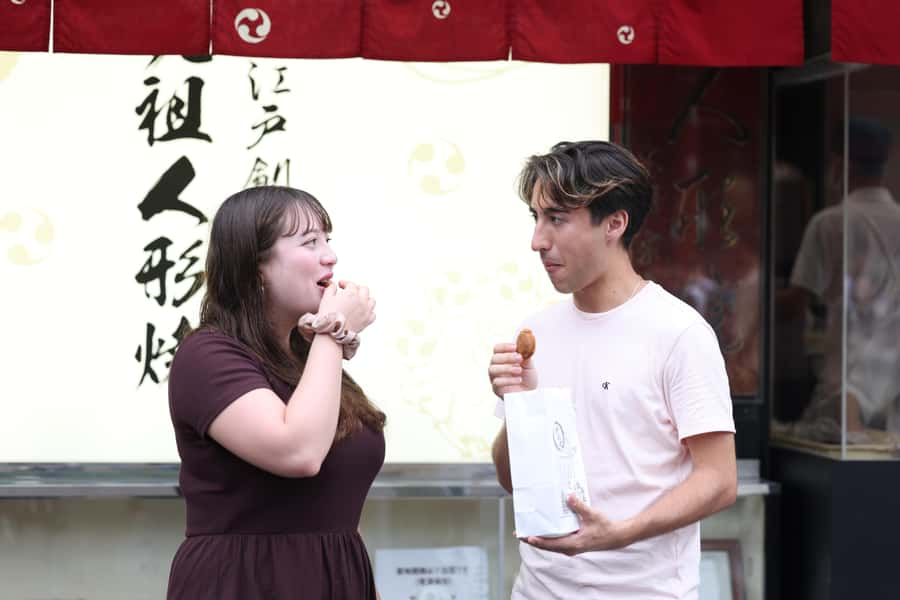
Nakamise Street connects Thunder Gate with Sensoji and is one of the most enjoyable parts of the walk. The route is lined with shops selling souvenirs, traditional goods, and Japanese snacks. It is also where the food side of the tour comes into focus.
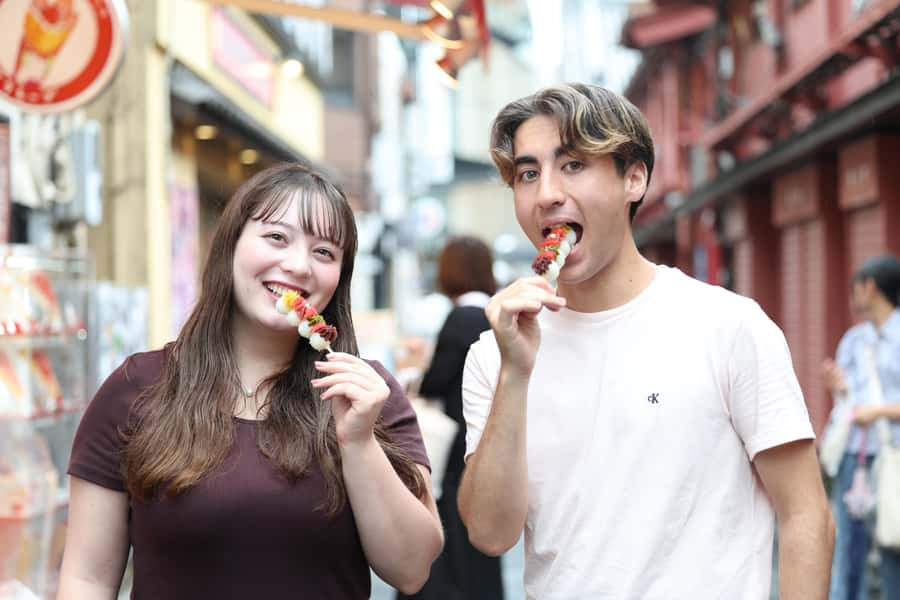
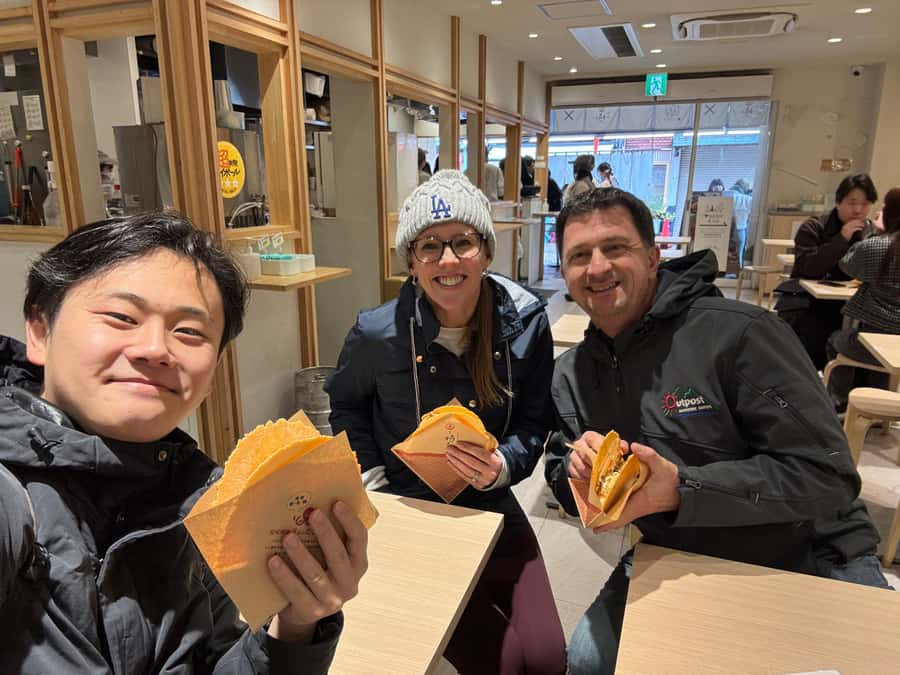
Three food tastings are included. The exact selections are described as the guide’s best choices, so the menu is not fixed in the information provided. That can be an advantage if you want local guidance rather than a set menu, though it means you cannot choose the precise three items in advance.
The tastings are meant to introduce you to Japanese street food and flavors associated with the old Asakusa area. Your guide can explain what you are eating and how it fits into local food culture. This is particularly helpful if you have dietary concerns or do not recognize the ingredients, though you should raise those concerns before ordering.
Extra street food is not included. You are welcome to buy more as you go, but those purchases come out of your own pocket. For many people, that is a sensible arrangement: you receive three planned tastes, then decide for yourself if something else catches your eye.
One participant was encouraged to try an octopus taco. That example captures the useful role of a private guide. A guide can make a recommendation, explain what it is, and give you enough confidence to try something unfamiliar. You should not expect every item to be offered on every tour, but you can expect food advice along the way.
The nearby lanes and a possible walk to Kappabashi
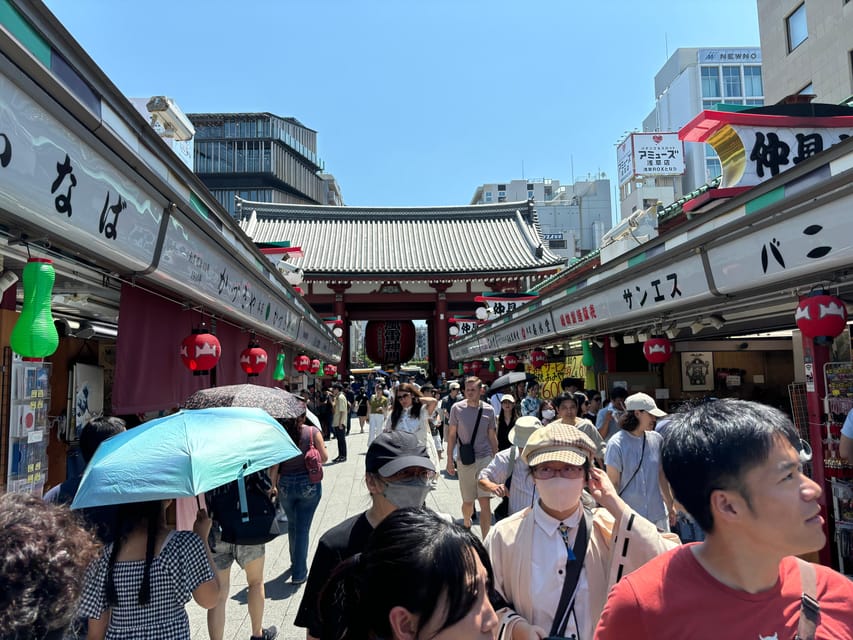
The advertised route includes Nakamise Street and nearby alleys, which gives the tour some breathing room away from the main temple approach. These side streets can help you see a less staged side of Asakusa, with local shops and smaller food stops alongside the major sights.
One route also included a walk toward Kappabashi Street, often called Kitchen Town. That longer stretch was praised as a useful pause after the temple visit, giving the group time to discuss Tokyo and reflect on what they had seen.
You should treat Kappabashi as a possible part of the route rather than a guaranteed stop. The core experience is Sensoji, Thunder Gate, Nakamise Street, and three food tastings. Ask your guide at the start if the walk to Kappabashi fits your schedule and interests.
This is one reason the private format can be worthwhile. A group tour often needs to follow a firm route. With your own guide, you can ask for more shopping suggestions, more food advice, or a slower look at the temple area, depending on what the guide can accommodate.
What the $43 price really covers
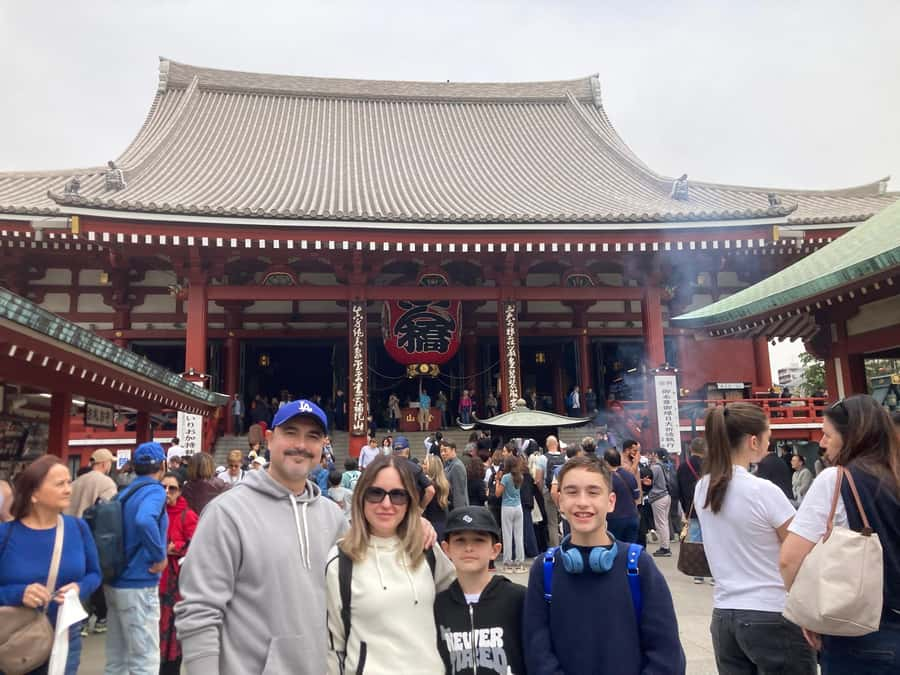
At $43 per person, this is not simply a food crawl. The cost includes a local guide, three food tastings, and photos taken during the tour and sent to you afterward.
The value depends on how much help you want. If you are comfortable reading menus, navigating Asakusa, and learning about Sensoji on your own, you can spend less by visiting independently and buying only what appeals to you. The temple area is not difficult to reach or explore.
I would consider the price reasonable if you want three things in one outing: cultural explanation, food guidance, and a private pace. The guide’s help is especially useful during crowded periods, when the main challenge is not finding Sensoji but moving through the area without missing the best parts.
The included photos are a pleasant extra, but I would not book the tour for that alone. Their real value is having someone else record a few moments while you pay attention to the temple and food.
The price does not cover extra street food. Bring some spending money if you want to sample more than the three included items or shop along Nakamise Street.
Heat, crowds, and walking effort
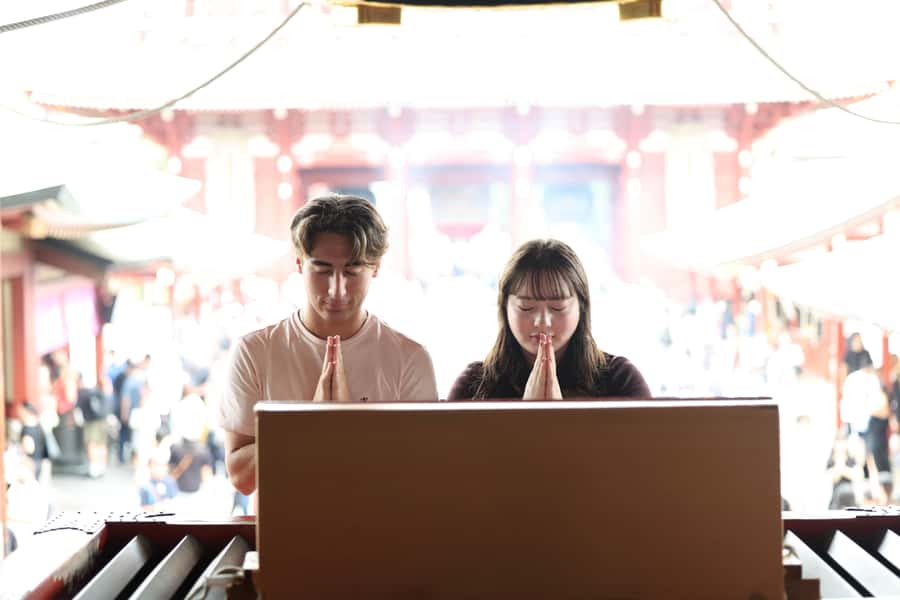
Asakusa can be hot and tiring in summer. The tour takes place outdoors among busy streets, so comfortable shoes and water are not minor suggestions. They are the basics that will help you enjoy the experience.
The walking itself is manageable for people who are comfortable on their feet, but this activity is not suitable for wheelchair users or people with mobility impairments. The information does not provide a specific distance or duration, so ask the provider if you need those details before booking.
Crowds can slow the route. You may need to wait, walk close together, and keep an eye on the meeting point if you stop for a photo. A private guide helps, but cannot remove the public crowds around a famous temple.
The strongest practical advantage is the guide’s ability to set the pace. Ryota’s tour included breaks when the heat became demanding, and the route moved away from dense areas when possible. That is the kind of small decision that can turn a tiring morning into a pleasant one.
Who will enjoy this Asakusa tour most
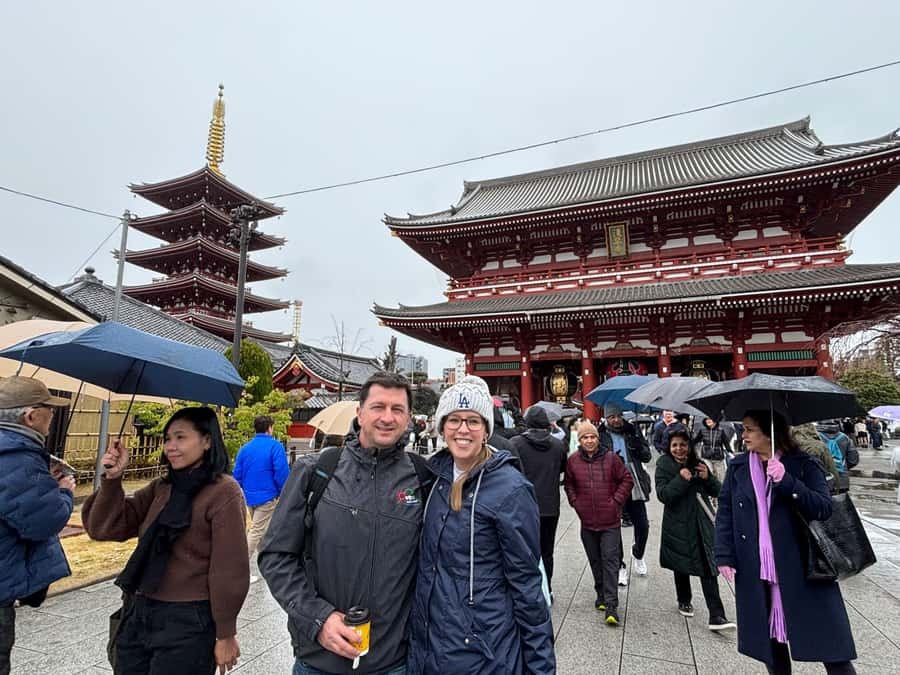
This tour suits first-time visitors who want a clear introduction to Asakusa without spending hours researching temple customs and food stalls. It also suits couples and families who prefer a private guide to a large group.
Food-curious visitors will get the most from the three tastings, especially if you enjoy trying items you might not order on your own. The guide can point out local favorites and suggest further places to eat or shop.
It is also a good fit if you like asking questions. Mari, for example, was patient with a language barrier and offered suggestions for local shopping and food. That kind of direct help matters more than a long prepared speech when you want practical advice.
You may want to skip it if you prefer to wander alone, dislike busy tourist areas, or want a completely quiet temple visit. You may also find better value in a self-guided outing if the three food tastings and cultural explanation are not important to you.
Booking, cancellation, and simple preparation
You can reserve the tour and pay later, which helps if your Tokyo plans are still changing. Cancellation is available up to 24 hours in advance for a full refund.
Arriving more than 15 minutes late without contacting the provider counts as a no-show, with no refund. If you know you will be late, contact the tour provider directly and wait for a response.
Wear comfortable shoes, carry water, and bring a camera. The tour ends back at the meeting point, so you can continue exploring Asakusa afterward or return to the same area for more shopping and food.
Should you book this private Asakusa food tour?
Book it if you want a friendly guide to explain Sensoji, help you handle the crowds, and introduce you to three Japanese street foods without having to plan every detail yourself. The private format, useful route advice, and well-timed breaks are the strongest reasons to choose it.
At $43 per person, the tour offers solid value for a first visit, especially during a busy or hot season. Just remember that extra food costs more, the menu is not fixed, and the walking can be difficult for anyone with limited mobility.
If you want a quiet, self-directed temple visit, save the money and explore Asakusa on your own. If you want context, conversation, and a little help finding your way through Tokyo’s old-town center, this is a practical choice.
FAQ
What is included in the tour price?
The price includes a local guide, three selected Japanese foods, and photos taken during the tour that will be sent to you afterward.
Which sights does the tour visit?
The tour visits Sensoji Temple, Thunder Gate, Nakamise Street, and nearby alleys in Asakusa.
Are drinks and extra food included?
The tour information states that foods and drinks are included, with three foods specifically provided. Additional street food items are not included and can be purchased separately.
What languages are available?
The tour is available in English and Japanese.
Where does the tour start and finish?
The guide will meet you in front of Family Mart. The activity ends back at the meeting point.
Is the tour suitable for wheelchair users?
No. The tour is not suitable for wheelchair users or people with mobility impairments. Comfortable shoes are recommended because walking is involved.
Newly added plates around Tokyo
- Tsukiji Fish Market Street Food & Culture Walking Tour★ 5.0 · 8 reviews
- Tsukiji Fish Market: Street Food Tour with Tasting★ 5.0 · 4 reviews
- Ueno Park and Ameyoko Street Food Market Half Day Walking Tour★ 5.0 · 3 reviews
- Tokyo:Enjoy street food & Japanese food culture at Tsukiji Market★ 5.0 · 6 reviews
- Tokyo Fish Market Food Tour: Street Food & Friendly Guide★ 3.0 · 2 reviews
- Tokyo Street Food Tour – 7 Japanese Foods★ 5.0 · 16 reviews
- Private Tokyo food scene 6 hour experience: Depatika, street food, izakaya★ 5.0 · 9 reviews
- Matsushima Bay, Islands and Seafood Market day tour from Tokyo★ 5.0 · 2 reviews
Tokyo Street Food Tours, compared.
Tsukiji Fish Market Food and Culture Walking Tour
Read our review →
Tsukiji Fish Market: Street Food & Culture Walking Tour
Read our review →Tsukiji Fish Market: Street Food & Culture Walking Tour
Read our review →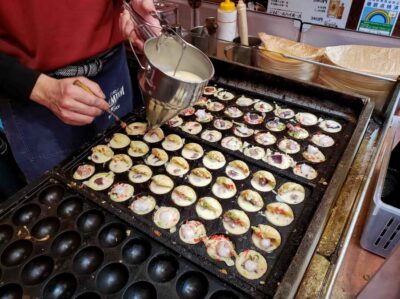
Private Tsukiji Fish Market Tour with 3 Food Stops
Read our review →
Private Tokyo food scene 6 hour experience: Depatika, street food, izakaya
Read our review →Tsukiji Fish Market Street Food & Culture Walking Tour
Read our review →Browse the lists this tour appears in