
REVIEW · TOKYO STREET FOOD TOURS
Private Tokyo food scene 6 hour experience: Depatika, street food, izakaya
Tokyo’s best food experiences are often found away from the famous restaurant districts. This private six-hour tour takes you from a polished department-store food hall to Jujo’s old shopping arcade and finally into Akabane’s lantern-lit bar lanes, with food and drinks included along the way.
I like the private format, which lets guide Simon adjust the pace and explain unfamiliar foods without holding a large group together. I also like the route itself: three very different neighborhoods give you a useful view of Tokyo’s food culture, from gift-ready delicacies to casual street snacks and local izakaya dining.
The main consideration is stamina. You will walk for much of the day, and the tour finishes with food and alcohol in bars where smoking is allowed. It is not the best fit if you want a short tasting walk, avoid smoke, or prefer to explore at your own pace.
Key Points to Know Before Booking
- Three neighborhoods in six hours: Start in Ikebukuro, continue through Jujo, and finish in Akabane.
- Simon is the named guide: His personal hosting style is a major part of the private experience.
- Food and alcohol are included: The price covers dinner, snacks, and alcoholic beverages, with soft drinks for anyone under 20.
- The route moves from polished to traditional: Expect department-store food halls, a local shopping arcade, and tiny izakayas.
- This is an active food tour: Comfortable footwear matters, and transportation to and from the attractions is not included.
- You finish at JR Akabane Station: The guide drops you there after the final three-hour stop.
Why This Tokyo Food Tour Feels Different
Many Tokyo food tours stay in well-known areas that already appear in guidebooks. This one takes a less familiar route through northern and northwestern parts of the city, where everyday food shopping and after-work drinking are part of the scene.
The appeal is variety. You do not spend six hours sampling one style of cuisine or visiting only restaurants aimed at tourists. You begin with food halls linked to Tokyo’s department-store culture, move into the old-fashioned Jujo Ginza shopping arcade, then finish among Akabane’s narrow bar streets.
That progression matters. You first get an introduction to how Japanese food is presented and sold, then see how locals shop for casual food, and finally sit down for a proper evening meal. I find that more useful than simply visiting three similar restaurants.
The tour is private, so only your group participates. That gives you room to ask about ingredients, customs, and dishes that might otherwise pass by too quickly. It also makes the experience a sensible choice for friends, couples, and families with older children who want a food outing shaped around their interests.
More street food tours in Tokyo:
- Tokyo: Tsukiji Fish Market Food and Culture Walking Tour
★ 4.7 · 757 reviews - Tsukiji Fish Market: Street Food & Culture Walking Tour
★ 5.0 · 669 reviews - Tsukiji Fish Market: Street Food & Culture Walking Tour
★ 4.8 · 259 reviews
Starting Underground at Seibu Ikebukuro
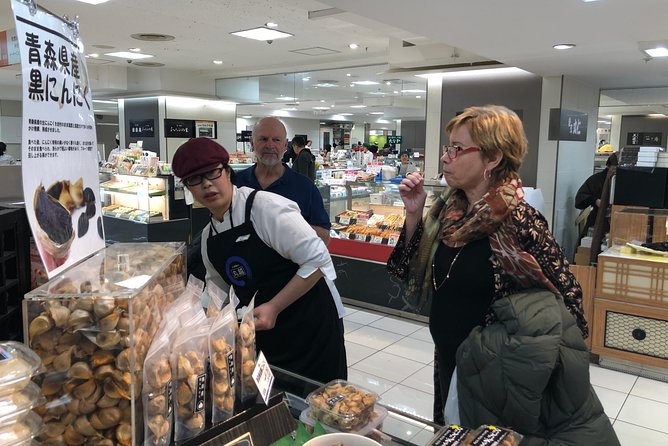
The tour begins at Ikebukuro Station, at the Seibu Ikebukuro Main Store. Ikebukuro is one of Tokyo’s major transport and shopping areas, and the opening stop introduces you to a side of Japanese food culture that is easy to miss if you head straight for a restaurant.
You spend about 45 minutes exploring two large department-store food halls. These spaces are more than places to buy lunch. They are showcases for carefully packed sweets, prepared foods, regional specialties, and gifts.
This is a good first stop for anyone still learning how Japanese food is organized. Your guide can help you understand what you are seeing, point out items worth sampling, and explain the importance of food presentation and gift giving.
The setting also gives you a gentle start. You are indoors, surrounded by a wide range of foods, and not yet committed to a full meal. Come ready to taste small portions rather than expecting a sit-down breakfast or lunch.
The department-store stop is especially useful if you want to buy edible souvenirs. The tour is not described as a shopping excursion, so you should treat any purchases as optional rather than part of the included experience. Still, seeing how food is packaged and displayed gives you a better sense of why presentation matters so much in Japan.
Jujo Ginza and Two Hours of Street Food
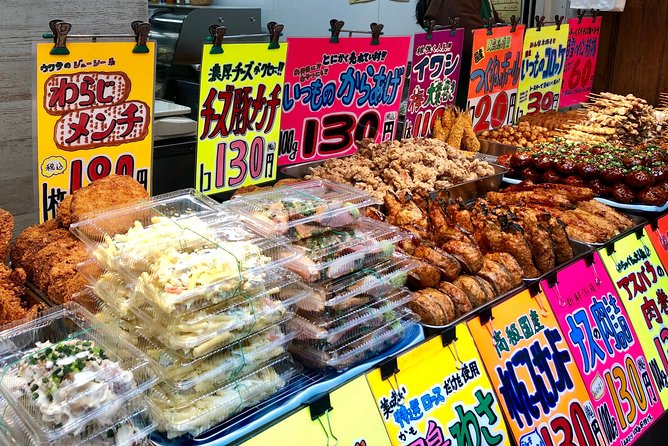
From Ikebukuro, the route continues to Jujo’s old shopping streets. The Jujo Ginza shopping arcade is the most relaxed part of the tour for people who want to see ordinary neighborhood life rather than polished city-center dining.
You spend about two hours here, browsing the shoutengai and trying street food. A shoutengai is a traditional covered shopping street lined with small independent shops and food stalls. It is the sort of place where residents shop for daily needs, grab a quick bite, and recognize familiar vendors.
That setting changes the mood of the afternoon. Instead of choosing from a restaurant menu, you get to see food as it is sold in small, practical portions. Your guide can help you decide what to try and handle the uncertainty that comes with unfamiliar signs or ordering customs.
The two-hour stop is long enough to give the area room to breathe. You are not simply rushing in, taking one bite, and leaving. You can look around, sample several foods, and notice the contrast between Jujo and the department-store food halls.
I would pay attention to your appetite here. The tour includes snacks and later dinner, so the goal is to sample rather than fill up immediately. If you arrive after a large meal, you may miss much of the point. Come hungry, but pace yourself.
Jujo is also where the walking becomes more noticeable. Shopping arcades invite you to wander, and the tour is designed around movement rather than a single seated meal. Comfortable shoes are a practical necessity, especially if you have already spent the morning touring Tokyo.
Akabane’s Lantern-Lit Izakaya Lanes
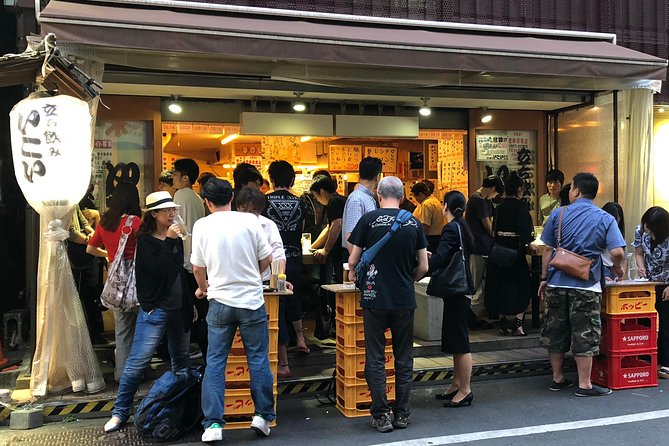
The final stop lasts about three hours in Akabane, a north Tokyo entertainment district known for retro alleys, small bars, and izakayas. This is the evening portion of the experience, and it shifts from tasting snacks to eating and drinking in a more social setting.
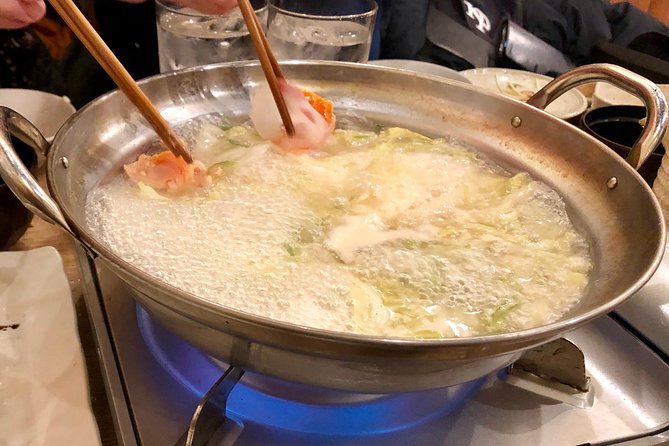
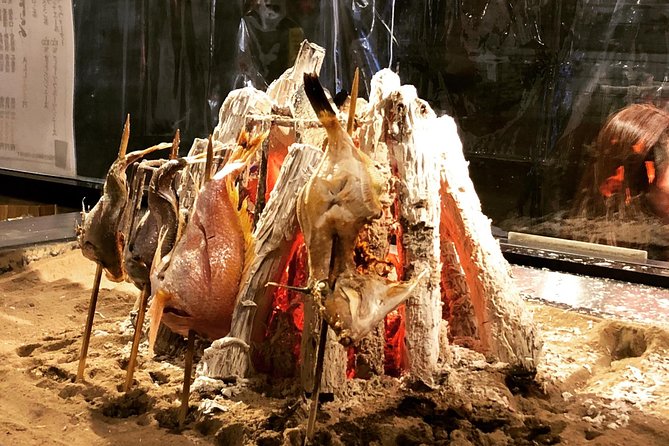
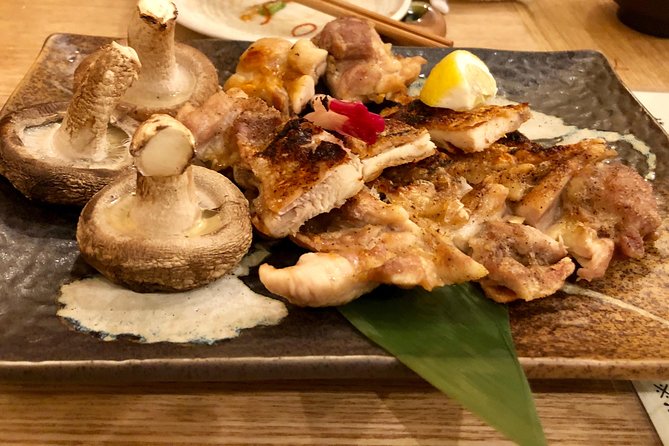
Akabane Ichiban-gai is described as a local area with narrow, lantern-lit lanes packed with tiny bars and izakayas. An izakaya is a casual Japanese drinking establishment that serves food to share, making it a natural place to finish a food-focused day.
The three-hour stay gives you time to settle into the neighborhood. You are not just passing through for a quick photo. The evening meal and alcoholic beverages are included, so this is where the tour delivers much of its value for people who want a guided introduction to Japanese bar culture.
Small bars can be intimidating if you do not speak Japanese or understand the local customs. A private guide makes the experience easier. Simon can help you enter the right kind of place, explain what is being served, and keep the meal moving without turning it into a formal lesson.
The atmosphere may not suit everyone. Smoking is allowed in bars and restaurants in Japan, and the tour is specifically not recommended for pregnant women for that reason. If you are sensitive to smoke, ask about the expected venues before booking.
The inclusion of alcohol is another point to consider. The legal drinking age in Japan is 20, and soft drinks are provided for anyone younger. Since drinking is part of the final stop, this tour is more naturally suited to adults, although the stated information says most visitors can participate.
Same city, another round of plates:
- Tokyo: Togoshi Ginza Street Food Tour
★ 5.0 · 34 reviews - Tokyo Street Food Tour – 7 Japanese Foods
★ 5.0 · 16 reviews - Tokyo: Private Tsukiji Fish Market Tour with 3 Food Stops
★ 5.0 · 9 reviews - Tsukiji Fish Market Street Food & Culture Walking Tour
★ 5.0 · 8 reviews
What the $247.45 Price Covers
At $247.45 per person, this is not a cheap way to grab a few snacks. The price makes more sense when you count the six-hour private guide service, dinner, street food, department-store tastings, snacks, and alcoholic beverages.
You are paying for access and interpretation as much as for the food itself. Without a guide, you could visit Ikebukuro’s food halls and walk through Jujo or Akabane. The harder part would be knowing what to sample, how to order, where to go, and how to turn separate stops into a coherent evening.
The private format is important here. A shared tour can lower the cost, but it may also force you to follow someone else’s appetite and pace. With only your group present, you can ask for more explanation, spend longer on a food you enjoy, or keep moving if a stop does not interest you.
Group discounts are available, which may improve the per-person price for larger parties. Transportation to and from the attractions is not included, so factor in the cost of getting to Ikebukuro and any transfers required between neighborhoods.
The tour ends at JR Akabane Station, where the guide drops you off. That is convenient for continuing your evening, but it also means the route is one-way. You should not book it expecting to finish where you started.
The Walking and Timing Matter
The tour lasts about six hours, from noon to 6 p.m. The listed schedule shows Monday from 12 p.m. to 6 p.m., so confirm the available date before making plans around it.
The route covers three neighborhoods and includes a moderate amount of walking. The stops themselves take 45 minutes, two hours, and three hours, but you also need to account for movement between districts and time spent standing in shopping arcades or bars.
This is a good match for an active day in Tokyo. Wear comfortable shoes, leave room for food, and avoid planning a demanding activity immediately afterward. The final stop includes dinner and drinks, so the tour naturally takes on a slower evening pace as it goes.
The meeting point is at Ikebukuro Station near the Seibu Ikebukuro Main Store. Hotel pickup and drop-off are not included. You are responsible for reaching the start point, and transportation to and from the attractions is also excluded, so read the meeting instructions carefully and allow extra time for Tokyo’s large stations.
Who Will Enjoy This Most
I would recommend this experience to food-focused visitors who want more than famous sights and standard restaurant reservations. It works particularly well if you are curious about how locals shop, snack, and spend an evening in casual bars.
It is also a strong choice for anyone nervous about ordering unfamiliar food. The private guide can provide context and help you move through places where the signs, customs, or menus may feel hard to read.
Couples and small groups will get the most from the private format. You can share the cost, keep the day personal, and enjoy a more natural conversation with the guide than you might on a large group outing.
You should think twice if you want a tightly structured culinary class, a luxury dining experience, or a short walk with only a few tastings. This is a neighborhood-hopping food adventure, not a formal cooking lesson or a fine-dining tour.
It may also be a poor fit if you dislike alcohol, smoke, or long periods on your feet. Soft drinks are available for people under 20, but the final stop is built around izakaya dining and drinking.
Tips for Getting More from the Day
- Eat lightly before the tour so you have room for tastings and dinner.
- Wear shoes suited to several hours of walking and standing.
- Tell the operator about dietary requirements when booking.
- Ask Simon early in the tour what kinds of foods you most want to try.
- Bring a little flexibility. The value lies in seeing different food settings, not only checking off a fixed list of dishes.
- If you are under 20, expect soft drinks rather than alcohol.
- Confirm transport between the neighborhoods, since those costs are not included.
- Check the smoking concern carefully if you are pregnant or sensitive to smoke.
The operator offers free cancellation if you cancel at least 24 hours before the start time. Changes or cancellations made inside that window are not accepted for a refund, and cut-off times use Tokyo local time.
Should You Book This Private Tokyo Food Tour?
Book it if you want a guided, food-heavy introduction to parts of Tokyo that are less familiar to many first-time visitors. The combination of department-store delicacies, Jujo street food, and Akabane izakayas gives you a broader picture than a single restaurant visit, while the private format keeps the day flexible.
The $247.45 price is easiest to justify if you value the included food and drinks, personal guidance, and help navigating local bars. It is harder to justify if you mainly want inexpensive street food or already feel comfortable ordering and exploring alone.
For the right person, the best feature is the route. You finish the day understanding that Tokyo’s food culture is not only about famous sushi counters and stylish restaurants. It also lives in food halls, shopping arcades, and small neighborhood bars, exactly the places a good guide can help you find.
FAQ
How long is the private Tokyo food tour?
The experience lasts approximately six hours, with the listed schedule running from 12 p.m. to 6 p.m.
Which neighborhoods does the tour visit?
The route includes Ikebukuro, Jujo, and Akabane.
Where does the tour begin?
The meeting point is Ikebukuro Station, at 1 Chome-28 Minamiikebukuro, Toshima City, Tokyo 171-0022, near the Seibu Ikebukuro Main Store.
Where does the tour end?
The guide drops you off at JR Akabane Station, at 1 Chome-1 Akabane, Kita City, Tokyo 115-0045.
Is this a private experience?
Yes. Only your group participates in the private walking tour.
Are food and drinks included?
Yes. Dinner, snacks, and alcoholic beverages are included.
Can people under 20 join the tour?
Soft drinks are served to participants under 20. The legal drinking age in Japan is 20.
Is transportation included?
No. Hotel pickup and drop-off are not included, and transportation to and from the attractions is excluded.
How much walking is involved?
A moderate amount of walking is involved across the three neighborhoods, so comfortable footwear is recommended.
Is the tour suitable for people with dietary requirements?
You should advise the operator of any specific dietary requirements when booking.
Is smoking possible during the tour?
Smoking is allowed in bars and restaurants in Japan. The experience is not recommended for pregnant women for this reason.
What is the cancellation policy?
You can cancel at least 24 hours before the start time for a full refund. Cancellations or changes made less than 24 hours before the start time are not accepted for a refund.
Newly added plates around Tokyo
- Tsukiji Fish Market Street Food & Culture Walking Tour★ 5.0 · 8 reviews
- Tsukiji Fish Market: Street Food Tour with Tasting★ 5.0 · 4 reviews
- Ueno Park and Ameyoko Street Food Market Half Day Walking Tour★ 5.0 · 3 reviews
- Tokyo:Enjoy street food & Japanese food culture at Tsukiji Market★ 5.0 · 6 reviews
- Tokyo Fish Market Food Tour: Street Food & Friendly Guide★ 3.0 · 2 reviews
- Tokyo Street Food Tour – 7 Japanese Foods★ 5.0 · 16 reviews
- Matsushima Bay, Islands and Seafood Market day tour from Tokyo★ 5.0 · 2 reviews
- Historic Kamakura: Temples, Shrines and Street Food Private Walking Tour★ 5.0 · 6 reviews
Tokyo Street Food Tours, compared.
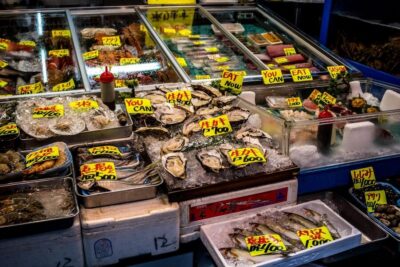
Tsukiji Fish Market Food and Culture Walking Tour
Read our review →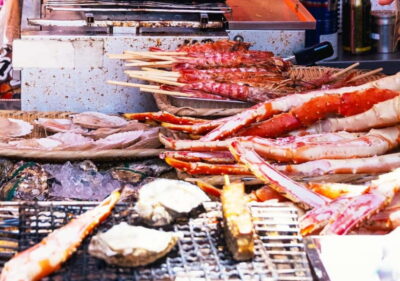
Tsukiji Fish Market: Street Food & Culture Walking Tour
Read our review →Tsukiji Fish Market: Street Food & Culture Walking Tour
Read our review →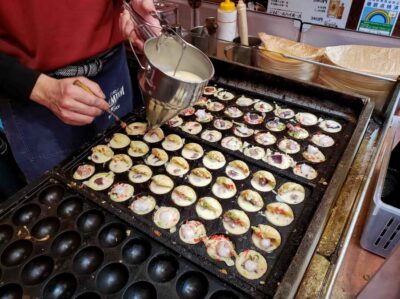
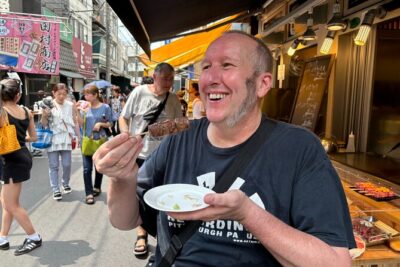
Private Tsukiji Fish Market Tour with 3 Food Stops
Read our review →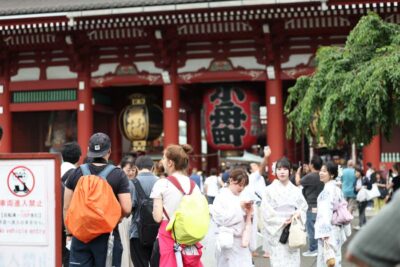
Sensoji Temple & Street Food: Private Tour with guide
Read our review →Tsukiji Fish Market Street Food & Culture Walking Tour
Read our review →Browse the lists this tour appears in