
REVIEW · TOKYO STREET FOOD TOURS
Tokyo: Shinjuku Local Eats, Street Food Tour & Culture Walk
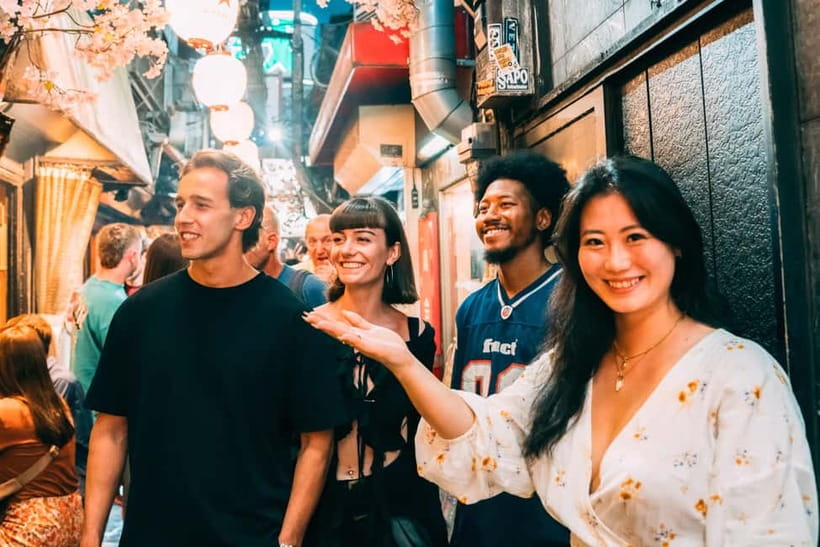
Shinjuku’s best food experiences may be found away from the big neon streets, in small eateries and food stands where the menu can feel like a puzzle. This tour takes you to four local stops, with a guide choosing dishes such as tempura, sushi, yakitori, ramen, and a traditional dessert.
I like the low tour price of $16, and I like that the food choices are ordered for you rather than left to guesswork. Haru, one guide connected with this experience, has been especially praised for being friendly, informative, and welcoming. The main drawback is that food and drinks are extra, and the tour is not suitable for people with food allergies.
Key points to know before booking
- Four different food stops: Expect a mix of food stands and local restaurants rather than one long meal in a single place.
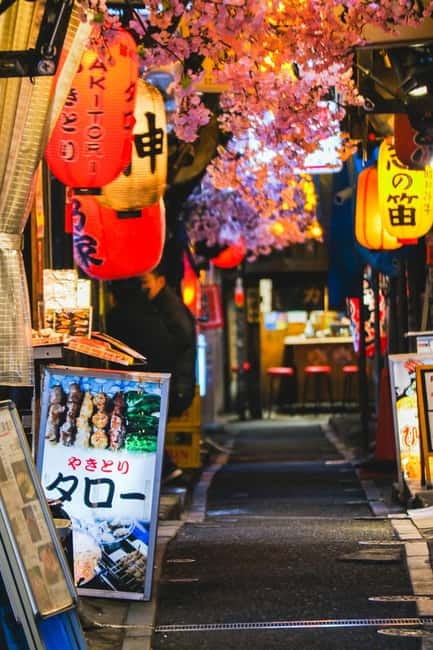
- Shinjuku backstreets: The walk focuses on local streets that many visitors pass without noticing.
- Guide-led ordering: Your English-speaking guide selects and orders the dishes, so you do not need to decipher every menu.
- Japanese favorites: The planned tasting can include tempura, sushi, yakitori, ramen, and a traditional dessert.
- Food costs extra: Plan on roughly 3,000 to 5,000 yen for food and drinks, in addition to the $16 tour price.
- A friendly guide matters: Haru has been singled out for informative, kind, and family-friendly guiding.
Why this Shinjuku food walk works
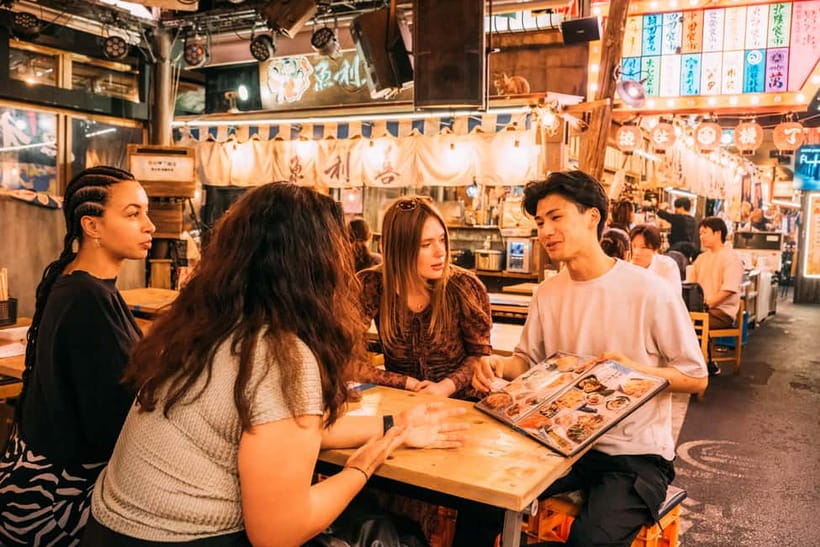
Shinjuku is a fine place to eat, but it can be a hard place to begin. The district has huge department stores, crowded restaurant lanes, tiny counters, food halls, and endless signs. You can find a meal almost anywhere, yet finding a good meal without knowing what to order takes time.
This experience solves that problem in a simple way. You meet near Uniqlo, then follow an English-speaking local guide into Shinjuku’s backstreets. At four stops, the guide chooses dishes and explains how they fit into Japanese food culture.
That setup is useful if you want more than a restaurant recommendation. You get a small walking tour, a series of tastings, and help with the practical details of ordering. You can pay attention to the food instead of worrying about pronunciation, portion size, or accidentally ordering something you did not expect.
The tour also gives you a look at everyday eating in Tokyo. The focus is not on grand dining rooms or famous international restaurants. It is on familiar Japanese foods served in ordinary local places, where the setting matters almost as much as the dish.
More street food tours in Tokyo:
- Tokyo: Tsukiji Fish Market Food and Culture Walking Tour
★ 4.7 · 757 reviews - Tsukiji Fish Market: Street Food & Culture Walking Tour
★ 5.0 · 669 reviews - Tsukiji Fish Market: Street Food & Culture Walking Tour
★ 4.8 · 259 reviews
Starting near Uniqlo and entering the backstreets
The meeting point is near Uniqlo in Shinjuku. That is a sensible landmark in a district where station exits and large buildings can quickly blur together, but you should still allow enough time to find the exact meeting spot.
The activity ends back at the meeting point, so you do not need to work out a separate return route. That makes it easier to plan dinner, shopping, or an evening view after the walk. No tour duration or fixed stop times are provided, so check the booking details carefully before you set a tight schedule around it.
Once the walk begins, the appeal is the change of pace. Shinjuku is famous for its high-energy main streets, but this tour points you toward smaller lanes and less obvious places to eat. You might see the district in a way that is difficult to find from a guidebook map alone, even though you remain close to the main center.
Your guide is the key to this part of the experience. The guide does more than lead you from one address to the next. Stories about food culture and history help explain why the dishes are eaten, how locals approach them, and what makes each stop worth your attention.
Stop one: a first taste of everyday Japanese food
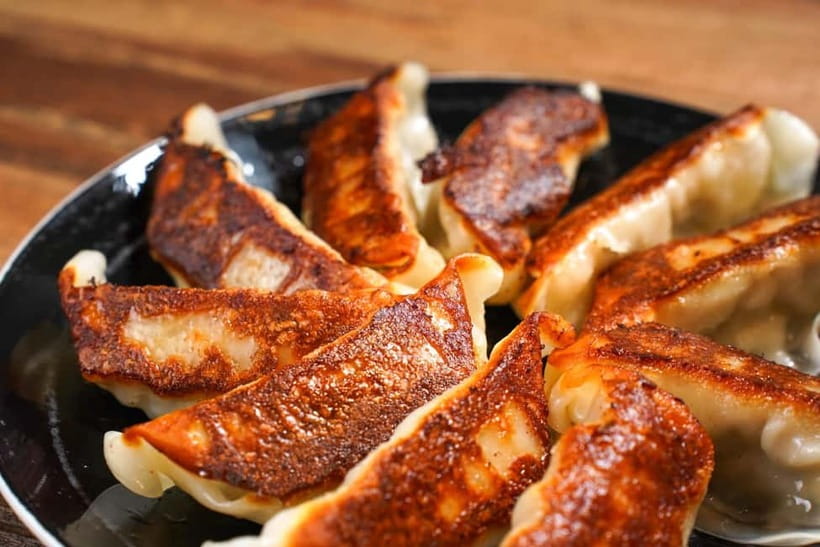
The exact order of the four stops is not specified, and the guide may adjust the choices. The first place is likely to set the tone with a familiar Japanese favorite, such as tempura or sushi, rather than an elaborate tasting course.
Tempura gives you a chance to notice texture and technique. The pleasure is in the contrast between a light, crisp coating and the food inside. Sushi offers a different lesson, since the focus shifts to rice, freshness, balance, and the small details of presentation.
The benefit of having a guide order is clear here. A first-time visitor may not know how many pieces to request, which type to choose, or how the restaurant expects you to proceed. Your guide can make those decisions and explain the food in plain English.
Do not expect a luxury sushi meal based on the information provided. This is a local tasting walk, and the aim is variety and cultural context. If you are hoping for one long, formal dinner, this format may feel too casual.
Stop two: yakitori and the appeal of small bites
Yakitori is another planned favorite. These grilled chicken skewers are well suited to a multi-stop walk because they are easy to share, simple to understand, and full of smoky flavor. They also show how much Japanese eating culture can be built around small portions and informal surroundings.
A yakitori stop may help you understand why local food tours work so well in Shinjuku. Instead of ordering one large plate, you try a few items and keep moving. That makes the meal feel social and gives your guide room to explain ingredients, sauces, and local habits.
The tradeoff is that you may not control every selection. The tour description says the guide chooses the best dishes for you, while also noting that dislikes can be accommodated. Tell the guide early if there are foods you do not want.
The information here is less reassuring for people with allergies. The experience is specifically listed as unsuitable for people with food allergies. Do not treat a general request to adjust choices as a guarantee of allergy-safe preparation.
Same city, another round of plates:
- Tokyo: Togoshi Ginza Street Food Tour
★ 5.0 · 34 reviews - Tokyo Street Food Tour – 7 Japanese Foods
★ 5.0 · 16 reviews - Private Tokyo food scene 6 hour experience: Depatika, street food, izakaya
★ 5.0 · 9 reviews - Tokyo: Private Tsukiji Fish Market Tour with 3 Food Stops
★ 5.0 · 9 reviews
Stop three: ramen or another local favorite
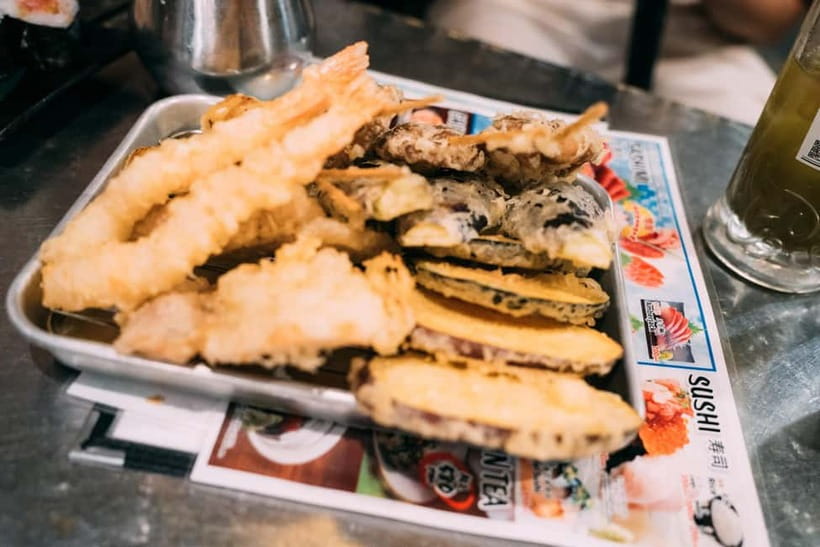
The listed tastings include tempura, sushi, yakitori, and dessert, but one account of the experience describes Haru taking the group to delicious ramen spots. That suggests the food choices can change according to the guide, the day, or the group’s preferences.
This flexibility is a plus if you already have a long list of Japanese foods you want to try. Ramen gives you a hearty bowl and a close look at one of Japan’s most familiar comfort foods. It is also a reminder that a street food walk does not need to stick to tiny snacks.
At the same time, you should not book this expecting a fixed menu. The experience promises four local places and a hand-picked selection, not four guaranteed dishes in an unchanging order. If you have your heart set on a specific food, ask the guide whether it can be included.
Ramen can also affect your appetite for the remaining stops. The best approach is to arrive hungry but not determined to eat a full meal at each location. Since the food is purchased separately, your guide can help keep the portions practical, but the exact amount depends on what is ordered.
Stop four: a traditional Japanese dessert
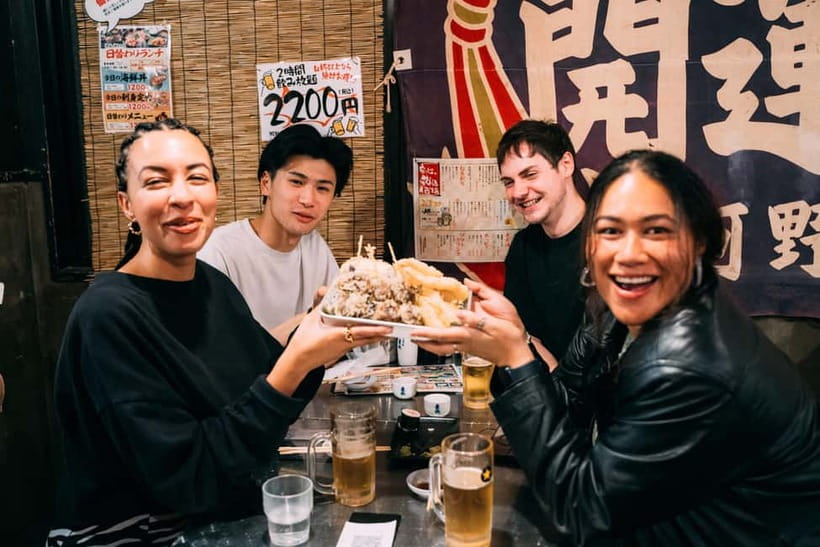
The final stop includes a traditional Japanese dessert. Ending with something sweet gives the walk a clear rhythm, moving from savory foods to a different set of textures and flavors.
Dessert is often where a food tour becomes more than a list of famous dishes. Japanese sweets can reflect seasonal ingredients, careful presentation, and a preference for balanced sweetness. The supplied information does not name the specific dessert, so you should expect a traditional option rather than one guaranteed item.
This final tasting may also be useful if you are unsure about Japanese sweets. Your guide can explain what you are eating and how it is normally enjoyed. If you have strong dislikes, mention them at the start, since the guide can adjust choices for preferences but not guarantee an allergy-safe meal.
What the $16 price really covers
At $16 per person, the tour fee is modest for a guided food walk in central Tokyo. You are paying for the guide’s time, local route, ordering help, and cultural explanations. The actual dishes and drinks are not included.
You should budget another 3,000 to 5,000 yen for food and drinks. That range is important because the total cost is higher than the advertised tour price, though it remains reasonable for four affordable stops in Shinjuku.
The value depends on how much help you want. If you are comfortable choosing restaurants, reading menus, and finding backstreets on your own, you could spend less by eating independently. You would also lose the guide’s local choices and the stories that connect the dishes to Japanese eating habits.
For me, the strongest value is the combination of low guiding cost and controlled food spending. You do not pay upfront for a large meal you may not enjoy. Instead, you purchase dishes along the way, with the guide helping shape the order.
Remember to bring enough money for food and drinks, since those costs are separate. The tour price alone does not cover the tastings.
How Haru’s guiding style may shape the experience
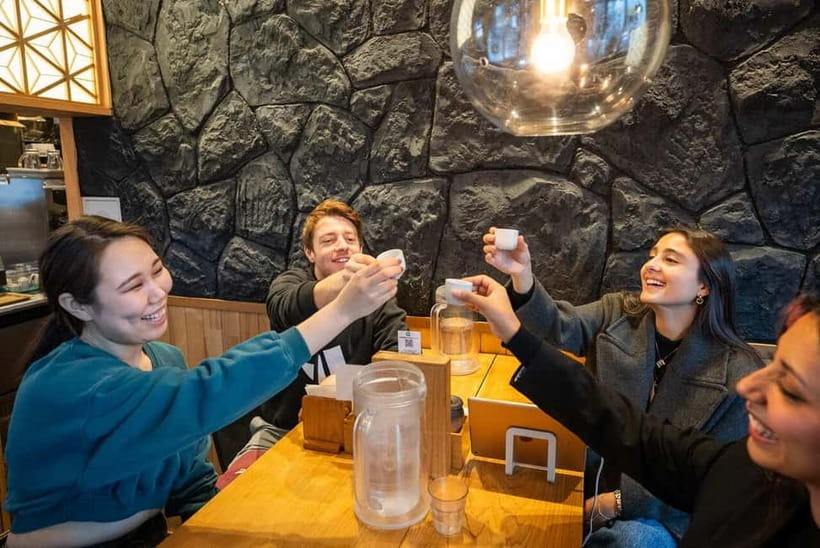
Haru is the only guide name provided, and the description of Haru is notably specific: friendly, welcoming, informative, and good with families. That matters because this type of tour depends heavily on the person leading it.
A good food guide makes a small place feel understandable. You learn what to order, how much to share, and why the dish matters. You also get someone to handle the awkward parts of entering an unfamiliar restaurant and communicating the order.
The experience appears well suited to families because the food is divided among several stops rather than built around one formal meal. Still, each person should be ready to walk through Shinjuku and try foods selected by the guide. The tour is not designed for someone who wants complete control over every dish.
Only English is listed as the tour language. If you want explanations in another language, this activity may not be the right match.
Practical preparation for Shinjuku’s food streets
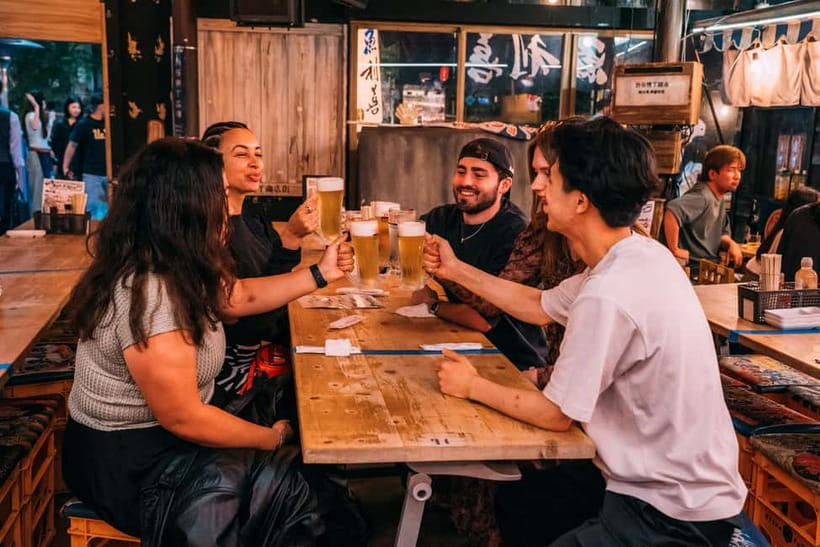
Wear comfortable shoes. You will be walking through backstreets and moving between four places, so practical footwear matters more than dressing for a formal restaurant.
Bring water and a camera. Water is useful during a food walk, especially if you are eating salty or grilled dishes, while a camera lets you record the streets and meals without needing to buy anything extra.
Pets and smoking are not allowed. The activity does not provide a separate accessibility description, so you should contact the provider if you have mobility concerns or need specific assistance.
Tell the guide about food dislikes at the beginning. The choices can be adjusted for preferences, but people with food allergies should not book this experience. That is the clearest limitation in the practical information.
The tour offers reserve and pay later booking, which can help if your Tokyo schedule is still changing. You can also cancel up to 24 hours in advance for a full refund, according to the stated policy.
Who will enjoy this food walk most
I would recommend this experience to a first-time visitor who wants an easy introduction to Japanese food without spending hours studying menus. It also suits anyone who prefers several small tastings to one long restaurant meal.
Families may appreciate the friendly guide style and the informal format. Couples and solo visitors can also benefit from having someone choose dishes and explain local customs.
This is less suitable for a serious food planner who already has a fixed list of restaurants. It is also a poor fit for people with food allergies, anyone who dislikes the idea of shared or guide-selected dishes, and visitors who want food and drinks included in the advertised price.
The tour is especially useful early in a Tokyo stay. You can use the guide’s explanations to make later meals less intimidating, even if you continue eating on your own afterward.
Should you book the Shinjuku food tour?
Book it if you want a low-cost introduction to local Japanese eating, prefer guidance over guesswork, and are happy to spend another 3,000 to 5,000 yen on food and drinks. The four-stop structure, backstreet route, and English explanations offer more than a standard restaurant recommendation.
Skip it if you need a guaranteed menu, allergy-safe dining, or a fully included price. Also ask about the current food choices if one item, such as ramen, sushi, or yakitori, is essential to your plans.
For most curious eaters, this is a practical way to get oriented in Shinjuku. Haru’s friendly and informative approach adds a personal touch, while the small local stops keep the experience focused on how people actually eat.
FAQ
How much does the Shinjuku food tour cost?
The tour costs $16 per person. Food and drinks are not included.
How much should I budget for food and drinks?
Most people spend about 3,000 to 5,000 yen in total for food and drinks at the four stops.
How many places does the tour visit?
The tour visits four local food stands and restaurants in Shinjuku.
What foods might be included?
Possible foods include tempura, sushi, yakitori, ramen, and a traditional Japanese dessert. The exact choices may vary.
Where does the tour start?
The meeting point is near Uniqlo in Shinjuku.
Where does the activity end?
The activity ends back at the meeting point.
Is the tour offered in English?
Yes. English is the listed tour language, and the experience includes an English-speaking local guide.
Can people with dietary restrictions join?
The guide can adjust choices for dislikes and dietary preferences, but the activity is not suitable for people with food allergies.
Newly added plates around Tokyo
- Tsukiji Fish Market Street Food & Culture Walking Tour★ 5.0 · 8 reviews
- Tsukiji Fish Market: Street Food Tour with Tasting★ 5.0 · 4 reviews
- Ueno Park and Ameyoko Street Food Market Half Day Walking Tour★ 5.0 · 3 reviews
- Tokyo:Enjoy street food & Japanese food culture at Tsukiji Market★ 5.0 · 6 reviews
- Tokyo Fish Market Food Tour: Street Food & Friendly Guide★ 3.0 · 2 reviews
- Tokyo Street Food Tour – 7 Japanese Foods★ 5.0 · 16 reviews
- Private Tokyo food scene 6 hour experience: Depatika, street food, izakaya★ 5.0 · 9 reviews
- Matsushima Bay, Islands and Seafood Market day tour from Tokyo★ 5.0 · 2 reviews
Tokyo Street Food Tours, compared.
Tsukiji Fish Market Food and Culture Walking Tour
Read our review →
Tsukiji Fish Market: Street Food & Culture Walking Tour
Read our review →Tsukiji Fish Market: Street Food & Culture Walking Tour
Read our review →
Private Tsukiji Fish Market Tour with 3 Food Stops
Read our review →
Private Tokyo food scene 6 hour experience: Depatika, street food, izakaya
Read our review →
Sensoji Temple & Street Food: Private Tour with guide
Read our review →Browse the lists this tour appears in