
REVIEW · NIGHT MARKET FOOD TOURS
Private Nishiki Market Food & Sake Tour by Young Local Guides
Nishiki Market is one of Kyoto’s best places to understand the city through its food, and this private two-hour walk gives you a young local guide to point out what deserves your attention. You begin at Nishiki Tenmangu Shrine, perform a short purification ritual, then work your way into the market for seafood, yuba, omelet, pickles, sweets, and sake.
I like the private format, since your group can ask questions and move at a comfortable pace. I also like the student-guide angle. Hiyori, one named guide, was praised for explaining local food and current market habits. The main catch is cost clarity: the $6.53 price is very low, while lunch and alcoholic drinks are not included, so you should carry cash and expect extra spending.
Key points to know before booking
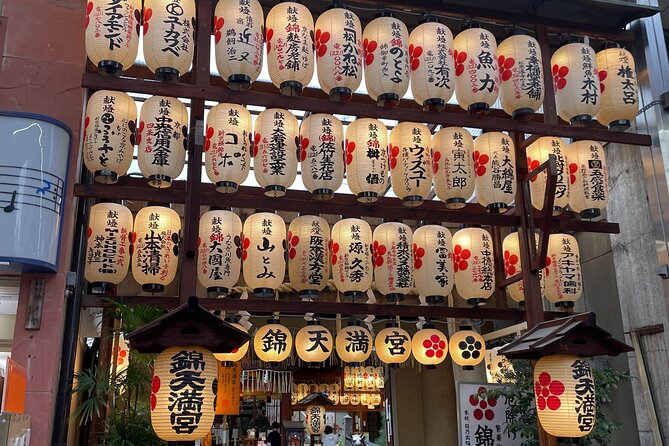
- Nishiki Tenmangu starts the story: Begin at a small shrine built into the shopping street, with a brief introduction and purification ritual.
- Private student guides: Your group tours alone, with young local guides such as Hiyori sharing a fresh Kyoto perspective.
- Many small tastings: Possible foods include grilled seafood, sashimi, yuba, dashimaki tamago, pickles, mochi, wagashi, and matcha desserts.
- Vegetarian and vegan choices: Tell your guide what you eat so suitable market foods can be recommended.
- Sake is separate: Kyoto-made sake tasting is part of the route, but alcoholic drinks are not included in the price.
- Bring cash: At least one person specifically advised carrying cash for market purchases and food.
Why Nishiki Market works so well for a food walk
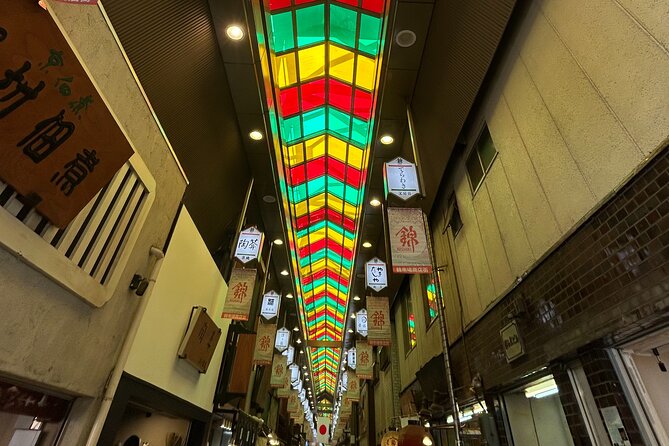
Nishiki Market is a long shopping street packed with small food shops and specialty stalls. It is not a sit-down meal. It is a place for a bite here, a sample there, and a quick look at ingredients you may not recognize.
That makes a guide useful. If you walk through alone, you might see skewered seafood, rolled omelet, tofu skin, pickles, and Japanese sweets without knowing what to choose or how each fits into Kyoto cooking. A local guide can turn a row of attractive food into a clearer picture of what people in Kyoto actually eat.
This experience is also private, which changes the mood. You do not have to match the pace of a large group or wait while a dozen people take photos. You can ask why a particular pickle tastes sharp, what yuba is used for, or which matcha snack travels well in a suitcase.
The tour lasts about two hours. That is enough time for an introduction, several tastings, sake, and a little shopping, but it is not long enough for a full meal or a slow examination of every market stall. I would think of it as a guided sampler followed by free time to buy more.
More Night Market Food Tours in Japan:
- Tokyo: Tsukiji Fish Market Food and Culture Walking Tour
★ 4.7 · 757 reviews - Deep Dive: Osaka Food Markets from Local to Luxurious!
★ 5.0 · 31 reviews - Tokyo: Private Tsukiji Fish Market Tour with 3 Food Stops
★ 5.0 · 9 reviews
Starting at Nishiki Tenmangu Shrine
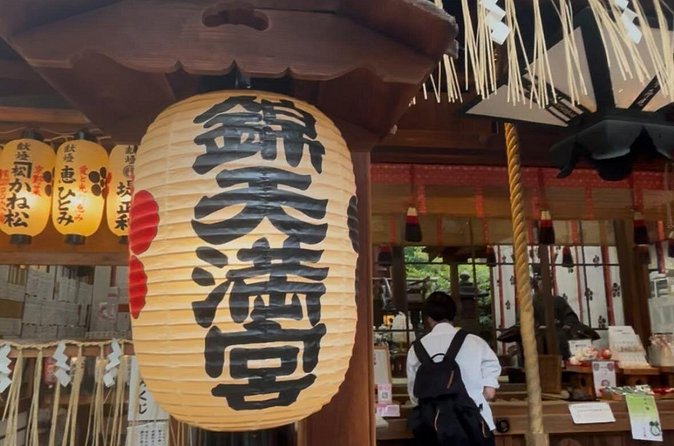
The meeting point is at 537 Nakanochō in Nakagyo Ward, at the Nishiki Tenmangu area. The shrine is a fitting start because it is small, easy to miss, and built right into the shopping street.
Nishiki Tenmangu is dedicated to the god of learning. People come here to pray for success in study or business. Your guide gives a short introduction, then leads a purification ritual before the food walk begins.
I like this opening because it prevents the tour from becoming a simple snack crawl. You get a brief cultural pause before entering the market. The stop is listed at about 10 minutes, so do not expect a long shrine lecture or an extensive temple visit.
It is also worth setting expectations. A short shrine stop cannot explain every religious detail or the full background of the shopping arcade. One person who took the tour enjoyed starting at the shrine but wanted more information about the site. If you want a detailed lesson in Kyoto architecture or religion, this is not the right tour for that purpose.
Still, the shrine makes a pleasant first stop. It gives you a moment to reset before the noise, smells, and close-packed shops of Nishiki Market.
Tasting seafood, yuba, and rolled omelet
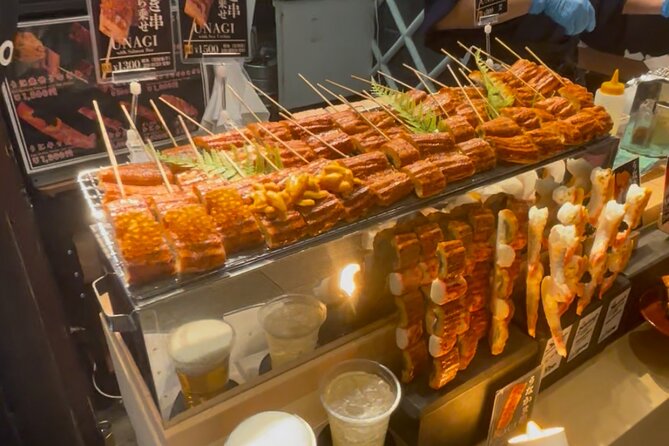
The food section is the heart of the experience. You walk through the market and try Kyoto favorites selected with help from your guide.
The seafood portion may include grilled seafood, seared scallops, and sashimi from local vendors. These foods give you three different experiences: cooked and smoky, quickly seared, and fresh. Since market portions can vary, think of these as small bites rather than a guaranteed seafood lunch.
Dashimaki tamago is another useful introduction. This Kyoto-style rolled omelet is made with broth, giving it a softer and more savory taste than a plain egg omelet. It is a good example of how a familiar ingredient can taste quite different in Japanese cooking.
Yuba is tofu skin, formed from the thin layer that develops when soy milk is heated. It is a Kyoto specialty and often appeals to people looking for something lighter or meat-free. Your guide can help explain which options suit your preferences, although the exact stall and sample can change.
Kyoto-style pickles bring a sharper contrast to the seafood and egg. They are useful with rice and other dishes, but the flavor can be salty, sour, or strongly fermented depending on the type. If you normally avoid pickled foods, ask for a small taste first.
The tour description also points to vegetarian and vegan options. That is helpful, but you should state your dietary needs at the start. Do not assume every stall can handle every restriction. The guide can recommend suitable choices, while the final availability depends on the market vendors.
Saving room for mochi, wagashi, and matcha
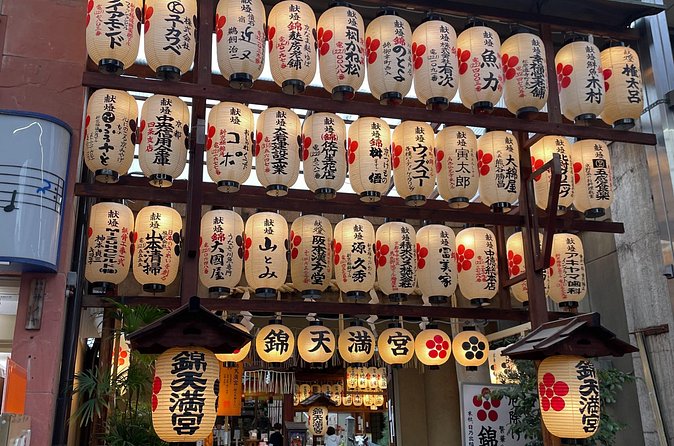
Nishiki is not only about savory food. Traditional sweets are part of the route, and this is where the walk becomes especially appealing for anyone who likes Japanese confectionery.
Wagashi are traditional Japanese sweets often made with ingredients such as bean paste, rice flour, and sugar. They can be delicate in flavor and appearance. Mochi gives you a chewier texture, while matcha desserts bring the familiar bitter edge of powdered green tea.
You may find matcha parfaits or ice cream made with Kyoto-grown green tea. These are more filling than a tiny confection, so pace yourself. With seafood, omelet, yuba, pickles, sake, and sweets all competing for attention, two hours can pass quickly.
I like this range because it avoids treating Kyoto food as one single style. You taste salty, savory, sour, chewy, creamy, and bitter elements in a short period. It is also useful for families and mixed groups, since someone who is not excited by raw fish may be happy with mochi or matcha ice cream.
The drawback is that the tour does not promise a fixed menu in the supplied details. Vendors and portions may vary, and lunch is specifically not included. Plan to buy a proper meal later if you arrive hungry.
More Street Food and Drinks Crawls in Japan:
- Hungry Osaka Street Food Tour:15 Tastings & 3 Drinks with a Local
★ 5.0 · 1,727 reviews - Hungry Osaka Street Food Tour: 15 Dishes & 3 Drinks
★ 4.9 · 694 reviews - Florence: Street Food Tour with Wine & Local Guide
★ 4.9 · 1,443 reviews - Athens: Food Market Visit and Cooking Class with Wine
★ 4.9 · 1,087 reviews
Tasting Kyoto-made sake at a local shop
The sake stop adds an adult side to the food walk. At a local shop, you taste different Kyoto-made styles, ranging from crisp and dry to fruity and smooth.
That range is a good starting point if sake is new to you. You can compare how sweetness, dryness, fragrance, and texture change from one bottle to another. A young local guide may also help you connect each taste to the foods you have already tried.
Alcoholic beverages are not included. This matters because the advertised price is only $6.53 per person. The price may get you the guided experience, but you should budget separately for sake and for any food or shopping purchases. The supplied details list lunch as not included as well, so read the final booking terms carefully before assuming tastings are covered.
If you do not drink, confirm how the stop will work for your group. The tour description centers on sake tasting, but it does not state a nonalcoholic substitute. The market itself offers plenty of food interest, yet the sake portion may be less useful to a nondrinker.
Shopping for edible Kyoto gifts
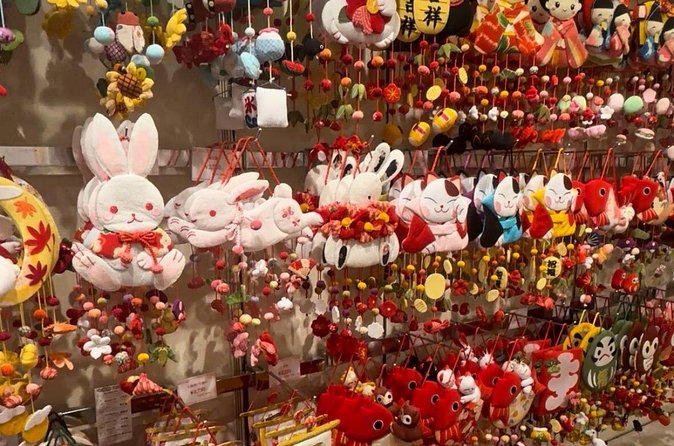
The final part gives you time to shop. Suggested purchases include matcha snacks, condiments, and small bottles of sake.
This is a practical ending because you have already tried some of the flavors. If a pickle or sweet appeals to you, you can look for a packaged version. Matcha snacks are easy gifts, and small sake bottles can be a good choice for someone who wants a taste of Kyoto without carrying a full-size bottle.
Ask about storage and transport before buying anything perishable. The supplied details do not promise shipping, refrigeration, or help with customs. Packaged snacks and condiments are usually easier to manage than fresh seafood or chilled foods, but you should check each item yourself.
The shopping time also gives you a chance to return to a stall you passed earlier. In a large group, this can be rushed. With a private guide, you have a better chance of asking what a product is and how it is normally used.
What the private, student-led format feels like
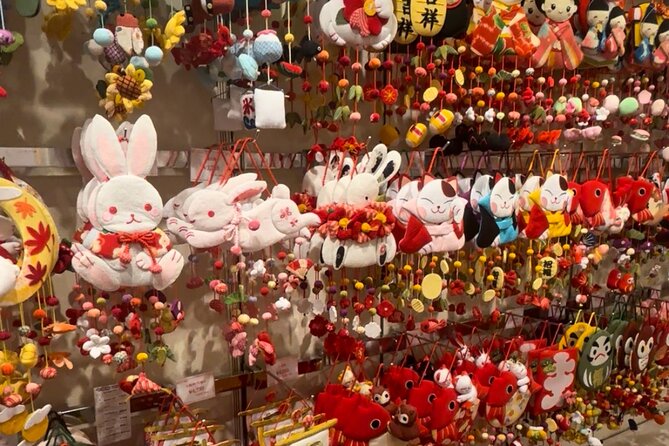
The tour is for your group only. That is the strongest practical feature for people who enjoy questions, flexible pacing, or a more personal exchange.
The guides are young local students. Their age can be an advantage. You may get a current view of where young people eat, which snacks are popular now, and how Kyoto residents use the market today. The tone is likely more conversational than formal.
It also means guide experience can differ. Hiyori received strong praise for explaining local food and market trends. Another guide was described as kind but new, with less detail about the shrine and its setting. I would book this experience for a friendly local introduction, not as a formal expert lecture.
That distinction matters. If you want academic-level information about sake brewing, religious practice, or Kyoto cuisine, choose a specialized food historian or sake educator. If you want a private companion to help you make sense of a busy market, this format makes more sense.
Photography service is included. The details do not explain how many photos you receive or how they are delivered, so treat it as a pleasant extra rather than the main reason to book.
Is $6.53 good value?
At $6.53 per person, the tour looks inexpensive. The value depends on what you expect that price to cover.
You are paying for a private guide, a two-hour route, local food guidance, a shrine visit, sake-shop access, and time to shop. That is a strong deal if the listed price is mainly an introductory guiding fee and you are happy to pay vendors separately.
It is less of a bargain if you expect a full lunch, generous tastings, and included sake. Alcoholic drinks and lunch are excluded, and the included section does not clearly promise food costs. I would set aside extra money for samples, a possible meal, sake, and souvenirs.
The tour is booked an average of 36 days ahead. That suggests you should reserve early if your Kyoto dates are fixed, especially since the private format limits the number of groups that can be accepted. Free cancellation is allowed up to 24 hours before the start time, but changes or cancellations inside that window are not refunded.
Who should book this Nishiki Market walk?
I would recommend it to first-time Kyoto visitors who want help choosing market foods without committing to a long formal food tour. It also suits couples, families, and small private groups that prefer to ask questions as they go.
Vegetarians and vegans may find it useful because the guide can point out suitable foods. You should still explain your needs clearly before tasting anything. People who enjoy Japanese sweets, matcha, pickles, and small portions will get more from the route than someone seeking a large sit-down meal.
The experience is less suitable if you need a fixed menu, included alcohol, a fully detailed religious lecture, or a guaranteed meal. It also may not satisfy someone looking for a highly technical sake class.
Should you book it?
Book this tour if you want a low-cost, private introduction to Nishiki Market, with a young local guide helping you choose food and explain Kyoto habits. The mix of seafood, yuba, omelet, pickles, sweets, matcha, and sake gives you a broad taste of the market in only two hours.
Go in with realistic expectations. Carry cash, budget extra for food and alcohol, and see the student guide as a friendly local interpreter rather than a formal scholar. If that sounds right, this is a smart way to get your bearings at Nishiki Market before returning on your own.
FAQ
Where does the tour start?
It starts at 537 Nakanochō, Nakagyo Ward, Kyoto, 604-8042, Japan, near Nishiki Tenmangu Shrine.
Where does the tour end?
The activity ends back at the meeting point.
How long does the tour last?
The tour lasts approximately two hours.
Is the tour private?
Yes. Only your group participates in the activity.
What foods may be sampled?
Possible foods include grilled seafood, seared scallops, sashimi, yuba, dashimaki tamago, Kyoto-style pickles, wagashi, mochi, matcha parfaits, and matcha ice cream.
Are vegetarian and vegan options available?
Yes. Vegetarian and vegan options are available and can be recommended by the guide.
Is sake included in the price?
No. Alcoholic beverages are not included.
Can the tour be canceled for a full refund?
Yes. You can cancel at least 24 hours before the local start time for a full refund. Cancellations or changes made less than 24 hours before the start time are not accepted for a refund.
Newly added plates around Japan
- Tsukiji Fish Market Street Food & Culture Walking Tour★ 5.0 · 8 reviews
- Tsukiji Fish Market: Street Food Tour with Tasting★ 5.0 · 4 reviews
- Ueno Park and Ameyoko Street Food Market Half Day Walking Tour★ 5.0 · 3 reviews
- Tokyo:Enjoy street food & Japanese food culture at Tsukiji Market★ 5.0 · 6 reviews
- Tokyo Fish Market Food Tour: Street Food & Friendly Guide★ 3.0 · 2 reviews
- Private Tokyo food scene 6 hour experience: Depatika, street food, izakaya★ 5.0 · 9 reviews
- Matsushima Bay, Islands and Seafood Market day tour from Tokyo★ 5.0 · 2 reviews
- Tokyo Street Food Tour – 7 Japanese Foods★ 5.0 · 16 reviews
Night Market Food Tours, compared.
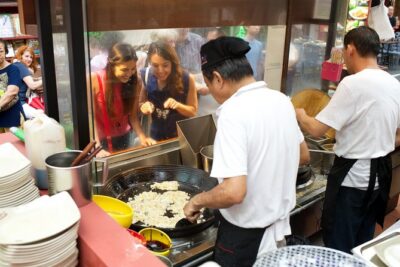
Small Group: Michelin and Local Hawker Food Tour with 9 tastings
Read our review →
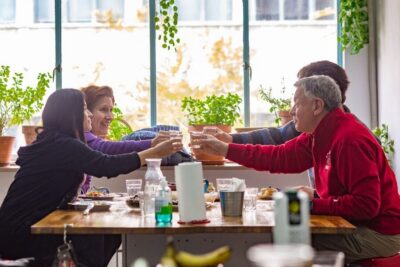
Food Market Visit and Cooking Class with Wine
Read our review →
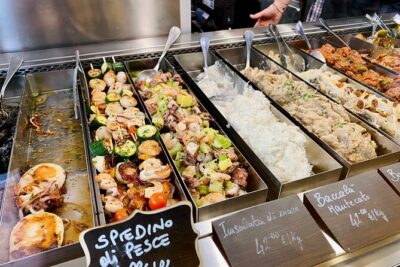
Venice Street Food Tour with Local Guide with Local Food Market Visit
Read our review →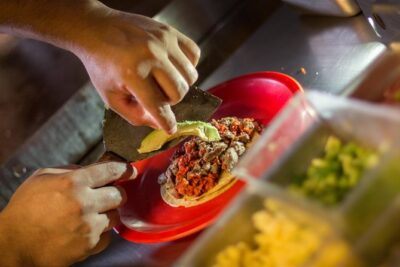
Cancun Taco Tour, Local Beer and Night Market with Transportation
Read our review →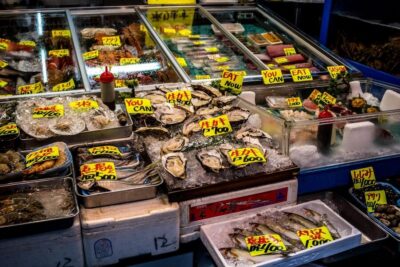
Tsukiji Fish Market Food and Culture Walking Tour
Read our review →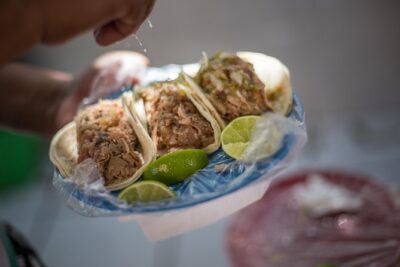
Cancun Street Food Tour with Food Stalls, Local Market and Murals
Read our review →Browse the lists this tour appears in