
REVIEW · CHINATOWN FOOD TOURS
Singapore: Chinatown Street Food Tour
Singapore’s best food lesson may begin with a plate of chicken rice rather than a museum ticket. This three-hour Chinatown tour ties eight local dishes to the streets, food centers, temples, and market lanes where Singapore’s Chinese food culture comes to life.
I like the mix of eating and walking, especially the stop at Maxwell Food Centre and the chance to try everyday favorites such as fried carrot cake and traditional coffee. I also like that guides Richard and Liang are praised for explaining the history and culture behind each dish, not just pointing out the next snack.
The main drawback is the fixed morning schedule, from 9 a.m. to noon, with no refund for late arrivals or no-shows. You’ll also need to look elsewhere if you use a wheelchair or have food allergies, since this tour is not suitable for either.
Key points to know before booking
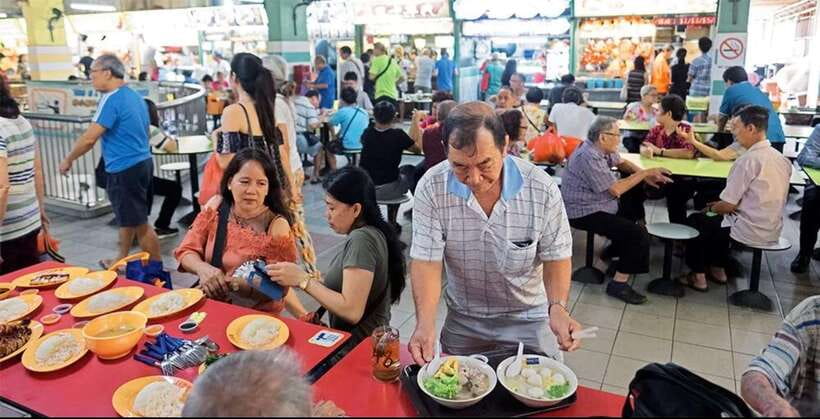
- Eight tastings in three hours: The tour covers Hainanese chicken rice, local coffee, fried carrot cake, spring rolls, and other Singaporean favorites.
- Chinatown beyond the main street: You’ll visit food centers, market areas, heritage sights, and lesser-known alleys on foot.
- Richard and Liang are named guides: Both are praised for clear explanations of Singaporean food, culture, and Chinatown’s past.
- A morning-only experience: Tours operate daily from 9 a.m. to noon, so plan breakfast around the tastings.
- Come prepared for heat and rain: Comfortable shoes, water, sunscreen, and a poncho or umbrella are sensible choices.
- Important limits: Transportation, extra food and drinks, personal expenses, and food for special dietary needs are not included.
Why this Chinatown food tour works
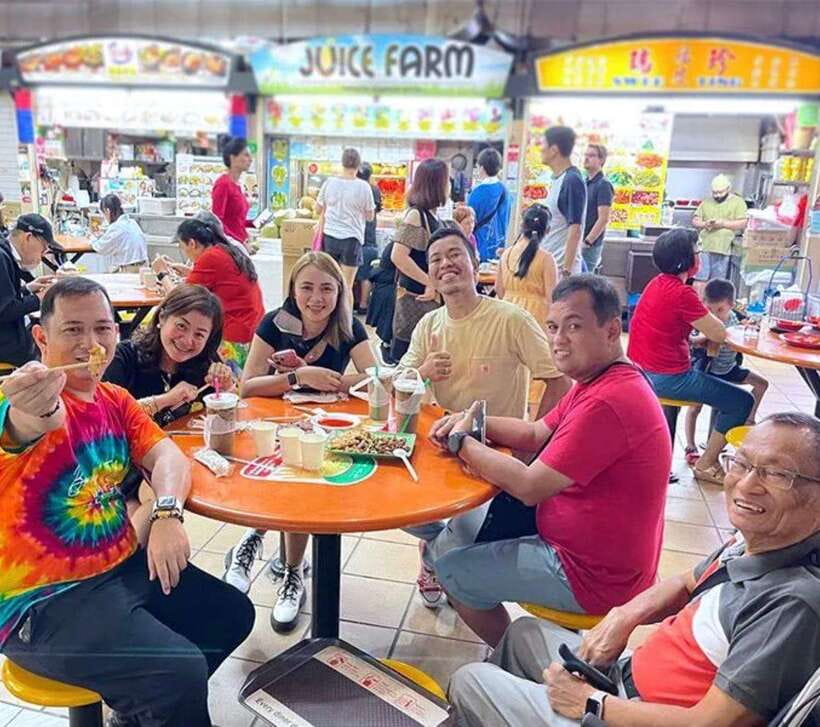
A good food tour should do more than feed you. It should help you understand why a dish matters, how locals eat it, and where it fits into the city’s story. This experience is built around that idea.
You begin at the Chinatown Visitor Centre, near Chinatown MRT Exit A. That is a useful meeting point because you can reach it by public transit and avoid spending part of your morning searching for a restaurant or stall on your own.
From there, your guide leads you through Chinatown on foot. The route combines well-known shopping areas with smaller lanes and market spaces. You are not simply seated at one restaurant for three hours. Instead, you walk between stops, hear stories about Singapore, and eat along the way.
The food list is broad enough to give you a proper first taste of local cooking. Hainanese chicken rice brings steamed chicken, rice cooked with stock and seasoning, and the sauces that make the plate work. Fried carrot cake is not a sweet dessert. It is a savory dish made from rice cake, often cooked with egg and other seasonings. Traditional Singaporean coffee gives you a look at the city’s everyday café culture, while spring rolls add another crunchy stop to the route.
The exact food items can change based on availability. That is normal at food centers, where stalls may sell out or adjust what they serve. If you want a perfectly fixed menu, this may feel less predictable. If you prefer a tour that follows what is fresh and available that morning, the flexibility is useful.
More Chinatown eating walks in Singapore:
- Singapore: Chinatown Hawker Food Tasting Tour
★ 5.0 · 96 reviews - Kampong Glam, Little India & Chinatown with Local Street Food Tastings
★ 4.5 · 70 reviews - Michelin Premium Food Tour with Hawker Centre & Chinatown Tour
★ 4.5 · 50 reviews
Starting at Chinatown Visitor Centre
The meeting point is Chinatown Visitor Centre, close to Chinatown MRT Exit A. I would arrive early. The tour starts on time and does not extend for late arrivals, with no refund for missing the start.
That rule matters more here than it might on a bus tour. The group will be walking through several parts of Chinatown and stopping at food centers on a set schedule. A late arrival could mean missing the first explanation or the first tasting, and catching up may be difficult.
Wear shoes that can handle three hours of walking and standing. Bring water, sunscreen, and a poncho or umbrella. Singapore can be hot, and rain is always something to plan for. The tour is outdoors for much of its length, even though the food stops provide breaks from the streets.
Chinatown Heritage Centre: food with a sense of place
The Chinatown Heritage Centre is used as an early sightseeing stop, with about 30 minutes for a visit, guided explanation, photographs, and walking around the area. This gives the tour a useful opening chapter before the main meal stops begin.
The value here is context. Chinatown is not just a collection of restaurants and souvenir shops. Its streets and buildings connect to the lives of the people who shaped Singapore’s Chinese community. Your guide can help you notice the setting before you start judging dishes by flavor alone.
This is also a good point to ask questions. If you have never tried Singaporean food, ask your guide how a dish is normally eaten or which sauces are important. Guides Richard and Liang are both described as bringing strong food and cultural explanations to the walk, which is exactly what makes a stop like this more useful than a quick photo opportunity.
Do not expect a long museum visit. The listed time is around 30 minutes, and the tour has several later stops. Think of it as a short introduction to Chinatown rather than a full museum session.
Walking Chinatown between tastings
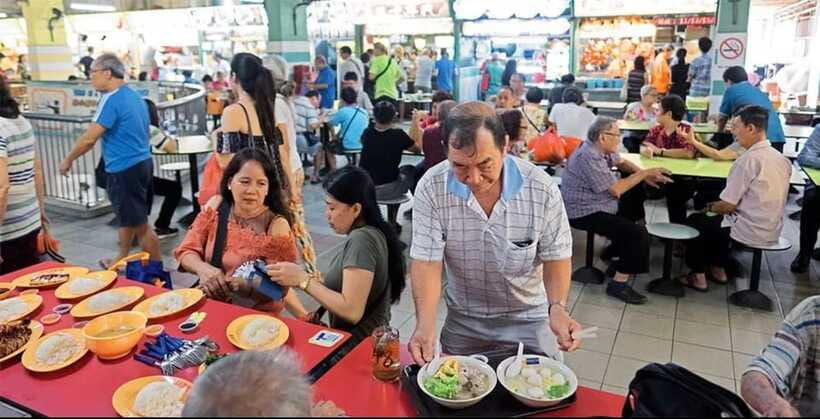
The general Chinatown portion also allows about 30 minutes for walking, sightseeing, and a break. This is where the tour’s format starts to make sense. Eating eight dishes in one place would be heavy and repetitive. Moving through the neighborhood gives you time to let each tasting settle.
You’ll pass shopping areas and smaller alleys, with your guide explaining what you are seeing. The route is designed to connect food with place. That means you get more than a list of Singaporean dishes. You also get a sense of how food centers, market streets, religious buildings, and heritage areas sit close together.
The walking is not just filler between meals. It keeps the tour active and gives your guide room to talk about Singaporean history and culture. Still, you should be honest with yourself about the pace. This is not a seated tasting. If you dislike walking in warm weather or standing near busy food centers, the format may test your patience.
More street food tours in Singapore:
- Small Group: Michelin and Local Hawker Food Tour with 9 tastings
★ 5.0 · 1,890 reviews - Small Group: Singapore Street Food & Night Tour with 9 tastings
★ 5.0 · 1,240 reviews - Singapore: UNESCO Street Food & Cultural Experience
★ 5.0 · 524 reviews - Small-Group Food Tour With Hawker Center: Eat Like A Local
★ 5.0 · 420 reviews
Maxwell Food Centre and the first serious meal
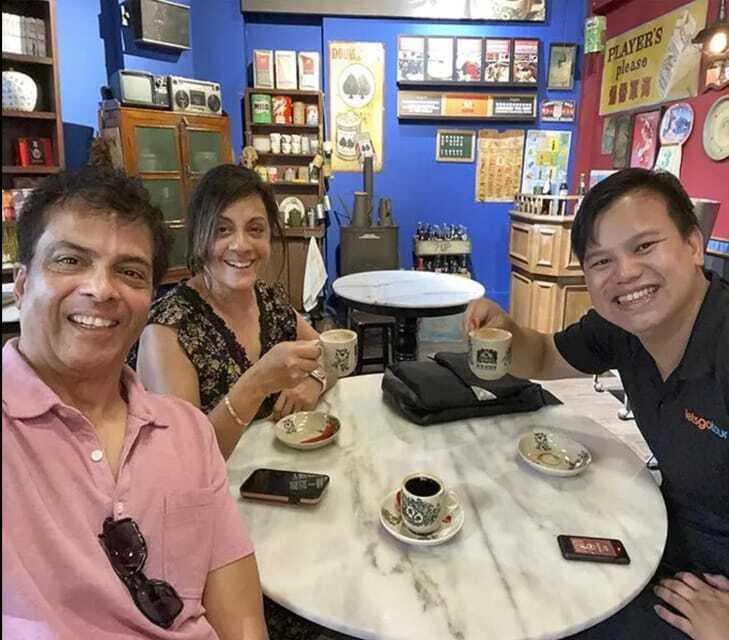
Maxwell Food Centre is scheduled for a 30-minute food tasting and breakfast stop. This is one of the most important parts of the morning because food centers are central to the Singaporean eating experience.
Food centers bring many stalls together under one roof, giving you access to everyday dishes without the formality of a restaurant. A guide is especially helpful here. You may not know which stall to choose, what portion size to expect, or how to identify the dish you have just been served.
Hainanese chicken rice is one of the key tastings. It may look simple, but the balance depends on the chicken, the seasoned rice, sauces, and texture. A guide can explain what to notice instead of leaving you to decide that it is merely rice and chicken.
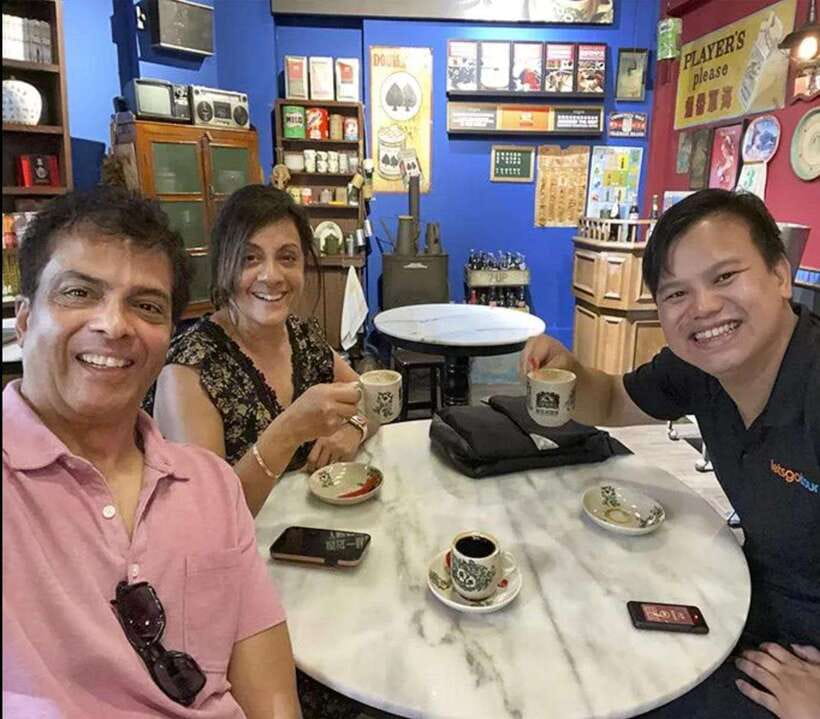
Traditional coffee is another useful stop. Singaporean coffee has its own preparation and serving style, and it is closely tied to local food-center culture. Since the tour is scheduled in the morning, this drink fits the timing well. If you are sensitive to caffeine, ask your guide about the coffee before drinking a full serving.
Thirty minutes is enough for a focused tasting, but not for leisurely browsing every stall. You should arrive ready to eat rather than expecting a long café break.
Buddha Tooth Relic Temple and a change of pace
After the food center, the tour visits Buddha Tooth Relic Temple for about 30 minutes. This is a welcome change of pace after the first substantial tasting.
The temple adds a religious and architectural element to a food-focused morning. It also helps show that Chinatown is not only about eating. Your guide can connect the temple to the neighborhood and explain what you are seeing as you walk through the area.
Dress and behave respectfully at the temple. The supplied information does not set out a detailed dress code, so the safest approach is modest clothing and quiet conduct. Follow any signs or instructions at the site.
This stop may appeal most to people who want a broader introduction to Chinatown. If you only want a rapid sequence of dishes, half an hour at a temple may feel like a pause in the food tour. I see it as a strength, since the walk would otherwise become one long meal.
Chinatown Street Market and the snack stops
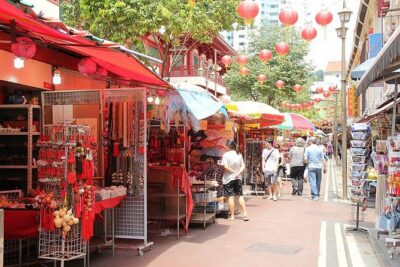
The Chinatown Street Market brings another 30-minute break for sightseeing, free time, walking, and street food. This part gives you a chance to see Chinatown at street level, with stalls and shopping activity around you.
The free time is useful because it gives you a little room to look around rather than moving in a straight line from one tasting to the next. You may find small goods, food stalls, and busy pedestrian areas, but the specific stops can depend on the guide and what is available that day.
This is also where a poncho or umbrella earns its place in your day bag. You are moving through open-air areas, and rain can interrupt even a short walk. Water matters too. Singapore’s heat can sneak up on you, especially when you combine walking with several food tastings.
The street market stop is not a separate shopping excursion. Keep your expectations practical. The main purpose is to see another side of Chinatown and sample food, not to spend hours bargaining or browsing.
Chinatown Complex and the final round of dishes
The final listed stop is Chinatown Complex, with a guided walk, food market visit, and more tasting. This is another food-center setting, but it gives you a different look at how local meals are organized and sold.
By this stage, you will have tried several items, so pace yourself. The tour includes eight dishes in total, but you are not required to treat every tasting like a full restaurant meal. Small portions can add up quickly. A light meal before the tour is best, and I would avoid a large breakfast.
The menu can include juicy spring rolls, fried carrot cake, and other local dishes beyond the named highlights. Since food items depend on availability, your final selection may vary. That is worth accepting as part of the food-center experience.
The guide’s role matters most here. Without help, Chinatown Complex can feel like a maze of stalls and signs. With explanations, you can focus on taste, ingredients, and the way people use these places for ordinary meals.
What the guide adds to the morning
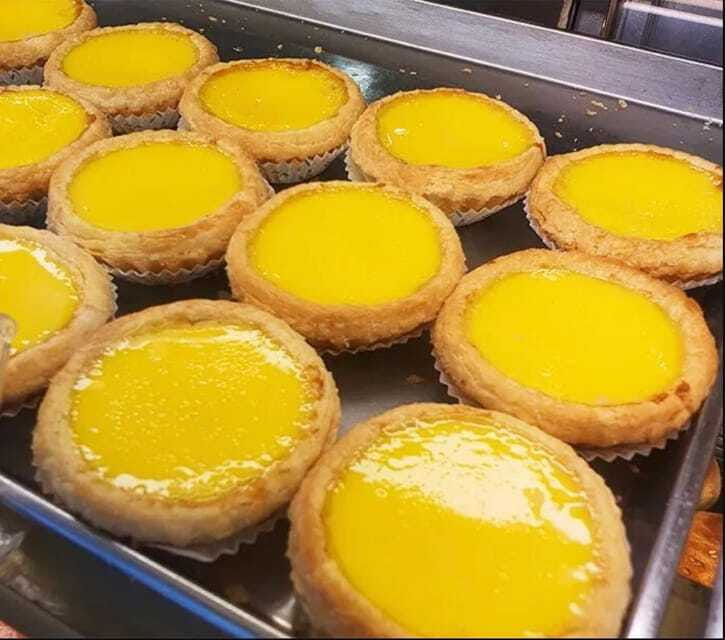
The strongest part of this experience is the guide-led explanation. The tour includes a licensed English-speaking guide, and the named guides Richard and Liang have both been praised for linking food with Singapore’s history and culture.
That distinction matters. A guide who only says what a dish is can help you order lunch. A guide who explains why people eat it, how it fits into Chinatown, and what to look for gives you a better handle on Singaporean food after the tour ends.
Richard is described as passionate about the subject and strong at explaining both food and culture. Liang is also praised for informative commentary and for selecting good street food. Since guide assignments can vary, you should not assume one specific person will lead your departure, but these names give you an idea of the teaching style associated with the experience.
The tour has a top rating from three available reviews, including strong praise for the guides’ food, history, and cultural explanations. That is a small sample, so I would not treat it as a guarantee. Still, the praise points to the feature that matters most here: the quality of the person leading the walk.
Is $118 good value?
At $118 per person, this is not the cheapest way to eat in Chinatown. You could spend far less by visiting a food center on your own. The price makes more sense if you want a guide, eight planned tastings, neighborhood sightseeing, and explanations that help you order with confidence later.
The tour includes the guided experience and eight local dishes. Transportation to and from the meeting point, personal expenses, extra food, and additional drinks are not included. Keep a little extra money available if you want to buy something beyond the included tastings.
I would judge the value this way: solo eaters who already know Chinatown may find the price high. First-time visitors who want a structured morning and do not want to guess at every stall may find it reasonable. The tour also saves you from building your own route between the Heritage Centre, Maxwell Food Centre, Buddha Tooth Relic Temple, the street market, and Chinatown Complex.
The three-hour length is another part of the value. It is long enough to cover several types of food and sightseeing without taking your entire day. You can still plan another activity after noon.
Who should book this experience?
I would recommend it to first-time visitors to Singapore, curious eaters, and anyone who wants a local food introduction with historical background. It suits people who enjoy walking, trying unfamiliar dishes, and listening to a guide explain what they are eating.
It also works well for visitors who feel unsure about food centers. You get an organized route and someone to help make sense of the choices. The English-language format is useful if you want detailed explanations rather than simply following a menu.
I would be cautious if you have food allergies. The experience is specifically listed as unsuitable for people with food allergies, and the dishes can change depending on availability. It is also not suitable for wheelchair users.
Come hungry, but not starving. Bring water, wear comfortable shoes, and arrive early at Chinatown Visitor Centre. The tour does not wait for late arrivals, and a rushed start would spoil an otherwise well-planned morning.
Should you book the Chinatown food tour?
Book it if you want more than a checklist of Singaporean dishes. The combination of eight tastings, Chinatown’s food centers, a temple, market streets, and guide-led cultural stories gives you a useful introduction to the city’s everyday food culture.
Skip it if you prefer choosing your own stalls, need a fully fixed menu, or want a private and leisurely meal. At $118, you are paying for structure and interpretation, not just calories.
For most first-time visitors who can walk comfortably and eat a range of foods, this is a practical way to get oriented. You leave with several dishes in your memory, a better sense of Chinatown, and enough guidance to return to Singapore’s food centers on your own.
FAQ
Where does the Chinatown food tour meet?
The meeting point is Chinatown Visitor Centre, near Chinatown MRT Exit A.
How long does the tour last?
The activity lasts about three hours. The guided tour is described as lasting three to four hours in the included services, while the scheduled operating time is 9 a.m. to noon.
What food is included?
The tour includes eight local Singaporean dishes. Named examples include Hainanese chicken rice, traditional Singaporean coffee, spring rolls, and fried carrot cake. Food items can change depending on availability.
Is transportation included?
No. Transportation to and from the meeting point is not included.
Is the tour suitable for wheelchair users or people with food allergies?
No. The tour is listed as unsuitable for wheelchair users and people with food allergies.
What should I bring?
Bring comfortable shoes, water, sunscreen, and a camera. A poncho or umbrella is also recommended because parts of the tour take place outdoors.
Newly added plates around Singapore
- UNESCO Hawker Culture: Chinatown Food Tasting Tour★ 4.9 · 43 reviews
- Singapore Street Food Join-In Tour★ 5.0 · 2 reviews
- Private Tour Singapore Street Food & Night Tour★ 5.0 · 4 reviews
- UNESCO Hawker Culture: Chinatown Food Tasting Tour★ 5.0 · 47 reviews
- Singapore Nightlife: Street Food, Night Views and Drinks★ 5.0 · 19 reviews
- Signature Urban Night Tour: Sunset Street Food in Singapore★ 5.0 · 4 reviews
- Singapore Street Food and Ethnic Quarters Kick Scooter Tour★ 5.0 · 8 reviews
- Singapore: Little India Hawker Food Tasting Tour★ 5.0 · 21 reviews
Chinatown Food Tours, compared.
Bangkok Tuk-Tuk Tour by Night with Chinatown Street Food Meal
Read our review →
Bangkok Tuk-Tuk by Night with Chinatown Street Food Meal
Read our review →
Sydney’s Chinatown Street Food and Stories Walking Tour
Read our review →
Kampong Glam, Little India & Chinatown with Local Street Food Tastings
Read our review →
Bangkok Hidden Gems: Talad Noi, Chinatown & Street Food Tour
Read our review →Browse the lists this tour appears in