
REVIEW · NIGHT MARKET FOOD TOURS
Singapore: Chinatown Hawker Food Tour with 7 Food Tastings
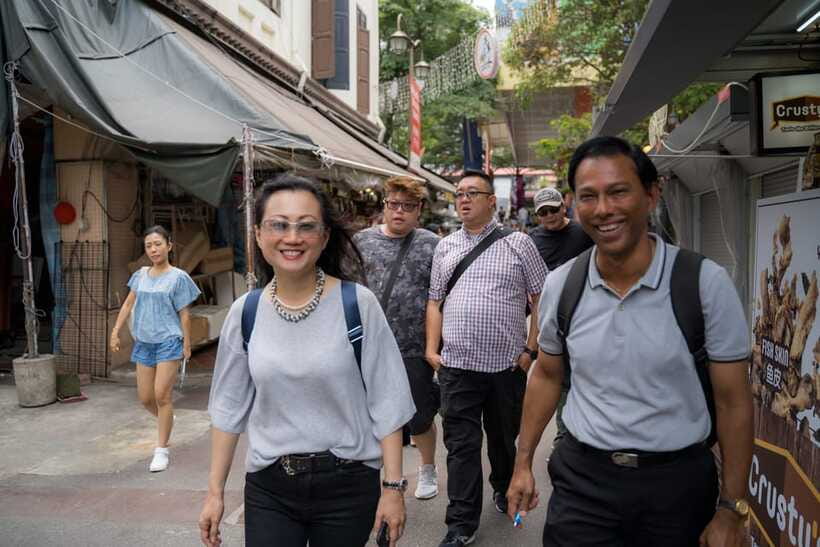
Singapore’s Chinatown is at its best when you eat your way through it. This three-hour food walk takes you from bak kwa and kaya toast to hawker-center classics, then adds a look at the Buddha Tooth Relic Temple and a final turn through Chinatown Food Street.
I like the way the tour combines seven food tastings with local history, rather than treating food as a string of unrelated snacks. I also like the guide-led format: guides such as Tang, Jeanette, Edwin, Lee, and Angel have been praised for explaining both the dishes and Singapore’s past. The main drawback is group size. A group of nine can mean split tables and less time with the guide, so you may get more food than conversation.
Key points to know before booking
- Bak kwa starts the meal: Try Singapore’s salty-sweet dried pork at a small local shop.
- Breakfast classics are included: Coffee or milk tea comes with kaya toast at a traditional coffee shop.
- Hawker food is the main event: Expect chicken rice, chwee kueh, fried noodles, prata, curry, and a local dessert.
- Chinatown history comes between bites: The route includes local architecture and the Buddha Tooth Relic Temple.
- The experience costs $88 per person: That includes all food, drinks, and an English-speaking guide.
- Bring your own tissues: One participant found that napkins and hand towels were not provided.
Why this Chinatown food tour works
Food tours can go one of two ways. You either get a useful introduction to a place, or you get a meal broken into tiny samples with little sense of where you are. This one aims for the better version. You eat familiar Singaporean staples, hear how they fit into local life, and move through several different food settings.
The route begins outside Chinatown MRT Station at Exit A, near Bee Cheng Hiang. Look for the orange umbrella. That simple meeting point matters in Chinatown, where streets, covered walkways, and temple courtyards can make a first meeting harder than it sounds.
The tour stays on foot for about three hours and ends back at the meeting point. You should wear comfortable shoes. You are not signing up for a sit-down restaurant meal, so expect short walks, shared seating, busy food counters, and dishes that arrive at different points during the walk.
The English-speaking guides are a major part of the experience. Jeanette has been praised for tying food to culture, while Tang is described as both informed and good company. Edwin, Angel, and Lee also received strong praise for explaining dishes and Chinatown’s background. The quality of the tour depends partly on who leads your group, but the repeated praise for the guides is one of the strongest reasons to consider booking.
More Night Market Food Tours in Singapore
- Small Group: Michelin and Local Hawker Food Tour with 9 tastings
★ 5.0 · 1,890 reviews - Small-Group Food Tour With Hawker Center: Eat Like A Local
★ 5.0 · 420 reviews - Singapore: Local Hawker Food Tour with Tastings
★ 4.7 · 181 reviews
Bak kwa, Singapore’s salty-sweet opening bite
The first food stop is a small shop for bak kwa, one of Singapore’s most recognizable snacks. It is dried pork with a salty-sweet flavor and a firm, slightly chewy texture. Think of it as a local specialty that sits somewhere between a meat snack and a festive treat.
Starting with bak kwa is smart because it immediately shows you a side of Singaporean food that you might not order on your own. It is not a standard restaurant dish, and the small shop setting gives the opening stop a local feel.
If oyster cake is unavailable, the tasting may switch to popiah. That flexibility is useful because food tours depend on what is being served that day. It also means you should treat the exact menu as a guide rather than a guarantee. The experience promises seven tastings, but some dishes have stated substitutions.
Kaya toast and the traditional coffee-shop pause
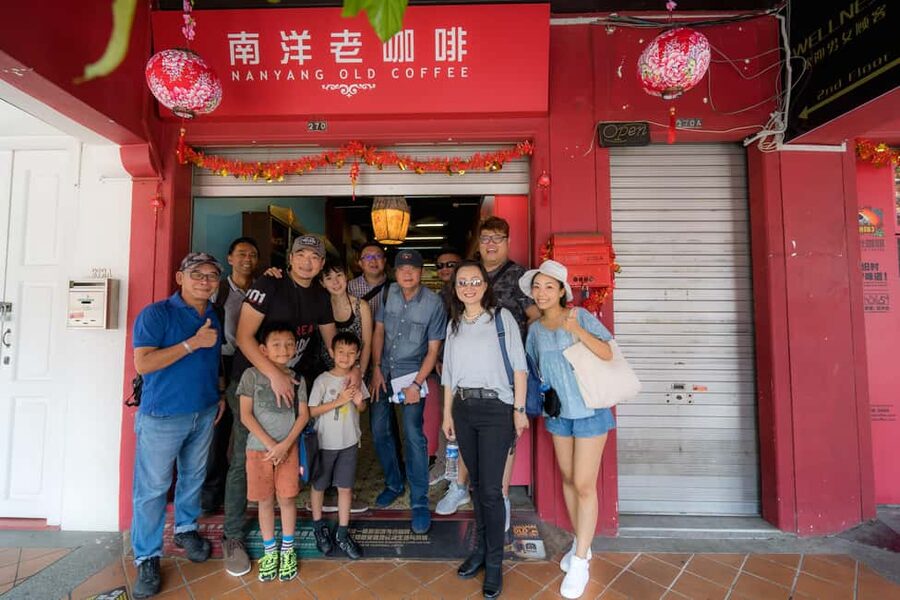
The next stop brings you to a traditional Singaporean coffee shop. You choose either local milk tea or coffee, served with kaya toast. Kaya is a sweet coconut and egg spread, and the toast is a classic local combination for breakfast or a quick snack.
This is one of the most valuable tastings because it explains a daily habit, not just a famous dish. The drink and toast give you a chance to slow down while your guide explains the food and its place in Singaporean life.
You may find the flavors sweeter than expected, especially if you usually take coffee without sugar. That is part of the point. The tasting gives you a reference for Singapore’s coffee-shop culture, and you can ask your guide about the drink you choose.
Chwee kueh is also included among the planned tastings. This steamed rice cake is usually served in small portions, making it well suited to a walking tour. Since the exact order can change, it may appear at the coffee-shop stop or during the hawker-center portion.
Reading the hawker center one bite at a time
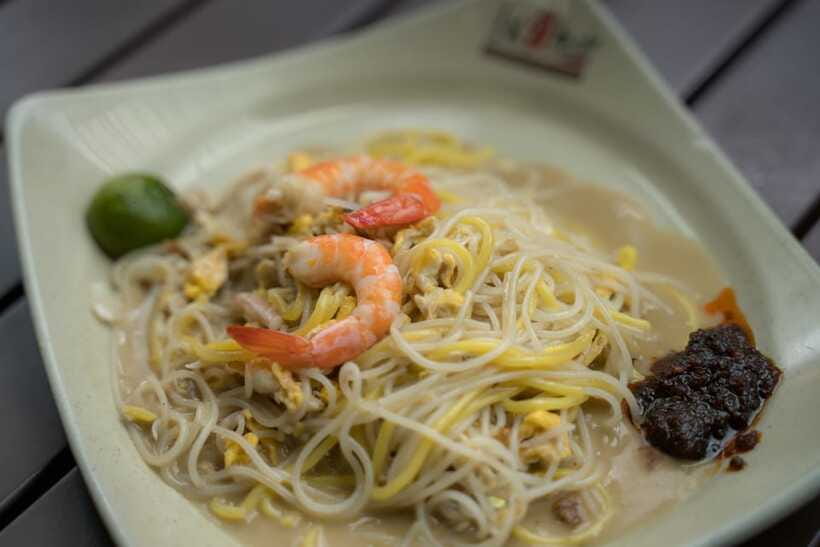
The covered hawker center is where the tour widens from individual specialties to the larger food culture of Singapore. A hawker center can feel confusing on a first visit. Dozens of stalls offer dishes with unfamiliar names, and the best choice is not always obvious from the sign.
Your guide selects the food and explains what makes each dish popular. That saves you from ordering a full plate of something you may not enjoy, while still giving you a chance to try several local favorites.
The key dish here is Hainan chicken rice. It is one of Singapore’s best-known foods, but a tasting on a guided tour is a better introduction than trying to guess at a stall on your own. You get the dish in the wider context of Singaporean food, alongside smaller bites and explanations.
You may also try oyster cake or popiah, chwee kueh, and other items from the planned menu. The food is meant to be shared across the group. If you have a small appetite, pace yourself early. Bak kwa, kaya toast, and drinks arrive before the main hawker-center tasting, and there is still more food later.
More Chinatown eating walks in Singapore:
- Singapore: Chinatown Hawker Food Tasting Tour
★ 5.0 · 96 reviews - Kampong Glam, Little India & Chinatown with Local Street Food Tastings
★ 4.5 · 70 reviews - Michelin Premium Food Tour with Hawker Centre & Chinatown Tour
★ 4.5 · 50 reviews - UNESCO Hawker Culture: Chinatown Food Tasting Tour
★ 5.0 · 47 reviews
A temple visit between savory dishes
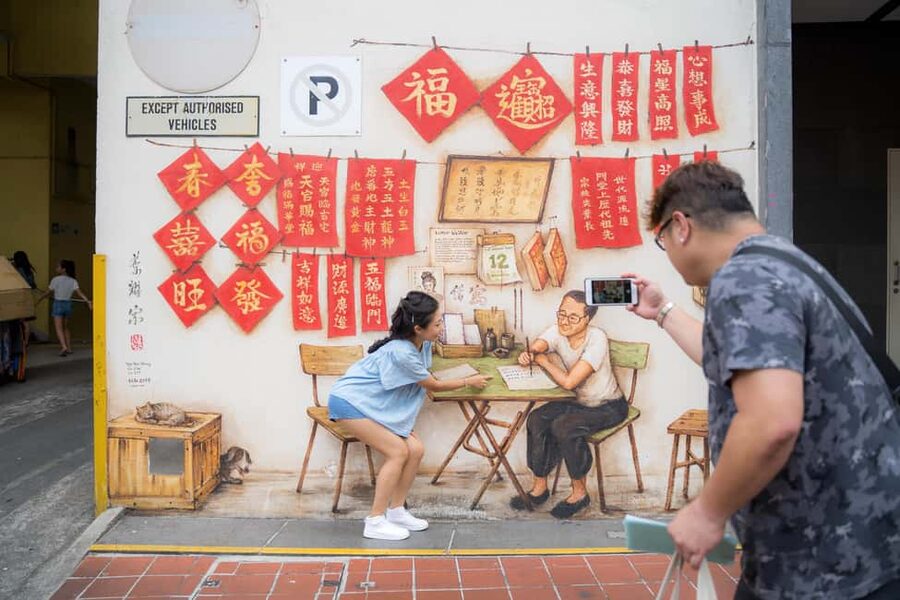
The walk includes the Buddha Tooth Relic Temple, one of Chinatown’s most recognizable buildings. This gives the tour a needed pause from eating and helps you connect the food stops with the surrounding neighborhood.
The temple visit is not presented as a separate long sightseeing tour. Instead, it fits into the Chinatown walk, with the guide explaining the nearby architecture and local setting as you move through the area. If you are mainly interested in food, this short cultural stop keeps the experience from feeling like three hours at a series of counters.
The route also helps you understand that Chinatown is not just a restaurant district. The food, temple, market, and street architecture all sit close together. You get a better sense of the neighborhood by walking between them than you would by visiting one restaurant and leaving.
Prata, curry, and the final food street
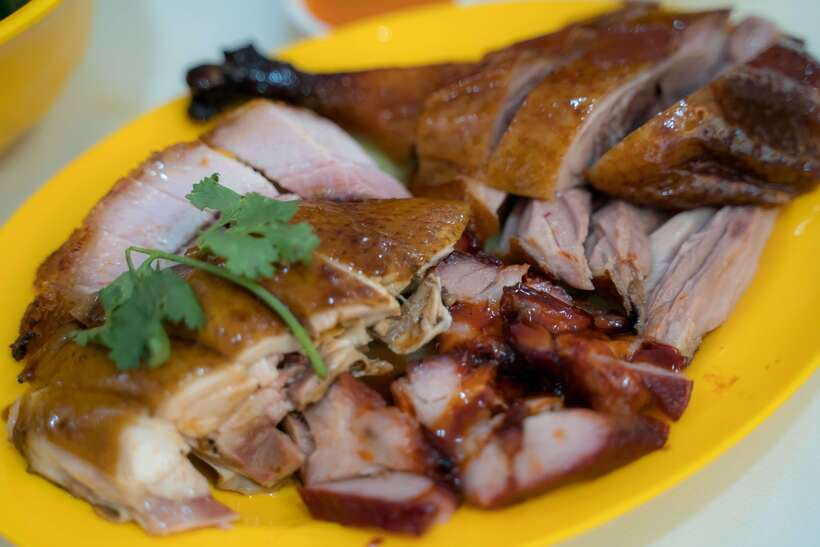
After the temple, the tour turns toward Chinatown Food Street for more substantial local dishes. One planned tasting is Indian prata with curry sauce. If prata is not available, the substitute is thosai.
This part of the menu shows how broad Singaporean food can be. The tour is not limited to one ethnic tradition, and that is one of its strengths. You move from a Chinese-style snack to a South Indian-influenced dish, then onward to fried noodles and local dessert.
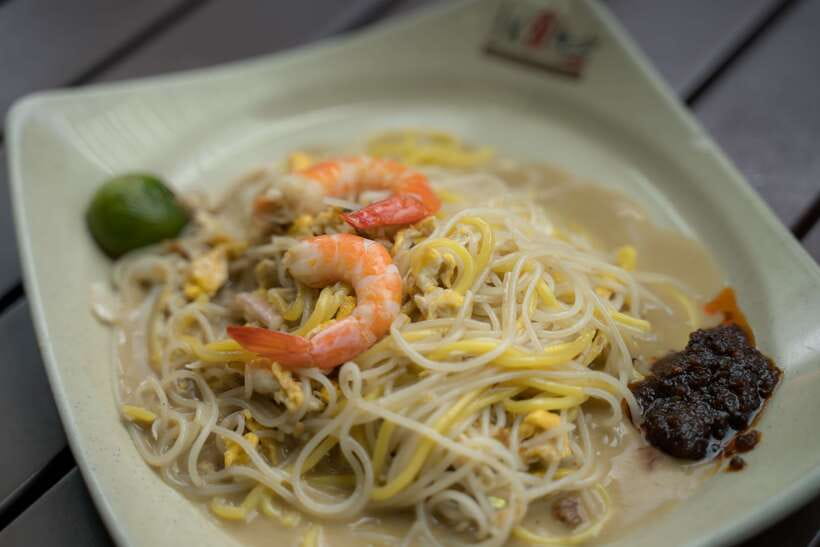
Singapore fried prawn noodles are also served, along with a can of Tiger Beer. The beer is included, so you should keep that in mind if you do not drink alcohol. The tour is still worth considering if you do not drink, but you should share any dietary needs in advance so the operator can advise you.
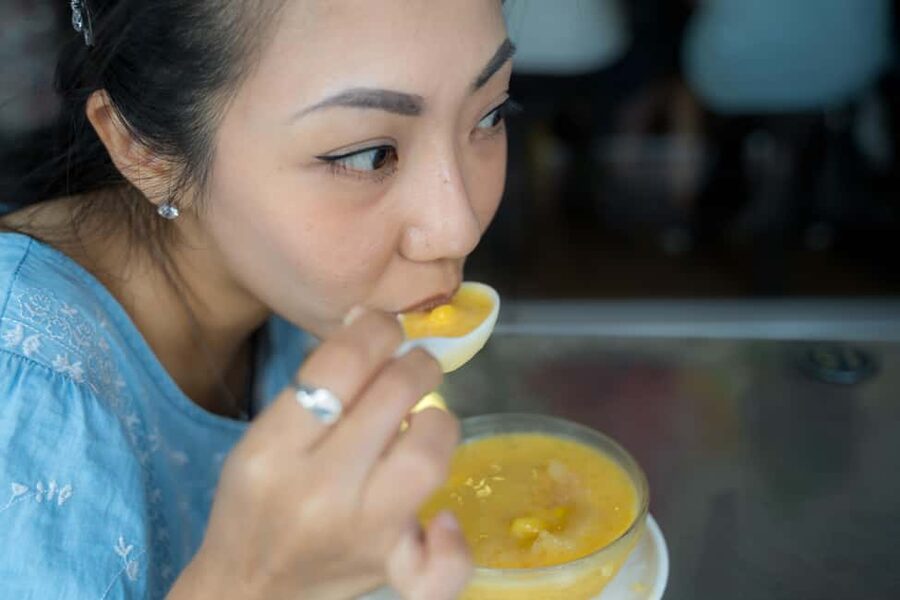
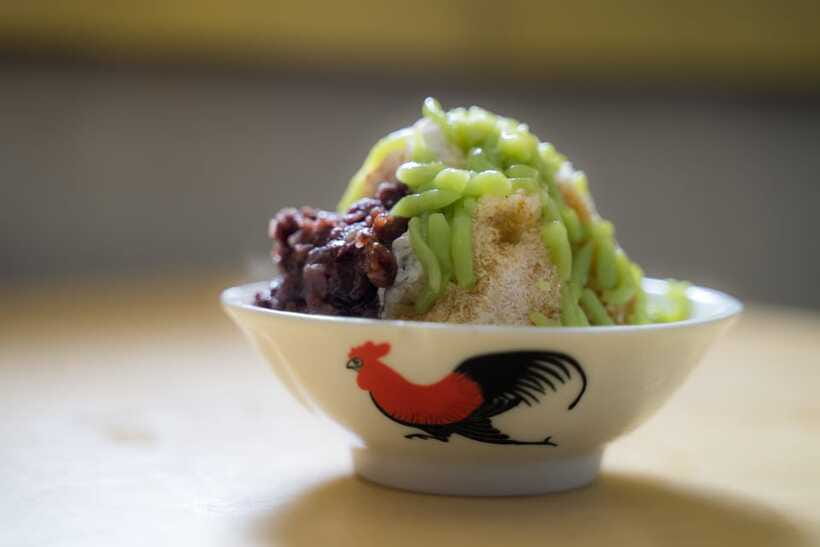
The final surprise is a local dessert. The planned dessert is chendol or Malay bamboo cakes if chendol is not available. Chendol is a sweet, cooling finish, while the substitution gives you a different taste of the region’s dessert traditions.
The meal builds gradually, but it is still a lot of food. The practical advice is simple: arrive hungry, avoid a large meal beforehand, and do not rush through the first few tastings.
What the $88 price really covers
At $88 per person, this is not the cheapest way to eat in Chinatown. You could spend much less at a hawker center if you already know what to order and are happy to explore alone.
The price includes the food, drinks, and local guide. You are paying for access to a planned sequence of tastings, explanations of unfamiliar dishes, and the convenience of having someone choose the food. You also get a short neighborhood walk and a temple visit, which adds cultural value beyond the cost of the dishes themselves.
I see the price as reasonable for visitors who want a structured introduction in a limited amount of time. It is less attractive for experienced Singapore food fans who already know the hawker centers and prefer to order large portions independently.
The value also depends on group size. A small group lets the guide explain each dish and answer questions as the food arrives. With nine people, the group may split between tables, and the guide may spend more time arranging food than sharing stories. If the operator offers group-size information during booking, it is worth checking before you commit.
Dietary needs, comfort, and practical details
You should share dietary needs in advance. The planned menu includes pork, seafood, dairy or sweetened drinks, bread, rice, noodles, alcohol, and dishes prepared in busy food-center settings. The supplied information does not promise a specific vegetarian, vegan, halal, gluten-free, or allergy-safe menu, so do not wait until the meeting point to raise an important restriction.
Comfortable shoes are essential. You will walk between food stops, stand at counters, and move through a market and street-food area. The tour ends at the same place it begins, outside Chinatown MRT Station Exit A.
Bring tissues or a small packet of wet wipes. One person specifically found that there were no towels or tissues for cleaning hands. That is a minor issue, but it is easy to solve and particularly useful when you are eating by hand or handling saucy dishes.
The tour is in English. You do not need to arrange hotel pickup, since you make your own way to the Chinatown meeting point. You can reserve and pay later, and cancellation is available up to 24 hours before the tour for a full refund.
Who will enjoy this experience most
This tour suits first-time visitors to Singapore who want a broad food introduction without spending days working out where to go. It is also useful for anyone who likes asking questions while eating rather than reading a menu and guessing.
You will get the most from it if you enjoy small portions, local snacks, and a mix of food and neighborhood history. The guide’s explanations are especially valuable when a dish is unfamiliar or when you want to understand why hawker food matters to Singapore.
Families and mixed-interest groups may also find the format useful because it offers a range of flavors rather than one long meal. That said, picky eaters should review the menu carefully. The experience includes strong flavors, seafood possibilities, pork, beer, and sweet dishes.
This is not the ideal choice if you want a private tour, a quiet restaurant meal, or complete control over every dish. It is also not the best fit if your main aim is an in-depth temple visit. The temple is part of the route, but food remains the focus.
Should you book the Chinatown food tour?
I would book this tour if you are new to Singaporean food and want one efficient afternoon of tasting, walking, and cultural context. The strongest points are the range of dishes, the English-speaking guides, and the chance to try food you might not select on your own.
The main question is group size. A smaller group should give you more time with the guide and easier seating at the hawker center. If you can confirm that point, the $88 price is easier to justify.
Bring an appetite, comfortable shoes, and your own tissues. Tell the operator about dietary needs before the day. For a first look at Chinatown’s food culture, this is a well-organized choice with enough variety to make the meal feel like a real introduction rather than a single restaurant visit.
FAQ
How long does the Chinatown food tour last?
The experience lasts three hours.
Where does the tour begin?
It begins outside Chinatown MRT Station at Exit A, near the Bee Cheng Hiang shop. Look for the orange umbrella.
Where does the tour end?
The tour ends back at the original meeting point.
What food is included?
Planned tastings include bak kwa, oyster cake or popiah if oyster cake is unavailable, local milk tea or coffee with kaya toast, chwee kueh, chendol or Malay bamboo cakes if chendol is unavailable, Indian prata with curry sauce or thosai if prata is unavailable, and Hainan chicken rice. The tour also includes fried carrot cake, Singapore fried prawn noodles, and a can of Tiger Beer.
Is a guide included?
Yes. The tour includes an English-speaking local guide.
Is hotel pickup included?
No. You make your own way to the Chinatown meeting point.
What should I bring?
Bring comfortable shoes. You should also bring tissues or wet wipes, since they may not be provided. Share any dietary needs in advance.
How much does the experience cost?
The price is $88 per person, including the food, drinks, and local guide.
Newly added plates around Singapore
- UNESCO Hawker Culture: Chinatown Food Tasting Tour★ 4.9 · 43 reviews
- Singapore Street Food Join-In Tour★ 5.0 · 2 reviews
- Private Tour Singapore Street Food & Night Tour★ 5.0 · 4 reviews
- UNESCO Hawker Culture: Chinatown Food Tasting Tour★ 5.0 · 47 reviews
- Signature Urban Night Tour: Sunset Street Food in Singapore★ 5.0 · 4 reviews
- Singapore Street Food and Ethnic Quarters Kick Scooter Tour★ 5.0 · 8 reviews
- Singapore Nightlife: Street Food, Night Views and Drinks★ 5.0 · 19 reviews
- Singapore: Little India Hawker Food Tasting Tour★ 5.0 · 21 reviews
Night Market Food Tours, compared.
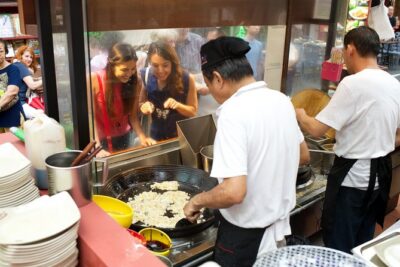
Small Group: Michelin and Local Hawker Food Tour with 9 tastings
Read our review →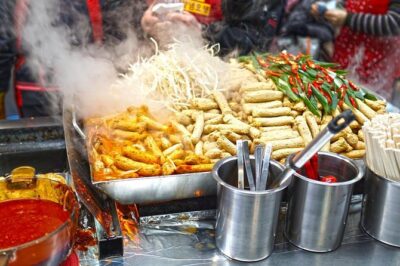
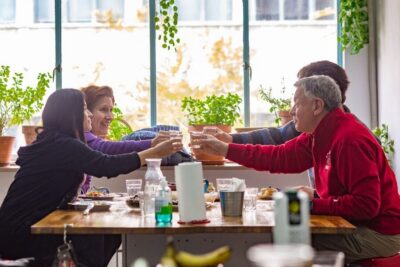
Food Market Visit and Cooking Class with Wine
Read our review →
Venice Street Food Tour with Local Guide with Local Food Market Visit
Read our review →
Cancun Taco Tour, Local Beer and Night Market with Transportation
Read our review →
Tsukiji Fish Market Food and Culture Walking Tour
Read our review →
Cancun Street Food Tour with Food Stalls, Local Market and Murals
Read our review →Browse the lists this tour appears in