
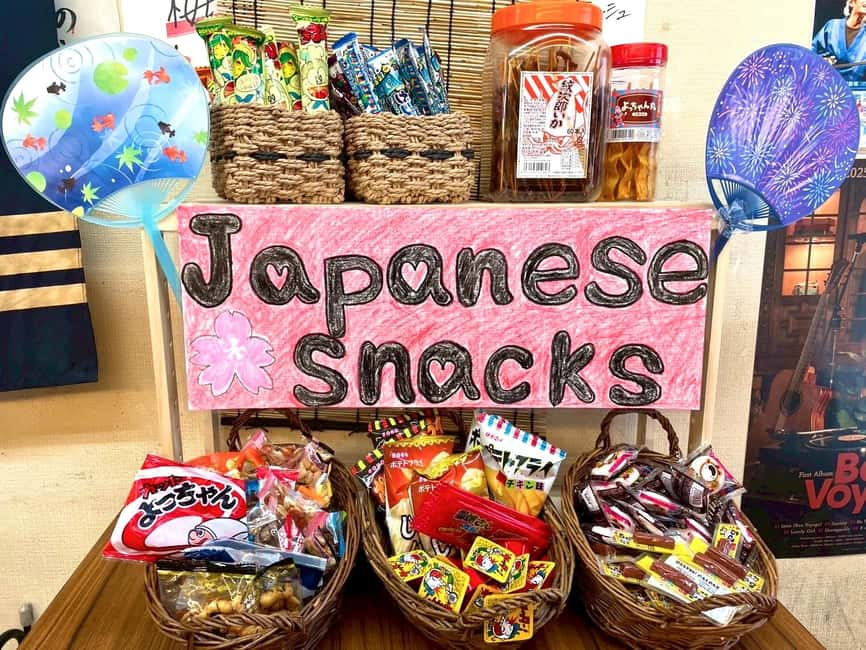
REVIEW · COOKING CLASSES
Osaka Okonomiyaki Cooking Experience for Families & Groups
The best part of this Osaka activity is that you do not just eat okonomiyaki, you make it yourself on a hot teppan while wearing a colorful happi coat. I like the hands-on cooking and the playful festival games, which give the session more character than a basic food demonstration.
I also like that you can choose from six daily toppings, including vegetarian and seafood choices, then try different sauces to suit your taste. The main drawback is that the 90 minutes can pass quickly, especially if your group wants plenty of photos, games, and time to eat.
Key points at a glance
- Cook on a real teppan: Learn the flipping technique instead of watching from the sidelines.
- Six topping choices: Build your okonomiyaki with vegetarian or seafood options, depending on the day.
- Festival-style setting: Wear a happi coat and try the Super Ball Scooping game.
- English-speaking instruction: The host explains the cooking steps in English, making this a good first lesson in Japanese food.
- Photos and certificate included: Receive experience photos on your phone and take home an Okonomiyaki Master certificate.
Making Osaka’s famous savory pancake
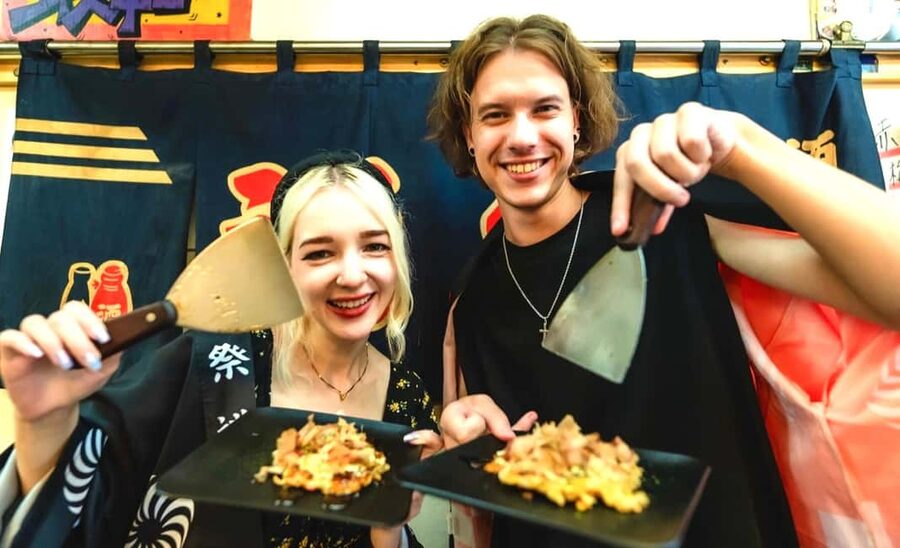
Okonomiyaki is one of Osaka’s best-known foods. The name is often explained as what you like, grilled, which fits the dish well: you combine a batter with fillings, cook it on an iron griddle, then finish it with sauces and toppings.
This class gives you a useful introduction because you take part in every main step. You are not simply handed a finished pancake. The instructor guides you through the mixture, the cooking process, and the tricky flip on the teppan.
That flip is the moment to watch. Okonomiyaki is usually broad and soft, so turning it takes a little care. The instructor can help you avoid the common mistake of rushing the movement. For families, this creates a small challenge that children can enjoy without making the activity too serious.
You also get to adjust the final taste. Sweet, spicy, and classic sauces are available, so you can compare them or settle on the one you like best. The chance to try several combinations adds value to the cooking lesson, especially if you already know you prefer stronger or sweeter flavors.
More Cooking Classes in Osaka:
- Eat Osaka: Street Food Cooking in an Authentic Kitchen!
★ 5.0 · 87 reviews - Athens: Food Market Visit and Cooking Class with Wine
★ 4.9 · 1,087 reviews - Mexican Cooking Class with Food Market Visit in Mexico City
★ 5.0 · 506 reviews
Six toppings and room to choose
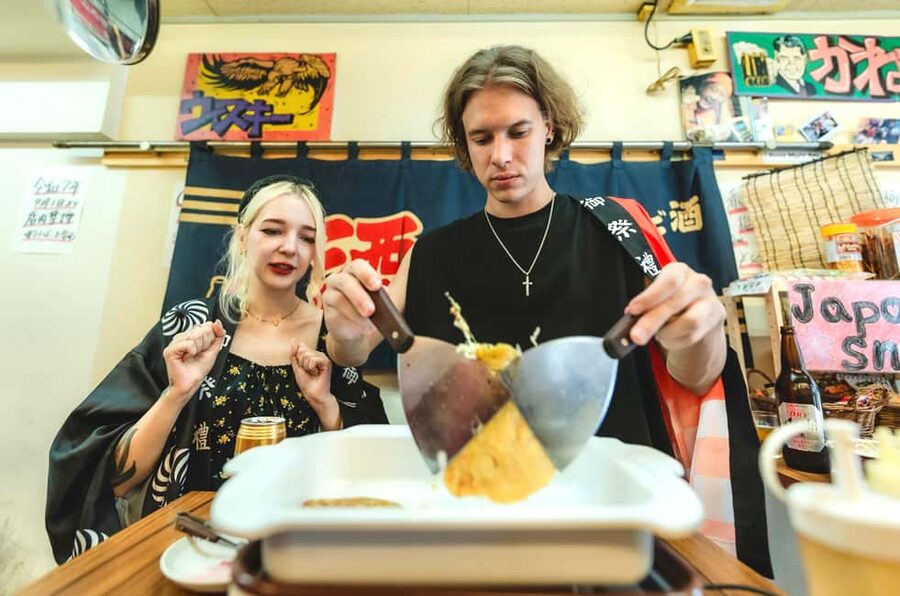
The activity offers six toppings each day, with vegetarian and seafood choices included among the options. The exact selection may change, so you should treat the menu as a daily choice rather than expect one fixed list.
This matters if your group has different tastes. One person can choose a seafood option while another selects a vegetarian combination. You still share the same cooking format, but each plate can be adjusted to suit the person eating it.
I would ask the host about the day’s choices before you begin if anyone in your party has food restrictions. The supplied details confirm vegetarian and seafood options, but they do not provide a full ingredient or allergy list. If that affects your booking, do not rely on the topping labels alone.
The meal itself is included. Additional drinks are available for purchase, but they are not part of the stated package. Budget a little extra if you want something beyond the food provided.
A happi coat makes the lesson feel like a festival
The colorful happi coat is more than a costume photo opportunity. It gives the cooking session a clear Japanese festival theme and helps separate this experience from an ordinary restaurant meal.
You wear the coat while preparing the okonomiyaki, creating a cheerful setting for group photos. The activity also includes photos taken during the experience and sent to your phone. That is handy for families who want a shared picture without asking someone outside the group to take it.
The style is playful rather than formal. If you want a quiet, technical cooking class with long explanations, this may feel too light. If you want food, dressing up, and a few laughs in one short session, the format makes good sense.
One of the named hosts, Jailor, has been praised for being a great host. Another English-speaking guide was described as funny and positive while teaching the cooking process. Since the experience is operated by TAKOYAKI BABY, the host’s energy is part of the appeal, but the specific instructor may depend on the day.
Super Ball Scooping adds a second Japanese tradition
After or around the cooking session, you can try Super Ball Scooping, a traditional Japanese festival game included with the activity. The goal is to scoop small floating balls with a thin paper scoop before it breaks.
This game works well for families because it is simple to understand and does not require cooking skill. Younger children can take part, while adults often find the fragile scoop harder to manage than expected.
The game also helps break up the food preparation. A 90-minute session can feel busy when you are cooking, eating, taking photos, and playing, so this extra activity gives the group a change of pace.
The supplied details do not specify how long the game lasts or how many balls you can keep. I would treat it as a fun extra rather than the main reason to book.
Same city, another round of plates:
- Hungry Osaka Street Food Tour:15 Tastings & 3 Drinks with a Local
★ 5.0 · 1,727 reviews - Hungry Osaka Street Food Tour: 15 Dishes & 3 Drinks
★ 4.9 · 694 reviews - [1 Group Only] Osaka Street Food Tour for Family
★ 5.0 · 208 reviews - Umami Town Street Food Tour
★ 5.0 · 120 reviews
How the 90-minute session fits together
The experience lasts 90 minutes, with starting times available according to the day’s schedule. The exact minute-by-minute order is not provided, but you can expect the session to move through several connected parts.
First, your English-speaking host introduces the cooking process and the available toppings. This is the point to ask about the day’s choices, sauce options, and any food concerns.
Next comes the hands-on preparation. You assemble your okonomiyaki from scratch, then cook it on the teppan under guidance. The real value here is the physical practice. You learn how the ingredients come together and how the pancake behaves on the hot surface.
The flipping technique is likely to be the most memorable part. Let the instructor set the pace. Trying to make the perfect turn on your first attempt is less important than keeping the dish together and enjoying the process.
Once the okonomiyaki is cooked, you finish it with your preferred sauce. This is when the sweet, spicy, and classic choices become useful. You can keep the flavor familiar or compare two styles with your group.
The session also includes the happi coat, Super Ball Scooping, photographs, and the Okonomiyaki Master certificate. Because all of these extras are fitted into the same 90 minutes, the pace may feel lively. You will not be spending the whole time at the griddle.
What the $23 price gets you
At $23 per person, this is a reasonable price for a short food activity, particularly for a family or group that wants more than a meal. You are paying for the host, the cooking experience, the okonomiyaki, the festival-style clothing, the game, photos, and the certificate.
The value depends on what you want from Osaka food culture. If you only want to eat okonomiyaki as cheaply as possible, a restaurant will likely be more direct. If you want to understand how the dish is made and have a shared activity around it, the added cost is easier to justify.
Families may get the strongest value because several people can take part at once. The children have a cooking task and a festival game, while adults still get a proper Osaka food experience.
Couples and solo visitors can also enjoy it, though the social side may matter more for a group. A solo participant should be comfortable taking part with other people, since cooking and game activities naturally create a shared setting.
Drinks are not included in the stated price and are sold separately. Keep that in mind when comparing the total cost with other food classes.
Who will enjoy this most
I would recommend this activity to families with children who enjoy making things with their hands. The cooking is practical, the game is easy to follow, and the certificate gives children a physical reminder of the experience.
It also suits groups of friends who want a relaxed evening activity. The sauce choices and topping combinations give you something to compare, while the happi coats make the photos more fun than standard restaurant snapshots.
Couples may like the activity if they prefer a shared food experience to a formal meal. You can divide the work, help each other with the flip, and try different sauces.
Beginners are the natural audience. You do not need previous cooking experience, and the English-speaking instructor guides you through the key steps.
I would be more cautious about recommending it to someone seeking a detailed culinary course. The activity is built around food, fun, photos, and festival play, not advanced knife work, ingredient theory, or a long lesson about regional cooking.
Location and planning details
The activity takes place in Osaka on Honshu, Japan. The meeting point is described using a Family Mart as a landmark: there is a Family Mart diagonally ahead to the left.
That landmark should help, but I would still allow a little time to find the exact entrance. The supplied directions do not give a full street address or a detailed route from a station. Check the meeting instructions carefully before leaving your hotel and keep the confirmation available on your phone.
The instructor language is English. This is important for a cooking class because timing and safety around a hot griddle are easier when the directions are clear.
You can cancel up to 24 hours in advance for a full refund. The reserve-now, pay-later option also helps if your Osaka schedule is still changing. I would still check the available starting times before booking, since the activity lasts 90 minutes and your day may include fixed restaurant or sightseeing plans.
A few things to know before you book
Wear something comfortable for a short cooking activity. The experience provides the happi coat, but the supplied information does not give details about aprons, clothing protection, or changing facilities.
Tell the host early if someone in your party wants a vegetarian topping. Vegetarian choices are available, but the daily selection can change. For allergies, ask for the full ingredient information before cooking, since only broad topping categories are provided.
Do not assume drinks are included. Additional drinks can be purchased, while the meal and listed activity elements are included.
Keep your expectations realistic about the certificate. It is a fun souvenir called an Okonomiyaki Master certificate, not a formal cooking qualification. That is exactly why it works well for children and casual groups.
The overall rating is 4.9 from eight reviews, and the strongest praise centers on the food, the guide’s friendly manner, and the family appeal. One family-focused comment highlights the fun atmosphere, while another points to delicious food and an especially good sauce. Those details match the design of the activity: it aims to make Japanese cooking approachable and enjoyable rather than demanding.
Should you book this Osaka cooking experience?
Book it if you want to make your own okonomiyaki, enjoy a light festival theme, and share a short activity with family or friends. The $23 price is fair when you count the food, host, happi coat, game, photos, and certificate.
I would skip it only if you want a long, serious cooking lesson or a simple restaurant meal with no group activity. For most first-time visitors looking for an easy way to connect food with local fun, this 90-minute session offers a good balance of cooking, eating, and play.
FAQ
How long does the Osaka okonomiyaki cooking experience last?
The activity lasts 90 minutes. Starting times vary, so check availability for the date you want.
Is the instruction available in English?
Yes. The instructor and host guide the activity in English.
What food choices are available?
You can choose from six daily toppings, including vegetarian and seafood options. The exact choices may change each day.
Are drinks included in the price?
Additional drinks are available for purchase, but they are not included in the stated package.
What is included besides the okonomiyaki?
The experience includes a local host guide, the okonomiyaki meal, a festival-style happi coat, the Super Ball Scooping game, photos sent to your phone, and an Okonomiyaki Master certificate.
Can I cancel for a full refund?
Yes. You can cancel up to 24 hours in advance for a full refund. You can also reserve now and pay later.
Newly added plates around Osaka
- Retro Osaka Street Food Tour: Shinsekai★ 4.5 · 77 reviews
- Osaka Street Food Tour: Private & Personalized★ 4.5 · 36 reviews
- Eat Osaka: Street Food Cooking in an Authentic Kitchen!★ 5.0 · 87 reviews
- Evening Street Food Hopping Tour in Downtown Osaka★ 5.0 · 8 reviews
- Osaka 2 Hour Local Street Food Tour in Dotonbori and Namba★ 5.0 · 2 reviews
- Deep Dive: Osaka Food Markets from Local to Luxurious!★ 5.0 · 31 reviews
- Eat Like a Local in Osaka – Private Custom Street Food Tour★ 4.3 · 33 reviews
- Osaka Shinsekai Street Food Tour – Evening★ 5.0 · 2 reviews
Cooking Classes, compared.
Food Market Visit and Cooking Class with Wine
Read our review →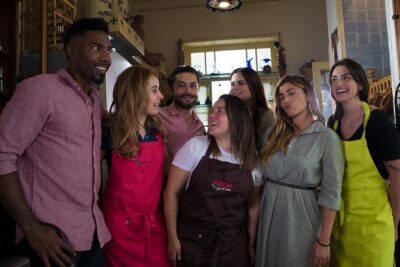
Mexican Cooking Class with Food Market Visit in Mexico City
Read our review →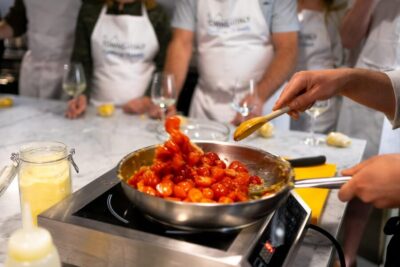


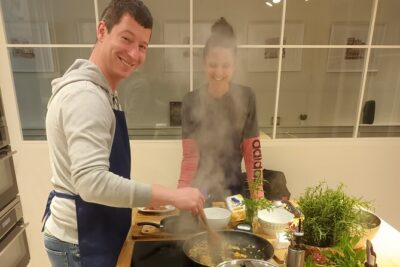
Food Market Shopping and Cooking Workshop in A Coruña
Read our review →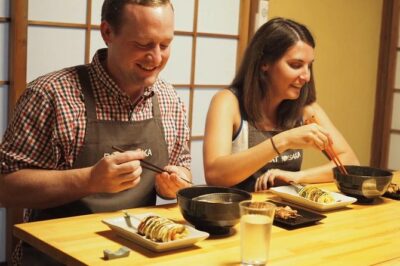
Eat Osaka: Street Food Cooking in an Authentic Kitchen!
Read our review →
Syracuse: Sicilian Street Food Hands-On Cooking Class
Read our review →Browse the lists this tour appears in