
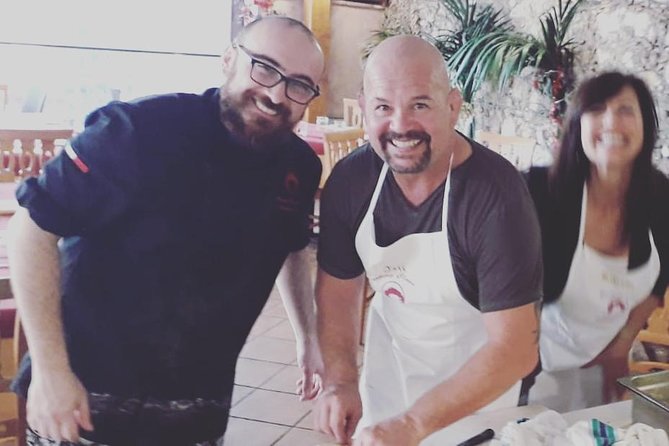
REVIEW · COOKING CLASSES
Sicilian Cooking Class in Taormina
Taormina’s best cooking lesson begins before the stove. You head to a local market, look over vegetables and fish, and learn how Sicilian cooks choose the raw materials that shape a meal. Back at Porta Messina Restaurant, you make bread, pasta, and several traditional dishes before eating what you prepared.
I like the market visit, which gives the class a local feel instead of treating Sicilian food as a set of recipes. I also like the generous meal, usually four to six dishes with bread, cheese, salami, and Sicilian wine. The main drawback is that the class may involve more preparation and instruction than actual cooking over heat, so serious home cooks should set their expectations accordingly.
Key points at a glance
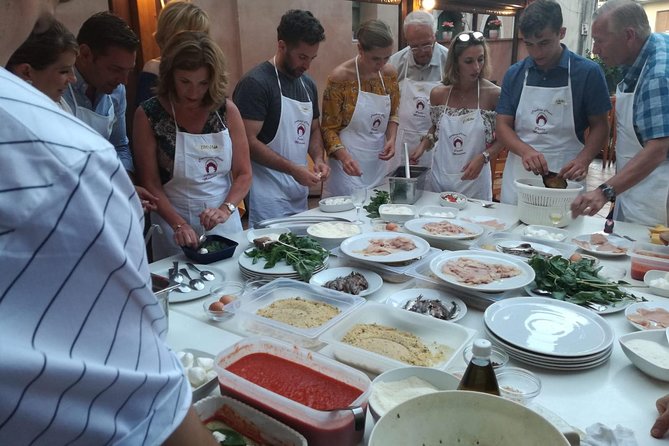
- The market comes first: You select fresh vegetables and fish before cooking, with guidance from the chef.
- Bread and pasta are hands-on: The class includes homemade bread, pasta, and other Sicilian preparations.
- Lunch is the reward: You eat roughly four to six dishes made by the group, with local wine and tastings.
- The atmosphere is social: Past classes have worked in groups of about 10 or 11, though the stated maximum is 40.
- You take home useful reminders: An apron, official certificate, and recipes are part of the experience, though recipe handouts may vary.
- Plan for a 10 a.m. start: The meeting details list Porta Messina Restaurant and Largo Giove Serapide, so check your confirmation carefully.
Starting at Porta Messina in Taormina
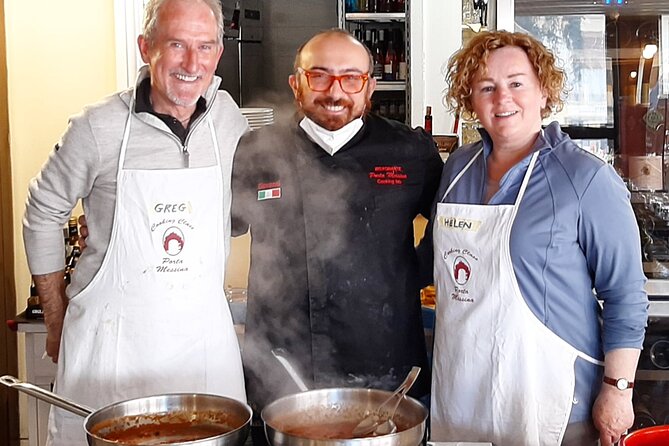
The class begins at 10 a.m. and returns to the same meeting point. The supplied directions identify Porta Messina Restaurant Cooking Class as the main location, while the meeting address is listed as Largo Giove Serapide, 4, in Taormina. Because both details appear in the booking information, I would check the final confirmation before setting out.
That small bit of planning matters in Taormina. The town is compact in feel but can be confusing when you are trying to find a specific doorway or restaurant entrance. Arrive with enough time to get your bearings, especially if you are carrying shopping bags or staying outside the historic center.
You begin with a coffee break. It is a sensible start to a class that runs for about three hours, and it gives you time to meet the chef, the restaurant staff, and the people at your table. The staff then provides an apron embroidered with the company logo. It is practical during the lesson and a pleasant souvenir afterward.
The experience is offered in English. Service animals are allowed, and the meeting point is near public transportation. No separate transportation is included, so you should plan to reach the restaurant on your own.
More Cooking Classes in Sicily:
- Street food and Cooking class in Syracuse
★ 4.5 · 11 reviews - Authentic Sicilian Street Food: Fried Pizza Catania Cooking Class
★ 4.5 · 5 reviews - Athens: Food Market Visit and Cooking Class with Wine
★ 4.9 · 1,087 reviews
Choosing Sicilian ingredients at the market
The market visit is one of the most useful parts of the morning. Instead of beginning with ingredients already measured and arranged, you see the produce and seafood that will shape the meal. Maurizio is named in participant feedback as a guide who explained different vegetables and fish during this part of the day. Giovanni is also named as a member of the restaurant team who helped lead a class.
That market stop adds context to the cooking. Sicilian food often depends less on complicated technique than on buying good ingredients and treating them simply. You get a clearer sense of why a dish works when you have seen the vegetables, fish, bread, and other items before they reach the worktable.
The market portion also makes the class feel tied to Taormina rather than copied from a standard cooking-school format. You are not simply following a recipe in a demonstration kitchen. You are learning how a local meal begins with a shopping decision.
The exact dishes can vary, and the supplied information does not promise one fixed menu beyond homemade bread, pasta, tastings, and several typical Sicilian dishes. A class may use fresh vegetables and fish, as one reported menu did, but you should not book this expecting a precise set of seafood or pasta dishes on every date.
Making bread, pasta, and the meal
Back at the restaurant, you receive instruction and begin the preparation. Homemade bread is part of the class, followed by pasta and other preparations. The format is designed for participation, not just watching a chef work at a distance.
This is a good fit if you want clear guidance and a relaxed introduction to Sicilian food. The chef and staff help with the dishes, so you do not need advanced cooking skills. The class has also been described as suitable for families and for solo participants, with the shared table making it easy to talk with others.
There is an important distinction here. One participant noted that the class included plenty of hands-on preparation but not much hands-on cooking over heat. In that setting, the group worked at preparation stations, washed hands often, and relied on the chef for some of the cooking steps.
I would treat this as a food-and-culture class with cooking, not as an intensive professional workshop. You will handle ingredients, shape and prepare food, and learn the process. If your main goal is to master knife work, sauce timing, or cooking over a hot range, you may find the practical kitchen time limited.
The class may also involve repeated hand washing. That is a small but real detail, especially in a group. One account described two sinks serving about 12 people. It is sensible food handling, but it can slow the rhythm of the lesson.
Bread, cheese, salami, and Sicilian wine
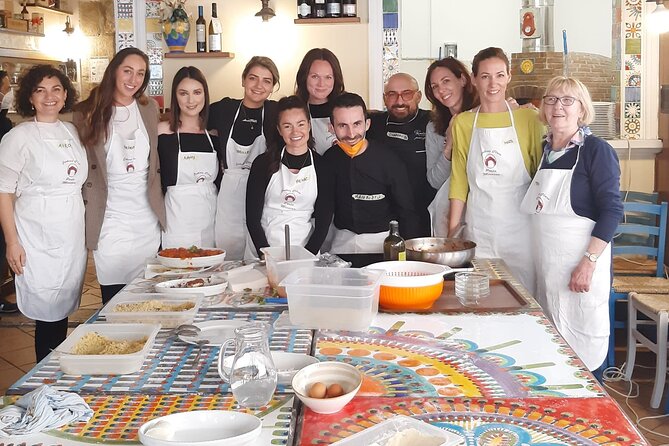
After the bread is cooked, the class pauses for a tasting. You sample different kinds of bread with cheese and salami, paired with Sicilian wines. This break gives you something to eat before lunch and helps connect the bread lesson with everyday Sicilian dining.
I like this part because it is not just a quick snack. Bread, cured meats, cheese, and wine show how a meal can be built from a few well-chosen staples. You also get a chance to compare the bread you helped prepare with other types served at the table.
Wine is included with the tasting and lunch. That makes the experience feel more like a long Sicilian meal than a rushed cooking demonstration. Still, keep in mind that wine is part of the event. If you do not drink alcohol, ask about alternatives when you provide your dietary requirements.
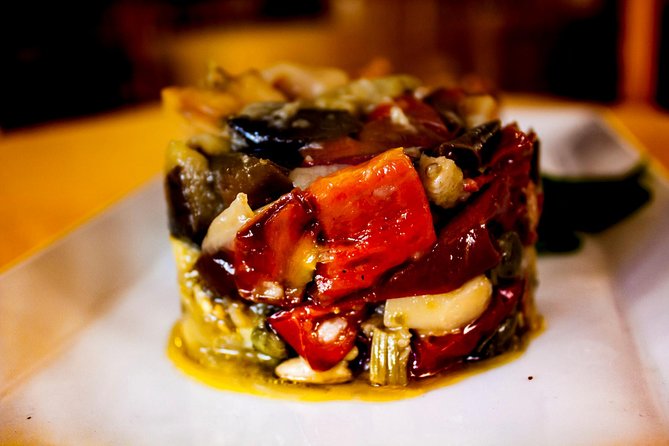
The food is substantial. Reports describe a generous supply of food, wine, and other drinks, with nothing treated as an extra charge during the class. The exact serving plan is not fixed in the information provided, but lunch generally includes about four to six dishes prepared by the participants with help from the chef.
Same city, another round of plates:
- Markets and monuments: walking tour and street food in Palermo
★ 5.0 · 159 reviews - Gastronomic Street Food Tour of Catania
★ 4.5 · 154 reviews - Sicilian Street food tour: eat local in Messina
★ 5.0 · 119 reviews - Palermo Street Food tour: art, history and ancient markets
★ 5.0 · 78 reviews
Sitting down to a four to six-course lunch
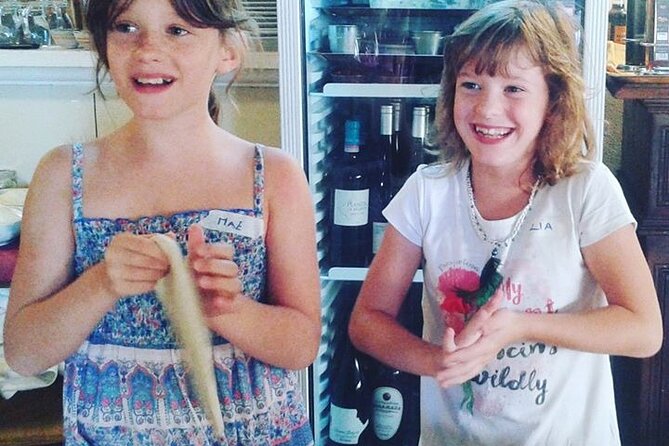
The final meal is the payoff. You sit down and eat the food the group has prepared, with the chef and restaurant staff helping bring the dishes together. This turns the morning’s work into a shared meal rather than leaving you with a few samples at the end.
The lunch is especially appealing for people who value the social side of cooking. You work beside other participants, share tasks, and then eat at the same table. Solo visitors can find this easier than a private food tour, since the format naturally creates conversation without requiring you to arrive with a group.
The setting may add to the pleasure. One account describes ocean views during the cooking and meal, giving the class a strong Taormina feel. The exact view can depend on where the class is seated and on the day’s conditions, so consider it a possible bonus rather than a guaranteed feature.
The food itself receives the strongest praise. Several accounts describe the dishes as delicious, and one person called the meal the best dinner of their Italy trip. That kind of response makes sense: you have spent the morning smelling, touching, and preparing the ingredients, so lunch feels more personal than a restaurant meal ordered from a menu.
There is also a practical benefit. The class helps you understand the order of work in a Sicilian kitchen. You see how bread, pasta, vegetables, seafood, and shared plates fit together. Even if you do not reproduce the entire meal at home, you leave with a better feel for the cooking style.
Group size and the rhythm of the lesson
The stated maximum is 40 participants, which is a fairly large upper limit for a hands-on cooking class. In practice, accounts describe smaller working groups of about 10 or 11 people, and one account refers to 12 people sharing two sinks.
That difference matters. A group of 10 or 12 can feel friendly and manageable, especially when the chef gives personal help. A much larger group could mean more waiting at preparation points and less individual time with the ingredients. Since the maximum is 40, you should not assume every date will have the same intimate format.
The class is described as well coordinated, with clear and personalized instruction. Giovanni and Maurizio are among the names connected with the teaching and market portion. The exact staff lineup may change, but the format depends on the chef and restaurant team staying involved throughout the preparation.
Expect a lively morning rather than a silent lesson. You will have chances to talk, taste, laugh, and compare results with the people around you. That social pace suits people who want a memorable activity during a Taormina visit. It may be less appealing if you prefer a private lesson or a highly technical course with little conversation.
What you take home after lunch

At the end, you receive an official certificate. The apron is provided near the beginning, so you leave with two physical reminders of the day. The certificate is a simple souvenir, but it can be fun for families, couples, and anyone marking a special occasion.
Recipes are also part of the expected follow-up. One account specifically praised having recipes to make again at home, while another wished for a proper recipe booklet to help remember the ingredients and preparation. That tells you what to expect: recipes may be provided, but you should not assume a polished printed manual.
Bring a way to take notes if you care about recreating the meal. You can write down the ingredients, cooking order, and any tips that matter to you. The chef’s explanations may be more useful than a basic recipe alone, especially for learning how to judge texture and seasoning.
The apron is not just decoration. Cooking with a group can get messy, and having one supplied means you do not need to bring special clothing. Wear comfortable clothes and shoes suitable for standing and working around food, though the supplied details do not specify a dress code.
Is $127.03 a fair price?
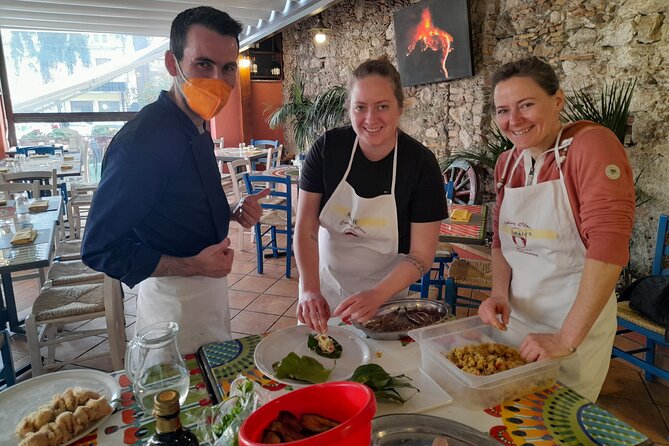
At $127.03 per person, this is not a cheap lunch. The price makes more sense when you count the full morning: a guided market visit, coffee, the class, ingredients, bread and other tastings, wine, a four to six-course meal, an apron, and a certificate.
You are also paying for the setting and the social experience, not just for instruction. A standard restaurant lunch would not give you the market visit or the chance to prepare the food yourself. A serious private cooking lesson might offer more individual attention but could cost more, especially once food and wine are included.
The value depends on what you want. I think the price is fair if you see this as a half-day activity that combines food, local shopping, instruction, and lunch. It is less compelling if you mainly want a recipe sheet or a technical lesson focused on cooking over heat.
The high overall rating, 4.9 from 186 ratings, and 98 percent recommendation rate point to strong satisfaction. I would still read the format carefully. The class can be filling and social, but it is not designed as an advanced culinary course.
Dietary needs and booking advice
Vegetarian and gluten-free options are available, but you must provide those requirements when booking. The same applies to other dietary needs. Do not wait until the morning of the class, since the menu and market purchases need to be planned in advance.
The experience confirms at booking and is offered with a mobile ticket. You should have the confirmation available when you meet the staff, especially because the listed meeting information includes both Porta Messina Restaurant and Largo Giove Serapide.
This activity is often booked about 30 days ahead, and it can sell out. If the class is central to your Taormina plans, booking early is sensible. Free cancellation is available up to 24 hours before the local start time. Cancellations or changes inside that 24-hour window are not accepted for a refund.
Who will enjoy this Taormina cooking class?
I would choose this class for you if you want:
- A friendly group activity with food at the center
- A market visit instead of a lesson held entirely indoors
- A generous lunch with wine
- A gentle introduction to Sicilian bread, pasta, vegetables, and seafood
- A memorable option for a birthday, anniversary, or surprise
- A structured activity that works for solo participants and families
- Recipes and souvenirs to carry home
I would think twice if you want a private class, a small guaranteed group, or extensive time cooking over a hot stove. The advertised maximum of 40 is worth noting, even though several accounts describe smaller groups. You should also confirm the day’s menu if you have strong preferences about seafood, meat, or specific Sicilian dishes.
Should you book it?
Book this cooking class if you want to spend a morning eating, learning, and meeting people rather than simply touring another monument. The market visit, homemade bread, wine tasting, and shared lunch give the experience a clear sense of place.
The best reason to book is the combination of activity and meal. You do not just watch a chef cook, and you do not just sit down for lunch. You help prepare the food, then enjoy the results with the group. Just remember that the class may focus more on preparation than stovetop technique, and check the meeting address and dietary arrangements before you go.
FAQ
Where does the cooking class meet?
The class is connected with Porta Messina Restaurant Cooking Class in Taormina. The meeting address is listed as Largo Giove Serapide, 4, while the course details also specify Porta Messina Restaurant at 10 a.m. Check your booking confirmation for the precise meeting instructions.
How long does the experience last?
The activity lasts approximately three hours.
What food will I prepare?
You will prepare homemade bread, pasta, and other typical Sicilian dishes with help from the chef and restaurant staff. Lunch generally includes about four to six dishes, but the exact menu may vary.
Is wine included?
Yes. Sicilian wines are served with the bread, cheese, and salami tasting and with the homemade lunch.
Are vegetarian and gluten-free options available?
Yes. Vegetarian and gluten-free options are available, but you must advise the provider of your dietary requirements when booking.
Can I cancel for a full refund?
Yes. You can cancel for a full refund up to 24 hours before the experience begins. Cancellations or changes made less than 24 hours before the start time are not accepted for a refund.
Newly added plates around Sicily
- The Complete Street Food Walking Tour – History & Tasty Bites in Palermo★ 4.0 · 4 reviews
- Street food and Cooking class in Syracuse★ 4.5 · 11 reviews
- Tour of Villa Palagonia and Street Food itinerary in Bagheria★ 4.5 · 9 reviews
- TOUR PALERMO ARABA “A dip in the historical markets and Street Food”★ 5.0 · 3 reviews
- Taormina Cultural Walk and Street Food Experience★ 5.0 · 3 reviews
- Sicilian Food tour and wine tasting in Ortigia in Syracuse★ 5.0 · 14 reviews
- Palermo Food Tour: Discover the typical Street Food with a Chef★ 5.0 · 29 reviews
- PRIVATE Palermo Historic Walking Tour and Street Food★ 5.0 · 8 reviews
Cooking Classes, compared.
Food Market Visit and Cooking Class with Wine
Read our review →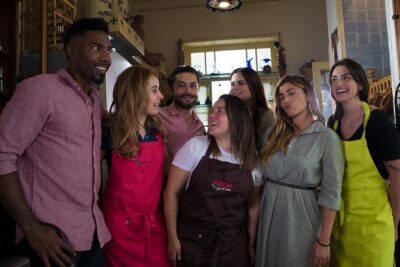
Mexican Cooking Class with Food Market Visit in Mexico City
Read our review →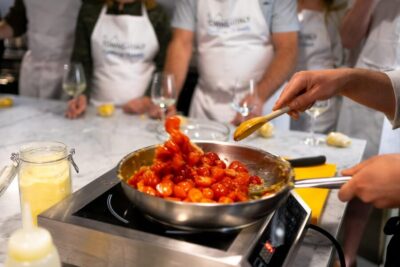
Food Market Shopping and Cooking Workshop in A Coruña
Read our review →
Eat Osaka: Street Food Cooking in an Authentic Kitchen!
Read our review →
Syracuse: Sicilian Street Food Hands-On Cooking Class
Read our review →
Portuguese street food cooking class with Drinks
Read our review →Browse the lists this tour appears in