
REVIEW · JAIPUR STREET FOOD TOURS
Jaipur: Spice Market and Street Food Walking Tour
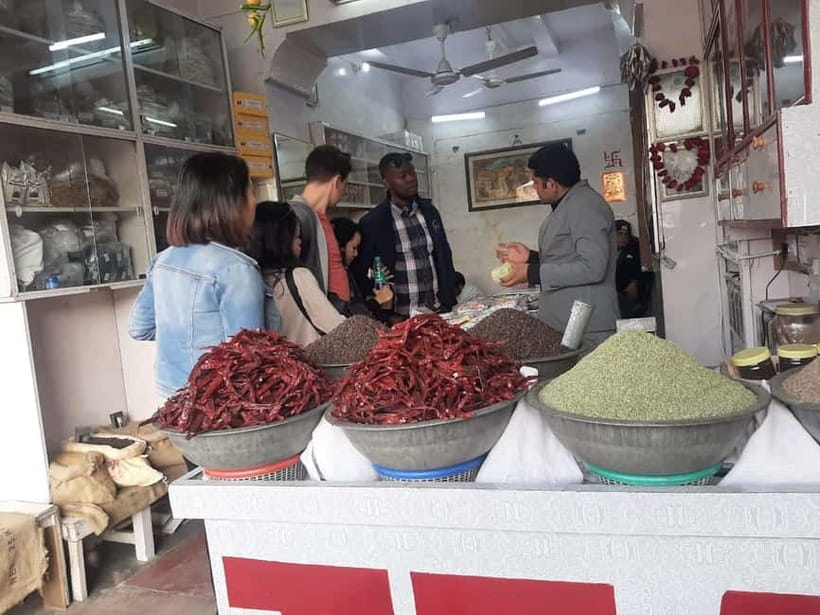
Jaipur’s spice market is the star here. You move through sacks of powdered color, grinding stones, scooters, shopkeepers, temple sounds, and the warm smell of chai. It is a lively first look at the Pink City, and far more revealing than simply posing outside its grand palaces.
I like two things in particular: the spice lesson, which covers cooking and traditional medicinal uses, and the chance to eat at five or six small local food shops instead of settling for a familiar restaurant. The two brief tuk-tuk rides also give your feet a break and let you see how Jaipur’s old streets work.
The main drawback is the setting. Crowds, traffic, and uneven walking are part of the deal, not a flaw that can be removed. This tour is not suitable for wheelchair users or people with mobility impairments, and anyone who wants a quiet food tasting should choose a different outing.
Key points to know before booking
- Watch spices being ground by hand: You see the market as a working place, not just a photo stop.
- Taste vegetarian food at five or six shops: Chai and snacks are included as part of the walk.
- Use two short tuk-tuk rides: These connect sections of the old city and add a distinctly Jaipur touch.
- Learn from an English-speaking guide: Harshit, Harshita, and Lacey are among the guides who have led recent tours.
- Start at Chandpol and finish near central Jaipur: The meeting point is outside Shri Chandpol Hanuman Ji Temple.
- Expect real old-city conditions: Wear comfortable shoes and be ready for packed streets, noise, and close traffic.
Why Jaipur’s spice market is worth your morning
Many Jaipur sightseeing tours focus on forts, palaces, and painted facades. Those places matter, but this walk shows you a different side of the city: the places where food is bought, prepared, sold, and eaten every day.
The market experience is sensory without needing much decoration. You may see piles of red, yellow, brown, and green spices, while the air carries sharp, sweet, earthy, and roasted smells. You also hear vendors, pedestrians, engines, temple activity, and the constant shuffle of commerce. The old city can feel chaotic at first, but your guide gives that chaos some shape.
The useful part is not only learning the names of spices. A good guide can explain how they are used in cooking and how some are linked with Ayurveda and traditional remedies. Harshit, for example, has explained both culinary use and medicinal ideas during this walk. That makes the market more than a colorful backdrop. You begin to understand why an Indian kitchen may use several forms of one ingredient and why spice blends vary from dish to dish.
One small detail can make the visit especially memorable: the variety of rice. A guide has pointed out that there are more than five types, a reminder that Indian food is not one fixed cuisine. The same applies to spices. You may arrive thinking of curry powder as a single thing and leave with a more useful sense of the separate ingredients behind familiar flavors.
More street food tours in India:
- Mumbai: Street Food and Night Markets Tour
★ 4.9 · 719 reviews - Old Delhi Street Food Tour
★ 5.0 · 497 reviews - Delhi: Old Delhi Street Food Tour with Rickshaw Ride
★ 4.9 · 403 reviews
Meeting at Shri Chandpol Hanuman Ji Temple
The tour begins outside Shri Chandpol Hanuman Ji Temple in the Pink City. You meet the guide just outside the temple, so allow enough time to reach the correct side of the building and keep your phone available in case the streets are crowded.
This is a practical meeting point for a walking tour because it places you near the old city action from the start. You do not spend the opening minutes in a vehicle crossing Jaipur. Instead, the tour gets moving on foot and quickly shifts from a fixed landmark to ordinary city streets.
The temple also helps you recognize the meeting area, but do not expect a calm plaza. The old city is full of movement, and a guide may need to spot you among people, vehicles, and market activity. During a festival such as Diwali, meeting can take extra patience because the streets become even more crowded.
Your first job is simply to settle into the pace. Wear shoes that can handle about two hours of walking, and bring a respectful attitude toward photography. Pictures are encouraged, but people working in shops and market stalls are not scenery. Ask before making close portraits, especially when someone is grinding, weighing, or serving food.
Walking through Jaipur’s oldest spice market
The central walking section lasts about two hours and takes you through Jaipur’s oldest and biggest spice market. This is the part that gives the tour its strongest sense of place.
You can expect close views of the daily trade: spices being displayed, weighed, handled, and ground by local workers. Grinding is especially useful to see because it connects the finished powder on a shop shelf with the labor behind it. Your guide can point out what you are seeing and explain how the spices fit into food and traditional health practices.
The market is not arranged like a museum. You may need to make room for pedestrians, stop suddenly, or follow your guide through a narrow stretch. That is part of the experience, but it can be tiring for anyone who prefers open walkways. Keep your belongings secure and stay close enough to hear the English commentary.
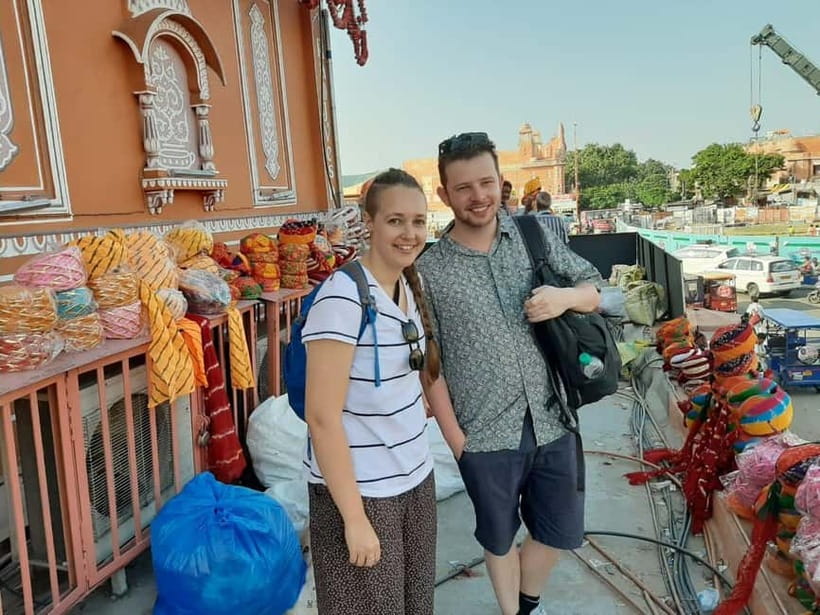
This is also a strong tour for photographers and filmmakers. The colors, hands at work, shop displays, tuk-tuks, and old-city architecture offer plenty of subjects. The best photographs are likely to come from observing rather than rushing. Give yourself time to notice the small details, and avoid blocking a shop entrance or delaying a worker.
The walk also passes famous historic sites. They are not the sole focus, so you should not book this as a full palace or monument tour. Instead, the historic buildings provide context while the market remains the main event. You see how old Jaipur functions around its well-known sights.
Two short tuk-tuk rides through the Pink City
The experience includes two brief tuk-tuk rides, with one listed ride lasting about 10 minutes. These are not long sightseeing drives, and that is fine. Their main purpose is to connect parts of the route while giving you a quick taste of Jaipur’s compact, busy traffic.
For many visitors, a tuk-tuk ride is part of the fun of being in India. You sit close to the city, hear the street around you, and watch the old lanes pass by at eye level. It is also a welcome pause after walking through a crowded market.
Do not treat these rides as a private sightseeing vehicle. They are short transfers within the tour, not a replacement for a longer Jaipur city tour. If you have motion concerns or need special transport arrangements, the supplied information does not promise an adapted vehicle, so this outing may not suit you.
The route includes Tripolia Gate, an important transition point between the market walk and the food stops. Your guide helps keep the experience moving, which is valuable in an area where finding good stalls on your own can take time and several wrong turns.
Same city, another round of plates:
- Old Delhi Street Food Tour – Explore Spices in Chandni Chowk
★ 5.0 · 334 reviews - Mumbai Street Food Tour
★ 5.0 · 269 reviews - Mumbai Street Food & Night Markets
★ 5.0 · 225 reviews - Winner Mumbai Street Food Tour in the World Top 20 by Guardian
★ 5.0 · 216 reviews
Five or six food stops, with chai at the end
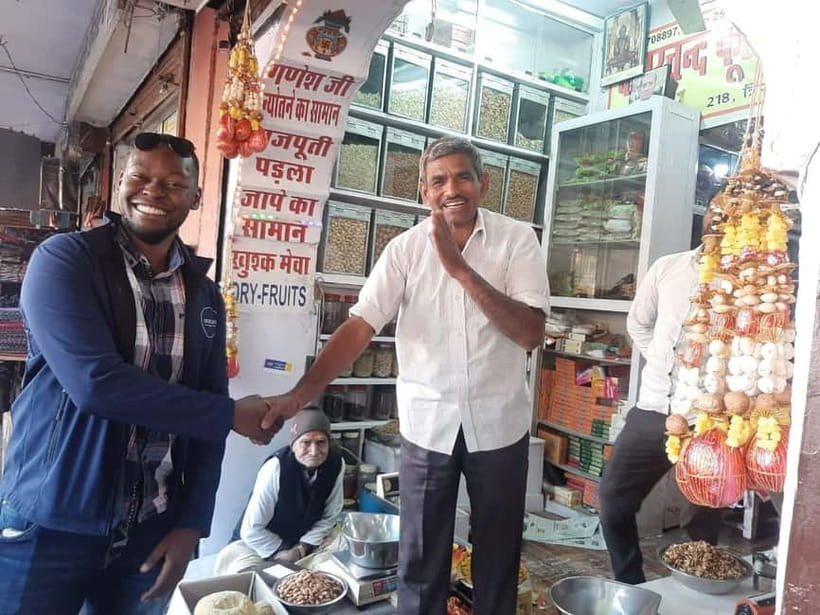
The food section is built around five or six authentic vegetarian shops in Jaipur’s old city. That format gives you variety. Instead of ordering one large meal, you sample several local foods and learn how the city eats in small portions and quick stops.
You also stop at a famous street-food stall for chai and snacks. This is a good arrangement for visitors who want to taste local food without committing to a full restaurant meal. It lets you compare flavors, textures, and styles while your guide explains what you are eating.
The food is served at local Indian cafes and stalls, not in a polished dining room. That is exactly why this part works for people who want a more direct look at daily food culture. It also means the setting may be simple, crowded, and fast-paced. Anyone with dietary restrictions should ask the guide what each item contains before eating, since the supplied information confirms vegetarian food but does not list ingredients or allergy accommodations.
The chai stop gives the tour a natural pause. You can sit for a while, eat snacks, and talk with the guide rather than walking nonstop. Guides such as Harshit have been praised for explaining food recommendations clearly, while Harshita has led tours that combine market information with friendly help along the route.
Because the tour includes several tastings, arrive ready to sample rather than hungry for one large meal. Water is included, but the experience does not promise a complete lunch or dinner. Personal expenses are not included, so carry some money if you want to buy extra food or souvenirs.
The guides and the value of the commentary
The guide is central to the quality of this experience. Without explanations, the market could become a noisy procession of shops. With a good guide, you learn why the spices matter, how they are used, and which food stops are worth your limited time.
Recent tours have been led by Harshit, Harshita, and Lacey. Harshit has explained spice varieties, cooking uses, and Ayurvedic ideas. Harshita has been described as helpful and clear during the walk, while Lacey has led a friendly tour. Your guide may be someone else, so treat these names as examples rather than a guarantee.
English is the listed tour language. That matters because the best parts of the walk depend on conversation. You can ask about unfamiliar spices, food preparation, market customs, or the historic places along the route. If you enjoy asking questions, this tour offers more value than a silent transfer between food stalls.
The tour is rated five out of five from eight reviews, a small sample but a very consistent one. The repeated strengths are clear: punctual meeting, strong English, useful spice explanations, tasty snacks, and a sense of safety while moving through the old city. Those are the points I would care about most when booking a market tour.
Who will get the most from this experience
This is a good fit for food lovers, photographers, chefs, bloggers, filmmakers, and anyone visiting Jaipur for the first time. You get an early orientation to the old city through your senses, then leave with a better idea of where local food and market life fit into the larger city.
It also suits people who prefer active sightseeing. You walk for much of the 2.5 hours, stop often, and adapt to busy streets. The pace is not designed for someone who wants to sit in an air-conditioned vehicle and receive a broad survey of Jaipur’s monuments.
The tour may be especially useful at the beginning of your stay. After learning how the market works and sampling local food with a guide, you may feel more confident ordering snacks or returning to the old city on your own.
I would be cautious about booking it for young children who tire quickly, anyone with walking limitations, or anyone who dislikes crowds and vehicle traffic. The activity specifically excludes people with mobility impairments and wheelchair users. Comfortable walking shoes are not optional advice here.
Is the $21 price good value?
At $21 per person, the tour offers solid value if you use the guide well. You receive a 2.5-hour guided walk, food tastings at five or six shops, two short tuk-tuk rides, and a water bottle. The cost covers more than a basic market stroll because the route combines transport, commentary, and several food samples.
The value is strongest when you want context. You could enter parts of the market alone for less money, but you would need to identify the right streets, understand what you are seeing, find reputable food stops, and manage the route yourself. The guide saves that time and gives meaning to the spices and dishes.
It is not the best value if you mainly want a full meal or a long taxi-style city tour. The tastings are spread across several stops, and the tuk-tuk rides are short. Think of the price as payment for access, orientation, explanation, and sampling, not as an all-you-can-eat food event.
You can cancel up to 24 hours before the start for a full refund, and you can reserve now and pay later. Those options help if your Jaipur plans are still changing.
Where the tour ends and what to plan next
The stated finish is Raj Mandir Cinema, with the route also described as ending on Chaura Rasta Street near Tripolia Gate. Both locations are in central Jaipur, but the wording is not perfectly consistent, so confirm the exact end point with the operator if you have a tight onward plan.
Finishing near this part of the old city leaves you well placed to continue exploring on foot or arrange your next ride. It also means you should not plan a hotel pickup as part of the activity. Hotel pickup and drop-off are not included.
The tour does not include personal expenses. Bring water, though one bottle is supplied, and keep funds available for anything extra you decide to purchase. The most important preparation is simple: comfortable shoes, modest street awareness, and enough time to enjoy the stops without watching the clock.
Should you book the Jaipur spice market and food walk?
Book it if you want a practical, food-centered introduction to old Jaipur and are happy to walk through crowded streets. The strongest reasons are the working spice market, the explanations about cooking and traditional remedies, and the chance to try food at several small local stops with an English-speaking guide.
Skip it if you need step-free access, quiet streets, a full sit-down meal, or a detailed tour of Jaipur’s major monuments. For everyone else, $21 is a fair price for a short, focused experience that shows how the Pink City sounds, smells, cooks, and moves.
FAQ
How long does the Jaipur spice market and street food tour last?
The tour lasts 2.5 hours, including the guided walk, food tastings, and two short tuk-tuk rides.
Where does the tour begin?
Meet the guide just outside Shri Chandpol Hanuman Ji Temple in Jaipur’s Pink City.
Where does the tour end?
The stated finish is Raj Mandir Cinema. The route information also places the end on Chaura Rasta Street near Tripolia Gate, so confirm the exact meeting point for the final stop if you have onward plans.
How many food stops are included?
You stop at five or six authentic food shops in Jaipur’s old city and also visit a well-known stall for chai and snacks.
Is the food vegetarian?
Yes. The food tasting focuses on vegetarian food.
Are tuk-tuk rides included?
Yes. The tour includes two short tuk-tuk rides, with one ride listed as lasting about 10 minutes.
Is the tour conducted in English?
Yes. The listed live tour language is English.
What should I bring?
Wear comfortable walking shoes. You should also be prepared for crowded places and bring a respectful approach to photography.
Is the tour suitable for wheelchair users?
No. The experience is not suitable for wheelchair users or people with mobility impairments.
Newly added plates around India
- Varanasi: Night Tour with Aarti Ceremony and Street Food★ 4.7 · 2 reviews
- Varanasi Street Food Crawl (2 Hours Guided Tour)★ 4.5 · 9 reviews
- Udaipur: Guided Street Food Tour with Tastings★ 4.2 · 6 reviews
- Udaipur: Street Food Crawl (2 Hours Local Food Tasting Tour)★ 4.1 · 3 reviews
- Udaipur: Street Food adventure l Eat Just like a local★ 4.6 · 2 reviews
- Trivandrum Street Food Crawl Guided Food Tasting Tour★ 4.5 · 6 reviews
- Varanasi Street Food Crawl (2 Hours Guided Food Tasting Tour)★ 4.5 · 69 reviews
- Ganga Arati with Street Food Tour of Banaras★ 5.0 · 7 reviews
Jaipur Street Food Tours, compared.


Guided Night Tour of Jaipur With Optional Street Food Tasting
Read our review →
No Diet Club Amazing Street Food Tasting in Jaipur
Read our review →
Browse the lists this tour appears in