
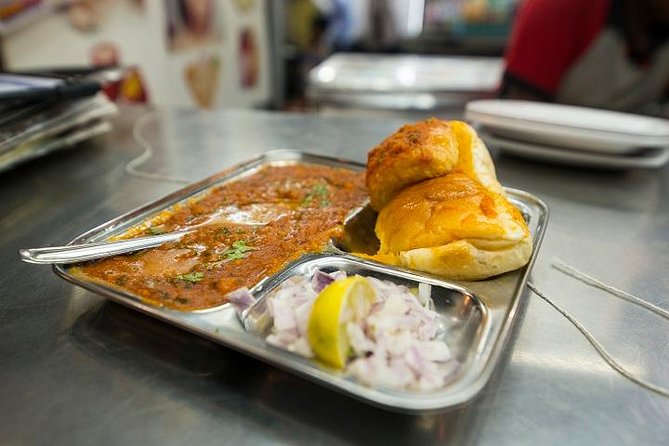
REVIEW · MUMBAI STREET FOOD TOURS
Winner Mumbai Street Food Tour in the World Top 20 by Guardian
Mumbai’s best food stories are often served quickly, on a small plate, in places built for locals rather than sightseeing. This private evening tour takes you through the city’s famous khau gullies, or food alleys, with stops for Irani chai, vada pav, South Indian snacks, Gujarati dishes, and a full North Indian thali. It was named among the Guardian’s World Top 20 street food tours.
I like the private format, which lets your guide adjust the pace and explain what you are eating without a large group crowding the table. I also like that food, bottled water, hotel pickup, and drop-off are included, so you can focus on eating rather than planning every stop.
The main caution is quantity. This is not a light tasting walk. With several substantial stops, you may be full before the final thali, and suburban hotel pickups can cost extra. The route and timing can also change with traffic and the guide’s on-the-ground judgment.
Key points to know before you book
- Five very different food stops: You move from an old Irani café to street-side vada pav, South Indian snacks, Gujarati specialties, and a North Indian thali.
- A private evening outing: Only your own group participates, with a start time listed at 5:00 pm.
- Hotel transfers included: Pickup and drop-off are included for qualifying hotels, while Mumbai suburban hotels may require an additional transport fee.
- Food and water are covered: Tastings, light refreshments, coffee or tea, and bottled water are included.
- Guides add the cultural context: Past tours have been led by guides including Rajvi, Mitali, Derrick, Tvishi, and Batul, with food knowledge and local stories forming a major part of the experience.
- Plan for a serious appetite: This is a filling meal spread over several stops, not a few token samples.
Why this Mumbai food tour works so well
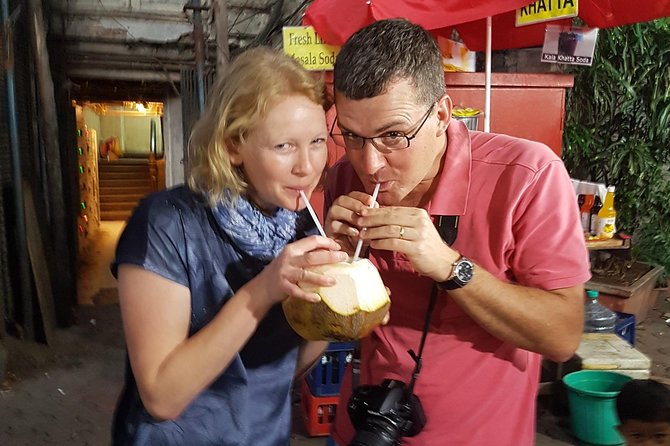
Mumbai street food makes more sense when you understand where it came from and how people eat it. A vada pav is not simply a potato fritter in a bun. Irani chai is not just sweet tea. Gujarati snacks, South Indian dishes, and North Indian thali each reflect different food traditions that meet in Mumbai.
That is the strength of this tour. It links food with places and city life. You are not only handed a snack and told its name. The route includes a landmark railway station, an old café, a temple district, and established eateries where the food has become part of the neighborhood’s daily rhythm.
The private setup matters here. Food tours can become awkward when a guide must serve ten or fifteen people at once. With your own group, you can ask why a dish is eaten, how spicy it should be, or what an ingredient is. The guides named in the feedback, including Rajvi, Mitali, Derrick, Tvishi, and Batul, were praised for warmth, food knowledge, and easy conversation.
You should still keep your expectations practical. The tour runs for about three to four hours, but Mumbai traffic can affect the start and finish. The operator can change the order of stops, and the tour may be cancelled if conditions require it. That flexibility helps the route work in a busy city, but it means the schedule is not fixed minute by minute.
More street food tours in Mumbai:
- Mumbai: Street Food and Night Markets Tour
★ 4.9 · 719 reviews - Mumbai Street Food Tour
★ 5.0 · 269 reviews - Mumbai Street Food & Night Markets
★ 5.0 · 225 reviews
Kyani & Co. begins with Irani chai and brun maska
The first stop is Kyani & Co., a long-running Irani restaurant and bakery. This is where the tour begins with one of Mumbai’s classic pairings: Irani chai and brun maska.
The tea is the important part, but the setting gives the stop its character. The café is described as a place with history in every corner, so you get a sense of an older Mumbai institution rather than a modern food outlet. Brun maska, a crusty bread roll with butter, is simple, filling, and made for dipping into tea.
I like this as an opening stop because it eases you into the tour. You begin with a familiar drink and bread before the menu becomes more varied. Coffee or tea is included, as are the food tastings, so there is no need to treat this as an extra purchase.
The drawback is that even this first snack takes up room. If you arrive hungry, it is tempting to finish everything quickly. Pace yourself. The tour becomes heavier as it goes on.
Mumbai G.P.O brings a substantial North Indian plate
The second stop takes you near Mumbai G.P.O for a North Indian dish at a century-old restaurant. The exact dish is not specified, so you should think of this as a proper plate rather than a tiny sample.
This stop gives the tour a useful change of rhythm. Kyani & Co. is built around tea and bakery food. Here, you get a more complete North Indian meal in an old restaurant setting. It shows how Mumbai’s food identity is not limited to snacks sold from carts. Established restaurants also play a role in feeding people quickly and affordably.
The tasting is included, and the stop lasts about 25 minutes. That is enough time to eat and hear the story behind the dish, though not necessarily enough for a slow restaurant meal. If you are someone who wants to linger over every course, the pace may feel brisk.
I would not plan another major dinner after this outing. The food may be served in tasting portions, but the total amount builds fast.
CST pairs grand architecture with vada pav
At Chhatrapati Shivaji Terminus, formerly Victoria Terminus, the food stop comes with one of Mumbai’s most famous buildings. You have about ten minutes here, so the focus is not a long architectural visit. Instead, you get a quick look at the station and a serving of vada pav.
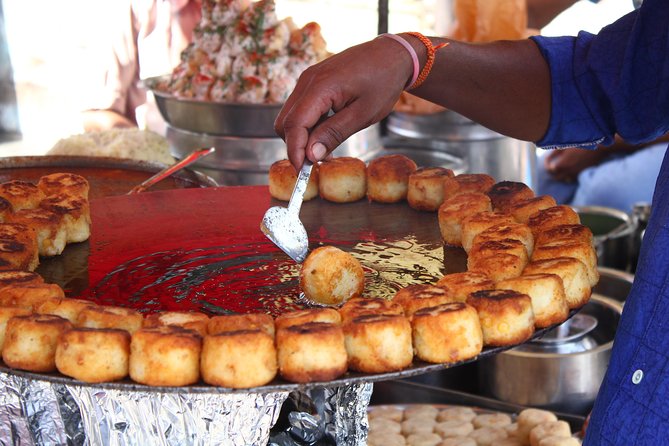
Vada pav is one of Mumbai’s defining quick meals: a spiced potato fritter in a bun, generally eaten on the move. It is humble, cheap-looking food with enormous local importance. The appeal is its directness. It is hot, filling, portable, and tied to the city’s working-day pace.
This is one of the most useful stops for first-time visitors because it connects a landmark with an everyday food. You are not being taken only to polished restaurants. You are tasting the kind of snack that made Mumbai’s street food famous.
The short stop is worth noting. You will not have a long photography session or an extended tour of CST as part of this food experience. Think of it as a brief landmark and tasting stop, not a dedicated heritage visit.
Same city, another round of plates:
- Mumbai Street Food and Evening Bazaar Tour
★ 5.0 · 172 reviews - Mumbai: Street Food Tour
★ 4.8 · 147 reviews - Private Guided Non-Veg Street Food Walking Tour in Muslim Quarter
★ 5.0 · 140 reviews - Mumbai Street Food Tour with Evening Bazaar Walk
★ 4.9 · 79 reviews
Babulnath introduces South Indian and Gujarati flavors
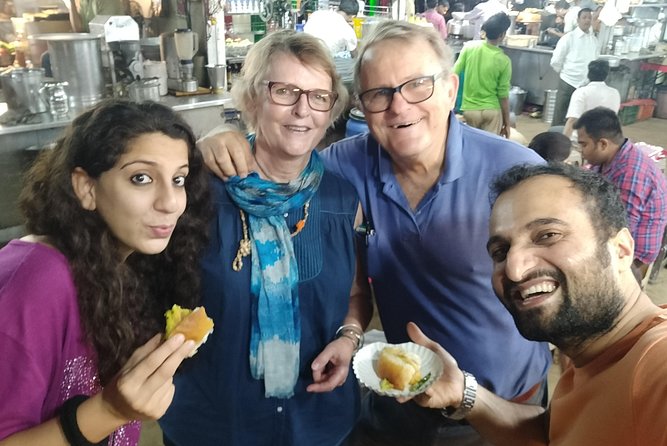
Around Babulnath Temple, the tour turns to traditional snacks from South India and then to dishes from Gujarat, in western India. This is where the range of the menu becomes clearest.
South Indian snacks bring a different set of textures and seasonings from the earlier bread, tea, and potato-based foods. Gujarati dishes then add another regional style, often associated with snacks that can be eaten quickly or shared. The tour description does not list each exact dish, so your guide’s explanation will be important here.
This stop lasts around 30 minutes, giving you more time than the brief CST tasting. It is also a good point to tell your guide about your appetite, allergies, or spice concerns. Allergies should be reported in advance, not only once you arrive.
The Babulnath area adds a sense of place, but do not expect a separate temple tour. The purpose is food, with the neighborhood providing the setting. You should wear comfortable clothing and closed walking shoes, since the experience includes movement between stops and requires a moderate level of fitness.
Pancham Puriwala ends with North Indian thali
The final listed stop is Pancham Puriwala, where you receive a North Indian thali. After several snacks, this can feel like a full stop in every sense.
A thali is useful for understanding how a meal can bring several tastes together on one plate. It is also the point where many people may realize they have eaten more than expected. Earlier food is not simply replaced by the final course. It adds up.
I would treat this stop as the reason to avoid a large lunch or late afternoon snack before the tour. If you have a small appetite, ask your guide about portion sizes and pacing. The private format makes that conversation easier than it would be in a large group.
The tour’s strongest practical feature is that all tastings are included. You are not stopping repeatedly to calculate small payments or decide which dishes are safe to order. Bottled water is also provided, and light refreshments plus coffee or tea are part of the package.
The guide can make or break the evening
The food is the headline, but the guide shapes the experience. The strongest feedback centers on guides who explain ingredients, connect dishes to their regions, and share Mumbai stories without making the evening feel like a lecture.
Rajvi has been praised for her love of Mumbai food and for lively conversation. Mitali was singled out for warmth and detailed explanations. Derrick helped explain the local street food scene and kept the meal varied. Tvishi was described as an informative guide who handled the driving route and food stops well, while Batul was praised for sharing local culture through the dishes.
You may not receive one specific guide, since assignments can vary. Still, the pattern is clear: this experience is best for someone who wants context along with eating. If you only want to grab street food as cheaply as possible, you can spend far less by ordering independently. You are paying here for access, organization, transport, explanations, and a private host.
That distinction matters. A guide can also help you avoid ordering too much of one kind of food, identify ingredients, and keep the group moving through a busy city. The operator says that the places used are tried and tested for food safety, but it does not accept responsibility for food-related illness. Anyone with allergies should provide details in advance.
What the $95.56 price really covers
At $95.56 per person, this is not a bargain street-food crawl in the narrow sense. Mumbai snacks themselves are inexpensive. The value comes from everything wrapped around them.
You receive a private tour lasting about three to four hours, a professional guide, a driver, hotel pickup and drop-off, bottled water, tastings, light refreshments, and tea or coffee. For a visitor staying in the main hotel areas, that can remove a lot of planning and negotiation.
The price is easier to justify if you have only a short stay in Mumbai. Several stops are spread across different parts of the city, and trying to reproduce the route alone would take time. You would also need to decide where to go, how much to order, and how to get between locations.
It is less compelling for a budget-focused eater who already knows Mumbai well. If you are comfortable using local transport, choosing food stalls, and arranging your own route, a self-guided evening will cost much less.
Group discounts are offered, which could improve the per-person value for a family or small party. Children below nine can take the tour free of charge, according to the booking information. Suburban hotel pickup may carry an extra transport cost, so check that before you commit.
Timing, transport, and what to wear
The listed start time is 5:00 pm. That sets you up for an evening of food, but Mumbai traffic can affect both the start and end. The operator may adjust the sequence and timing based on road conditions.
Round-trip hotel transfers are included, which is especially useful after a filling meal. The experience is private, so only your own group participates. Pickup from Mumbai suburban hotels is not included in the same way and may require a separate charge.
Wear comfortable clothing and closed walking shoes. You should have a moderate level of physical fitness, since the tour involves walking and moving through several food areas. It is near public transportation, but the included vehicle means you do not need to arrange every connection yourself.
The tour is not conducted on the day of the Mumbai Marathon. The operator can also cancel the outing at its discretion and will notify you in advance if that happens.
Who should book this food experience
I would choose this tour if you have limited time in Mumbai and want a broad first taste of the city’s food culture without managing the route yourself. It is also a good fit if you want a private guide who can explain dishes and adapt the pace to your group.
It suits adventurous eaters who want more than one regional style in an evening. You will move from Irani café food to North Indian dishes, vada pav, South Indian snacks, Gujarati specialties, and thali. That range is the main reason to book.
Families may appreciate the private vehicle, the included water, and the free policy for children below nine. The generous food supply can also make this a practical meal rather than an extra activity, though young children may not want every dish.
I would hesitate if you have strict dietary restrictions that were not discussed in advance, a very small appetite, or a strong preference for a slow, sit-down dinner. The route is built around several tastings, and the exact order can change.
Free cancellation is available if you cancel at least 24 hours before the start time. Changes or cancellations made later are not accepted for a refund.
FAQ
How long does the Mumbai street food tour last?
The tour lasts approximately three to four hours.
What time does the tour start?
The listed start time is 5:00 pm.
Is hotel pickup included?
Round-trip hotel pickup and drop-off are included. An additional transport cost may apply for pickup from Mumbai suburban hotels.
Is this a private tour?
Yes. Only your own group participates in the private tour or activity.
What food stops are included?
The route includes Kyani & Co. for Irani chai and brun maska, a North Indian dish near Mumbai G.P.O, vada pav near Chhatrapati Shivaji Terminus, South Indian and Gujarati snacks near Babulnath Temple, and a North Indian thali at Pancham Puriwala.
Are food tastings included in the price?
Yes. Food tastings are included, along with light refreshments, bottled water, and coffee or tea.
Can children join for free?
Children below nine years of age can take the tour free of charge.
What should I wear?
Wear comfortable clothing and closed walking shoes. A moderate level of physical fitness is recommended.
Can I cancel for a full refund?
Yes, if you cancel at least 24 hours before the experience start time. Cancellations made less than 24 hours before the start are not refundable.
Should you book it?
Book this tour if you want Mumbai’s food culture explained, organized, and served across several neighborhoods in one evening. The private guide, hotel transport, broad menu, and included tastings make the $95.56 cost reasonable for a short visit, especially when you value convenience.
Skip it if your priority is the lowest possible food budget or an unplanned wander through street stalls. For everyone else, this is a generous introduction to Mumbai eating, with enough variety to replace dinner and enough local context to make each stop mean more than a quick snack.
Newly added plates around Mumbai
- Mumbai Street Food & Temple Tour: Hidden Markets & Night Bazaar★ 5.0 · 4 reviews
- Street Food Walking Tour★ 5.0 · 2 reviews
- The 10 Tastings of Mumbai With Locals: Private Street Food Tour★ 4.0 · 2 reviews
- BEST Mumbai’s Street Food-Evening Tour★ 5.0 · 20 reviews
- Mumbai Market and Temple Tour With Local Street Food★ 5.0 · 6 reviews
- Mumbai Street Food Safari★ 5.0 · 73 reviews
- Mumbai Street Food & Beach Tour with 10+ Tastings★ 5.0 · 10 reviews
- Mumbai Street Food Tour with Sunset View★ 5.0 · 8 reviews
Mumbai Street Food Tours, compared.
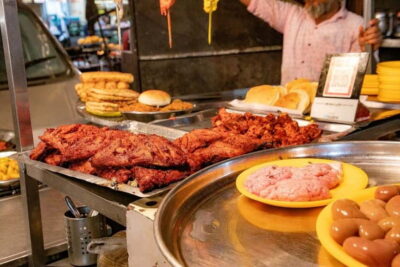
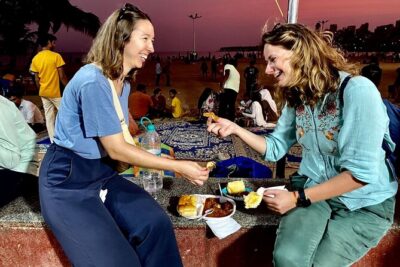
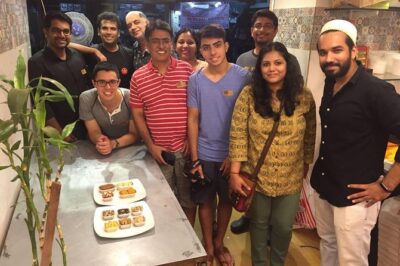
Private Guided Non-Veg Street Food Walking Tour in Muslim Quarter
Read our review →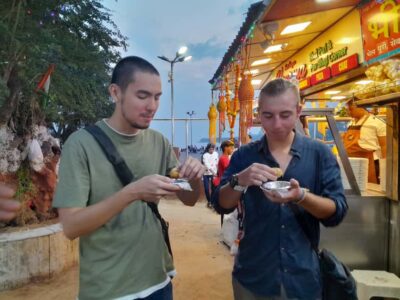
Mumbai Street Food Tour with Evening Bazaar Walk
Read our review →
Browse the lists this tour appears in