
REVIEW · INDIA STREET FOOD TOURS
Udaipur: Street Food adventure l Eat Just like a local
Udaipur’s best stories may be found at the snack counter, not behind a museum label. This 2.5-hour walking tour starts at Jagdish Temple, threads through the old city and its markets, and turns familiar streets into a trail of vegetarian bites, including moong pakoda, fad, khammand, paid chaat, Malpua, and kachori.
I like the way food and place are tied together here. You get a look at the spice market and fabric market while walking through Udaipur’s older quarters, and the small group, limited to 10 people, should make it easier to ask questions. The main caution is practical: this is a street walk through crowded lanes, so comfortable shoes are essential and the tour is not suitable for wheelchair users or people with food allergies.
Key points to know before you book
- Starts at Jagdish Temple: Meet your English-speaking guide just outside the temple, near the stairs.
- Ends at Delhi Gate: The route is one-way, so arrange your next stop from Delhi Gate rather than expecting a return to the temple.
- Several classic snacks: Tastings include moong pakoda, fad, khammand, paid chaat, Malpua, and kachori.
- More than a food crawl: You also walk through the spice market and fabric market and hear about local culture and history.
- Small group format: The group is limited to 10 participants, which suits visitors who want a more personal walk.
- Vegetarian-friendly: The food tastings are vegetarian, but the tour is not suitable for people with food allergies.
Starting under the carvings of Jagdish Temple
Your meeting point is just outside Jagdish Temple, near the stairs. This is a useful starting place because the temple puts you right in Udaipur’s old center, where religious sites, market lanes, food stalls, and everyday shopping all sit close together.
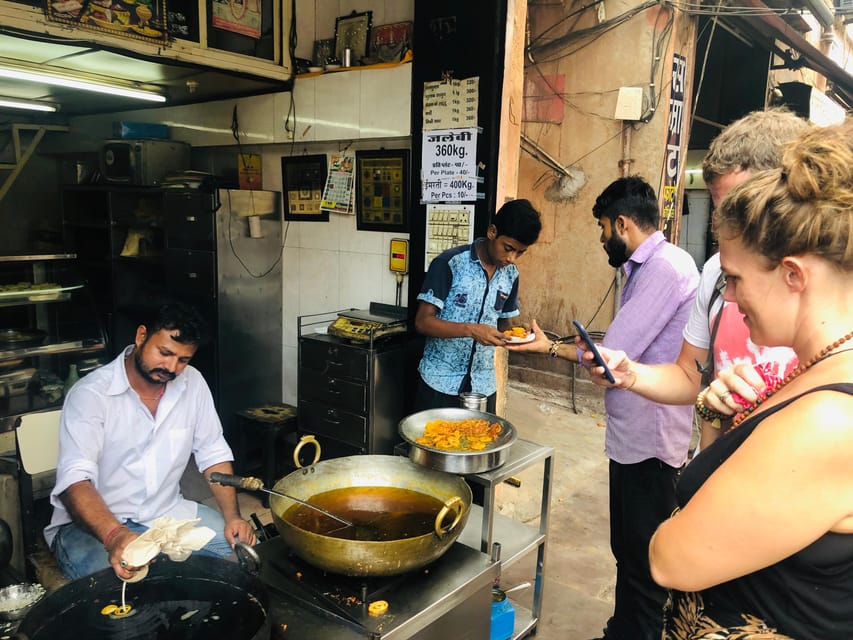
The walk begins on foot, without private transportation. That matters in this part of town. You are not being carried from one polished stop to another. You move at street level, through the same sort of lanes used for local errands, temple visits, food shopping, and fabric buying.
The temple itself is part of the setting rather than a separate temple tour. You should expect to pass through the area and learn about its place in the city’s culture as the food walk gets under way. The focus remains on eating and walking, but the route gives context to what you see around each stop.
For the meeting point, look for the guide near the stairs outside the temple. The provided details do not give a guide’s name, so you should confirm the meeting arrangements when booking, especially since the departure date and time are flexible and must be arranged by message.
More street food tours in India:
- Mumbai: Street Food and Night Markets Tour
★ 4.9 · 719 reviews - Old Delhi Street Food Tour
★ 5.0 · 497 reviews - Delhi: Old Delhi Street Food Tour with Rickshaw Ride
★ 4.9 · 403 reviews
How the food route works
This experience combines guided sightseeing with repeated food tastings. Instead of spending two and a half hours at one cooking class or market, you walk from place to place and sample small portions along the way.
That format suits you if you want a first taste of Udaipur’s local food without committing to full restaurant meals. It also lets you compare different textures and styles. Fried snacks, sweet dishes, chaat, and savory bites give the tour a wider range than a stop at a single snack shop.
The listed foods include moong pakoda, fad, khammand, paid chaat, Malpua, and kachori. Some spellings may vary locally, and the exact order of tasting can change. The important point is that the guide introduces you to several regional street foods rather than presenting only one signature dish.
Moong pakoda is a savory fried snack made with moong, the small beans often used in Indian cooking. Kachori is another well-known fried snack, usually filled and seasoned. Malpua provides a sweet change of pace, while chaat brings the tangy, spicy, layered flavors that make Indian street food so appealing.
Khammand is a soft savory snack associated with western India. Fad is also included among the local bites. Since the tour is vegetarian-friendly, you can expect the tasting plan to focus on plant-based snacks, sweets, and market foods rather than meat dishes.
I like this range because it makes the walk useful even if you already know one or two Indian snacks. You get a small tour of flavor and texture, not just a quick plate of the most familiar item.
Through the spice market and fabric market
The markets are not filler between food stops. They show you how the old city works when you look beyond the major sights.
The spice market gives the walk its strongest connection to cooking. You can see the ingredients that shape many of the flavors you are tasting, and the guide can connect the market surroundings with local eating habits and regional food. The supplied details do not promise a spice demonstration or a chance to buy specific products, so treat this as a guided market visit rather than a shopping trip.
The fabric market offers a different view of daily life. Textiles are a major part of shopping in Rajasthan, and walking through this market adds a visual and commercial side to the food story. You see what people buy, how the streets are arranged, and how food stalls fit into the larger market system.
The route also passes through local streets, temples, and food areas. One useful feature is that the guide explains the city through both its places and its dishes. That gives the walk more purpose than simply following a list of snack stops.
You should be ready for the normal demands of an old-city market walk: uneven movement, close traffic, crowds, and limited personal space. The tour description specifically calls attention to the hustle bustle streets of Udaipur. Wear shoes that you can walk in for the full two and a half hours, and keep your belongings secure.
The snacks that make the tour worthwhile
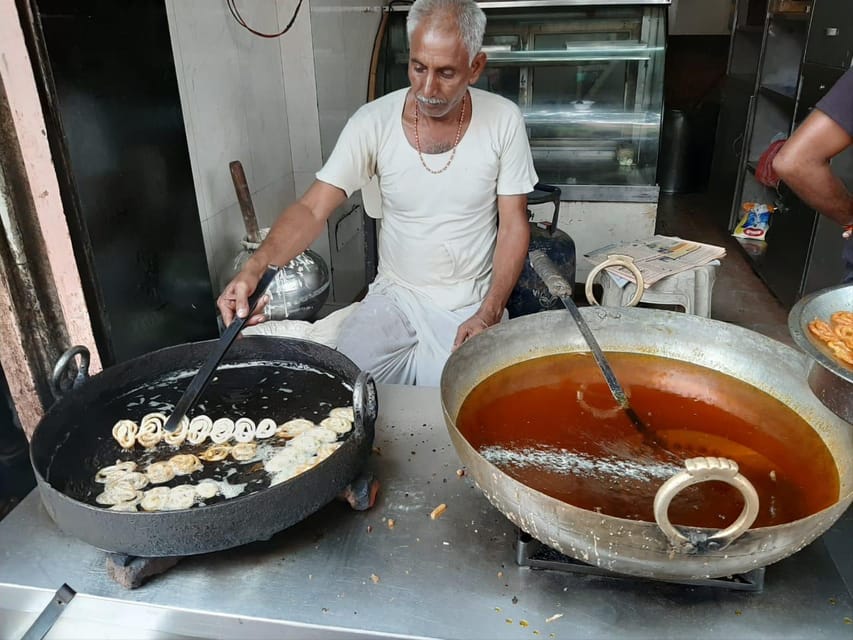
Food is the main reason to book this experience, and the variety is its strongest feature. You are not promised a full meal, so think of the tastings as a progressive snack tour. If you arrive hungry, the food should help fill you up, but portion sizes are not stated and can vary.
Moong pakoda and kachori give you the fried, savory side of the route. These are the sort of foods that make sense on a market walk because they are portable and easy to sample. They also offer a quick introduction to the spices and seasonings that shape local snack culture.
Khammand brings a softer, lighter contrast. It is useful to have a dish with a different texture after fried foods. Fad adds another local specialty to the tasting list, giving the tour a more specific Udaipur and Rajasthan focus than a generic Indian street-food outing.
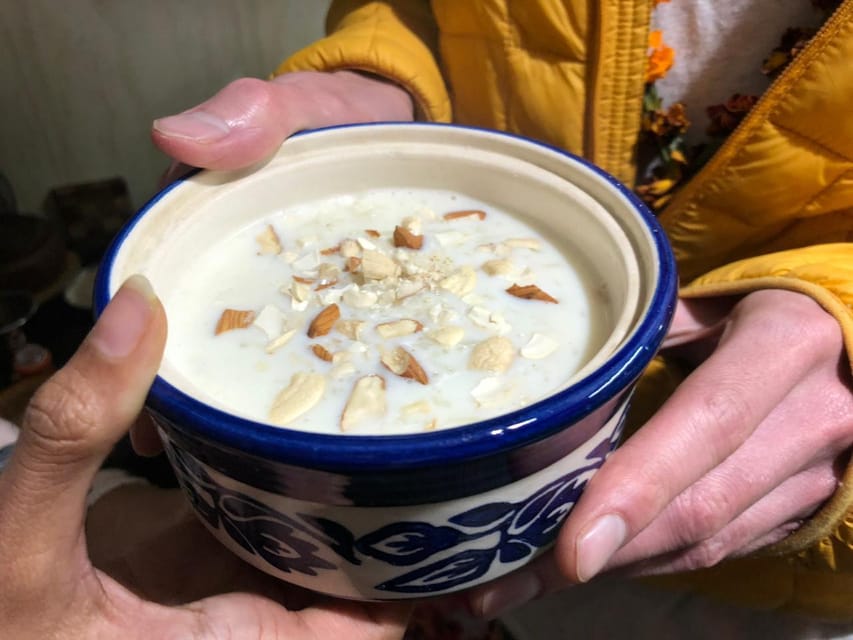
Paid chaat should bring the sharper side of the food crawl, with the sweet, sour, spicy, and crunchy qualities associated with chaat. Malpua then rounds out the route with a dessert-style bite. That movement from savory to sweet helps the experience feel like a meal in miniature.
The tour is vegetarian-friendly, but you should not book it if you have food allergies. The supplied information does not give an ingredient list, allergen procedure, or substitution policy. If you have dietary concerns beyond avoiding meat, message the provider before booking and ask what can safely be served.
A useful tip is to pace yourself. Street-food tours are more enjoyable when you leave room for the final tastings. You do not need to eat a large breakfast or lunch immediately before the walk, but you also should not assume the tour is a formal sit-down meal.
Same city, another round of plates:
- Old Delhi Street Food Tour – Explore Spices in Chandni Chowk
★ 5.0 · 334 reviews - Mumbai Street Food Tour
★ 5.0 · 269 reviews - Mumbai Street Food & Night Markets
★ 5.0 · 225 reviews - Winner Mumbai Street Food Tour in the World Top 20 by Guardian
★ 5.0 · 216 reviews
A walking tour with a history lesson attached
The cultural side of the experience matters because Udaipur’s old city is easy to see without really understanding. A guide can point out how temples, markets, food stalls, and working streets connect, while you experience the city at walking speed.
The route begins at Jagdish Temple and finishes near Delhi Gate. That gives the tour a clear direction through the old city instead of returning you to the starting point. Along the way, the guide shares history and local information through the places you pass and the food you taste.
The one direct account supplied for this experience praised the way the guide explained history through food and the streets along the route. It also described the walk as lasting about two to two and a half hours and praised the range of food tasted. That is a useful clue about the tour’s character: it is not simply a series of snack samples, and it is not simply a sightseeing walk with one food stop.
You should still keep your expectations in proportion. The activity is conducted in English, and the details do not promise entry into every temple, a formal historical lecture, or a private city tour. The history comes as part of the walk, shaped by the route and the guide’s explanations.
Why the small group matters
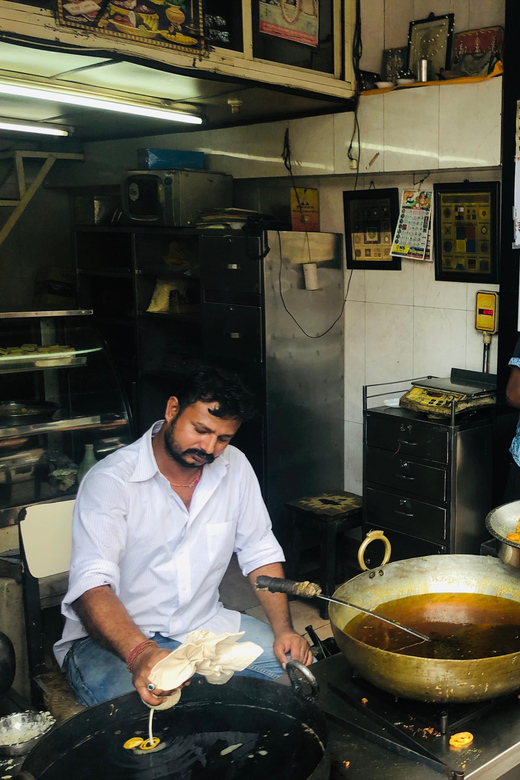
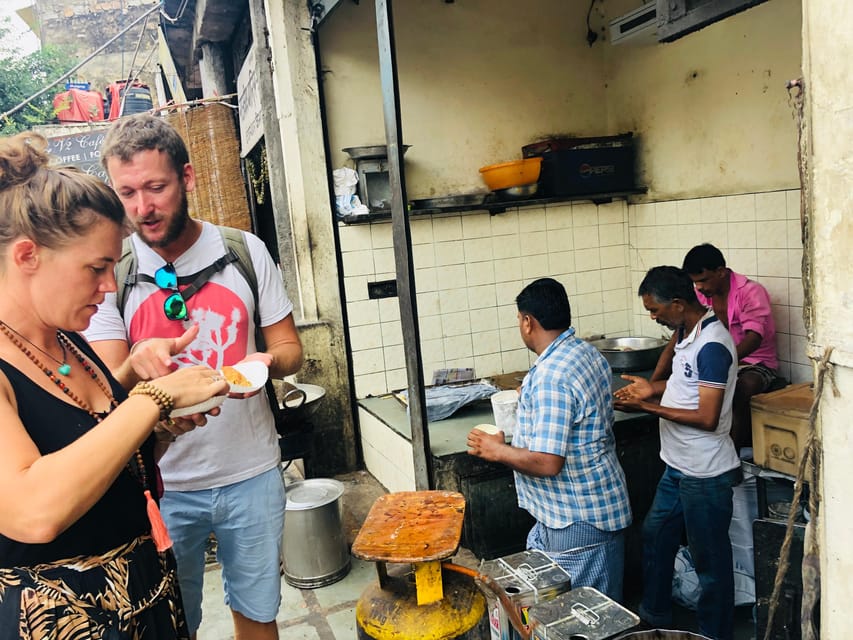
The group is limited to 10 participants. That is a good size for a food walk in narrow market streets. You are less likely to be separated from the guide, and there should be a better chance to ask about ingredients, local customs, or places you pass.
A small group can also make food stops easier. Street stalls and market counters do not always have much space, so a group of 10 is more practical than a large coach party. It should also keep the pace more manageable as the group moves between tasting points.
This is not advertised as a private tour. You will share the experience with other people, and the guide’s attention will be divided. If you want a fully tailored route or need strict control over every ingredient, a private food guide would likely suit you better, but that is not what this experience offers.
The English-language format makes it a straightforward option for visitors who want explanations during the walk. Since no guide name is provided, ask for the meeting contact and exact time before setting out.
Price, timing, and practical value
At $27 per person, the experience offers a reasonable package if you value both food and orientation. You are paying for a guided walk, several vegetarian tastings, a spice-market visit, a fabric-market visit, and local cultural context. The price is not just for the snacks.
The value is strongest early in a Udaipur visit. You can use the walk to learn what local foods look like, discover market areas you might otherwise pass by, and get a sense of how the old city is laid out. Afterward, you may feel more comfortable ordering similar snacks on your own.
At two and a half hours, the tour is long enough to feel substantial without taking up a full morning or afternoon. Still, the timing is listed as flexible, so you need to arrange the departure time rather than assume a fixed daily schedule.
The tour begins at Jagdish Temple and ends at Delhi Gate. No private transportation is included. Plan your route to the temple and your next journey from Delhi Gate separately. The one-way layout is convenient if Delhi Gate is already part of your plans, but less convenient if you need to return to your hotel immediately.
The activity offers free cancellation up to 24 hours in advance and allows you to reserve now and pay later. Those policies are useful when your Udaipur schedule is still changing, but you should still confirm the arranged departure time after booking.
Who should book this Udaipur food walk
I would choose this tour if you enjoy tasting several small dishes, walking through working markets, and learning about a city through ordinary street life. It is especially useful for a first visit, when a guide can help you get oriented and introduce foods you might not recognize.
It also suits vegetarian visitors who want the food part of a tour to be simple and clear. The food tastings are vegetarian-friendly, and the route includes both familiar snack types and less familiar local items.
You may want to skip it if you dislike crowded streets, cannot walk comfortably for two and a half hours, or have food allergies. Baby strollers and electric wheelchairs are not allowed, and the tour is not suitable for wheelchair users.
You should also avoid treating the experience as a private sightseeing tour or a restaurant dinner. It is a small-group street walk with tastings. The pleasure comes from moving through Udaipur, trying food in context, and seeing markets as part of daily life.
Should you book it?
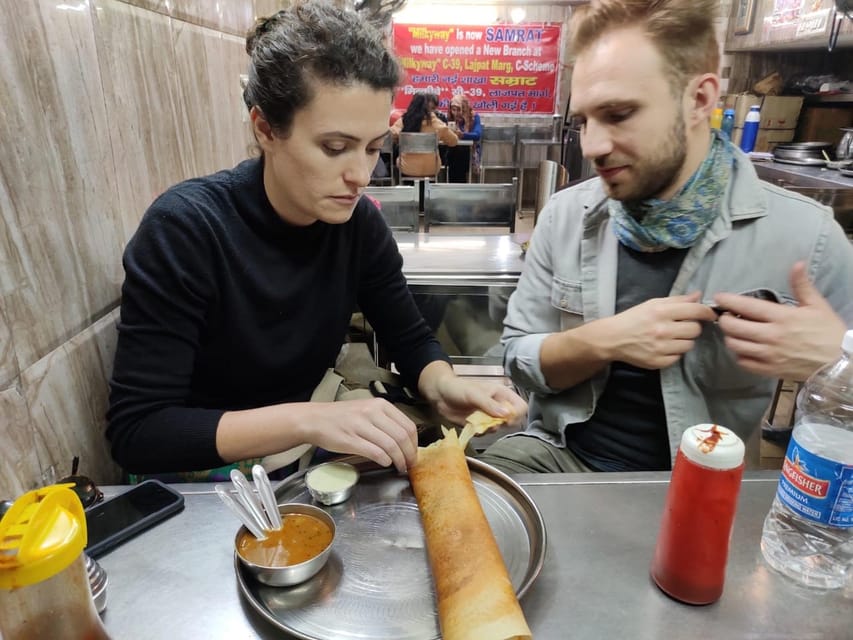
Book this food walk if you want an affordable, active introduction to Udaipur’s old city. The combination of Jagdish Temple, local snack stops, the spice market, the fabric market, and Delhi Gate gives you more than a list of things to eat.
The best reason to go is the connection between food and place. You taste moong pakoda, khammand, chaat, Malpua, kachori, and other local bites while the city unfolds around you. Just wear comfortable shoes, arrive ready for crowded lanes, and confirm the flexible meeting time in advance.
FAQ
Where does the Udaipur street-food tour start?
The tour starts at Jagdish Temple. Meet the guide just outside the temple near the stairs.
Where does the tour finish?
The walk finishes near Delhi Gate in Udaipur. Private transportation back to the starting point is not included.
How long does the food tour last?
The tour lasts approximately 2.5 hours.
What food is included?
The vegetarian-friendly tastings include moong pakoda, fad, khammand, paid chaat, Malpua, and kachori. The exact order and serving sizes are not specified.
Is the tour conducted in English?
Yes. The tour has a live English-speaking guide.
How large is the group?
This is a small-group experience limited to 10 participants.
Is the tour suitable for people with food allergies or wheelchair users?
No. The tour is not suitable for people with food allergies or wheelchair users. It is also not suitable for baby strollers or electric wheelchairs.
Newly added plates around India
- Varanasi: Night Tour with Aarti Ceremony and Street Food★ 4.7 · 2 reviews
- Varanasi Street Food Crawl (2 Hours Guided Tour)★ 4.5 · 9 reviews
- Udaipur: Guided Street Food Tour with Tastings★ 4.2 · 6 reviews
- Udaipur: Street Food Crawl (2 Hours Local Food Tasting Tour)★ 4.1 · 3 reviews
- Trivandrum Street Food Crawl Guided Food Tasting Tour★ 4.5 · 6 reviews
- Varanasi Street Food Crawl (2 Hours Guided Food Tasting Tour)★ 4.5 · 69 reviews
- Ganga Arati with Street Food Tour of Banaras★ 5.0 · 7 reviews
- Trivandrum Street Food Crawl (2 Hours Guided Food Tasting Tour)★ 4.5 · 5 reviews
India Street Food Tours, compared.
Old Delhi Street Food Tour – Explore Spices in Chandni Chowk
Read our review →
Winner Mumbai Street Food Tour in the World Top 20 by Guardian
Read our review →Browse the lists this tour appears in