
REVIEW · JAPAN STREET FOOD TOURS
Takoyaki making experience ~Japan’s popular street food~
Takoyaki looks simple until you try to turn soft batter into neat little balls. This one-hour cooking session puts you at the hot plate in Shinjuku’s Kabukicho, where you pour batter, add chopped octopus, and learn to rotate each piece with small picks. I like the hands-on pace and the fact that you eat what you make while it is still hot.
I also like the small group size, capped at six people, which keeps the activity more personal than a large cooking class. Staff member Mai has earned praise for her patience, and the location is a short walk from the Godzilla hotel area. The main caution is that instruction in English can be limited, and one unhappy participant found the class relied too much on written steps and pointing.
Key points at a glance
- You cook up to 12 takoyaki per person, with two people sharing one takoyaki cooker.
- The class takes about one hour, including cooking and eating your finished food.
- Mai may lead the session, though staff support and English ability can vary.
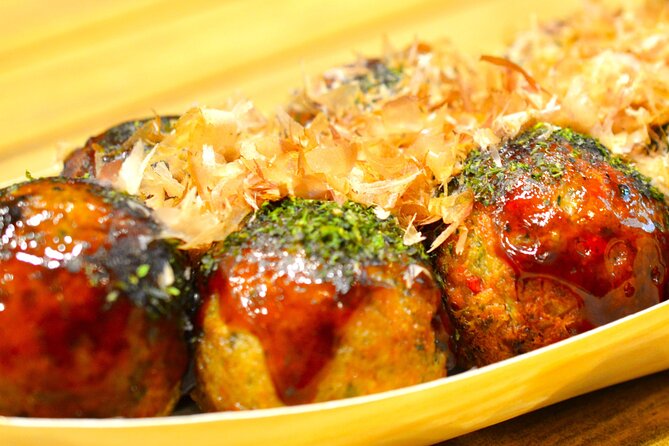
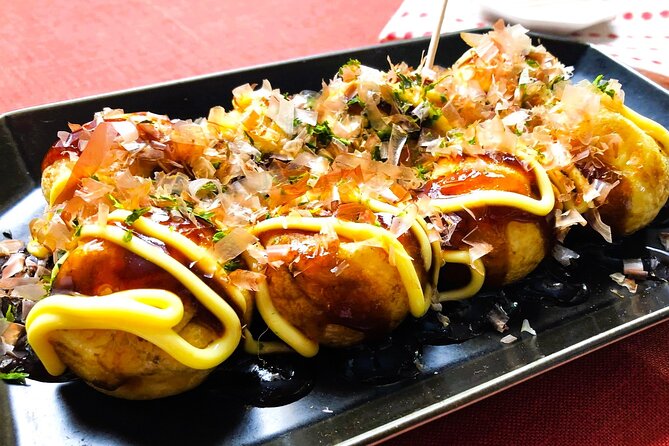
- Sauce, mayonnaise, bonito flakes, and aonori provide the classic finishing touches.
- The meeting point is in Kabukicho, at Shinjuku Ale, near public transportation.
- The maximum group size is six, making this a good fit for families and small groups.
Turning batter into takoyaki in Kabukicho
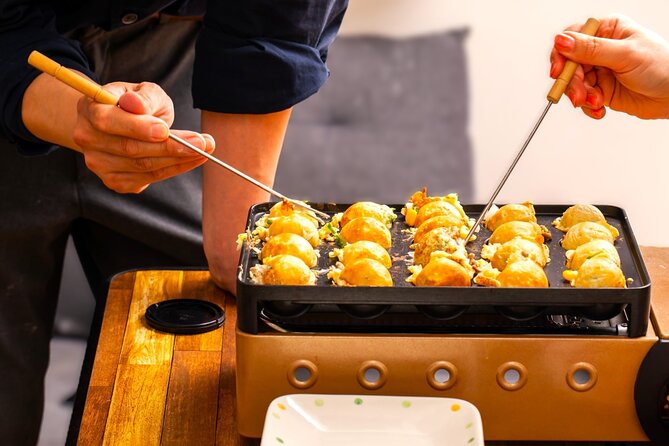
Takoyaki is one of Japan’s most recognizable street foods, but its preparation is more skillful than it first appears. You pour a thin batter into round holes on a heated cooker, add chopped octopus, and then rotate the partly cooked mixture until each piece forms a ball.
That final step is the trick. The outside needs enough structure to turn, while the inside stays soft and steamy. Use too much force and the batter breaks. Move too slowly and it can stick or cook unevenly. The activity gives you a chance to learn this small but satisfying bit of Japanese food craft rather than simply ordering a plate at a restaurant.
You make the food yourself, then eat it at the same meeting point. There is no separate sightseeing stop or long transfer. That keeps the experience focused, which is useful if you have only a short opening in your Shinjuku schedule.
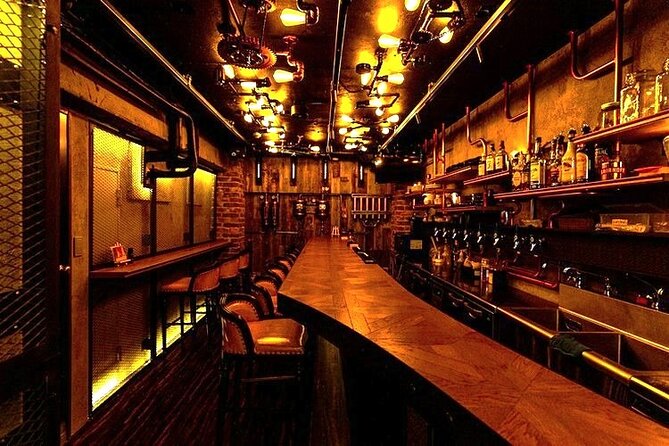
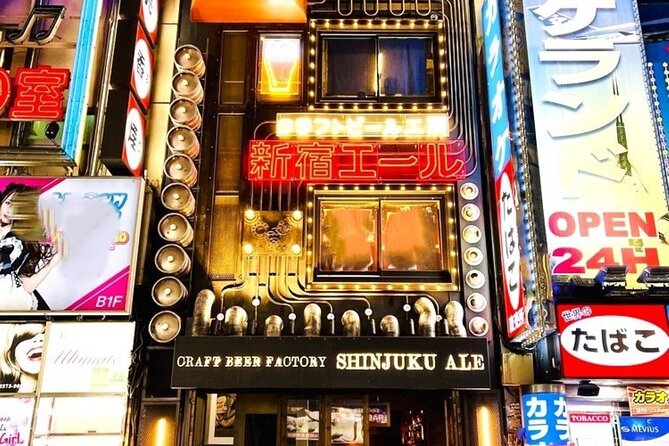
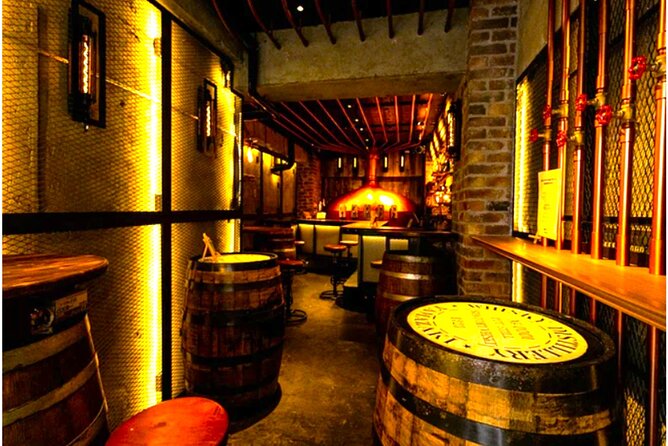
The class is especially easy to add before or after time in Kabukicho. The meeting point, Shinjuku Ale, is at 1-chome-14-5 Kabukicho, Shinjuku City, on the first and second floors. The area is close to public transportation, so you do not need to build a complicated route around it.
More street food tours in Japan:
- Hungry Osaka Street Food Tour:15 Tastings & 3 Drinks with a Local
★ 5.0 · 1,727 reviews - Tokyo: Tsukiji Fish Market Food and Culture Walking Tour
★ 4.7 · 757 reviews - Hungry Osaka Street Food Tour: 15 Dishes & 3 Drinks
★ 4.9 · 694 reviews
What you actually do during the one-hour class
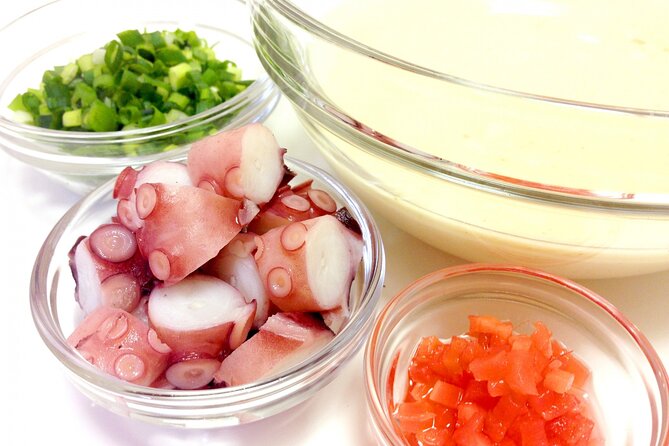
The process begins with the ingredients and the takoyaki cooker. You pour the flour batter, made with water and eggs, into the round openings. Chopped octopus goes into the center, and then the cooking begins.
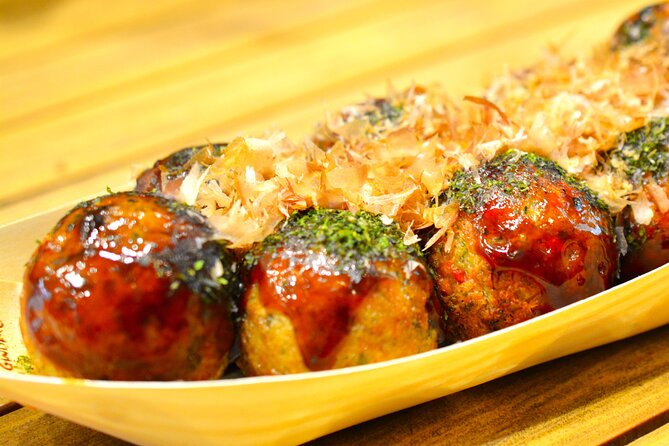
As the batter sets, you use the provided picks to turn the pieces. This is where the activity becomes more than a simple meal. You learn by watching the shape change and by making small corrections as the edges cook. The finished takoyaki should be round, crisp on the outside, and fluffy inside.
You can make up to 12 pieces per person. Since two people share one cooker, you will be working beside a companion rather than using a private hot plate all to yourself. That arrangement suits couples, friends, and families, though it also means you should expect to share the cooking space.
Once the takoyaki is ready, you add the familiar toppings. Sauce and mayonnaise bring salt and sweetness, while dried bonito flakes add a savory note and move slightly from the heat. Aonori, or green laver, adds a light seaweed flavor and color.
The experience ends when you finish eating. This sounds obvious, but it matters when planning your day. You are not signing up for a longer cultural lecture or a full meal with several courses. You are booking a compact cooking activity centered on one food.
Why flipping the balls is harder than it looks
Takoyaki is often described as crispy outside and fluffy inside. That contrast comes from timing. The batter must cook enough to hold together, but not so long that the center loses its soft texture.
The picks are not just for serving. You use them to loosen the edges, turn the pieces, and bring uncooked batter into contact with the hot surface. At first, your takoyaki may look lopsided. That is part of the fun, and it gives the staff a chance to show you how to adjust your technique.
One particularly useful detail is that the cooking has a physical learning curve. A cooking class can sound passive when the staff does most of the work, but this one asks you to handle the pieces yourself. The experience is better suited to people who enjoy trying a task than to anyone seeking a polished demonstration with no participation.
The help you receive may depend on the staff member working that day. Mai has been praised for being patient with children and for helping people improve their technique. At the same time, English ability varies among staff, and a translation machine may be used. You should expect the food and method to remain clear, but detailed spoken explanations may not always be available in fluent English.
A family activity with a useful amount of challenge
This works well for families because the task is straightforward without being completely effortless. Children can help add ingredients and toppings, while older children and adults can try the turning technique. The food is familiar enough to appeal to many young eaters, especially those who already like savory snacks.
The activity has also been described as a good fit for tween boys because the cooking feels like a practical challenge rather than a formal lesson. You will not need advanced kitchen skills, but you will have something to master during the hour.
The heat is part of the experience, so parents should stay involved. The cooker is hot, and the food is served hot. The supplied information does not give a specific minimum age, but anyone under 20 must be accompanied by a parent or guardian. Alcohol is not permitted for minors under Japanese law.
For adults, the takoyaki pairs naturally with beer, but drinks are not included. Extra drinks can add noticeably to the bill, and one family found them somewhat expensive. You can simply skip them and focus on the included cooking and food.
Same city, another round of plates:
- Tsukiji Fish Market: Street Food & Culture Walking Tour
★ 5.0 · 669 reviews - Tsukiji Fish Market: Street Food & Culture Walking Tour
★ 4.8 · 259 reviews - [1 Group Only] Osaka Street Food Tour for Family
★ 5.0 · 208 reviews - Umami Town Street Food Tour
★ 5.0 · 120 reviews
The English-language question
Language is the clearest point to consider before booking. Some staff members are not fluent in English, and the restaurant may use a translation machine. That does not make the activity impossible, since the cooking process is visual and hands-on, but it can affect how much explanation you receive.
One participant felt disappointed because the staff mainly pointed to written instructions instead of explaining each step in detail. That criticism is worth taking seriously if you want a formal cooking lesson with careful English commentary.
On the other hand, the activity itself has a simple sequence. Batter, octopus, heat, turning, toppings, eating. You can understand much of the process by watching the cooker and following the steps. The presence of a patient staff member such as Mai can make a big difference, but the experience should not be sold to yourself as an English-language food seminar.
I would book it if your priority is doing the cooking. I would be more cautious if your priority is a long explanation of takoyaki’s background, ingredients, and regional variations.
What the price includes, and what it does not
The listed price is $26.43 per person. All fees and taxes are included, which makes the basic cost easy to understand. You receive the cooking activity and the takoyaki ingredients, then eat what you prepare.
For Tokyo, the value depends on how you view the hour. You are not paying for transportation, a full restaurant meal, or a long guided tour. You are paying for a small-group activity, the use of the cooker, staff assistance, ingredients, and a chance to make a food that can be surprisingly tricky at home.
That makes the price reasonable for families, couples, and first-time visitors who want one organized food experience in Shinjuku. It is less appealing if you only want a cheap snack. Takoyaki itself can be found for less elsewhere, but buying it does not give you the hands-on lesson or the satisfaction of turning the pieces yourself.
Bottled water, additional meals, drinks, and transportation to the meeting point are not included. Keep that in mind if you are budgeting closely. Alcohol is optional, and you do not need to buy it to take part.
The activity is often booked about 29 days ahead. That timing suggests you should reserve before your Tokyo trip if the schedule matters, especially because the group maximum is six.
Getting there and fitting it into your day
You meet at Shinjuku Ale, 1-chome-14-5 Kabukicho, Shinjuku City, Tokyo 160-0021. The activity ends back at the same meeting point, so you do not need to arrange a second pickup or find your way to a different neighborhood afterward.
The Kabukicho location is convenient if you are already visiting central Shinjuku. It is also close to the Godzilla hotel area, making it easy to pair with nearby plans. Allow enough time to locate the restaurant and arrive ready to tell the staff that you have a reservation for the experience.
The mobile ticket is practical for sightseeing days. Keep the confirmation available on your phone, and show it to the staff when you arrive. The confirmation is issued at booking.
Because the class lasts about an hour, it fits neatly between other activities. You could schedule it before dinner, after an afternoon in Shinjuku, or during a break from larger city sightseeing. The experience does not include transportation, so you handle your own route to Kabukicho.
Who will enjoy this most
I would recommend this for:
- Families looking for a short, participatory food activity
- Couples and friends who want to cook together
- First-time visitors curious about a familiar Japanese snack
- People staying or sightseeing near Shinjuku and Kabukicho
- Anyone who enjoys learning through practice instead of watching a demonstration
It is a weaker choice for people who dislike hot-plate cooking, want a quiet meal, or expect detailed instruction in fluent English. It also may not satisfy anyone looking for a broad Japanese food tour, since the session stays focused on takoyaki.
The maximum of six people is a real advantage for small parties. It prevents the class from feeling like a large production and gives the staff fewer cooking stations to manage. Still, two people share one cooker, so groups should be comfortable taking turns and working together.
Cancellation and practical planning
You can cancel for a full refund if you do so at least 24 hours before the local start time. Cancellations made less than 24 hours before the start are not refunded, and changes inside that window are not accepted.
Under-20 participants need a parent or guardian. Minors cannot drink alcohol. Additional drinks and meals cost extra, while the core fees and taxes are included.
The activity has a 4.9 rating from 102 reviews, with 99 percent recommending it. Those figures point to a strong overall experience, but they do not erase the language concern. Set your expectations correctly: this is a friendly, compact cooking session, not necessarily a detailed English-led class.
Should you book the takoyaki experience?
Book it if you want to make a classic Japanese snack with your own hands, especially if you are traveling with family or a small group. The one-hour format, central Shinjuku location, and six-person limit make it easy to fit into a Tokyo itinerary.
I would book with two expectations. First, the fun comes from trying to turn the takoyaki yourself, not from receiving a long lesson. Second, English support may rely on written instructions or a translation machine. If those points suit you, $26.43 is a fair price for a social cooking activity and a hot meal you helped create.
If you want a simple snack, a fluent English cooking lecture, or included drinks, choose something else. For hands-on practice, family appeal, and a chance to learn why those little balls require more skill than they show, this is a solid Shinjuku pick.
FAQ
How long does the takoyaki experience last?
The experience takes about one hour, ending after you finish eating the takoyaki you made.
Where does the activity meet?
It begins at Shinjuku Ale, on the first and second floors, at 1-chome-14-5 Kabukicho, Shinjuku City, Tokyo 160-0021, Japan.
Where does the activity end?
It ends back at the meeting point.
How many takoyaki can each person make?
Each person can make up to 12 takoyaki.
How many people share one cooker?
Two people use one takoyaki cooker.
Are drinks included in the price?
No. Bottled water, additional meals, and drinks are not included. Alcohol is optional, and minors are not permitted to drink.
Can children take part?
Participants under 20 must be accompanied by a parent or guardian. The provided information does not specify a younger minimum age.
What happens if the staff does not speak fluent English?
Some staff members may use a translation machine. English support can vary, so you should expect the cooking steps to be shown through a mix of demonstrations, instructions, and translation.
Newly added plates around Japan
- Tsukiji Fish Market Street Food & Culture Walking Tour★ 5.0 · 8 reviews
- Tsukiji Fish Market: Street Food Tour with Tasting★ 5.0 · 4 reviews
- Ueno Park and Ameyoko Street Food Market Half Day Walking Tour★ 5.0 · 3 reviews
- Tokyo:Enjoy street food & Japanese food culture at Tsukiji Market★ 5.0 · 6 reviews
- Tokyo Fish Market Food Tour: Street Food & Friendly Guide★ 3.0 · 2 reviews
- Tokyo Street Food Tour – 7 Japanese Foods★ 5.0 · 16 reviews
- Private Tokyo food scene 6 hour experience: Depatika, street food, izakaya★ 5.0 · 9 reviews
- Matsushima Bay, Islands and Seafood Market day tour from Tokyo★ 5.0 · 2 reviews
Japan Street Food Tours, compared.
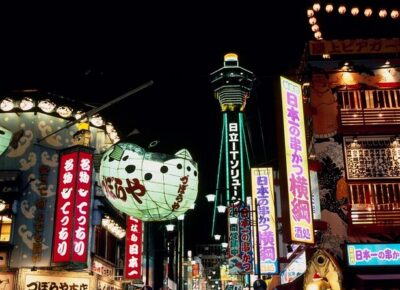
Hungry Osaka Street Food Tour:15 Tastings & 3 Drinks with a Local
Read our review →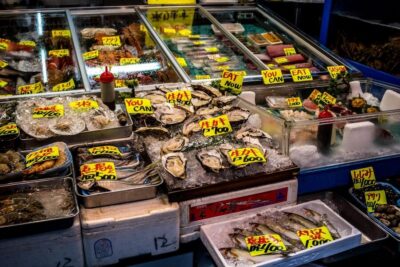
Tsukiji Fish Market Food and Culture Walking Tour
Read our review →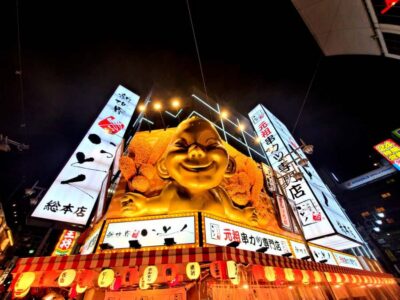
Hungry Osaka Street Food Tour: 15 Dishes & 3 Drinks
Read our review →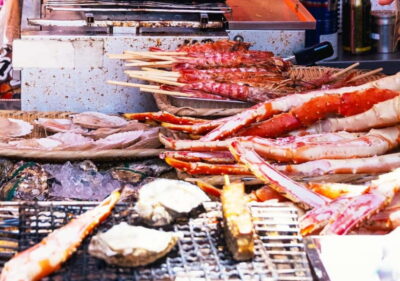
Tsukiji Fish Market: Street Food & Culture Walking Tour
Read our review →Tsukiji Fish Market: Street Food & Culture Walking Tour
Read our review →
[1 Group Only] Osaka Street Food Tour for Family
Read our review →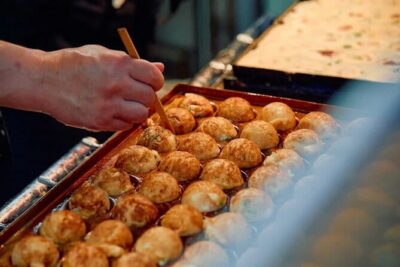
2-Hour Local Street Food Tour – Dotonbori & Namba
Read our review →Browse the lists this tour appears in