
REVIEW · HISTORICAL TOURS
Palermo: Mafia history and present, Street Food Walking Tour
Palermo’s Mafia story is not presented as a dusty tale from the past. This three-hour evening walk connects organized crime to daily choices, local businesses, and civic life today, with food stops at establishments that refuse to pay pizzo, the protection money demanded by criminal groups. Elena, the guide most often named for this experience, brings legal experience from Italy’s Supreme Court and a clear personal commitment to Palermo.
I like two things right away: the small group, limited to 10 people, gives the discussion room to breathe, and the four food stops turn a serious subject into a real encounter with the city. You will taste panelle, crocchè, sfincione, pani câ meusa, Sicilian beer, and desserts. The main consideration is that this is not a traditional monument tour, so choose another walk if you want detailed art and architecture commentary.
I also like the focus on businesses that say no to pizzo. You are not simply hearing about resistance from a distance. You are spending money at places presented as part of that resistance. Come hungry, since the tastings are generous, and wear comfortable shoes for Palermo’s historic center.
Key points to know before booking
- Four substantial tasting stops: Expect fried Sicilian snacks, sfincione, pani câ meusa, craft beer, and traditional desserts.
- A modern Mafia discussion: The conversation covers present-day scandals, social behavior, consumption, and civic choices, not only past crimes.
- Elena’s legal background: The guide is a law graduate with experience at the Italian Supreme Court.
- Pizzo-free food venues: Each stop supports establishments identified with resistance to protection rackets.
- Small evening group: With a maximum of 10 people, you can ask questions and take part in the discussion.
- A serious subject with a social side: The tour suits people who want context about Palermo, not just a list of Mafia facts.
Palermo’s Mafia story, told through ordinary city life
This experience works because it treats the Mafia as a social and political problem, not as movie scenery. You walk through central Palermo while discussing how organized crime has shaped choices, fear, silence, business, and public life.
The subject is serious, but the format is informal. That matters. A lecture can give you dates and names, while a conversation helps you think about what criminal power looks like in ordinary decisions. You will consider why some businesses resist, how civic behavior can reinforce or weaken criminal networks, and why the past still affects Palermo.
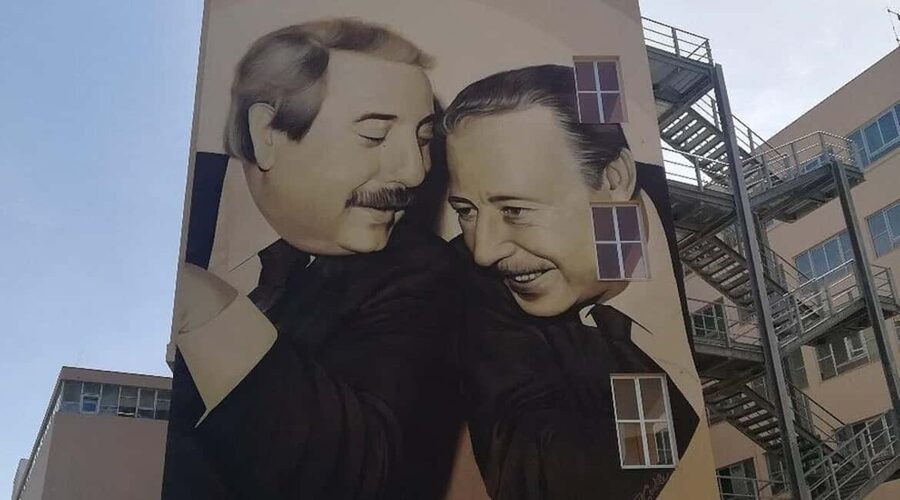
Elena’s legal background adds useful weight to the discussion. She is described as a law graduate with experience at the Italian Supreme Court, and the tour uses that perspective to explain the Mafia in legal and social terms. The guide is not simply pointing out locations connected to crime. She is helping you understand how institutions, businesses, and residents respond.
The tour also includes stories of people who refused silence. Those accounts give the walk a human center. Rather than leaving you with the idea that Sicily is defined by the Mafia, the experience points toward people and businesses taking practical steps to resist it.
More history-and-food walks around Palermo:
- Palermo: Street Food and History Walking Tour
★ 4.9 · 1,486 reviews - Walking Tour and street food Tour Palermo / History and Food
★ 5.0 · 386 reviews - Discover Palermo in 3 hours. Art, history, markets and street food
★ 5.0 · 352 reviews
Starting at Vucciria and entering the historic center
The meeting point is the Epic Sicily base, described as an Epic home in Vucciria. It serves as an information point, locker, and rest stop for visitors. You will need to make your own way there, since transportation to the meeting point is not included.
From there, the tour moves on foot through Palermo’s historic center. The evening timing should suit anyone who prefers to explore after the day’s heat has eased, though the exact starting time depends on availability when you book.
Do not expect a polished sightseeing route focused on grand façades. The city itself is the setting for a conversation about how public life works. You may pass through familiar central streets, but the guide’s attention is directed toward social meaning and present-day issues rather than a full explanation of every church or palace.
That distinction is important. If you want a first introduction to Palermo’s Arab-Norman architecture, major monuments, and art collections, book a separate city tour. If you already have some sightseeing planned and want to understand the city’s social pressures, this walk fills a different need.
The first food stop: panelle, crocchè, and fried vegetables
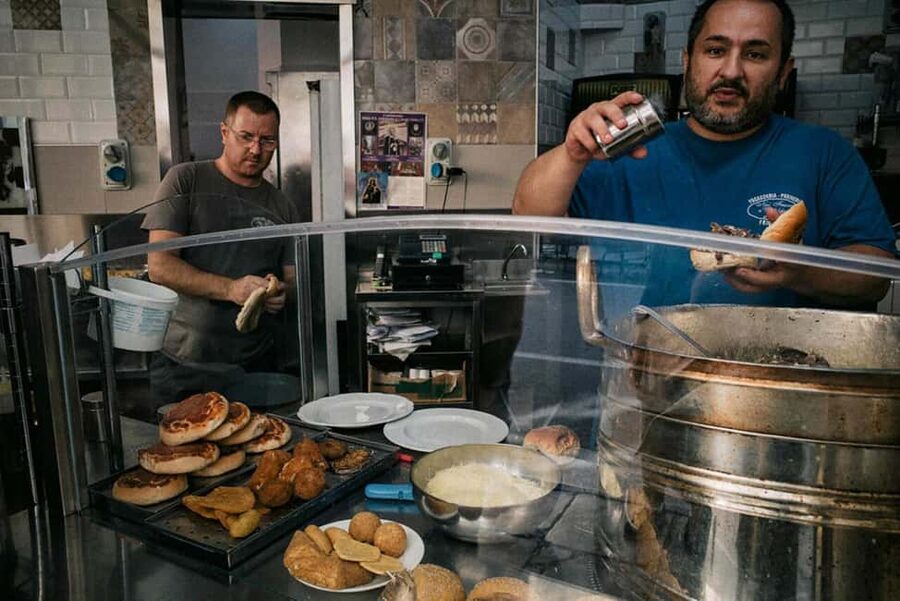
The food begins with traditional fried treats, including panelle, crocchè, and fried vegetables. Panelle are chickpea fritters, while crocchè are potato croquettes. Together, they offer a useful introduction to Palermo street food: simple ingredients, bold flavor, and food designed to be eaten casually.
This stop is more than a quick snack. It gives you something concrete to discuss while the tour moves between food and social questions. You can ask about local customs, the businesses you are visiting, and the meaning of choosing a pizzo-free venue.
The food is also one reason to arrive hungry. This is not a token bite at each stop. The tastings are intended to form an aperitivo, and the portions may add up quickly over three hours.
Vegetarian and vegan options are available, which makes this stop more flexible for many diets. The information does caution that local tastings may not suit every dietary restriction, so you should raise specific needs before booking or at the start of the activity. Do not assume that every dish can be changed.
Sfincione and pani câ meusa at a Palermo street-food stop
One of the most distinctive tastings is sfincione, Palermo’s thick, soft style of seasoned pizza, along with pani câ meusa, a local spleen sandwich. The latter is a very traditional choice, but it will not appeal to everyone. If you are uncertain about organ meats, ask the guide what alternatives are available.
This is where the food side of the tour becomes especially local. You are not being served a generic Italian snack found across the country. These dishes point directly to Palermo’s own street-food culture.
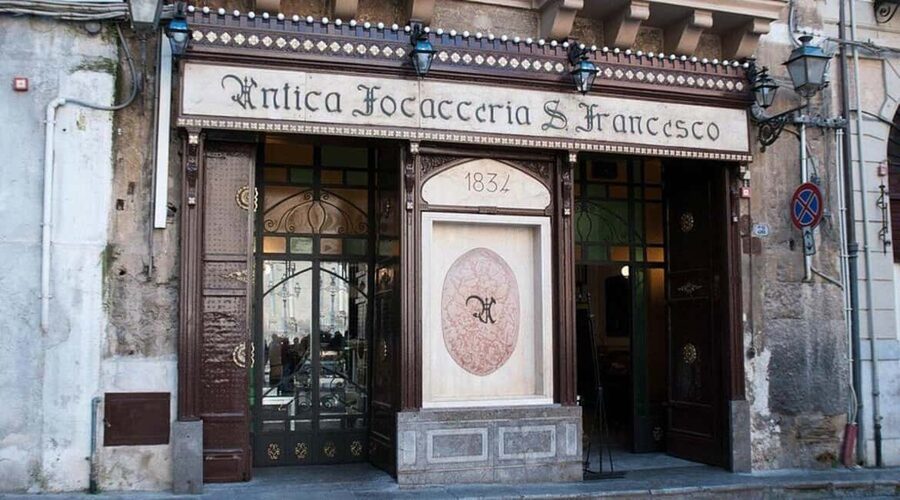
The stop is described as taking place at an iconic Palermo street-food spot, and it is also part of the pizzo-free program. That pairing gives the tasting a civic point: you are learning about resistance while supporting a food business associated with that choice.
Food can sometimes make a serious tour feel scattered, but here it acts as a bridge. You see how a business can be part of a neighborhood’s identity, how customers make choices, and how the idea of resistance can appear in everyday spending.
More street food tours in Palermo:
- Palermo Original Street Food Walking Tour by Streaty
★ 5.0 · 2,105 reviews - Palermo Sicilian Street Food Tour: Small Group by Do Eat Better
★ 5.0 · 920 reviews - Palermo: Street Food Walking Tour with Local Guide & Tasting
★ 4.9 · 632 reviews - Palermo Walking Tour and Street Food
★ 5.0 · 617 reviews
Sicilian craft beer and the city’s present-day questions
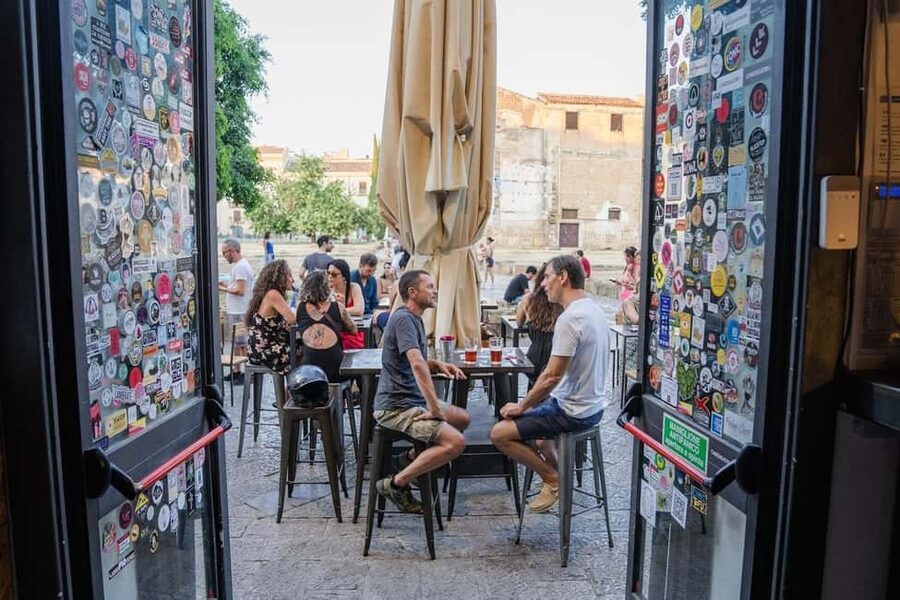
The third tasting is Sicilian craft beer. It provides a pause between the heavier food stops and gives the group time for conversation. As the walk continues, the discussion turns more directly toward how organized crime still affects Sicilian life.
The tour does not stop at the Mafia’s origins. You will discuss its continuing influence on social behavior, business decisions, and civic choices. The guide also brings in current local news, using daily or weekly scandals as a way to connect the subject to the present.
That feature makes the experience more useful than a fixed historical talk. Current events change, and the discussion can reflect what is happening in Palermo when you visit. You should expect an open conversation rather than a script that treats the city’s problems as settled history.
The small group helps here. With no more than 10 participants, there is a better chance to ask about points that interest you, including law, politics, business, or ordinary life. The exact feel will depend on the guide and the group, but the design allows for discussion instead of a one-way speech.
Sicilian desserts to finish the aperitivo
The final food portion is a tasting of different Sicilian desserts. Specific sweets are not listed, so you should expect a selection of typical pastries or desserts rather than one guaranteed item.
This is a generous way to finish the food side of the walk. Several people who enjoyed the experience singled out the pastries and sweets, and the overall advice is clear: do not eat a full meal beforehand. The combination of fried food, bread-based dishes, beer, and dessert can be more filling than the word aperitivo suggests.
Families may find the dessert and street-food portions especially appealing, and children’s options are available. Still, the Mafia discussion is central, so parents should decide if the subject suits their children.
The dessert stop also softens the ending without turning the subject into entertainment. Palermo’s food culture remains part of the city’s daily life, while the discussion keeps returning to the choices made by businesses and customers.
Why pizzo-free venues matter
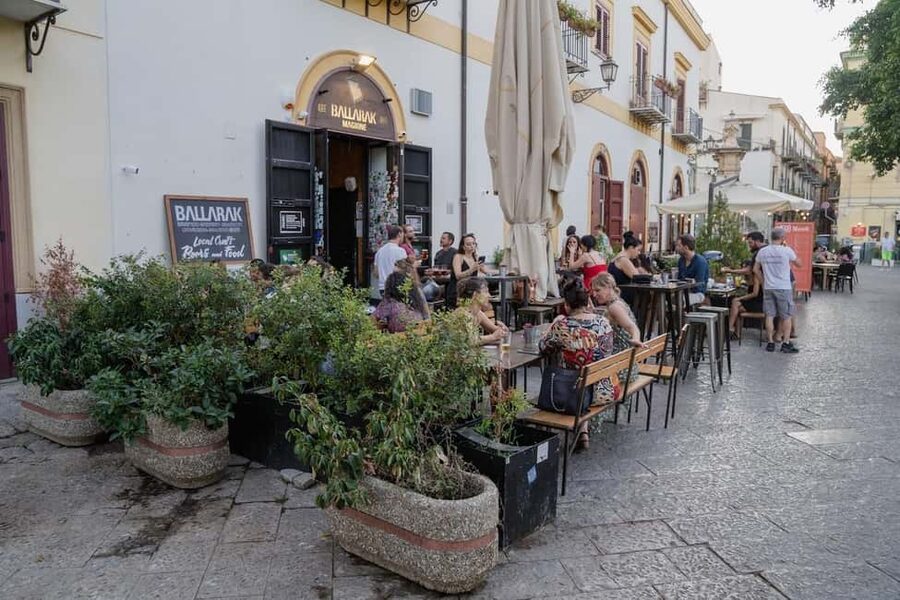
Pizzo is the protection money demanded from businesses by organized crime. The value of visiting pizzo-free establishments is that the tour links this term to actual commercial choices.
You are not being asked to make a grand gesture. You are eating, drinking, and spending money. The point is that ordinary consumption can support businesses that refuse criminal control. That makes the idea easier to understand than a distant political slogan.
The tour presents these venues as symbols of civic resistance and Palermo pride. You should still treat the subject with care. This is not a Mafia-themed pub crawl, and the experience is not designed to glamorize criminals or turn violence into spectacle.
Instead, the focus is on people who said no, businesses that resisted, and the social conditions that make such choices difficult. That approach will suit you if you want a serious look at Palermo without reducing Sicily to a stereotype.
What the tour does not try to do
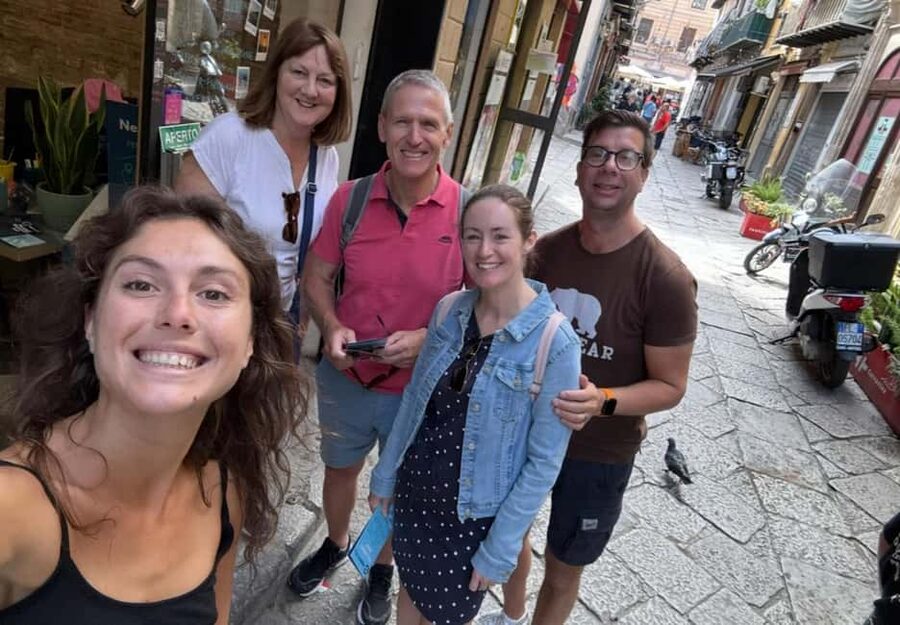
The tour does not focus on detailed historical or artistic explanations of monuments. You may walk past important buildings, but the guide’s job here is to explain Mafia history, current social dynamics, and civic resistance.
That limitation is also part of the value. Palermo has enough churches, palaces, markets, and museums to fill several days. You do not need every walking tour to cover the same ground.
I would pair this activity with a conventional Palermo sightseeing tour if it is your first visit. Use that other tour for architecture and art. Use this one for context about the city’s social life and for food you might not find on a standard route.
The subject may also feel heavy for some people. The tone is described as lively and engaging, but Mafia history includes fear, violence, corruption, and loss. Book it because you want to think about those issues, not simply because the title sounds dramatic.
Is $79 a fair price?
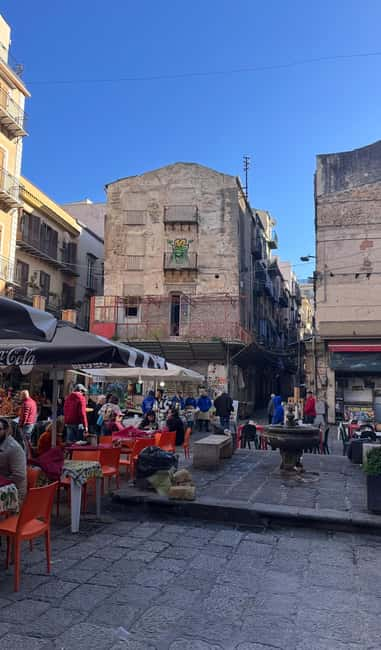
At $79 per person, the price is not the cheapest way to eat street food in Palermo. You could buy many individual snacks for less if you planned your own route.
The value comes from combining four food experiences with a three-hour guided walk, a small group, and a subject that is difficult to research well on your own. You are paying for the guide’s time, interpretation, language support, coordination of stops, and access to a structured conversation about pizzo-free businesses.
The food also appears substantial enough to replace a light evening meal for many people. That makes the cost easier to justify, especially if you would otherwise book both a food walk and a separate Mafia-focused tour.
I would not choose it for food alone. A regular street-food tour might offer a broader tasting route or more time devoted to recipes and markets. Choose this one if the food is part of a wider interest in Palermo’s politics, law, and civic life.
Languages, group size, and practical comfort
The tour is offered in English, Italian, Russian, German, Spanish, Greek, and French. Confirm your preferred language when booking, since the quality of a discussion-heavy tour depends on following the details.
The group is limited to 10 participants. That is a meaningful advantage here. A large group can make an open conversation awkward, while a smaller group allows the guide to respond to questions and adjust the discussion.
Comfortable shoes are a must. You will walk through the historic center for three hours, with several stops along the way. Transportation is not included, so plan your route to the Vucciria meeting point before the tour begins.
The activity is listed as wheelchair accessible. You should still confirm any particular mobility requirements in advance, since the experience takes place on city streets and includes food stops.
You can cancel up to 24 hours before the start for a full refund, and the reserve-now, pay-later option lets you keep plans flexible. Those policies are useful if you are still arranging a Sicily itinerary.
Who will enjoy this Palermo food and Mafia walk?
I would recommend it to you if you:
- Want to understand how the Mafia still affects society today
- Prefer discussion and human stories to a standard monument tour
- Enjoy tasting local food in small, independent establishments
- Are interested in civic resistance and ethical spending
- Want a small group where you can ask questions
- Have already planned a separate tour of Palermo’s major sights
It may not suit you if you want a quiet meal, a family-only activity, or a tour devoted to art and architecture. The subject is serious, and the food is woven into the discussion rather than treated as the entire purpose.
It is also less suitable if you have strict dietary requirements that cannot accommodate fried foods, bread, beer, or sweets. Vegetarian, vegan, and children’s options are available, but specific restrictions should be discussed before you rely on the tastings.
Should you book it?
Book this tour if you want Palermo to make more sense beyond its churches and markets. The strongest feature is the link between pizzo-free food stops and real civic choices. You eat local dishes while hearing why the businesses matter.
The guide’s legal experience, the small group, and the attention to current issues add substance. The food is abundant enough to make the $79 price reasonable, especially if you count it as both a meal and a guided evening activity.
Skip it if your main goal is monument history, or if you are uncomfortable with serious conversations about organized crime. For the right visitor, this is a thoughtful Palermo evening: plenty to eat, much to consider, and a clearer sense of the people working to shape the city’s future.
FAQ
How long does the Palermo Mafia and street-food tour last?
The experience lasts three hours.
What is the price?
The price is $79 per person.
Where does the tour meet?
The meeting point is the Epic Sicily base, an Epic home in Vucciria that serves as an information point, locker, and rest stop.
Is transportation included?
No. Transportation to the meeting point is not included.
How many people are in the group?
The group is limited to a maximum of 10 participants.
What food is included?
The aperitivo includes traditional fried treats such as panelle, crocchè, and fried vegetables, plus sfincione, pani câ meusa, Sicilian craft beer, and different Sicilian desserts.
Are vegetarian, vegan, and children’s options available?
Yes. Vegetarian, vegan, and children’s options are available.
Is this a traditional Palermo sightseeing tour?
No. The experience does not focus on detailed historical or artistic explanations of monuments. Its main subjects are Mafia history, present-day social dynamics, civic resistance, and local food.
Which languages are available?
The tour is offered in English, Italian, Russian, German, Spanish, Greek, and French.
Is the tour wheelchair accessible?
Yes, the activity is listed as wheelchair accessible.
Can I cancel for a refund?
Yes. You can cancel up to 24 hours in advance for a full refund.
Can I reserve now and pay later?
Yes. You can reserve the experience and pay nothing at the time of booking.
Newly added plates around Palermo
- Palermo: street food walking tour★ 4.5 · 7 reviews
- Palermo: Street Food Tour & Sicilian Wine Tasting★ 5.0 · 2 reviews
- Palermo: City Walking Tour & Street Food Tasting with Drink★ 4.9 · 29 reviews
- Palermo: Street Food Tour in Ballarò and Vucciria Markets★ 5.0 · 17 reviews
- Palermo: Street Food Tour★ 4.5 · 2 reviews
- Palermo, Monreale and Mondello Private Tour with Street Food★ 4.4 · 5 reviews
- Palermo Sicilian Street Food Tour: Small Group with a Local★ 4.8 · 259 reviews
- Walking Tour and street food Tour Palermo / History and Food★ 5.0 · 386 reviews
Historical Tours, compared.
Walking Tour and street food Tour Palermo / History and Food
Read our review →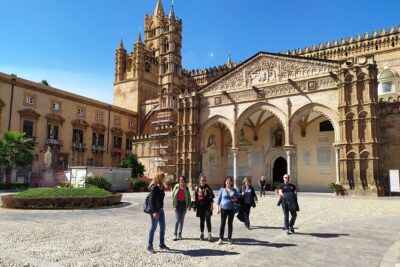
Discover Palermo in 3 hours. Art, history, markets and street food
Read our review →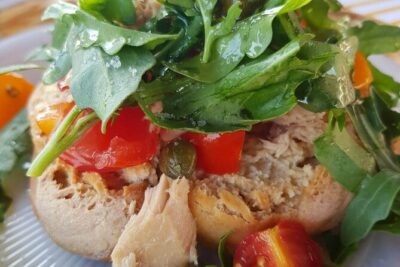
Lecce History and Street Food Tasting Small Group Tour
Read our review →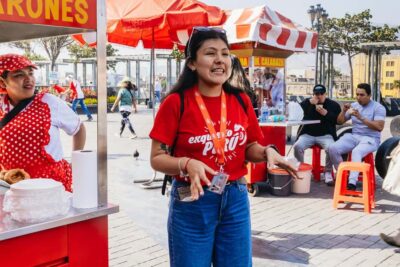
Historic Center Street Food, Market, and Eateries Tour
Read our review →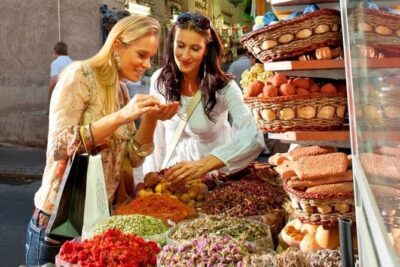
Dubai Old Town, Culture, History, Street food and Souks Tour
Read our review →
Old Dubai Historic Guided Tour: Creek, Street Food & Souks
Read our review →
Browse the lists this tour appears in