
REVIEW · INDIA STREET FOOD TOURS
Mumbai: Street Food Crawl
Mumbai’s best food lesson may happen beside a busy stall, not in a polished restaurant. This two-hour walk takes you through the old town near CST, where you can watch vendors prepare vada pav, dabeli, pani-puri, and chaat before tasting them yourself. The food is the star, but the stories about Mumbai’s communities and old buildings give the walk its shape.
I like two things in particular: the guide turns each snack into a small piece of local culture, and the tastings are spread across several stops instead of being served as one large meal. Guides such as Nisar and Ali have been praised for being warm, funny, and attentive. The main consideration is that the exact dishes can change, the tour is vegetarian, and strict dietary needs or food allergies are not well suited to it.
Key things to know before you book

- Six or more tastings: Expect a range of snacks, chaats, sweets, mouth fresheners, and masala chai, though dishes depend on the day and season.
- Old Mumbai setting: The route begins opposite CST at the Times of India Building and finishes at Horniman Circle Garden.
- Food and city stories together: Your guide explains how Mumbai’s communities shaped its street food while pointing out historic buildings along the route.
- A private two-hour outing: The group is private, with an English or Hindi-speaking guide.
- Come hungry: Several tastings can add up quickly, and one person found breakfast beforehand was far too much.
- Plan for walking: Wear comfortable shoes, arrive 10 to 15 minutes early, and bring an umbrella during the monsoon.
Why this Mumbai food walk works
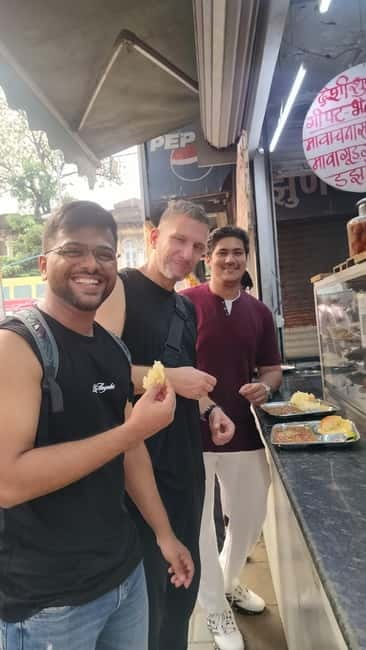
Mumbai street food can be hard to decode on your own. Menus may be unclear, stalls can look alike, and the best place for one snack is not always the best place for another. A guide gives you a route, a translator, and a second opinion on what to try.
This experience keeps the focus on local food rather than turning the walk into a general sightseeing tour. You move through old food lanes, stop at local restaurants, cafés, and a bakery, and watch familiar favorites being assembled in front of you. That matters because many Mumbai snacks are about texture and timing. A crisp shell, a hot filling, a sharp chutney, or a final sprinkle of spice can change from stall to stall.
The setting near CST and Horniman Circle also gives the food some context. You are not being taken to an isolated restaurant where the city disappears. You are walking through a central part of old Mumbai, with its food shops, offices, lanes, and grand buildings. The route is practical for visitors already exploring South Mumbai, though it is not a sightseeing circuit with long stops at monuments.
The tour has a rating of 4.9 from 14 bookings, and the strongest pattern in the feedback is clear: the guides make the experience work. Nisar is described as friendly and informative, while Ali is praised for taking care of the group and explaining local customs. One guide also added stories about buildings passed along the way, giving you more than a list of snacks.
More street food tours in India:
- Mumbai: Street Food and Night Markets Tour
★ 4.9 · 719 reviews - Old Delhi Street Food Tour
★ 5.0 · 497 reviews - Delhi: Old Delhi Street Food Tour with Rickshaw Ride
★ 4.9 · 403 reviews
Starting opposite CST at the Times of India Building
The meeting point is the entrance gate of Bennett Coleman & Company Limited, the Times of India Building, opposite CST station. Look for the guide in a neon green T-shirt. This is a busy area, so arriving 10 to 15 minutes early is sensible, especially if you are unfamiliar with the station and surrounding streets.
The walk starts exactly on time. There is no hotel pickup or drop-off, so you need to reach the meeting point under your own arrangements. Because the finish is at Horniman Circle Garden, you should also think about what comes next. The route is central, but you are responsible for continuing from the garden after the tour.
Your guide should introduce the group and explain the plan before the first tasting. Use this moment to mention any food preferences, but do not book this experience if you have a serious allergy or need strict control over ingredients. The food may include gluten, dairy, nuts, and plenty of spice.
First stops: old food lanes and familiar Mumbai snacks
The opening section takes you through the oldest food lanes in the old town area. You stop at local food shops and begin with a spread of regional favorites. This is a good way to ease into Mumbai street food because you are not expected to choose from a confusing menu or guess how to eat each dish.
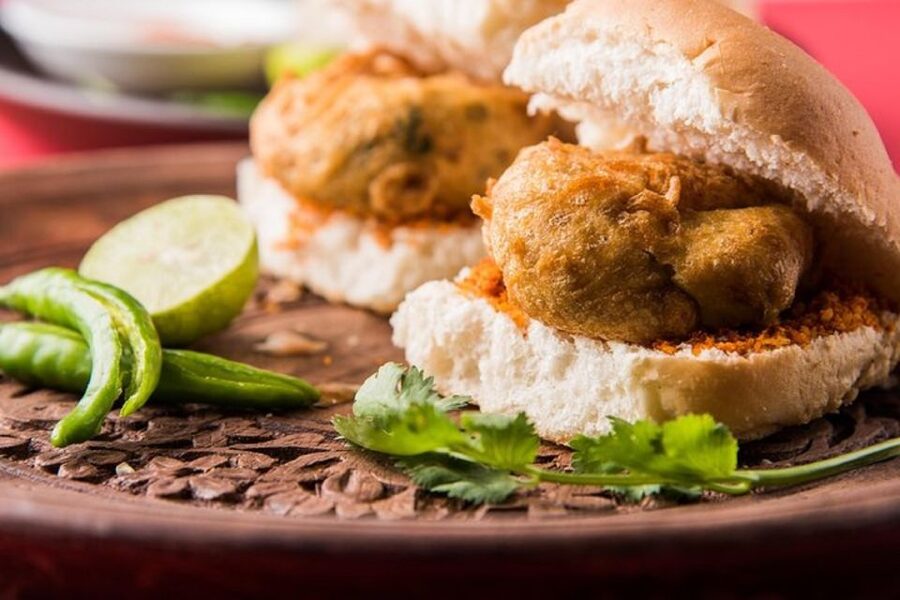
Vada pav is one likely highlight. Often described as Mumbai’s signature pocket snack, it pairs a spiced potato fritter with a soft bread roll, chutneys, and seasoning. Dabeli brings a different mix of sweet, spicy, and crunchy elements. Samosas may also appear, along with other local snacks prepared while you watch.
The value here is not simply the number of bites. Your guide can explain what makes each snack typical of Mumbai and how different communities helped shape the city’s food habits. The most useful part for a first visit is learning what you might order later on your own.
The stops are at tried-and-tested eateries selected for food quality and hygiene. That does not turn street food into restaurant dining, and you should still expect a lively public setting, but it gives first-time visitors a more comfortable introduction.
Chaat, pani-puri, and the fun of watching food made
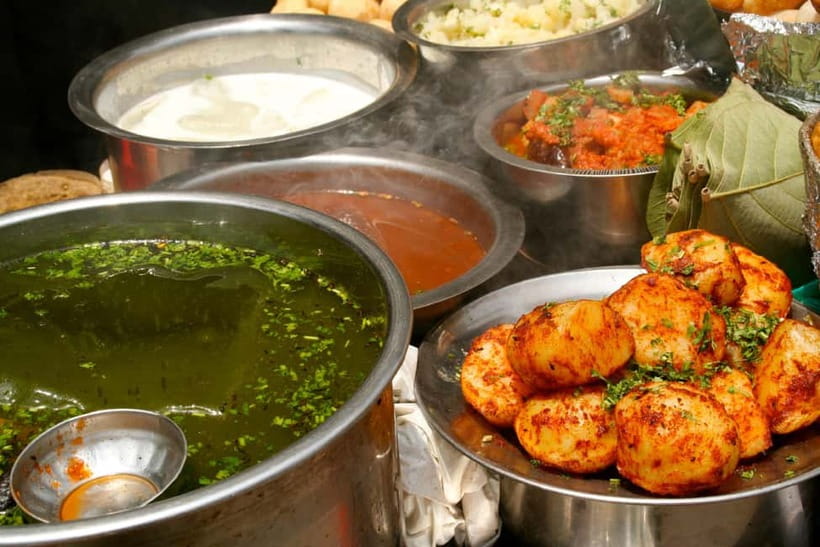
The middle part of the walk moves toward lanes filled with pani-puri and chaat stalls. These foods are assembled quickly, often with a mix of crisp shells, potatoes, chutneys, yogurt, herbs, and spice. Exact ingredients and dishes can change with availability, so you should think of the menu as a tasting route rather than a fixed checklist.
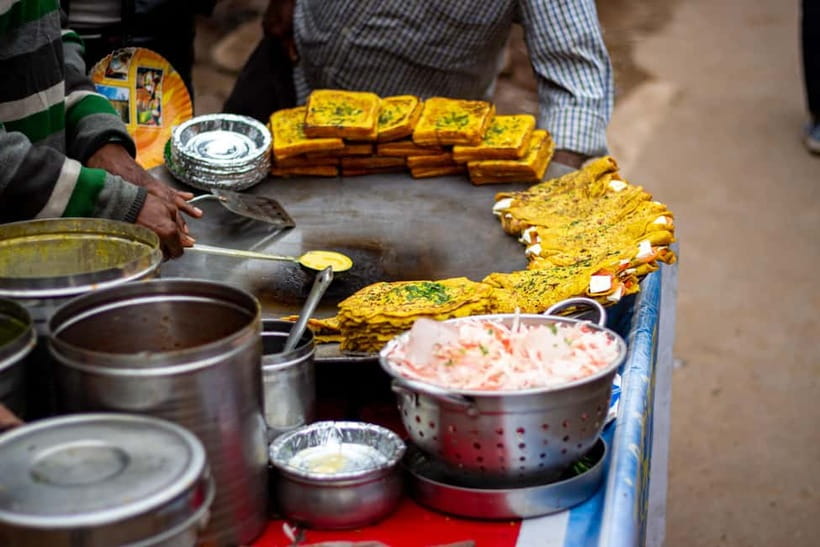
Pani-puri is especially entertaining to watch. The vendor prepares each piece at speed, adding fillings and flavored water just before serving. It is a small snack, but it shows why Mumbai street food is as much about preparation as it is about eating.
Chaat offers more variety in flavor and texture. You might find sweet, sour, spicy, crisp, soft, and creamy elements in the same serving. If you are new to Indian food, ask your guide about the spice level before you try a portion. The guide can also tell you how the ingredients fit together, which makes the tasting less of a guessing game.
This section can be one of the more social parts of the walk. You are standing near food stalls, watching local customers order, and seeing how quickly a vendor handles a busy counter. It is a direct look at everyday eating in Mumbai, not a staged cooking demonstration.
Same city, another round of plates:
- Old Delhi Street Food Tour – Explore Spices in Chandni Chowk
★ 5.0 · 334 reviews - Mumbai Street Food Tour
★ 5.0 · 269 reviews - Mumbai Street Food & Night Markets
★ 5.0 · 225 reviews - Winner Mumbai Street Food Tour in the World Top 20 by Guardian
★ 5.0 · 216 reviews
Café and bakery stops add sweetness
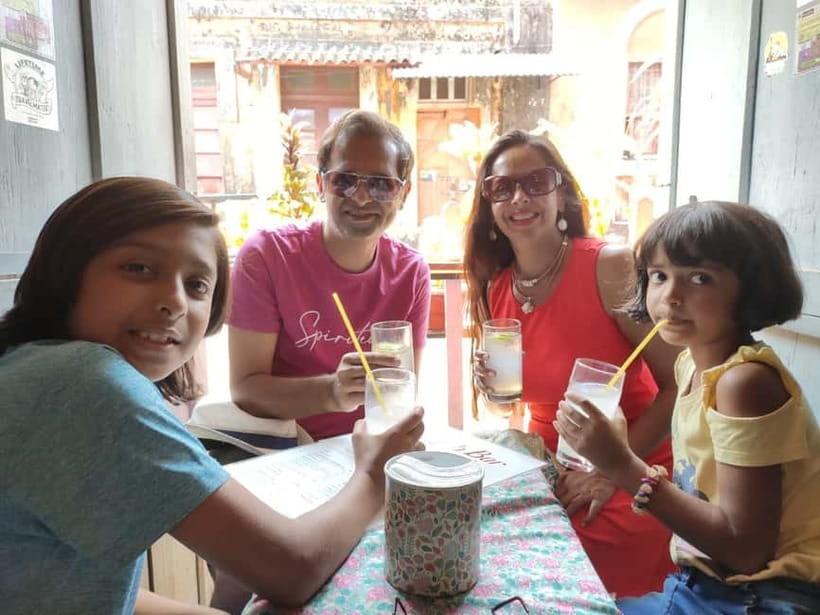
Not everything is fiery or savory. The route includes local cafés and a bakery, where you taste desserts and other sweet items. These stops help balance the sharper flavors of chaat, pani-puri, and spicy snacks.
The café visits last about 20 minutes and 15 minutes, while the bakery stop is shorter, around 10 minutes. Those timings suggest a walk with several brief tastings rather than long seated meals. That is useful if you want variety, but less appealing if you prefer to linger over one dish.
A dessert stop also gives your stomach a break from spice. The exact sweets are not fixed, so you should not book expecting one named dessert. Instead, expect the guide to choose from what is available that day and season.
One practical point: the food can be filling even though most portions are snack-sized. Several stops, plus sweets and chai, make breakfast unnecessary for many people. If you eat a full meal beforehand, you may find yourself too full to enjoy the later dishes.
Masala chai in a clay cup
The walk includes masala chai served in a traditional clay cup. This is a small detail, but it gives the experience a fitting finish. Chai is part of the rhythm of daily life in India, and drinking it after a string of savory snacks lets you slow down for a moment.
The itinerary describes the chai stop as a place to admire Mumbai while doing what locals do, eating and drinking in the middle of the city. The exact view is not specified, so I would not book this for a guaranteed landmark panorama. The appeal is the pause, the setting, and the simple ritual of hot spiced tea in a clay cup.
The walk ends with a local mouth freshener and dessert. Mouth fresheners can vary, and the guide may explain how they are used after a meal. It is a small cultural touch that many visitors would miss if they simply ordered snacks on their own.
What the two-hour timing really means
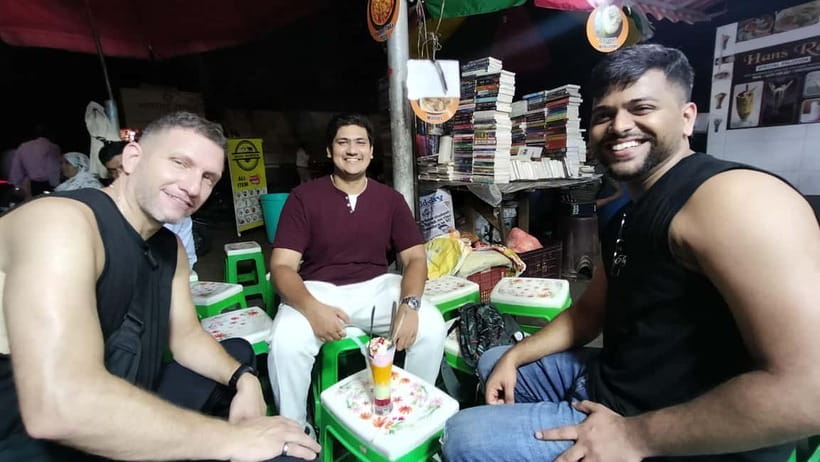
Two hours is enough for a focused introduction, not a full survey of Mumbai cuisine. You will visit multiple stops, but most visits are short. The listed tasting times add up to about 100 minutes, leaving the rest for walking, explanations, ordering, and moving between locations.
That pace should suit you if you want to sample a lot without spending half a day on food. It is also easy to fit into a South Mumbai sightseeing plan. The route begins near CST and ends at Horniman Circle Garden, so you can pair it with other central city stops before or after.
Walking distances may feel longer than expected. One booking described long stretches between stops and a tour that lasted more than three hours on that occasion. The advertised duration is two hours, but you should wear proper walking shoes and allow some flexibility in your schedule. If you are tired, ask the guide early about the route rather than waiting until the end.
The experience runs in all weather. During monsoon season, carry an umbrella and wear shoes that can handle wet streets. The tour is not suitable for wheelchair users, so anyone with mobility concerns should choose a different food experience.
Price, group style, and what you receive
At $28 per person, the price is reasonable if you value guidance, several tastings, and cultural explanation in one compact outing. You are paying not only for food, but also for the route through old food lanes, help with ordering, and the confidence of trying places selected for quality and hygiene.
The private-group format is another advantage. You do not have to compete with a large crowd to hear the guide or ask questions. Guides speak English and Hindi, and the strongest feedback centers on friendly conversation and useful city tips.
The value drops if you expect a full meal, a fixed list of six named dishes, or a long guided tour of Mumbai’s sights. One person received only three tastings and was surprised that the experience was vegetarian. The description promises six or more tastings, but availability and season can affect what you receive. Ask your guide what is planned at the start so you know how to pace yourself.
Water is not provided. The stated reason is that drinking water during the tasting is believed to reduce appetite, but you should still plan for your own hydration before or after the walk. Do not treat the absence of water as medical advice. If you need water, bring it or ask where you can buy some.
Free cancellation is available up to 24 hours before the start, and you can reserve now and pay later. Those terms are useful if your South Mumbai schedule is still changing.
Who should book this food crawl?
I would recommend it to first-time visitors who want an easy introduction to Mumbai’s snack culture. It is also a good fit if you enjoy learning the story behind a dish, prefer small tastings to one restaurant meal, and want a local guide to lead you through places you might otherwise miss.
Food-focused couples, private groups, and curious solo visitors should get the most from it. The English and Hindi language options make the tour accessible to many international visitors, and the private setup should make it easier to ask questions about ingredients, spice, and local customs.
You should think twice if you have food allergies, strict dietary restrictions, or strong limits on spice, dairy, gluten, or nuts. The tour is vegetarian, and the food may contain all of those ingredients. It is also not a good choice for wheelchair users or anyone who finds extended walking difficult.
Final call: a strong first taste of Mumbai
Book this tour if you want a guided introduction to Mumbai’s street food rather than a formal cooking class or a long city walk. The best parts are the old food lanes, live preparation, several small tastings, and guides such as Nisar and Ali, who bring warmth and city stories to the route.
Go in hungry, wear comfortable shoes, arrive early, and keep your schedule flexible. If you need a guaranteed menu or a carefully controlled diet, choose another experience. For most curious eaters who can handle spice and walking, $28 buys a useful, tasty start to understanding how Mumbai eats.
FAQ
How long does the Mumbai Street Food Crawl last?
The advertised duration is two hours. The listed tasting stops include time for walking, food preparation, explanations, and eating.
Where does the tour start?
It starts at the entrance gate of Bennett Coleman & Company Limited, the Times of India Building, opposite CST station in Mumbai.
How do I find the guide?
The guide will wear a neon green T-shirt and wait at the entrance gate of the Times of India Building.
Where does the tour finish?
The tour finishes at Horniman Circle Garden.
Which languages does the guide speak?
The live guide can conduct the tour in English or Hindi.
Is this a private tour?
Yes. The activity is arranged for a private group.
How many food tastings are included?
The experience includes six or more food tastings. The exact dishes can change based on availability and season.
Is masala chai included?
Yes. Masala chai served in a clay cup is included.
Is hotel pickup included?
No. Hotel pickup and drop-off are not included, so you must reach the meeting point yourself.
Is the tour suitable for people with allergies or strict dietary restrictions?
No. The food may contain gluten, dairy, nuts, and spices, and the tour is not suitable for people with food allergies or strict dietary restrictions.
Newly added plates around India
- Varanasi: Night Tour with Aarti Ceremony and Street Food★ 4.7 · 2 reviews
- Varanasi Street Food Crawl (2 Hours Guided Tour)★ 4.5 · 9 reviews
- Udaipur: Guided Street Food Tour with Tastings★ 4.2 · 6 reviews
- Udaipur: Street Food Crawl (2 Hours Local Food Tasting Tour)★ 4.1 · 3 reviews
- Udaipur: Street Food adventure l Eat Just like a local★ 4.6 · 2 reviews
- Trivandrum Street Food Crawl Guided Food Tasting Tour★ 4.5 · 6 reviews
- Varanasi Street Food Crawl (2 Hours Guided Food Tasting Tour)★ 4.5 · 69 reviews
- Ganga Arati with Street Food Tour of Banaras★ 5.0 · 7 reviews
India Street Food Tours, compared.
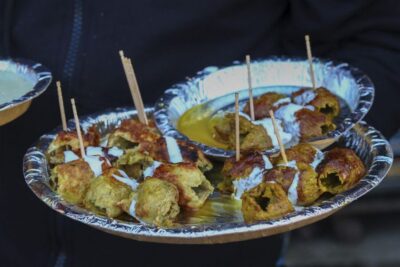
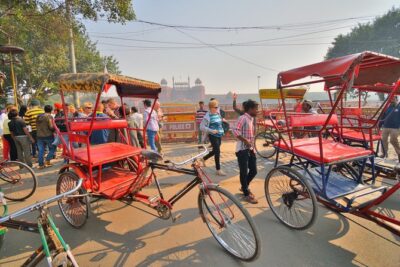
Old Delhi Street Food Tour – Explore Spices in Chandni Chowk
Read our review →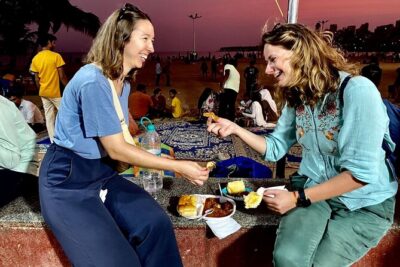
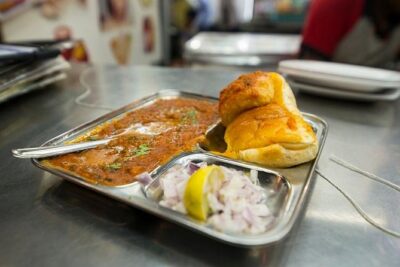
Winner Mumbai Street Food Tour in the World Top 20 by Guardian
Read our review →Browse the lists this tour appears in