
REVIEW · INDIA STREET FOOD TOURS
Goa Street Food Crawl: Authentic Food Tasting Experience
Goa’s food story makes the most sense on foot, one small plate at a time. This two-hour Panjim walk takes you from the church steps through Portuguese-influenced streets, bakeries, cafés, and local food stops for six Goan tastings, including xacuti curry, chaat, cutlets, peda, and cucumber mint juice. I like the mix of food and place, and I like that the guide explains how Portuguese cooking met local Indian ingredients. The main consideration is that this is a moderate walking tour, not a sit-down meal, so arrive hungry and wear good shoes.
I especially like the personal feel reported with guides such as Shimada, who is praised for explaining spice, coconut, chili, food preparation, and Goan customs in clear, lively conversation. You may also meet Vrushali, another guide with a strong grasp of Goan cuisine and Indian culture. The food stops are local restaurants, cafés, and stalls rather than polished dining rooms, which adds character but can mean a simple, less predictable setting.
Key points at a glance
- Six tastings in two hours: You sample a spread of savory dishes, sweets, drinks, and street snacks rather than filling up on one large meal.
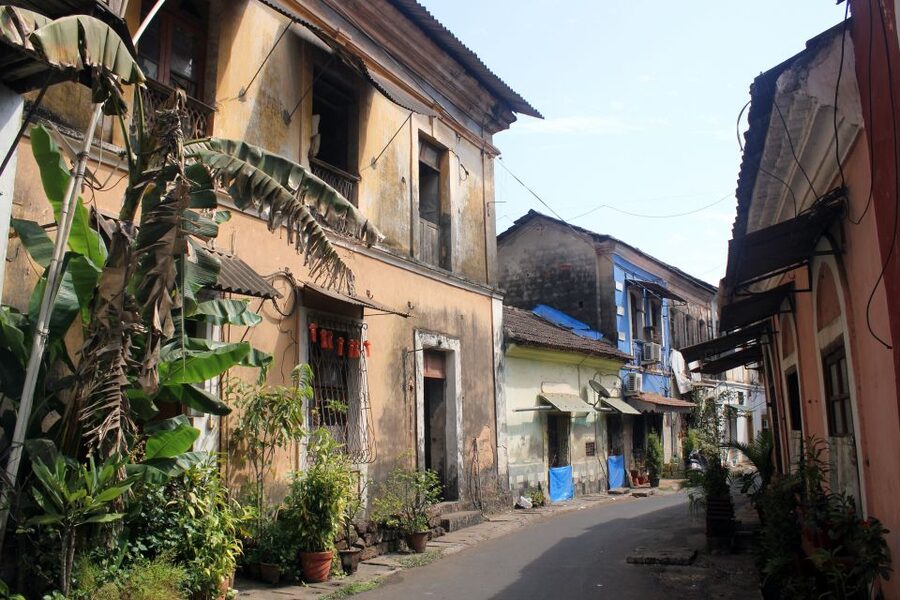
- A walk through Panjim: The route begins at Our Lady of Immaculate Conception Church and ends near Kala Academy, passing old buildings, stepped streets, cafés, and markets.
- Goan food with Portuguese influence: Your guide links local dishes to Goa’s mixed cultural traditions and explains how ingredients and cooking methods shape the flavors.
- A guide-led experience: English and Hindi are available, and Shimada is particularly praised for her stories, food knowledge, and friendly manner.
- Private group format: You get a more personal outing, with room to ask questions and discuss vegetarian or non-vegetarian preferences.
- Good value at $28: The price covers the guide, six food tastings, and a beverage, but not hotel transport.
Starting at Panjim’s white church
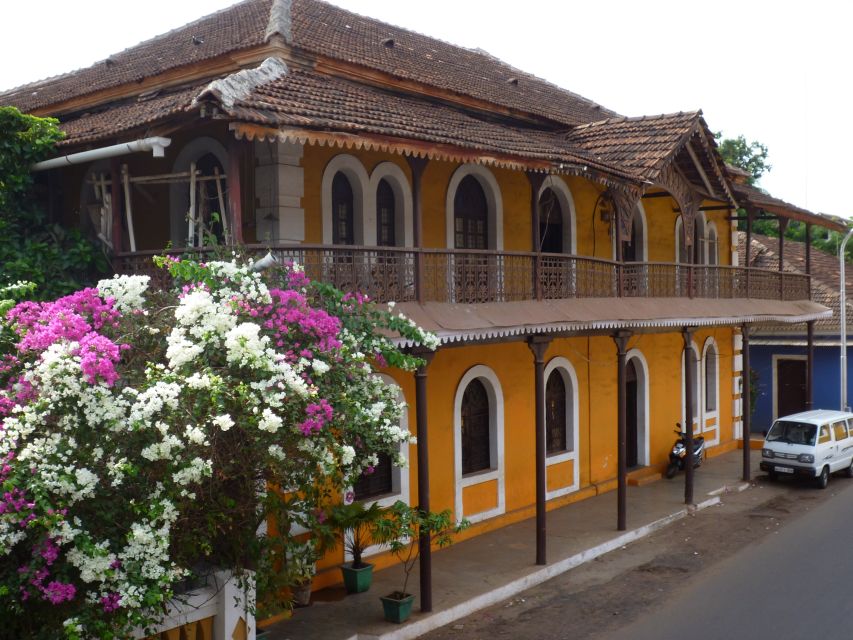
Meet your guide at the stairs of Our Lady of Immaculate Conception Church in Panjim, also called the Immaculate Conception Church. This is a useful meeting point because it puts you in the middle of the old city from the first minute, rather than spending the opening part of the tour finding a restaurant in an anonymous commercial district.
The church gives the walk a clear landmark and a strong visual start. From here, you set off through stepped streets and Portuguese-influenced lanes, with the guide pointing out old buildings, local cafés, and everyday corners of Panjim that are easy to pass without understanding.
I like this kind of beginning because it gives the food a sense of place. You are not simply being driven to a series of tasting counters. You see the neighborhood where people live, work, shop, and eat, then connect those surroundings with the dishes in front of you.
The route finishes at Kala Academy, so you should plan your own way back from there. Hotel pickup and drop-off are not included. Since the activity lasts about two hours, it can fit neatly into a morning or afternoon in Panjim, but check the available start times when you book.
More street food tours in India:
- Mumbai: Street Food and Night Markets Tour
★ 4.9 · 719 reviews - Old Delhi Street Food Tour
★ 5.0 · 497 reviews - Delhi: Old Delhi Street Food Tour with Rickshaw Ride
★ 4.9 · 403 reviews
Walking through Panjim’s food streets
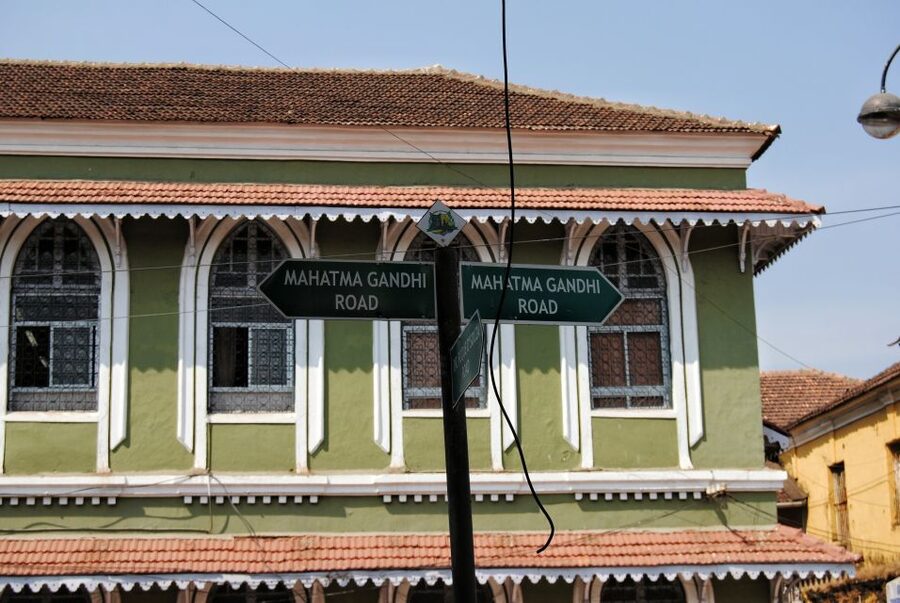
The walk itself is part of the experience, not just the space between meals. You pass centuries-old buildings, local markets, bakeries, cafés, and lanes shaped by Goa’s Portuguese past. The setting helps explain why Goan food can feel different from other regional Indian cooking.
Your guide may discuss familiar local ingredients such as coconut, chili, and spices, along with the ways they are selected and combined. The point is not just to memorize dish names. You learn what creates the flavor and how a local favorite fits into daily life.
The route includes several local restaurants and street-food stops. These are described as traditional, rustic places used by locals, so do not expect a formal restaurant service at each stop. That simplicity is part of the appeal. You get closer to the everyday food culture, though the atmosphere may be basic and the pace can depend on how busy each place is.
The private group setup is useful here. You can ask why one dish is sour, spicy, sweet, or coconut-heavy without worrying about holding up a large crowd. If you have strong preferences, tell the guide early. A previous tour with Shimada included both vegetarian and non-vegetarian preferences, suggesting that the guide can adjust the tasting conversation and choices when needed. The supplied details do not promise a fully customized menu, so you should still mention dietary needs before starting.
What the six tastings bring to the table

The tour promises six food tastings plus a beverage. The exact order may vary, but the listed examples give you a good idea of the range.
Xacuti curry brings the most clearly Goan character to the menu. Your guide can explain the spice and coconut elements and how the dish fits into the region’s cooking traditions. Since this is a tasting rather than a full meal, you get an introduction without committing to a large serving of one strong-flavored curry.
Chaat and cutlets add the snack side of the tour. These dishes show how much of Indian food culture is built around quick bites, contrasting textures, and bold seasoning. They also make the walking format work well: small portions let you keep moving and leave room for the next stop.
Sweet peda provides a change of pace. After spicy or savory samples, a small sweet gives your palate a reset. It also reminds you that Goan food is not only about curries and seafood, even though this particular experience does not promise a seafood tasting.
Cucumber mint juice offers a cool, fresh counterpoint to the spices. It counts as the included beverage and helps keep the tasting sequence from feeling too heavy. The tour information also mentions other dishes and local favorites, so the final lineup may include more than the named examples.
The food is prepared at the stops, and you can watch how local favorites come together. That is useful for anyone who wants more than a list of dishes. You see the practical side of Goan food, then hear how preparation, spices, coconut, and regional customs affect the finished bite.
Do not eat a large breakfast beforehand. You are not receiving six full meals, but six samples can add up quickly, especially when they include fried snacks, curry, sweets, and a drink.
The guide makes the difference
Food tours depend heavily on the person leading them. The strongest guide named for this experience is Shimada. She is praised for being welcoming, organized, friendly, and easy to talk with. More important, she connects the dishes to wider subjects such as Portuguese influence, Goan chorizo, bebinca, lobster prices, traditional eating habits, and food preparation.
That range gives the walk more depth without turning it into a lecture. You can ask about the food in front of you, then move naturally into questions about local customs and daily life. One especially useful part of the guiding style is the attention to spice, chili, and coconut choices. Those details help you understand why two dishes that look similar can taste quite different.
Shimada is not the only guide associated with the experience. Vrushali has also led the walk and is described as having a strong grasp of Goan food and Indian culture. The tour is offered in English or Hindi, making it practical for English-speaking visitors who want detailed explanations rather than a silent tasting route.
The guide’s personality matters because two hours is a short time. A rushed guide could turn the experience into a checklist of dishes. A good guide makes each stop useful, tells the story behind the food, and leaves you with ideas for what to order later. The available feedback strongly emphasizes conversation, stories, and clear explanations, which are the main reasons I would choose this over simply visiting a restaurant alone.
Same city, another round of plates:
- Old Delhi Street Food Tour – Explore Spices in Chandni Chowk
★ 5.0 · 334 reviews - Mumbai Street Food Tour
★ 5.0 · 269 reviews - Mumbai Street Food & Night Markets
★ 5.0 · 225 reviews - Winner Mumbai Street Food Tour in the World Top 20 by Guardian
★ 5.0 · 216 reviews
Why the Portuguese connection matters
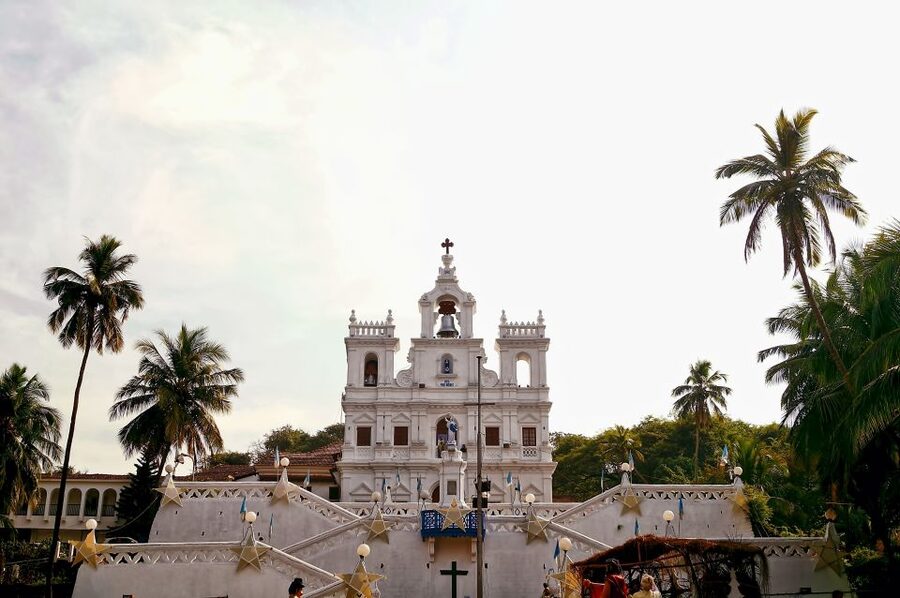
Panjim’s architecture and food reflect several layers of Goan culture. The walk through Portuguese-influenced lanes gives the guide a natural way to explain how local cooking developed through cultural contact.
You should not expect a full academic account in two hours. Instead, the guide uses the streets and dishes as prompts. An old building may lead to a conversation about the town. A bakery or sweet may open up a discussion about local customs. A spice-heavy dish may explain how ingredients are combined to create the right balance.
That approach works well because food history can otherwise feel abstract. Seeing the neighborhood while tasting the food makes the connection easier to remember. I also like that the tour covers both food and architecture, so it can suit someone who wants a gentle introduction to Panjim rather than a meal alone.
The tradeoff is that the route cannot cover every part of Goan cuisine. You may hear about chorizo, bebinca, seafood, and other specialties without tasting every one. Think of this as an orientation to local food, not a complete survey of the state’s cooking.
Is $28 a fair price?
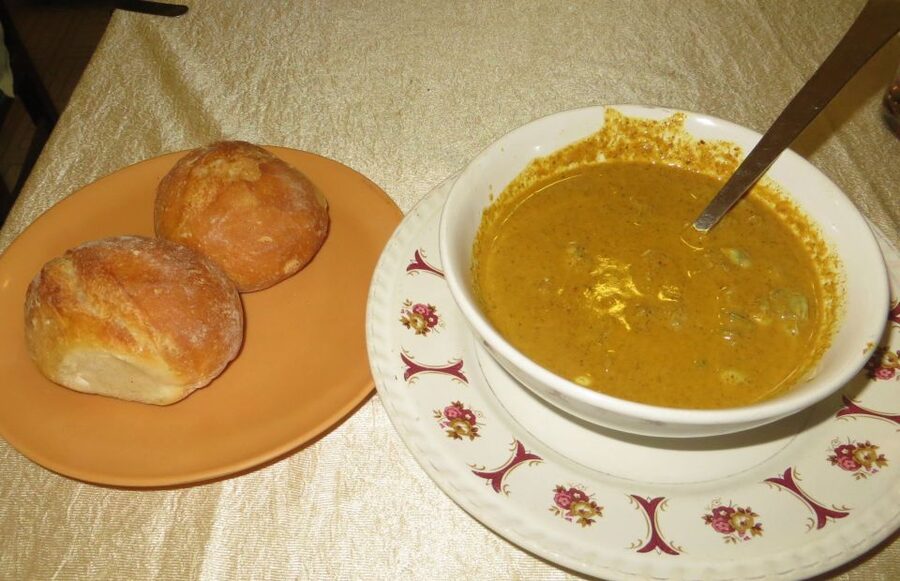
At $28 per person, the value depends on what you want from a food outing. If you compare it only with the price of individual street snacks, you could probably spend less by ordering on your own. But that misses the guide, the route, the six tastings, and the explanations that connect each dish to Panjim and Goan culture.
The price includes a professional English or Hindi-speaking guide, six food tastings, and a beverage. It does not include hotel pickup or drop-off, so you need to reach the church stairs yourself and arrange your return from Kala Academy.
For me, the strongest value comes from access and context. The guide takes you to places you might not choose on your own and explains what to order, how the food is made, and why it matters. That can save you trial and error during the rest of your stay.
The private group format also makes the price easier to justify. You are not simply joining a large crowd for a quick sample. You can ask questions and discuss vegetarian or non-vegetarian preferences. Still, confirm the size and food arrangements when booking if those details are especially important to you, since the supplied information only confirms that the group is private.
Practical matters before you go
Wear comfortable shoes. The route includes stepped streets and moderate walking, and the tour operates in all weather conditions. Goa’s weather can change, so a small umbrella or light rain layer may be sensible, though the official advice specifically stresses footwear.
Arrive hungry, but not uncomfortably so. The tour includes six tastings, and the stops may include rich, spicy, fried, sweet, and liquid items. A light breakfast is a better plan than arriving after a large meal.
The experience is wheelchair accessible, but the route includes walking and steps. If you use a wheelchair or have mobility concerns, contact the operator before booking so you can confirm how the route will work for you.
Free cancellation is available up to 24 hours before the start for a full refund. You can also reserve now and pay later, which is helpful if your Panjim schedule may shift.
The tour lasts two hours, but allow a little extra time if you want to continue exploring around Kala Academy or stop for another meal afterward. Since there is no hotel transport, include your arrival and return time when planning the day.
Who will enjoy this Panjim food walk?
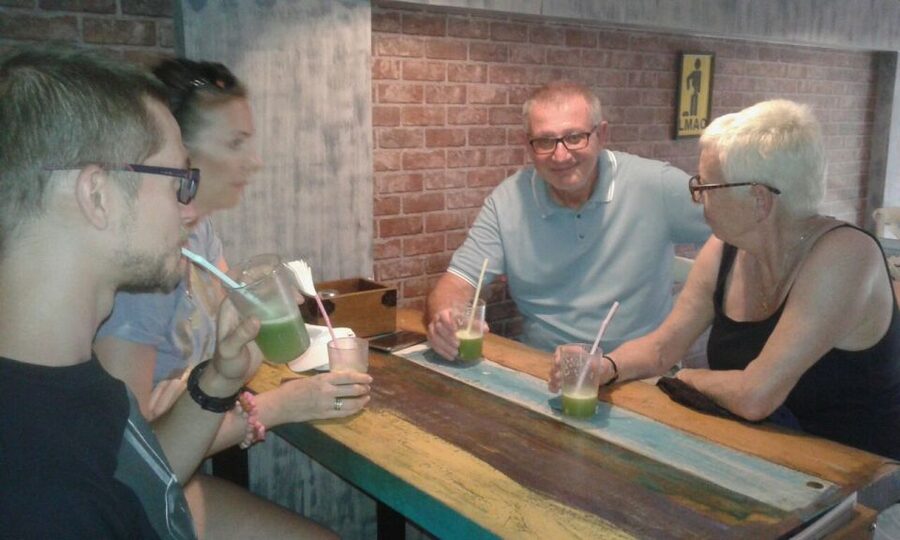
I would recommend it to first-time visitors who want a quick, guided introduction to Panjim’s food culture. It is also a good fit for people who prefer small tastes and conversation to one long restaurant meal.
Food lovers will appreciate the range from curry and chaat to sweets and drinks. Curious eaters who are unsure what to order in Goa will gain useful context. The tour also suits couples, families, and small private groups who want to ask questions at their own pace.
It may be less suitable if you want a large seafood meal, a cooking class, or a quiet indoor dining experience. It is also not ideal if moderate walking in all weather is a problem. The route is about seeing Panjim and eating along the way, not sitting down in one place.
Should you book the Goa Street Food Crawl?
Book it if you want a friendly local guide, six varied tastings, and a walk through Panjim in one compact outing. The strongest reason to choose it is the guiding style associated with Shimada and Vrushali, especially the attention to food preparation, Portuguese influence, spices, coconut, chili, and local customs.
The 3.7 overall rating suggests the experience may not be perfect for everyone, so keep your expectations sensible. Food stops are rustic, the route involves walking, and the tasting menu is not presented as a full meal. But at $28, the combination of food, neighborhood access, and cultural explanation is solid value for a first look at Goan cooking.
I would schedule it near the start of your Goa stay. You can use what you learn about dishes, bakeries, cafés, and local eating habits for the rest of your visit.
FAQ
Where does the Goa street food tour start?
The guide meets you at the stairs of Our Lady of Immaculate Conception Church in Panjim, Goa.
Where does the tour finish?
The walk finishes at Kala Academy.
How long does the experience last?
The tour lasts two hours.
What food is included?
The experience includes six food tastings. Examples include xacuti curry, sweet peda, cucumber mint juice, chaat, cutlets, and other local dishes.
Is a drink included?
Yes. One beverage is included with the six food tastings.
What languages does the guide speak?
The live guide can conduct the tour in English or Hindi.
Is hotel transportation included?
No. Hotel pickup and drop-off are not included, so you must reach the meeting point and arrange your return.
Is the tour wheelchair accessible?
Yes, the activity is listed as wheelchair accessible. It is also a walking tour with moderate walking and operates in all weather conditions.
Newly added plates around India
- Varanasi: Night Tour with Aarti Ceremony and Street Food★ 4.7 · 2 reviews
- Varanasi Street Food Crawl (2 Hours Guided Tour)★ 4.5 · 9 reviews
- Udaipur: Guided Street Food Tour with Tastings★ 4.2 · 6 reviews
- Udaipur: Street Food Crawl (2 Hours Local Food Tasting Tour)★ 4.1 · 3 reviews
- Udaipur: Street Food adventure l Eat Just like a local★ 4.6 · 2 reviews
- Trivandrum Street Food Crawl Guided Food Tasting Tour★ 4.5 · 6 reviews
- Varanasi Street Food Crawl (2 Hours Guided Food Tasting Tour)★ 4.5 · 69 reviews
- Ganga Arati with Street Food Tour of Banaras★ 5.0 · 7 reviews
India Street Food Tours, compared.
Old Delhi Street Food Tour – Explore Spices in Chandni Chowk
Read our review →
Winner Mumbai Street Food Tour in the World Top 20 by Guardian
Read our review →Browse the lists this tour appears in