
REVIEW · OSAKA STREET FOOD TOURS
Osaka: Kuromon Market Street Food Tour with Pro Local Guide
Osaka’s famous Kuromon Market makes a fine classroom for Japanese food. In two hours, you’ll try four or five local specialties, hear how the market fits into Osaka’s food culture, and walk beyond the main arcade to Sennichimae Doguyasuji Shotengai and Hozenji Yokocho. It is a compact way to make sense of a place that can otherwise feel like one long line of food stalls.
I like the small group limit of 10, which gives your guide room to adjust the walk to your interests. I also like the mix of food and neighborhood detail: grilled scallops, yakitori, and takoyaki are only part of the experience. The main consideration is price. At $51 per person, the value depends on how much guidance and tasting you want, since extra food and drinks are not included.
Key points to know before booking
- Four to five local samples: Expect Osaka favorites such as grilled scallops, yakitori skewers, and takoyaki.
- Three distinct stops: The walk includes Kuromon Market, Doguyasuji kitchenware street, and Hozenji Yokocho.
- A real small-group feel: The maximum group size is 10, with private options also available.
- Guides with local ties: Goku and Yuna are named guides, and Yuna has lived in Osaka for many years and knows market sellers personally.
- Flexible language support: English is standard, with French, Spanish, Russian, and Japanese available according to the booking.
- Food restrictions need care: Dietary requests can be handled, but the activity is not suitable for people with food allergies.
Why Kuromon Market works so well for a food walk
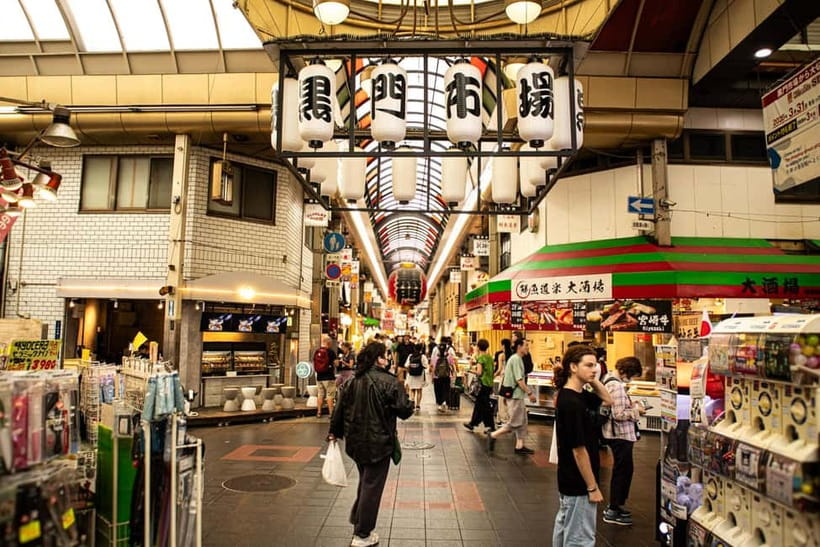
Kuromon Ichiba Market is known as Osaka’s Kitchen, and the nickname tells you what the place is about. This is not just a row of souvenir stalls. It is a food-centered market where your guide can explain what you are seeing, how dishes are eaten, and why Osaka has such a strong food identity.
On your own, you can certainly walk through the market and buy things. The challenge is knowing what to choose, how much to order, and which foods make sense for a first visit. A guide gives the market some shape. Instead of stopping at random, you get four or five selected tastes and a running explanation of local eating customs and market history.
The two-hour length is useful here. It is long enough to visit the market at an unhurried pace, but short enough to fit into a busy Osaka day. You will not spend half a day at one market, which matters if you also plan to see Dotonbori, Osaka Castle, or the city’s shopping streets.
You should arrive hungry. The planned tastings are meant to be the main food part of the outing, while extra dishes and drinks cost more. Since the exact food lineup can change, keep an open mind rather than expecting a fixed restaurant-style menu.
More street food tours in Osaka:
- Hungry Osaka Street Food Tour:15 Tastings & 3 Drinks with a Local
★ 5.0 · 1,727 reviews - Hungry Osaka Street Food Tour: 15 Dishes & 3 Drinks
★ 4.9 · 694 reviews - [1 Group Only] Osaka Street Food Tour for Family
★ 5.0 · 208 reviews
Tasting Osaka one sample at a time
The food is the heart of the tour. The examples given include grilled scallops, yakitori skewers, and takoyaki, three foods that show different sides of Osaka eating.
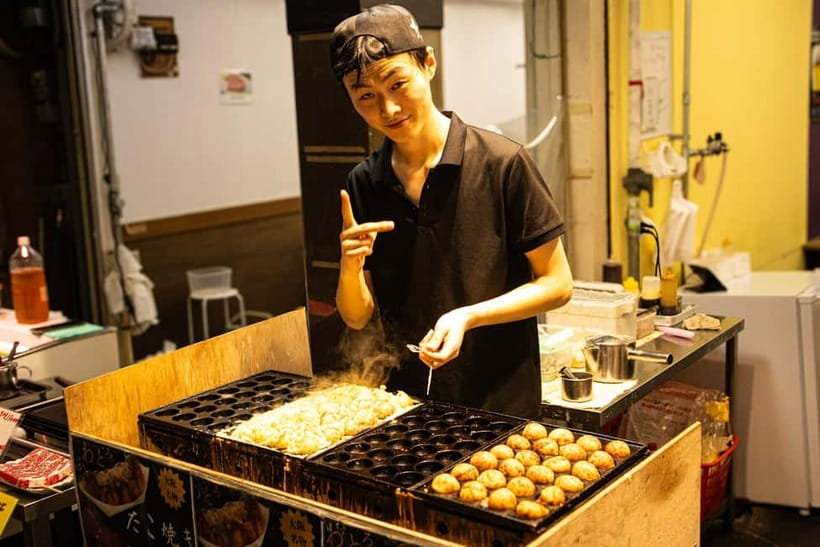
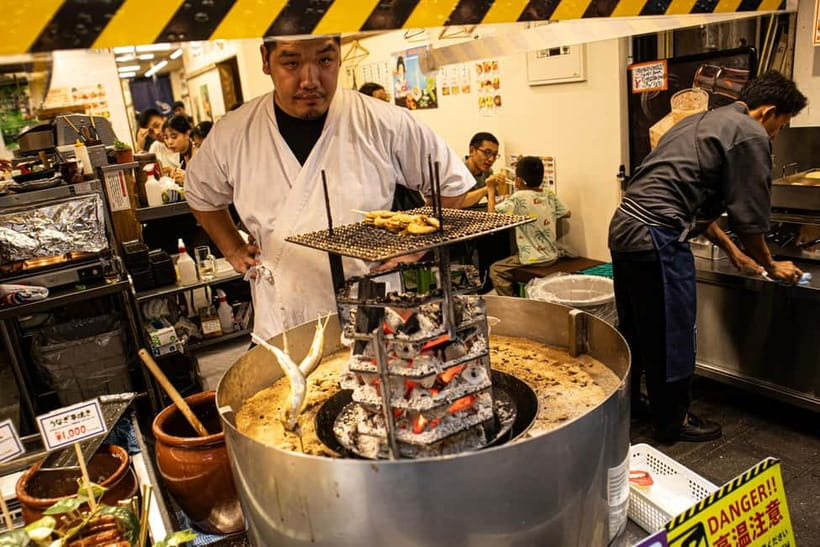
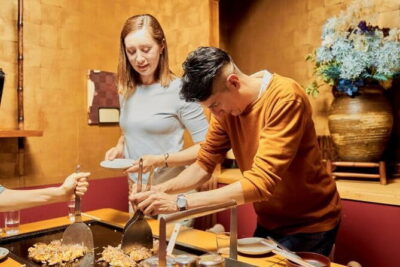
A grilled scallop gives you a simple seafood taste, often served as a single item that is easy to eat while walking or standing. Yakitori brings the familiar Japanese skewer format, with grilled meat and sauce or seasoning. Takoyaki, the round octopus-filled snack associated with Osaka, gives you a local classic that is fun to watch being prepared and easy to share.
Four or five samples will not amount to a full day of eating. That is actually a strength for many people. You get a broad introduction without committing to a large serving of one unfamiliar dish. If you are traveling with a partner, the format may also let you compare reactions and decide what you want to order later.
The guide’s role matters more than the number of bites. A professional Japanese guide can explain what makes a food local, how market eating differs from a sit-down meal, and which items might make good souvenirs. Goku is specifically praised for food suggestions and personal connection, while Yuna is described as someone who knows many traders personally and can adjust the walk to individual likes, dislikes, and interests.
That flexibility is worth seeking when you book. Tell the operator about dietary requests ahead of time. Requests can be accommodated, but the activity is not suitable for people with food allergies. That warning should be taken seriously in a market setting where ingredients and preparation methods may vary.
Reading Kuromon Market with a local guide
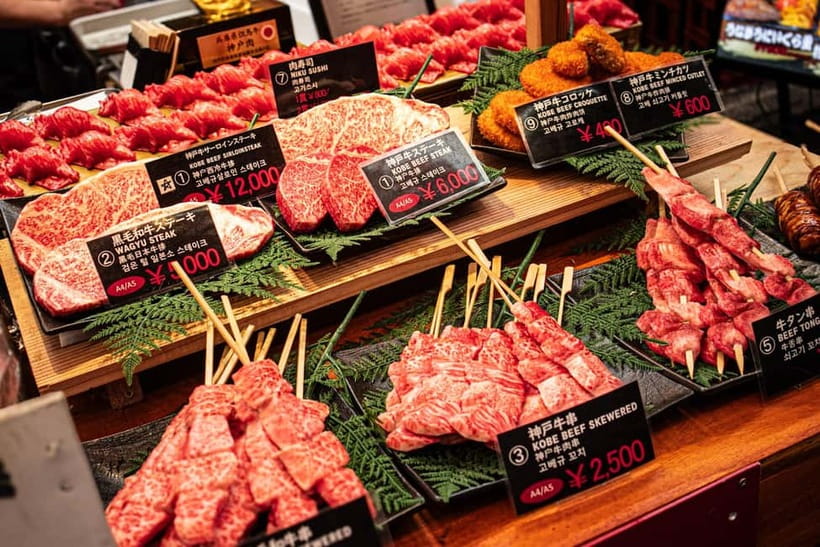
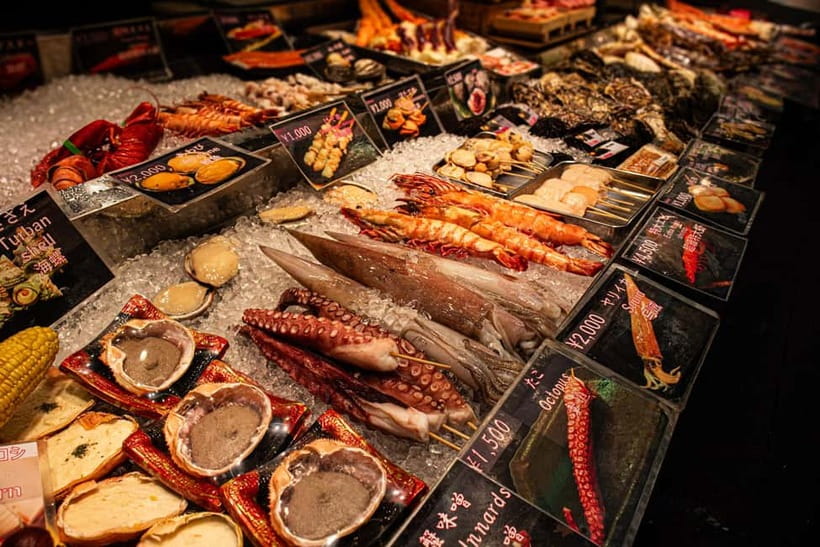
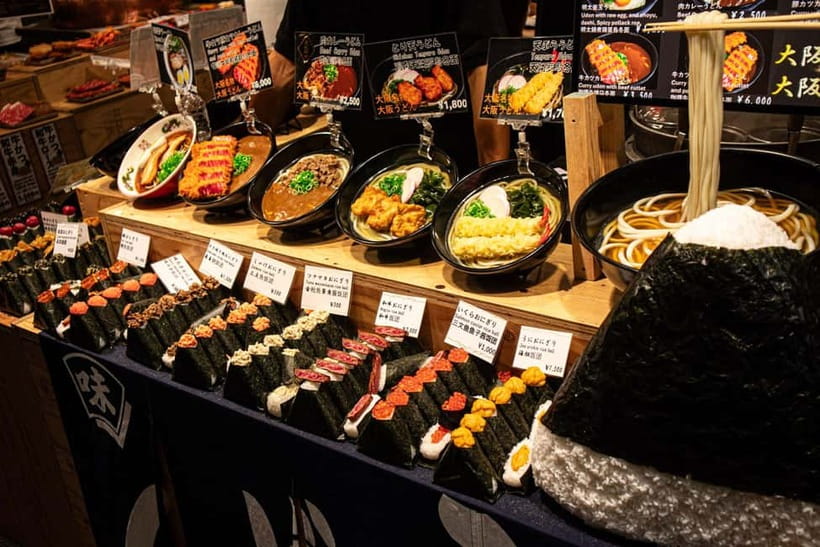
A market can be visually impressive but hard to understand. You may see seafood, grilled foods, sweets, sauces, and kitchen items without knowing what belongs to everyday Osaka life and what is mainly aimed at visitors. A guide helps sort those categories.
The tour also gives you a chance to ask practical questions as they come up. You can ask what a dish is, how it is normally eaten, which foods are seasonal, or what makes a good food souvenir. The supplied guide details emphasize Japanese culture, etiquette, and local market history, so the conversation is intended to go beyond naming dishes.
This is where the small group helps. With no more than 10 people, the guide can respond to questions without turning the walk into a lecture. Goku and Yuna are both named in the available information, and Yuna’s long residence in Osaka adds useful local context. Her personal connections with traders may also make the market feel less like a display and more like a working neighborhood food center.
Still, a small group is not the same as a private tour. Other people’s food preferences and questions will shape the pace. If you want the guide entirely to yourself, private arrangements are available, but you should expect the price and format to differ.
Sennichimae Doguyasuji Shotengai and Osaka’s kitchen tools
The food stops are only half the reason to book this walk. Sennichimae Doguyasuji Shotengai adds a practical, distinctly Osaka change of pace.
This shopping street is associated with Japanese kitchenware. You might find displays of cooking tools, tableware, restaurant supplies, and other items that explain how professional kitchens and home cooks are equipped. The attraction is not only shopping. It gives you a visual link between the food you are eating and the tools used to prepare and serve it.
For souvenir hunters, this is one of the most useful parts of the route. A small kitchen item can be easier to pack and more meaningful than a generic trinket. You may also find that the street helps you notice details you would otherwise miss, such as the presentation of Japanese dishes or the importance of specialized utensils.
Do not assume you will have unlimited shopping time. The stated tour lasts two hours and also includes Kuromon Market and Hozenji Yokocho. Treat Doguyasuji as a guided stop with a chance to look and ask questions, not as a dedicated shopping excursion.
If you already enjoy cooking, this portion may be the tour’s most memorable surprise. If your only goal is to eat, it still adds useful context and breaks up the tasting route.
Same city, another round of plates:
- Umami Town Street Food Tour
★ 5.0 · 120 reviews - Osaka: 2-Hour Local Street Food Tour – Dotonbori & Namba
★ 4.6 · 95 reviews - Eat Osaka: Street Food Cooking in an Authentic Kitchen!
★ 5.0 · 87 reviews - Retro Osaka Street Food Tour: Shinsekai
★ 4.5 · 77 reviews
Hozenji Yokocho for a quieter change of mood
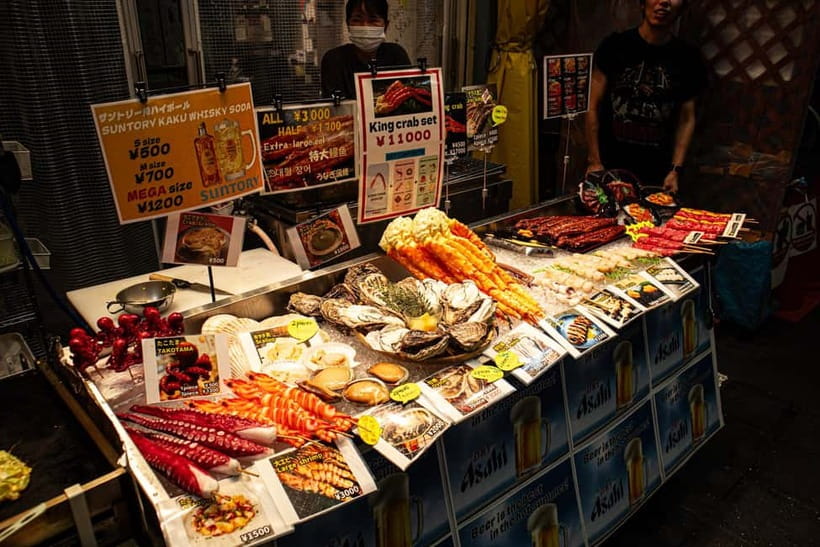
Hozenji Yokocho offers a different atmosphere from the market. The traditional alleyways provide a look at an older, more intimate side of Osaka, with a setting that contrasts with the open food displays and shopfronts of Kuromon.
This stop matters because it gives the tour a sense of place. You are not simply moving from one snack to another. You are seeing how food, small lanes, local customs, and neighborhood life fit together. The guide can explain the cultural background and etiquette that help you understand why the area feels different.
The alley is also a good place to slow down and take photographs. Bring a camera, as recommended, but be considerate in narrow spaces and around people going about their daily business. The tour is short, so your guide will decide how much time to spend here in relation to the market and kitchenware street.
I would especially value this stop early in an Osaka visit. It can help you understand the city’s mix of modern commerce and older neighborhood traditions before you spend the rest of your trip eating and sightseeing on your own.
What $51 buys you, and what it does not
The listed price is $51 per person. That is not the cheapest way to walk through Kuromon Market, since you can enter the market without booking a guide. The value comes from the interpretation, the planned food stops, and the chance to visit three related areas in a short period.
You are paying for a professional guide, a structured two-hour route, and access to local explanations that are hard to obtain from a map. The guide can also save you from spending your first hour deciding what to eat. For a first Osaka visit, that can make the fee reasonable.
The price needs a closer look because additional food and drinks are not included. The experience provides four or five planned samples, but the available information does not clearly state whether every tasting cost is included in the booking price. Confirm this before paying, especially if you want to add drinks or buy extra market food.
At $51, I would see the tour as good value for people who want context and personal advice, not simply a list of snacks. It is less compelling for confident eaters who already know Kuromon Market and prefer to choose every dish themselves.
Timing, meeting points, and practical comfort
There are two possible starting points, both listed at ピカソ日本一ビル or the Sumitomo Mitsui Banking Corporation ATM. The exact meeting point may depend on the option you book, so check your confirmation rather than relying on a general map pin.
The tour returns to the same two listed locations. Transportation to and from the meeting point is not included, so plan your own route through Osaka. You should also wear comfortable shoes. Two hours on foot through a market and nearby streets is manageable for most people, but it is not a sit-down food tasting.
Bring cash. Market stalls and small shops may be the places where you want to buy something extra, and additional food and drinks are not included. A camera is also sensible, particularly for the market displays, kitchenware, and traditional alleyways.
The tour runs at different starting times depending on availability. Since the market is the central stop, the time you choose may affect the feel of the visit, but no specific crowd or opening-hour promise is provided. Check the available start times when booking.
Language, group size, and personal adjustments
The tour is conducted in English, with French, Spanish, Russian, and Japanese listed as possible languages. English is the stated main language, while the others may be available on request. If language is important to your decision, request your preferred option before finalizing the booking.
The maximum group size is 10 people. That is a sensible middle ground: more social than a private walk, but small enough for direct questions. The operator also offers private groups, which may suit families, couples, or people with a very specific food focus.
The guide can adapt to dietary requests and different cultural backgrounds. This does not mean every request can be met, so provide details in advance. Again, people with food allergies should not book this activity.
The strongest personal touch comes from the named guides. Goku is praised for food recommendations and a friendly connection with the group. Yuna brings many years of living in Osaka and personal familiarity with market traders. Guide quality can vary by date, but these details suggest that the human side of the experience is a major part of its appeal.
Who should book this Osaka food walk?
I would recommend this tour to first-time visitors who want a quick introduction to Osaka food without spending hours researching stalls. It also suits people who enjoy asking questions, learning local manners, and connecting a meal with the neighborhood around it.
It is a good match for couples and small groups who want a social outing with some structure. Food-focused visitors may appreciate the combination of tastings, kitchen tools, and local eating customs. The private option makes it more appealing if your group wants a slower or more personal pace.
You may want to skip it if you prefer independent food hunting. The two-hour schedule limits your freedom to linger at every stall, and the extra cost of food and drinks can add up. It is also unsuitable for anyone with food allergies.
Should you book it?
Book this tour if you want Kuromon Market explained rather than simply photographed. The best reasons are the small group, the four or five local samples, and the route that connects food with Doguyasuji’s kitchenware and Hozenji Yokocho’s traditional lanes.
At $51, the tour makes the most sense near the start of your Osaka stay, when a guide can point you toward dishes, shopping ideas, and neighborhoods worth revisiting. Go hungry, wear good shoes, bring cash, and confirm how the planned tastings are handled in the price. If you want a guided introduction with a human touch, Goku or Yuna may give you a far better start than wandering the market alone.
FAQ
How long does the Kuromon Market food tour last?
The tour lasts two hours.
What places does the tour visit?
The route includes Kuromon Ichiba Market, Sennichimae Doguyasuji Shotengai, and Hozenji Yokocho.
How many food samples are included?
You can expect four to five selected samples of local dishes, with examples including grilled scallops, yakitori skewers, and takoyaki.
Is the food included in the $51 price?
Additional food and drinks are not included. The available information describes four to five planned samples but does not clearly state how every tasting is charged, so confirm this before booking.
What languages are available?
The tour is conducted in English. French, Spanish, Russian, and Japanese may also be available upon request.
How large is the group?
The small-group tour has a maximum of 10 people. Private groups are also available.
Can the tour accommodate dietary requests?
Dietary requests can be accommodated. People with food allergies should not book this activity.
Where does the tour start?
There are two possible starting locations: ピカソ日本一ビル and the Sumitomo Mitsui Banking Corporation ATM. The exact meeting point depends on the option booked.
Where does the tour finish?
The two listed drop-off locations are ピカソ日本一ビル and the Sumitomo Mitsui Banking Corporation ATM.
What should I bring?
Bring comfortable shoes, a camera, and cash. Transportation to and from the meeting point is not included.
Newly added plates around Osaka
- Retro Osaka Street Food Tour: Shinsekai★ 4.5 · 77 reviews
- Osaka Street Food Tour: Private & Personalized★ 4.5 · 36 reviews
- Eat Osaka: Street Food Cooking in an Authentic Kitchen!★ 5.0 · 87 reviews
- Evening Street Food Hopping Tour in Downtown Osaka★ 5.0 · 8 reviews
- Osaka 2 Hour Local Street Food Tour in Dotonbori and Namba★ 5.0 · 2 reviews
- Deep Dive: Osaka Food Markets from Local to Luxurious!★ 5.0 · 31 reviews
- Eat Like a Local in Osaka – Private Custom Street Food Tour★ 4.3 · 33 reviews
- Osaka Shinsekai Street Food Tour – Evening★ 5.0 · 2 reviews
Osaka Street Food Tours, compared.
Hungry Osaka Street Food Tour:15 Tastings & 3 Drinks with a Local
Read our review →
Hungry Osaka Street Food Tour: 15 Dishes & 3 Drinks
Read our review →
[1 Group Only] Osaka Street Food Tour for Family
Read our review →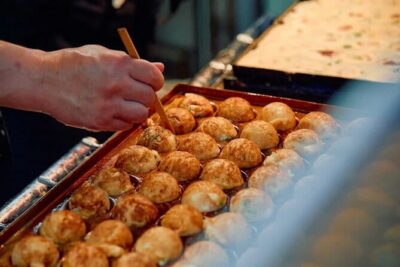

2-Hour Local Street Food Tour – Dotonbori & Namba
Read our review →
Eat Osaka: Street Food Cooking in an Authentic Kitchen!
Read our review →
Browse the lists this tour appears in