
REVIEW · TANZANIA STREET FOOD TOURS
Authentic Street Food Tours in Stone Town, Zanzibar
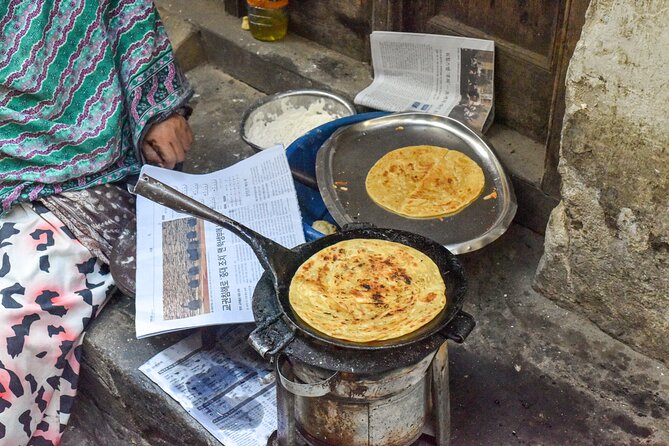
Stone Town’s best food often appears in small stalls and side streets, not on a polished restaurant menu. This 2.5-hour walking tour takes you to local vendors for sambuusa, chapati, uji, tende shake, Carlisi, and Zanzibar pizza, while guide Lodi leads you through lanes he knows well.
I like the way the tour combines eating with local access. Lodi is from Stone Town, knows many of the vendors personally, and adds stories from his own life. I also like the small group limit of eight, which should make it easier to ask questions and keep up in narrow alleys.
The main consideration is that this is a food walk first, not a full historical tour. One participant found the history and food explanations lighter than expected, and the price may seem high if you are counting dishes alone rather than the guide’s local connections and route planning.
Key points to know before booking
- At least six food stops: Breakfast and dinner versions visit a minimum of six vendors, though the exact dishes depend on the time of day.
- Lodi leads the walk: He is a local guide who grew up in Stone Town and is described as knowing people throughout the neighborhoods.
- Food goes beyond the night market: The route uses local spots away from the most tourist-focused areas.
- A tasting list with real variety: Expect possible samples such as sambuusa, Carlisi, chapati, uji, tende shake, and Zanzibar pizza.
- Small group, simple meeting point: The tour begins and ends at Maru Maru Hotel, with no separate transport included.
- Tell the provider about dietary needs: Vegetarians can be accommodated with advance notice. Vegan arrangements require a different itinerary and price.
Why Stone Town is best understood through food

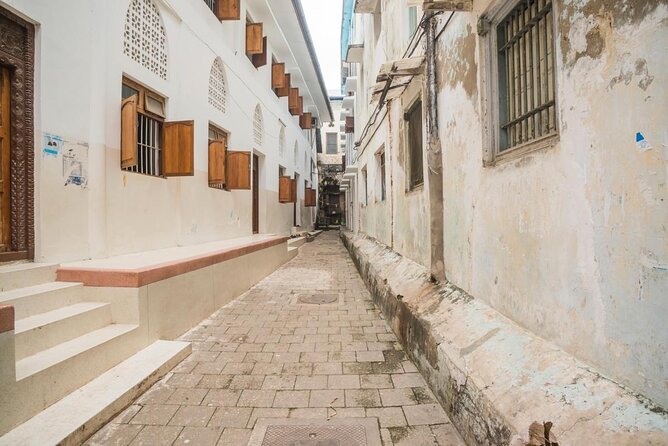
Stone Town can feel confusing at first. Its lanes turn sharply, buildings crowd the sidewalks, and it is easy to lose your sense of direction after only a few minutes. That confusion is part of the pleasure, but it can also make independent food hunting hit or miss.
This walk gives you a local point of reference. Instead of simply stopping at the best-known food market, you follow Lodi through several neighborhoods and alleys toward vendors who serve the local community. That matters because the food is tied to ordinary daily life, not just to a sightseeing menu.
I like this kind of tour early in a Zanzibar visit. You get a practical introduction to Stone Town’s layout while learning what foods you may want to order again later. You also see how close the food stalls are to cultural landmarks, even though the tour is not designed as a formal architecture walk.
The experience has a reported rating of 4.9 from 46 ratings, with 98 percent recommending it. Those numbers suggest a strong record, but they do not remove the need to match the tour with your interests. If you want a structured lecture on history, this may feel brief. If you want a local guide, several tastes, and a relaxed walk, it is a better fit.
More street food tours in the world:
- Dubai: Old Town, Creek, Museums, Souks, & Street Food Tour
★ 4.8 · 10,816 reviews - Ho Chi Minh City Street Food Tour & Sightseeing By Motorbike
★ 5.0 · 9,413 reviews - Medellin: Comuna 13 Graffiti Tour, Cable Car & Street Food
★ 4.8 · 9,046 reviews
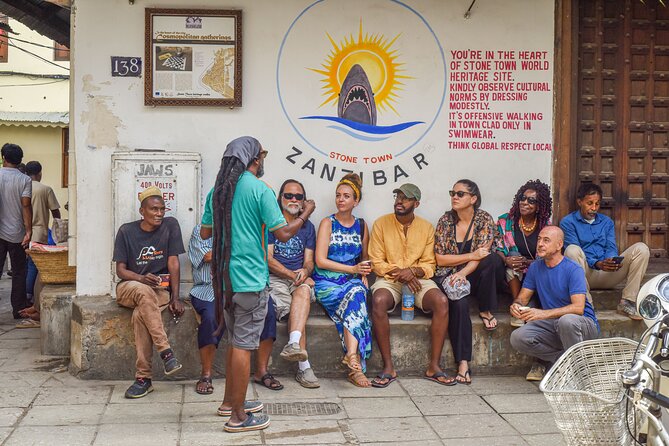
Meeting Lodi at Maru Maru Hotel
The starting point is Maru Maru Hotel on Gizenga Street. This is also where the tour finishes, which keeps the logistics simple. You do not need to arrange a second pickup point or figure out how to return to your hotel after eating.
Lodi is the central character of the experience. His value is not only in identifying food. He grew up in Stone Town and brings personal stories about the streets and neighborhoods you pass through. He is also described as knowing many people along the route, which helps the walk feel connected to the place rather than assembled from a standard sightseeing script.
You should expect conversation and interaction with vendors. This is not a silent progression from plate to plate. You can ask about the foods, the people preparing them, and the local setting as you go.
The group is capped at eight people. That is a useful limit in Stone Town, where narrow passages can make a large group awkward. It also gives you a better chance to hear Lodi and speak with him directly.
The first tastes: sambuusa, Carlisi, and chapati
The exact order of the stops is not specified, and the food changes with the time of day. The breakfast and dinner itineraries each visit at least six vendors, so you should think of the menu as a tasting route rather than a fixed restaurant meal.
Sambuusa is one of the named foods on the menu. It gives you a familiar starting point if you have eaten similar filled pastries elsewhere in East Africa, while still showing how Zanzibar fits into the wider Indian Ocean food world.
Carlisi is another local item included among the possible samples. Since the provider does not give a full description of its ingredients or preparation, ask Lodi what you are eating before you try it. That simple question is part of the point. You are not just collecting food names. You are learning how local people describe and enjoy them.
Chapati adds a different texture and style to the tasting. Again, the tour does not promise one set recipe, so avoid expecting a particular filling or seasoning. The useful feature is the range. You sample several everyday foods rather than eating one large dish and calling it a cultural introduction.
I would arrive hungry but not starving. Six or more stops can add up, and you will want enough appetite left for the later samples. The tour lasts about two and a half hours, so the pace should allow time for walking, tasting, and talking rather than rushing through a single meal.
Uji and tende shake bring drinks into the walk

The tour includes more than solid food. Uji and tende shake are listed among the possible samples, giving the route a welcome change of pace.
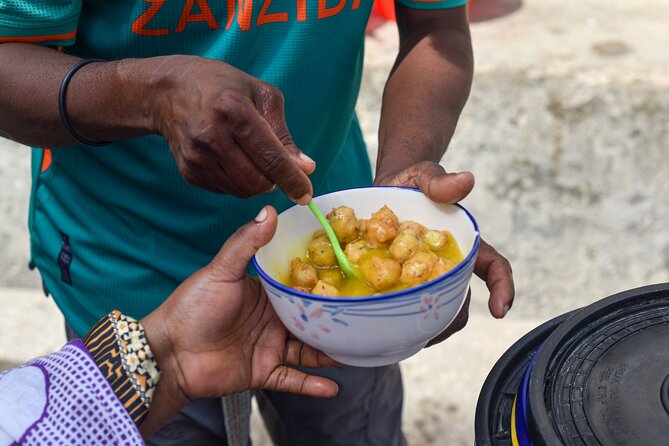
Uji is a traditional porridge-style drink or food in East African cooking, but the supplied information does not specify the exact preparation served on this tour. Tende shake is also included without a detailed recipe. Ask Lodi or the vendor about each item, especially if you have allergies or avoid certain ingredients.
These drink stops matter because they broaden your sense of local eating habits. A good food tour should not treat cuisine as a collection of famous dishes only. Drinks, small snacks, and quick street meals help explain what people eat between larger meals.
The menu is not guaranteed. Breakfast and dinner tours may feature different foods, and the provider says the listed items are examples rather than a promise of every sample. That flexibility is useful for keeping the route tied to what vendors are serving that day, but it means you should not book solely for one specific dish.
Same city, another round of plates:
- Dubai: Old Town, Souks, Street Food, Guided Tour & Abra Ride
★ 4.9 · 7,170 reviews - Naples: Street Food Walking Tour with Local Guide
★ 4.9 · 4,976 reviews - Small Group Hanoi Street Food Tour with a Real Foodie
★ 5.0 · 4,682 reviews - Rome: Street Food Tour with Local Guide
★ 4.8 · 4,077 reviews
Zanzibar pizza is likely to be a highlight
Zanzibar pizza is the most familiar name on the tasting list for many visitors, and it is often the dish people most want to try. The food is associated with Stone Town’s street-food culture and gives you a clear reason to choose a local tasting walk over a standard restaurant dinner.
The tour presents it as one sample among several, not the entire meal. That is important. You get to compare it with sambuusa, chapati, uji, tende shake, and other foods rather than filling up immediately on one item.
One participant especially enjoyed the pizza, while also appreciating that the other dishes offered an introduction to local cooking. I would save room for it, but I would not expect the guide to guarantee it at a particular stop or time. The itinerary changes according to the morning or evening schedule.
Because this is street food, the setting is part of the experience. You may be eating close to the vendor’s working area, with the narrow streets around you. If you prefer a quiet table, polished service, and a predictable menu, a restaurant will suit you better.
The alleys are part of the lesson
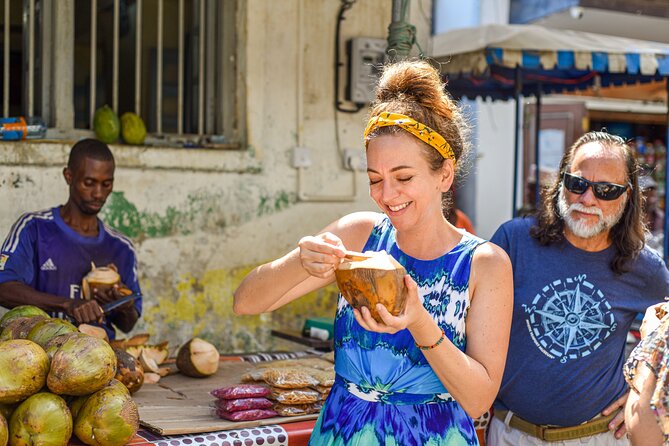
Stone Town’s lanes are not simply corridors between food stops. They help you understand the city. The route takes you through less tourist-focused neighborhoods and alleyways, and Lodi points out cultural landmarks along the way.
Do not expect a full tour of every major building. The guide’s main job is to connect the streets with food and local life. You will hear some stories about Stone Town and about Lodi’s own upbringing, but the amount of formal history may feel limited if that is your main goal.
That balance explains the one clearly negative assessment attached to the experience. One person enjoyed Lodi but wanted more detailed history and more explanation of the dishes. I would treat that as useful guidance: ask questions as you go. The tour is more rewarding when you show curiosity, rather than waiting for a long speech at every stop.
The route can also be physically messy in bad weather. One walk took place during heavy rain, with ankle-deep water in parts of the narrow alleys and fewer vendors operating than usual. The guide still adapted, but you should remember that this is an outdoor walking tour and requires suitable weather.
What the $40 price really covers
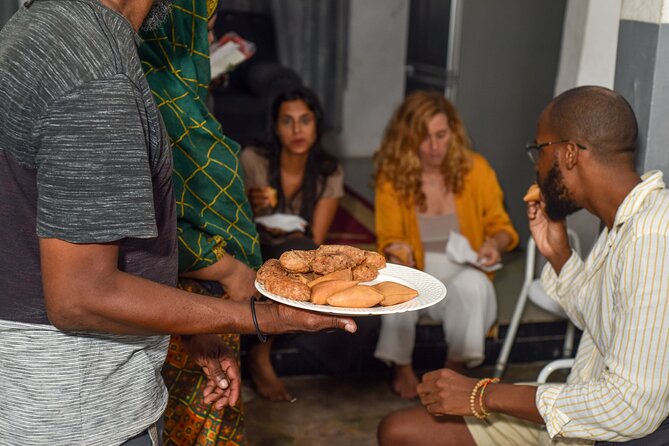
The cost is $40 per person. At first glance, that can feel expensive for street food, especially if you are comparing it with the price of buying one snack from a stall.
The better comparison is a small guided food walk. Your fee covers the route, the tastings, the local guide, the time spent moving between vendors, and the chance to reach places you might not find on your own. It also supports the local people preparing and selling the food.
I think the price offers fair value if you care about context and access. Lodi’s local relationships are repeatedly emphasized, and the guide’s ability to greet vendors and move through side streets is a large part of what you are paying for.
The value is weaker if you want a history-heavy tour or a large, substantial dinner. The menu changes, portions are not specified, and the experience is built around multiple samples. You are buying a guided introduction, not a guaranteed restaurant feast.
The compact group size helps the price make more sense. With no more than eight people, the experience should be more personal than a large coach-style excursion. You can also ask about ingredients, local customs, and the places you pass without needing to shout across a crowd.
Breakfast or dinner: choose by mood and appetite
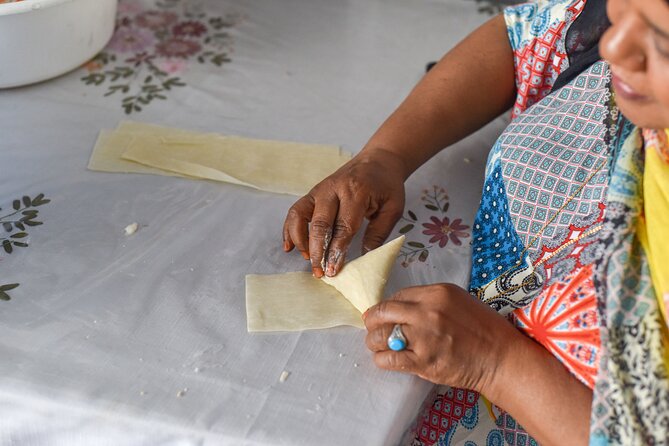
The tour is offered as a breakfast or dinner experience, and the food depends on the time of day. That choice changes the feel of the walk.
A breakfast itinerary may suit you if you want to start with food and get your bearings in Stone Town before a day of sightseeing. It can also work well for anyone who prefers to eat smaller portions throughout the morning.
The evening option has a more social feel and works as an alternative to choosing a restaurant on your own. You can sample several foods while walking through Stone Town, then finish back at the hotel meeting point.
Neither option is presented as a fixed menu. If one particular dish matters to you, ask about its availability when booking. The provider specifically invites questions about food restrictions, and the same advance conversation is sensible for menu expectations.
Dietary needs and practical limits
Vegetarians can be accommodated as part of the standard tour, but you need to give advance notice. Vegan arrangements are also possible, though the itinerary and price will change. This is not a detail to leave until the meeting point.
Food allergies should be disclosed when booking. The supplied information does not list ingredients for each dish, so you should ask questions at the stalls and rely on the provider’s guidance before eating anything that concerns you.
The tour has a mobile ticket, and confirmation is normally received at booking. If you book within 12 hours of the start time, confirmation comes as soon as possible and depends on availability.
Service animals are allowed, and the activity is near public transportation. Most people can participate, but it remains a walking tour through narrow streets, so consider your own comfort with that setting.
Free cancellation is available up to 24 hours before the start time for a full refund. Changes or cancellations within 24 hours are not accepted for a refund. The tour needs good weather, and if poor weather causes cancellation, you will be offered another date or a full refund.
Who will get the most from this food walk
I would recommend this experience to you if you want food tied to local neighborhoods, prefer small groups, and enjoy asking a guide about daily life. Solo visitors may find the format especially useful because Lodi provides a ready-made local connection without requiring you to plan every stop yourself.
It also suits anyone who has already seen the major Stone Town sights and wants a different way to understand the city. The food gives you a reason to turn into side streets, while the guide points out landmarks and shares personal stories.
Families and mixed-age groups should consider the walking conditions and the changing menu. The data says most people can participate, but it does not provide detailed information about stroller access or mobility accommodations.
I would choose another option if you want a formal history lecture, a guaranteed dish list, or a long sit-down meal. You may also prefer independent eating if your main goal is to spend as little as possible on food.
Should you book the Stone Town food tour?
Book it if your ideal Zanzibar activity includes small local food stops, a personal guide, and streets away from the most obvious tourist route. Lodi’s local ties are the strongest reason to choose it, and the mix of six or more vendors gives you a broad first taste of Stone Town cooking.
Go in with the right expectations. This is not a museum tour with a detailed lecture, and the menu can change. It is a guided street-food walk with local stories, cultural landmarks, and enough variety to help you understand what to order during the rest of your stay.
At $40, the tour makes the most sense for you if access and guidance matter as much as the food itself. If that sounds right, meet at Maru Maru Hotel hungry, curious, and ready for a few turns through Stone Town’s lanes.
FAQ
How long does the Stone Town street-food tour last?
The experience lasts approximately 2 hours and 30 minutes.
How much does the tour cost?
The price is $40 per person.
Where does the tour begin and end?
The tour starts at Maru Maru Hotel on Gizenga Street in Zanzibar and ends back at the same meeting point.
Who guides the experience?
The guide is Lodi, who grew up in Stone Town and shares personal stories while leading the food walk.
How many people can join the tour?
The maximum group size is eight people.
Which foods might I taste?
Possible samples include sambuusa, Carlisi, chapati, uji, tende shake, and Zanzibar pizza. The exact foods depend on whether you choose the breakfast or dinner itinerary.
Can the tour accommodate dietary restrictions?
Vegetarians can be accommodated with advance notice. Vegan arrangements are possible, but the itinerary and price will vary. You should provide information about allergies or restrictions when booking.
What is the cancellation policy?
You can cancel at least 24 hours before the start time for a full refund. Cancellations or changes within 24 hours are not refunded, and weather-related cancellations offer a different date or a full refund.
Newly added plates around the world
- Zanzibar:Stone town Street food market walking tour,transfer★ 4.5 · 9 reviews
- Zanzibar: Stone town visit, Shopping tour &Night food Market★ 4.4 · 2 reviews
- Xi’an Muslim Quarter Night Market Foodie Walking Tour★ 4.2 · 22 reviews
- Xi’an: Gourmet & Street Food Tour★ 4.8 · 22 reviews
- Zanzibar: Stone town tour, Prison island & night food market★ 4.5 · 2 reviews
- Verona: Street Food and History Tour with Local Guide★ 4.7 · 6 reviews
- Vienna Food Tour: Dishes, Wine, Street Food & Culture★ 4.7 · 12 reviews
- Verona: street food walking tour near the historical center★ 5.0 · 2 reviews
Tanzania Street Food Tours, compared.
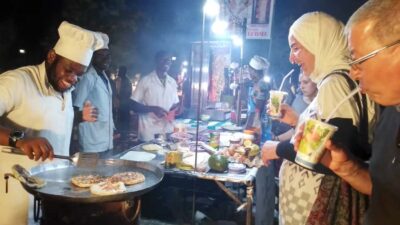
Stonetown: Food Markets and Street Food Walking Tour
Read our review →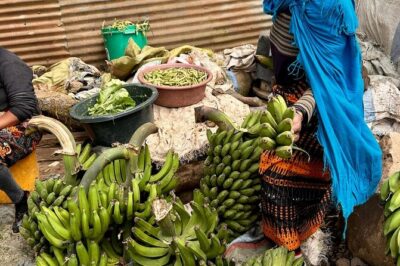
Arusha: Traditional Tanzania Cooking Class & Food Market Tour
Read our review →
Stone Town Evening Walk Tour With Visit Food Markets
Read our review →Arusha: Traditional Tanzania Cooking class& Food Market Tour
Read our review →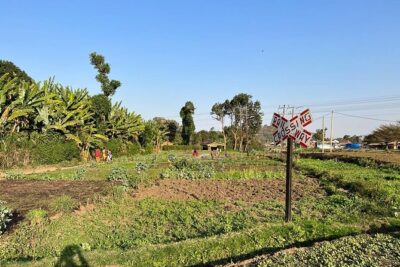

Zanzibar:Stone town Street food market walking tour,transfer
Read our review →

Zanzibar: Stone town tour, Prison island & night food market
Read our review →Browse the lists this tour appears in