
REVIEW · TANZANIA STREET FOOD TOURS
Street Food and Community Walking Tour
Arusha’s Sinoni district gives you something a city-center sightseeing tour cannot: a close look at ordinary community life, served with bites from local food vendors. You walk from Kajo Art Gallery near the Maasai Market into the neighborhood, stopping to talk, taste, and observe rather than simply checking off monuments.
I like the small group limit of 10, which makes it easier to ask questions and speak with the guide. I also like the direct community benefit: profits go to a local foundation supporting children, women, and young people.
The main consideration is that this is a walking tour through a working neighborhood, not a polished food crawl. Food choices are described only as sweet and salty local specialties, and the tour requires good weather, so bring sensible shoes and keep your expectations flexible.
Key points about the Sinoni walk
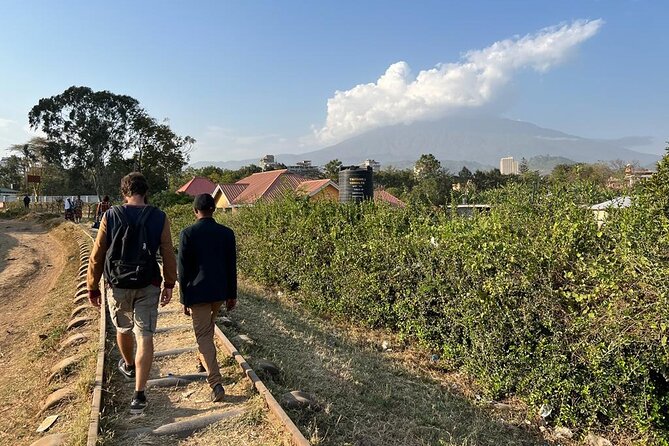
- Local guides Jackson and Given have been praised for their friendly, helpful way of showing visitors around.
- Street food comes from different vendors, giving you small tastes of everyday Tanzanian eating rather than a single restaurant meal.
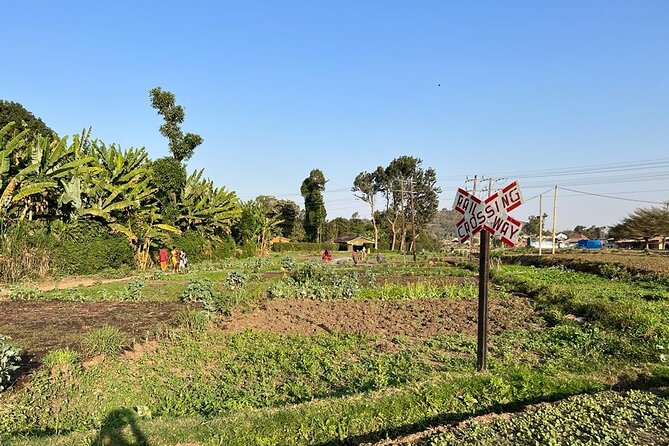
- Sinoni’s working life is the focus, with stops linked to urban farming, recycling, maize milling, carpentry, churches, and mud houses.
- Your $25 fee has a social purpose, since all profits go to Jamii Imarika Foundation programs.
- The route takes about two and a half hours, beginning near the Maasai Market and ending in Sinoni.
- The group is capped at 10 people, a useful size for conversation and a less crowded walk.
Why Sinoni makes a good Arusha introduction
Many visitors come to Arusha for Mount Kilimanjaro, safari trips, or the city’s markets. Those are worthwhile, but they can leave you seeing Arusha mainly as a starting point. This walk shifts your attention to the people who live and work here every day.
Sinoni is a district south of Arusha’s center. The tour takes you through local streets and community spaces, with the guide explaining how daily life works. You are not just passing through on the way to a major attraction. You are looking at places tied to food, work, worship, housing, and neighborhood activity.
That difference matters. A guide from the community can explain details that are easy to miss on your own. You can ask questions as you go, and the small group makes the conversation more natural. The tour is built around contact and context, not a fast march from one photo stop to the next.
I would choose this experience early in an Arusha stay if you want a better sense of the city before heading onward. It can help you place later experiences in context. You will have a clearer idea that Arusha is not only hotels, tour offices, and safari departures. It is also a collection of neighborhoods where people farm, make things, worship, recycle, and earn a living.
More street food tours in the world:
- Dubai: Old Town, Creek, Museums, Souks, & Street Food Tour
★ 4.8 · 10,816 reviews - Ho Chi Minh City Street Food Tour & Sightseeing By Motorbike
★ 5.0 · 9,413 reviews - Medellin: Comuna 13 Graffiti Tour, Cable Car & Street Food
★ 4.8 · 9,046 reviews
Starting near Kajo Art Gallery and the Maasai Market
The meeting point is Kajo Art Gallery at the Maasai Market on Tanesco Road. This gives you a clear city meeting spot, though you should make sure you have the exact location in your phone before setting out. A mobile ticket is provided, and confirmation arrives when you book.
The tour does not include private transportation. That means you need to arrange your own way to the starting point. At the end, the walk finishes in Sinoni, and the operator helps you find your way back to your hotel. Since the start and finish are different, do not assume you will return to the gallery.
This point is simple but important. If you have luggage, limited walking time, or a tight afternoon departure, plan ahead. The experience is easiest when you can give it the full two to three hours without worrying about another appointment.
The meeting area near the Maasai Market also places you close to one of Arusha’s familiar visitor zones before the tour moves into a more residential setting. That change is part of the experience. You begin near a place many visitors already know, then move into Sinoni’s everyday community life.
Walking through Sinoni with Jackson, Given, or another local guide
The guide is the heart of this tour. The foundation uses a guide from the community, and Jackson and Given have been specifically praised for being friendly, helpful, and generous with local information.
You can expect explanations about Tanzanian culture and everyday life in Arusha, along with time to ask questions. That open format is more useful than a long prepared speech. If you are curious about something you see, ask while you are there. The stated purpose is to help you engage with local people, so conversation is part of the design.
A group limit of 10 supports that style. Ten is large enough to keep the tour lively but small enough for a guide to hear questions. It also gives you a better chance of seeing the stops without a crowd filling the street.
You should still remember that this is a community walk, not a private personal tour. The exact guide may vary, and the route can depend on what is happening locally. That flexibility is not a flaw. It means you should expect a real neighborhood rather than a perfectly staged show.
The strongest part of the experience is likely the combination of explanation and observation. A mud house, a maize mill, or a recycling point means more when someone tells you how it fits into local life. Without that context, you might walk past and see only an interesting building or a busy work area.
Tasting sweet and salty food along the route
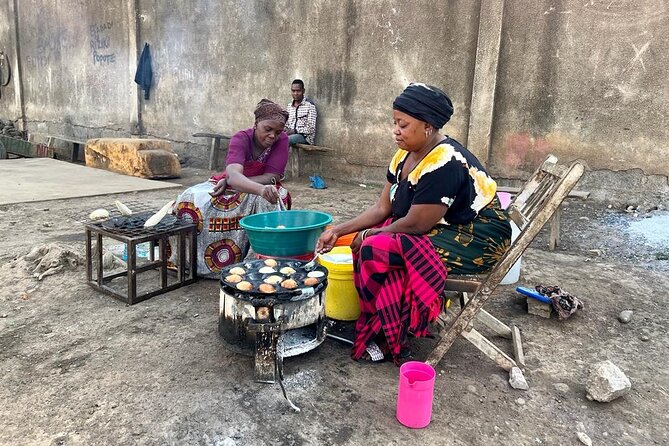
Food turns the walk from a sightseeing outing into a more active experience. You stop at different vendors and taste sweet and salty local foods along the way. The tour does not provide a fixed menu, so you should expect variety rather than a named set of dishes.
That uncertainty can be a benefit. You are sampling food connected to the neighborhood instead of sitting down to a standard restaurant meal designed mainly for visitors. Small tastes also let you try more than one thing without committing to a full meal at every stop.
At the same time, you should not book this as a substitute for lunch unless the guide confirms the amount of food included. The description promises food tastings, not a complete meal. If you get hungry easily, eat something beforehand or plan a meal afterward.
You can also use the food stops to ask questions. Ask what an item is, how it is made, when people eat it, or where the ingredients come from. The guide’s explanations are what give the tasting its value. Without asking, you may enjoy the flavor but miss the local meaning.
The food portion is included in the $25 price, along with fees and taxes. Tips for the guide are optional. You may want to carry a little extra money if you wish to buy something from a vendor, but the supplied details do not say that additional purchases are required.
Same city, another round of plates:
- Dubai: Old Town, Souks, Street Food, Guided Tour & Abra Ride
★ 4.9 · 7,170 reviews - Naples: Street Food Walking Tour with Local Guide
★ 4.9 · 4,976 reviews - Small Group Hanoi Street Food Tour with a Real Foodie
★ 5.0 · 4,682 reviews - Rome: Street Food Tour with Local Guide
★ 4.8 · 4,077 reviews
Urban farming, recycling, and maize milling
The stops in Sinoni cover more than food. Urban farming shows how food production can exist within a city district, while the recycling stop points to practical ways a community handles materials and waste.
The maize milling stop is especially useful for understanding the link between raw ingredients and daily meals. You get to see a working part of the food chain rather than only tasting the final product. It is the sort of ordinary place that rarely appears on a standard city tour, yet it can tell you much about how households and businesses operate.
The tour also includes carpentry. This adds a look at local work and making. You may see how a trade fits into the neighborhood, how materials are handled, and how small businesses serve local needs. The details will depend on the day and what is open, so keep your attention on the guide rather than expecting a fixed demonstration.
These stops make the walk feel broader than a street-food outing. Food is the entry point, but work, resources, and household life fill out the picture. I like that balance. It keeps the tour from reducing Sinoni to a place where outsiders come only to eat.
Mud houses and churches along the community route
Mud houses offer another useful point of discussion. The tour does not present housing as a museum display. You are seeing homes within a living district, so be respectful about photography and personal space. Ask the guide before taking pictures of people or private property.
The church stops add a different side of community life. The exact churches and the amount of time spent there are not specified, but their inclusion suggests that worship and neighborhood institutions form part of the guide’s explanation of Sinoni.
These sights may sound modest compared with major attractions, but that is the point. A walk like this helps you notice the structures and institutions that hold a neighborhood together. You are seeing how people live, work, worship, and share services in the same area.
Do not expect formal entry into every place. The tour is described as a walk through the area, not a religious or architectural tour. Treat the churches and homes as working places first and sightseeing stops second.
The $25 price and the value of community support
At $25 per person, this is a reasonably priced half-day activity, especially because the cost includes the guide, food tastings, fees, and taxes. The real value is not in the quantity of food. It is in the access, explanation, and community connection.
A standard restaurant meal might give you more food for the money. A larger city tour might cover more sights. This experience makes a different offer: spend a few hours with a local guide, learn about a neighborhood, sample food from several vendors, and support a local foundation at the same time.
All profits go to Jamii Imarika Foundation. Its stated aims include providing education and basic needs for disadvantaged children, empowering women, and educating young people. That gives your booking a clear social purpose, though you should still judge the tour on its own quality and not only on the charitable goal.
I see this as a good value for visitors who want their spending to reach beyond a private tour operator. It is also a useful choice if you have already visited the main market areas and want a more grounded view of Arusha. If your top priority is a large meal, a luxury vehicle, or a long list of major sights, another activity may suit you better.
Who will enjoy this walk most
This tour suits you if you like walking, asking questions, and seeing ordinary places with local explanation. It is a strong fit for solo visitors and couples who want conversation, as well as families with older children who can manage a two-and-a-half-hour walk.
Most people can participate, and service animals are allowed. The experience is near public transportation, but private transport is not included. The group size remains small, with a maximum of 10 people.
You should be comfortable spending time outdoors and moving through a working community. Good walking shoes are sensible. Since the experience requires good weather, check your plans around the forecast and avoid scheduling it immediately before an important departure.
I would be more cautious about booking if you have difficulty walking for several hours, need a fixed indoor setting, or want detailed certainty about every food item before arrival. The route and tastings are community-based, so some flexibility is part of the deal.
Booking, weather, and cancellation details
The tour is often booked about 42 days ahead, so reserve early if your Arusha dates are fixed. That lead time may be especially useful during busy safari seasons.
You can cancel for a full refund up to 24 hours before the start time. Cancellations or changes within 24 hours are not refunded or accepted. The cut-off uses local time.
Poor weather can cancel the experience. If that happens, you are offered another date or a full refund. The same applies if the minimum number of participants is not met. Confirmation is sent at booking, and the mobile ticket makes it easy to keep the booking on your phone.
Should you book the Sinoni community tour?
Book it if you want local conversation, modest food tastings, and a direct look at daily life in Arusha. The strongest elements are the small group, the community guides, and the range of stops, from maize milling and carpentry to urban farming and churches.
The tour is not for you if you want a polished culinary event, a full meal, or a vehicle-based overview of the city. But if you can walk comfortably and stay open to an unscripted neighborhood experience, $25 buys more than a few snacks. It gives you a useful human connection and supports Jamii Imarika Foundation’s work with children, women, and youth.
With a 4.8 rating from 12 ratings and a 100 percent recommendation record, the experience has made a strong impression so far. I would book it early in an Arusha visit, leave room for questions, and treat the walk as an introduction to the city’s people rather than a checklist of attractions.
FAQ
Where does the tour begin?
It begins at Kajo Art Gallery near the Maasai Market on Tanesco Road in Arusha, Tanzania.
Where does the tour end?
The walk ends in Sinoni at the listed location. The operator helps you get back to your hotel.
How long does the tour last?
The experience lasts about two to three hours, with the main walk taking approximately two and a half hours.
What food is included?
Sweet and salty food from different local vendors is included. A specific menu is not provided.
Is transportation included?
Private transportation is not included. The tour begins at the meeting point and finishes in Sinoni.
How many people can join?
The maximum group size is 10 travelers.
Are service animals allowed?
Yes, service animals are allowed.
What happens if the tour is canceled because of weather?
You are offered a different date or a full refund if poor weather causes the cancellation.
Newly added plates around the world
- Zanzibar:Stone town Street food market walking tour,transfer★ 4.5 · 9 reviews
- Zanzibar: Stone town visit, Shopping tour &Night food Market★ 4.4 · 2 reviews
- Xi’an Muslim Quarter Night Market Foodie Walking Tour★ 4.2 · 22 reviews
- Xi’an: Gourmet & Street Food Tour★ 4.8 · 22 reviews
- Zanzibar: Stone town tour, Prison island & night food market★ 4.5 · 2 reviews
- Verona: Street Food and History Tour with Local Guide★ 4.7 · 6 reviews
- Vienna Food Tour: Dishes, Wine, Street Food & Culture★ 4.7 · 12 reviews
- Verona: City Highlights & Street Food Walking Tour★ 5.0 · 3 reviews
Tanzania Street Food Tours, compared.
Stonetown: Food Markets and Street Food Walking Tour
Read our review →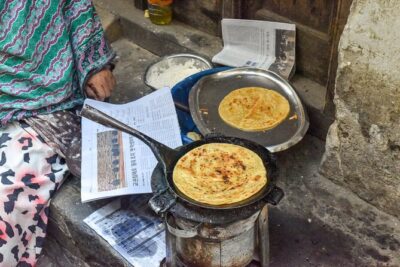
Authentic Street Food Tours in Stone Town, Zanzibar
Read our review →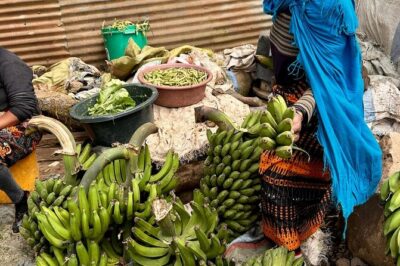
Arusha: Traditional Tanzania Cooking Class & Food Market Tour
Read our review →
Stone Town Evening Walk Tour With Visit Food Markets
Read our review →Arusha: Traditional Tanzania Cooking class& Food Market Tour
Read our review →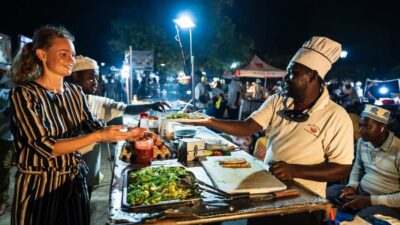
Zanzibar:Stone town Street food market walking tour,transfer
Read our review →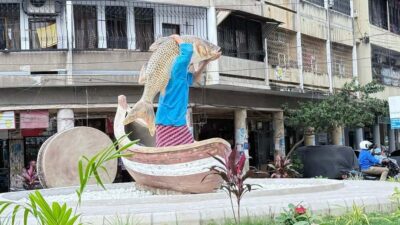
Zanzibar: Stone town tour, Prison island & night food market
Read our review →Browse the lists this tour appears in