
REVIEW · NIGHT MARKET FOOD TOURS
Arusha: Traditional Tanzania Cooking Class & Food Market Tour
Arusha’s best food lesson begins before you reach the kitchen. You’ll walk through the central food market, learn how everyday ingredients are used, choose two local dishes, then travel to Sanawari to cook and eat them in a working local kitchen. It is food, shopping, transport, and neighborhood life in one four-hour outing.
I like the market-to-plate format, and I like that you use ordinary local transport rather than staying inside a tour vehicle all day. Guides such as Israel, Jack, James, Lameck, Magret, and Bariki have been praised for their warm explanations and good humor. The main drawback is comfort: the cooking space is basic, with low tables, tubs, charcoal burners, a gas burner, and simple utensils. Come for the setting, not for a polished cooking studio.
Key points to know before booking
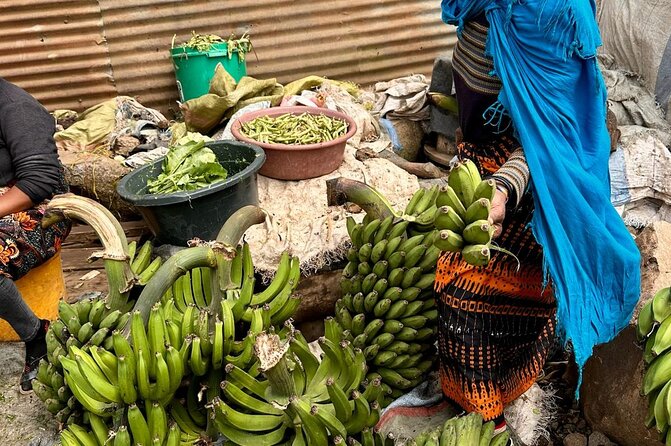
- Shop before you cook: The central food market supplies the fresh ingredients and gives you a close look at daily food buying in Arusha.
- Choose two dishes: Your guide explains local foods, then helps you select two for the cooking lesson. Ugali and ndizi are examples mentioned in the experience.
- Ride like a local: The trip from the market to Sanawari uses common public transport, adding a useful slice of ordinary city life.
- Cook in a real local kitchen: Expect charcoal and gas burners, low work surfaces, tubs, and basic equipment rather than a Western-style kitchen.
- Your meal is included: You eat what you prepare for lunch or dinner, while drinks and market spices cost extra.
- Good value at $42: Pickup, drop-off, transport, market shopping, ingredients, instruction, and the cooked meal are included.
Why this Arusha food tour feels different
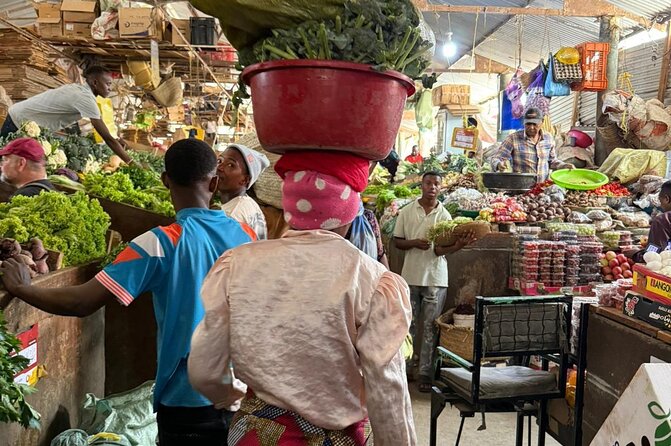
Many cooking classes begin with ingredients already measured and waiting. This one begins with the buying. That matters because food in Tanzania is not just a finished plate. It is a trip to the market, a conversation with a seller, a decision about what looks fresh, and a shared method of preparation.
You’ll start with hotel pickup in Arusha city, usually from a property near the center. Confirmation is sent by WhatsApp or email after booking, which is useful in a city where meeting points can be less clear than a hotel lobby. The total experience lasts about four hours, including transfers, the market visit, cooking, and the meal.
Your guide is the link between the market and the kitchen. Names associated with this experience include Israel, Jack, James, Lameck, Magret, Bariki, and Fen. You may not meet every one of them, but the guide assigned to you is expected to explain the ingredients, help with the selection, and manage the trip to Sanawari.
The strongest part of the tour is its human scale. You are not simply shown a market from a vehicle window. You walk through the food stalls, see what is sold locally, and have someone explain how ingredients are used in Tanzanian meals. The market visit is listed as about 30 minutes, while some descriptions place it closer to 45 minutes. Either way, it is a focused introduction rather than a long market expedition.
More Night Market Food Tours in the world:
- Phuket: Full Day City Tour with Night Market
★ 4.5 · 2,888 reviews - Small Group: Michelin and Local Hawker Food Tour with 9 tastings
★ 5.0 · 1,890 reviews - Seoul Street Food Market Tour
★ 5.0 · 1,226 reviews
Inside Arusha’s central food market
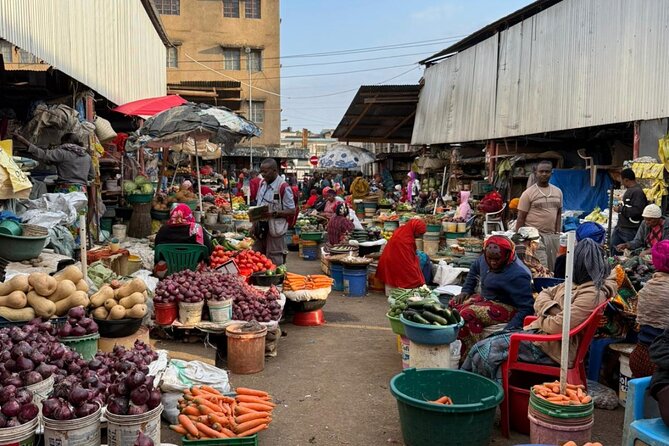
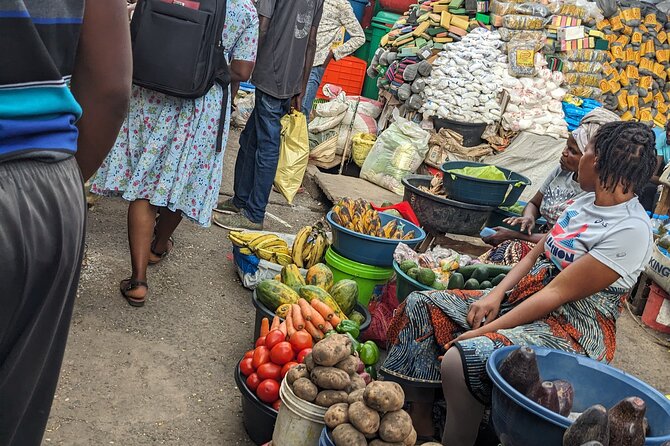
The central market is where the tour earns its keep. It gives you a look at food in its everyday setting, with produce, meat, and other staples sold for local cooking. Much of what you see is sourced within Tanzania, though not everything is locally produced.
Your guide will point out different foods and explain their traditional uses. This is more useful than hearing a string of ingredient names. You begin to understand what goes into a home meal, what people buy fresh, and how familiar items may be prepared differently from the way you use them at home.
Expect smells, close quarters, and plenty of ordinary activity. You may encounter fresh meat, produce, and other market goods, but the exact stalls and ingredients depend on what is available that day. The experience is not designed as a quiet photography stop. Keep your belongings secure, stay with your guide, and ask before photographing people.
The market portion also gives you a chance to meet local sellers. The information provided describes people in the market as friendly and approachable, but you should still use normal courtesy. A smile, a greeting, and asking permission for a photograph go a long way.
After the walk, you choose two foods for the lesson from the options explained by your guide. Ugali and ndizi have been used as examples, but the exact choices are made on the day. This is a practical benefit: the class responds to the available ingredients instead of forcing you into a fixed menu.
There is also a small shopping step. The cost of the ingredients is included, so you are not expected to bargain over the bill or pay for the meal supplies yourself. Spices from the market are not included, though, so plan to pay separately if you want to buy some to take home.
The ride from the market to Sanawari
The move to Sanawari is part of the experience, not just a transfer. You use a common form of public transport used by local people. The precise vehicle is not specified, so you should expect ordinary transport rather than a private sightseeing ride.
That choice adds cultural value. You get a little sense of how people move around Arusha and how the city connects its central market with residential areas. It also means the journey may be less controlled than a private car ride. If you prefer a quiet, air-conditioned transfer, this is not the strongest match for you.
Sanawari is where the cooking lesson takes place. The area is described as a place to learn more about Tanzanian traditions and daily cooking. The trip from the market takes some time, so the tour is not limited to the central city core.
The logistics are worth noting. The tour is advertised at about four hours, but the two listed activity stops account for roughly two hours before allowing for shopping, public transport, preparation, eating, and hotel transfers. Build a little flexibility into your day rather than scheduling a tight connection immediately afterward.
Cooking over charcoal and gas
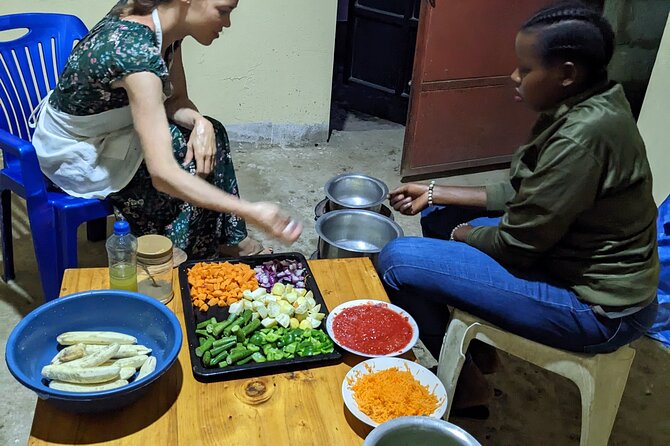
The cooking space is deliberately simple. Previous descriptions of the setup include a low table, two charcoal burners, one gas burner, large tubs, and basic cooking tools. There may be no raised worktops, standard sink, or familiar Western stove.
That is either the best part or the main warning, depending on your expectations. I like the honesty of cooking in a setting that reflects daily local methods. You see how food is prepared with limited equipment and shared work surfaces. The meal feels connected to the place because you helped make it there.
You should also be ready for a less comfortable physical setup. A low table means bending or sitting close to the floor, and charcoal cooking can bring heat, smoke, and a slower pace. The available description does not promise modern sanitation facilities or a polished teaching kitchen, so anyone needing highly structured kitchen access should ask before booking.
The class is hands-on and social. Your guide and chef explain the dishes, help with the preparation, and show how the ingredients come together. The instruction is about local practice rather than restaurant technique. You are learning what people cook and how they cook it, not training as a professional chef.
Ugali and ndizi are among the dishes mentioned in connection with the class. You may receive other choices from the day’s list, since the menu is selected after the market visit. That flexibility is useful, but it also means you should not book expecting a guaranteed dish unless the operator confirms it directly.
More Cooking Classes in the world:
- Athens: Food Market Visit and Cooking Class with Wine
★ 4.9 · 1,087 reviews - Mexican Cooking Class with Food Market Visit in Mexico City
★ 5.0 · 506 reviews - Florence: Cooking Class with Local Food Market Tour
★ 4.9 · 407 reviews - Street Food Cooking Class
★ 5.0 · 125 reviews
Eating what you prepare
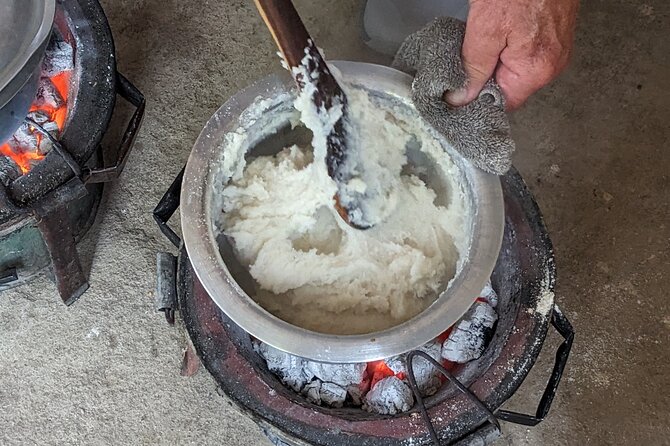
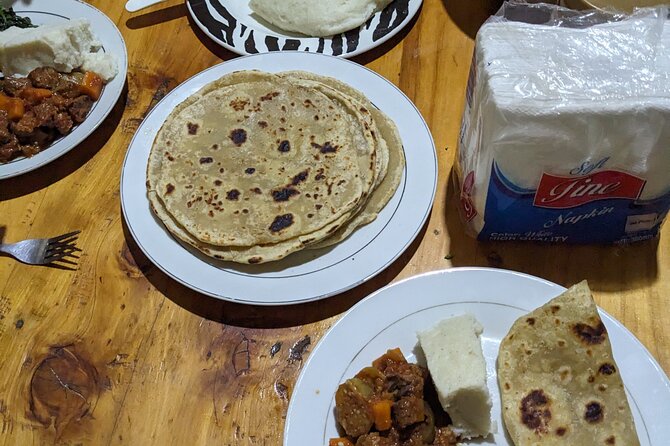
After cooking, you sit down to eat the meal. Lunch or dinner is included for the person booking and the people taking part in the activity. This is the payoff, but not in the usual restaurant sense. The meal carries the story of the market and the work you just completed.
Portions, presentation, and timing can vary because the class uses a local home-style setting. You should not expect a formal restaurant service or a separate menu of alternatives. If you have dietary restrictions, allergies, or strong food preferences, contact the provider before the tour rather than relying on changes at the last minute.
Drinks are not included. Water, soda, or beer can be purchased along the way, so bring some Tanzanian shillings or another accepted means of payment for those extras. Tips are optional and based on your satisfaction.
Takeaway food may be available after the meal. It is an option rather than a guaranteed part of the package, and you should ask the guide about it on the day.
What the $42 price really covers
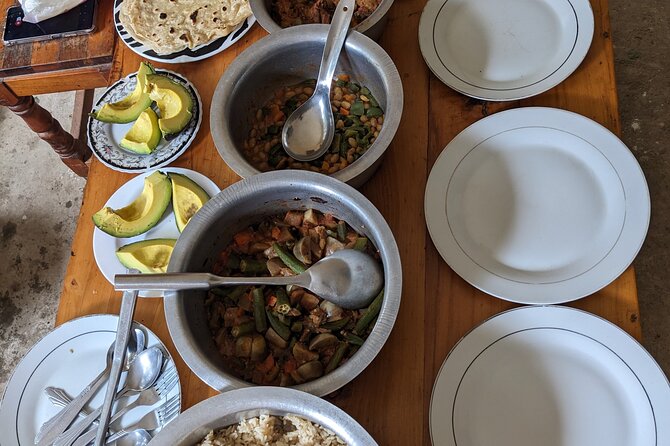
At $42 per person, this is a fair value if you want several small Arusha experiences combined into one outing. You are paying for hotel pickup and drop-off near the city center, a guided market visit, transport to Sanawari, ingredients, cooking instruction, and the meal.
The value is strongest for first-time visitors. Arranging a market visit, finding a local cook, buying ingredients, and reaching a neighborhood kitchen independently could take more time and confidence than the price suggests. The guide also helps explain what you are seeing, which is the difference between simply walking through a market and understanding it.
The price is less compelling if your main goal is a polished cooking class. You are paying for cultural contact and a local setting, not for gleaming counters, individual workstations, or a printed recipe book. Drinks, tips, and spices are additional costs.
The listed maximum is 200 participants, which is a very high possible capacity. That figure does not tell you the size of your actual group, so ask if a small class matters to you. A large group could make hands-on work less personal, while a small group would better suit the close, home-style format.
Who should book this experience
I would choose this tour if you want to connect food with ordinary life in Arusha. It suits curious eaters, couples, families, and solo visitors who enjoy asking questions and trying unfamiliar routines. You do not need advanced cooking skills, and most people can take part.
It is also a good choice if you have only one free day in Arusha. The tour combines a market, a neighborhood, public transport, a cooking lesson, and a meal without requiring you to arrange each piece yourself.
You should think twice if comfort and predictability matter more than local character. The transport is ordinary, the kitchen is basic, and the timing may shift as shopping and cooking unfold. Guests with mobility limitations should ask about the low cooking setup and transport before booking, since the supplied details do not explain accessibility arrangements.
This is not the right pick if you want a long market tour, a professional chef-led class, or a guaranteed menu. It is a better match for someone who wants to see how food moves from a market stall to a shared meal.
Practical advice for a smoother day
Wear clothes and shoes you can use comfortably around a market and a charcoal cooking area. The provided details do not specify a dress code, but a simple, practical outfit makes more sense than clothing you want to keep spotless.
Keep some cash available for water, soda, beer, spices, and any optional tip. Drinks are not part of the $42 price, and spice purchases are separate from the included ingredient shopping.
Tell the provider about food allergies or dietary needs when you book. The tour involves selecting dishes on the day, but no specific dietary alternatives are promised.
Allow extra time after the four-hour estimate. The schedule includes hotel pickup, the market, shopping, public transport, cooking, eating, and the return trip. Free cancellation is available up to 24 hours before the start time. Changes or cancellations inside that window are not refunded, and poor weather may lead to a new date or a full refund.
FAQ
How long does the cooking and market experience last?
The experience lasts approximately four hours, including pickup, the market visit, transport to Sanawari, the cooking lesson, the meal, and drop-off.
Where does the tour begin?
Pickup is offered from hotels near Arusha city center. The provider sends confirmation by WhatsApp or email after booking.
What happens at the central food market?
You spend roughly 30 minutes, with some descriptions allowing closer to 45 minutes, exploring the market with a guide. The guide explains local foods, their traditional uses, and the way people shop for ingredients.
How many dishes will I cook?
You select two dishes from the local foods explained by your guide on the day of the tour.
Is the meal included?
Yes. The meal prepared during the class is included for the people taking part, and it can serve as lunch or dinner.
Are drinks included in the price?
No. Water, soda, and beer are not included, but you can buy drinks along the way.
Can I cancel for a full refund?
Yes, if you cancel at least 24 hours before the experience starts. Cancellations or changes made less than 24 hours in advance are not refunded, and weather cancellations may result in another date or a full refund.
Should you book it?
Book this experience if you want a hands-on look at everyday Tanzanian food, not a staged restaurant lesson. The central market, public transport ride, simple Sanawari kitchen, and shared meal give you a fuller picture of Arusha than a cooking class alone.
Skip it if you need modern kitchen facilities, fixed timing, or a guaranteed menu. At $42, the tour offers good value for the amount it combines, but its appeal depends on accepting basic conditions. Bring curiosity, a little flexibility, and an appetite, and this is one of the more personal ways to spend a half-day in Arusha.
Newly added plates around the world
- Zanzibar:Stone town Street food market walking tour,transfer★ 4.5 · 9 reviews
- Zanzibar: Stone town visit, Shopping tour &Night food Market★ 4.4 · 2 reviews
- Xi’an Muslim Quarter Night Market Foodie Walking Tour★ 4.2 · 22 reviews
- Xi’an: Gourmet & Street Food Tour★ 4.8 · 22 reviews
- Zanzibar: Stone town tour, Prison island & night food market★ 4.5 · 2 reviews
- Verona: Street Food and History Tour with Local Guide★ 4.7 · 6 reviews
- Vienna Food Tour: Dishes, Wine, Street Food & Culture★ 4.7 · 12 reviews
- Verona: City Highlights & Street Food Walking Tour★ 5.0 · 3 reviews
Night Market Food Tours, compared.
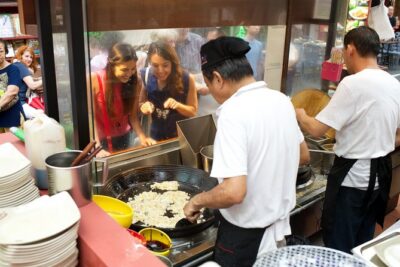
Small Group: Michelin and Local Hawker Food Tour with 9 tastings
Read our review →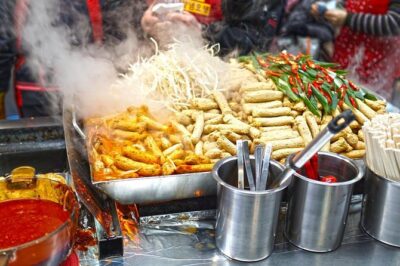
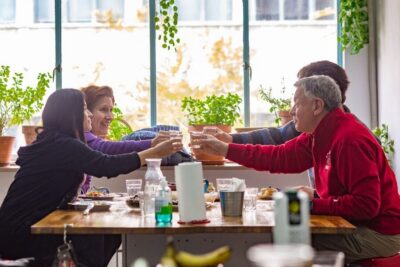
Food Market Visit and Cooking Class with Wine
Read our review →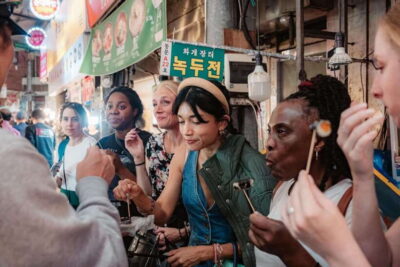
Venice Street Food Tour with Local Guide with Local Food Market Visit
Read our review →
Cancun Taco Tour, Local Beer and Night Market with Transportation
Read our review →
Tsukiji Fish Market Food and Culture Walking Tour
Read our review →
Cancun Street Food Tour with Food Stalls, Local Market and Murals
Read our review →Browse the lists this tour appears in