
REVIEW · COOKING CLASSES
Authentic Sicilian Street Food: Fried Pizza Catania Cooking Class
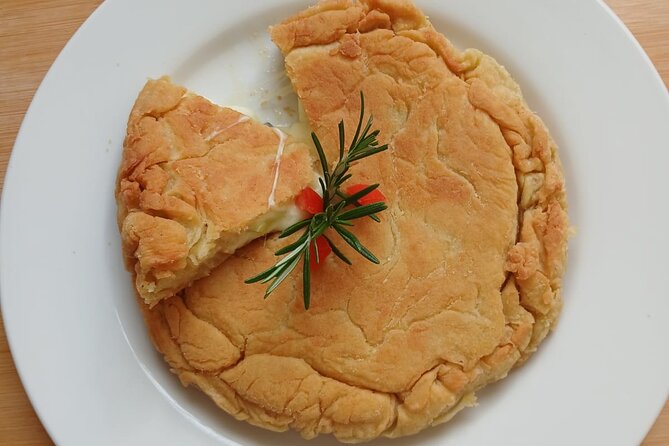
Catania’s fried pizza is not a quick slice grabbed on the way to the cathedral. It is a sealed parcel of dough, rolled in two discs, packed with Sicilian ingredients, and fried until crisp. This three-hour class lets you make that street-food specialty yourself, then eat it hot with a local drink and dessert.
I like the small six-person limit, which should give you real time at the worktable, and I like the chance to learn the long-leavening method even though the prepared dough is ready when class begins. The main caution is that the available comments describe fish-market and home-cooking experiences rather than this fried-pizza class, so confirm the current host and exact menu before booking.
Key points
- Two discs make one pizza: You’ll roll a base and a cover, then seal the filling inside.
- Classic Pantelleria-style filling: Expect primo sale cheese, anchovies, olives, and black pepper.
- Vegetarian choices are available: Seasonal fillings may include broccoli, stewed onions, or endive.
- Fried in extra virgin olive oil: The final cooking step gives the pizza its crisp shell.
- A compact small-group class: The maximum is six people, with English instruction.
- A full food experience: The class includes water and local wine or a soft drink, plus dessert.
Why fried pizza is the right Catania food lesson
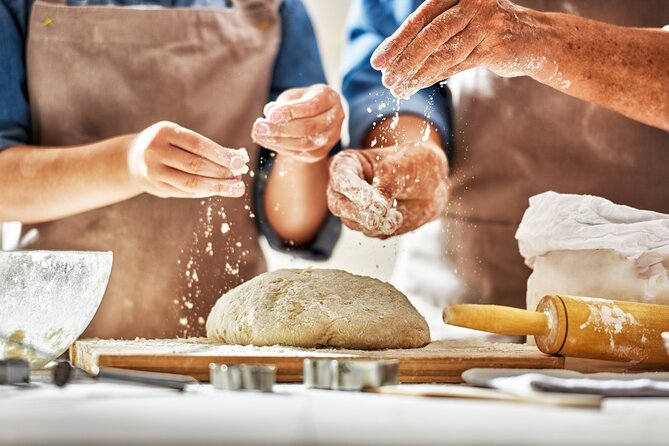
The clever part of this class is that it teaches a dish with a little more technique than ordinary pizza. You are not simply stretching dough, scattering toppings, and sliding it into an oven. You must make two discs, spread the filling generously, line up the edges, and seal the parcel well enough to keep hot cheese and oil from escaping.
That makes the lesson useful at home. The instructor explains the long-leavening process and the role of excellent Sicilian organic durum wheat flour. The dough provided for class is ready to work, so you do not spend the first hours waiting. Instead, you learn how the dough would be prepared at home, then move straight to the practical work.
I like that balance. You get the food without losing the lesson. At the same time, the class cannot show the full effect of a long rise from start to finish because the dough is prepared in advance. If your main goal is bread science, this is a shortened demonstration. If your goal is to learn a realistic method and eat well, the arrangement makes good sense.
More Cooking Classes in Sicily:
- Sicilian Cooking Class in Taormina
★ 5.0 · 186 reviews - Street food and Cooking class in Syracuse
★ 4.5 · 11 reviews - Athens: Food Market Visit and Cooking Class with Wine
★ 4.9 · 1,087 reviews
Starting at 10:30 am in central Catania
The meeting point is Via E. A. Pantano, 112, Catania, with the class beginning at 10:30 am. The location is near public transportation, which helps if you are staying outside the center or do not want to depend on a taxi.
The activity lasts about three hours and ends back at the meeting point. That timing makes it a substantial late-morning food activity rather than a quick demonstration. You will have time for instruction, hands-on preparation, frying, and the meal itself.
Arrive ready to work. This is not a sit-back cooking show. You will handle the dough, flour the work surface, shape the portions, add fillings, and close each pizza. Wear something comfortable and practical for a kitchen session. The available details do not specify an apron or other protective clothing, so do not count on those extras unless the host confirms them.
Rolling the dough into two proper discs
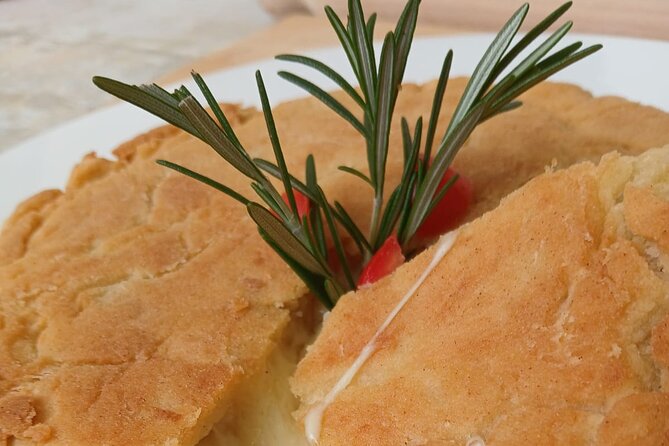
The first practical lesson is dividing the leavened dough into individual balls. That step matters because evenly sized portions make the later shaping much easier.
You then roll each portion into a disc. The key difference from ordinary pizza is that every fried pizza needs two discs: one for the bottom and one for the top. The base must be large enough for the filling, while the cover must meet the edge cleanly without becoming too thin.
This is where the class earns its keep. The host can correct your rolling technique before you add the filling. You will learn how much pressure to use and how to aim for a neat round shape instead of an irregular patch of dough. The description promises step-by-step guidance, so this should suit beginners who want direct help rather than a recipe sheet alone.
Do not rush this part. A hole in the dough or an uneven rim can cause problems once the filling and hot oil enter the picture. The best result comes from taking care with the discs before the more exciting stage begins.
Filling a Pantesca fried pizza
The classic filling brings together fresh Pecorino cheese, also called primo sale, anchovies, olives, and black pepper. It is a salty, savory combination, with the cheese giving the filling body and the anchovies adding a strong taste. The olives and pepper push it in a distinctly Sicilian direction.
You will learn how generously to fill the pizza without making it impossible to close. That balance is important. Too little filling makes a disappointing parcel. Too much makes sealing difficult and may encourage leaks during frying.
The activity also includes seasonal and vegetarian versions. Possible fillings include broccoli, stewed onions, and endive. A vegetarian option is always available, but you need to request it when booking. That point matters because the classic recipe contains anchovies, and the vegetarian preparation is not simply a garnish swapped at the last moment.
If you have allergies or other dietary needs, tell the provider in advance. The supplied details specifically say the menu can be tailored for allergies and dietary requirements. Do not assume every ingredient can be removed without affecting the recipe, but do give the host enough notice to plan a suitable filling.
More street food tours in Sicily:
- Markets and monuments: walking tour and street food in Palermo
★ 5.0 · 159 reviews - Gastronomic Street Food Tour of Catania
★ 4.5 · 154 reviews - Sicilian Street food tour: eat local in Messina
★ 5.0 · 119 reviews - Palermo Street Food tour: art, history and ancient markets
★ 5.0 · 78 reviews
Sealing the edges before the oil gets hot
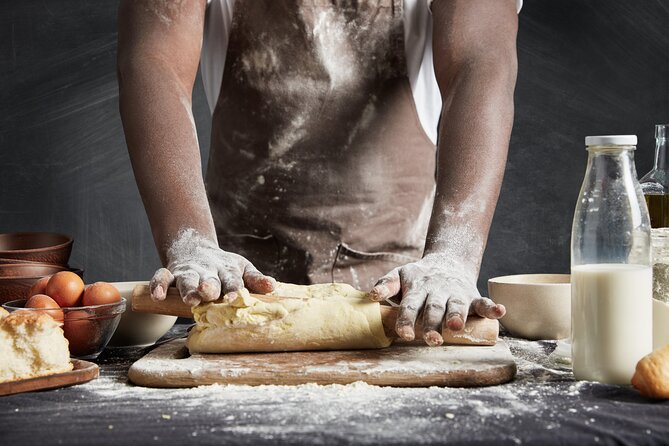
Once the two discs are filled, you will bring the edges together and seal the pizza. This is the small but essential act that protects the filling during frying.
A proper seal also gives the finished pizza its characteristic pocket shape. You want a firm join without crushing the dough or pushing the filling into the rim. The instructor should be able to show you how to press and close the edge, then check that no gaps remain.
This part may sound simple, but it is one reason a hands-on lesson is more useful than ordering fried pizza at a counter. You see why the food works. The dough must be thin enough to cook through, thick enough to hold the filling, and sealed well enough to survive the pan.
The class is capped at six people. That is a meaningful limit here. With only a few participants, you should have a better chance of getting individual help while shaping and sealing. The experience is offered in English, so the technical instructions should be accessible to English-speaking visitors.
Frying both sides in Sicilian EVO oil
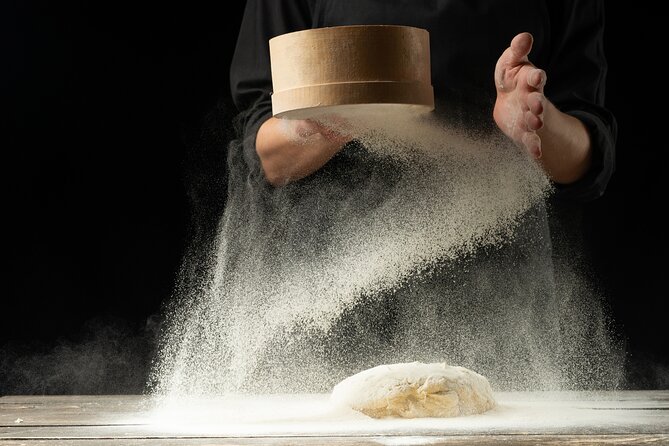
The final cooking stage is frying each pizza on both sides in authentic extra virgin olive oil. This is what gives the dish its crisp outside and distinct flavor.
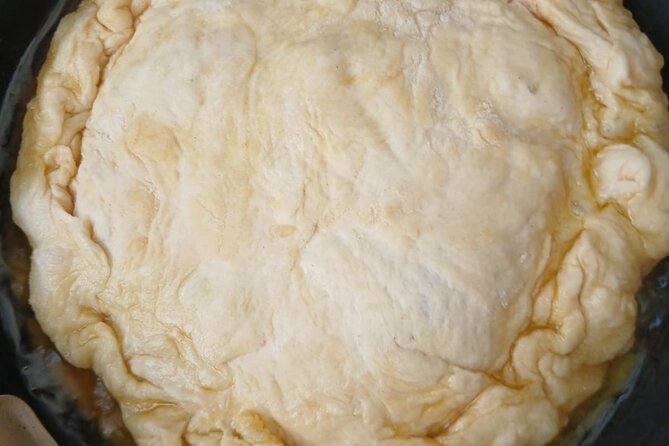
You will see the sealed dough change as it cooks. The exterior becomes golden and firm, while the filling heats inside. The finished pizza is served hot and crisp, which is exactly when this food makes the most sense. Fried dough loses some of its appeal if it sits around, so eating it immediately is part of the pleasure.
There is also a practical lesson here. Frying a filled dough parcel requires attention to heat and timing. The listing does not provide exact temperatures or cooking times, so do not expect a technical frying chart. The value is in watching the host handle the process and learning the feel of the finished dough.
The use of extra virgin olive oil adds to the cost of the dish, but it also gives the class a clear regional character. You are not making a generic stuffed pastry. You are learning a preparation tied to Sicilian ingredients and a particular cooking method.
Sitting down for pizza, wine, and dessert
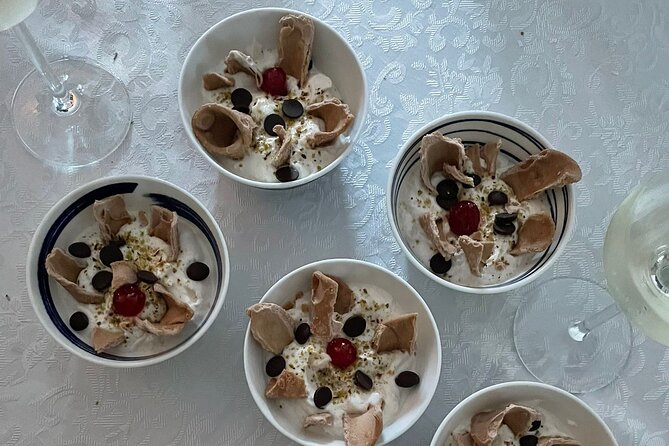
After the cooking, you eat what you made as part of a two-course meal. The sample menu lists Sicilian street food as the main dish, specifically Pantesca fried pizza, followed by a Sicilian dessert.
Water is included, along with one glass of local wine or a soft drink. That is a modest but useful addition. It turns the class into a shared meal instead of a lesson where you leave with food in a box. The wine also fits the relaxed rhythm of the experience, though anyone who prefers not to drink can choose the soft drink.
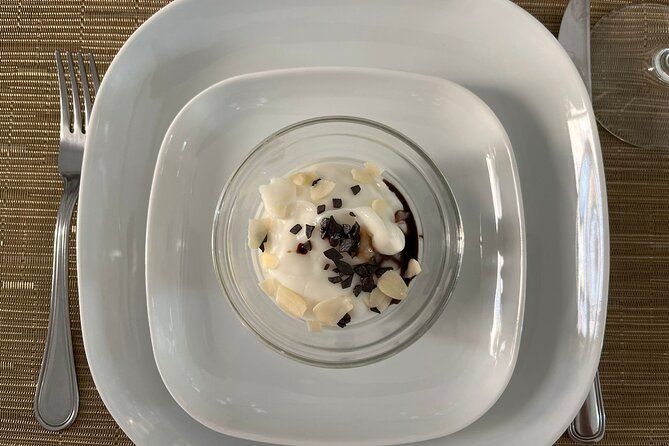
The dessert is identified only as Sicilian dessert, so the exact sweet is not guaranteed in advance. If you have a particular dietary restriction, ask about both the fried pizza and dessert before booking.
I like the meal format because it gives you time to enjoy the result without immediately rushing back into sightseeing. Three hours is long enough for the food to feel like the main event of the morning. It may be less suitable if you need a fast lunch or have a tightly packed schedule around the 10:30 start.
What the available host information tells you
The names Anne and Francesco appear in the supplied comments, but those comments describe different cooking activities involving fish markets, walks, and meals in a Sicilian home. They do not match the fried-pizza program described here.
One account praises Francesco for choosing fish with a fishmonger and preparing several traditional seafood dishes. Another describes Anne leading a fish-market visit followed by a vegan meal, with the writer disappointed that no fish was purchased. Those details are useful as a warning: the host information may be shared across different experiences or may not have been updated for this particular class.
Do not book expecting a fish-market visit, a walk through Bellini Gardens, or a home meal. The experience described here begins at Via E. A. Pantano and focuses on fried pizza. Before paying, confirm who will teach the class and what the current menu includes.
That mismatch does not automatically make the pizza class poor. It simply means the comments do not offer a reliable guide to this specific activity. The strongest reasons to book are the clear cooking format, the six-person limit, the regional ingredients, and the chance to eat the finished dish.
Is $93.45 a fair price?
At $93.45 per person, this is not a bargain if you compare it with buying a fried pizza from a street-food counter. A single snack costs far less, and you could eat quickly without spending three hours in a class.
The value changes when you count what is included. You receive instruction on the dough process, hands-on preparation, help with shaping and sealing, the frying stage, a two-course meal, water, and a glass of local wine or soft drink. You are also paying for a small class rather than a large group demonstration.
For someone who wants a recipe and a meal, the price is reasonable. For someone who only wants to taste Catania street food, it is expensive. I would book it if you enjoy cooking, want an activity that gives structure to a morning, or like learning dishes that are difficult to reproduce from a restaurant menu alone.
The value is strongest for couples, solo visitors, and small groups who appreciate direct instruction. Families may enjoy the dough work, but the provided information does not specify a child price or age policy, so ask before booking for children.
Who should book this class?
Book this experience if you want to work with your hands and do not mind a little flour, oil, and trial and error. It suits beginners because the process is taught step by step, and the class size should allow room for questions.
It also suits vegetarians, provided you request the option at booking. The vegetable fillings give you more than a token alternative, with broccoli, stewed onions, and endive listed as possible choices.
You may want to skip it if you are looking for a broad tour of Catania, a market visit, or several different dishes. The focus is narrow by design: one fried-pizza style, several possible fillings, and dessert afterward. That focus is a strength for food lovers and a limitation for anyone hoping to cover many Sicilian specialties in one morning.
Free cancellation is available if you cancel at least 24 hours before the 10:30 am start. Changes or cancellations made inside that window are not accepted for a refund, and the cut-off uses local time.
Should you book this fried-pizza class?
I would book it if your ideal Catania morning includes a small group, a local recipe, direct kitchen work, and a sit-down meal afterward. The two-disc technique, Pantelleria-style filling, seasonal vegetable options, and hot frying stage give the class more substance than a basic pizza workshop.
I would first confirm the host, current menu, and dietary arrangements because the available comments do not line up with this activity. Once that is clear, the class offers good value for visitors who want to understand how Sicilian fried pizza is made, not just eat one and move on.
FAQ
Where does the class start?
The class starts at Via E. A. Pantano, 112, 95129 Catania CT, Italy.
What time does the experience begin?
The start time is 10:30 am.
How long does the class last?
The activity lasts approximately three hours and ends back at the meeting point.
Is the class offered in English?
Yes. English is listed as the language offered.
Is a vegetarian option available?
Yes. A vegetarian option is always available, but you should specify it when booking.
What is included in the meal?
The experience includes a hands-on fried-pizza lesson, a two-course meal, water, and either a glass of local wine or a soft drink.
Newly added plates around Sicily
- The Complete Street Food Walking Tour – History & Tasty Bites in Palermo★ 4.0 · 4 reviews
- Street food and Cooking class in Syracuse★ 4.5 · 11 reviews
- Tour of Villa Palagonia and Street Food itinerary in Bagheria★ 4.5 · 9 reviews
- TOUR PALERMO ARABA “A dip in the historical markets and Street Food”★ 5.0 · 3 reviews
- Taormina Cultural Walk and Street Food Experience★ 5.0 · 3 reviews
- Sicilian Food tour and wine tasting in Ortigia in Syracuse★ 5.0 · 14 reviews
- Palermo Food Tour: Discover the typical Street Food with a Chef★ 5.0 · 29 reviews
- PRIVATE Palermo Historic Walking Tour and Street Food★ 5.0 · 8 reviews
Cooking Classes, compared.
Food Market Visit and Cooking Class with Wine
Read our review →
Mexican Cooking Class with Food Market Visit in Mexico City
Read our review →
Food Market Shopping and Cooking Workshop in A Coruña
Read our review →
Eat Osaka: Street Food Cooking in an Authentic Kitchen!
Read our review →
Syracuse: Sicilian Street Food Hands-On Cooking Class
Read our review →Browse the lists this tour appears in