
REVIEW · NIGHT MARKET FOOD TOURS
Flavors of Seoul: Grandma’s Handmade Noodles to Night Market Tour
Seoul’s food culture makes the most sense when you meet it at several levels, and this tour does just that. You’ll pull noodles by hand with a Korean grandma, walk through royal grounds at Changdeokgung, then follow local food traditions into Euljiro and Gwangjang Market.
I like the small group size, capped at 10, and the way the day links cooking, palace culture, and street food instead of treating them as separate sights. I also like the human touch: Kevin, when assigned as your guide, is praised for explaining both the food and the culture with warmth and clarity.
The main drawback is the price, $280 per person, which is a serious spend for a day in Seoul. The nine-hour schedule also leaves little free time, so this suits you best if you want a planned food-and-culture day rather than a relaxed wandering tour.
Key points to know before booking
- Hand-pull noodles with a local grandma: Start with a three-hour cooking session built around personal stories, dough, and Korean home cooking.
- Changdeokgung adds cultural context: Spend 90 minutes connecting royal food traditions with one of Seoul’s major historic sites.
- Euljiro shows old and new Seoul: Move from eateries more than 50 years old to newer pubs and local food stops.
- Gwangjang Market is the final course: End at one of Seoul’s best-known markets with trusted vendors and more local dishes.
- A genuinely small group: The maximum is 10 people, with a minimum of two needed for the tour to operate.
- Plan for a full day: The tour starts at 11 a.m., lasts about nine hours, and finishes at Gwangjang Market.
Why this Seoul food tour feels different
Many food tours stay in one market or arrange a string of tastings. This one tries to explain how Seoul eats, from a private home-style lesson to royal kitchens and busy market stalls.
That structure matters. You are not only sampling dishes. You are also seeing who prepares them, where they belong in Korean life, and how older food customs sit beside newer drinking and dining habits.
The day is built around direct contact. A retired Korean grandma leads the cooking portion, local cultural guides help explain Changdeokgung, and market vendors share their own stories. The tour provider also has long-standing relationships with vendors at Gwangjang Market, which gives the final stop a more personal shape than simply being dropped into the crowd.
I would still keep expectations realistic. The available details do not give a fixed list of dishes, the exact cooking menu, or the precise route between stops. Food choices can also change with availability and dietary needs. Tell the company about allergies or restrictions before the tour, not when you arrive.
More Night Market Food Tours in South Korea:
- Seoul Street Food Market Tour
★ 5.0 · 1,226 reviews - Seoul: Night Market Food Tour with Local Guide
★ 4.9 · 943 reviews - Busan: Food Market Tour, Smash Seafoods and Street Foods
★ 4.8 · 80 reviews
Starting at 11 a.m. in Mapo
The tour begins at 53-9 Tojeong-ro in Mapo-gu at 11 a.m. This is not a hotel pickup, so you need to reach the starting point yourself. The meeting area is near public transportation, which helps, but check your route and allow time to find the exact address.
Starting late in the morning works well for a food-focused day. You avoid a dawn start, and the first three-hour session gives the experience room to feel like a real class instead of a quick demonstration.
The group can include no more than 10 people. That is a useful limit for a kitchen setting, where everyone needs space to handle dough and follow instructions. It also gives you a better chance to ask questions and hear the personal stories behind the cooking.
A minimum of two participants is required. If that number is not reached, the operator offers another date or experience, or a full refund. It is a small point, but it matters if you are building a tightly timed Seoul itinerary.
Making noodles with a Korean grandma
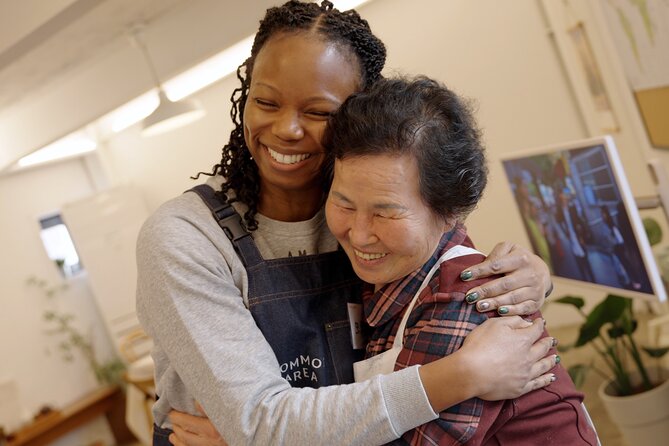
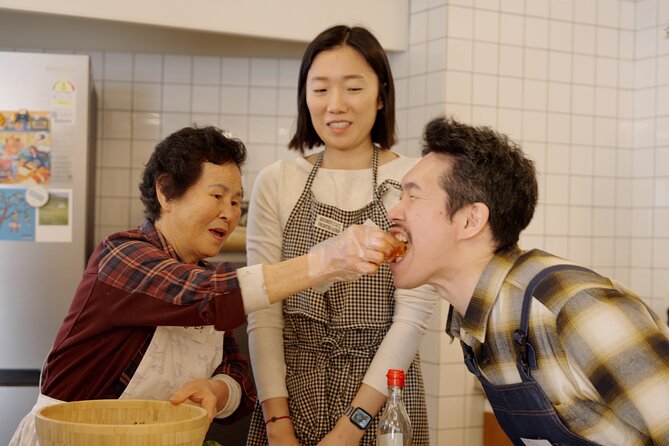
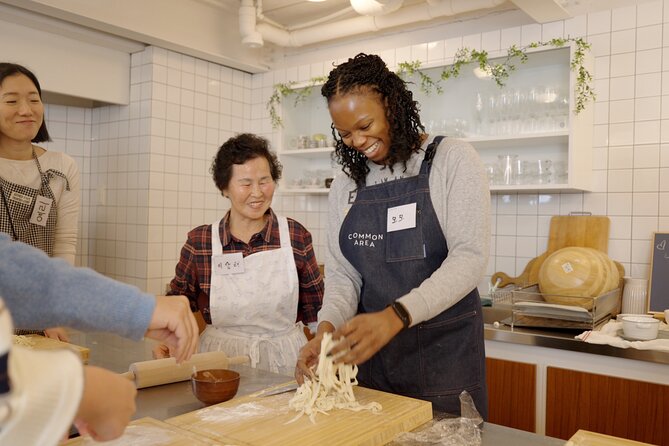
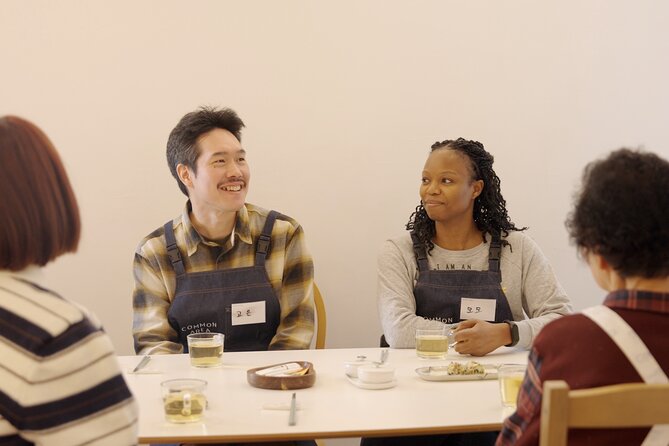
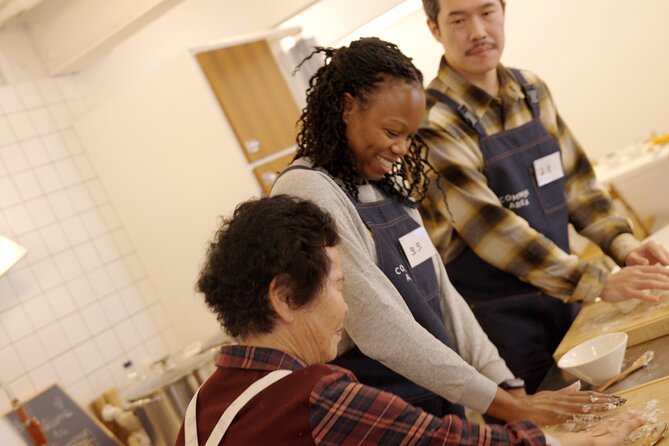
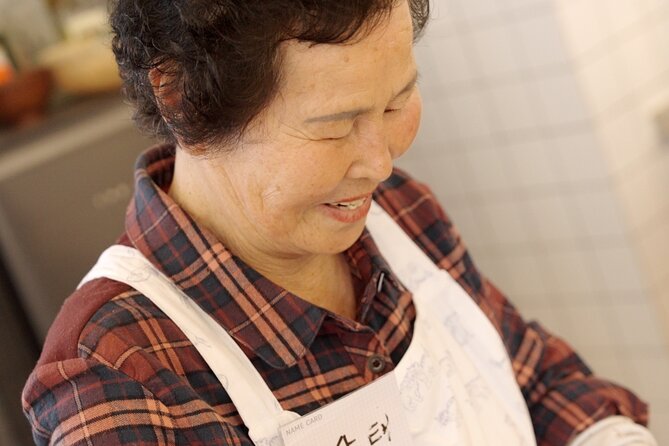
The opening stop is the tour’s most distinctive part. For about three hours, you spend time with a retired local grandma who introduces you to Korean home cooking and shares personal stories.
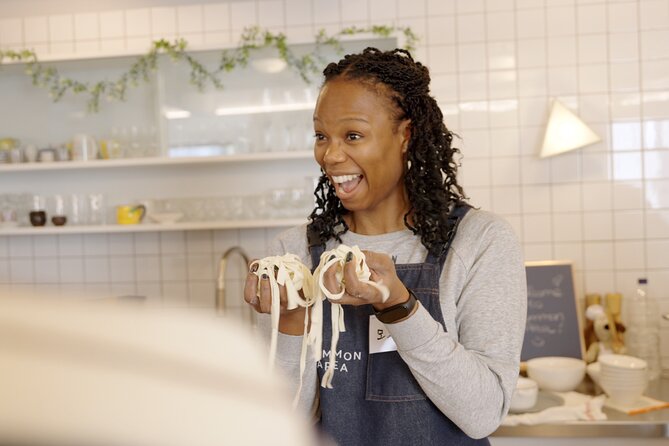
The practical focus is handmade noodles. You’ll work with dough, including kneading and hand-pulling, rather than simply watching someone else prepare a dish. That gives you a feel for the work behind a familiar Korean staple. It can also be messy, social, and funny in the best way.
This is where the tour earns much of its character. A restaurant can give you a finished bowl, but a home-style lesson shows how food is handled before it reaches the table. You get a better sense of the patience and touch involved in making noodles by hand.
The three-hour length is generous. You are not being rushed through a ten-minute activity before moving on to the next attraction. You have time to listen, practice, make mistakes, and enjoy food and conversation with the group.
Still, this is not the right fit for everyone. If you dislike hands-on activities, have strict dietary limits, or want a fast tasting tour, the cooking class may feel too long. Contact the operator before booking if you need allergy or dietary accommodations, since the tour specifically asks for that information in advance.
The available review also highlights food and drink as part of the enjoyment, along with friendly guidance from Kevin. If Kevin is leading your departure, expect the food lesson to come with cultural explanation rather than a silent cooking demonstration. Guide assignments can vary, so do not book solely on the assumption that he will be present.
Walking through Changdeokgung and royal food traditions
After the cooking class, the tour moves to Changdeokgung Palace for about 90 minutes. Admission is included, which keeps this part simple once you arrive.
Changdeokgung is a UNESCO World Heritage site and one of Seoul’s key royal landmarks. The focus here is not only palace architecture. Your guide connects the setting with Korea’s royal cuisine, giving you a way to think about food as part of court life, ceremony, status, and tradition.
That connection improves the visit. A palace can blur into a series of gates and courtyards when you are sightseeing on your own. A food-based explanation gives you a different way to read the space and links the morning’s home cooking with the formal world of the royal court.
The 90-minute stop is long enough for a guided look without taking over the entire day. You should expect a cultural walking segment, not an exhaustive palace study. If you want every architectural detail or extended time for photographs, you may find the visit brief.
Wear shoes you can walk in comfortably. The tour combines a cooking class with several walking stops, and the day keeps moving. The supplied details do not specify how transportation between stops is handled, so ask the operator if you need exact transfer information.
More street food tours in South Korea:
- Taste hidden street food in Seoul with a 2.5h food tour
★ 4.4 · 12 reviews - Seoul: Jongno 3-Ga and Ikseon-Dong Tour with Street Food
★ 3.9 · 12 reviews - Seoul: Guided Street Food Tour at Namdaemun Market
★ 5.0 · 10 reviews - Busan Food Market Tour Seafoods and Street Foods
★ 5.0 · 8 reviews
Euljiro, where older eateries meet newer pubs
The next stop lasts about two hours in Euljiro-dong. This is where the tour shifts from royal traditions to the way Seoul eats now.
The route includes beloved eateries that have been operating for more than 50 years, along with newer pubs and food spots. That contrast is the point. You get to see how long-running businesses and newer drinking culture share the same district rather than treating old and new Seoul as separate worlds.
A local guide is especially useful here. Euljiro is easier to appreciate when someone explains why a place matters, who keeps returning, and how the area’s food habits have changed. Without that context, you might simply pass a modest doorway and never know what is inside.
The tour describes this as a culinary adventure, but the exact food stops are not fixed in the details provided. That is worth noting if you need a precise menu before paying. The experience is better suited to someone who enjoys discovery and conversation than to someone comparing tours dish by dish.
The two-hour timing also gives this part enough weight. It is not just a quick photo stop between the palace and the market. You have time to notice the district’s character and try food or drinks selected by the local team.
Finishing at Gwangjang Market
The final stop is Gwangjang Market, where you spend about two hours. The tour ends here at 88 Changgyeonggung-ro in Jongno District, so you can continue exploring the market afterward if you still have energy and appetite.
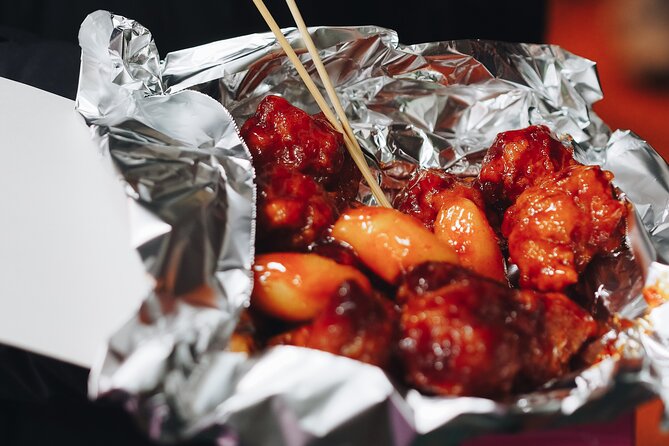
Gwangjang is one of Seoul’s best-known food markets, and the tour uses personal connections to make the visit more focused. You meet vendors who have worked with the company for years, hear their stories, and sample local delicacies.
That arrangement can make a big difference in a crowded market. Instead of wandering from stall to stall with no idea where to begin, you have a guide who can explain what you are seeing and help you approach the food with some context.
The market is also a fitting end to the day. The morning shows you how noodles are made at home. Changdeokgung explains food at court. Euljiro shows long-running neighborhood dining beside newer places. Gwangjang brings those ideas into a public market where food, conversation, and daily life meet.
The details do not name every dish included, so do not assume a specific item is guaranteed. If you have food restrictions, repeat them to the guide as needed. The market can be a lively place, and a clear conversation about ingredients is more useful than guessing.
Is $280 a fair price?
At $280 per person, this tour is not a budget food walk. The value comes from the amount of time and the range of access: about nine hours, a private-style cooking session with a local grandma, admission to Changdeokgung, guided food exploration in Euljiro, and a hosted visit to Gwangjang Market.
You are paying for more than the food itself. The guide’s time, the cooking instruction, cultural interpretation, coordination between four stops, and small group size all shape the cost.
I would compare it with the cost of booking several separate activities. A cooking class, palace guide, and market food tour booked independently could take more planning and may not provide the same links between them. On the other hand, if you mainly want inexpensive street food, you can spend far less by visiting Gwangjang Market on your own.
The price makes the most sense for a first or second Seoul visit when you want one organized day to get oriented through food. It is less compelling for repeat visitors who already know Euljiro and Gwangjang and prefer to choose their own restaurants.
Group discounts are available, though the amount is not specified. A mobile ticket is provided, and confirmation arrives at booking. Those details are useful, but they do not change the basic calculation: this is a premium, full-day experience rather than a low-cost tasting loop.
Who should book this experience?
I would recommend it to you if you enjoy meeting local people, trying food in several settings, and learning the story behind what you eat. It is also a good match if you want a small group and prefer a guide to handle the day’s structure.
The tour can work well for solo participants, couples, and small groups, provided at least two people are booked for the departure. Most people can take part, according to the activity details, and the route is near public transportation.
Families should think about the nine-hour length and the three-hour cooking class. Children who like food and hands-on activities may enjoy it, but a child who tires easily may find the full schedule demanding.
I would skip it if you want a short, flexible food tour, a fixed menu, or a day devoted only to major landmarks. You should also reconsider if your food restrictions are complex and cannot be confirmed in advance.
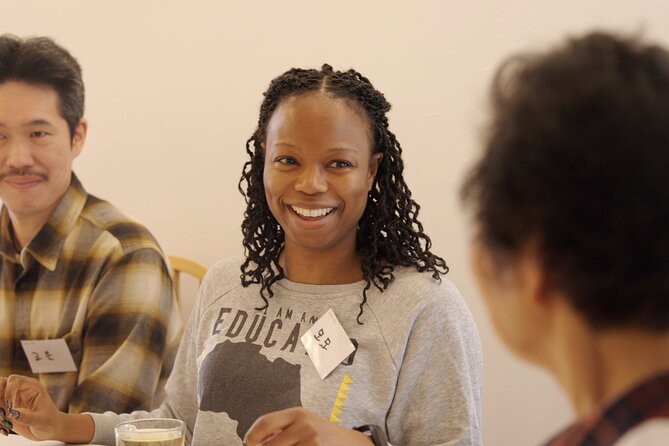
The tour has a small number of published ratings, including a five-star assessment that praises the food, drinks, friendly group, and Kevin’s explanations of Korean food and culture. That feedback supports the tour’s strongest promise: good food becomes more interesting when the guide explains why it matters.
Practical details that affect your day
The tour runs for approximately nine hours and begins at 11 a.m. at 53-9 Tojeong-ro in Mapo-gu. It finishes at Gwangjang Market, not back at the starting point.
Admission is included for Changdeokgung and Gwangjang Market, while the cooking class and Euljiro portions list no separate admission charge. The tour is offered with a mobile ticket and is near public transportation.
You can cancel for a full refund up to 24 hours before the start time. Changes or cancellations made within 24 hours are not accepted for a refund. Cutoff times use Seoul’s local time, so keep that in mind if you are booking from abroad.
Should you book the Seoul noodles and market tour?
Book it if you want one well-organized day built around people, food, and context, not just a list of sights. The handmade noodle class is the unusual centerpiece, while Changdeokgung, Euljiro, and Gwangjang Market give the day a useful sense of scale.
At $280, I would not call it a bargain. I would call it a convenient premium option for a small group, especially if you value a local guide and do not want to arrange four food and culture stops yourself.
Before paying, confirm the food plan, allergy arrangements, guide assignment, and transportation between stops. If those details suit you, this is a strong choice for getting a broad taste of Seoul in one long, social day.
FAQ
How long is the tour?
The tour lasts approximately nine hours.
What time does the tour begin?
It begins at 11 a.m.
Where does the tour start?
The meeting point is the common area at 53-9 Tojeong-ro, Mapo-gu, Seoul, South Korea.
Where does the tour end?
The tour ends at Gwangjang Market, 88 Changgyeonggung-ro, Jongno District, Seoul, South Korea.
How many people can join the tour?
The tour has a maximum of 10 participants.
Is there a minimum number of participants?
Yes. At least two participants are required for the tour to operate.
Is admission to Changdeokgung included?
Yes. Admission to Changdeokgung Palace is included.
Should I share food allergies or dietary restrictions before booking?
Yes. You should inform the operator in advance about food allergies or dietary restrictions.
Can I cancel for a full refund?
Yes. You can cancel at least 24 hours before the experience starts for a full refund. Cancellations made less than 24 hours before the start time are not refunded.
Newly added plates around South Korea
- Hidden Street Food food tour in Seoul★ 5.0 · 4 reviews
- Street Food Fiesta in Namdaemun Market★ 4.5 · 7 reviews
- Street Food Tour in Jongno, Heart of Seoul★ 5.0 · 5 reviews
- 4 Hours UNESCO Palace and Street Food Tour in Seoul★ 5.0 · 7 reviews
- Jagalchi Sunset Cruise and Night Market Tour in Busan★ 3.5 · 2 reviews
- Visit Busan night market and enjoy the night view of Busan harbor★ 5.0 · 6 reviews
- Busan Food Market Tour Seafoods and Street Foods★ 5.0 · 8 reviews
- Seoul: UNESCO Palace and Street Foods Guided Tour★ 5.0 · 6 reviews
Night Market Food Tours, compared.
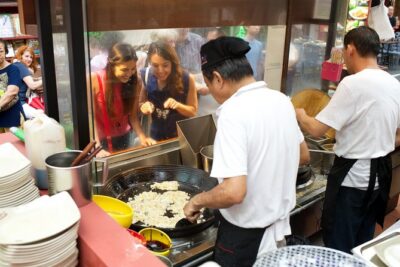
Small Group: Michelin and Local Hawker Food Tour with 9 tastings
Read our review →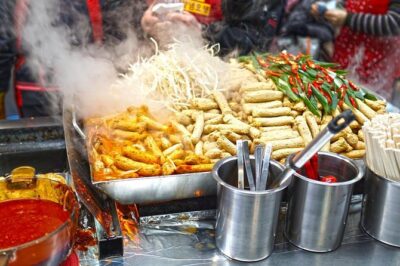
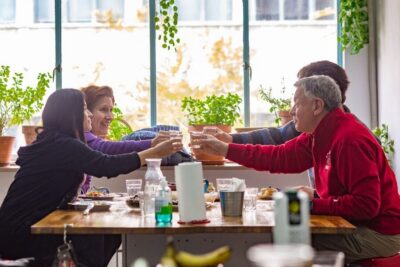
Food Market Visit and Cooking Class with Wine
Read our review →
Venice Street Food Tour with Local Guide with Local Food Market Visit
Read our review →
Cancun Taco Tour, Local Beer and Night Market with Transportation
Read our review →
Tsukiji Fish Market Food and Culture Walking Tour
Read our review →
Cancun Street Food Tour with Food Stalls, Local Market and Murals
Read our review →Browse the lists this tour appears in