
REVIEW · MARRAKECH STREET FOOD TOURS
Marrakech street food tour with a local
Marrakech’s best food lesson may happen away from a restaurant table. This three-hour walk takes you through the Medina for eight or nine local dishes, with no couscous and no tagine. You may try msemen, harira, grilled meat, cactus fruit, sheep’s head, and a hot herbal drink known as khoudenjal.
I like the generous amount of food and the chance to ask local guides such as Ismail, Mohamed, or Lhoussaine about everyday Moroccan cooking. I also like the casual style, which takes you into small local eating spots rather than dressing the experience up as a polished show. The main consideration is simple: come hungry, and be ready for unusual foods, a lot of walking, and a menu that may not suit cautious eaters.
Key points to know before booking
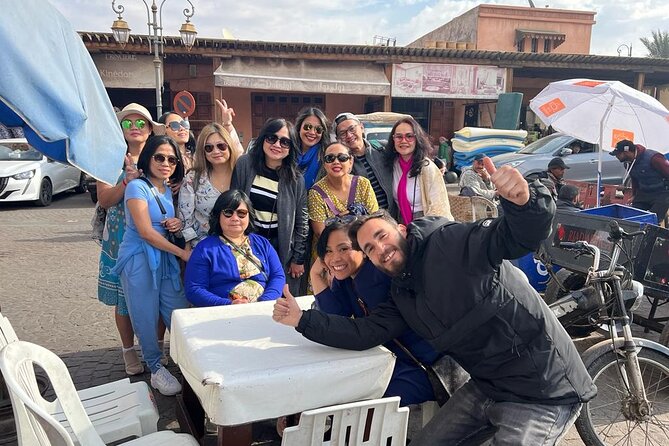
- Up to nine tastings fill the three-hour walk: Pace yourself, since the stops arrive one after another.
- The menu goes well beyond standard Moroccan dishes: Expect pancakes, soup, doughnuts, grilled meat, fruit, smoothies, and tea.
- Café de France is the meeting point: You begin and finish near Jemaa el-Fnaa, at Argana, number 18, Znikat Rahba.
- Some foods are adventurous: Rass mbekher is steamed sheep’s head with cumin, and the tour details also mention snail soup.
- The price includes food and drinks: At $40.71 per person, the value depends on how much you enjoy sampling many small portions.
- The group can reach 15 people: That keeps the cost reasonable, though it may feel less personal than a private walk.
Starting at Café de France in Jemaa el-Fnaa
Your guide meets you at Café de France in the main square, one of the easiest places to locate in the Medina. The listed meeting address is Argana, number 18, Znikat Rahba, Marrakech 40000, Morocco.
Jemaa el-Fnaa can feel like a lot at first. It is full of movement, food stalls, signs, sounds, and people trying to find their way across the square. Meeting at a known café gives you a clear fixed point, and your guide then leads you into the narrower streets.
The tour lasts about three hours and returns to the same meeting point. That makes it easy to plan around other sightseeing in central Marrakech, and you do not need to arrange a separate ride back from an unfamiliar part of the city.
The walk uses the Medina’s alleys and local food stops. There is no mention of hotel pickup, so plan to reach the square on your own. The area is near public transportation, but the most useful practical tip is to allow extra time to find Café de France before the start.
More street food tours in Marrakech:
- Marrakech: Street Food Tour by Night
★ 4.8 · 2,838 reviews - The Original Marrakech Street Food Tour
★ 5.0 · 248 reviews - Marrakech Street Food Tour
★ 5.0 · 220 reviews
Why the no-tagine, no-couscous rule matters
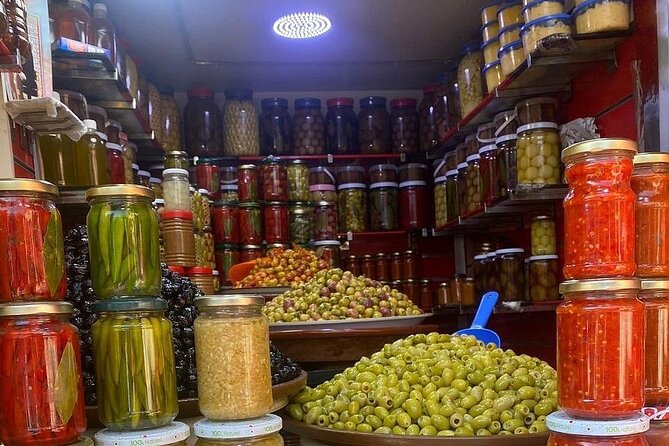
Many first-time visitors meet Moroccan food through tagine and couscous. Both deserve their place, but they tell only part of the story. This tour focuses on quick dishes, snacks, drinks, and food sold or eaten in the Medina, giving you a broader look at what people grab between errands or share in neighborhood spots.
I like this approach because it turns the meal into a walk through daily life. You are not simply seated in one restaurant waiting for courses. You move from place to place, see more of the old city, and learn how several smaller foods fit together.
The format is casual rather than highly staged. That can be a strength if you want direct conversation and local recommendations. It can also mean that the pace, order of stops, and exact food selection feel less formal than on a tightly scripted culinary tour.
The first bites: msemen, harira, and chebakia
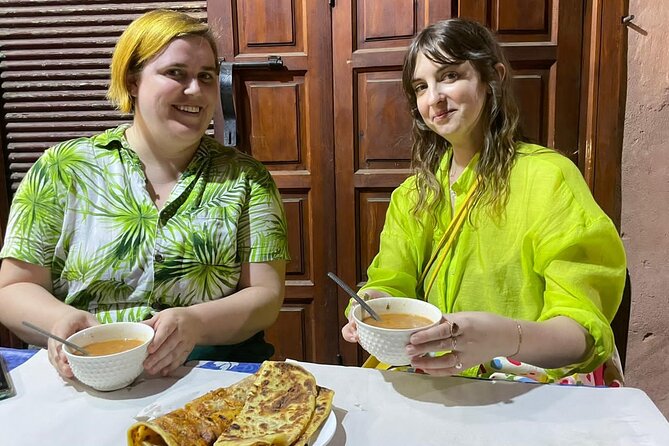
Msemen Amer is a Moroccan pancake, often folded or filled. It is a useful first tasting because it is familiar in shape but different in texture and preparation from a standard breakfast pancake. Depending on your preference, the filling may change.
Harira is a Moroccan soup, and chebakia is a sweet pastry. They are presented as a pairing, giving you a savory and sweet contrast early in the walk. This is one of the more approachable parts of the menu, especially if you are unsure about the more unusual dishes later.
You should not expect a large bowl of soup followed by a full dessert portion. This is a tasting route, so portions are intended to leave room for the many stops ahead. That is why the advice to eat lightly beforehand is practical, but you should still arrive hungry.
Makkla bel Kefta and the Medina food stops
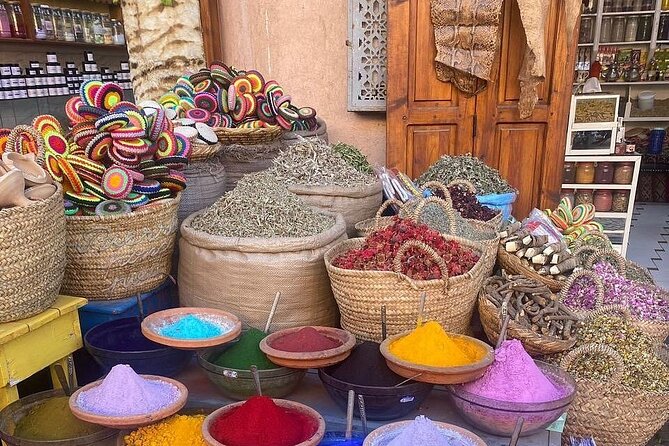
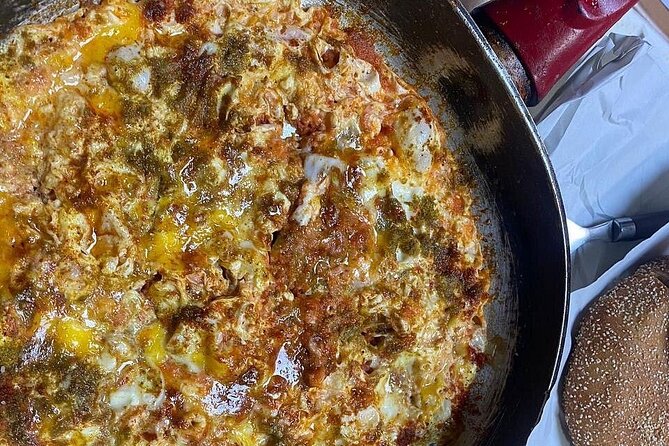
Makkla bel Kefta is described as a Marrakech-style take on chakchouka. It adds another savory stop to the route and helps show how familiar ingredients can appear in different Moroccan combinations.
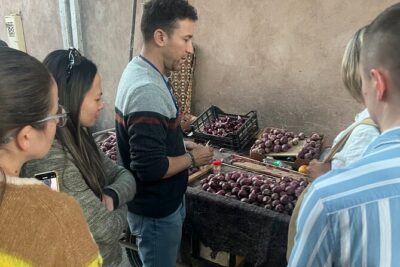
The value here is not just the food itself. Your guide can explain what you are eating as you go, and the walk gives you a reason to enter alleys and areas you might otherwise pass by. The route is designed around places where local people eat, rather than only the most obvious tourist-facing stalls.
That said, the tour is not a history walk with long formal explanations at every corner. Its main purpose is eating and conversation. If you want a detailed architectural tour of every lane, this is not the right focus. If you want to ask questions while moving between food stops, the format works better.
Same city, another round of plates:
- Marrakech Night Street Food Tour / Taste The Real Marrakech
★ 4.9 · 200 reviews - Marrakesh: Guided Street Food Tasting by Locals
★ 4.6 · 47 reviews - Marrakech: Street Food Tour by Night
★ 4.5 · 42 reviews - Taste Marrakech Street food tour from Medina
★ 5.0 · 34 reviews
Sfenj, cactus fruit, and the sweeter side of Marrakech
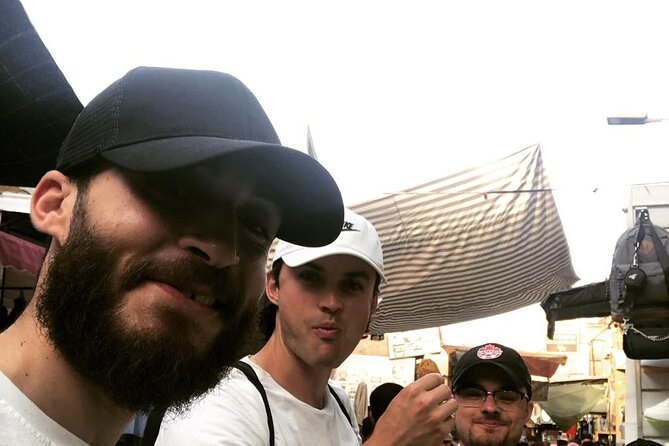
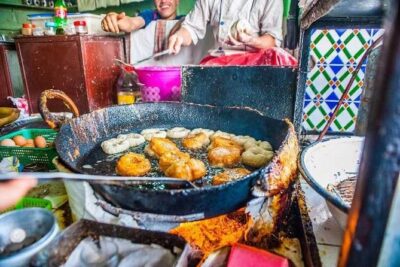
Sfenj are light, airy Moroccan doughnuts. Their texture makes them different from the denser pastries you may already know, and they offer another easy snack during the walk.
Lhnidiya, or cactus fruit, adds a fresh seasonal element. It is a useful reminder that Moroccan street food is not only cooked dishes and grilled meat. The fruit can be refreshing after several savory tastings, though the exact selection may depend on what is available.
You will also try panaché, a smoothie made from seasonal fruit. Together, the cactus fruit and smoothie provide a break from heavier flavors. They also make the tour more appealing to people who want variety but are not keen to sample every meat dish.
Grilled meat, sheep’s head, and the boldest choices
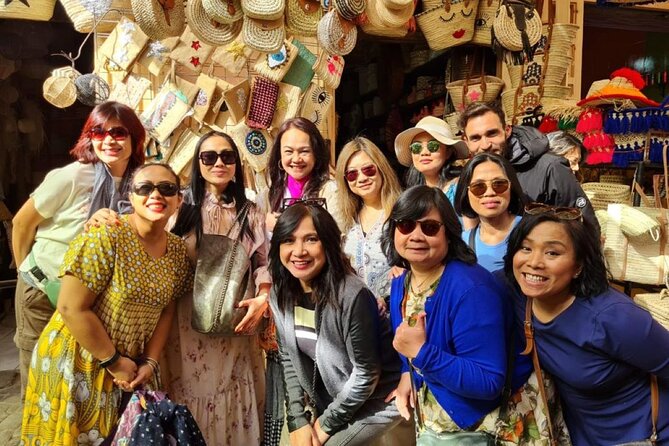
Chwa is grilled meat, with beef, turkey, and liver listed among the possible choices. This is likely to be one of the more substantial stops, so pacing matters. Take a small portion first if you want to keep enough room for the remaining dishes.
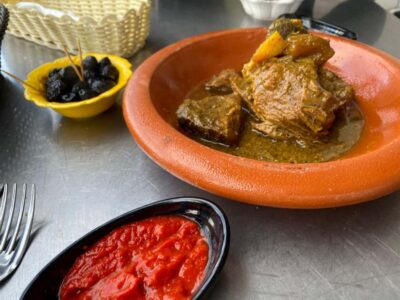
Rass mbekher is steamed sheep’s head seasoned with cumin. This is the stop that will separate adventurous eaters from cautious ones. You do not need to force yourself to eat something that makes you uncomfortable, but the guide can explain the dish and help you decide what fits your taste.
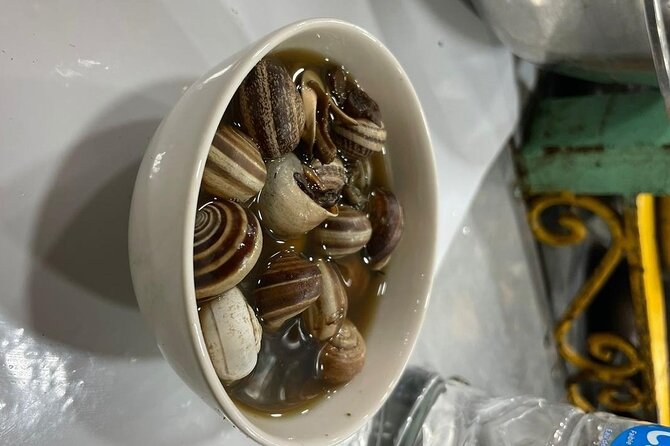
The tour highlights also mention snail soup, while the detailed food list names steamed sheep’s head. That suggests the precise selection can vary with taste preferences or local availability. If snail soup or sheep’s head is important to you, ask the guide at the beginning which dishes are planned that day.
This is also where the tour’s honesty about Moroccan food is useful. You are not being offered a carefully simplified menu. You get a chance to see the range of foods people enjoy, including dishes that may not appear on a standard restaurant menu aimed at international visitors.
Khoudenjal and the final drink
Khoudenjal is a hot herbal infusion with eucalyptus. It is described as a drink that can clear your senses and aid digestion, making it a fitting finish after a succession of snacks and meat.
The hot drink also gives the experience a slower ending. Instead of finishing with one large dessert and leaving, you end with something aromatic and warming. The route may also include Moroccan frozen yogurt, which appears among the highlighted tastings even though it is not included in the numbered nine-item list.
Because the tour offers many possible foods, the final sequence may change. The important point is that food and drinks are included in the price, not offered as extras at each stop.
How much food do you really get?
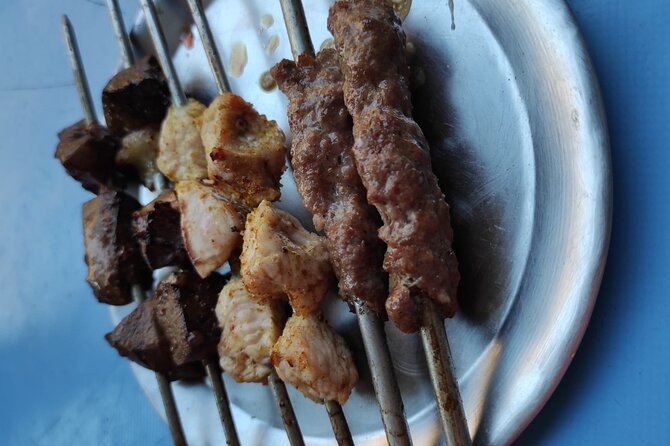
The strongest practical message is to pace yourself. You may stop as many as nine times, and each sample may look small enough to finish quickly. The problem is that small portions add up.
I would treat the first third of the tour as a warm-up. Try each dish, but do not rush through the msemen, soup, or grilled meat as if they were separate full meals. Save room for the fruit, smoothie, doughnuts, unusual specialty, and herbal tea still ahead.
The tour suits people who enjoy tasting many things more than people who want one large, familiar dinner. If you are traveling with a companion, sharing observations can make the less familiar dishes easier to approach. The provider asks you to report allergies and dietary restrictions in advance and will try to offer alternatives.
The wording is not a promise that every restriction can be handled perfectly, so be specific before you arrive. The menu already includes vegetarian soup and several fruit-based items, but you should not assume the entire route can be made vegetarian or suitable for every allergy.
The guide makes the difference
The guides are central to this experience. Ismail is praised for guiding people through Jemaa el-Fnaa and taking them to small, local food spots. Mohamed is described as taking particular care that the group had a good time, while Lhoussaine led a food and culture experience with a friend.
Names may vary by departure, so you should not book expecting one specific guide unless the provider confirms it. Still, these details show what the tour is built around: a friendly host who explains the dishes, answers questions, and helps you navigate the square.
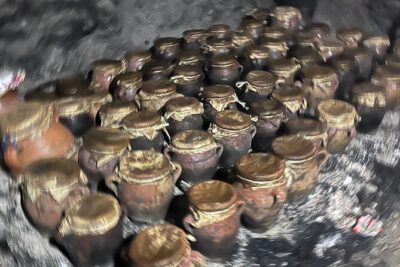
The cultural side can extend beyond eating. One account includes an explanation of Berber cooking and a traditional method involving pots placed in ashes in a large public cellar that also heated a hammam. That kind of detail is valuable because it connects the food to local practice rather than treating each dish as a novelty.
The group size can reach 15 people. That is small enough for a shared walking experience, but it is not an intimate private tour. If you want plenty of one-to-one conversation, a smaller group would be better. If you like meeting other people and want to keep the cost moderate, the size is reasonable.
Price, timing, and practical value
At $40.71 per person, the tour is not the cheapest way to eat in Marrakech. You could buy individual snacks for less if you already know where to go and feel comfortable navigating the Medina.
You are paying for more than the food, though. The price includes a local guide, route planning, interpretation, several tastings, and drinks. For a first visit, that can be good value because you get to try foods you might not identify or order on your own.
The value is strongest if you arrive hungry and sample most of the menu. It is weaker if you have strict dietary limits, dislike shared walking groups, or plan to skip several of the main tastings.
The experience is booked an average of 19 days ahead, so it is sensible to reserve early if your Marrakech dates are fixed. Confirmation arrives at booking, and the activity uses a mobile ticket.
Free cancellation is available if you cancel at least 24 hours before the local start time. Inside that 24-hour window, you receive no refund, and changes are not accepted. The tour also requires a minimum number of participants, so if that minimum is not reached, you are offered another date or experience, or a full refund.
Who should book this food walk?
I would choose this tour if you want to:
- Try Moroccan food beyond tagine and couscous
- Eat in several local spots instead of sitting in one restaurant
- Learn about dishes while walking through the Medina
- Taste unusual foods such as sheep’s head or possibly snail soup
- Let someone else handle the route through Jemaa el-Fnaa
- Ask questions about Berber and Moroccan food traditions
I would think twice if you want a quiet meal, dislike crowded city streets, or need a fixed menu with exact ingredients. The route is active, the group may include up to 15 people, and the food selection can change with taste preferences and availability.
Should you book the Marrakech street food tour?
Book it if you want a generous, informal introduction to the everyday food of Marrakech. The best parts are the number of tastings, the chance to enter local alleys, and the guides’ personal explanations. You get a wider picture of Moroccan eating than a standard tagine dinner can provide.
Skip it if you are looking for polished presentation or a predictable menu. For everyone else, bring a mobile ticket, meet at Café de France, and keep your appetite in reserve. The tour’s greatest strength is also its character: it feels like a food-loving local showing you what to try, not a formal performance.
FAQ
How long does the Marrakech street food tour last?
The tour lasts approximately three hours.
Where does the tour begin?
You meet at Café de France in Jemaa el-Fnaa, at Argana, number 18, Znikat Rahba, Marrakech 40000, Morocco.
Where does the tour finish?
The experience ends back at the meeting point.
How many foods can I try?
You can try up to eight or nine local dishes and drinks. Possible tastings include msemen, harira, chebakia, makkla bel kefta, sfenj, cactus fruit, grilled meat, sheep’s head, panaché, and khoudenjal.
Are food and drinks included?
Yes. All food and drinks are included in the tour price.
Can the tour accommodate allergies or dietary restrictions?
You should tell the provider about allergies or dietary restrictions in advance. The guide will try to provide alternative dishes.
What is the cancellation policy?
You can cancel for a full refund up to 24 hours before the experience start time. Cancellations or changes made less than 24 hours before the start are not refunded or accepted.
Newly added plates around Marrakech
- Local Hidden Spots Street Food Tour in Medina Marrakech★ 5.0 · 30 reviews
- Marrakech Tasting Tour: Experience Local Street Food & Culture!★ 5.0 · 5 reviews
- Marrakech Street Food with +10Tasting & Tanjia Dinner|Guided Walk★ 5.0 · 21 reviews
- Marrakech Street food Tours★ 4.5 · 15 reviews
- Marrakech: Street Food Tour by Night★ 4.5 · 42 reviews
- Marrakech street Food Tour Eat like Locals★ 5.0 · 4 reviews
- 3 Hours Private Tour Marrakech Night Market★ 5.0 · 2 reviews
- Taste Marrakech Street food tour from Medina★ 5.0 · 34 reviews
Marrakech Street Food Tours, compared.
Marrakech Night Street Food Tour / Taste The Real Marrakech
Read our review →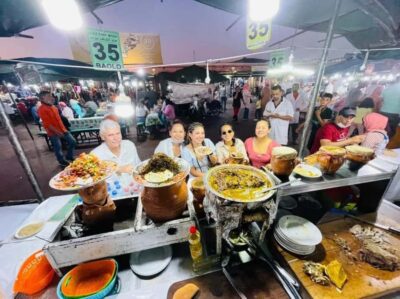
Local Hidden Spots Street Food Tour in Medina Marrakech
Read our review →Browse the lists this tour appears in