
REVIEW · CHINATOWN FOOD TOURS
Sydney: Chinatown Street Food & Culture Guided Walking Tour
Sydney’s Chinatown is best understood with something tasty in your hand. This 150-minute walking tour combines four or five Chinese street-food samples with the stories behind the district, from its Chinese-Australian beginnings to its changing food scene.
I like the practical restaurant bingo card and the guides’ strong command of both food and local history. Justin, Bunny, Eddie, and other guides have brought plenty of warmth and energy to the walks. The main drawback is simple: at $56, some people may expect a full food crawl rather than a lunch-sized set of snacks, and much of the tour takes place standing outdoors.
- Four or five regional samples: Try snacks representing different parts of China rather than one narrow style of cooking.
- A useful Chinatown food guide: Take home a bingo card with restaurant recommendations and suggestions about what to order.
- Sydney history beside the food: Learn how Chinese-Australians helped shape the area and how Chinatown continues to change.
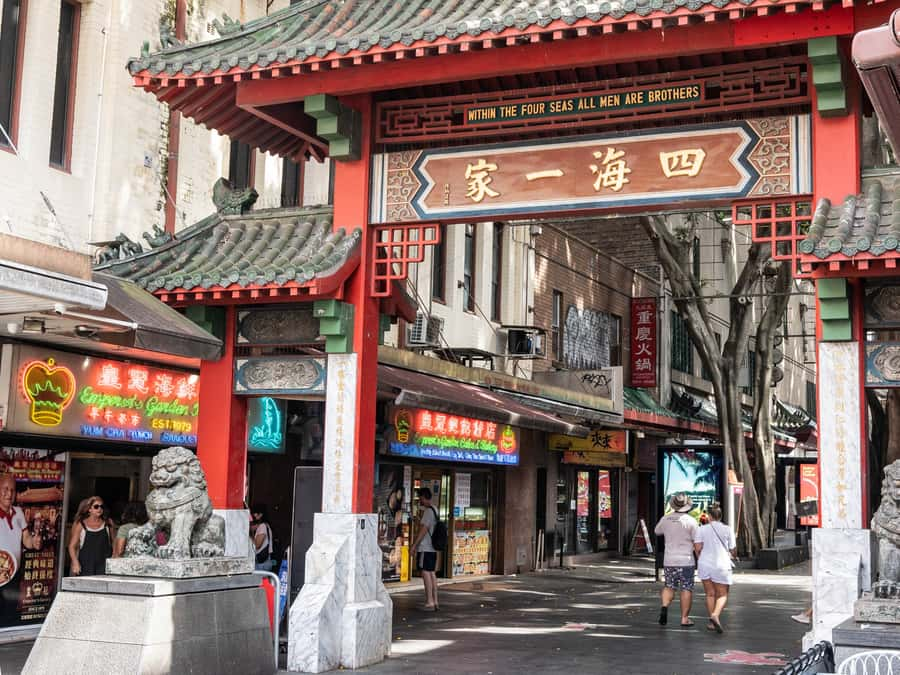
- The classic sights included: The walk takes in the red gates and the Friendship Garden.
- Small practical details matter: Start at the correct side of the road outside Paddy’s Markets, and bring water, sunscreen, and comfortable shoes.
What the Chinatown walk is really about
This is not a restaurant marathon. It is a guided introduction to Chinatown that uses food to keep the story moving.
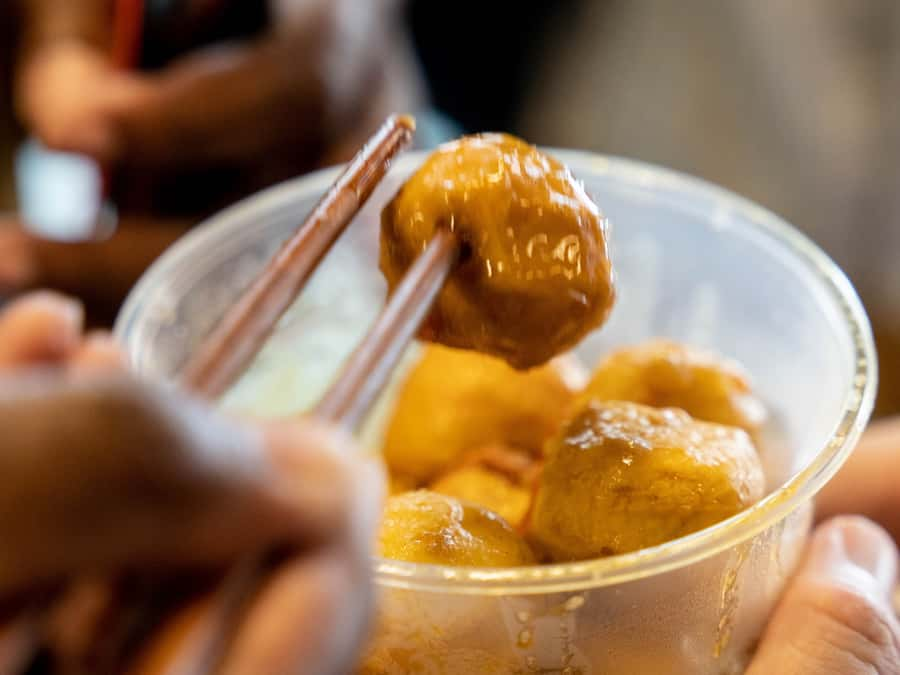
You’ll walk through the district, stop for at least four food samples, and hear about the Chinese community’s place in Sydney. The food is meant to be eaten on the move, so you should expect small servings rather than several sit-down courses.
For most people, the total amount is roughly equal to lunch. It is not a heavy meal, though. That distinction matters when you compare it with other food tours. You are paying for a mix of tastings, local orientation, and cultural context, not simply for $56 worth of food.
I like this format for a first afternoon in Sydney. You get a quick sense of where Chinatown is, learn how the streets fit together, and finish with enough restaurant advice to plan your next meal.
Start outside Paddy’s Markets, not inside Chinatown
The meeting point is outside Paddy’s Markets, directly across from the southern end of Dixon Street mall.
This is one of those meeting points that sounds easy until you arrive. Look across the light rail tracks. If you can see Emperor’s Garden restaurant, specifically the regular Emperor’s Garden rather than Emperor’s Garden BBQ, along with the Covent Garden hotel and the red Chinatown gates, you are in the right place.
Do not wait on the wrong side of the road. The directions are unusually precise because the area has several obvious-looking landmarks and busy pedestrian routes.
Arrive ready to walk and stand. Comfortable shoes will help, and a hat, sunscreen, and refillable water bottle are sensible in Sydney’s sun. Bottled water is not included.
More Chinatown eating walks in the world:
- Bangkok Tuk-Tuk Tour by Night with Chinatown Street Food Meal
★ 5.0 · 635 reviews - Bangkok Tuk-Tuk by Night with Chinatown Street Food Meal
★ 4.6 · 263 reviews - Bangkok: Chinatown Food Tour with Michelin Food Stalls
★ 4.8 · 226 reviews
The red gates and Chinatown’s first impression
The red gates provide the natural opening to the district. They are one of Chinatown’s most familiar sights, but on this tour they are more than a photo stop.
Your guide uses the area to explain how Chinatown developed and how Chinese-Australian life took root in Sydney. The focus is not only on restaurants. You’ll hear about the people and community that made the district what it is.
That context gives the food stops more meaning. A dumpling, noodle snack, or regional specialty is not presented as a random bite. It becomes part of a wider conversation about migration, culture, business, and the way a neighborhood changes over time.
The guide-led format helps here. Justin has been especially strong at combining food with local history, while Bunny has brought an energetic, engaging style that gets the group involved. The exact guide will depend on the date, but the experience has been led by several guides, including Lucy, Liz, Eddie, Justin, and Bunny.
Four or five tastes from different parts of China
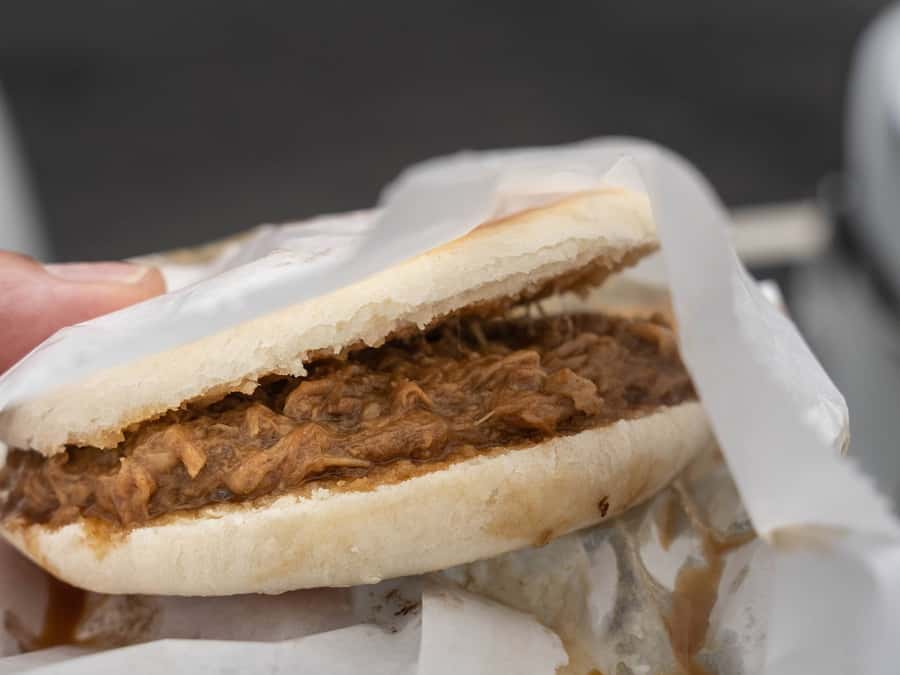
The food is the heart of the outing, but the tour does not pretend to cover every corner of Chinese cooking. You’ll receive four or five snacks or street foods from different parts of China, collected from places around Chinatown.
The precise food list is not fixed in the information provided, so do not book expecting a guaranteed menu. One especially praised tasting has been soup dumplings, and other samples are chosen to show different regional styles.
The portions are designed for eating while walking. That makes the tour relaxed and efficient, but it also means you should set your expectations correctly. You’ll taste several things, not sit down to a large meal with full plates.
I see this as a good choice if you like variety. Four or five modest tastings let you try foods you might not order alone. You can then return later to the restaurants that caught your attention.
The balance is less favorable if your main goal is to leave very full. One stop may also involve a tea stand, but drinks are not included as a general feature, and extra payment may be required. Bring your own water rather than counting on refreshments along the way.
Why the food stops work better with a guide
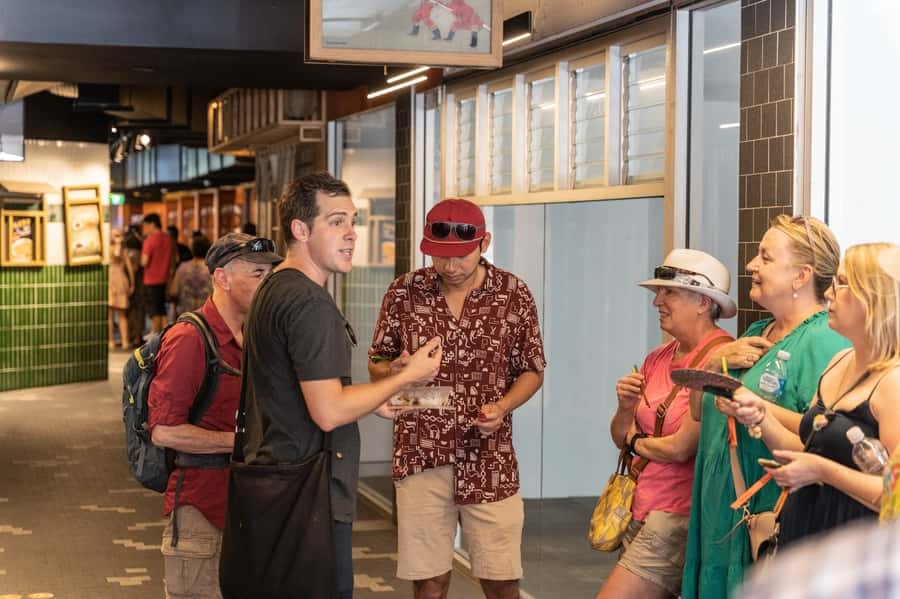
Chinatown can be easy to rush through. You see signs, smells, and long menus, then pick the first familiar item. A guide helps you notice the difference between a food that is simply available and one that teaches you something about the area.
The tour’s food advice is also meant to remain useful after the walk. At the end, you receive a Chinatown restaurant bingo card with places to try and recommendations about what to order.
That is one of the strongest parts of the experience for me. A tasting tour can disappear from your memory once the last bite is gone. A restaurant guide gives you a reason to keep exploring Chinatown during the rest of your Sydney stay.
It also makes the $56 price easier to judge. If you use the tour only as lunch, the value may feel modest. If you use it as a food map and return for another meal, it becomes more useful.
More street food tours in the world:
- Dubai: Old Town, Creek, Museums, Souks, & Street Food Tour
★ 4.8 · 10,816 reviews - Ho Chi Minh City Street Food Tour & Sightseeing By Motorbike
★ 5.0 · 9,413 reviews - Medellin: Comuna 13 Graffiti Tour, Cable Car & Street Food
★ 4.8 · 9,046 reviews - Dubai: Old Town, Souks, Street Food, Guided Tour & Abra Ride
★ 4.9 · 7,170 reviews
The Friendship Garden and the changing district
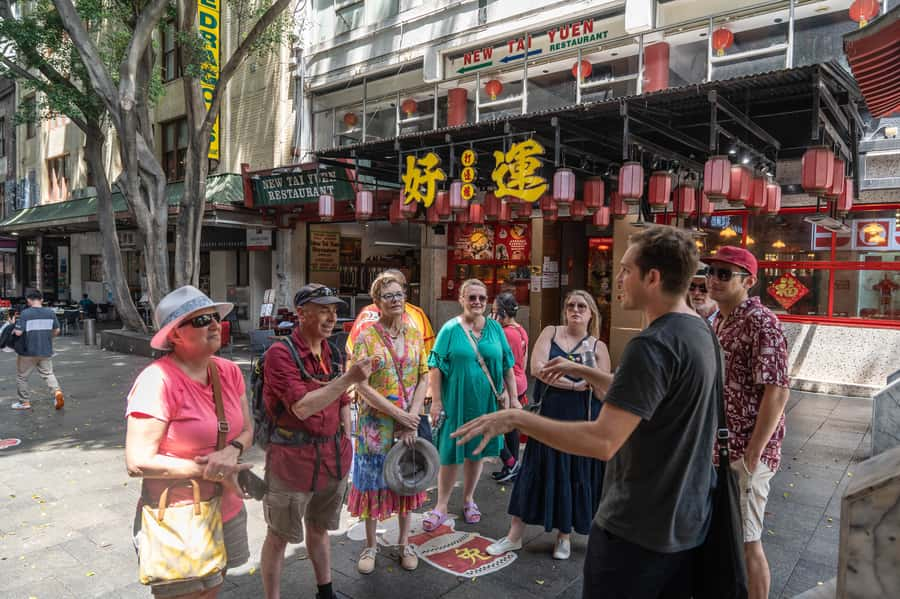
The Friendship Garden is one of the named sights included on the route. It gives the walk a visual break from restaurant streets and provides another way to think about the connection between Chinese culture and Sydney.
The tour also looks at how Chinatown has changed and continues to evolve. That is important because Chinatown is not presented as a frozen cultural display. Your guide discusses its past while paying attention to its current food and community life.
The strongest tours of cultural districts do both jobs at once. They explain where a place came from without pretending it has stopped changing. This walk aims for that balance.
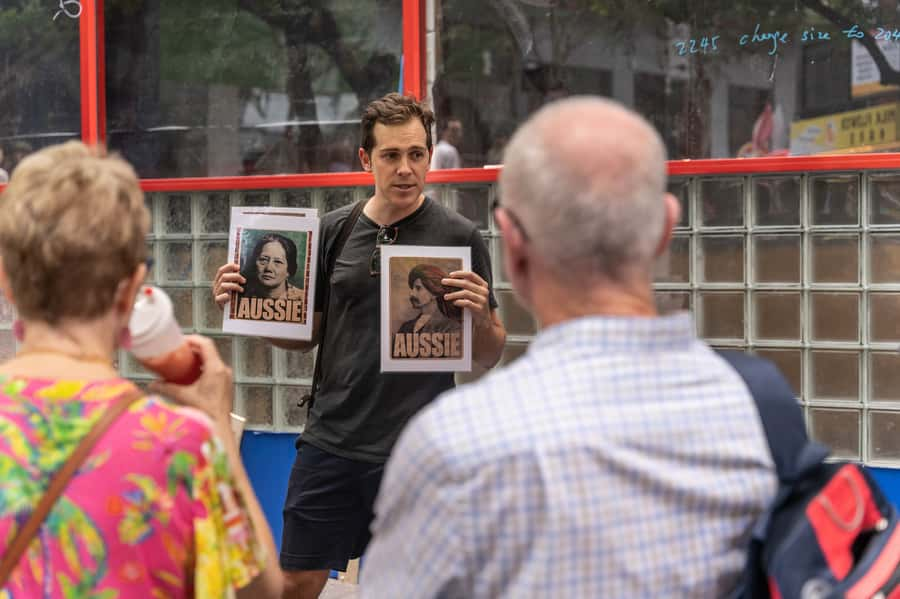
Much depends on the guide’s pacing. Justin has used printed photographs and documents to explain Chinese history in Australia and Sydney. That sort of visual material can make the discussion easier to follow, especially when the group includes people with little background in the subject.
How much history should you expect?
The history is not a short introduction before the food. It is a major part of the tour.
That will please you if you enjoy understanding the people behind a neighborhood. It may feel less ideal if you want constant eating and little commentary. One hot-day experience involved a lot of standing in the sun while the guide talked, and the balance felt too weighted toward history for that person.
This is useful advice for choosing the tour. On a mild day, the storytelling may feel like the feature that sets the walk apart. On a very hot day, you may wish for more shade, seating, or indoor stops.
The tour provider welcomes questions and keeps the information interactive. Guides have been praised for making the material entertaining rather than delivering a dry lecture. Still, you should expect a walking history tour with food, not a food tour with only occasional facts.
Guide style can shape the afternoon
The quality of the guiding is a major strength. Justin has led several highly regarded walks, with a friendly manner and strong understanding of Chinatown, Chinese culture, and local food. Bunny has been described as lively and good at getting everyone involved.
Eddie has also brought positive energy and a broad understanding of the area and its food. Lucy and Liz have received praise for their enthusiasm and warm hosting style.
That range is worth noting because the tone can differ from one departure to another. The common thread is a guide who connects the dishes to the neighborhood rather than merely handing out samples.
If you like asking questions, this format should suit you. If you prefer a quiet, self-guided meal, you may find the commentary more than you want.
Dietary requirements and accessibility
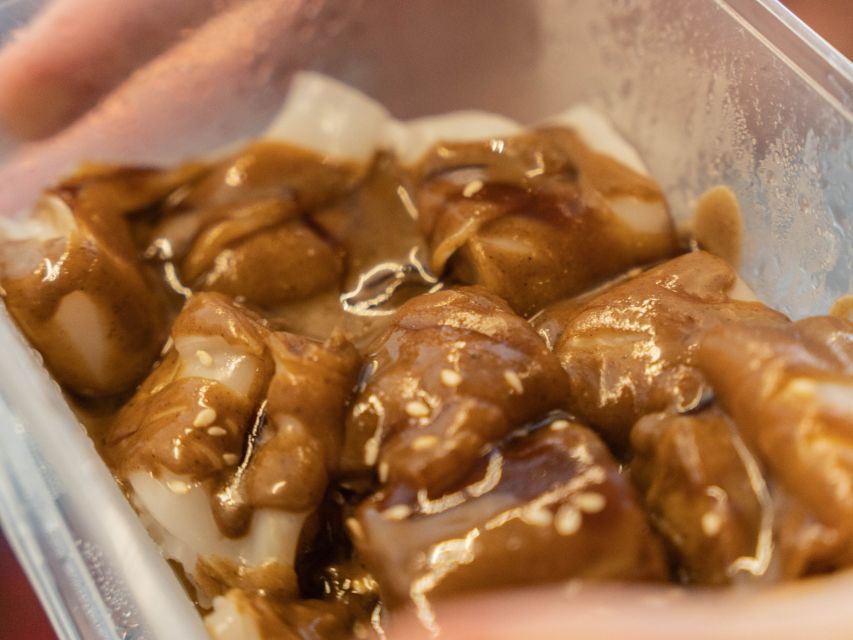
Vegetarians, vegans, people with gluten intolerance, and people with other dietary needs can join, but you must contact the provider in advance. There is one stated limitation: the tour cannot cater for a guest who is both vegan and gluten intolerant.
That is an important detail. Do not assume that mentioning a dietary need at the meeting point will be enough. Tell the provider before the tour so the food stops can be planned.
The tour is wheelchair accessible. Since it is a walking experience through public streets, you should still confirm any personal mobility concerns before booking, but the activity is specifically listed as accessible.
Is $56 fair for 150 minutes?
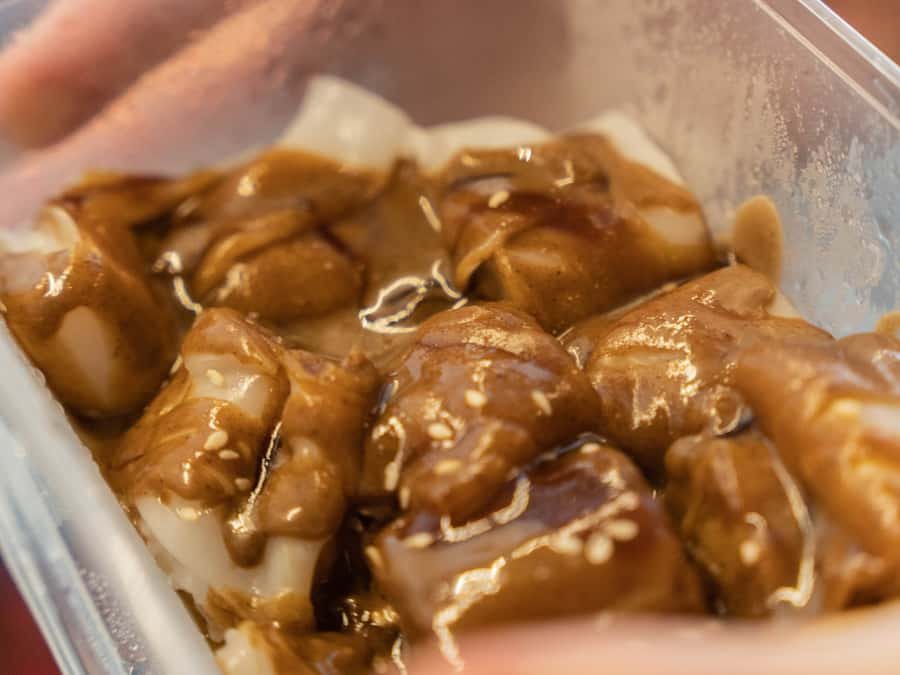
At $56 per person, this sits in the affordable-to-moderate range for a guided food and culture walk in Sydney.
The food alone is not the whole value. You receive four or five samples, a live English-speaking guide, shared photos after the tour, and a restaurant guide for further eating. The history and orientation are also part of what you are buying.
I would call the price fair if you want a first look at Chinatown and expect to continue eating there afterward. The restaurant bingo card can help you turn a two-and-a-half-hour activity into a longer food plan.
I would hesitate if you are judging value by quantity alone. This is not a heavy food tour, and one portion of the experience may involve paid drinks. People expecting a large lunch may come away wishing there had been more food for the price.
Who will enjoy this tour most?
You should consider booking if you want:
- A guided introduction to Sydney Chinatown
- Small tastings from several Chinese regional food traditions
- A mix of food, culture, and Australian Chinese history
- Restaurant advice you can use later
- A lively guide who welcomes questions
- An activity that works for vegetarians and many other dietary needs with advance notice
It is especially useful early in a Sydney visit. You can learn the area, identify restaurants worth returning to, and use the bingo card to plan later meals.
Families, couples, solo visitors, and local residents can all make use of it. The tour is not limited to first-time visitors. If you already know Chinatown’s main streets, the historical material and food recommendations can still give you a new angle.
Small details that improve the experience
Wear shoes suited to two and a half hours on foot. Bring a hat, sunscreen, and a reusable bottle, especially in warm weather.
Eat lightly beforehand, but do not arrive expecting a giant meal. The samples should add up to about lunch for most people, but they are snacks rather than full restaurant courses.
Save room in your schedule afterward. The guide will offer suggestions for more food, and the restaurant bingo card is most useful when you have time to act on it.
Keep the meeting instructions handy. Starting outside Paddy’s Markets, across from Dixon Street mall, is clear once you know what to look for, but the wrong side of the road can cost you time.
Should you book the Chinatown food tour?
Book it if you want food with context, not just a row of tastings. The best part is the combination of regional snacks, Chinese-Australian history, and practical advice about where to eat next.
The main caution is portion size. At $56, you should see this as a guided Chinatown orientation with lunch-sized sampling, not a feast. Hot weather can also make the standing and history sections less comfortable.
For a first visit to Sydney Chinatown, I think the mix is worthwhile, especially if Justin, Bunny, Eddie, or another strong guide is leading the walk. You will leave knowing what to order, where to return, and why the district matters.
FAQ
How long does the Sydney Chinatown food tour last?
The tour lasts 150 minutes, or two and a half hours.
How much does the tour cost?
The price is $56 per person.
Where does the tour meet?
It starts outside Paddy’s Markets, directly across from the southern end of Dixon Street mall. Look across the light rail tracks for Emperor’s Garden restaurant, Covent Garden hotel, and the Chinatown red gates.
What food is included?
You receive four or five regional Chinese street foods or snacks from different parts of China. The food is designed to be eaten while walking.
Is the food enough for lunch?
For most people, the total amount is roughly equivalent to lunch. It is not a heavy food tour, so you should expect snacks and tastings rather than a large sit-down meal.
Can vegetarians and vegans join?
Yes. Vegetarians and vegans are welcome, but you must provide your dietary requirements in advance.
Can the tour cater for gluten intolerance?
Gluten intolerance can be accommodated with advance notice. The stated exception is a guest who is both vegan and gluten intolerant.
Is the tour wheelchair accessible?
Yes, the activity is listed as wheelchair accessible.
What language is the tour in?
The live tour guide speaks English.
Is water included?
Bottled water is not included. Bring a reusable water bottle, along with comfortable shoes, a hat, and sunscreen.
Newly added plates around the world
- Zanzibar:Stone town Street food market walking tour,transfer★ 4.5 · 9 reviews
- Zanzibar: Stone town visit, Shopping tour &Night food Market★ 4.4 · 2 reviews
- Zanzibar: Stone town tour, Prison island & night food market★ 4.5 · 2 reviews
- Xi’an Muslim Quarter Night Market Foodie Walking Tour★ 4.2 · 22 reviews
- Xi’an: Gourmet & Street Food Tour★ 4.8 · 22 reviews
- Verona: Street Food and History Tour with Local Guide★ 4.7 · 6 reviews
- Vienna Food Tour: Dishes, Wine, Street Food & Culture★ 4.7 · 12 reviews
- Verona: City Highlights & Street Food Walking Tour★ 5.0 · 3 reviews
Chinatown Food Tours, compared.

Bangkok Tuk-Tuk Tour by Night with Chinatown Street Food Meal
Read our review →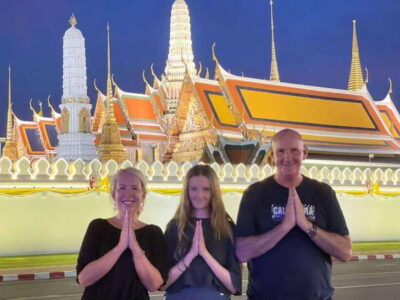
Bangkok Tuk-Tuk by Night with Chinatown Street Food Meal
Read our review →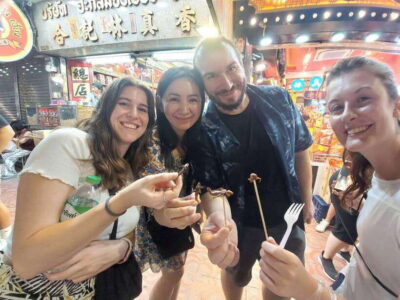
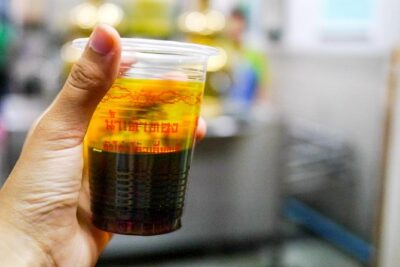
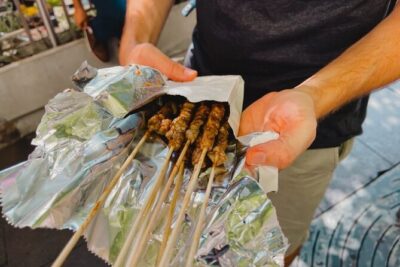
Sydney’s Chinatown Street Food and Stories Walking Tour
Read our review →
Kampong Glam, Little India & Chinatown with Local Street Food Tastings
Read our review →
Bangkok Hidden Gems: Talad Noi, Chinatown & Street Food Tour
Read our review →Browse the lists this tour appears in