
REVIEW · MICHELIN STREET FOOD TOURS
Taste of Chiang Mai: Michelin Guide & Street Food Tour
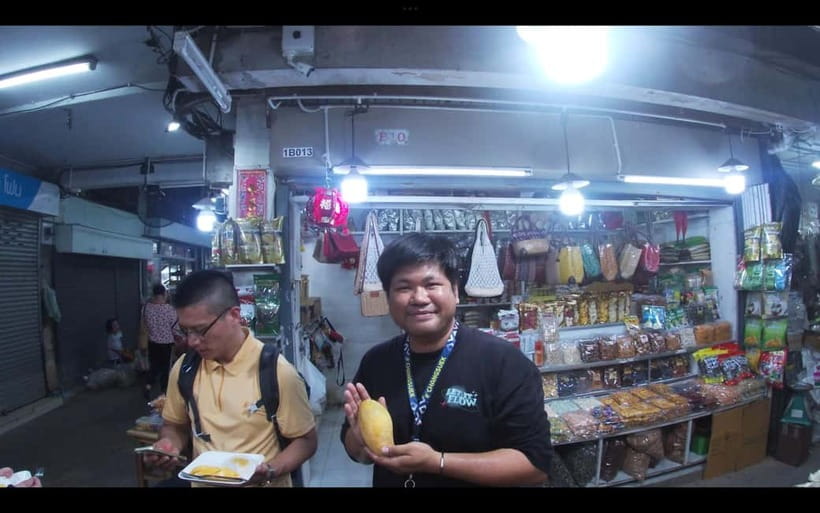
Chiang Mai’s best food story is not told in a restaurant dining room. It is found in Chinese-Thai noodles, market snacks, old family recipes, and busy little shops that have earned Michelin Guide recognition. This two-hour tour brings those pieces together with a local guide, usually Natt, who adds food history and practical tips as you eat.
I especially like the three substantial food stops and the walk through Warorot Market, Chiang Mai’s best-known traditional market. I also like the relaxed pace. You sit, eat, ask questions, and learn how northern Thai food connects with Chinese influence and old trade routes. The main drawback is that two hours and three featured dishes leave little time for a broad tasting of many small snacks, and the full portions may be more food than some people expect.
Key points to know before booking
- Three Michelin Guide selected dishes: Choose lunch for Hakka pink noodles, dinosaur fried dough, and steamed rice skin dumplings, or dinner for khao soi, roast chicken, and papaya salad.
- Warorot Market is part of the lunch route: You walk through Kad Luang, browse food stalls, and finish near the market.
- Natt is the guide most often named: He brings in Thai, Chinese, and Chiang Mai food history, along with practical eating tips.
- This is a meal, not just a snack crawl: Several food portions are generous, so arrive hungry and pace yourself.
- The route is short but not rushed: Expect walking, sitting, eating, and conversation over about two hours.
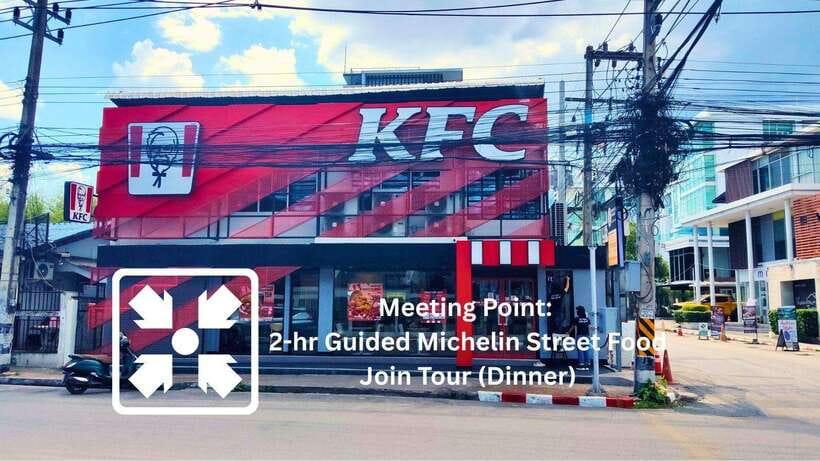
- Dinner is a different experience: It meets at McDonald’s Nimmanhaemin, skips the market, and ends near One Nimman.
Why this Chiang Mai food tour is worth your time
At $31 per person, this is priced like an easy introduction to Chiang Mai’s food culture, but the value depends on what you want from a food tour. If you want ten tiny tastes in rapid succession, this is not the best match. If you want three carefully chosen dishes, enough food to make a meal, and a guide who explains what is on your plate, the price is sensible.
The strongest part is the guide. Natt is repeatedly praised for his English, humor, warmth, and wide knowledge of Thai food and local culture. He has explained ingredients, cooking styles, geography, trade routes, and the way Thai-Chinese food traditions developed in Chiang Mai. The tour can feel almost like a casual food lesson, but without a classroom mood.
That personal touch matters. A food stall or market dish can be hard to understand when you are looking at an unfamiliar menu and watching locals order with ease. A good guide tells you what to try, shows you how to eat it, and explains why it matters. Natt also gives practical suggestions for restaurants, snacks, walks, and places to visit during the rest of your stay.
More Michelin Street Food Tours in Thailand:
- Bangkok: Michelin Guide Street Food Tour by Tuk Tuk
★ 4.4 · 1,274 reviews - Bangkok: Chinatown Food Tour with Michelin Food Stalls
★ 4.8 · 226 reviews - Bangkok: Michelin Guide Street Food Tour by Tuk Tuk
★ 4.5 · 56 reviews
Starting near Tha Pae Road
For lunch, meet at the entrance gate of Wat Saen Fang, next to The Story 106 Co-Working Space and Cafe on Thapae Road. The meeting point is about 600 meters from Tha Pae Gate, and GetYourGuide signage is used to help you find the group.
This is a useful location for a first or second day in Chiang Mai. You are close to the Old City and the Ping River area, and the tour helps you get your bearings without spending half a day on a formal sightseeing route. Wear comfortable shoes, bring sunscreen and a hat, and carry some cash for personal purchases at the market.
The group may be private or small. That makes a real difference at food stops, where a large crowd can crowd the counter and make conversation awkward. A small group also gives you more room to ask about ingredients, spice, cooking methods, or places to eat later.
Walking to Warorot Market and Kad Luang
The lunch route begins with a roughly ten-minute walk to Warorot Market, known locally as Kad Luang. The market is more than a place to pick up lunch. It is one of the best places in Chiang Mai to see the city’s food culture in everyday use, with traditional products, snacks, dried goods, sweets, and shops serving local residents.
Your guide uses the walk and market visit to explain the area rather than simply lead you from one restaurant to another. You might learn how Chiang Mai’s food has been shaped by northern Thai traditions, Chinese migration, and trading connections. That context helps explain why a bowl of noodles or a steamed snack can taste different from the food you find elsewhere in Thailand.
The market portion lasts about twenty minutes, with additional walking around the area. It is not a long shopping excursion, so you should not expect time to inspect every aisle or make a major purchase. Instead, think of it as a short introduction to Kad Luang, with food stops built into the route.
First stop: Thana Ocha’s Hakka pink noodles
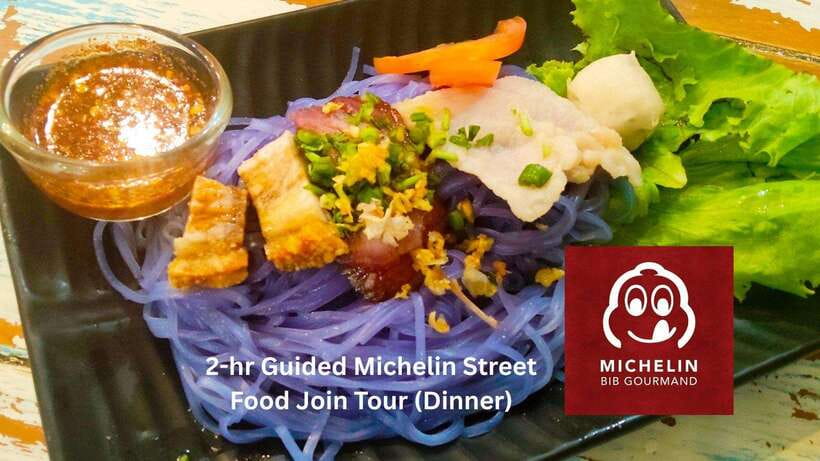
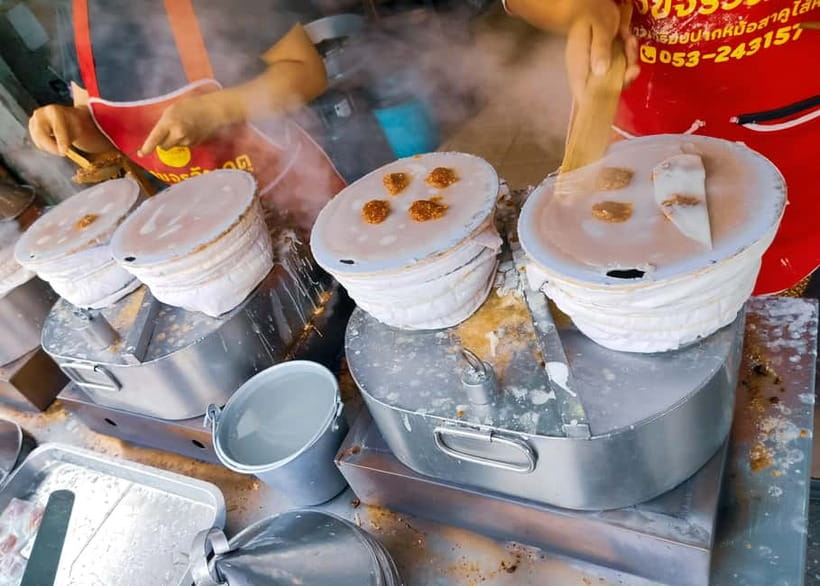
Thana Ocha Noodle is the first featured food stop. The dish listed for the lunch route is Hakka pink noodle, also known as yen ta fo. The bright color can catch you off guard, but the dish is more than a visual curiosity. It reflects the Chinese influence that has become part of Chiang Mai’s food identity.
The guide explains what you are eating and how the flavors work together. This is where the tour’s food history is most useful. Instead of treating the noodles as an isolated local specialty, you get a sense of how migration, trade, and family cooking shaped the bowl.
The stop is scheduled for about forty minutes, which gives you time to sit and eat rather than swallow a few bites while standing. That is one of the tour’s best features. You can ask questions and compare the dish with noodle soups you have tried elsewhere in Thailand.
One practical note: portions can be more generous than the phrase food tasting suggests. Some people have found the meal-sized servings filling, while one account described a smaller tasting portion at a particular stop. The exact serving experience can vary, so arrive hungry but do not assume you need to eat every bite if you are already full.
More street food tours in Thailand:
- Phuket: Full Day City Tour with Night Market
★ 4.5 · 2,888 reviews - Small-Group Chiang Mai Evening Street Food Tour
★ 4.5 · 826 reviews - Bangkok Tuk-Tuk Tour by Night with Chinatown Street Food Meal
★ 5.0 · 635 reviews - Chiang Mai: Evening Local Street Food Market Tour
★ 4.8 · 604 reviews
Patongo Ko Neng and the dinosaur fried dough
The next lunch feature is Patongo Ko Neng, known for its dinosaur-shaped fried dough. This is the tour’s playful stop, but it also shows how a familiar breakfast food can become a Chiang Mai specialty with a memorable shape.
Fried dough is simple on paper. In practice, texture matters: you want a crisp exterior and a light, satisfying center. The guide helps you understand what makes the item worth seeking out and where it fits into the city’s snack culture.
This stop is a good example of why a food guide adds value. You might notice the unusual shape on your own, but you could easily miss the history, ordering details, or connection to other Thai-Chinese snacks. The tour keeps the focus on eating, while giving you enough background to make the food more meaningful.
The snack also contributes to the tour’s generous portions. If you eat a full noodle dish first, pace yourself here. The best strategy is to think of the morning or afternoon as three connected courses rather than three tiny samples.
Lung Khajohn Wat Ket’s steamed rice skin dumplings
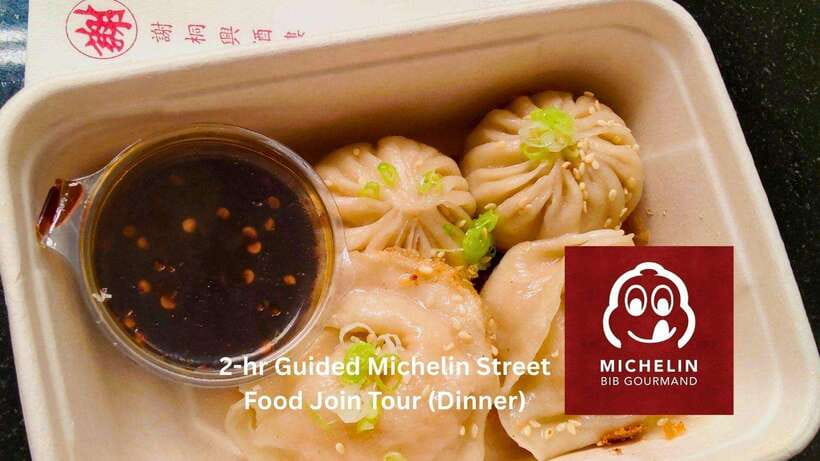
The final lunch dish is khao kriab pak moh at Lung Khajohn Wat Ket. These steamed rice skin dumplings are delicate and different from the fried dough and noodles that come before them. Their soft texture and dumpling format add another side of Chiang Mai’s food tradition.
The stop lasts about twenty minutes and is designed for eating with explanation. Your guide can discuss the ingredients and preparation while you sample the dish. This is the point where you see the range of the lunch route: soup noodles, fried dough, and steamed dumplings each offer a different texture and cooking method.
You finish at Warorot Market, with the route returning through the market area. The endpoint is practical if you want to continue shopping, explore the river district, or find your own way back to the Old City. There is no hotel pickup or drop-off, so plan your return separately.
The dinner route: khao soi, roast chicken, and papaya salad
The dinner option is not simply the lunch tour at a later hour. It uses a different meeting point at McDonald’s Nimmanhaemin, does not include the market visit, and takes place around Nimmanhaemin Road. After the food, you can visit One Nimman if you want to continue your evening.
The three dinner dishes are khao soi, roast chicken, and papaya salad. Together, they make a clear introduction to northern Thai flavors. Khao soi gives you the creamy curry noodle profile Chiang Mai is famous for. Roast chicken adds smoky, savory richness, while papaya salad brings sharp, fresh, spicy notes.
This combination may suit you better if you are focused on classic northern Thai dishes rather than market exploration. The lack of a market walk is a drawback if Kad Luang is one of your main reasons for booking. On the other hand, Nimmanhaemin is convenient for an evening out, and finishing near One Nimman gives you an easy option for more food, shopping, or a drink afterward.
The dinner tour is still about two hours, with a relaxed rhythm rather than a rushed checklist. As with lunch, the listed dishes are included, but personal purchases and other food are not.
What the guide adds beyond the plate
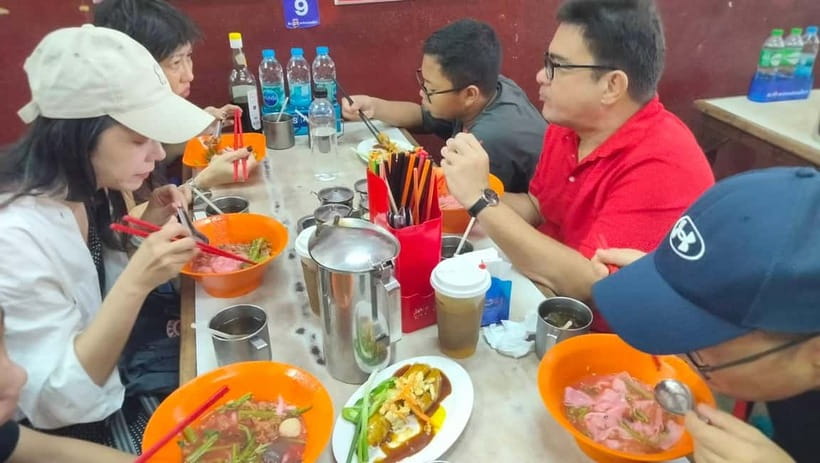
The guide’s role is the main reason to choose this experience over simply visiting the restaurants alone. Natt is described as having a background tied to food and Thai culture, with strong English and an easy way of explaining complicated subjects. Another guide, Anan, is also named in the feedback, and Pupe is mentioned for a dinner experience, so the exact guide may depend on the date and option.
Expect discussion of Thai and Chinese food culture, local geography, ingredients, cooking styles, and the history of Chiang Mai. The guide may also use maps or photographs while explaining the city and its food connections. That kind of detail is especially useful if this is one of your first activities in Chiang Mai.
I would book this early in your stay if you want restaurant advice. The guide can point you toward additional places to eat and help you make sense of the city’s food districts. Several people found the tour useful for getting their bearings, not just for filling their stomachs.
How much walking and food to expect
The lunch route includes several ten-minute walks, a market visit, and time seated at food stops. It is not a strenuous hike, but you should be comfortable on your feet and able to manage ordinary city walking. The experience is not suitable for wheelchair users or people with mobility, back, heart, respiratory, or recent surgery concerns.
Bring water, though one bottle is included. You should also carry cash for personal expenses, market purchases, or extra snacks. Pets, strollers, baby carriages, backpacks, and electric wheelchairs are not allowed.
The food restrictions are important. This tour is not suitable for vegans, vegetarians, people with food allergies, gluten intolerance, lactose intolerance, kidney problems, high blood pressure, or other listed medical concerns. Pregnant women, children under two, people with epilepsy, and people with visual or hearing impairments are also listed as unsuitable for the activity.
The main drawback: depth instead of variety
The tour’s biggest limitation is also part of its appeal. You get three selected dishes rather than a long parade of samples. Some people love this format because it feels like a proper meal and avoids the usual rush from stall to stall. Others may feel disappointed if they expect ten or more distinct tastes.
At two hours, the schedule leaves enough space for conversation but not for a full market tour. You will see Warorot Market and get a useful introduction, but you will not cover every section. If your priority is shopping or photography, plan extra time before or after the tour.
The portions can also be heavy. Come hungry, especially for lunch, and avoid a large breakfast. If you prefer light grazing, the dinner route may still be manageable, but you should ask your guide about portion sizes at the start.
Who should book this experience
I would recommend this tour to first-time visitors who want an easy introduction to Chiang Mai food, couples or friends who prefer a small group, and curious eaters who want context with their meal. It is also a strong choice for anyone nervous about ordering unfamiliar local food alone.
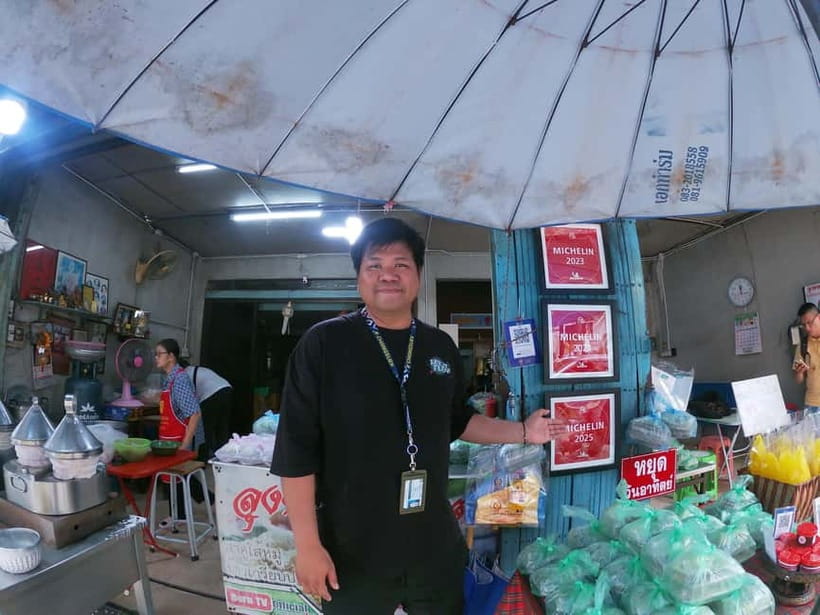
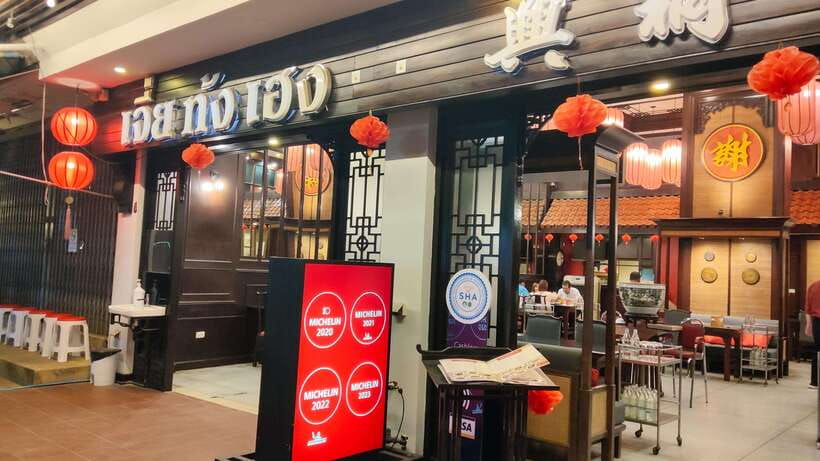
Food-focused visitors should appreciate the Michelin Guide connection, but you should understand what that label means here. The point is not formal fine dining. These are local noodle shops, snack makers, and street food specialists recognized for quality and character. You eat in a casual setting, often with the feel of ordinary Chiang Mai life around you.
I would skip it if you want a large number of tiny samples, need a fully accessible route, follow a strict vegetarian or vegan diet, or dislike eating substantial portions in a short window. The tour is also less useful for someone already familiar with Warorot Market and the city’s main local dishes.
Should you book the Michelin Guide and Street Food Tour?
Book it if you want three well-chosen dishes, a personable guide, and a short lesson in Chiang Mai food culture rather than a hurried snack marathon. At $31, the included food and local guidance make it a good-value introduction, especially when Natt is leading and you can use his recommendations for the rest of your trip.
Choose lunch if Warorot Market and local food history matter most. Choose dinner if you want khao soi, roast chicken, and papaya salad near Nimmanhaemin, with One Nimman available afterward. Just arrive hungry, wear comfortable shoes, and remember that the tour favors a few proper dishes over a long list of bites.
FAQ
How much does the tour cost?
The listed price is $31 per person.
How long does the experience last?
The tour lasts two hours.
What food is included on the lunch option?
Lunch includes Hakka pink noodles, Thai fried dough, and steamed rice skin dumplings. These are Michelin Guide selected dishes.
What food is included on the dinner option?
Dinner includes Michelin Guide selected khao soi, roast chicken, and papaya salad.
Where does the lunch tour meet?
The lunch meeting point is at the entrance gate of Wat Saen Fang, next to The Story 106 Co-Working Space and Cafe on Thapae Road, about 600 meters from Tha Pae Gate. Look for GetYourGuide signage.
Where does the dinner tour meet and finish?
The dinner option meets at McDonald’s Nimmanhaemin and takes place around Nimmanhaemin Road. It finishes there, and there is no market visit. One Nimman is nearby for further exploring afterward.
Is hotel pickup included?
No. Hotel pickup and drop-off are not included. A bottle of drinking water and the three listed dishes for your selected option are included.
Newly added plates around Thailand
- Night Street Food with Local walking phuket old town★ 5.0 · 2 reviews
- Iconic Sunset Safari with Monkey Hill & Street Food Experience★ 5.0 · 20 reviews
- 2 Hours Phuket Old Town Street Food Walking Tour★ 4.5 · 5 reviews
- Phuket City Tour Sightseeing and Night Market Everyday★ 4.0 · 10 reviews
- Round Trip to Chillva Night Market★ 3.5 · 2 reviews
- Tsunami Museum + Temple + Old Town + Street Food Market★ 5.0 · 24 reviews
- Thai Street Food & Morning Market Walking Tour in Hua Hin★ 5.0 · 46 reviews
- Private Half-Day Tour The Old Chiang Mai City With Street Foods★ 5.0 · 3 reviews
Michelin Street Food Tours, compared.
Small Group: Michelin and Local Hawker Food Tour with 9 tastings
Read our review →
Small Group Kowloon Michelin Rated Street Food and Culture Tour
Read our review →
Hanoi Michelin Star Walking Food Tour & Train Street
Read our review →
Browse the lists this tour appears in