
REVIEW · VEGAN AND VEGETARIAN STREET FOOD
Hanoi: Vegan Street Food & Stories
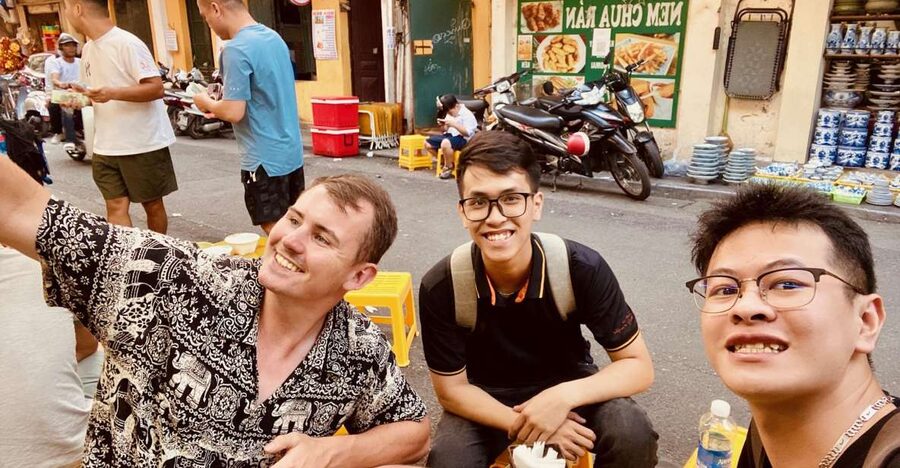
Hanoi’s vegan food scene is easiest to understand one small plate at a time. This three-hour walk takes you from 72 Hang Bac Street through the Old Quarter for local dishes you may not find alone, plus a look at markets, alleyways, temples, and daily life.
I like two things here: the range of food, from noodle salad and fried tofu to local doughnuts and fresh beer, and the way the walk adds context about Vietnamese language, religion, history, and family life. The main consideration is pace: you will eat a lot in three hours, and strict vegans should clearly explain their needs before the first stop.
Key points
- Seven or eight food and drink stops give you a broad taste of Hanoi’s plant-based cooking.
- Small local eateries and street vendors are chosen for dishes you might not spot on your own.
- Pinky, Min, Mea, Vy, Huong, Trang, Jasmine, Angelina, and other English-speaking guides lead the walks, with a warm, personal style.
- Old Quarter details include a local market, a very narrow alley, a long alley, Đền Tiên Hạ Phất Lộc, and a lesser-known beer stop.
- The $37 price covers vegan and vegetarian food and drinks, not just the guide.
- Book early in your Hanoi stay if you want to return to favorite food spots later.
Why this food walk works for plant-based eaters
Finding vegetarian food in Hanoi is not hard. Finding food that is clearly vegan, genuinely local, and easy to order can be much harder. Menus may be brief, ingredients can be unclear, and a dish that looks meat-free may still contain fish sauce or another animal product.
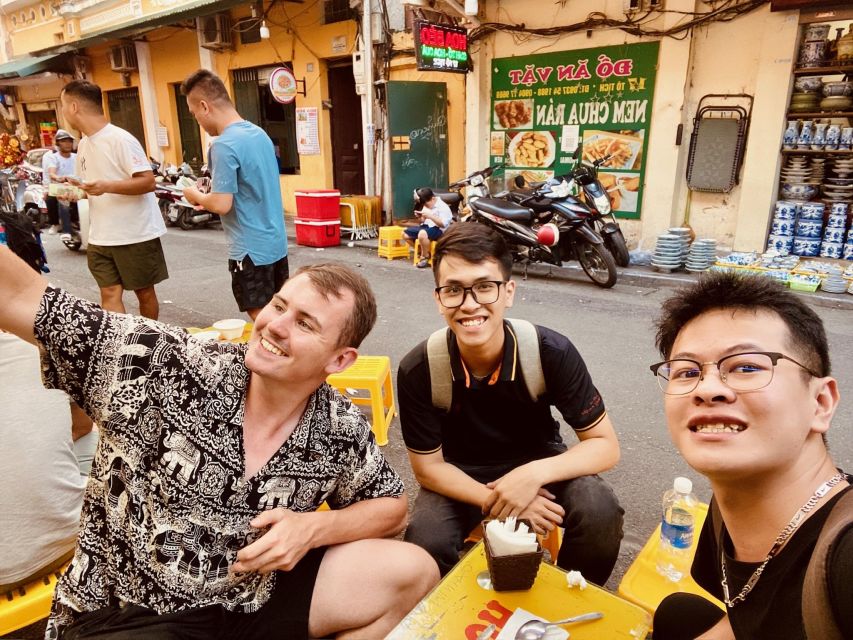
This experience solves much of that problem through a local guide who handles the ordering and explains what you are eating. Guides such as Pinky, Min, Mea, Vy, Huong, Trang, Jasmine, and Angelina have led the walks, so the exact personality and route may vary. The common thread is a friendly English-speaking host who knows how to connect food with the city around it.
I especially like the personal feel. Some walks are small enough to feel almost private, and solo participants may end up with one guide. That makes it easier to ask about ingredients, pronunciation, local customs, or where to eat later in the trip.
The tour is suitable for vegetarians and vegans, but it is worth stating your needs clearly when you meet. The food stops offer vegan and vegetarian options, and guides have worked with restaurants to prepare plant-based versions. If you are strictly vegan, repeat that point before ordering and ask about sauces and cooking methods.
More Vegan and Vegetarian Street Food in Vietnam
- Vegan Street Food & Stories of Hanoi
★ 5.0 · 282 reviews - Hanoi Vegan Street Food & Train Street Tour
★ 4.8 · 143 reviews - Hanoi Vegan Street Food Tour and Train Street
★ 5.0 · 45 reviews
Meeting Pinky, Min, Mea, or Vy in the Old Quarter
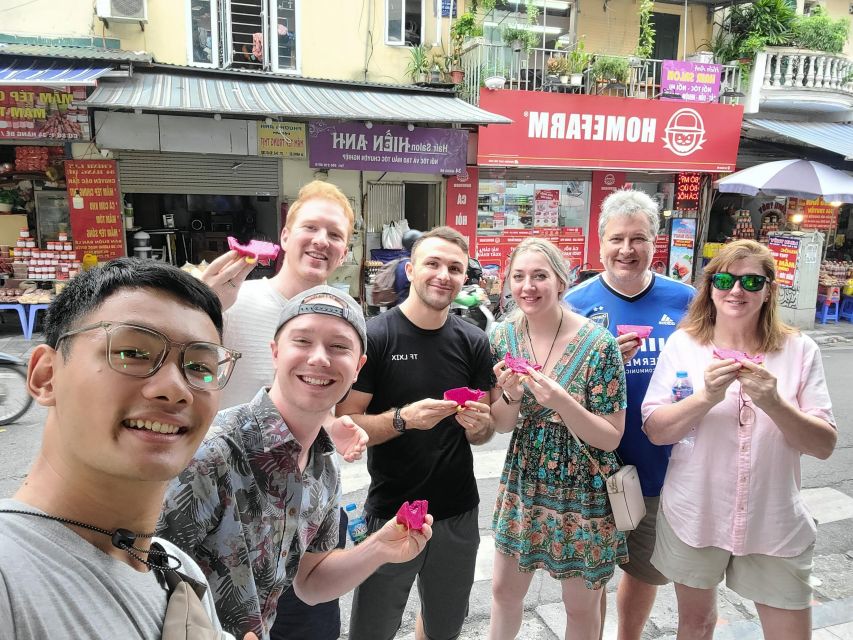
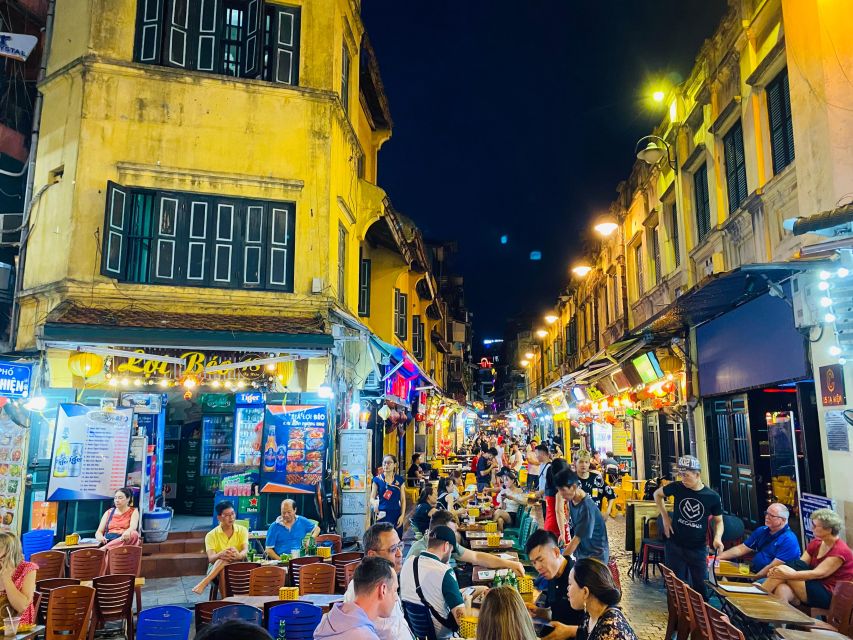
The meeting point is 72 Hang Bac Street, at a yellow building in Hanoi’s Old Quarter. This is a useful location because you begin in the middle of the historic central district rather than spending tour time in a vehicle.
The Old Quarter is best explored on foot. Streets are close together, shops spill toward the pavement, and food stalls appear in places that are easy to miss if you are following a map. Wear comfortable shoes and breathable clothing. A hat and sunscreen help in sunny weather, while an umbrella or raincoat is sensible because the walk operates rain or shine.
The guide does more than lead you from restaurant to restaurant. The conversation may cover Vietnam’s early history through modern life, the Vietnamese language, religion, local customs, and the daily routines of people living in the Old Quarter. Several guides also help with Vietnamese pronunciation, which is useful when you want to order something again on your own.
Pinky is especially associated with lively conversation and personal stories about growing up in Hanoi. Min is described as upbeat and attentive, while Mea brings an easygoing, sociable style. Vy, Huong, Trang, Jasmine, and Angelina have also led highly personal walks. You cannot normally choose a particular guide, but the experience is designed around the person leading your group.
The first hour: beer, tea, dessert, and street food
The first stretch takes place around the Old Quarter, with food and drink spread across roughly an hour. This is not one large meal served at a single restaurant. It is a series of smaller tastings, which lets you try more dishes without committing to a full bowl or plate each time.
Expect a mixture of snacks, drinks, and sweets. Sugarcane juice may appear alongside savory food. Local doughnuts provide a sweet, fried contrast to noodles and salads. Vietnamese tea and bia hoi, the light fresh beer served in local drinking spots, add a distinctly Hanoi touch.
Bia hoi is not a craft beer tasting. It is simple, social, and tied to everyday city life. If you do not drink alcohol, tell your guide. The experience includes drinks, but the focus is the food and the stories, not drinking.
This part of the tour gives you a useful lesson in Vietnamese eating habits. Meals are often built from several shared items rather than one large main course. By tasting small portions, you can compare textures and flavors and learn which dishes deserve a return visit.
The amount of food can be surprising. People regularly finish the walk very full, so arrive with an empty stomach. At the same time, portions are generally manageable because the tour moves between stops instead of serving a large meal in one place.
Banh da chay, vegan banh mi, and noodle salad
The second main food stop is a local restaurant, where you may try heartier dishes. Banh da chay is one of the more distinctive options listed for the tour. Banh da refers to broad, dark rice noodles associated with northern Vietnam, and the vegetarian version gives you a chance to try a regional noodle style without meat.
Vegetarian Vietnamese bread is another likely tasting. Banh mi is familiar around the world, but the fillings and seasoning can vary widely. A local guide can explain how to eat it, what is inside, and which ingredients are being used in the vegetarian version.
Noodle salad and papaya salad bring a fresher balance to the fried and starchy foods. These dishes are useful for anyone who wants to understand how Vietnamese meals use herbs, vegetables, noodles, and contrasting textures. The food is not presented as a single fixed menu in the information provided, so expect the exact selection to depend on the day, the restaurant, and the available vegan options.
The guide’s role matters most here. You get explanations about ingredients and local eating habits rather than simply being handed a plate. If you have allergies or strict dietary rules, ask direct questions before tasting. Vegetarian and vegan can mean different things at different food stalls, so clarity is important.
More Vegan and Vegetarian Street Food in Hanoi:
- Hanoi Vegan Walking Street Food Tour in Old Quarter
★ 5.0 · 6 reviews - Hanoi The Best Street Food Experience | VEGETARIAN OPTION
★ 5.0 · 3 reviews - Hanoi Vegan & Vegetarian Street Food Tour
★ 5.0 · 2 reviews - Mexico City Vegan & Vegetarian Street Food Adventure
★ 5.0 · 176 reviews
A temple, a market, and the Old Quarter’s narrow lanes
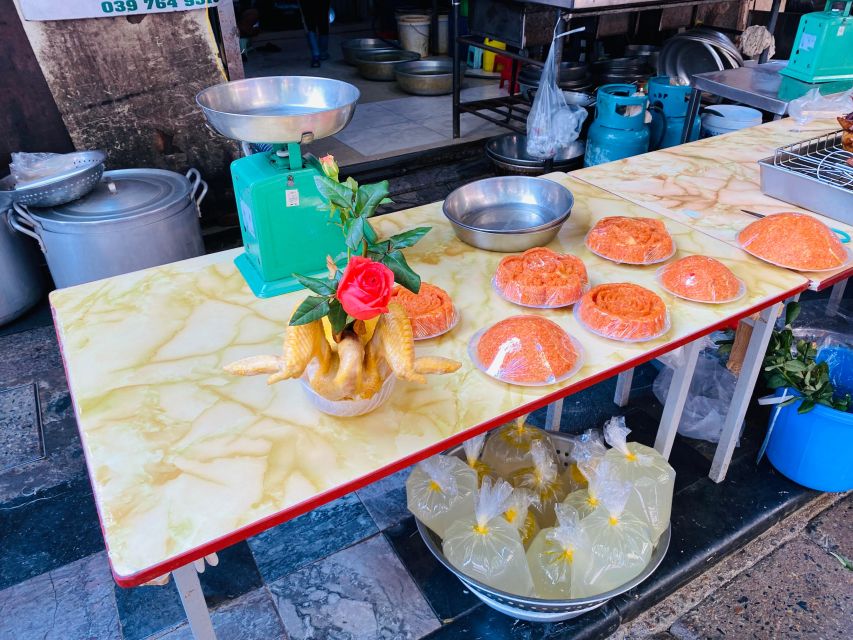
Food is only half the point. Around the tastings, the walk visits Đền Tiên Hạ Phất Lộc for about 15 minutes. This short sightseeing stop adds religious and cultural context without turning the experience into a formal temple tour.
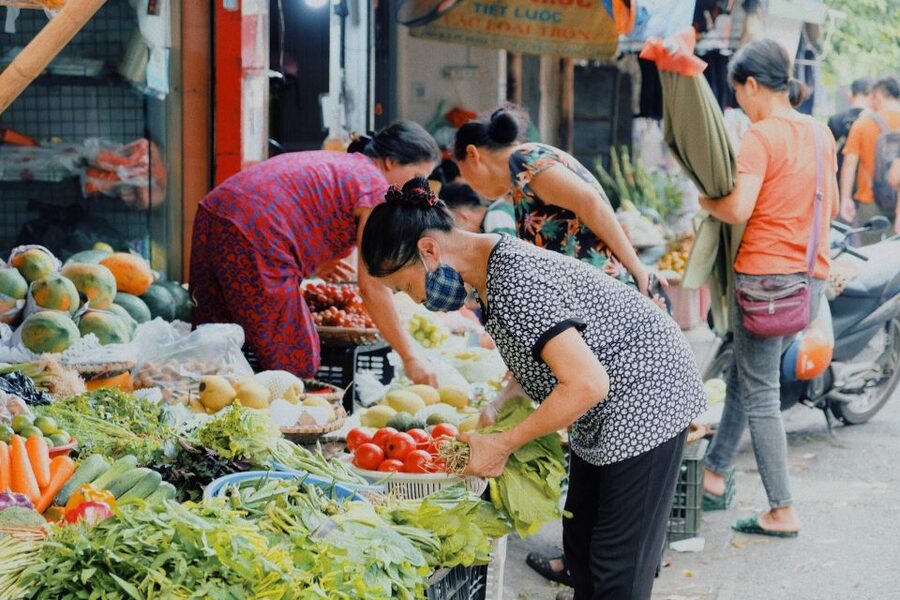
You also visit Phố Hàng Bè and its local food market. A market stop helps you see the ingredients behind the dishes. It gives you a better sense of how vegetables, fruit, noodles, and prepared foods fit into everyday Hanoi cooking.
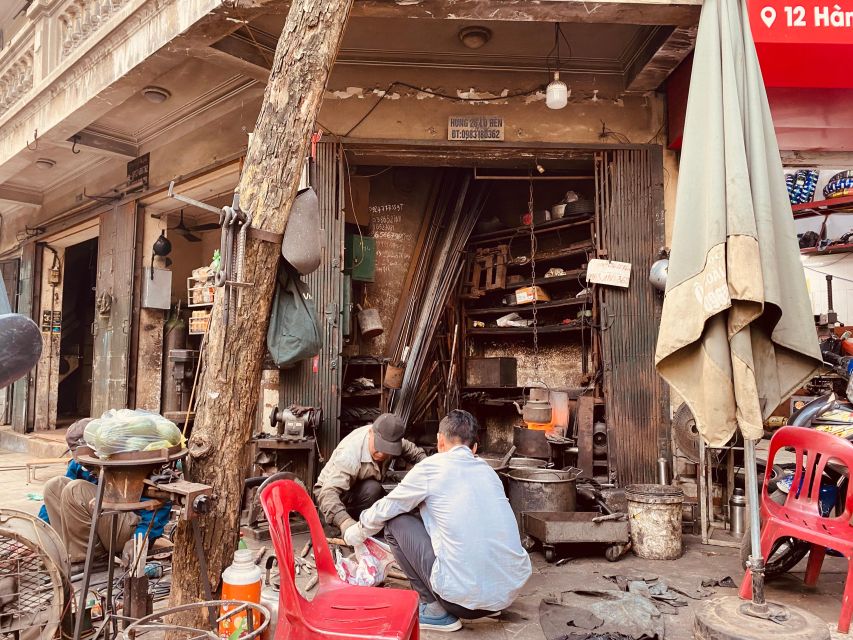
The route includes some of the Old Quarter’s lesser-known corners, including a very narrow alley and the longest alley mentioned in the tour plan. These details are easy to pass without a local guide. They also break up the eating, giving you time to walk, listen, and let the last dish settle.
This is where the tour feels broader than a restaurant crawl. The guide may explain how streets developed, how people live in compact spaces, or how older customs still shape daily routines. You are not just collecting food photographs. You are learning how food fits into the city.
The drawback is that Hanoi’s Old Quarter is not a quiet museum district. Pavements can be uneven or crowded, and you will be walking through active streets rather than a controlled sightseeing site. Comfortable footwear matters, especially after several food stops.
The lesser-known beer stop and final dessert
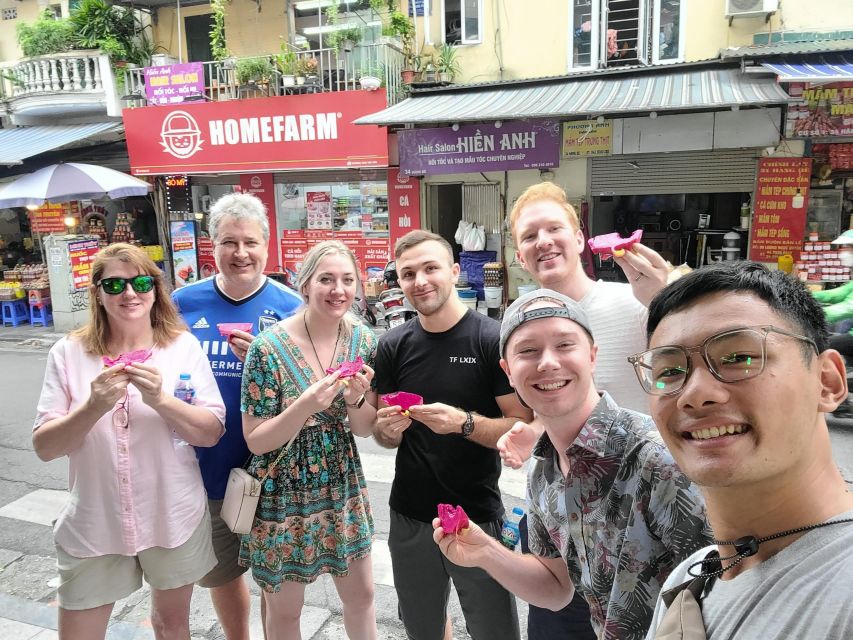
The itinerary includes another short stop for beer in a less obvious local place, followed by dessert at a local restaurant. The timing is relaxed, with around 15 minutes at each of these final stops.
This spacing is helpful. A food tour that rushes from plate to plate can become tiring, but the pauses allow you to talk with the guide and notice the streets around you. Some people use this time to ask for restaurant recommendations, Vietnamese phrases, or advice about dishes to try during the rest of their stay.
The tour finishes at Hoa Quả Dầm Hoa Béo, a dessert stop. Hoa quả dầm is a Vietnamese mixed fruit dessert, usually built around cut fruit and sweet toppings. The exact preparation can vary, but it is a fitting end after fried snacks, noodles, bread, salad, and beer.
By the final stop, you should expect to be full. The last dessert is not merely an extra sweet bite. It gives the meal a cooler, fruit-based finish and leaves you with a final address to remember if you want to return.
How much food do you really get for $37?
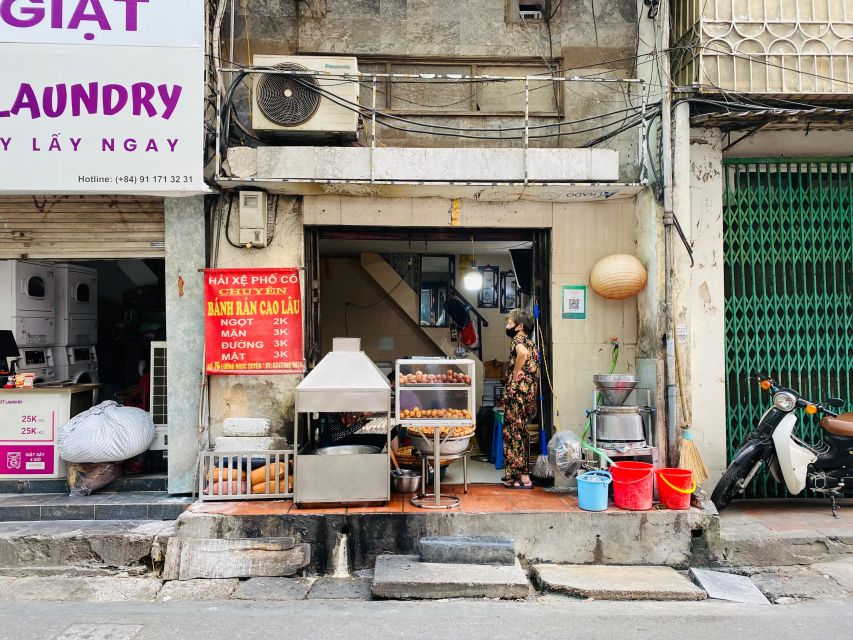
At $37 per person, this is not the cheapest way to eat in Hanoi. You can buy individual street foods for very little money. The value comes from what the price removes from the problem: finding suitable places, ordering across language barriers, checking ingredients, and knowing which local spots are worth your time.
The package includes vegan and vegetarian street foods and drinks, along with the guided walk and local stops. With seven or eight tastings, the price is reasonable for anyone who wants a full introduction rather than one restaurant meal.
I would judge the value by your travel style. If you enjoy wandering alone, researching food stalls, and taking a few wrong turns, you may prefer to spend $37 over several independent meals. If you have only a short stay, are new to Vietnamese food, or need plant-based choices explained clearly, the tour saves effort and gives you a useful starting point.
The best value comes when you book early in your Hanoi visit. You can return to the places you like, use the restaurant suggestions later, and order with more confidence for the rest of your stay.
An early booking discount may also be available, and the booking terms allow cancellation up to 24 hours before the activity for a full refund. You can also reserve and pay later, which helps if your schedule is still changing.
Who will enjoy this three-hour walk?
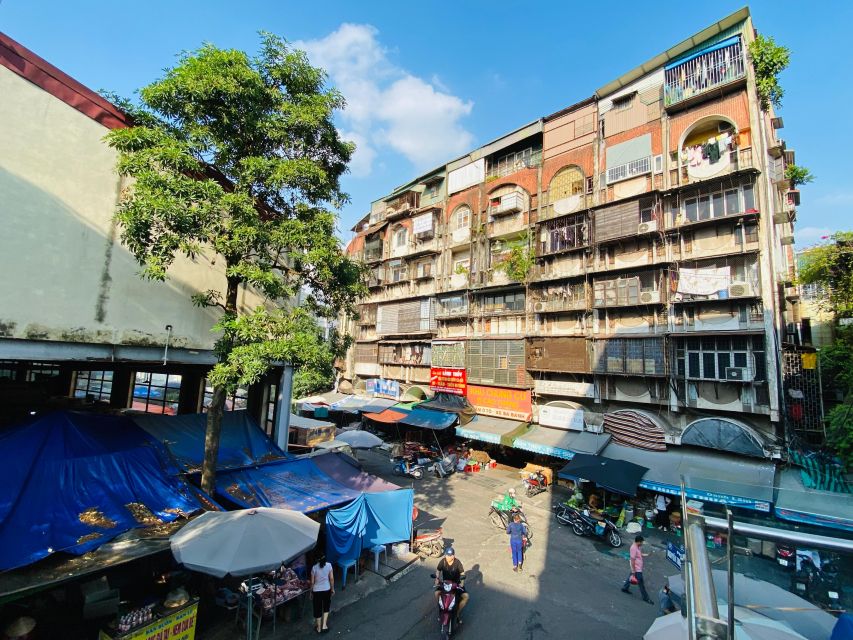
This is a strong match for vegan and vegetarian visitors who want local food rather than a standard tourist menu. It also suits people who are curious about Vietnamese culture and prefer a small, conversational outing to a large group excursion.
Families can enjoy it too. A family with children aged 10 and 14 found enough variety to keep everyone interested, though the amount of walking and unfamiliar flavors may not suit every young child.
Solo visitors should consider it. The short duration, central meeting point, and social format make it an easy first-night activity. Couples and friends will appreciate having a local guide handle the food choices while they focus on eating and exploring.
I would not choose this tour if you want a quiet sit-down dinner, a fixed menu, or a detailed cooking class. It is a moving tasting walk through active streets. The exact dishes can change, and the food is served in local settings rather than polished dining rooms.
Practical advice before you go
Arrive hungry, but not dehydrated. Three hours of walking and tasting can feel more substantial than the schedule suggests.
Wear shoes that can handle pavement and narrow lanes. Breathable clothing is best in Hanoi’s heat. Bring sunscreen and a hat, and check the forecast the day before because the experience runs in wet weather as well as dry.
Tell the guide about vegan requirements, allergies, and foods you avoid at the start. The tour has plant-based options, but clear communication gives the guide the best chance to check sauces, fillings, and preparation.
Bring a little room in your schedule after the tour. You may want to revisit a favorite stall or take the guide’s recommendations for another meal. The walk finishes at a dessert shop, so it is better treated as a substantial food experience than a light snack outing.
Should you book Hanoi: Vegan Street Food & Stories?
I would book this tour if you want a fast, friendly introduction to Hanoi’s plant-based food and Old Quarter life. The strongest parts are the number of tastings, the local settings, and the guide’s ability to connect food with language, religion, history, and ordinary life.
Book it early if you are new to Hanoi. That gives you time to return to the best stops and use the advice during the rest of your visit.
Skip it if you prefer complete control over ingredients or want to explore at your own pace. For strict vegans, the tour is still a sensible choice, but speak clearly with the guide before eating. For everyone else, the $37 cost buys far more than dinner: it gives you a practical map of Hanoi’s vegan food scene and the confidence to keep exploring after the three hours end.
FAQ
Where does the tour start?
The tour starts at 72 Hang Bac Street in Hanoi’s Old Quarter. The meeting point is a yellow building that is described as easy to find.
How long does the experience last?
The walking food experience lasts three hours. Starting times vary, so check availability when booking.
What food and drinks are included?
The tour includes vegan and vegetarian street foods and drinks. Possible tastings include banh da chay, vegetarian Vietnamese bread, sugarcane juice, noodle salad, local doughnuts, papaya salad, bia hoi, tea, and dessert.
Is the tour suitable for strict vegans?
The experience offers vegan and vegetarian options. If you are strictly vegan, tell your guide clearly and ask about ingredients, sauces, and preparation before eating.
Is the tour conducted in English?
Yes. The experience includes a live English-speaking guide.
What should I bring?
Bring sunscreen, breathable clothing, comfortable shoes, and a hat. The walk operates rain or shine, so bring an umbrella or raincoat if rain is expected.
Newly added plates around Hanoi
- Hanoi Street Food Tour and MORE★ 5.0 · 18 reviews
- Hanoi Vespa After Dark Street food + Train Street+ Live Music★ 5.0 · 18 reviews
- Walking Street Food Tour and Hidden Music★ 4.5 · 19 reviews
- Street Food by Walking Tour for 3 hours in Hanoi, Vietnam★ 5.0 · 26 reviews
- TASTE OF HANOI – walking street food adventure★ 5.0 · 94 reviews
- Street Food Tour Hanoi By Walking★ 5.0 · 3 reviews
- Street food on foot with a local-Asian Promise★ 5.0 · 19 reviews
- Private Street Food Tour Adventure in Hanoi★ 5.0 · 2 reviews
Vegan and Vegetarian Street Food, compared.
Mexico City Vegan & Vegetarian Street Food Adventure
Read our review →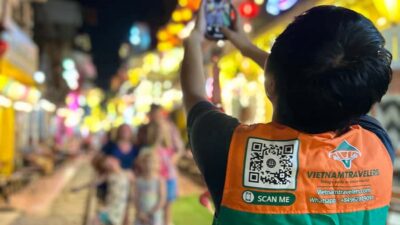

Browse the lists this tour appears in