
REVIEW · YOGYAKARTA STREET FOOD TOURS
Street Food Tasting by Walking
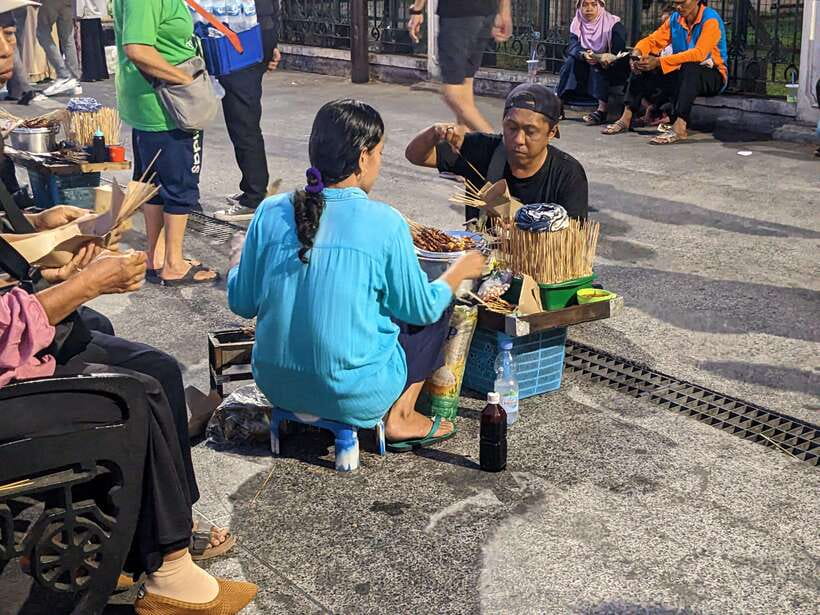
Yogyakarta’s street food makes the most sense when you taste it while moving through the city. This small-group evening walk links local dishes with the Royal Palace area, then ends at Alun-alun Kidul with a pedal-car ride and a traditional challenge. It is a good way to see how food, public squares, and daily Javanese life fit together.
I like the flexible pace and the chance to try foods you might skip on your own. I also like that guide Ibnu can explain dishes, answer questions, and adjust the evening instead of rushing through a fixed list. The main drawback is that this is a walking tour with a mobility limitation, and the food stops are not presented as a formal seated dinner.
Key points to know before booking
- Kopi Joss is part of the finish: Try Yogyakarta’s famous coffee with a piece of burning charcoal added to the cup.
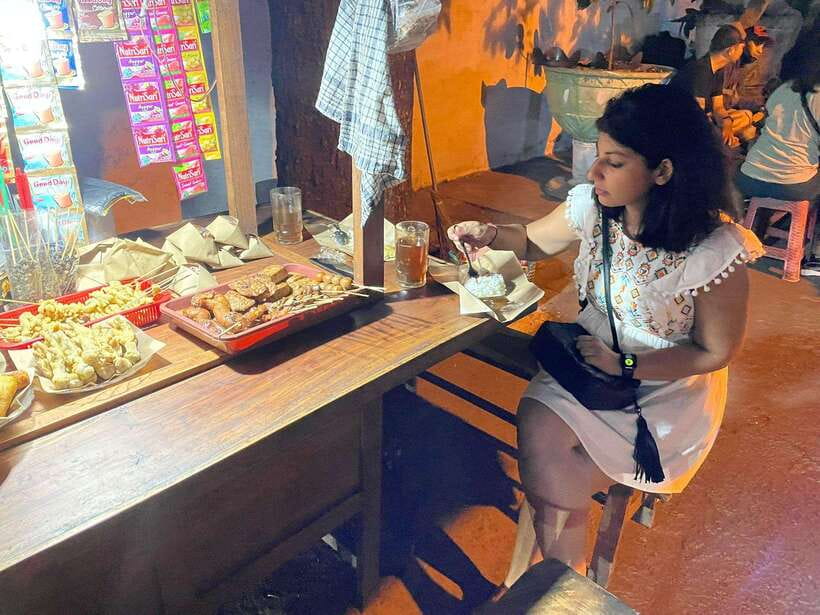
- The menu is broad: Tastings may include Gudeg, Javanese noodles, Sego Kucing, Sate, Bakpia, Gorengan, Lumpia, Jamu, and Wedang Ronde.
- The route covers major sights: You pass Benteng Vredeburg, Gedung Agung, Alun-alun Utara, the Kraton, and Alun-alun Kidul.
- Ibnu leads in English: He is noted for explaining both the city and the food, and for making room for questions.
- The ending is playful: Ride an Odong-odong pedal car around Alun-alun Kidul and take part in a traditional ritual or challenge.
- Plan for walking: Wear comfortable shoes. Hotel pickup and drop-off are not included.
Why this food walk works well in Yogyakarta
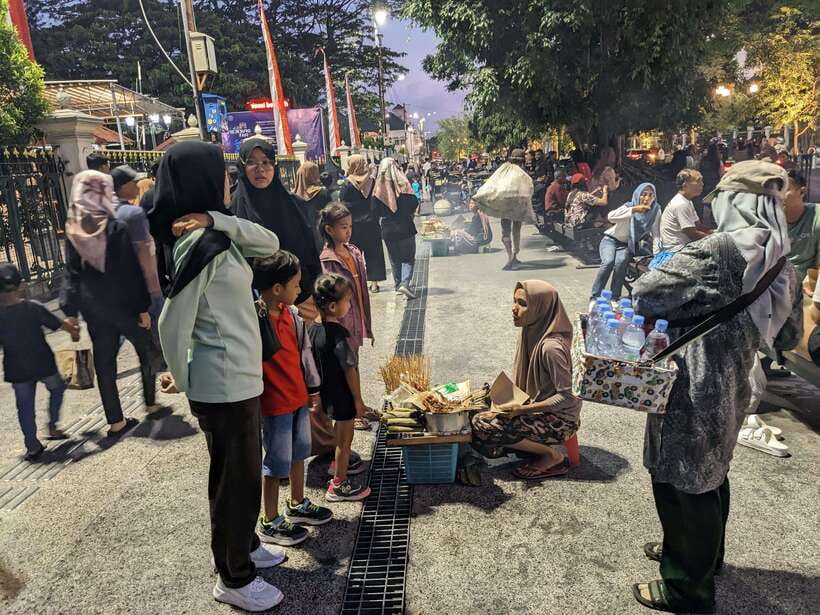
A street food tour can be useful on your first night in Yogyakarta because it gives you a working menu for the rest of your stay. Instead of seeing a dish name without knowing what it is, you can taste it, hear how it fits local eating habits, and decide what you want to order again.
This tour also gives you a sense of place. The route is not only about snacks. It passes through the civic and royal center of the city, so the food comes with views of old buildings, squares, and palace-related landmarks.
The group is limited to seven people. That matters on a walking tour. You can ask Ibnu what you are eating without holding up a large crowd, and it should be easier to stay together on busy streets. The experience may also run longer than the advertised 2.5 hours if the evening develops naturally. One outing with Ibnu that was scheduled for 7 p.m. to 10 p.m. continued until about 11 p.m., ending with Kopi Joss beside the neon cars at Alun-alun Kidul.
That flexibility is a strength, but it is also something to understand before you book. If you need to finish at an exact time, tell the guide at the start.
More street food tours in Indonesia:
- Jakarta: Private Guided Sightseeing & Street Food Night Tour
★ 4.8 · 99 reviews - Bali: Authentic Culinary Street Food Experience Tour
★ 4.7 · 99 reviews - Ubud Traditional Night Market Food Tour-All Inclusive
★ 4.4 · 95 reviews
Starting on Malioboro Street
The meeting point is in front of Mutiara Hotel Malioboro. You arrange your own way there, since hotel pickup and drop-off are not included.
Malioboro is a practical starting point because it is one of Yogyakarta’s best-known central streets. From here, the tour moves into the food and landmark areas on foot. Bring only what you need, since you will be walking and stopping to eat.
The guide leads in English. Ibnu is specifically noted for speaking good English and explaining both local food and the city. That makes a difference when a dish has a short name but a longer story. You can ask what an ingredient is, how a snack is normally eaten, or which foods are worth seeking out later.
There is no promise of a fixed number of food portions. Think of the meal as a string of tastings rather than a restaurant reservation. That format lets you sample more types of food, but it also means the amount you eat at each stop may vary.
Tasting Yogyakarta one dish at a time
The food list covers a useful range of Javanese drinks, sweets, noodles, rice dishes, fried snacks, and grilled food. Here is what each item adds to the evening.
Kopi Joss is the most unusual drink on the list. Hot coffee is served with a piece of burning charcoal placed in the cup. It is a memorable local specialty, and the tour saves it for the end in the Alun-alun Kidul area. You may want to ask Ibnu about the proper way to drink it and let the drink settle before taking a sip.
Wedang Ronde is a warm drink with sweet rice balls. It gives you a softer, sweeter contrast to coffee and savory snacks. It is especially suited to an evening food walk because it is served hot and is easy to enjoy while taking a short break.
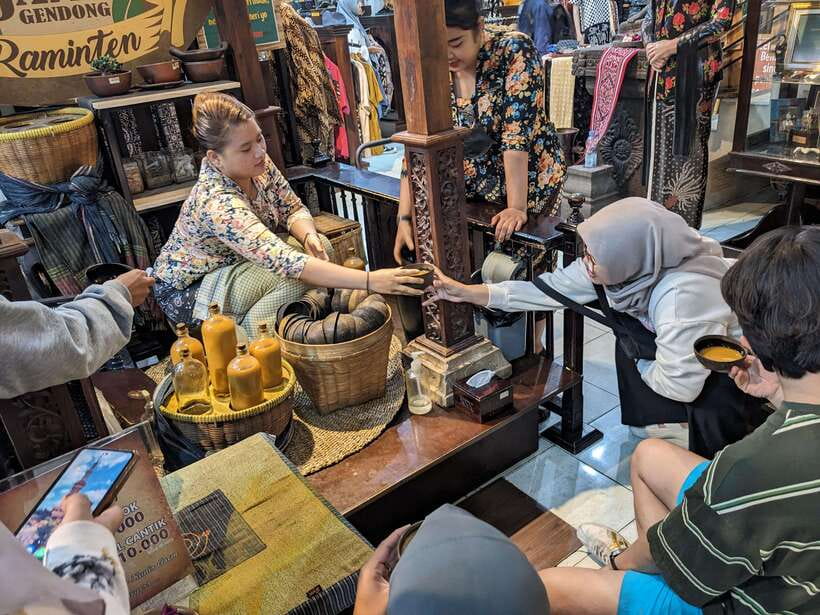
Jamu is a traditional herbal drink. Its flavor may be unfamiliar if you normally drink sweet tea or coffee, so this is a good place to ask what you are tasting rather than judging it from its color alone. The tour gives you the chance to try it in a local setting.
Javanese noodles add a filling dish to the snack stops. After several small bites, a noodle serving can make the evening feel more like dinner. The food list does not specify the exact noodle preparation, so ask about the ingredients if you have allergies or strong preferences.
Gudeg is one of Yogyakarta’s signature foods. It is a cooked jackfruit dish associated closely with the city, and tasting it here helps explain why Yogyakarta food is often linked with sweet and savory flavors. If you enjoy the dish, note how it is served and ask Ibnu where you might order it again.
Sego Kucing means cat rice, but the name refers to a small portion of rice, usually paired with a simple side dish. The small serving makes sense on this tour because you can try it without filling up before the next stop.
Sate brings grilled meat to the menu. It is a familiar format in Southeast Asia, yet sauces, seasoning, and serving style can change from place to place. This is one of the foods that may be easiest to compare with dishes you have eaten elsewhere.
Bakpia is a small filled pastry associated with Yogyakarta. It works well as a sweet stop or something to remember for later. Since this is a tasting tour, you can decide if it suits your taste before buying more on your own.
Gorengan are fried snacks. They are simple, common, and useful for understanding everyday Indonesian eating rather than only special-occasion dishes. Lumpia, another filled snack, gives the fried-food portion of the tour a different shape and texture.
The exact order of these tastings is not given, and the guide may adjust the stops. That is helpful if you are curious or want to spend more time on a dish. It also means you should not expect a tightly timed food itinerary with every stop locked in advance.
Seeing Benteng Vredeburg and Gedung Agung
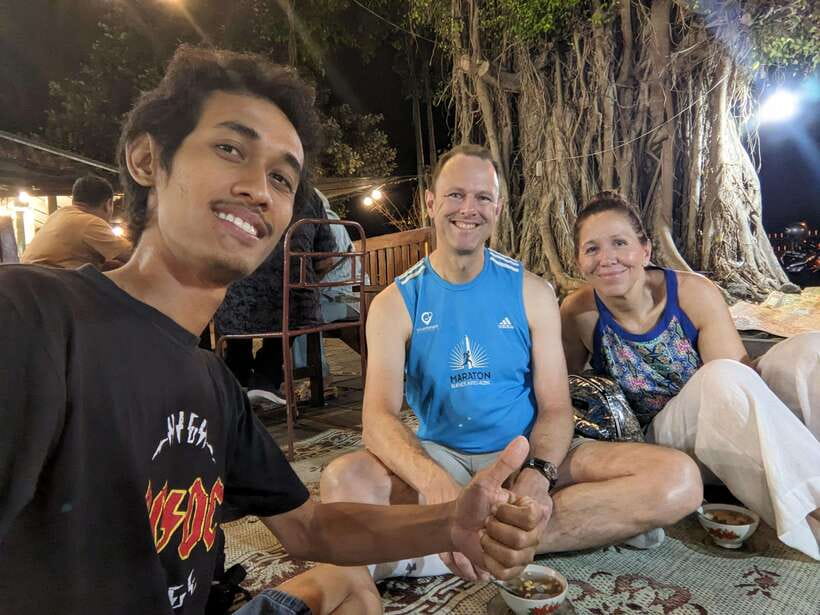
The food walk passes Benteng Vredeburg, a former fort near the center of Yogyakarta. You may see it from the route rather than enter it, since the activity is built around walking and tasting rather than museum visits.
Gedung Agung is another important landmark along the way. Seeing these buildings between food stops gives you a better sense of how central Yogyakarta is organized. You are not simply being taken from one vendor to the next. The route connects the city’s food life with its public and royal spaces.
This part of the walk is also a reason to bring a camera. The instructions recommend one, and the evening route includes both major landmarks and the brightly lit cars at the final square.
Same city, another round of plates:
- Denpasar: Night Street Food Walking Tour
★ 4.5 · 60 reviews - Night Walking Tour-Malioboro street food with guide at Yogyakarta
★ 5.0 · 53 reviews - Bali Food Tour: Savor Street Food and Night Market Adventures
★ 5.0 · 46 reviews - Bali Street Food Tour
★ 5.0 · 44 reviews
From Alun-alun Utara to the Kraton
The route continues past Alun-alun Utara, the northern square, and the Kraton, Yogyakarta’s royal palace complex. The tour does not promise an interior palace visit, so set your expectations accordingly. The value here is seeing these places as part of the city route while your guide explains what you are passing.
A guide is especially useful around royal landmarks because a quick look at a gate or square does not tell you how it fits into Yogyakarta. Ibnu can connect the sights with local food and daily life, which keeps this from feeling like two unrelated tours stitched together.
You should also keep in mind that this is an evening walking experience. Comfortable shoes are important. The activity is listed as unsuitable for people with mobility impairments, so anyone who finds extended walking difficult should choose a different way to explore the area.
The playful finale at Alun-alun Kidul
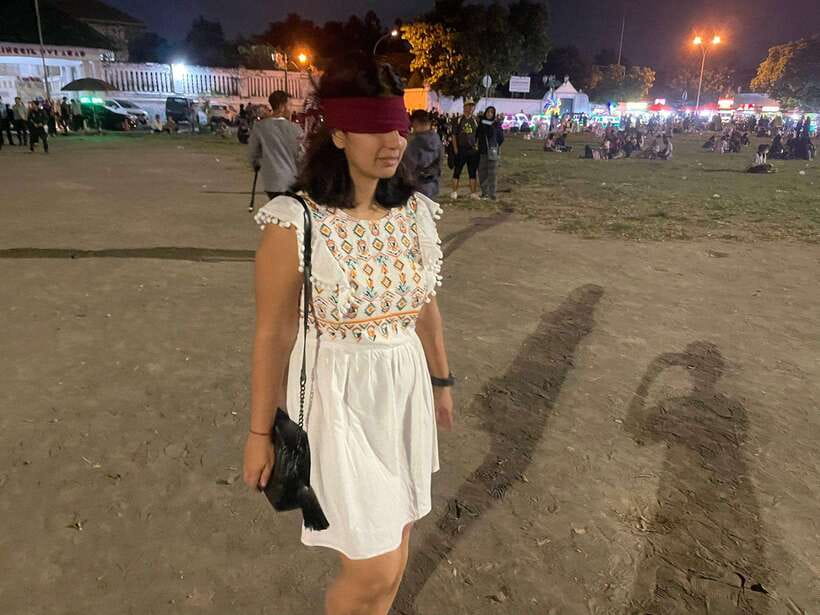
The final stop is Alun-alun Kidul, the southern square. Here, you ride an Odong-odong pedal car around the square. These are colorful, often brightly lit vehicles built for shared pedaling, and they provide a light change of pace after the food and city walking.
You also take part in a traditional ritual or challenge at the square. The exact challenge is not specified, so ask Ibnu to explain the rules and meaning when you arrive. That uncertainty is part of the fun, but anyone looking for a detailed cultural demonstration should know that the activity is presented as a participatory experience rather than a formal lesson.
The square is also where the evening may end with Kopi Joss. The combination of coffee, neon cars, and an open public space gives the tour a distinctly Yogyakarta finish. It is less polished than a restaurant meal, but it is more connected to the city’s evening street life.
How much food do you get for $26?
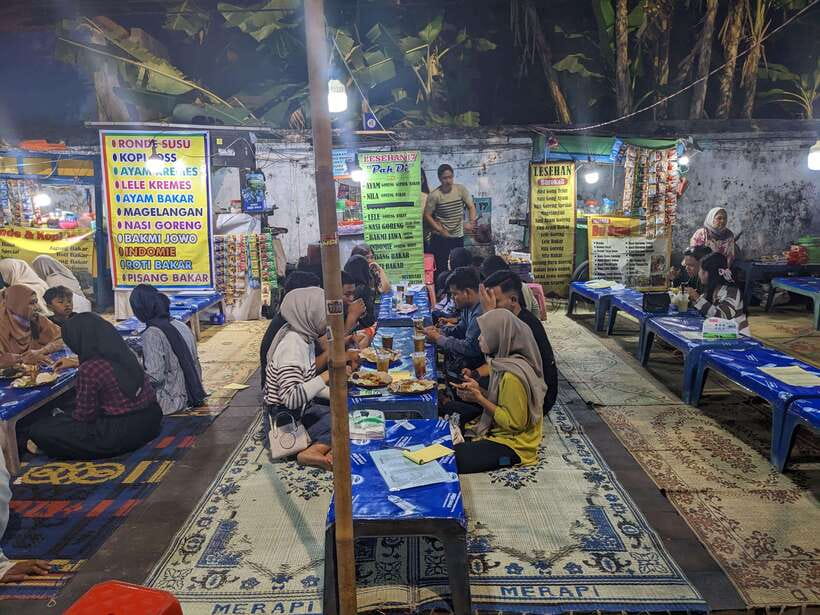
At $26 per person, the price is reasonable if you value the guide and the range of stops as much as the food itself. You are paying for a 2.5-hour small-group experience, local food and drink tastings, landmark viewing, the pedal-car activity, and the traditional challenge.
You are not paying for private transportation, hotel pickup, or a sit-down meal. Personal expenses are also separate. That makes the value strongest for someone who wants orientation, explanation, and a broad introduction on the first or second night in Yogyakarta.
I would not book this solely to get the cheapest possible dinner. Street food is often inexpensive, and you may spend less ordering dishes independently. The reason to choose this tour is that Ibnu can help you identify foods, answer questions, and guide you to places you might not find comfortably on your own.
The flexible style adds value. One evening extended well beyond the planned end because the guide took time with questions and allowed the outing to develop. That sounds ideal if you want a relaxed night, but less ideal if you have a strict evening schedule.
Who will enjoy this most?
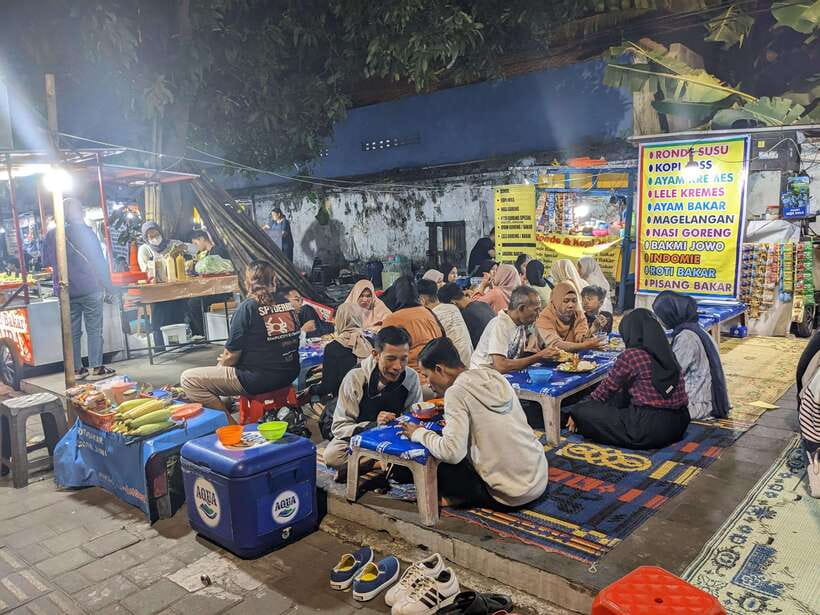
I would recommend this tour to first-time visitors who want an easy introduction to Yogyakarta’s food. It suits curious eaters who prefer several small portions to one large meal and who like having a local guide explain unfamiliar dishes.
It is also a good fit for solo visitors. The group is capped at seven, and the experience can still operate with one participant. That means the tour does not depend on a large group to feel worthwhile.
Couples and friends who enjoy casual evening activities should like the mix of food, walking, landmarks, and the pedal car. Families may enjoy the final ride, though the walking and food format may not suit very young children.
You should think twice if you need step-free access, dislike trying unfamiliar foods, or want a carefully timed itinerary. The activity is not suitable for people with mobility impairments, and the flexible schedule may not match a packed evening plan.
Practical advice for a smoother evening
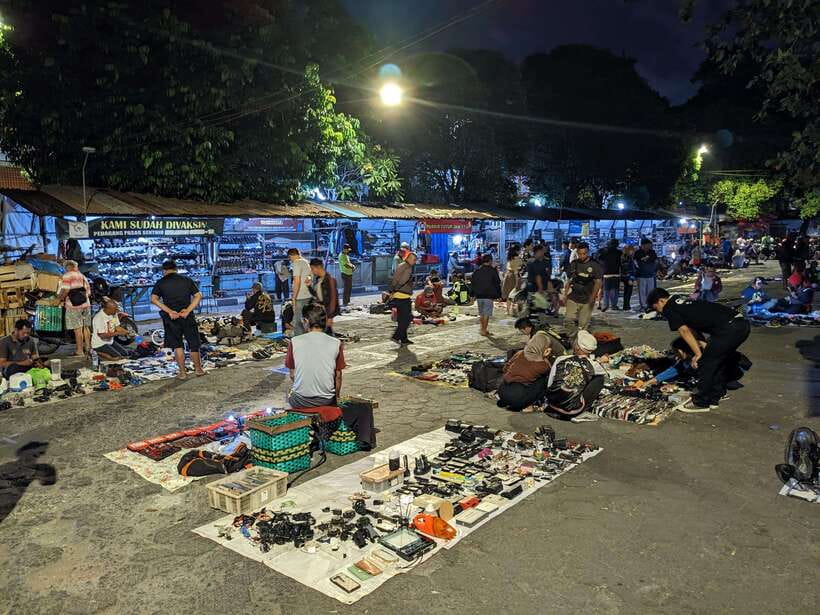
Wear comfortable walking shoes. This is the most important preparation, since the tour moves through central Yogyakarta on foot before the final square activity.
Bring a camera, but keep your hands free when possible. You may be carrying food or drinks, and the route includes a pedal-car ride.
Tell Ibnu what you want to try and what you would rather avoid. The experience is designed to allow questions and adjustments, and the guide is described as someone who takes time to explain and think along with you.
If you have food restrictions, ask about ingredients before tasting. The menu includes noodles, rice, grilled food, fried snacks, drinks, and sweets, but the available information does not list substitutions or allergy arrangements.
The activity ends back at the Mutiara Hotel meeting point. Since you make your own way there and back, allow time to return to the starting area after the final stop.
Cancellation is flexible: you can cancel up to 24 hours in advance for a full refund. You can also reserve now and pay later, which helps if your Yogyakarta schedule is still changing.
Should you book this Yogyakarta food tour?
Book it if you want food plus local orientation, not just a list of snacks. The strongest parts are the broad tasting menu, the small group, the English-speaking guide, and the easy mix of street food with the Kraton area and Alun-alun Kidul.
I would especially choose it near the beginning of a Yogyakarta stay. By the end, you should know which dishes interest you and which foods you want to seek out again. Ibnu’s flexible approach is a real advantage for curious eaters who want to ask questions rather than follow a script.
Skip it if you need a formal restaurant meal, private transport, guaranteed timings, or an accessible route. For everyone else, $26 buys a friendly introduction to Yogyakarta’s food culture, with a memorable neon pedal-car finale and Kopi Joss to close the night.
FAQ
Where does the tour begin?
Meet the guide in front of Mutiara Hotel Malioboro on Malioboro Street.
Where does the tour end?
The activity ends back at the meeting point in front of Mutiara Hotel Malioboro.
How long does the food tour last?
The stated duration is 2.5 hours. Starting times vary, so check availability when booking.
What language does the guide speak?
The live tour guide speaks English. The guide named in the experience information is Ibnu.
What food and drinks are included?
Tastings may include Kopi Joss, Wedang Ronde, Jamu, Javanese noodles, Gudeg, Sego Kucing, Sate, Bakpia, Gorengan, Lumpia, and other local street foods and beverages.
Is the tour suitable for people with mobility impairments?
No. The activity is listed as unsuitable for people with mobility impairments. Comfortable walking shoes are recommended for everyone joining.
Newly added plates around Indonesia
- Ubud: Night Market Feast with Balinese Culinary Odyssey★ 4.7 · 5 reviews
- Ubud: Gianyar Night Market Food Tour with up to 17+ Tastings★ 4.7 · 13 reviews
- Yogyakarta Night Street Food Hunting★ 5.0 · 3 reviews
- 4D3N Mount Bromo, Ijen Crater & Surabaya Night Market★ 5.0 · 4 reviews
- Denpasar Night Market Food Tour★ 5.0 · 4 reviews
- Taste & Explore Bali: Denpasar Street Food & Historic Sites★ 4.5 · 27 reviews
- Balinese Street Food Tour By Motorbike All You Can Eat and Drink!★ 5.0 · 5 reviews
- Bali Street Food Tour: Savor Authentic Flavors & Night Market★ 5.0 · 2 reviews
Yogyakarta Street Food Tours, compared.
Night Walking Tour-Malioboro street food with guide at Yogyakarta
Read our review →
Yogyakarta: Night Walking and Street Food Tasting Tour
Read our review →
Yogyakarta: 3-Hour Night Walking with Street Food Tasting
Read our review →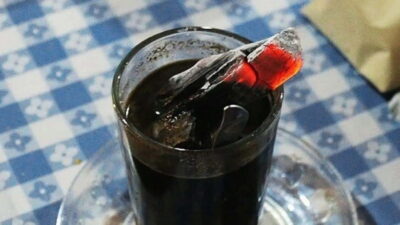
Browse the lists this tour appears in