
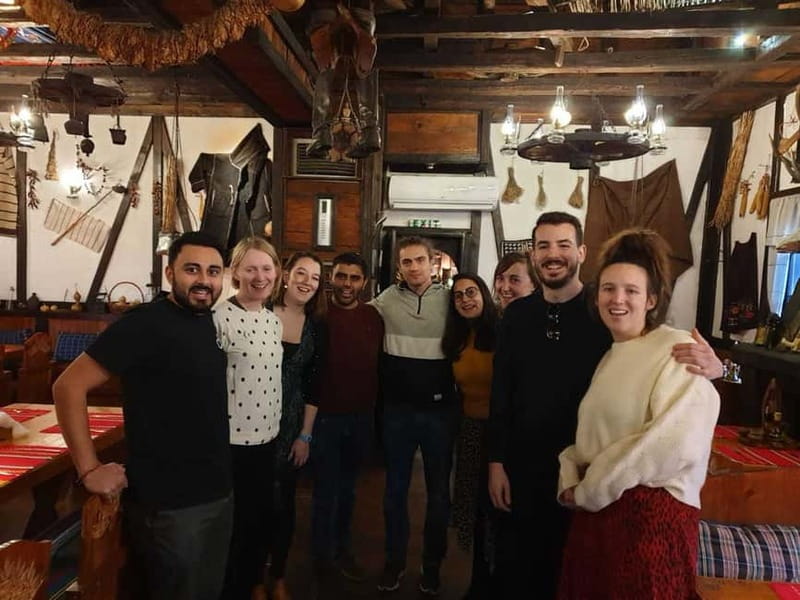
REVIEW · NIGHT MARKET FOOD TOURS
Sofia: Flea and Food Markets Tour
Sofia’s markets are more than places to shop. They form a walk-through lesson in Bulgarian history, from Ottoman rule and the Kingdom period to Communism and the postcommunist years. This tour links the markets with four food stops, so you get a useful introduction to the city with something to eat along the way.
I like the mix of food and history, especially for a first day in Sofia. I also like the guide-led market visits, since you can hear why each place matters instead of simply wandering past stalls. The main thing to consider is the 3-kilometer walk, which includes city streets and stops but is not suited to wheelchair users or people with mobility problems.
Key points to know before booking
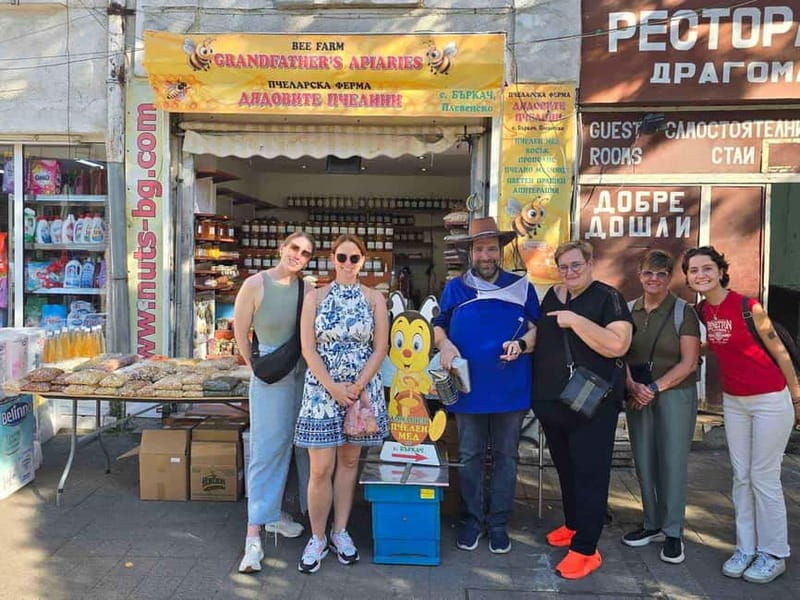
- Four markets, four eras: See how the Flea Market, Central Market Hall, Hali Market, and Women’s Market reflect different chapters of Sofia’s past.
- Four local food stops: The tour includes traditional dishes and drinks, with a soft drink at the final stop.
- A useful first-day orientation: The route passes Alexander Nevsky Cathedral, Saint Sofia Church, The Largo, Roman ruins, Banya Bashi Mosque, Sofia Synagogue, and Lion Bridge.
- A guide makes the difference: Guides including Ivo, Daniella, Theodora, Nesi, Dany, and Danny have been praised for their friendly manner and strong knowledge of Sofia and Bulgarian culture.
- Come hungry: The food is described as tasty and plentiful, and one young group was still full after the tour.
- Comfortable shoes matter: You will walk about 3 kilometers, with stops along the way.
Why Sofia’s markets make such a good history lesson
Sofia can feel like several cities set on top of one another. Roman remains sit near modern streets. Churches, a mosque, and a synagogue stand within the same central area. The markets add another layer, showing how daily life changed through the Ottoman period, the Kingdom years, Communism, and the postcommunist era.
That is the smart idea behind this tour. Instead of treating food as a separate activity and history as a separate sightseeing walk, the route connects the two. You might hear about a period of Bulgarian history, then see how that period still appears in the market streets or food traditions around you.
I especially like this approach if you have just arrived in Sofia. The route gives you a sense of where the major sights are while also showing parts of the city that can be easy to miss on a standard monument walk.
The tour is conducted in English with a live local guide. Guides named in past bookings include Ivo, Daniella, Theodora, Nesi, Dany, and Danny. The strongest praise has focused on their friendly style, clear explanations, and willingness to answer questions. One small group had only two people, allowing the guide to adjust the pace and spend time on their questions.
More Night Market Food Tours in the world:
- Phuket: Full Day City Tour with Night Market
★ 4.5 · 2,888 reviews - Small Group: Michelin and Local Hawker Food Tour with 9 tastings
★ 5.0 · 1,890 reviews - Seoul Street Food Market Tour
★ 5.0 · 1,226 reviews
Starting at Crystal Park and the Stefan Stambolov Monument
The meeting point is the Stefan Stambolov Monument in Crystal Park. The monument is described as a sculpture of a split head, which makes it easier to identify than an ordinary street corner.
Arrive 10 minutes early. That gives you time to find the sculpture, meet the guide, and settle in before the walking begins. Since the tour moves through central Sofia, comfortable clothes and shoes are more useful than anything dressy.
The exact starting time depends on availability, so check the schedule when booking. One person had a later start than expected, which pushed the end of the tour into the evening. If you have dinner plans, a show, or a train to catch, leave extra room after the stated time.
The Flea Market and Sofia’s postcommunist side
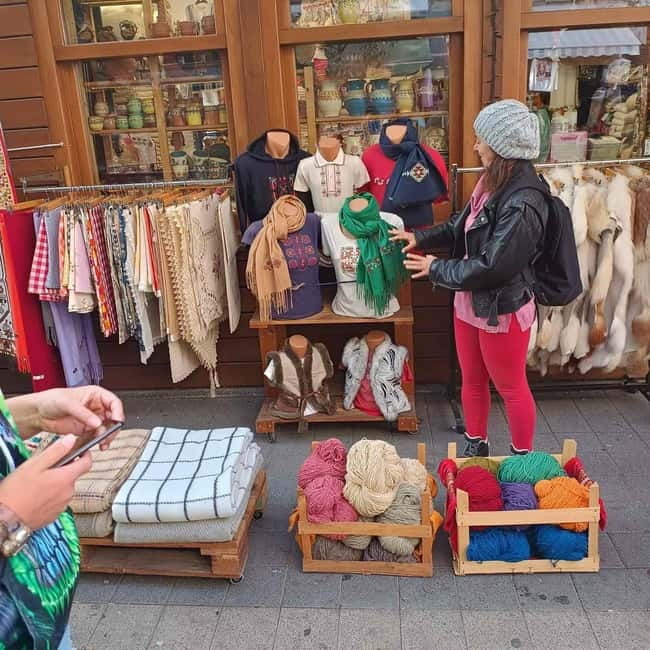
The Flea Market provides the most informal part of the route. You can browse for souvenirs, old objects, and antiques while the guide explains how this kind of market fits into Sofia’s postcommunist period.
This is a good place to slow down and look. You might find something small to take home, but shopping is not the main point. The value comes from seeing how ordinary objects, secondhand goods, and local trade form part of the city’s recent story.
If you enjoy antiques, allow yourself time to ask questions. The route also passes antique shops, and some people have made notes to return to them later. The tour may help you spot places worth revisiting, although it is not presented as a dedicated antique-buying trip.
The Flea Market can feel less polished than a formal attraction. That is part of its appeal, but it also means you should expect a working market rather than a carefully arranged display. Keep your focus on the setting and the stories, not on finding a guaranteed bargain.
Central Market Hall and the city’s communist chapter
Central Market Hall offers a more organized market setting. Here, the guide connects the building and its role in daily life with the Communist period.
This stop helps explain how food shopping worked as part of ordinary urban life. The guide can also place Bulgarian food traditions in a broader setting, giving you context for what you taste later in the day.
The market is one of the places where food, architecture, and politics meet. You are not simply looking at stalls. You are seeing a public space shaped by a particular period in Bulgaria’s past, then hearing how the city changed afterward.
The food stops are not listed by exact dish, so you should not book expecting a fixed menu of specific items. You will receive four local tastings, and the guide explains the dishes and their cultural background. That format is useful if you want an introduction to Bulgarian cuisine without committing to a long restaurant meal.
More street food tours in the world:
- Dubai: Old Town, Creek, Museums, Souks, & Street Food Tour
★ 4.8 · 10,816 reviews - Ho Chi Minh City Street Food Tour & Sightseeing By Motorbike
★ 5.0 · 9,413 reviews - Medellin: Comuna 13 Graffiti Tour, Cable Car & Street Food
★ 4.8 · 9,046 reviews - Dubai: Old Town, Souks, Street Food, Guided Tour & Abra Ride
★ 4.9 · 7,170 reviews
Hali Market and the Kingdom period
Hali Market represents the Kingdom period in the tour’s historical framework. The guide uses the market to show another stage in Sofia’s growth and civic life.
This stop adds balance to the route. The day is not only about recent history or old monuments. You move through different periods and see how the city’s commercial life changed over time.
The market visits also give you a chance to compare the feel of each location. Some are more formal, some more local, and some more closely tied to street trading and secondhand goods. That contrast is more useful than visiting four similar food halls.
At this point, the food stops become especially helpful. Bulgarian cuisine can be unfamiliar if you have never visited the country, and a guide can explain what you are eating, where it fits into local habits, and how it connects with Bulgarian culture.
The Women’s Market and Sofia’s Ottoman connections
The Women’s Market is linked with the Ottoman presence in Bulgaria. The name itself points to the market’s long connection with everyday trade and local food shopping.
This is a strong part of the route for anyone who wants to see a less formal side of Sofia. You are likely to get a better sense of the city as a place where people buy, sell, eat, and meet, rather than only a place of grand buildings.
The guide also connects the market to Bulgarian traditions and the way outside powers influenced the country. One person particularly enjoyed learning how the Ottoman Empire shaped Bulgaria and how those influences fit into the country’s later development.
The market may be more interesting for atmosphere and context than for a tidy sightseeing experience. Bring patience, watch where you walk, and let the guide explain what you are seeing. The tour is at its best when you treat the markets as living parts of the city instead of as museum exhibits.
Four food stops, with enough to make lunch or dinner less urgent
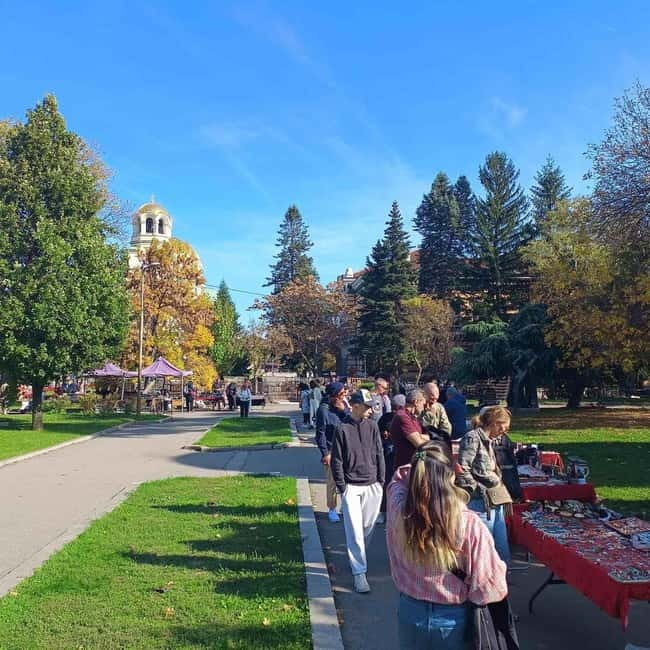
The tour includes four stops for traditional dishes and drinks. The exact foods are not specified, but the purpose is clear: you get several small introductions to Bulgarian cuisine rather than one large meal.
That variety is a major reason the $50 price can make sense. You are paying for four tastings, a local guide, and a full walking route through central Sofia. If you paid separately for several snacks and a guided city walk, the total could approach the tour price, though the value depends on how much you eat and how much you use the historical commentary.
The food has been praised as tasty and plentiful. One group in their twenties was still full after the tour, so do not eat a large meal immediately beforehand. At the final food stop, a soft drink is included.
You should also tell the guide about any dietary concerns before ordering if possible. The supplied details do not state that vegetarian, vegan, allergy, or religious dietary requests can be handled, so do not assume substitutions are available.
The drinks and food are useful beyond their taste. You can learn about local traditions, Bulgarian yogurt, spring water, and the outside influences that helped shape the country’s cooking. For me, that kind of explanation is what separates a food tour from a list of snacks.
The major sights along the walking route
The market route also passes several of Sofia’s most important sights. You may hear about:
- Alexander Nevsky Cathedral
- Saint Sofia Church
- The Largo
- Roman ruins
- Banya Bashi Mosque
- Sofia Synagogue
- Lion Bridge
These stops are not described as full interior visits, so think of them as landmarks and historical talking points along the route. That is still valuable on a first day, because you can return later to the places that catch your interest.
The route’s strongest feature is the way it puts different faiths and periods close together. Saint Sofia Church, the mosque, the synagogue, Roman remains, and the cathedral each point to a different part of the city’s past. The guide helps connect those pieces rather than leaving you with a list of names.
I would use this tour as an orientation, not as a replacement for a full sightseeing day. If you want detailed interior visits or long photography stops, you may need to return on your own.
How much walking and what the pace feels like
The distance is about 3 kilometers, or 2 miles, with stops. That is not a strenuous hike, but the tour involves steady movement through central Sofia and is not suitable for wheelchair users or people with mobility impairments.
The pace appears to be leisurely, with time for food and explanations rather than a forced march. A rainy-day tour still went ahead and was enjoyed, but comfortable shoes remain important in all weather.
The route can cover a lot of ground. One person described learning much while walking through the city, and another appreciated the relaxed pace. You should still plan for the tour to take a good part of the day, since the listing gives a one-day validity rather than a precise number of hours.
If you have an evening commitment, check the start time carefully and keep a buffer. A late departure once caused the tour to finish later than expected.
Is $50 a fair price?
At $50 per person, this is not the cheapest way to grab a snack in Sofia. It can be good value if you want a guide, four food stops, and a structured introduction to the city’s markets and history.
The price works best for someone who would otherwise book both a food tour and a central walking tour. You receive one English-speaking guide, four local dishes or tastings, a soft drink at the final stop, and an organized route through four markets and several landmarks.
The value is less clear if you mainly want a large restaurant meal or several hours of independent shopping. The food portions are described as plentiful, but the experience is built around sampling and explanation rather than sitting down for a formal feast.
The flexible booking terms help if your schedule is uncertain. You can reserve and pay later, and cancellation is free up to 24 hours before the activity for a full refund.
Who will enjoy this tour most
I would recommend it to first-time visitors who want to get their bearings quickly. It is also a good match for anyone curious about local food, market life, and the way Bulgaria’s past affects everyday culture.
It suits couples, small groups, and younger visitors who want an active introduction rather than a quiet museum visit. The tour has also worked well for very small groups, including a booking with just two people.
You may want to choose something else if you use a wheelchair, have limited mobility, dislike walking, or need a tightly fixed finish time. You should also look elsewhere if your top priority is detailed shopping advice, a full meal at one restaurant, or inside visits to every major landmark.
Should you book the Sofia markets tour?
Book it if you want a friendly introduction to Sofia through food, markets, and history, especially on your first day. The strongest part is the connection between the four markets and the city’s changing past. The guide turns a simple walk into a useful lesson, while the food keeps the day relaxed and practical.
The main cautions are the walking distance, the uncertain end time, and the fact that exact dishes are not listed in advance. For most able-bodied visitors who arrive hungry and leave room in their schedule, $50 is a fair price for four tastings, a local guide, and a clear first look at Sofia.
FAQ
How much walking is involved?
The tour includes about 3 kilometers, or 2 miles, of walking with stops.
Where does the tour meet?
Meet at the Stefan Stambolov Monument in Crystal Park. It is a sculpture of a split head. Arrive 10 minutes before the start.
Which markets does the tour visit?
The route visits the Flea Market, Central Market Hall, Hali Market, and the Women’s Market.
How many food stops are included?
Four food stops with local dishes are included. A soft drink is provided at the last food stop.
What language is the tour conducted in?
The live tour guide speaks English.
Is the tour suitable for wheelchair users?
No. The tour is not suitable for wheelchair users or people with mobility impairments.
Newly added plates around the world
- Zanzibar:Stone town Street food market walking tour,transfer★ 4.5 · 9 reviews
- Zanzibar: Stone town visit, Shopping tour &Night food Market★ 4.4 · 2 reviews
- Xi’an: Gourmet & Street Food Tour★ 4.8 · 22 reviews
- Zanzibar: Stone town tour, Prison island & night food market★ 4.5 · 2 reviews
- Xi’an Muslim Quarter Night Market Foodie Walking Tour★ 4.2 · 22 reviews
- Verona: Street Food and History Tour with Local Guide★ 4.7 · 6 reviews
- Vienna Food Tour: Dishes, Wine, Street Food & Culture★ 4.7 · 12 reviews
- Verona: City Highlights & Street Food Walking Tour★ 5.0 · 3 reviews
Night Market Food Tours, compared.
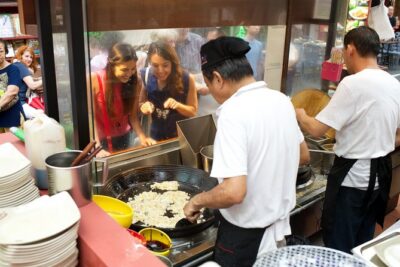
Small Group: Michelin and Local Hawker Food Tour with 9 tastings
Read our review →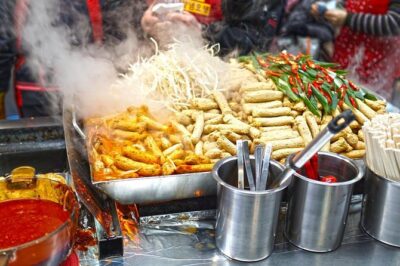
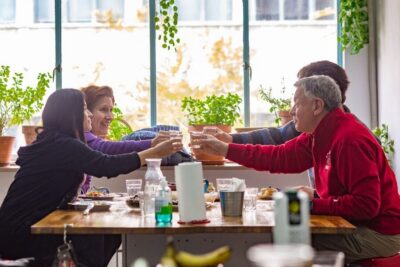
Food Market Visit and Cooking Class with Wine
Read our review →
Venice Street Food Tour with Local Guide with Local Food Market Visit
Read our review →
Cancun Taco Tour, Local Beer and Night Market with Transportation
Read our review →
Tsukiji Fish Market Food and Culture Walking Tour
Read our review →
Cancun Street Food Tour with Food Stalls, Local Market and Murals
Read our review →Browse the lists this tour appears in