
REVIEW · FOOD TOURS BY MOTORBIKE OR SCOOTER
Singapore: Street Food & Ethnic Quarters Kick Scooter Tour
Singapore’s best street food is often found away from the polished restaurant scene, and this tour gets you there with a kick scooter under your feet. Over 210 minutes, you ride from Little India through Bugis, the Civic District, and Kampong Glam while stopping for seven local foods and drinks.
I like the way the route joins food with place. A dosai cone makes more sense after you have seen Little India’s Hindu temples, and a plate of Malay-style banana fritters feels more meaningful beside Sultan Mosque and Bussorah Street. I also like the personal touch from Ping, the English-speaking guide repeatedly praised for her warm manner and strong local knowledge.
The main consideration is the scooter. You need reasonable fitness and balance for about 5.7 km of riding, with stops in busy city areas. The tour is not suitable for children under eight, pregnant women, or people over 220 pounds, and heavy rain may change the ride to a walking tour.
Key points to know before booking
- Seven vegetarian-friendly tastes: Try dosai, chutneys, masala tea, popiah, chwee kway, muah chee, bubur pulut hitam, and pisang goreng.
- Six cultural quarters in one evening: The route links Little India, Bugis, the Civic District, Kampong Glam, the Jewish Quarter, and nearby heritage streets.
- A guide-led ride with Ping: Ping has been praised for her clear explanations, friendly style, and ability to adapt to dietary needs.
- About 5.7 km by kick scooter: You will ride between sights rather than simply walk from one food stop to the next.
- A strong evening schedule: The tour begins at Little India MRT Station Exit E and ends on Dunlop Street, near Little India.
- Weather matters: A disposable poncho is supplied during bad weather, but one previous outing changed from scooters to walking because of conditions.
Why this Singapore tour is different
Many Singapore food tours stay inside one hawker centre. This one treats the city as a connected meal, using food to explain how Indian, Chinese, Malay, Jewish, Christian, and other communities shaped Singapore.
You start at Little India MRT Station Exit E at street level. That meeting point is easy to reach by public transport, and it puts you in the right setting from the first minute. You do not waste time crossing town to reach the first sight.
The scooter makes a real difference. Singapore is compact, but the stops in this route are spread across several districts. Walking the full route would take more effort and leave less time for food and explanations. On two wheels, you cover more ground and get a cooler evening breeze between stops.
You should not expect a fast, freewheeling ride. This is a guided city tour with frequent stops for photos, short talks, temple exteriors, and food. The scooter is a practical way to connect the neighborhoods, not the main attraction.
More Food Tours by Motorbike or Scooter in Singapore:
- Singapore Street Food and Ethnic Quarters Kick Scooter Tour
★ 5.0 · 8 reviews - Ho Chi Minh City Street Food Tour & Sightseeing By Motorbike
★ 5.0 · 9,413 reviews - Saigon By Night and Street Food By Motorbike | Opt: Ao Dai Riders
★ 5.0 · 4,066 reviews
Little India: colorful streets and a crisp dosai cone
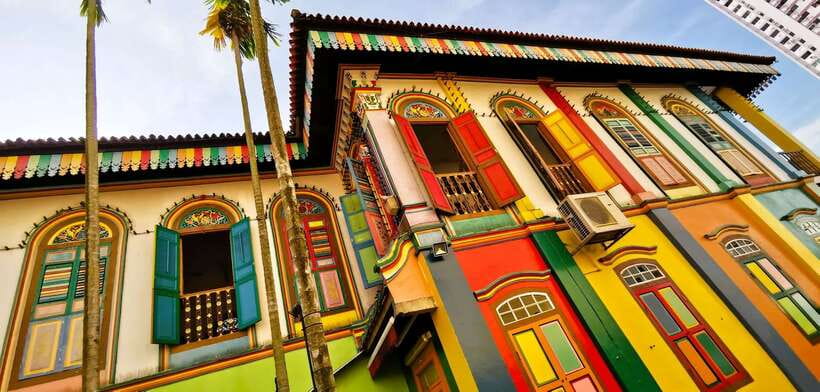
Tan Teng Niah is your first photo stop. The small, brightly painted Chinese villa looks surprising in Little India, and that contrast gives the guide a natural way to explain Singapore’s mixed communities and old shophouse districts.
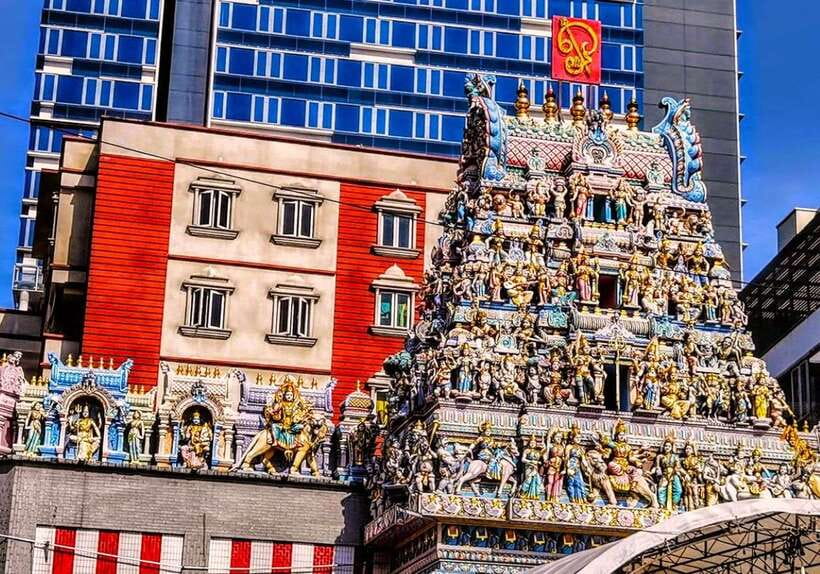
Next comes Sri Veeramakaliamman Temple, one of the area’s key Hindu landmarks. The stop is short, about ten minutes, but it gives you a chance to see the temple’s exterior and hear about the religious traditions that remain part of daily life in Little India.
The first main food stop is Komala Vilas Restaurant. Here you taste a striking dosai cone with chutneys and a cup of hot masala tea. Dosai is a thin, crisp South Indian crepe, and serving it in a cone makes this more playful than a standard restaurant plate.
This is also listed as a dinner stop, with about 40 minutes for food, tea, and explanation. That length matters. You are not simply handed a sample while standing on a pavement. You have time to eat, ask questions, and settle into the evening.
The vegetarian focus is useful here. If you eat vegetarian food, the tour is designed with you in mind. One family of four found that Ping was especially accommodating with their dietary needs, which suggests you should explain your requirements clearly at the start.
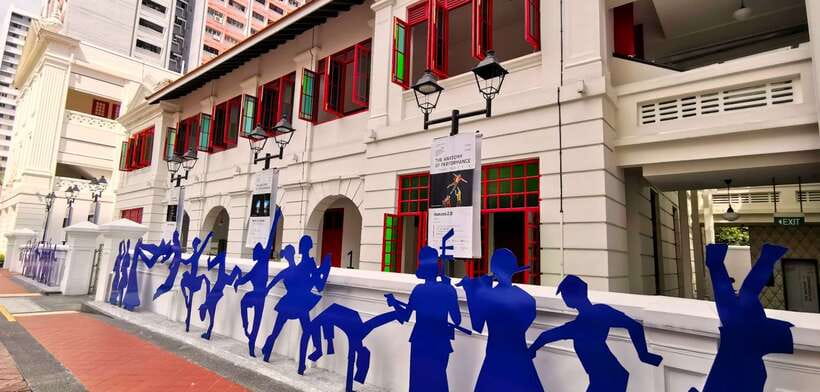
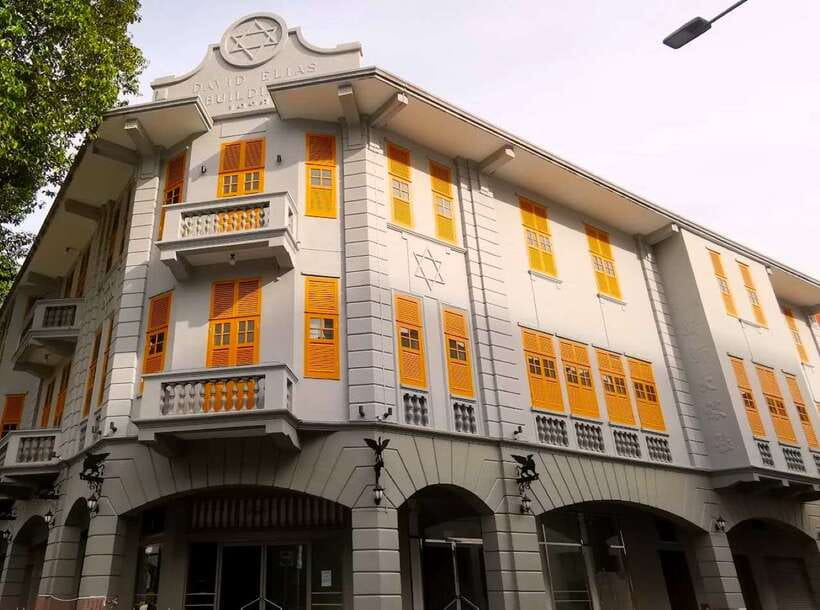
After eating, the route passes Campbell Lane, an active Little India street with shops and colorful façades. You then see the David Elias Building and the Stamford Arts Centre, two stops that help link the neighborhood’s everyday streets with its restored heritage architecture.
Bugis and the Civic District: short stops, many layers
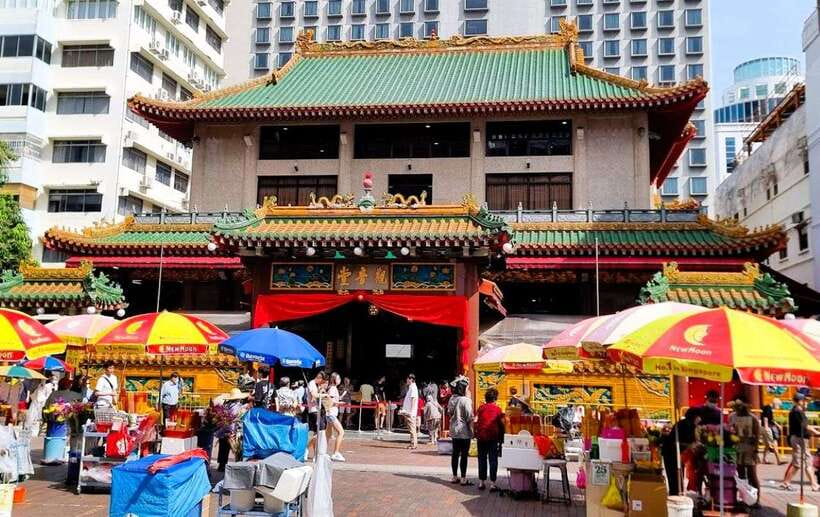
The ride continues toward Sri Krishnan Temple and Kwan Im Thong Hood Cho Temple. Both stops are brief, only a few minutes each, but together they show how different religious traditions sit close to one another in central Singapore.
Albert Centre is the next substantial food stop, with around 30 minutes for hawker food and local snacks. This is where you taste items such as popiah, chwee kway, and muah chee.
Popiah is a fresh Chinese spring roll, usually filled with vegetables and other ingredients. Chwee kway is steamed rice cake topped with preserved radish and sambal. Muah chee is made from glutinous rice, cut into small pieces, and coated with crushed peanuts and sugar.
These foods make a useful contrast. You get soft and crisp textures, savory and sweet flavors, and a better sense of how much variety can fit inside a small hawker centre. The portions are tastings rather than a full restaurant dinner, but the combined food stops should satisfy a normal appetite.
Bugis Street follows, with time for photographs and a look at the shopping area. The nearby Bugis Junction stop adds another view of how older streets and modern retail spaces sit side by side. The tour does not offer a long shopping session, so think of these stops as quick orientation points rather than time to browse every stall.
The pace can feel full here. In only a few minutes, you move from a temple to a hawker centre, then from a market street to a shopping complex. That is part of the appeal, but you should be comfortable with short explanations and regular departures.
Churches, CHIJMES, and Raffles Hotel
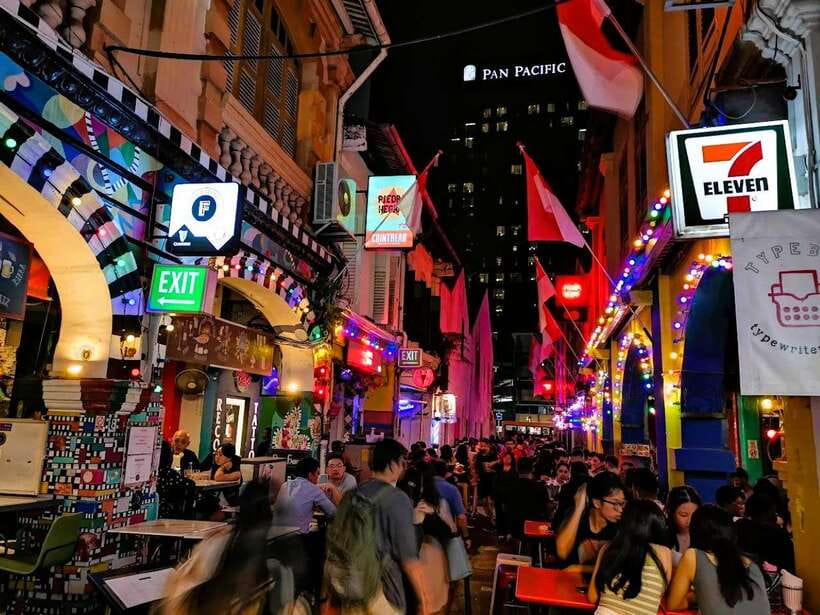
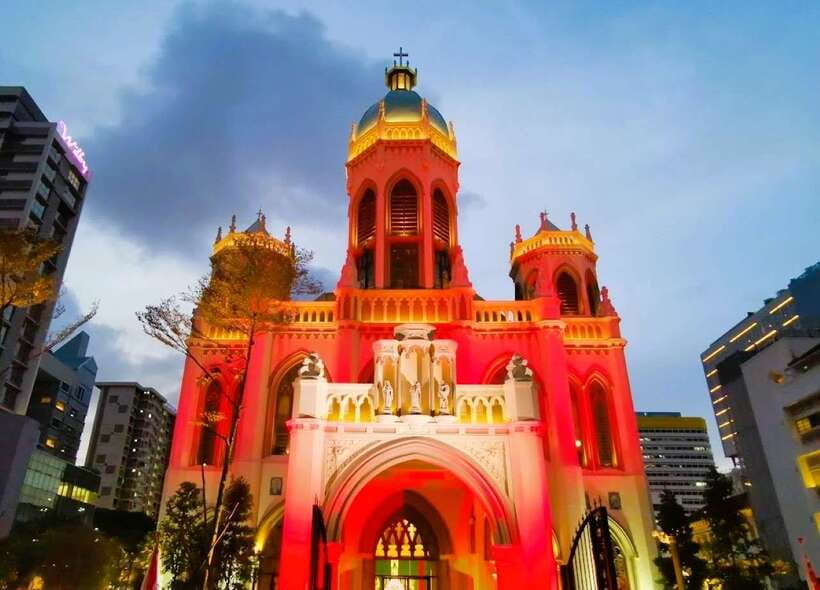
The route then shifts into Singapore’s Civic District, beginning with St Joseph’s Church on Victoria Street and the Cathedral of the Good Shepherd. These brief photo stops show another side of the city’s religious history.
CHIJMES gives you more time, around ten minutes. The former convent complex is now known for its preserved buildings and attractive public spaces. Your guide can connect it to the wider story of Singapore’s colonial-era institutions and changing city centre.
At 20 minutes, Raffles Hotel is the longest break on this part of the route. You have time for photographs, a short rest, and some shopping. The stop is not presented as a full hotel tour, so do not expect access to every interior area. It is best treated as a landmark pause in a busy evening.
This section is less about eating and more about showing how Singapore’s districts change character within a short ride. The temples of Little India and Bugis give way to churches, grand civic buildings, and a famous hotel. The guide’s commentary is especially important here because several of these stops are quick.
More street food tours in Singapore:
- Small Group: Michelin and Local Hawker Food Tour with 9 tastings
★ 5.0 · 1,890 reviews - Small Group: Singapore Street Food & Night Tour with 9 tastings
★ 5.0 · 1,240 reviews - Singapore: UNESCO Street Food & Cultural Experience
★ 5.0 · 524 reviews - Small-Group Food Tour With Hawker Center: Eat Like A Local
★ 5.0 · 420 reviews
Kampong Glam: dessert, mosques, and painted side streets

The final major neighborhood is Kampong Glam, where the food and architecture take on Malay and Muslim influences. Haji Lane is a ten-minute stop with dessert and street-food tastings. Here you try bubur pulut hitam, a black glutinous rice dessert served with coconut cream, and pisang goreng, crisp Malay-style banana fritters.
These are good closing tastes because they lean sweet and comforting. After savory spring rolls, rice cakes, and peanut-coated muah chee, coconut cream and fried banana make the meal feel complete.
The route continues to Sultan Mosque and Bussorah Street. Sultan Mosque is one of the area’s defining landmarks, while Bussorah Street offers a close look at the pedestrian street and surrounding heritage buildings. The mosque stop is only about five minutes, and Bussorah Street is shorter, so the value comes from seeing both in sequence and hearing how they fit into Kampong Glam.
The tour finishes at 73 Dunlop Street, back near Little India. That is convenient if you want to continue eating or return to the MRT, though hotel drop-off is not included. You need to arrange your own way back to your accommodation.
What the food program is really like
The advertised food list includes seven types of local street food or drink. The named tastes are:
- Dosai with chutneys
- Masala tea
- Popiah
- Chwee kway with salted radish and sambal
- Muah chee with crushed peanuts and sugar
- Bubur pulut hitam with coconut cream
- Pisang goreng
The wording describes seven types of food and drink, so tea appears to count as one of the seven. You should regard the tour as a tasting dinner rather than a large meal at one restaurant.
I like this selection because it avoids making every stop a famous, obvious dish. You get everyday hawker foods and sweets that help explain local eating habits. You also sample from more than one cultural tradition instead of spending the full evening on a single cuisine.
Vegetarian diners are well served by the design of the tour. Still, vegetarian-friendly does not automatically answer every question about ingredients, preparation, or spice. Tell Ping about your needs before the tastings begin, especially if you avoid eggs, dairy, seafood, or strong chili.
Ping’s role and the value of the guide
The guide can make or break a route with this many short stops. Ping is the named guide praised in the available feedback, and she comes across as the tour’s strongest feature. She is described as friendly, passionate, and good at explaining Singapore’s culture and history without making the evening feel like a classroom.
That matters at sites such as the two temples, the churches, and CHIJMES. A quick photo stop has limited value if you do not know what you are looking at. Ping’s explanations turn a series of façades into a story about migration, faith, food, and urban change.
She also appears comfortable adjusting the outing. One small group had a personalized experience because they were the only participants, and another outing switched from scooters to walking because of the weather. You should not assume every departure will be private, but the guide has shown flexibility when circumstances require it.
The tour is offered in English. If you want detailed cultural context rather than only directions from one food stop to another, this is an important part of what you are paying for.
Riding conditions, timing, and comfort
The tour lasts three and a half hours. That is long enough to cover a broad slice of central Singapore, but the schedule is packed. You will be moving, stopping, eating, listening, and taking pictures with little spare time.
You need reasonable fitness and a sense of balance. The total ride is about 5.7 km, and the route passes through city streets and busy districts. Comfortable shoes and water are listed as essentials, even though the main transport is a scooter.
The tour is not suitable for children under eight, pregnant women, or people over 220 pounds. Those limits are practical rather than minor footnotes, so check them before booking.
Rain is another consideration. A disposable poncho is included during inclement weather, but the scooters may not be used in every condition. Since one outing became a walking tour because of the weather, bring a flexible attitude and shoes you can walk in comfortably.
The evening timing should appeal to you if you prefer cooler air and city lights over midday heat. You will also see the neighborhoods during their night-time rhythm, especially around the hawker and market stops.
Is $54 a fair price?
At $54 per person, the price includes the scooter rental, an English-speaking licensed guide, and seven local food or drink tastings. It does not include hotel pickup or drop-off.
I consider that fair if you value the guide and the range of districts. You are paying for more than snacks: the tour covers transportation between neighborhoods, cultural interpretation, and a structured evening route that would be awkward to plan on your own.
The value is weaker if you mainly want a large dinner or prefer to explore at your own pace. The tastings are spread across the route, and the short stops mean you will not linger long at every market or landmark. A self-guided hawker-centre visit would cost less, but it would not give you the same sequence of religious sites, heritage buildings, and neighborhood connections.
The full five-star rating from ten available reviews is encouraging, and Ping receives the clearest praise. I would book this for the cultural explanation and efficient route, not simply for the amount of food.
Who should book this ride?
This tour suits you if you want to see several sides of Singapore in one evening and enjoy trying small portions of local food. It is especially useful on a first visit, when you want a clear introduction to Little India, Bugis, the Civic District, and Kampong Glam without spending days planning the route.
Vegetarian diners should find the menu convenient, provided they explain any strict restrictions. Couples, families with older children, and active adults may enjoy the lighthearted scooter element, particularly if they are happy to laugh at themselves while learning the balance and pace.
I would choose something else if you dislike scooters, need a slow and quiet schedule, or want a full sit-down meal. The route is busy and varied, with many short stops. You should also skip it if you fall into one of the stated suitability limits or if a 5.7 km ride sounds tiring.
FAQ
Where does the Singapore scooter food tour begin?
It begins at Little India MRT Station Exit E, at street level.
Where does the tour finish?
The tour finishes at 73 Dunlop Street.
How long is the tour?
The experience lasts 210 minutes, or three and a half hours.
What food and drink are included?
The tastings include dosai with chutneys, masala tea, popiah, chwee kway, muah chee, bubur pulut hitam, and pisang goreng.
Is the tour suitable for vegetarian diners?
Yes. The tour is described as vegetarian-friendly, and the food program includes several vegetarian local dishes. Tell the guide about your dietary needs before tasting.
Do I need to be fit to ride?
Yes. You need reasonable fitness and a sense of balance to ride a kick scooter for about 5.7 km. The tour is not suitable for children under eight, pregnant women, or people over 220 pounds.
Should you book it?
Book this tour if you want food, neighborhoods, and local explanation in one evening. The route covers a lot of ground, Ping is a strong guide, and the tastings offer more range than a single hawker-centre visit.
Go in knowing that the scooter ride is part of the work, not just a novelty. Bring water, wear comfortable shoes, and allow for a possible switch to walking in poor weather. For active visitors who want a quick but meaningful introduction to Singapore’s many communities, $54 is a sensible price.
Newly added plates around Singapore
- UNESCO Hawker Culture: Chinatown Food Tasting Tour★ 4.9 · 43 reviews
- Singapore Street Food Join-In Tour★ 5.0 · 2 reviews
- Private Tour Singapore Street Food & Night Tour★ 5.0 · 4 reviews
- UNESCO Hawker Culture: Chinatown Food Tasting Tour★ 5.0 · 47 reviews
- Singapore Nightlife: Street Food, Night Views and Drinks★ 5.0 · 19 reviews
- Signature Urban Night Tour: Sunset Street Food in Singapore★ 5.0 · 4 reviews
- Singapore Street Food and Ethnic Quarters Kick Scooter Tour★ 5.0 · 8 reviews
- Singapore: Little India Hawker Food Tasting Tour★ 5.0 · 21 reviews
Food Tours by Motorbike or Scooter, compared.
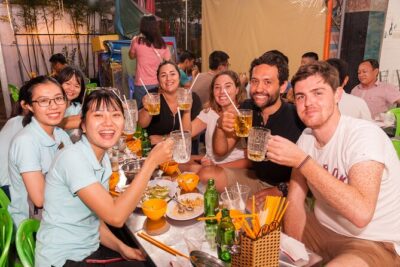
Ho Chi Minh City Street Food Tour & Sightseeing By Motorbike
Read our review →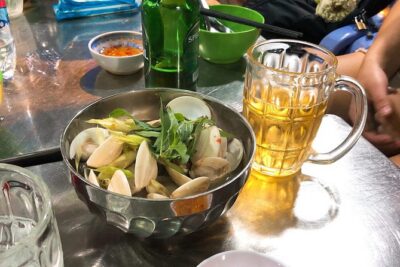
Saigon By Night and Street Food By Motorbike | Opt: Ao Dai Riders
Read our review →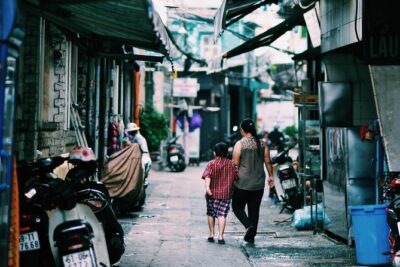
Private Street Food Tour by Motorbike/Car with Local Students
Read our review →
Street Food Tasting & Sightseeing Tour by Motorbike
Read our review →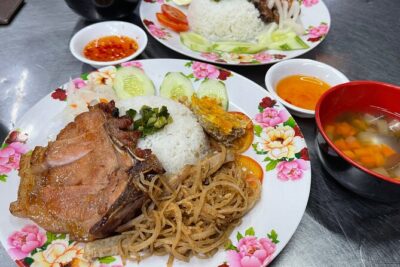
Top Notch Street Food Motorbike Tour In Ho Chi Minh City
Read our review →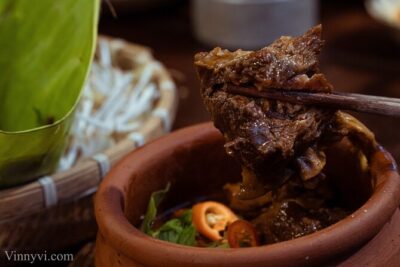
Private Street Food Motorbike Tour in Ho Chi Minh City
Read our review →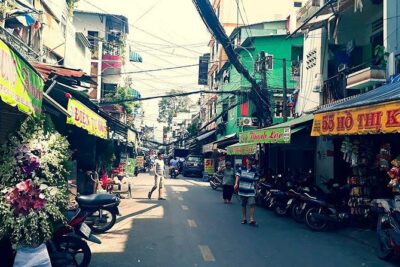
Saigon Afternoon Unseen Street Food by Scooter |Opt: Ao Dai Rider
Read our review →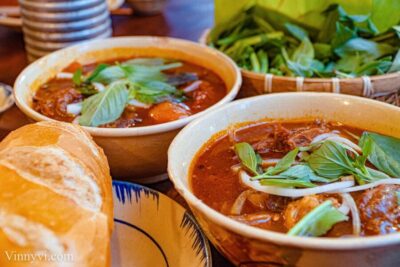
Browse the lists this tour appears in