
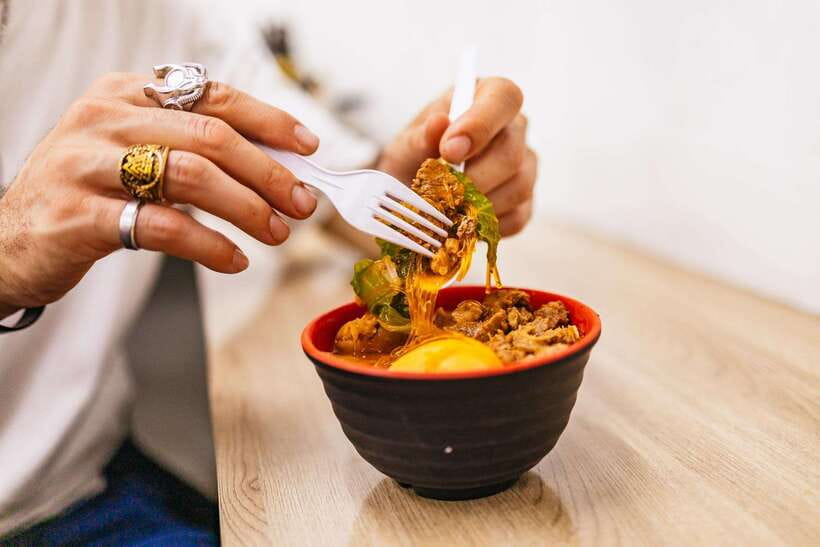
REVIEW · STREET FOOD AND DRINKS CRAWLS
Manila: Street Food and Drinks Walking Tour with Tastings
Manila’s best food stories are often served from a cart, a tiny counter, or a stall tucked along a crowded side street. This two-hour tour takes you through Binondo and nearby areas for Filipino favorites such as kwek kwek, pancit palabok, turon, and halo-halo, with a guide explaining what you are eating and why it matters. I especially like the mix of food and local transport, including a possible jeepney or Lamborghini tricycle ride. The main catch is simple: this is a meat-heavy tasting, so vegetarians and vegans should skip it.
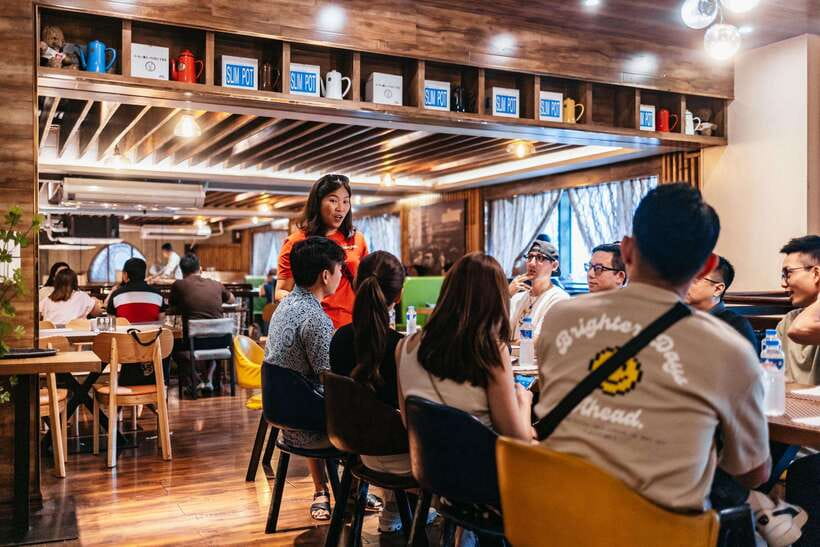
I also like the small group size, limited to 10 participants, and the relaxed meeting point at Grand Cafe 1919. Guides such as Mari and Tess bring a personal feel to the walk, and the best moments often come from the ordinary streets, local vendors, and quick cultural stories between bites. Come very hungry, because six to ten tastings can add up to a full meal.
Key points at a glance
- Six to ten generous tastings: Try snacks, noodles, soup, grilled food, fruit, dessert, and drinks in one compact outing.
- Binondo street life: Walk through Chinatown and surrounding local neighborhoods rather than staying on a polished tourist route.
- Guides who add context: Mari is frequently named as an energetic guide, while Tess and other guides also lead the experience.
- Local transport included: Depending on the day, you may ride a jeepney or the tour’s distinctive Lamborghini tricycle.
- A serious amount of food: Skip breakfast or eat lightly, especially if you want to sample every stop.
- Not designed for every diet: The tour is not suitable for vegetarians, vegans, pregnant women, or wheelchair users.
Starting at Grand Cafe 1919 in Binondo
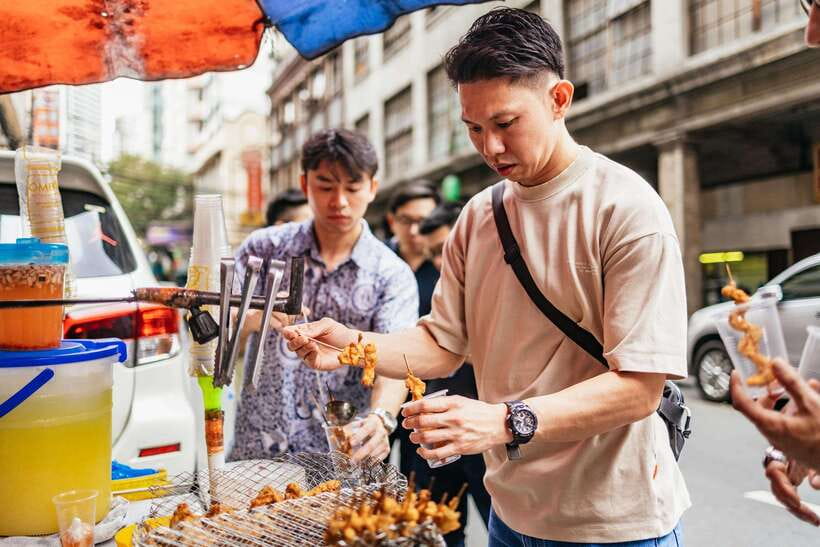
The tour begins at Grand Cafe 1919 on Juan Luna Street in Manila’s Binondo district. It is a useful place to meet because you can have a drink, use the facilities, and gather with the group before heading into the streets.
Binondo gives the walk a strong sense of place. You are not simply moving from restaurant to restaurant. You are passing food stalls, market areas, side streets, and crowded public spaces where everyday Manila carries on around you. That setting is a big part of the experience.
Your guide leads in English, with Tagalog also available. Mari has led many departures and is known for keeping the group together in crowded areas, taking photos, answering questions, and explaining both food and local history. Other guides, including Tess, may lead your tour, so the exact personality and route can vary.
The group is limited to 10 participants, although some tour details describe a maximum of 12. Either way, this is a small-group outing rather than a large bus tour. That matters when you are standing at a compact stall, crossing a busy street, or trying to hear an explanation over city noise.
More Street Food and Drinks Crawls in the Philippines:
- Manila Street Food and Drinks with Tuktuk Experience
★ 5.0 · 4 reviews - Hungry Osaka Street Food Tour:15 Tastings & 3 Drinks with a Local
★ 5.0 · 1,727 reviews - Florence: Street Food Tour with Wine & Local Guide
★ 4.9 · 1,443 reviews
Filipino snacks that make a strong first impression
The food list is broad, and the exact selection depends on what is available from the stalls that day. You may begin with sweet fried snacks such as banana cue, a banana coated in caramelized brown sugar, or kamote fries made from sweet potato.
Turon is another likely highlight. This fried banana roll has a crisp exterior and a sweet center, and it is one of the easiest Filipino street foods for first-time tasters to enjoy. It also gives you a good early example of how Filipino food can be both simple and carefully balanced.
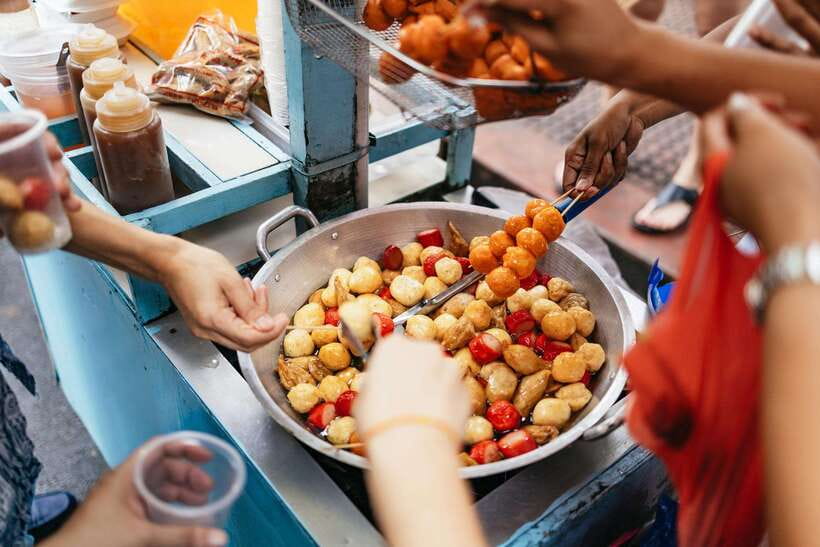
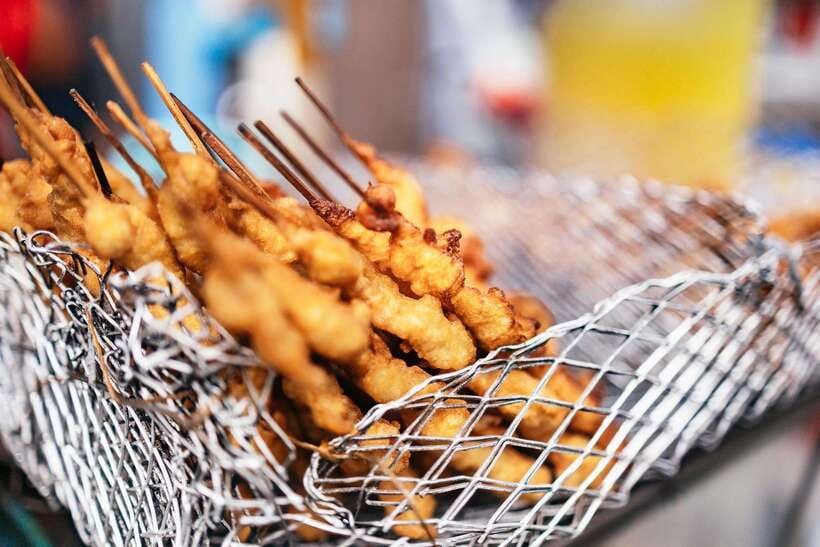
Kwek kwek brings a different experience. These are quail eggs coated in orange batter and fried, usually eaten with a dipping sauce. The bright color and unfamiliar name can make them look more daring than they are, which is part of the fun.
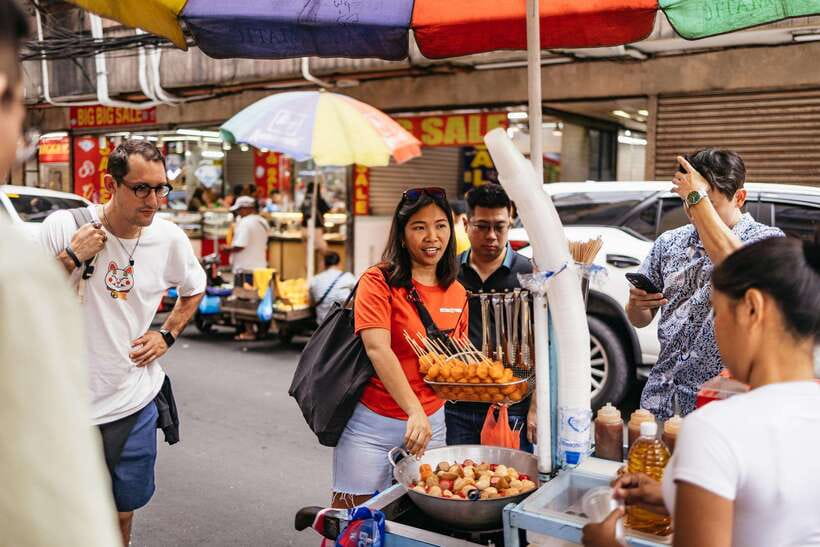
You might also encounter lumpia, pork on a stick, fried chicken intestine, or other items that change with the day. The tour does not promise one fixed plate at every stop. That flexibility is useful because street food availability is part of the point, but it also means your tasting list may not match another departure exactly.
Noodles, soup, and the savory side of Manila
The middle portion of the walk moves into more filling food. Possible tastings include siomai, sotanghon soup, pancit, and pancit palabok.
Sotanghon is a noodle soup that can offer a welcome pause, especially in hot weather. A warm bowl also helps break up the fried snacks. Pancit gives you another familiar Filipino staple, while palabok brings a distinct sauce and texture that many first-time visitors may not discover on their own.
The tasting portions are not always tiny samples. Several people found the food generous enough to replace a meal, and that is why I would not schedule a large breakfast before this tour. If you are a fast eater or used to food tours with miniature bites, you may find the amount more substantial than expected.
The food stops are also a good reason to ask questions. You can learn how a dish is eaten, which sauces belong with it, and what makes one vendor’s version different from another. A guide is particularly useful here because the names alone do not tell you much.
Grilled seafood, fruit, and a brave optional bite
Grilled squid and calamari may appear among the savory tastings. These stops add smoky flavors and a break from fried food. Mango with shrimp paste offers a sharp sweet-salty combination that may be new to you, especially if you are used to eating mango only as a dessert fruit.
Balut may also be offered or discussed, although it is not listed as a guaranteed tasting in the formal food selection. If it appears, you can decide for yourself. Balut is a fertilized duck egg, and it is one of the Philippines’ most famous food challenges. Some people enjoy it; others, quite reasonably, pass.
You should never feel that you must eat something that makes you uncomfortable. The tour works best when you are open to trying unfamiliar food, not when you treat every dish as a test of courage. Your guide can explain what is in front of you and help you make a choice.
Food safety is another reason the guided format has value. The tour takes you to selected stalls considered suitable for visitors, and guides can help you understand how the food is prepared and served. Still, street food always carries some personal risk. Bring hand sanitizer if you prefer extra caution, and avoid overdoing it if your stomach is sensitive.
More street food tours in the Philippines:
- Manila Food Tour: Introduction to Philippine Street Food
★ 5.0 · 417 reviews - Manila: Guided Night Market Experience
★ 5.0 · 54 reviews - Makati Street Food Experience end with a Rooftop Bar
★ 5.0 · 33 reviews - Manila Street food and Night Market Tour
★ 4.7 · 21 reviews
Halo-halo brings the walk to a sweet finish
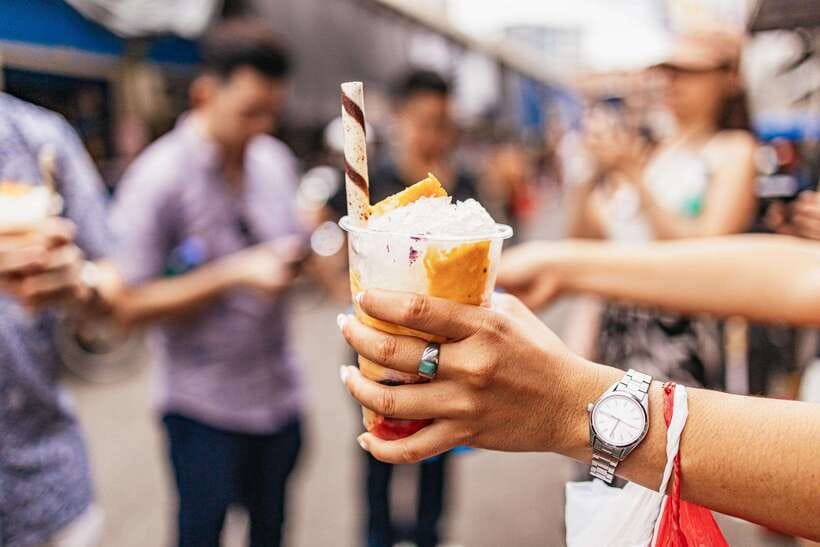
The tour usually ends with halo-halo, a colorful Filipino dessert made with a mixture of sweet ingredients, crushed ice, and evaporated milk. It is cool, filling, and particularly welcome after walking through Manila’s heat.
Halo-halo is not just a final sugar hit. It shows the playful side of Filipino desserts, where different textures and flavors come together in one glass or bowl. For many people, it is the most memorable way to finish a food tour.
Water or a refreshing juice is included, and other drinks may appear along the route. One useful feature of the pacing is that refreshments can break up the food and walking, rather than leaving you to push through two hours without a pause.
Walking through Chinatown and local neighborhoods
The food is the headline, but the streets are the setting that gives the tour its character. You pass through both open areas and tight, crowded sections of Chinatown and nearby districts. The route can feel hectic, particularly during festivals or major local events.
Chinese New Year, for example, can bring large crowds and make walking harder. That is not necessarily a flaw. It can add a real sense of occasion, but you should expect slower movement and more people around you if your visit falls on a major holiday.
The tour is also useful if you have already wandered around Binondo and felt unsure where to go next. A guide turns a confusing neighborhood into a sequence of stops, with food choices and short stories giving the walk a clear purpose.
You will need comfortable shoes. This is a genuine walking tour, not a food crawl where you sit for most of the outing. Stay close to the guide when the streets are crowded, and keep your belongings secure in busy areas.
Jeepney or Lamborghini tricycle?
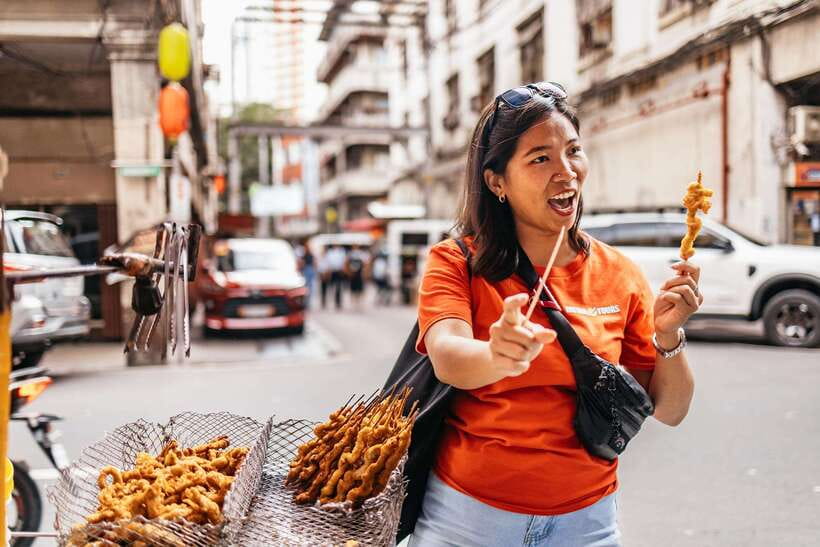
Local transportation is one of the tour’s most distinctive extras. The experience may include a jeepney ride or a trip in the tour’s Lamborghini tricycle, a colorful local vehicle that has become a memorable part of the outing.
A jeepney ride gives you a practical look at how people move around Manila. It can be awkward to arrange on your own, especially if you do not know the route, fare, or boarding point. Riding with a guide removes much of that uncertainty.
The tricycle is shorter and more playful, but it still adds a useful change of pace after walking and eating. Several tours have included more than one type of local transport, but you should not assume that every vehicle will appear on every departure. One departure did not include the promised jeepney ride, so treat the transport as a possible part of the experience rather than an absolute guarantee.
Is $68 good value for two hours?
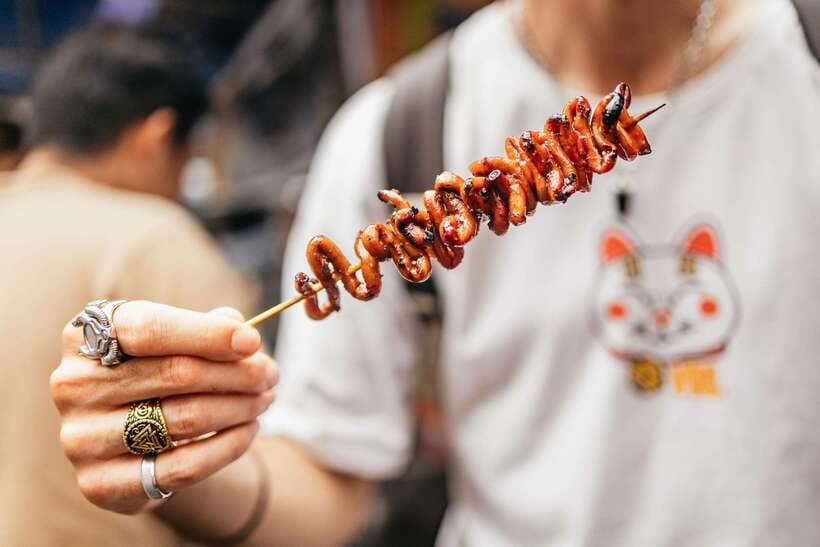
At $68 per person, this is not the cheapest way to buy street food in Manila. If your only goal is to eat a few snacks, you can spend much less by choosing stalls on your own.
The value comes from the package. You get six to ten tastings, drinks, a guide, neighborhood orientation, cultural explanations, walking, and possible local transport. You also avoid the guesswork of choosing unfamiliar stalls and dishes without knowing what you are ordering.
I think the price makes the most sense for a first visit, a solo traveler, or anyone nervous about trying street food alone. It is also useful if you have only one day in Manila and want food, neighborhoods, and local transport in one short outing.
For repeat visitors who already know Binondo well, the value may feel lower. You might prefer to spend the same money slowly sampling food on your own. Even then, the guide’s access to local stalls and ability to explain dishes can justify the cost if you want more than a self-guided snack hunt.
Who should book this Manila food tour?
You should book it if you like trying unfamiliar foods, enjoy walking through ordinary neighborhoods, and want a friendly guide to explain what you are seeing. It suits food-focused visitors who would rather taste ten small pieces of Manila than sit down for one formal meal.
It is especially helpful for solo visitors. A guide can make ordering easier, take photos, keep you oriented, and make a crowded route feel less stressful. The small group also gives you people to share the experience with without the weight of a large organized excursion.
Families can join, including children ages 3 to 7 with guidance. Parents should remember that the streets may be crowded and the food can be unfamiliar, so close supervision is needed.
This is not a good match for vegetarians or vegans because several listed dishes contain meat, seafood, or animal products. It is also unsuitable for pregnant women, wheelchair users, and anyone who does not manage well with heat, crowds, or substantial walking.
You can cancel up to 24 hours before the start for a full refund, and the reserve-now, pay-later option keeps payment flexible. Book at least 24 hours ahead, and check the available starting time before you commit.
My verdict on the Binondo street food walk
I would book this tour if I wanted a fast, guided introduction to Filipino street food and did not feel ready to choose stalls alone. The strongest part is the combination of generous tastings, local streets, and an enthusiastic guide, not any single dish.
Come hungry, wear comfortable shoes, and leave room for halo-halo. If you are vegetarian, vegan, pregnant, using a wheelchair, or looking for a quiet sit-down meal, choose something else. For adventurous eaters who want to see Manila through its food stalls, this is a lively and practical two-hour introduction.
FAQ
Where does the Manila street food tour meet?
The meeting point is Grand Cafe 1919 in Binondo, on Juan Luna Street in Manila.
How long does the tour last?
The tour lasts two hours.
How many food tastings are included?
You can expect between six and ten food tastings, depending on what is available on the street that day.
What foods might be included?
Possible tastings include banana cue, kamote fries, turon, kwek kwek, siomai, sotanghon soup, palabok, Filipino pancit, grilled squid, mango with shrimp paste, and halo-halo.
Are drinks included?
Yes. Water or a refreshing juice is included, and other drink tastings may be available during the walk.
Is transportation included?
The experience includes a possible jeepney ride or Lamborghini tricycle ride. The exact transport can vary by departure.
What language does the guide speak?
The tour is led in English, and the guide may also speak Tagalog.
Is the tour suitable for vegetarians or vegans?
No. The tour is not suitable for vegetarians or vegans because several dishes cannot be eaten on those diets.
Can children join?
Children ages 3 to 7 may join with guidance.
What should I bring?
Bring comfortable shoes, arrive hungry, and bring questions for the guide. The tour operates rain or shine.
Newly added plates around the Philippines
- Manila Night market and Street Food Tour★ 5.0 · 2 reviews
- Makati Street Food Experience end with a Rooftop Bar★ 5.0 · 33 reviews
- Manila Night Market and Food tour experience with Local guide★ 5.0 · 2 reviews
- Manila Night Market Experience with Local Guide★ 5.0 · 10 reviews
- Makati Street Food tour Experience★ 5.0 · 16 reviews
- Manila Night Market with Local Guide★ 4.7 · 12 reviews
- Manila Street Food and Drinks with Tuktuk Experience★ 5.0 · 4 reviews
- Makati: Street Food Experience with a Local Guide★ 4.6 · 14 reviews
Street Food and Drinks Crawls, compared.
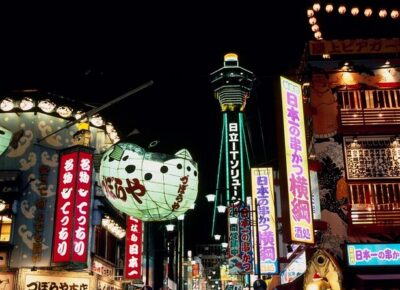
Hungry Osaka Street Food Tour:15 Tastings & 3 Drinks with a Local
Read our review →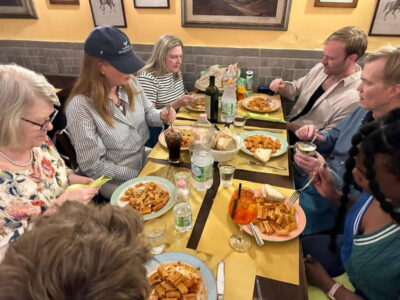
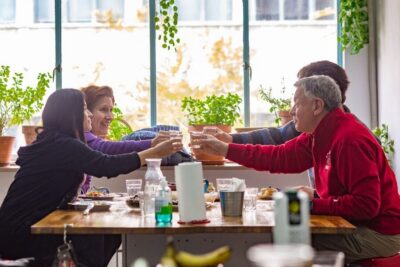
Food Market Visit and Cooking Class with Wine
Read our review →
Cancun Taco Tour, Local Beer and Night Market with Transportation
Read our review →Budapest Centre Food Tour with 10+ Tastings, Wine & Street Food
Read our review →
Authentic Vienna Food Tour inc. lunch, street food, 3 drinks
Read our review →
Hungry Osaka Street Food Tour: 15 Dishes & 3 Drinks
Read our review →Browse the lists this tour appears in