
REVIEW · STREET FOOD AND DRINKS CRAWLS
Budapest Centre Food Tour with 10+ Tastings, Wine & Street Food
Budapest reveals itself especially well through food, and this three-hour walk gives you a filling tour of that story. You’ll try Hungarian strudel, crisp lángos, goulash soup, sausages, cheeses, pickled vegetables, coffee, wine, and a secret dish while walking between central Pest neighborhoods. Guides such as Zoltan and George add plenty of history, humor, and local perspective.
I like the small group limit of 12, which makes it easier to hear the guide and ask questions. I also like the generous food portions and the way the route mixes famous Hungarian staples with places you might not find on your own. The main caution is simple: four main stops can mean a lot of time at each one, and some food may come from well-loved Hungarian chains rather than only independent businesses.
Key points to know before you book
- More than 10 tastings: Expect strudel, lángos, goulash soup, meats, cheeses, bread, vegetables, coffee, wine, water, and a secret dish.
- Strong guide-led experience: Zoltan, George, Gabor, Kitti, and Angela are praised for adding humor, food knowledge, history, politics, and personal stories.
- Central Pest route: Begin by the Hungarian State Opera and finish near Nyugati railway station, close to the Parliament area.
- Come hungry: The food is plentiful, not just a few sample bites. Several people found they could not finish everything.
- Walking with built-in pauses: You’ll cover central streets on foot, but sit down at food stops along the way.
- A practical first-day choice: The tour helps you learn what to eat and gives you a useful feel for central Budapest.
What this Budapest food walk is really like
This is not a market tour where you simply graze from one stall to the next. It is a guided walk through central Pest, with food used as the thread connecting Hungarian customs, city history, politics, and everyday life.
The tour lasts about three hours and is offered in English. The advertised price is $118.51 per person, which is not a cheap lunch. Still, you receive a full set of tastings, drinks, a guide, and a walking introduction to the city. If you would otherwise pay for lunch, coffee, wine, dessert, and a separate sightseeing walk, the price becomes easier to justify.
The group can have up to 12 people. That matters here. Food tours lose much of their charm when you are standing at the back of a large crowd, unable to hear the guide or ask about an unfamiliar dish. A dozen people is still large enough for lively conversation, but small enough for a more personal exchange.
The mood depends partly on your guide. Zoltan is described as funny, energetic, and full of stories. George brings broad conversation that can range from food and sport to politics and Hungarian life. Gabor, Kitti, and Angela are also named as guides who bring warmth and strong command of the subject. You should expect a guide who does more than point out dishes. The best part of the tour is the explanation of why those dishes matter.
More Street Food and Drinks Crawls in the world:
- Hungry Osaka Street Food Tour:15 Tastings & 3 Drinks with a Local
★ 5.0 · 1,727 reviews - Florence: Street Food Tour with Wine & Local Guide
★ 4.9 · 1,443 reviews - Athens: Food Market Visit and Cooking Class with Wine
★ 4.9 · 1,087 reviews
Meeting the group at the Hungarian State Opera
The tour begins at Budapest’s Hungarian State Opera on Andrássy út 22. You do not enter the opera house as part of the experience, but this is a useful and easy-to-recognize central meeting point.
Starting here puts you in the middle of Pest, on one of Budapest’s grand avenues. From the first minutes, the walk has an urban sightseeing element, although food remains the main purpose. You will not spend the afternoon touring major monuments in depth, so think of the buildings and streets along the route as a bonus rather than the main program.
The opening stop lasts about 15 minutes. Use that time to meet the guide, settle into the group, and ask about any dietary needs you have already raised. Comfortable shoes are a must. The walk is not described as difficult, but it involves a fair amount of time on foot, with streets between the eating stops.
Strudel, coffee, and the sweet opening
The first substantial tasting is built around Hungarian strudel, coffee, tea, and other desserts. This is a smart way to begin because it introduces you to the pastry side of Hungarian cooking before the heavier dishes arrive.
Expect mouthfuls with flaky pastry and sweet filling, followed by coffee or tea. The exact menu can change, so you should not arrive expecting one fixed variety of strudel. The route and food depend on the opening hours and availability of each place, along with weather and other conditions.
This stop also gives the guide room to explain how Hungarian food fits into Central European cooking. The point is not simply to tell you that a pastry is sweet. You learn what locals order, how the dish is served, and where it sits in the country’s food traditions.
If you have already eaten breakfast, pace yourself. The pastry stop is only the beginning, and the later dishes are substantial. A light meal before the tour is sensible, but arriving full defeats the purpose.
Lángos: Budapest’s crisp, filling classic
Next comes lángos, one of the dishes most closely linked with casual Hungarian eating. It is a fried dough specialty, often finished with savory toppings. One description compares it to a personal-size pizza, which gives you the right general idea, though lángos has its own texture and place in Hungarian food culture.
This is often the most immediately popular tasting on the route. It is hot, crisp, filling, and easy to understand even if you are new to Hungarian food. The drawback is that it can be heavy, especially after pastry and before soup, meats, and cheese.
The guide’s explanation makes the stop more useful than simply buying lángos at a food stand. You can ask about toppings, local habits, and how this casual food fits into daily life. The route aims to show not only formal national dishes but also the things people actually eat when they want something quick and satisfying.
For many visitors, lángos becomes the dish to seek out later. Pay attention to the guide’s recommendations, and save room for the rest of the walk.
More street food tours in the world:
- Dubai: Old Town, Creek, Museums, Souks, & Street Food Tour
★ 4.8 · 10,816 reviews - Ho Chi Minh City Street Food Tour & Sightseeing By Motorbike
★ 5.0 · 9,413 reviews - Medellin: Comuna 13 Graffiti Tour, Cable Car & Street Food
★ 4.8 · 9,046 reviews - Dubai: Old Town, Souks, Street Food, Guided Tour & Abra Ride
★ 4.9 · 7,170 reviews
Goulash soup and the savory heart of the route
Goulash soup provides the tour’s most recognizable Hungarian course. It is hearty, warming, and built around the paprika-led flavor profile that many people associate with Hungarian cooking.
Here, the guide can explain the difference between the soup you are tasting and other dishes that are also called goulash outside Hungary. That context is valuable because restaurant menus in other countries often use the word loosely.
This stop is also a good point to pause and digest. The tour is not a rapid march from counter to counter. You sit or stop at several venues, and the guide continues the conversation while you eat. One minor criticism of the route is that the group may spend a little too long at some stops. If you prefer a fast checklist of sights, this may feel slow. If you like time to eat and talk, the pace works better.
The soup is only one part of the savory menu. Across the walk, you can expect Hungarian sausages, local cheeses, freshly baked bread, and tangy pickled vegetables. Those side dishes help show how Hungarian meals balance rich, salty, sour, and smoky flavors.
The final tasting and the secret dish
The last stop is designed as the broadest spread. You may find sliced meats, salami, cheeses, vegetables, bread, paprika products, and drinks arranged for sharing. There is also a secret dish, with the exact item kept undisclosed in advance.
This final venue has been described as a private, homey setting rather than a standard restaurant meal. That gives the ending a more relaxed feel. It also lets you compare several Hungarian flavors at once instead of receiving one plated course.
Paprika often becomes a focus here. You may see or taste different grades and styles, and there can be a chance to buy a higher-quality version than the basic packets found in many souvenir shops. Do not count on every retail item being available, but the stop gives you better guidance on what is worth taking home.
Wine is included, with a red or white Hungarian selection, as well as water. Some versions of the tour also include pálinka, the fruit brandy associated with Hungary. The supplied details specifically mention surviving pálinka shots, so be prepared for a small strong drink, though the exact serving can depend on the day and the route.
Drink carefully. The food is plentiful, the walk is active, and a shot of pálinka can be stronger than its size suggests.
Four food stops, plenty of walking, and limited sightseeing
The tour generally works around four main food locations, even though the number of individual tastings is higher. That distinction matters. You are not visiting 10 separate restaurants. You are sampling many items across a smaller number of stops.
Between tastings, you walk through central Budapest. The route includes the area around St. Stephen’s Basilica, a public square in the Lipótváros neighborhood, and the Hungarian Parliament building. These sights add a sense of place, but you should not expect long guided visits inside them.
St. Stephen’s Basilica is named for Stephen, Hungary’s first king, and is associated with a reliquary containing his supposed right hand. The Parliament building is one of the city’s best-known landmarks. The public square gives you another look at central Lipótváros. These locations help break up the meal and show you more than restaurant interiors.
Still, one point deserves emphasis: the food tour is not a substitute for a dedicated Budapest sightseeing tour. A few people would prefer more time at the monuments. If your priority is architecture, choose a separate walking tour and treat this experience as a culinary outing.
How authentic is the food selection?
The food is clearly centered on Hungarian specialties and everyday tastes. You will encounter traditional dishes, local wine, paprika, sausages, cheese, bread, pickles, and familiar Budapest comfort food.
The route also tries to reflect how locals eat today, not only how food appears in old cookbooks. That can mean a mix of independent venues and well-known Hungarian chains. One stop may feel intimate and family-run, while another may be more familiar and commercial.
That mix is the main authenticity question. If you want only small family businesses and obscure addresses, this may not meet your ideal. If you want a practical introduction to what people in Budapest actually eat, the combination makes sense.
I would judge the experience by the quality of the guide and the range of food, not by whether every stop is secret or independent. The strongest parts are the explanations, the variety, and the chance to taste several foods without having to order full portions yourself.
Who will get the most from this experience?
I would book this early in a Budapest visit. The tour gives you a useful introduction to Hungarian dishes, and the guide can point you toward foods and places to try during the rest of your stay.
It suits people who enjoy tasting rather than simply sightseeing. It is also a good choice for couples, families with older children, and small groups of friends who want a social afternoon. Most people can participate, but anyone with mobility concerns should note the amount of walking and the lack of a hotel pickup service.
Dietary needs must be shared in advance. The operator says it will try to accommodate them best when informed before the tour. Do not wait until the meeting point to explain a serious allergy or strict diet.
The tour is less suitable if you need a tightly controlled menu, dislike sharing food, or want to spend most of your time inside major monuments. It is also a poor choice immediately after a large meal.
Timing, price, and practical value
At $118.51 per person, the cost sits above what you might pay for a casual Budapest lunch. The value comes from the combination: more than 10 tastings, wine, water, a filling sequence of dishes, a guide, local context, and a walk through central Pest.
You also avoid the uncertainty of ordering unfamiliar food on your own. The guide explains what you are eating, and the group format lets you sample several items without committing to a full serving of each one.
The main value is strongest for a first visit. Once you understand lángos, goulash, Hungarian pastries, paprika, pickles, and local drinks, you can make better choices on your own. If you already know Budapest’s food scene well, the price may feel harder to justify unless you especially want the guide’s stories and the social setting.
Free cancellation is available up to 24 hours before the start time. Changes or cancellations inside that window are not accepted for a refund. Confirmation is sent within 48 hours, subject to availability.
Should you book the Budapest Centre Food Tour?
I would book it if you want a filling, social introduction to Hungarian food with a guide who can connect dishes to Budapest’s past and present. The strongest reasons are the small group, the generous quantity of food, the range of tastings, and the guides’ lively personalities.
Book it near the start of your stay, arrive hungry, wear comfortable shoes, and contact the operator early about dietary needs. Skip it if you want a monument-heavy tour, a purely independent-restaurant route, or a light tasting menu.
For most first-time visitors who like to eat, this is a useful and enjoyable way to get your bearings in Budapest, with enough food to count as lunch and enough local detail to shape the rest of your visit.
FAQ
How long does the Budapest food tour last?
The tour lasts approximately three hours.
Where does the tour begin?
It begins at Budapest, Andrássy út 22, 1061 Hungary, by the Hungarian State Opera.
Where does the tour end?
It ends at Báthory utca 23, 1054 Budapest, at Hun&Only Club. The location is two blocks from Nyugati railway station.
How many people can join the tour?
The tour has a maximum group size of 12 people.
What food and drinks are included?
Included tastings can include strudel, lángos, pickled vegetables, Hungarian sausages, local cheeses, goulash soup, bread, coffee, a secret dish, Hungarian red or white wine, and water. The menu can change.
Is hotel pickup included?
No. Hotel pickup and drop-off are not included.
Can dietary requirements be accommodated?
You should contact the operator in advance with any dietary requirements so the food can be adjusted as well as possible.
Can I cancel for a full refund?
Yes. You can cancel at least 24 hours before the start time for a full refund. Cancellations or changes made less than 24 hours before the tour are not accepted for a refund.
Newly added plates around the world
- Zanzibar:Stone town Street food market walking tour,transfer★ 4.5 · 9 reviews
- Zanzibar: Stone town visit, Shopping tour &Night food Market★ 4.4 · 2 reviews
- Xi’an Muslim Quarter Night Market Foodie Walking Tour★ 4.2 · 22 reviews
- Xi’an: Gourmet & Street Food Tour★ 4.8 · 22 reviews
- Zanzibar: Stone town tour, Prison island & night food market★ 4.5 · 2 reviews
- Verona: Street Food and History Tour with Local Guide★ 4.7 · 6 reviews
- Vienna Food Tour: Dishes, Wine, Street Food & Culture★ 4.7 · 12 reviews
- Verona: Street Food Tour and City Guided Sightseeing★ 4.9 · 11 reviews
Street Food and Drinks Crawls, compared.
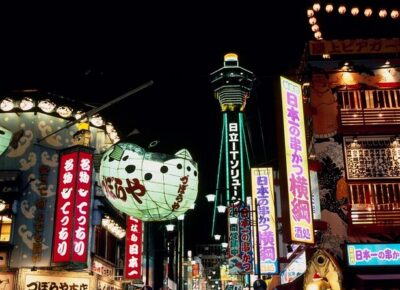
Hungry Osaka Street Food Tour:15 Tastings & 3 Drinks with a Local
Read our review →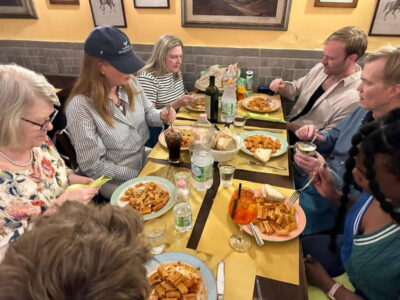
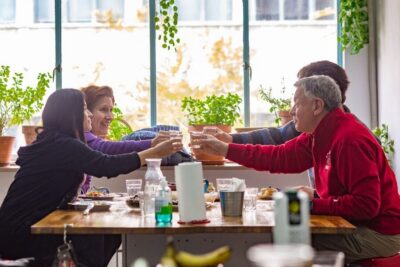
Food Market Visit and Cooking Class with Wine
Read our review →
Cancun Taco Tour, Local Beer and Night Market with Transportation
Read our review →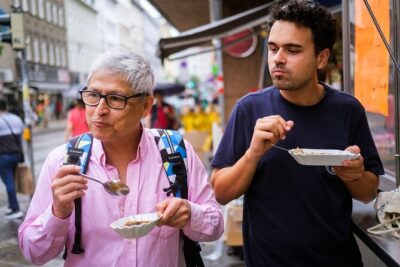
Authentic Vienna Food Tour inc. lunch, street food, 3 drinks
Read our review →
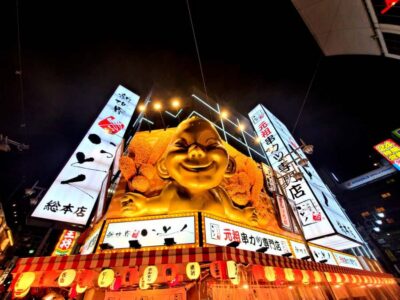
Hungry Osaka Street Food Tour: 15 Dishes & 3 Drinks
Read our review →
Lecce: Guided Street Food Walking Tour with Food and Wine
Read our review →Browse the lists this tour appears in