
REVIEW · STREET FOOD AND DRINKS CRAWLS
Lisbon: Portuguese street food cooking class with Drinks
Lisbon’s street food is plain, hearty, and full of stories, and this two-hour cooking class lets you taste that side of Portugal from the kitchen table. You’ll make a pork bifana, caldo verde, and peixinhos da horta, fried green beans that helped inspire tempura. I like the simple recipes you can repeat at home, and I like that the class ends with a proper shared meal, wine, and Ginja.
The main thing to consider is that this is a group class, so your time at the stove may vary. Most participants get plenty to do, though one person felt an instructor took over a little too much. Comfortable shoes are required, and the kitchen is not suitable for wheelchair users.
- Make three everyday Portuguese favorites: Prepare bifana, caldo verde, and peixinhos da horta.
- Learn the stories behind the food: Discover how these dishes fit into Portuguese daily life and festivals.
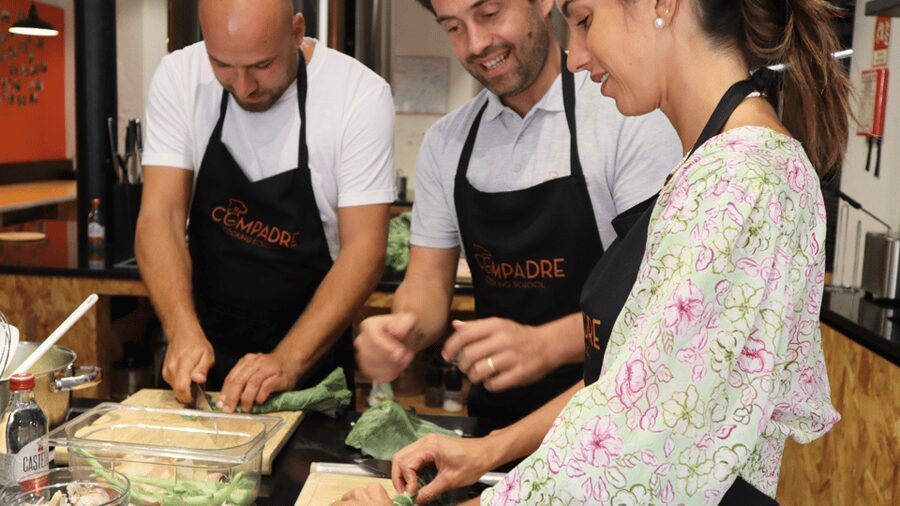
- Cook in a clean, modern school: Compadre Cooking School provides the ingredients and equipment.
- Finish with a full meal: Eat the dishes you helped prepare with a glass of red or white wine.
- Try a Portuguese classic: Taste Ginja, the country’s sweet cherry liqueur.
- Come as a beginner: No cooking background is needed, and dietary changes may be possible if requested ahead of time.
Why Lisbon Street Food Belongs in a Cooking Class
Portugal’s famous food is not limited to restaurant plates or pastry counters. Some of the country’s most familiar dishes began as affordable, practical food served in snack bars, at festivals, or in ordinary homes.
That is what makes this class useful. You are not only following recipes. You are learning how a bifana becomes a quick pork sandwich, why caldo verde is such a common comfort food, and how a humble battered vegetable dish connects Portuguese cooking with Japanese tempura.
I like this approach because the recipes are manageable. You do not need advanced knife skills or a long list of special tools. The dishes are designed for a home kitchen, which means you can bring the lesson back with you instead of leaving it behind in Lisbon.
The class also gives you a social meal without requiring a separate restaurant reservation. You cook alongside other participants, sit down together, and try the finished dishes while talking over wine. If you are traveling alone, that shared table is a useful part of the afternoon or evening.
Arriving at Compadre Cooking School
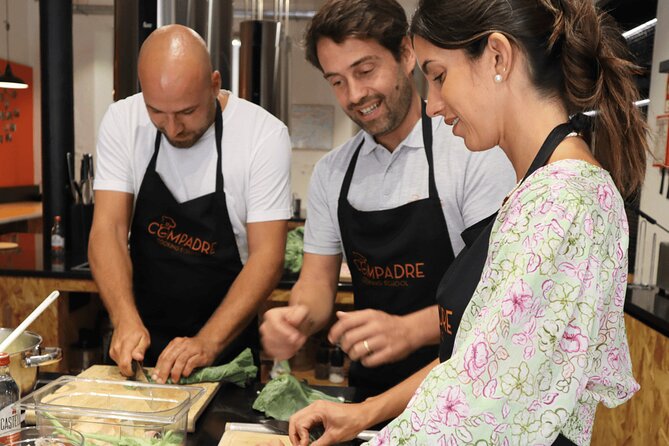
The meeting point is the Compadre Cooking School kitchen. You should arrive about five minutes early, giving yourself time to settle in and put on comfortable clothing and shoes.
The kitchen has been described as modern, spacious, and spotless. That matters more than it may sound. A crowded cooking station can turn a short class into a wait-and-watch session, while a clean, organized setup makes it easier for several people to work at once.
The instruction is in English. The teachers have included Marta, Anna, and other members of the Compadre team, with participants describing the teaching as clear, friendly, and entertaining. Roy has also led a drinks-focused part of an evening class, sharing information about Ginja and the drink-making process.
No previous cooking experience is expected. You can arrive with basic curiosity and still take part. Wear shoes that are suitable for standing and cooking, and avoid clothing you would worry about around food preparation.
Smoking, alcohol, and drugs are not allowed during the class. The wine and Ginja served as part of the experience are provided at the appropriate points in the meal.
More Street Food and Drinks Crawls in the world:
- Hungry Osaka Street Food Tour:15 Tastings & 3 Drinks with a Local
★ 5.0 · 1,727 reviews - Florence: Street Food Tour with Wine & Local Guide
★ 4.9 · 1,443 reviews - Athens: Food Market Visit and Cooking Class with Wine
★ 4.9 · 1,087 reviews
A Short Introduction to Portugal’s Snack Food
The class begins with an introduction to the dishes and their place in Portuguese culture. This opening gives you useful context before you start chopping and cooking.
The bifana is a pork sandwich, usually treated as casual food rather than a formal dish. Its appeal is direct: seasoned meat, bread, and a satisfying combination of sauce and texture. In Portugal, food like this belongs to the quick, social side of eating, the sort of thing you might order at a local snack bar.
Caldo verde is a traditional soup made with collard greens. It is a good example of Portuguese comfort food because it uses simple ingredients to produce something warm and filling. One participant specifically preferred the soup above the other dishes, and you may find it becomes the recipe you most want to repeat at home.
Peixinhos da horta means little fish from the garden. The name refers to battered green beans, not seafood. The dish is especially interesting because it is linked to the development of tempura, giving you a small but memorable connection between Portuguese and Japanese food traditions.
The stories are brief enough to keep the class moving, but they give each dish a reason to remember it. I find that useful. Recipes are easier to recall when you understand why they matter.
Making the Bifana, Caldo Verde, and Peixinhos da Horta
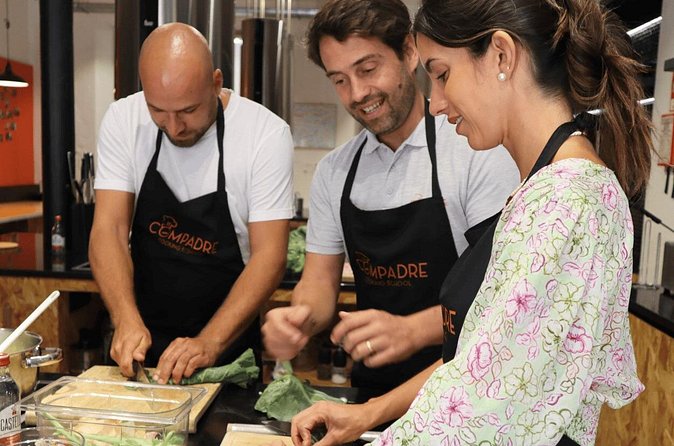
After the introduction, you work with the chef and the other participants to prepare the food. The format is collaborative, so you may share tasks rather than cooking three separate meals from start to finish.
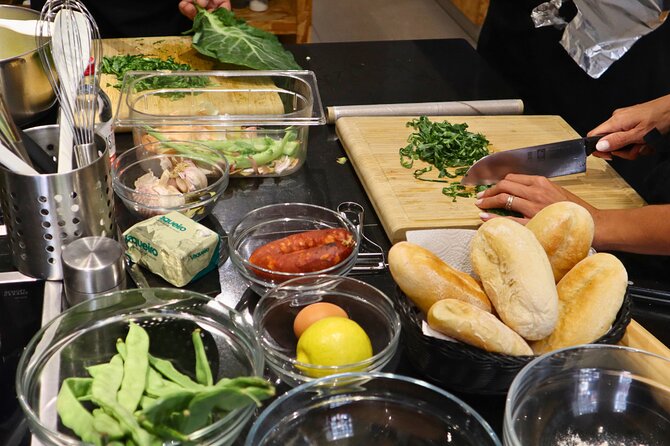
The bifana gives you a practical lesson in Portuguese sandwich culture. You will help prepare the pork and assemble the sandwich, learning how a few well-handled ingredients can make a complete meal. It is the kind of recipe that suits a relaxed lunch or a late-night snack at home.
Caldo verde brings a different pace. Soup preparation lets the group work through the ingredients together, and the finished dish adds warmth to the shared meal. If you want a recipe with the best chance of becoming part of your regular cooking routine, this is probably the strongest candidate.
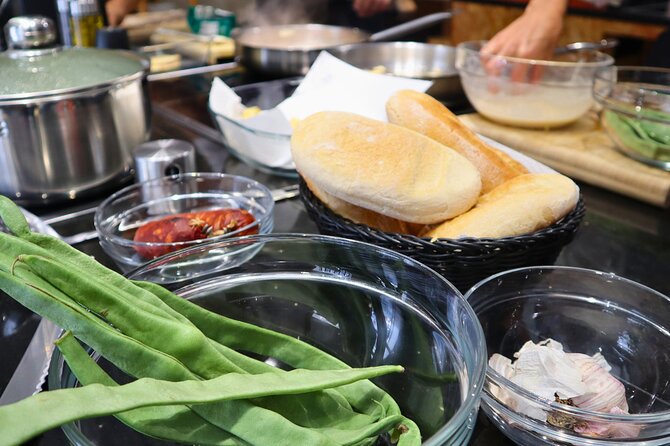
Peixinhos da horta provides the crisp element. The green beans are coated and cooked until they take on a fried, snack-like character. It is a good reminder that Portuguese street food is not only about meat and soup.
The class includes enough steps for participants to stay involved through much of the process. That point matters. Some cooking demonstrations leave you watching a chef do everything, but this format is meant to put you to work.
Still, the exact amount of personal cooking time can depend on the group and the instructor. One participant felt that Anna handled too much of the work at certain moments instead of turning each step into a lesson. I would not treat that as a major flaw, but it is fair to expect a shared class rather than a private cooking lesson.
Sitting Down to Eat What You Made
Once the cooking is finished, you sit down and eat the prepared dishes together. The food is not a small sample or a quick taste. It functions as a shared meal, which gives the two-hour class a satisfying finish.
A glass of wine is included, with a choice of red or white. Extra drinks cost more and are not part of the stated package, so keep that in mind if you want to continue drinking beyond the included serving.
The final drink is Ginja, a traditional Portuguese cherry liqueur. It is sweet, fruity, and quite different from the wine. The tasting adds a distinctly local note to the evening, especially if you have seen Ginja served elsewhere in Lisbon and want to understand what you are drinking.
The shared table is also where the social side of the class pays off. You can compare the dishes, talk about the recipes, and meet people from different countries. The atmosphere has been described as welcoming, and the group meal gives solo visitors an easy way to connect without having to force conversation.
I would not book this class solely for the drinks. Wine and Ginja are pleasant additions, but the value comes from the food, instruction, and meal together.
More Cooking Classes in the world:
- Mexican Cooking Class with Food Market Visit in Mexico City
★ 5.0 · 506 reviews - Florence: Cooking Class with Local Food Market Tour
★ 4.9 · 407 reviews - Street Food Cooking Class
★ 5.0 · 125 reviews - Food Market Shopping and Cooking Workshop in A Coruña
★ 5.0 · 89 reviews
What the $55 Price Really Covers
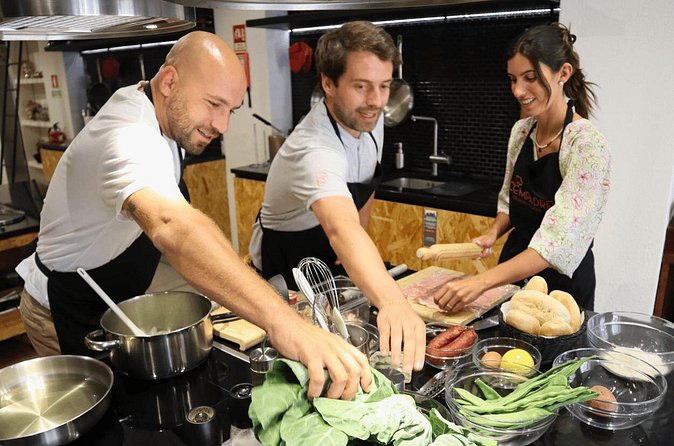
At $55 per person, the class is not the cheapest way to eat in Lisbon. You could buy a bifana or soup for much less. But you are paying for more than the finished food.
The fee includes chef instruction, ingredients, use of the cooking kitchen, a shared meal, one glass of wine, and a Ginja tasting. You also leave with recipes and a better sense of how these dishes fit into Portuguese life.
That makes the price reasonable for visitors who want an activity as well as lunch or dinner. You are receiving a meal and a short cultural lesson in one booking. The value is strongest if you plan to cook the recipes again at home.
The calculation is less appealing if you only want to sample Portuguese food. In that case, a casual snack bar will cost less and may offer a wider range of dishes. This class is for people who want to understand the food by preparing it.
The 4.9 rating from 37 reviews supports the idea that the class has been consistently well received, but I would still look at your own priorities. People who prefer a private lesson, a long technical cooking session, or a larger menu may want something else.
Who Will Enjoy This Class Most
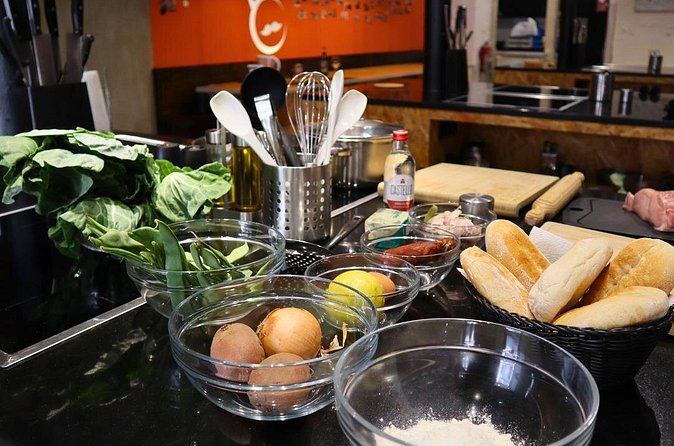
I would recommend this activity to food-minded visitors who want more than a restaurant meal. It works particularly well for couples, friends, solo visitors, and families with older children who can take part safely in a kitchen.
You do not need to be an experienced cook. In fact, the straightforward recipes make this a good choice if you usually avoid cooking classes because they seem intimidating.
It also suits anyone who wants to move beyond the best-known Portuguese dishes. The class does not focus on the usual pastel de nata and codfish lesson. Instead, it presents essential comfort food and less obvious snacks, including the green bean dish connected with tempura.
You may want to skip it if you dislike group activities or prefer to control every step of a recipe. The class is built around cooperation, so you will share workstations and tasks with other people.
It is not suitable for wheelchair users, based on the stated accessibility information. If you have dietary restrictions, contact the school before booking. The recipes may be adapted, but you should not assume that every request can be handled at the last minute.
Practical Tips Before You Book
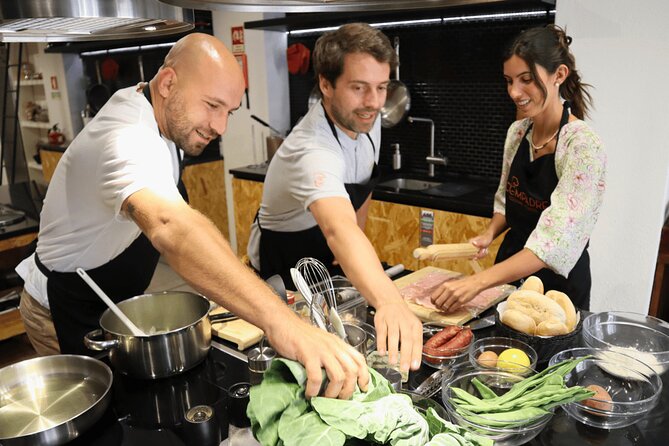
Reserve a time that fits your meal plans. Since the class includes a full shared meal, you probably do not need to schedule a separate lunch or early dinner immediately afterward.
Wear comfortable clothing and shoes. You may be standing for much of the class, and practical footwear will make the cooking easier.
Arrive five minutes early. This is not a major time requirement, but it gives you space to settle in rather than entering as the introduction begins.
If you want to recreate the food at home, bring a note-taking habit. The recipes are simple, but small details about seasoning and preparation are easy to forget after a busy day of sightseeing.
Ask about dietary changes before you reserve. The school says it can adapt recipes for specific diets, but advance notice is the sensible approach.
The class has free cancellation up to 24 hours before the start for a full refund. You can also reserve now and pay later, which helps if your Lisbon schedule is still shifting.
The Bottom Line: Is It Worth Booking?
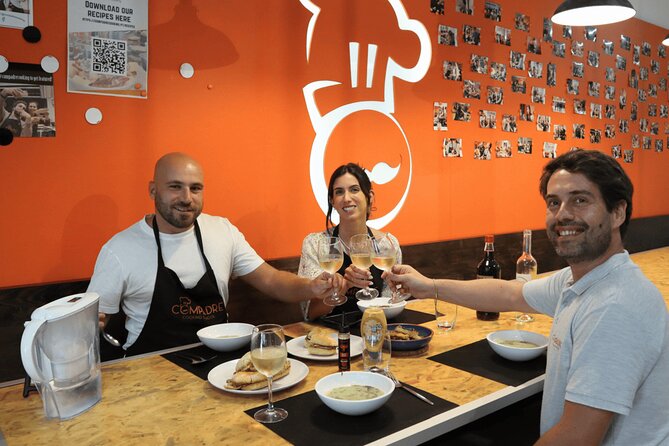
I would book this class if you want a friendly, practical introduction to Portuguese food and like the idea of eating what you prepare. The best parts are the simple recipes, the stories behind them, the clean cooking space, and the shared meal with wine and Ginja.
The class is especially good for visitors who want food they can repeat at home. Caldo verde may become your favorite dish, while the bifana and peixinhos da horta give you two easy ways to recreate Portuguese snack-bar food.
I would hesitate only if you want a private, highly technical lesson or dislike sharing cooking tasks. For most food lovers, $55 is fair because it combines instruction, ingredients, a meal, and drinks in two hours.
FAQ
Where does the cooking class take place?
The class takes place at the Compadre Cooking School kitchen in Lisbon District, Portugal.
How long does the class last?
The activity lasts two hours.
What dishes will I prepare?
You will learn to prepare bifana, a Portuguese pork sandwich, caldo verde, a traditional collard greens soup, and peixinhos da horta, battered green beans.
Is previous cooking experience required?
No. The class is designed for beginners, and no prior cooking experience is needed.
What drinks are included?
You receive one glass of red or white wine and a tasting of Ginja, a traditional Portuguese cherry liqueur. Additional drinks are not included.
Is the class taught in English?
Yes. The stated teaching language is English.
Can the recipes be adapted for dietary needs?
The school says dietary adaptations may be possible. Contact the organizers before the class to discuss your specific requirements.
Newly added plates around the world
- Zanzibar:Stone town Street food market walking tour,transfer★ 4.5 · 9 reviews
- Zanzibar: Stone town visit, Shopping tour &Night food Market★ 4.4 · 2 reviews
- Xi’an Muslim Quarter Night Market Foodie Walking Tour★ 4.2 · 22 reviews
- Xi’an: Gourmet & Street Food Tour★ 4.8 · 22 reviews
- Zanzibar: Stone town tour, Prison island & night food market★ 4.5 · 2 reviews
- Verona: Street Food and History Tour with Local Guide★ 4.7 · 6 reviews
- Vienna Food Tour: Dishes, Wine, Street Food & Culture★ 4.7 · 12 reviews
- Verona: City Highlights & Street Food Walking Tour★ 5.0 · 3 reviews
Street Food and Drinks Crawls, compared.

Hungry Osaka Street Food Tour:15 Tastings & 3 Drinks with a Local
Read our review →
Food Market Visit and Cooking Class with Wine
Read our review →
Cancun Taco Tour, Local Beer and Night Market with Transportation
Read our review →Budapest Centre Food Tour with 10+ Tastings, Wine & Street Food
Read our review →
Authentic Vienna Food Tour inc. lunch, street food, 3 drinks
Read our review →

Hungry Osaka Street Food Tour: 15 Dishes & 3 Drinks
Read our review →Browse the lists this tour appears in