
REVIEW · KRAKOW STREET FOOD TOURS
Krakow: Street Food Walking Tour
Krakow’s food story is best understood one small bite at a time. This 90-minute walk takes you from the Main Market Square to Stary Kleparz, mixing local snacks with short pieces of city history. You’ll try the chewy obwarzanek, Poland’s open-faced zapiekanka, pierogi, pickles, sausage, sweets, and traditional Polish alcohol.
I like the way the tour connects food with place, especially the visit to Stary Kleparz, Krakow’s oldest market. I also like the compact format, which gives you a useful first look at Polish food without taking half a day. The main drawback is that the tasting menu includes many common allergens, and wheelchair users cannot join.
Key points at a glance
- Start at Saint Mary’s Church: Meet your guide in the Main Market Square, in front of Kościół Mariacki, with a Food Tour sign.
- Try Krakow’s signature snack: Obwarzanek is a centuries-old ring of bread and a simple introduction to local food.
- Visit Stary Kleparz: Taste pierogi at one of Krakow’s oldest markets and see where regional products are sold.
- Expect a broad tasting list: The menu includes zapiekanka, pickles, cured meats, kiełbasa, sweets, and Polish alcohol.
- Allow 90 minutes: This is a short orientation to Krakow’s food culture, not a long meal replacement.
- Check the allergy warning carefully: Gluten, wheat, dairy, eggs, meat, sesame, and nuts may be present or leave traces.
Starting beneath Saint Mary’s Church
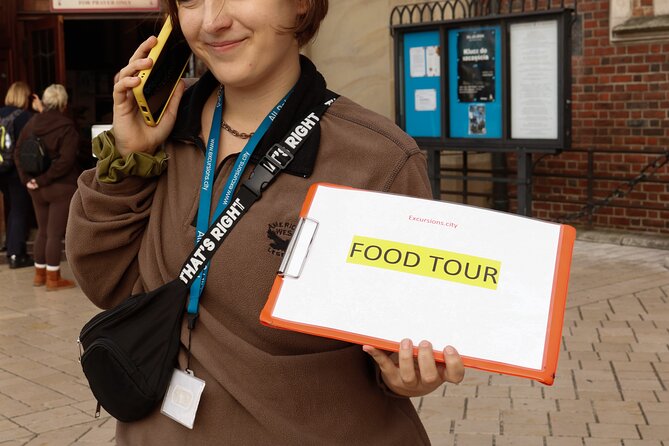
The meeting point is easy to identify: the Main Market Square, directly in front of Saint Mary’s Church. Look for the guide holding a Food Tour sign. This central location makes sense for a food walk because you begin in the middle of Krakow’s old city, close to major sights and plenty of cafés.
Your guide leads the group on foot, explaining how local food fits into Krakow’s past and daily life. The available languages are English, French, and Italian. One guide named Kinga was praised for being friendly, amusing, and good at connecting food with stories about the city. A French-speaking guide has also received strong praise for clear explanations and a warm personality, but your guide will depend on the date and language you select.
I would book this early in your Krakow stay. The food stops can give you ideas for later meals and market shopping. One useful advantage of a food walk is that it turns unfamiliar names into things you have already tasted. Afterward, you can order with more confidence instead of pointing at a menu and hoping for the best.
The group size may be small. One recent tour had six people, which allowed plenty of questions and made it easy to stay together. A small group is especially useful here because food stops and market stalls can feel crowded, and you do not want to lose the guide while looking at a tray of pickled vegetables.
More street food tours in the world:
- Dubai: Old Town, Creek, Museums, Souks, & Street Food Tour
★ 4.8 · 10,816 reviews - Ho Chi Minh City Street Food Tour & Sightseeing By Motorbike
★ 5.0 · 9,413 reviews - Medellin: Comuna 13 Graffiti Tour, Cable Car & Street Food
★ 4.8 · 9,046 reviews
Obwarzanek, Krakow’s chewy street snack
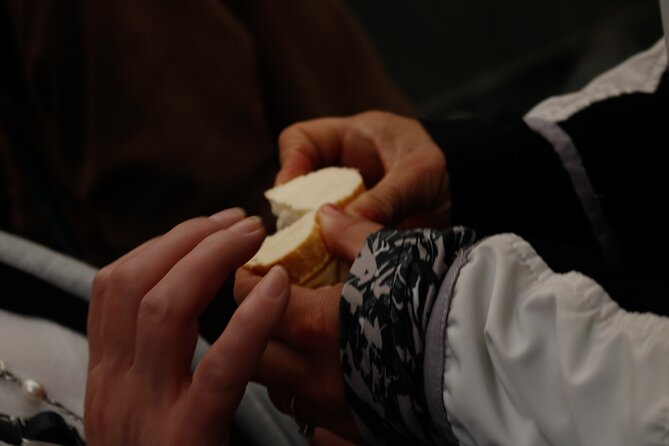
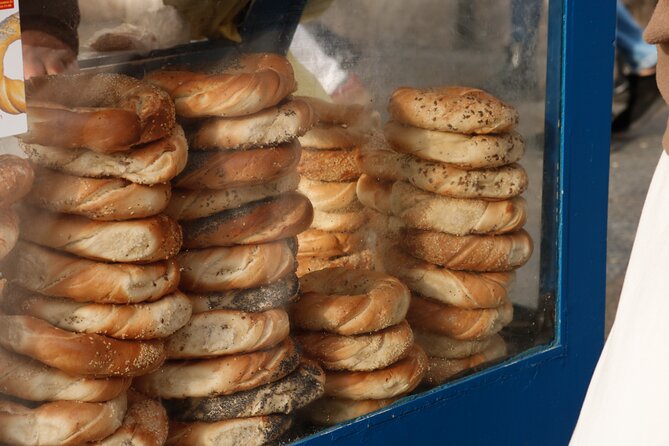
One of the first important tastes is the obwarzanek, often described as Krakow’s bagel. It is a ring-shaped, chewy bread with centuries of local tradition behind it. It is not simply a bagel with a Polish name. Its texture and method of preparation make it a distinct Krakow snack, and it is closely tied to the city’s street food culture.
I like this as an opening taste because it is modest and local. You are not starting with an expensive restaurant dish or a version made for tourists. You are holding the kind of everyday snack that can be eaten while walking through town.
The obwarzanek also gives your guide an easy way to explain Polish food habits. You can ask how it differs from other breads, when people eat it, and why it became so familiar in Krakow. The tour is not only about stuffing you with samples. It uses each item to give you a little context.
Zapiekanka and the Polish street food tradition
The next major stop is zapiekanka, a classic Polish street food made from an open-faced baguette with toppings. It is simple, filling, and more substantial than the obwarzanek. The combination of bread and savory toppings makes it an easy favorite for many people, especially if you want something familiar before trying less recognizable foods.
Zapiekanka is a good example of how Polish street food can be practical rather than fussy. You get a hot, casual snack that belongs to ordinary city life. Your guide can also explain how popular food changes over time while keeping its local identity.
I would treat this as a tasting rather than a full lunch. The tour includes many different items, so the portions are intended to let you sample the range of Polish food. If you arrive hungry, you may appreciate the food more, but do not expect each stop to provide a full-size meal.
Pierogi at Stary Kleparz market
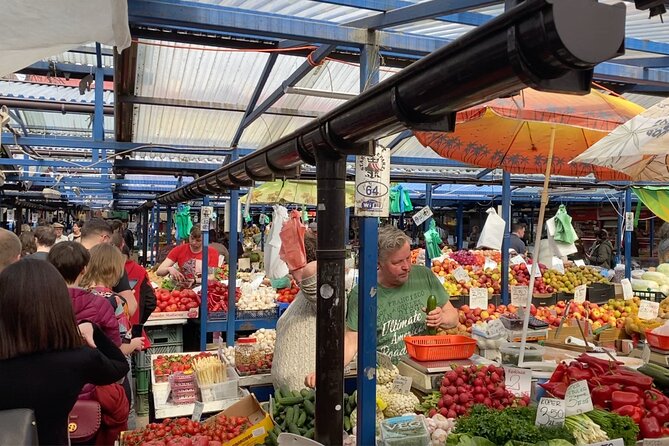
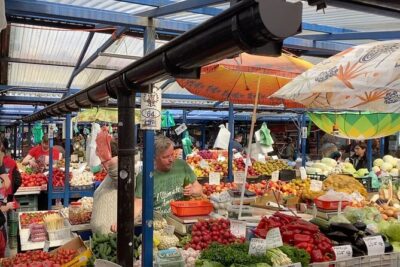
The market visit is the most useful part of the tour for anyone who wants to understand food beyond the old town square. Stary Kleparz is identified as the oldest market in Krakow, and it offers a setting where you can see regional products alongside everyday shopping.
Here, you taste pierogi, Poland’s famous dumplings. Pierogi can be filled in many ways, so the sample gives you a starting point rather than the complete story of the dish. Their importance is cultural as well as culinary. They are one of the foods most closely associated with Poland, and tasting them in a market setting feels more grounded than ordering a generic plate in a restaurant near the main tourist sights.
I like the market stop because it gives you something to do with the information. You can look at products, compare what you see with the guide’s explanations, and decide if you want to return later. The market is also a useful place to shop for edible souvenirs, although the tour does not promise a dedicated shopping period.
Keep your expectations practical. A market is a working place, not a polished food hall. You may find plenty to look at, but the tour’s main purpose is tasting and explanation. If you want a long, leisurely market visit, you will need to return on your own.
Same city, another round of plates:
- Dubai: Old Town, Souks, Street Food, Guided Tour & Abra Ride
★ 4.9 · 7,170 reviews - Naples: Street Food Walking Tour with Local Guide
★ 4.9 · 4,976 reviews - Small Group Hanoi Street Food Tour with a Real Foodie
★ 5.0 · 4,682 reviews - Rome: Street Food Tour with Local Guide
★ 4.8 · 4,077 reviews
Pickles, sausage, and Poland’s strong flavors
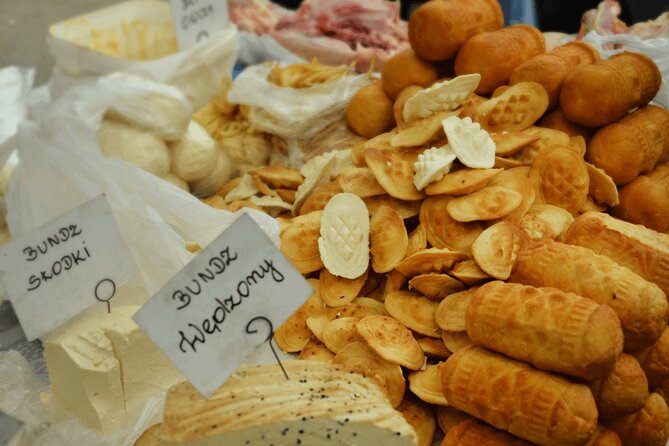
The tasting continues with pickled treats, cured meats, and sausages, including kiełbasa. These foods show a different side of Polish cooking. Pickling and curing are practical ways to preserve food, but they also create flavors that are central to the national diet.
The pickles can be tangy and sharp. The cured meats and kiełbasa are salty, smoky, and filling. This is where the tour becomes less predictable for anyone used to bread and dumplings. You get a better sense of the flavors that appear across Polish meals, market stalls, and family tables.
A guide also connected Polish food with mushrooms, a subject that adds useful cultural detail. Poland’s forests and mushroom-picking traditions help explain why mushrooms appear so often in Polish cooking. That connection between the natural world and the plate is the sort of small detail that can make a food tour memorable without turning it into a lecture.
You should pay attention to the order of tastings and pace yourself. The combination of bread, dumplings, meat, pickles, sweets, and alcohol can become a lot in 90 minutes. Small bites are the point. You do not need to finish every item if you already know a particular flavor is not for you.
Traditional sweets and Polish alcohol
The final part of the food list includes traditional sweets and Polish alcohol. The sweets provide a softer finish after the salty meat and sharp pickles. Exact sweets can vary, so you should think of this as a chance to sample familiar Polish desserts rather than a guaranteed single dish.
The alcohol tasting is usually Polish vodka. The description presents it as part of the full culinary experience, so you should be ready for a small taste of traditional spirits. This is not ideal for everyone. If you do not drink, have a medical reason to avoid alcohol, or simply do not enjoy spirits, ask the guide about skipping that sample.
The inclusion of alcohol gives the tour a more complete picture of Polish food culture, but it also affects the tour’s audience. Families with older children may need to decide if this format suits them. Anyone expecting a nonalcoholic food walk should check before booking.
How much food do you actually get?
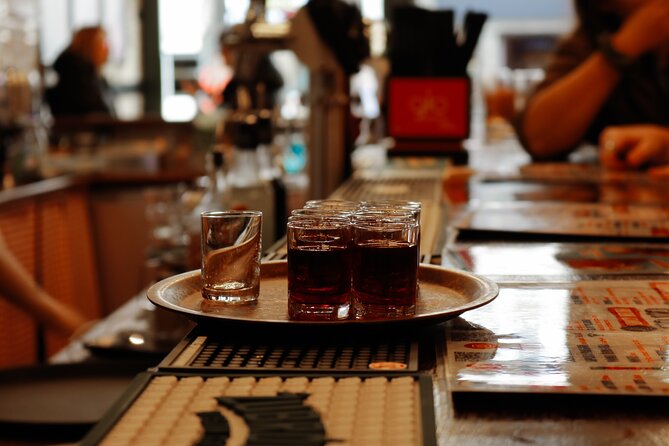
The tour includes a long list of tastings: obwarzanek, zapiekanka, pierogi, Polish alcohol, pickled foods, cured meats, kiełbasa, and traditional sweets. That is a wide range for 90 minutes, but it does not mean you receive a full serving of every item.
I would plan to eat breakfast or a light meal before the tour, then treat the walk as a guided tasting. Arriving extremely hungry can make a short tasting feel insufficient. Arriving after a large lunch defeats the purpose.
The value comes from variety and explanation. For $35 per person, you are paying for the guide, the food samples, the walking route, and the chance to learn what to order later. If you judge the price only by the amount of food, you may find it less compelling than a full restaurant meal. If you want an introduction to Polish snacks plus a market visit, the price is easier to justify.
This tour is also a useful first-day purchase. It can save you from spending several meals on dishes you do not understand, and it points you toward foods and places you may want to revisit. That practical guidance is where much of the value lies.
The guide makes or breaks the walk
Food tours depend heavily on the person leading them. A lively guide can turn a ring of bread or a piece of sausage into a story about Krakow. A less prepared guide may leave you wondering why the tour costs more than a self-guided snack crawl.
Kinga received especially warm praise for being friendly, entertaining, and well informed about Krakow’s past and its links to food and drink. Another guide impressed a French-speaking group with clear, detailed explanations and a strong enthusiasm for the city. At the same time, one participant felt that a different guide did not know enough and could not answer questions as well as expected.
That mixed experience is worth taking seriously. The tour promises a live guide, but the quality can vary by person and language. If asking questions is important to you, choose a language in which you can speak comfortably and use the first few minutes to see how well the guide handles them.
I would also keep your expectations realistic. This is a short food walk, not a specialist course in Polish cuisine or a full historical tour. The best version combines simple explanations, local stories, and a relaxed attitude. You should come away with useful food knowledge, not a scholarly study of every dish.
Allergies, mobility, and who should skip it
The allergy warning is unusually important here. The tour is not recommended for people with allergies or intolerances to gluten, wheat, dairy, eggs, meat, sesame, or nuts. Many of the products may contain these ingredients or traces of them.
That list covers a large share of the tasting menu. If you avoid meat, you could lose the chance to try the cured products and kiełbasa. If you cannot eat wheat or dairy, the obwarzanek, zapiekanka, pierogi, and sweets may also be difficult. Ask before booking rather than assuming substitutions will be available.
The walk is not suitable for wheelchair users. No separate accessibility arrangement is provided in the information available for this activity. People with other mobility concerns should also consider that the experience involves walking through the city center and a market.
The tour suits curious eaters, first-time visitors to Krakow, couples, families with adults or older children, and anyone who wants a quick introduction to Polish food. It is less suitable for people seeking a long seated meal, a vegetarian-focused route, a detailed culinary class, or a fully accessible experience.
Timing, cancellation, and languages
The duration is 90 minutes, with several possible starting times shown when you check availability. That makes it easy to fit around visits to Krakow’s major sights. I would avoid placing it immediately before a fixed reservation, though, since a walking tour with multiple food stops can run close to its scheduled finish.
The meeting point is central, and the experience is entirely based around walking and tasting. There is no transport component to plan for. English, French, and Italian are available.
You can cancel up to 24 hours before the activity for a full refund. The reserve-now, pay-later option also helps if your plans are still changing. These policies are useful in Krakow, where weather, museum times, and day trips can shift your schedule.
Should you book the Krakow street food tour?
I would book this tour if you want a short, friendly introduction to Krakow’s food culture, especially at the beginning of your stay. The combination of obwarzanek, zapiekanka, pierogi at Stary Kleparz, pickles, kiełbasa, sweets, and Polish alcohol gives you a broad first taste in a compact format.
The strongest reasons to choose it are the market setting, the chance to ask a live guide questions, and the connection between food and Krakow’s story. The main cautions are the extensive allergy list, the lack of wheelchair access, and the fact that guide quality can vary.
For $35, I see it as good value if you want context and future meal ideas along with your samples. Skip it if you need a fully accessible route, avoid most of the listed ingredients, or want a large meal rather than a tasting walk.
FAQ
Where does the Krakow street food tour meet?
Meet in the Main Market Square in front of Saint Mary’s Church, also called Kościół Mariacki. Your guide will hold a Food Tour sign.
How long does the tour last?
The walking tour lasts 90 minutes. Starting times depend on availability when you book.
What food is included?
The tastings include obwarzanek, zapiekanka, pierogi, Polish alcohol, pickled treats, cured meats and sausages including kiełbasa, and traditional sweets.
What languages are available?
The live tour guide can lead the activity in English, French, or Italian.
Is the tour suitable for people with food allergies?
The tour is not recommended for people with allergies or intolerances to gluten, wheat, dairy, eggs, meat, sesame, or nuts. The food may contain these ingredients or traces of them.
Can wheelchair users join the tour?
No. The activity is not suitable for wheelchair users.
Newly added plates around the world
- Zanzibar:Stone town Street food market walking tour,transfer★ 4.5 · 9 reviews
- Zanzibar: Stone town visit, Shopping tour &Night food Market★ 4.4 · 2 reviews
- Xi’an Muslim Quarter Night Market Foodie Walking Tour★ 4.2 · 22 reviews
- Xi’an: Gourmet & Street Food Tour★ 4.8 · 22 reviews
- Zanzibar: Stone town tour, Prison island & night food market★ 4.5 · 2 reviews
- Verona: Street Food and History Tour with Local Guide★ 4.7 · 6 reviews
- Vienna Food Tour: Dishes, Wine, Street Food & Culture★ 4.7 · 12 reviews
- Verona: City Highlights & Street Food Walking Tour★ 5.0 · 3 reviews
Krakow Street Food Tours, compared.
Krakow’s Local Flavor: Craft Beer and Street Food with Guide
Read our review →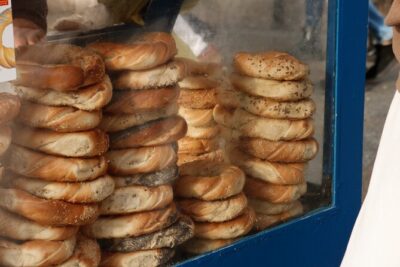
Browse the lists this tour appears in