
REVIEW · NIGHT MARKET FOOD TOURS
Arusha: Traditional Tanzania Cooking class& Food Market Tour
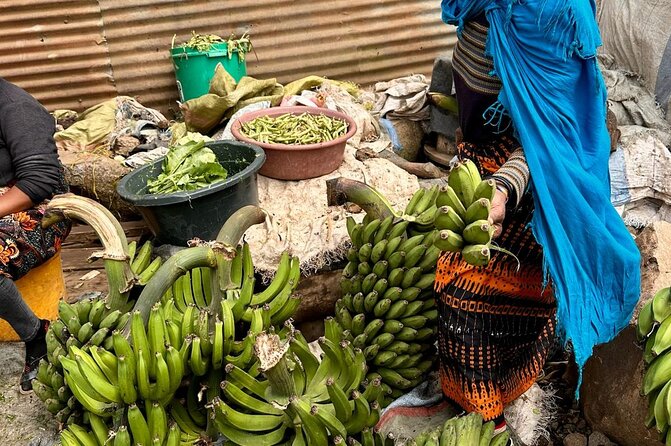
Arusha’s food market is the real starting point here. With guides such as Liroy and Israel, you walk among stalls of fruit, meat, dry goods, and cooking staples, then buy ingredients before heading to a local home for hands-on cooking with Neema. It feels closer to joining a family meal than watching a formal demonstration.
I like two things especially: you help choose and prepare the food, and the market walk gives you a useful look at daily life in Arusha. The $45 price also covers hotel pickup, ingredients, the class, and the meal. The main consideration is that drinks are not included, and the simple cooking space may feel less polished than a purpose-built school.
Key points at a glance
- Central Market first: Spend about 30 to 50 minutes seeing Arusha’s food stalls and meeting vendors.
- Cooking in a local home: The class takes place in a small local house rather than a restaurant-style kitchen.
- A meal you actually prepare: Cook dishes such as chapati, ugali, plantain, vegetables, and optional meat.
- Personal guides: Liroy, Israel, and chef Neema are named in the experience feedback, with English used throughout.
- Hotel pickup included: Pickup and return are provided for hotels in Arusha town.
- Bring water and patience: Drinks are extra, and cooking can take longer than expected.
Why this Arusha food tour feels personal
Many food classes keep you at a table while someone else does the hard work. This one takes you into the market first, then puts you beside the stove. That change matters. You see the ingredients in their everyday setting, ask what they are used for, and then watch them turn into lunch.
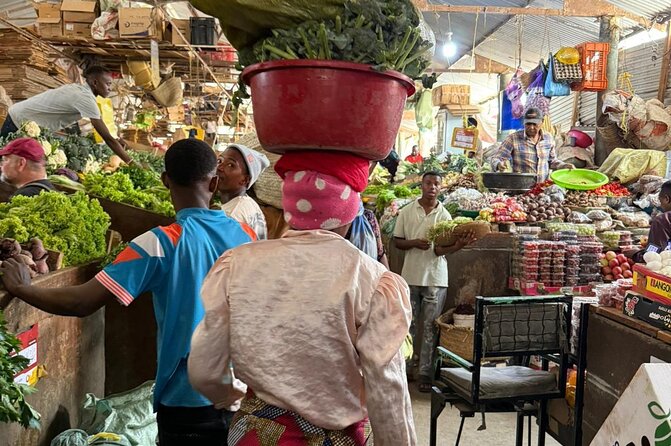
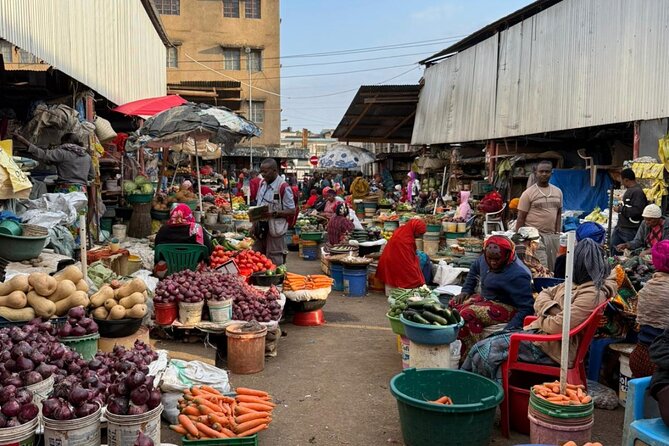
The market portion lasts roughly 30 to 50 minutes. That is not enough time to study every aisle, but it gives you a useful first look at the food trade in central Arusha. You may see dry foods, fresh fruit, meat, vegetables, and other staples. Your guide can explain what you are seeing, how products are sold, and which ingredients will be used in the class.
The strongest part is the human contact. Liroy has been praised for explaining the market and town clearly, while Israel is also involved in guiding some outings. You can ask questions as you walk, take photos, and speak with local sellers. This is not a silent shopping trip where you simply follow a guide from stall to stall.
More Night Market Food Tours in the world:
- Phuket: Full Day City Tour with Night Market
★ 4.5 · 2,888 reviews - Small Group: Michelin and Local Hawker Food Tour with 9 tastings
★ 5.0 · 1,890 reviews - Seoul Street Food Market Tour
★ 5.0 · 1,226 reviews
Walking through Arusha’s central market
Expect the market to be active and practical rather than arranged for sightseeing. Workers may carry heavy loads, and the walk can require attention. One useful detail from the experience is that the guide stays alert and moves you aside when people need to pass, which is the sort of small care that makes a crowded market easier to handle.
You will have a chance to photograph the food and stalls, but ask before photographing people. The market is a place where people are working, not a stage set. A respectful approach will make your conversations better and keep the visit comfortable for everyone.
Some outings visit two markets, with a smaller market used to buy the ingredients for cooking. That second stop adds a practical touch. Instead of seeing food only as a finished dish, you follow it from purchase to preparation.
The market visit is also where the tour earns much of its cultural value. You get to ask about products, vendors, and ordinary life in Arusha. If you want a quick, polished food tasting, this may feel too slow. If you like seeing how a meal begins, it is time well spent.
Choosing the menu and buying ingredients
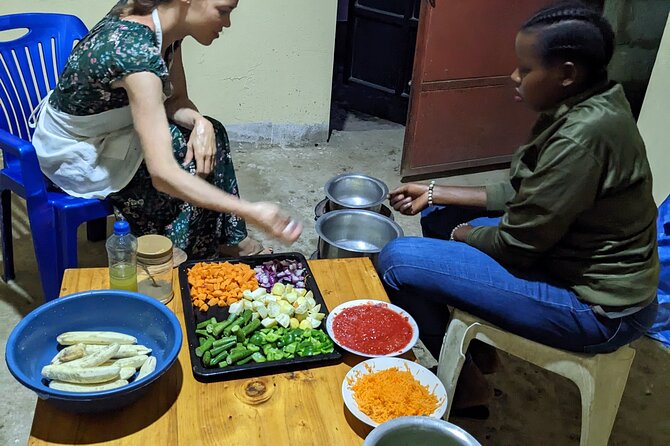
The cooking menu includes plantain banana, chapati, ugali, and vegetables. Meat can be added in a stewed or barbecued form. In practice, you may be offered a choice from four local dishes and select three, which gives you some say in the meal rather than locking you into a fixed menu.
That choice is useful for first-time visitors. You can pick foods you have never tried, or choose a familiar dish alongside something new. If you enjoy meat, mention it when the menu is discussed. If you prefer vegetables, ask what the non-meat choices are before shopping begins.
The ingredients are included in the price, and the group shops for them locally. This is a small but important detail. You are not merely told that Tanzanian food uses plantains, flour, maize, or vegetables. You see the actual ingredients and help carry them into the cooking part of the day.
Because the food is bought locally, the exact menu may depend on what is available. The supplied information names the main dishes, but it does not promise a fixed recipe list for every departure. I would treat the menu as a guided choice within a traditional Tanzanian meal, not as a restaurant tasting with a printed selection.
Cooking with Neema in a local home
The class lasts between one and three hours. That wide range tells you something important: this is a hands-on meal, not a quick demonstration. You may chop, mix, shape, stir, and cook under the chef’s direction. The class is designed so the chef demonstrates a step and then lets you take over parts of the work.
Neema is identified as the chef for some sessions. She works in a small local house with a washroom, using charcoal and propane stoves. The setting is simple, and that is part of the appeal. You are seeing how the food is prepared in a household environment, not in a commercial teaching kitchen built for visitors.
The dishes give you a good introduction to everyday Tanzanian cooking. Chapati teaches you about dough, rolling, and cooking flatbread. Ugali shows how a maize-based staple is stirred and shaped. Plantain and vegetables add different textures and cooking methods, while stewed or barbecued meat gives you an optional heartier dish.
The pace can be leisurely. One participant found the class took a while, but also felt the finished food made the time worthwhile. Plan on the full five-hour outing rather than trying to fit a tight appointment afterward. The class may be listed as one to three hours, and the market, transport, shopping, and meal all take time.
More Cooking Classes in the world:
- Athens: Food Market Visit and Cooking Class with Wine
★ 4.9 · 1,087 reviews - Mexican Cooking Class with Food Market Visit in Mexico City
★ 5.0 · 506 reviews - Florence: Cooking Class with Local Food Market Tour
★ 4.9 · 407 reviews - Street Food Cooking Class
★ 5.0 · 125 reviews
Eating what you made
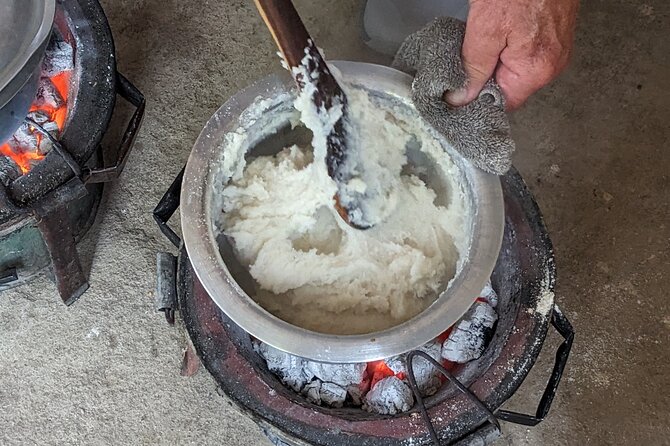
After the cooking, you sit down and eat the dishes as a group. This is more satisfying than a quick sample because you have handled the ingredients and followed the meal from market stall to plate.
The food is described as fresh, approachable, and traditional. That does not mean every dish will suit every palate. Tanzanian home cooking can be unfamiliar if you are used to restaurant versions of African food, so ask questions as you go. The chef can explain what each dish is and how it is normally served.
If there is enough food left, you may be able to pack some for another meal at your hotel. This is not guaranteed, since it depends on how much was prepared and how many people are eating. It is a nice possibility, especially if you have an early safari the next morning and want something ready to eat.
Drinks are not part of the $45 price. Water was obtained during one outing, but you should not count on drinks being supplied. Bring water or budget for buying it. A beer may be available for purchase, but it is not included.
What the $45 price really covers
At $45 per person, this is a strong value if you want more than a restaurant meal. The fee includes hotel pickup and drop-off, the central market visit, the English-speaking guide, ingredients, the cooking class, and the food you prepare.
Transport alone adds convenience. Pickup is offered from hotels in Arusha town, so you do not need to arrange a taxi to the market or cooking location. The exact meeting point is simply your hotel in town. If you are staying farther out, confirm pickup before booking, since the stated service applies to hotels near Arusha city center or in Arusha town.
The price also covers a private piece of cultural access: time with local guides and a local cook in a home setting. You are paying for instruction, but also for the market explanations, shopping, transport, and shared meal. Compared with paying separately for a market guide, ingredients, transport, and a cooking lesson, the package is easy to justify.
It is not the right value for someone who wants a luxury food school. The setting is modest, drinks cost extra, and the meal preparation may take longer than a conventional class. Think of it as a practical local experience with food at its center.
Cleanliness, comfort, and what to bring
Wear comfortable clothes and comfortable shoes. Long pants are requested, and they make sense for walking through the market and sitting or working in a simple cooking space.
You should also bring water, since drinks are not included. A phone or camera is useful for photos, and photography is allowed during the tour. Keep your belongings manageable while walking through the market.
The cooking setup is basic. Soap and water are available, but one detailed account raised concerns that handwashing and cleaning of cutting boards did not meet United States standards, particularly after handling meat. The food was fully cooked, but this is worth knowing if you are sensitive to kitchen hygiene.
You can reduce your own risk by washing your hands carefully before cooking and eating. If you have concerns about meat preparation, ask the chef about the process and choose vegetable dishes if that suits you better. The organizers do not permit weapons or sharp objects.
Who will enjoy this experience most
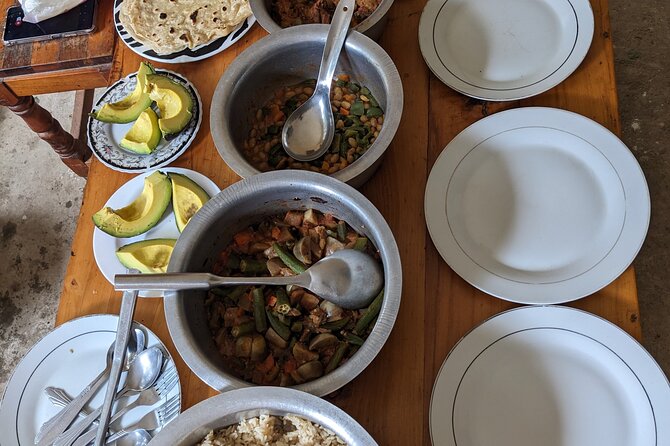
I would recommend this to you if you enjoy meeting local people, asking questions, and taking part in the work behind a meal. It suits couples, friends, and small groups who prefer a personal activity over a large sightseeing tour.
It is also a good choice near the start of a Tanzania trip. The market gives you an introduction to local ingredients, while the class helps you recognize dishes you may encounter later. The recipes and skills are meant to go home with you, so you can try recreating the food after your trip.
Families may enjoy the hands-on format, but the provided information does not set a minimum age or describe child-specific arrangements. Ask before booking if you are traveling with children. The same applies to mobility concerns, since the tour involves walking through a market and working in a simple home.
This is less suitable if you need a precise schedule. The total duration is advertised as five hours, but the class itself may last from one to three hours. One itinerary description also shows a 12-hour entry, which does not match the stated five-hour duration. I would confirm the exact start and return time before booking, especially if you have a safari, flight, or other fixed plan.
Booking details worth checking
The tour is conducted in English, with a live guide. Free cancellation is available up to 24 hours before the start for a full refund, and you can reserve now and pay later. Starting times depend on availability.
Hotel pickup and return are included for hotels in Arusha town. Accommodations are not included, and this is a day activity rather than a lodging package.
The overall rating is 4.9 from 12 reviews, with repeated praise for the friendly guides, the market explanations, the fresh food, and the warm interaction with Neema. The strongest pattern is personal attention. Liroy, Israel, and Neema are not just names attached to a schedule; they are the people who shape the tone of the day.
Should you book the Arusha cooking class?
Book it if you want a hands-on introduction to Tanzanian food and do not mind a modest setting. The market walk, ingredient shopping, local-home kitchen, and shared meal form a clear story from raw products to finished dishes.
Skip it if you want air-conditioned comfort, included drinks, strict timing, or professional cooking-school hygiene. Also check the pickup area and schedule if you are staying outside Arusha town or connecting to another activity.
For most food-focused visitors, the $45 fee is fair. You get transport, a market tour, a local guide, ingredients, instruction, and lunch. The best reason to choose it is not the number of dishes. It is the chance to understand how those dishes fit into everyday life in Arusha, then take the recipes home and cook them yourself.
FAQ
How long does the Arusha cooking class and market tour last?
The advertised duration is five hours. The market visit takes about 30 to 50 minutes, while the cooking class lasts between one and three hours. Allow the full five hours for transport, shopping, cooking, and the meal.
What dishes can I cook?
The listed dishes include plantain banana, chapati, ugali, and vegetables. Stewed or barbecued meat may also be available. You may be able to choose three dishes from four local options.
Is hotel pickup included?
Yes. Pickup and drop-off are included for guests staying at hotels in Arusha town or near the city center.
Is the cooking class held in a restaurant?
No. The class takes place in a small local house with a washroom. Cooking may use charcoal and propane stoves.
Are drinks included in the price?
No. Drinks are not included. You should bring water or plan to buy drinks separately.
Is the tour conducted in English?
Yes. The experience has a live English-speaking guide.
Can I take photos during the tour?
Yes. Photography is allowed during the market and cooking experience. Ask before photographing people at the market.
What should I wear and bring?
Bring comfortable shoes, comfortable clothes, and long pants. Water and a phone or camera are also useful. Weapons and sharp objects are not allowed.
Newly added plates around the world
- Zanzibar:Stone town Street food market walking tour,transfer★ 4.5 · 9 reviews
- Zanzibar: Stone town visit, Shopping tour &Night food Market★ 4.4 · 2 reviews
- Xi’an Muslim Quarter Night Market Foodie Walking Tour★ 4.2 · 22 reviews
- Xi’an: Gourmet & Street Food Tour★ 4.8 · 22 reviews
- Zanzibar: Stone town tour, Prison island & night food market★ 4.5 · 2 reviews
- Verona: Street Food and History Tour with Local Guide★ 4.7 · 6 reviews
- Vienna Food Tour: Dishes, Wine, Street Food & Culture★ 4.7 · 12 reviews
- Verona: City Highlights & Street Food Walking Tour★ 5.0 · 3 reviews
Night Market Food Tours, compared.
Small Group: Michelin and Local Hawker Food Tour with 9 tastings
Read our review →
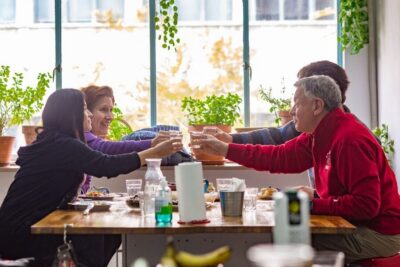
Food Market Visit and Cooking Class with Wine
Read our review →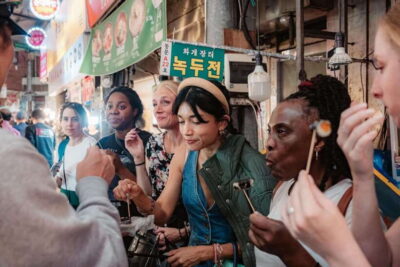
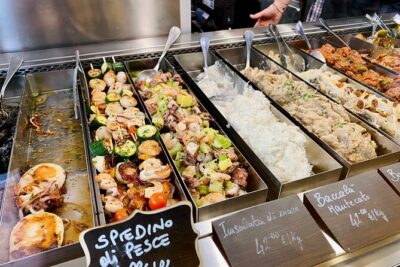
Venice Street Food Tour with Local Guide with Local Food Market Visit
Read our review →
Cancun Taco Tour, Local Beer and Night Market with Transportation
Read our review →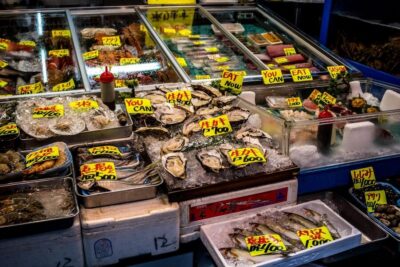
Tsukiji Fish Market Food and Culture Walking Tour
Read our review →
Cancun Street Food Tour with Food Stalls, Local Market and Murals
Read our review →Browse the lists this tour appears in