
REVIEW · EVENING AND NIGHT FOOD TOURS
Yangon Evening Street Food and Market Walking Tour
Yangon’s best dinner may be a moving target. This three-hour walk leads you from Mahabandoola Park through Little India and Chinatown, stopping at family-run eateries, food stalls, and a market most visitors would not find alone. You taste more than 10 dishes, from mohinga and Shan noodles to tea-leaf salad and faloodah.
I like the way the tour connects food with Yangon’s many communities, including Buddhist, Hindu, Muslim, Indian, and Chinese influences. I also like the small group, limited to seven people, which gives guides such as Mark or Myo room to explain dishes and adjust the pace. The main drawback is simple: there is a lot of food, and the 2.5-kilometer walk takes place in all weather.
Key points to know before booking
- More than 10 tastings are included, so this is dinner as well as a walking tour.
- Mohinga with gourd tempura gives you a memorable introduction to Myanmar’s famous noodle soup.
- Little India and Chinatown supply very different flavors, from yoghurt faloodah to fresh-water fish barbecue.
- A candlelit produce market adds local atmosphere away from the usual tourist route.
- The group is capped at seven people, with an English-speaking guide.
- The tour ends on 19th Street, where you can continue with barbecue and a cold drink at your own cost.
Starting at Mahabandoola Park at 5 p.m.
The evening begins at Sa Ba Street Food Tours, at Pansodan Scene on the third floor of 144 Pansodan Street. Look for the grey doors next to Ali Ba Ba amusements, then go upstairs. The scheduled start is 5 p.m., a useful time in Yangon because the heat of the day is easing and the city is beginning its evening food routine.
From there, the route heads toward Mahabandoola Park. This gives you a clear starting point in downtown Yangon before the walk turns into smaller side streets. You are not simply being driven from restaurant to restaurant. The point is to move through the city on foot and see how food fits into daily life.
I would wear comfortable shoes and bring water, though bottled water is provided. An umbrella is important during the June to September rainy season. The tour operates in all weather, so rain does not automatically mean a cancellation.
The walk covers about 2.5 kilometers. That is manageable for most people, but the food stops, uneven streets, weather, and evening crowds can make it feel longer. If you prefer a seated meal with little walking, this is not the right format.
More Evening and Night Food Tours in the world:
- Saigon By Night and Street Food By Motorbike | Opt: Ao Dai Riders
★ 5.0 · 4,066 reviews - Private Street Food Evening Walking Tour in Ho Chi Minh City
★ 5.0 · 3,175 reviews - Marrakech: Street Food Tour by Night
★ 4.8 · 2,838 reviews
Mohinga and the first taste of Myanmar
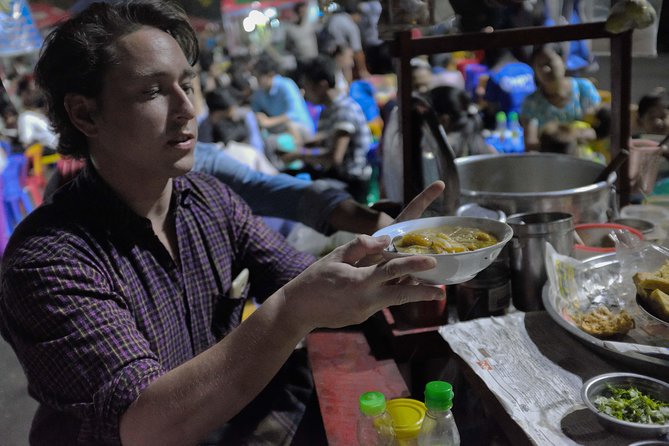
One early highlight is mohinga, the all-day delicacy that many people associate with Myanmar cooking. It is a noodle soup, commonly eaten at different times of day, and here it comes with gourd tempura at a neighborhood stop.
The combination matters. The soup is soft and savory, while the crisp gourd adds texture. A guide can also explain how the dish fits into local food habits instead of leaving you to guess what is in the bowl.
This is one reason I would take the tour near the beginning of a Yangon stay. You get a useful first look at local flavors, and the guide can explain what you are eating as you go. Mark has been singled out for his calm, clear explanations of food, communities, and Myanmar culture. Myo has also been praised for adapting to individual needs during the route.
Pacing is important here. The portions may be tasting sizes, but there are many stops ahead. You do not need to finish every bite simply because it is included. Save room for the dishes that interest you most.
A candlelit market away from the usual route
The route then winds through side alleys and a produce market lit by candles and makeshift lamps. This is one of the tour’s most atmospheric sections, not because it has been dressed up for visitors, but because it is a working market after sunset.
You may see foods and produce that are not familiar to you. The value lies in having someone explain what they are and how they are used. Without a guide, it would be easy to walk through quickly and miss the point.
The market also changes the rhythm of the evening. You move from seated tastings to a narrow, active public space, then back to small eateries. That variety keeps the three-hour tour from feeling like a long restaurant crawl.
There is a practical tradeoff. Market paths can be tight, and light is limited. Watch your step, keep your belongings secure, and expect the route to feel informal rather than polished. You are here for contact with ordinary city life, not a staged attraction.
Little India, faloodah, and a mix of traditions
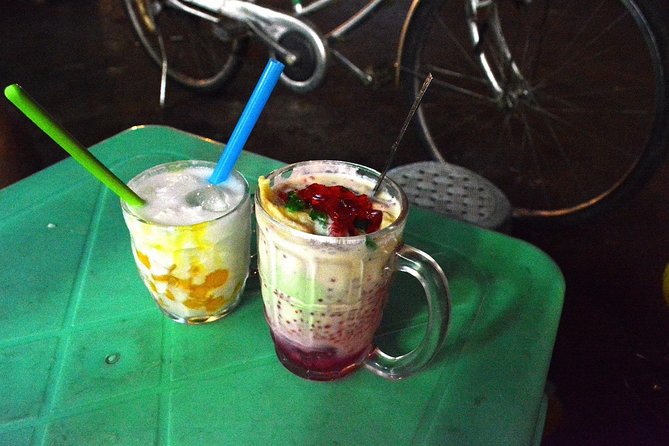
Yangon’s Indian quarter adds a different set of flavors. One of the more striking tastings is faloodah, a sweet yoghurt-based drink with a colorful, layered appearance. It is both a drink and a dessert-like treat, and it gives the tour a welcome change from soups, noodles, and grilled food.
The guide also helps place the neighborhood in a wider cultural setting. Along the walk, you may pass Buddhist pagodas, churches, mosques, Hindu temples, and Chinese Buddhist temples close to one another. That mix helps explain why Yangon’s food is not built around one single tradition.
I like this part of the tour because food becomes a way to read the city. You are not asked to memorize dates or listen to a long lecture. Instead, you get short explanations while standing in the places where those cultural influences are visible.
Faloodah can be sweet and filling, especially after the earlier tastings. If you are not fond of sugary drinks, ask the guide about the portion before committing. The tour includes food for vegetarians if requested in advance, but you should clearly state your needs when booking.
More street food tours in the world:
- Dubai: Old Town, Creek, Museums, Souks, & Street Food Tour
★ 4.8 · 10,816 reviews - Ho Chi Minh City Street Food Tour & Sightseeing By Motorbike
★ 5.0 · 9,413 reviews - Medellin: Comuna 13 Graffiti Tour, Cable Car & Street Food
★ 4.8 · 9,046 reviews - Dubai: Old Town, Souks, Street Food, Guided Tour & Abra Ride
★ 4.9 · 7,170 reviews
Shan noodles with the right mix
Another important tasting is a Shan noodle dish from eastern Myanmar. It uses sticky rice noodles with chicken or pork in a tomato-based sauce, then adds crushed peanuts and herbs.
The guide’s advice matters here because the ingredients are meant to be mixed. The noodles, sauce, peanuts, and herbs create a different bite once combined. This is a good example of why the tour works better than ordering random dishes from a menu. You learn how the dish is intended to be eaten.
You can request the vegetarian option in advance, but the supplied information does not specify which individual dishes can be changed. If you have strict dietary needs, ask before booking rather than relying on substitutions during the walk.
The Shan noodle stop also breaks up the stronger flavors of the evening. After soup, salad, and sweet drinks, the tomato sauce and herbs give you something warm and substantial.
Tea-leaf salad and Yangon’s sharpest flavors
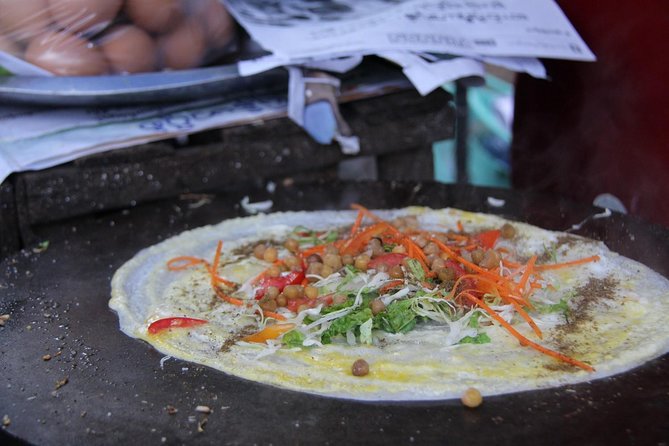
Laphet thoke, or tea-leaf salad, is one of Myanmar’s signature dishes. Fermented tea leaves are mixed with crunchy beans and seeds, then dressed with local peanut oil. The result combines sour, bitter, salty, nutty, and crisp elements in one small dish.
This is not a gentle introduction to the country’s food. The flavor can be sharp and unusual, but that is exactly why it deserves a place on the route. You get to try it in a setting where the guide can explain the ingredients and suggest how to combine the different parts.
The salad also shows that Myanmar food is not only about noodles and grilled meat. Tea leaves appear here as a savory ingredient rather than a drink, and the crunchy toppings give the dish its character.
If you are sensitive to strong fermented flavors, take a small portion first. You can always have more. Since the tour includes more than 10 snacks and dishes, there is no need to force yourself through something that does not suit you.
Chinatown barbecue and the finish on 19th Street
The final section takes you into Chinatown and ends on 19th Street. The neighborhood once had a reputation for opium dens, but the evening focus here is much more ordinary and much more enjoyable: fresh-water fish cooked over barbecue, cold drinks, and people-watching.
Food and drink at the final stop work as a social finish to the walking route. The included meal covers the food tastings, dinner, snacks, coffee or tea, and bottled water. Alcohol is not included, but beer is available to buy.
The 19th Street ending is useful because it does not leave you at a random roadside corner. You finish in an area known for barbecue and evening activity, so you can stay on for another drink or continue exploring on your own.
Do not confuse the final stop with a private restaurant meal. It is a street-side food setting, and conditions may be basic. That is part of the appeal, but anyone seeking air-conditioning, table service, or a quiet dinner should choose a different experience.
The deep-fried insects are optional
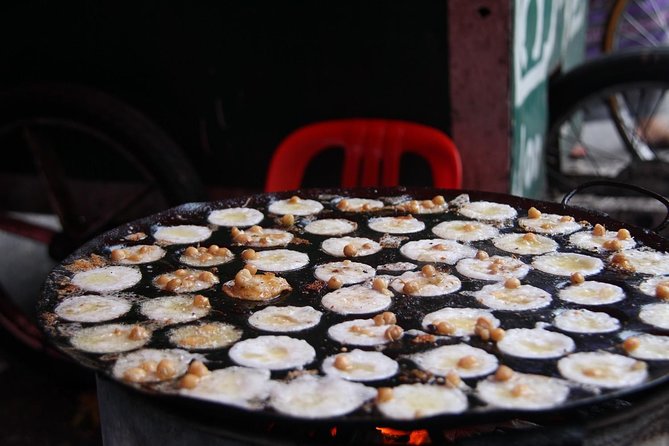
The tour may include deep-fried bugs, presented as a high-protein beer snack. No one is forced to try them, and that is the right approach.
For adventurous eaters, this can be a memorable part of the evening. For others, it is simply a chance to see a food that may be common in local snack culture but unfamiliar at home. You can look, ask questions, and pass.
Because the tour includes so many dishes, skipping one item does not leave you short of food. The included tastings are generous enough that you should pace yourself rather than treat every stop as a full meal.
What the small group and guide add
The group has a maximum of seven people. That matters on a walking route through markets and narrow streets. A small group is easier to keep together, and you have a better chance of asking questions without holding up a large crowd.
The guide is central to the experience. Mark has been noted for fluent English and a strong grasp of Yangon’s food, history, and communities. Myo has been described as flexible and attentive to individual needs. Guide quality can vary from one departure to another, but the tour is designed around local explanation rather than a simple list of restaurant stops.
The route is also more personal than a standard sightseeing circuit. You pass through neighborhoods, sample food at family-owned places, and learn why a dish matters. That makes the tour especially useful if you are curious about how Yangon’s different communities shape its cooking.
Is $62.65 a fair price?
At $62.65 per person, the tour costs more than simply buying a few snacks on 19th Street. But the price includes dinner, more than 10 tastings, snacks, coffee or tea, bottled water, and an English-speaking guide.
The real value is the access and structure. You do not have to search for suitable stalls, work out unfamiliar menus, or guess how to combine ingredients. You also get a planned route through Little India, Chinatown, and a market outside the usual tourist path.
It is good value if you want one evening that combines food, neighborhood walking, and cultural context. It is less compelling if you already know Yangon well and are comfortable eating independently. You could spend less on food alone, but you would not receive the same guidance or variety.
The maximum group size of seven makes the price easier to justify than a large coach-based excursion. You are paying for a focused walking experience, not transport or a formal restaurant setting.
Practical details that affect your evening
The tour does not include hotel pickup or drop-off. You need to reach the Pansodan Street meeting point yourself and arrange your own way onward from 19th Street.
A minimum of two people is required per booking. The child rate applies only when a child shares with two paying adults. Most people can participate, but the tour involves regular walking, food sampling, market conditions, and all-weather operation.
You should tell the operator about vegetarian requirements when booking. Alcohol costs extra. Confirmation is sent within 48 hours, subject to availability, so do not leave a booking until the last minute if your Yangon schedule is tight.
Free cancellation is available if you cancel at least 24 hours before the 5 p.m. start time. Changes or cancellations made less than 24 hours ahead are not refunded.
Who should book this Yangon food walk?
I would choose this tour for a first or second evening in Yangon, especially if you want food guidance without spending the night in a formal dining room. It suits curious eaters, couples, friends, and solo visitors who prefer the ease of a small group.
It is also a strong choice if you want to see more than the main sights. The combination of religious buildings, Indian and Chinese neighborhoods, a produce market, and family-owned food stops gives you a better feel for downtown life than a single restaurant meal.
I would think twice if you dislike unfamiliar textures, cannot walk 2.5 kilometers, or need a tightly controlled diet. The food comes in many forms, the streets may be wet or crowded, and the schedule is built around tasting rather than choosing one safe dish.
Should you book the Sa Ba evening tour?
Book it if you want a generous food-focused evening with a real neighborhood route. The strongest reasons are the variety, the small group, and the way guides such as Mark and Myo connect dishes to Yangon’s Indian, Chinese, Shan, and Burmese influences.
The tour is not the cheapest way to eat in Yangon, and it is not a polished restaurant experience. But the included food is substantial, the route reaches places you might not find alone, and the ending on 19th Street gives you an easy place to continue the night. For a first taste of Yangon, it is a practical and flavorful choice.
FAQ
How long does the Yangon evening food tour last?
The tour lasts approximately three hours, beginning at 5 p.m.
Where does the tour start?
It starts at Sa Ba Street Food Tours at Pansodan Scene, on the third floor of 144 Pansodan Street. Enter through the grey doors and go upstairs. The location is next to Ali Ba Ba amusements.
Where does the tour finish?
The tour finishes on 19th Street in Yangon’s Chinatown.
How much walking is involved?
The tour involves approximately 2.5 kilometers of walking through downtown Yangon, including Little India, Chinatown, side alleys, and a market.
How many people can join the tour?
The maximum group size is seven people.
Is food included in the price?
Yes. Food tastings, dinner, snacks, coffee or tea, and bottled water are included. Alcoholic drinks are not included but can be purchased.
Is a vegetarian option available?
Yes. A vegetarian option is available, but you need to advise the operator when booking.
Can I cancel for a full refund?
Yes, if you cancel at least 24 hours before the experience start time. Cancellations made less than 24 hours before the start are not refunded.
Newly added plates around the world
- Zanzibar:Stone town Street food market walking tour,transfer★ 4.5 · 9 reviews
- Zanzibar: Stone town visit, Shopping tour &Night food Market★ 4.4 · 2 reviews
- Xi’an: Gourmet & Street Food Tour★ 4.8 · 22 reviews
- Zanzibar: Stone town tour, Prison island & night food market★ 4.5 · 2 reviews
- Xi’an Muslim Quarter Night Market Foodie Walking Tour★ 4.2 · 22 reviews
- Verona: Street Food and History Tour with Local Guide★ 4.7 · 6 reviews
- Vienna Food Tour: Dishes, Wine, Street Food & Culture★ 4.7 · 12 reviews
- Verona: City Highlights & Street Food Walking Tour★ 5.0 · 3 reviews
Evening and Night Food Tours, compared.
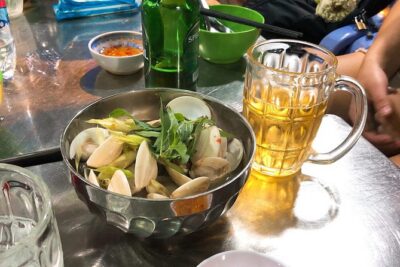
Saigon By Night and Street Food By Motorbike | Opt: Ao Dai Riders
Read our review →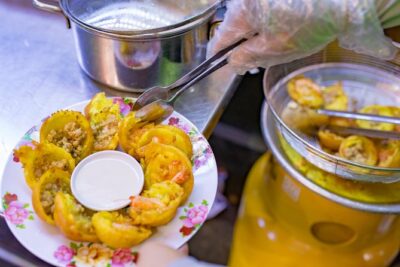
Private Street Food Evening Walking Tour in Ho Chi Minh City
Read our review →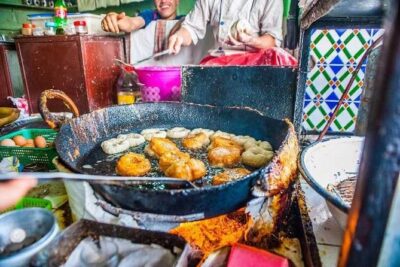
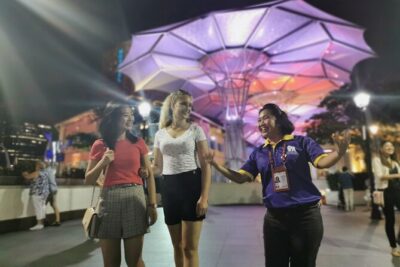
Small Group: Singapore Street Food & Night Tour with 9 tastings
Read our review →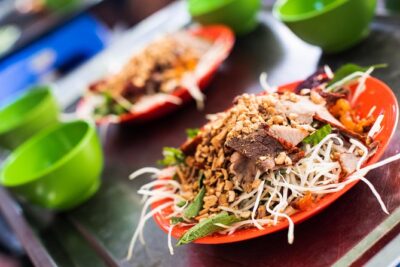
Tasting 8 Different Street Foods + Local Drink at Evening Time by Walking
Read our review →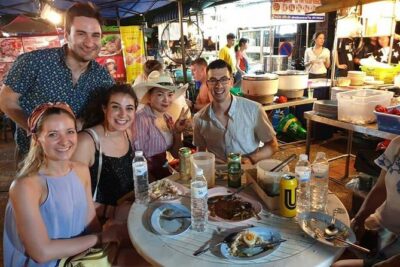
Small-Group Chiang Mai Evening Street Food Tour
Read our review →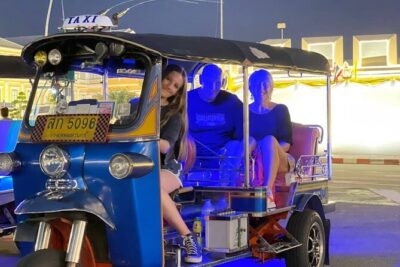
Bangkok Tuk-Tuk Tour by Night with Chinatown Street Food Meal
Read our review →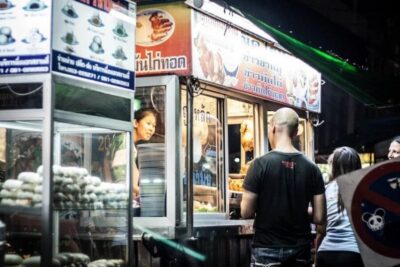
Browse the lists this tour appears in