
REVIEW · KENYA STREET FOOD TOURS
Diani: Market and Street Food Walking Tour
Diani’s best food experience may be the one that gets you away from the resort buffet. This 90-minute walking tour takes you through Ibiza Market, into a tailoring shop, then to a modest local restaurant and neighborhood bar for Swahili food and palm wine. It is a short, direct look at everyday Diani life.
I like the small group of no more than 10 people, which should make it easier to ask questions and move through the market. I also like the food lineup: wheat and coconut porridge, chapati or coconut rice, coconut beans, ugali with sukumawiki, and Viazi Karai. The main drawback is the heat and the very local setting. This is not a polished restaurant crawl, and people with food allergies should not book it.
Key points
- Ibiza Market comes first: Spend about 30 minutes seeing how local traders sell food and daily goods.
- The meal is distinctly Swahili: Try coconut, cardamom, wheat, beans, ugali, greens, and fried potatoes.
- A tailoring stop adds context: Sample traditional deras and learn how the garments are made and sold.
- Palm wine finishes the walk: Taste the drink at a local bar, with extra servings available to purchase.
- Tina may be your guide: Recent booking feedback specifically praises her friendly explanations.
- Bring water and sensible shoes: The walk is short, but the coastal heat can make it feel longer.
Starting at Tsunami Garden Cafe
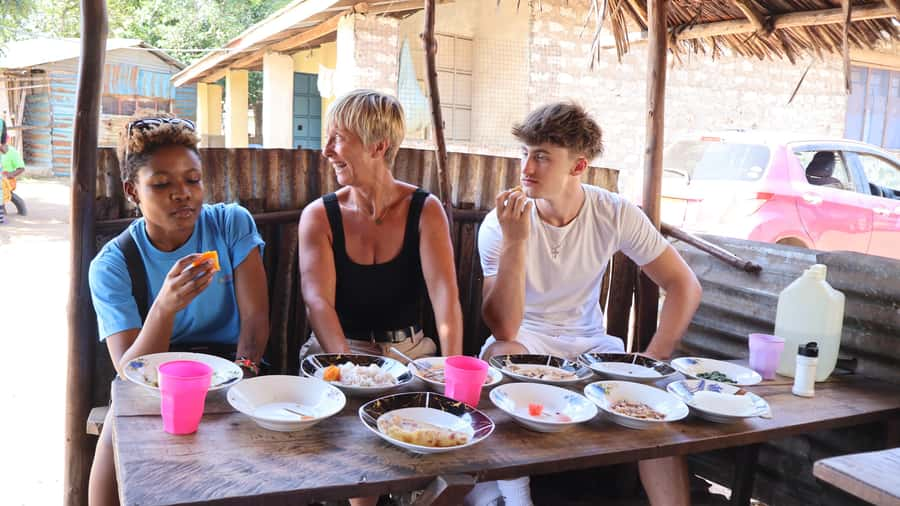
Your meeting point is Tsunami Garden Cafe. A woman will wait in front of the cafe and greet you by name, so you should not need to search through the neighborhood for a guide. The tour ends at the same place, making the start and finish simple.
You will receive a short briefing before walking to the market. That is useful because the experience is built around ordinary local places rather than formal attractions. You will want to listen closely at the beginning, especially if you have questions about the market, the food, or the customs you will encounter.
The tour is conducted in English. Guide Tina is named in recent booking feedback, and the comments describe her as friendly and good at explaining the sights. You may not have Tina on every departure, but the guide’s role is important here. A market visit without context can feel like a quick stroll past stalls. With a guide, you have a better chance of understanding what people trade and how the market fits into local life.
The price is $30 per person. For that amount, you receive the guide, the market visit, street food tastings, and palm wine tasting. You are also given a chance to browse souvenirs. The value is strongest if you want a compact introduction to Diani food and daily commerce rather than a long meal or a private cultural workshop.
More street food tours in the world:
- Dubai: Old Town, Creek, Museums, Souks, & Street Food Tour
★ 4.8 · 10,816 reviews - Ho Chi Minh City Street Food Tour & Sightseeing By Motorbike
★ 5.0 · 9,413 reviews - Medellin: Comuna 13 Graffiti Tour, Cable Car & Street Food
★ 4.8 · 9,046 reviews
Thirty minutes inside Ibiza Market
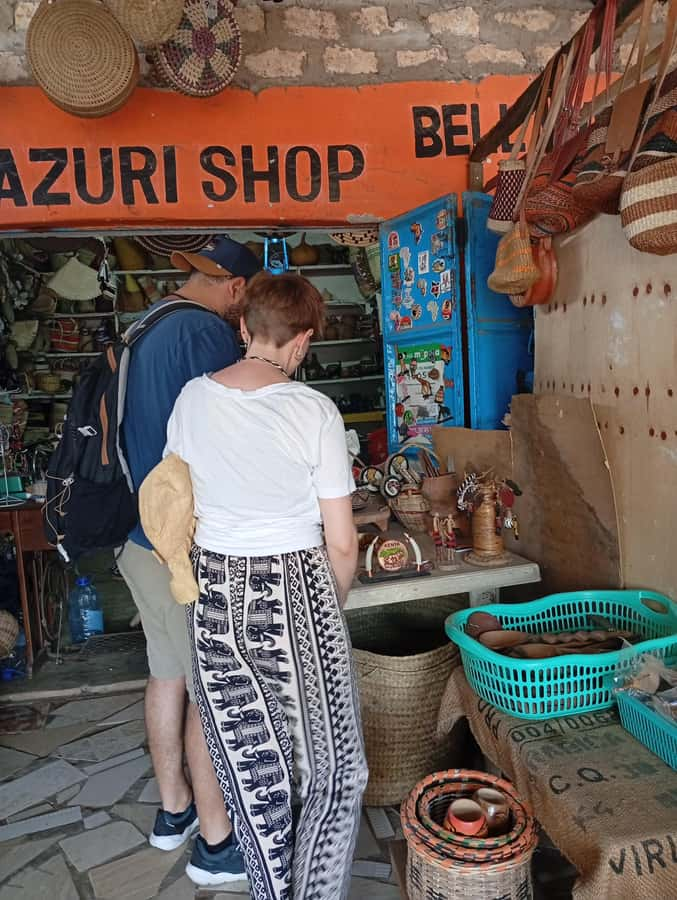
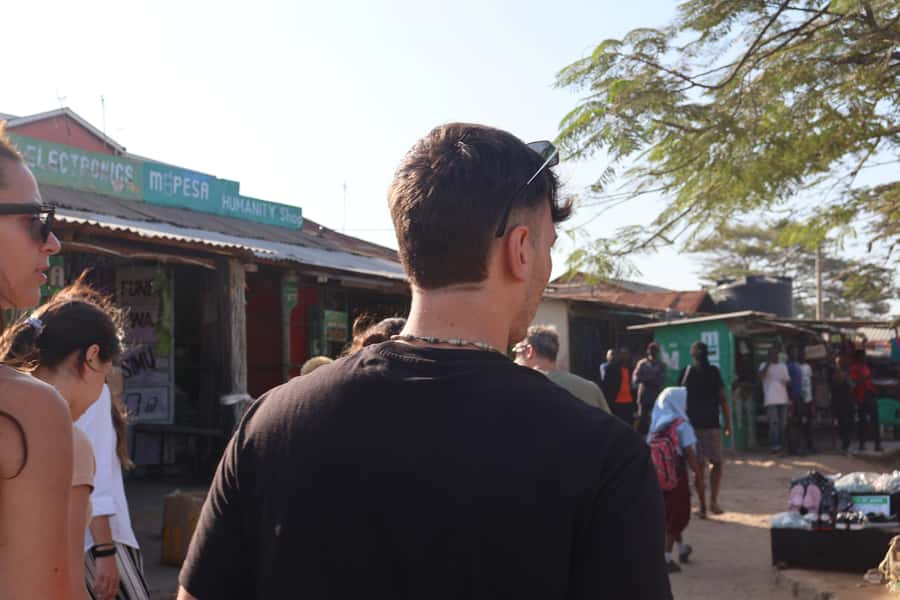
The market is the heart of the outing. You will spend about 30 minutes walking through it while your guide explains how local people trade. The emphasis is not only on what is for sale, but also on the people who work there and the way the market functions.
Expect a working market, not a staged performance for visitors. That means the surroundings may be plain, crowded, warm, or noisy. It also means you get a more useful look at ordinary shopping than you would from a hotel compound. Keep your camera ready, but ask before photographing people or their goods.
The short market visit is a sensible length. Thirty minutes gives you enough time to get a feel for the place without turning the tour into a tiring march through the heat. If you like markets, you may wish the time were longer. If you are sensitive to heat or strong food smells, the limited duration may be welcome.
Your guide can help you notice things you might otherwise miss. You may see the difference between a place selling ingredients for home cooking and a stall serving ready-to-eat food. You can also ask how traders work, what kinds of goods are common, and how the market serves local residents.
This is the part of the tour where respectful behavior matters most. Dress comfortably but modestly, keep valuables secure, and do not block stalls while taking photographs. The tour information asks you to respect local customs and regulations, a simple rule that matters in a working market.
Deras, tailoring, and the human side of shopping
Along the way, you pass a souvenir shop and a tailoring shop. The tailoring stop gives the tour a more personal angle than a simple food walk. You can try on traditional Swahili deras, loose dresses associated with coastal Swahili clothing, and learn how the garments are made.
The visit also introduces the people behind the clothing trade. You will hear how the tailoring work began and get a chance to understand the process rather than seeing the finished garment only as a shopping item. If you are interested in textiles, clothing, or local business, this may be one of the more memorable stops.
The souvenir opportunity is included, but buying something is not required. Personal expenses and additional purchases are not part of the $30 price. Treat this stop as a chance to look, ask questions, and perhaps buy a keepsake if something appeals to you.
Do not expect a fashion show or a long craft lesson. The information provided points to a brief stop within a 90-minute route. Its value is in the contact and explanation, not in an extended demonstration.
A Swahili meal in a local restaurant
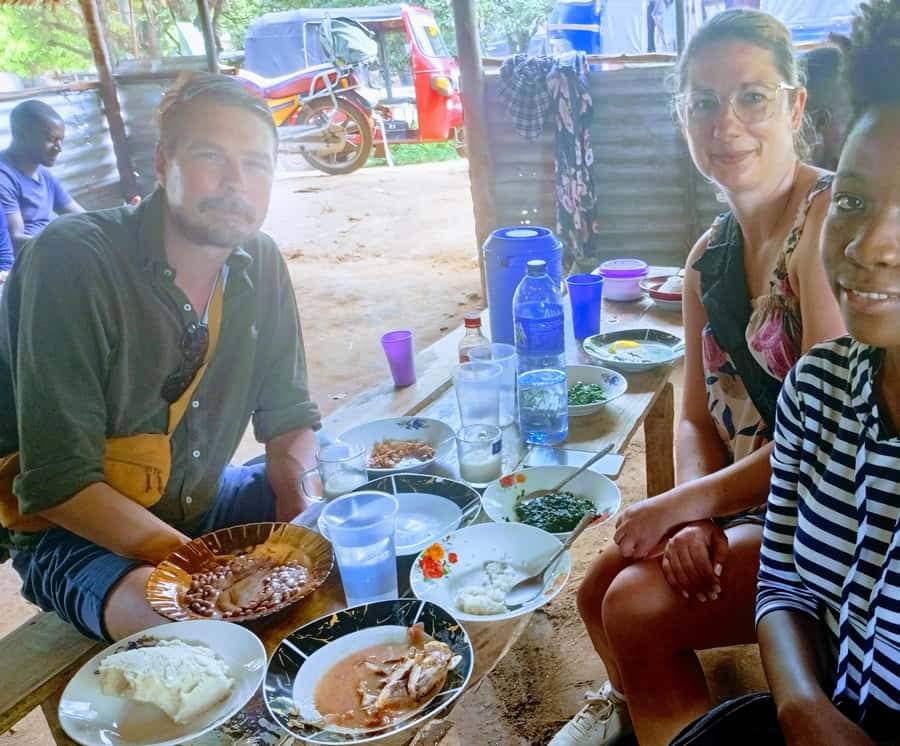
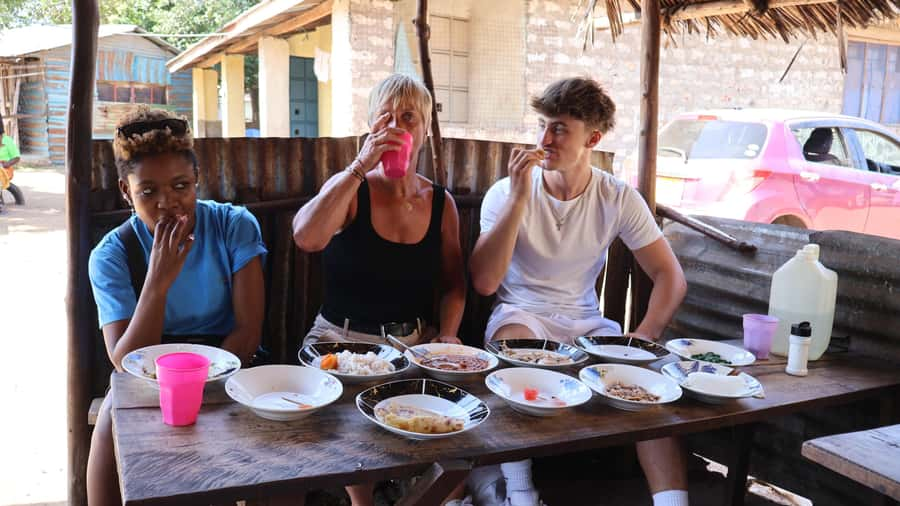
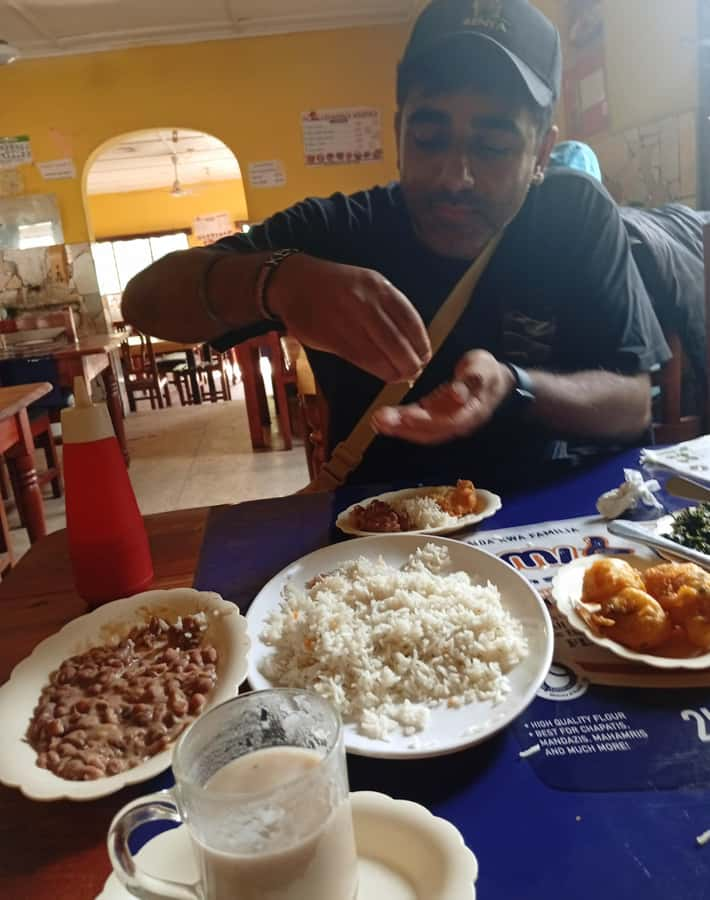
The food portion lasts about 30 minutes and takes place at a local restaurant. The setting is intentionally simple. One booking comment advises you to expect lunch in a very local restaurant, which is useful advice if you are accustomed to air-conditioned dining near the beach.
The first taste is Swahili porridge made from wheat, cardamom, and coconut milk. It is served as a starter and gives you an early sense of the region’s preference for coconut and warm spices. Cardamom adds fragrance, while coconut milk gives the porridge a soft, creamy quality.
For the main food, you will try chapati or coconut rice with coconut beans, along with ugali and sukumawiki. Chapati is a flatbread, while coconut rice brings another mild, fragrant use of a common coastal ingredient. Coconut beans should appeal to you if you enjoy filling, plant-based food with a gentle sweetness.
Ugali is a firm maize staple often eaten with vegetables or stews. Sukumawiki is a cooked leafy green dish. Together, they offer a different texture and style of eating from the bread and rice. You are not simply sampling one famous dish. You are getting a small plate of everyday staples.
The final snack is Viazi Karai, fried potatoes prepared in a spiced coating. This is the most snack-like item in the sequence and provides a crisp finish to the meal.
The menu is a strength because it covers several parts of coastal Kenyan cooking: coconut, grains, beans, greens, fried snacks, and spice. At the same time, the tour is not suitable for people with food allergies. The food is served as a set tasting, and the activity specifically excludes people with allergies. If you have dietary restrictions, the safest choice is to skip this booking unless the provider confirms that your needs can be met.
You should also arrive ready for a casual meal rather than a carefully plated dining experience. The tour is about local food in a local setting. That can be exactly what you want, but it may not suit you if you need predictable ingredients, quiet surroundings, or a formal restaurant.
Same city, another round of plates:
- Dubai: Old Town, Souks, Street Food, Guided Tour & Abra Ride
★ 4.9 · 7,170 reviews - Naples: Street Food Walking Tour with Local Guide
★ 4.9 · 4,976 reviews - Small Group Hanoi Street Food Tour with a Real Foodie
★ 5.0 · 4,682 reviews - Rome: Street Food Tour with Local Guide
★ 4.8 · 4,077 reviews
Palm wine at a neighborhood bar
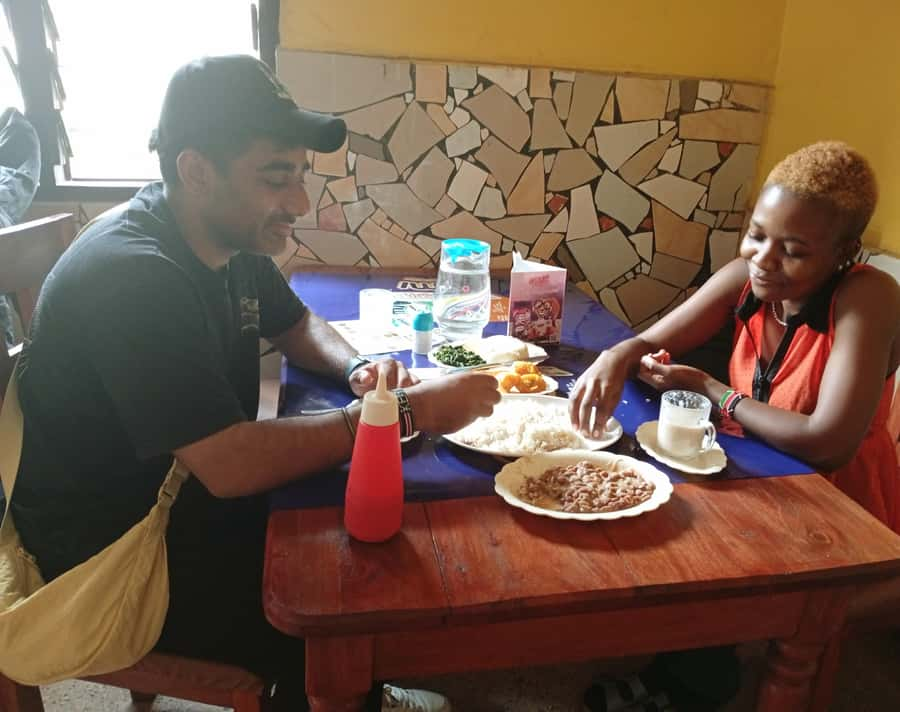
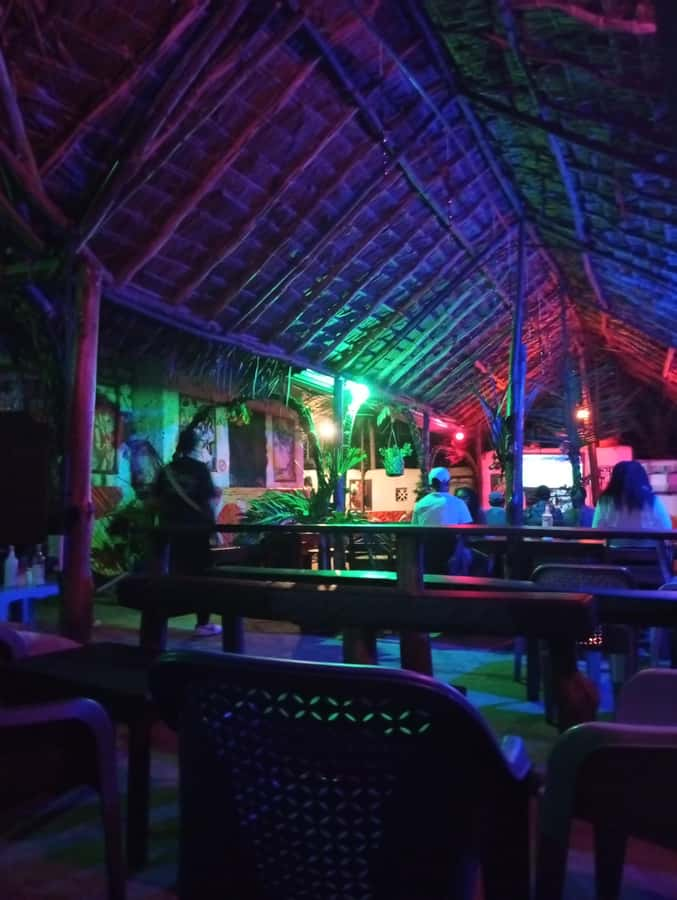
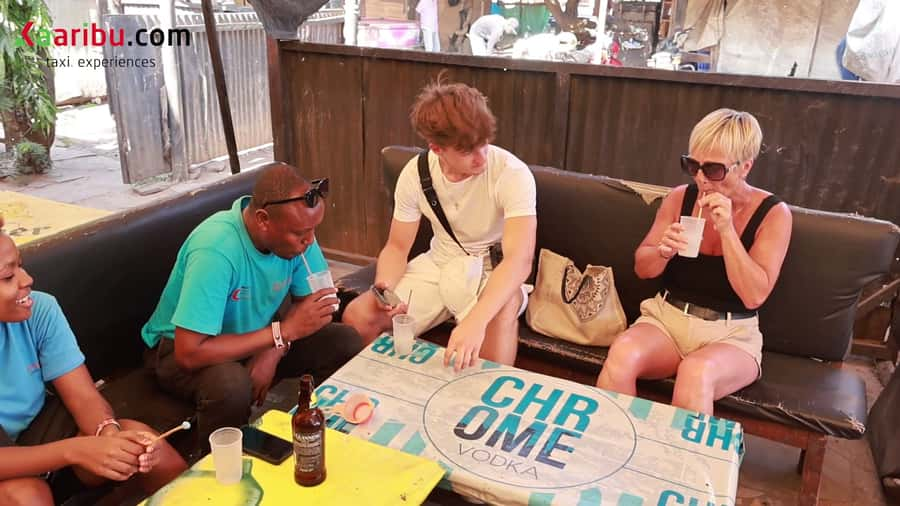
The final 30 minutes take you to a local bar for palm wine tasting. This is a different kind of stop from the restaurant. You are not only tasting a drink, but also seeing where local people may gather for a casual drink.
Palm wine has a distinct place in many parts of tropical Africa, and tasting it here gives you a chance to try a drink you may not find on a standard beach holiday menu. The guide can provide the setting and basic explanation, while you decide how much interest you have in the drink itself.
Additional palm wine can be purchased if you want more. That cost is not included, and the tour price does not cover extra food or drinks. You should bring enough money if you think you will want another serving, but the supplied information does not state the price of additional drinks.
There is an important point about alcohol. Alcohol and drugs are not allowed as items you bring to the activity, while palm wine tasting is part of the scheduled experience. Follow the guide’s instructions and do not treat the bar stop as an invitation to bring your own drinks.
One booking comment describes the bar as extremely local. That is useful preparation. You may find the setting basic and less familiar than a tourist bar near Diani Beach. For me, that is part of the point, but you should choose another activity if you want polished surroundings or a nightlife-focused outing.
How the timing shapes the experience

The tour divides its 90 minutes into three equal sections: about 30 minutes at the market, 30 minutes for food, and 30 minutes for palm wine. The route begins and ends at Tsunami Garden Cafe.
This tight schedule keeps the experience easy to fit into a beach holiday. You can book it without giving up half a day at the coast. It also means the tour moves at a steady pace. You will not have much time to linger at every stall, shop, or dish.
The walk itself can feel hot. One booking comment gives a clear warning to prepare for a warm walk, and that advice should shape what you wear. Choose comfortable walking shoes, carry water, and bring a sun hat. The tour also advises bringing a camera, though you should use it with courtesy in the market and shops.
Weather conditions can change the feel of the outing. The activity information asks you to be ready for varying weather, so light, practical clothing makes sense. You are on foot for the experience, and hotel pickup and drop-off are not included. Plan your own way to Tsunami Garden Cafe.
The tour is not suitable for children under 3, babies under 1, or wheelchair users. The walking route, market conditions, and food stops may be difficult for people who need step-free access or specialized support. Since the activity is built around tastings, it is also not suitable for anyone with food allergies.
What the $30 price really buys
At $30, this is reasonably priced if you want several small experiences in one short outing. You are paying for a local English-speaking guide, access to the market with explanation, a tasting menu, palm wine, and the chance to see a tailoring business. You also avoid having to find and order unfamiliar dishes on your own.
The price is less attractive if your main goal is a large meal. The food is a tasting rather than an all-day feast, and extra food and drinks cost more. You are also responsible for getting to the meeting point and paying for personal purchases.
The small group improves the value. With no more than 10 participants, the guide should have a reasonable chance to answer questions and keep the group together. It is not a private tour, but it should feel more manageable than a large coach outing.
The free cancellation period is practical: you can cancel up to 24 hours before the activity for a full refund. You can also reserve and pay later, which helps if your Diani plans are still shifting. Availability and starting times should be checked when you book.
Who will enjoy this Diani walk
I would recommend this tour to you if you want a quick introduction to local food and ordinary market life. It suits curious first-time visitors who would like to see more than the beach, especially those who enjoy tasting small portions and asking questions.
It also fits travelers who prefer a short activity. Ninety minutes is enough to add local food and culture to a day of swimming, without taking over your schedule. The return to Tsunami Garden Cafe keeps the route simple.
You may not enjoy it if you want air conditioning, formal dining, a long guided walk, or a carefully controlled food menu. The market and bar are local in character, and the heat can be tiring. You should also skip it if you have food allergies, need wheelchair access, or are bringing a very young child.
The strongest part is the mix of stops. The market shows where food and goods move through the neighborhood. The tailoring visit puts a face on local work. The meal explains common ingredients through taste. The palm wine stop shows another side of community life. None of these sections is long, but together they give you a useful first look at Diani beyond the resort strip.
Should you book this Diani food walk?
Book it if you want honest, compact contact with local Diani life and you are comfortable with heat, walking, basic surroundings, and unfamiliar foods. The $30 price is fair for the guide, tastings, market visit, and palm wine, especially in a small group.
Skip it if you need an allergy-safe menu, wheelchair access, hotel transport, or a polished dining experience. Bring water, wear good shoes, and arrive at Tsunami Garden Cafe ready to eat simply and stay curious. If Tina is guiding your departure, you can also expect a friendly, explanatory approach based on the strongest feedback attached to the experience.
FAQ
How long does the Diani Market and Street Food Walking Tour last?
The tour lasts 90 minutes. The schedule allows about 30 minutes for the market, 30 minutes for food tasting, and 30 minutes for palm wine tasting.
Where does the tour start?
The meeting point is Tsunami Garden Cafe. A woman will stand in front of the cafe and greet you by name.
Where does the tour finish?
The tour returns to Tsunami Garden Cafe after the market, food tasting, and palm wine stop.
Is hotel pickup included?
No. Hotel pickup and drop-off are not included, so you need to arrange your own way to Tsunami Garden Cafe.
What food will I taste?
The tasting includes Swahili porridge made with wheat, cardamom, and coconut milk, chapati or coconut rice with coconut beans, ugali with sukumawiki, and Viazi Karai.
Is palm wine included in the price?
Yes. Palm wine tasting is included. Additional palm wine, along with extra food and drinks, costs extra.
Is the tour suitable for people with food allergies?
No. The activity is listed as unsuitable for people with food allergies.
What should I bring?
Bring comfortable walking shoes, a sun hat, water, and a camera. You should also be ready for varying weather conditions and respect local customs.
Newly added plates around the world
- Zanzibar:Stone town Street food market walking tour,transfer★ 4.5 · 9 reviews
- Zanzibar: Stone town visit, Shopping tour &Night food Market★ 4.4 · 2 reviews
- Xi’an Muslim Quarter Night Market Foodie Walking Tour★ 4.2 · 22 reviews
- Xi’an: Gourmet & Street Food Tour★ 4.8 · 22 reviews
- Zanzibar: Stone town tour, Prison island & night food market★ 4.5 · 2 reviews
- Verona: Street Food and History Tour with Local Guide★ 4.7 · 6 reviews
- Vienna Food Tour: Dishes, Wine, Street Food & Culture★ 4.7 · 12 reviews
- Verona: City Highlights & Street Food Walking Tour★ 5.0 · 3 reviews
Kenya Street Food Tours, compared.

Nairobi Food Tour – Street Food Experience Lunch
Read our review →
Nairobi: 1 Hour Gastronomic and Street Food tour of Nairobi
Read our review →
Browse the lists this tour appears in