
REVIEW · KENYA STREET FOOD TOURS
Swahili Street Food Tour
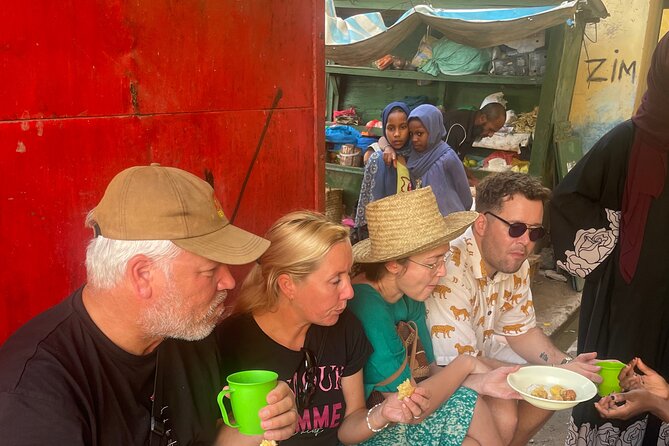
Mombasa’s best history lesson may come with a plate in your hand. This four-hour Swahili street food tour starts at Fort Jesus, then moves through Old Town for six food stops, where you taste local dishes while learning how Swahili culture, trade, architecture, and daily life fit together.
I like the way the tour joins food and place, rather than treating them as separate subjects. I also like the small group limit of 10 people, plus the fact that food, drinks, and transport during the tour are included. The main thing to consider is that six vendor stops in four hours can feel full-on, especially if you prefer a slow meal or need more control over what you eat.
Key points
- Six local vendors: Each breakfast, lunch, or evening departure includes six food stops with different local specialties.
- Fort Jesus starting point: Your guide gives you an introduction to the fort before the food walk begins.
- Old Town setting: Food comes with lessons in Swahili history, architecture, culture, and everyday life.
- Guides Hawa and Havah: The tour details identify guides by these names, with particular praise for their food and cultural explanations.
- Food, drinks, and transport included: The $55 price covers the main costs during the four-hour experience.
- Small group format: The tour accepts a maximum of 10 people, which should make questions and conversation easier.
Starting at Fort Jesus in Mombasa
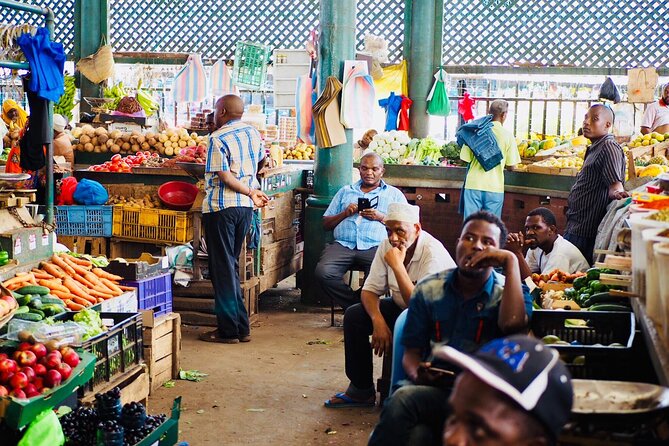
The meeting point is Fort Jesus Museum, where the tour begins and ends. You do not go inside the fort on this experience, but your guide gives you an overview of its past and importance before leading you toward the first food stop.
That choice makes sense. Fort Jesus gives you a useful starting point for understanding Mombasa as a coastal meeting place shaped by trade, migration, religion, and outside powers. You get the historical frame without spending the tour inside a museum.
If you are staying elsewhere in Mombasa, check the meeting point carefully before booking. The stated start is Fort Jesus Museum, P. O. Box 82412, Mombasa, Kenya, and the activity returns there at the end. Transport during the tour is included, but the details do not say that transport from your hotel to Fort Jesus is included.
The fort introduction also helps you get oriented. Old Town can be more rewarding when you know a little about the forces that shaped it. Here, your guide connects the setting to the food instead of giving you a detached history talk.
More street food tours in the world:
- Dubai: Old Town, Creek, Museums, Souks, & Street Food Tour
★ 4.8 · 10,816 reviews - Ho Chi Minh City Street Food Tour & Sightseeing By Motorbike
★ 5.0 · 9,413 reviews - Medellin: Comuna 13 Graffiti Tour, Cable Car & Street Food
★ 4.8 · 9,046 reviews
Six food stops through Old Town
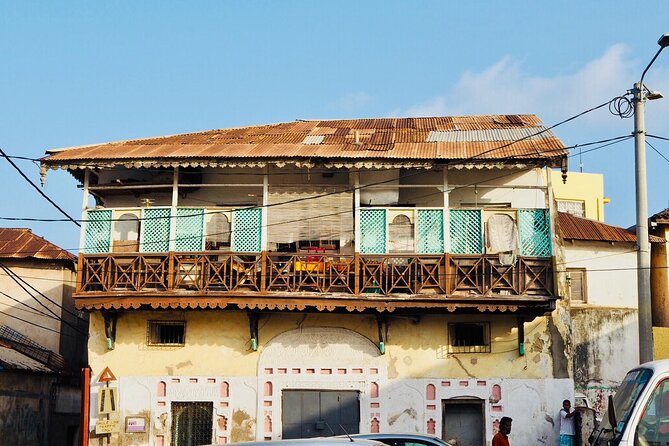
The main part of the experience takes place in Mombasa Old Town. You visit six local vendors during your chosen time slot, tasting different delicacies along the way. The tour is offered in the morning for breakfast, around midday for lunch, or in the evening.
That choice matters more than it may seem. A breakfast tour gives you a food-focused start to the day. A lunch tour may suit you if you want to use the experience as your main midday meal. An evening departure gives the old streets a different mood and may work well if you want a food outing after sightseeing.
The exact dishes are not listed in the tour information, so you should not book with one specific plate in mind. Instead, think of this as a guided sample of local food. Your guide introduces the dishes and the people serving them, giving you context that you would likely miss if you simply bought snacks on your own.
The six-stop format gives you variety. One vendor may offer a small taste, while the next introduces another style, ingredient, or cooking tradition. You get a broader picture of coastal eating than you would from sitting down for one full restaurant meal.
There is a tradeoff. Six stops in four hours means the pace is likely active. You may spend part of the time walking, listening, tasting, and moving on. If you want long meals and lots of time at each table, this may feel too structured. If you want to sample widely, the format works in your favor.
Food as a guide to Swahili culture
This is not only a tasting route. The food is used to explain Swahili culture and the way people live in Mombasa. You also learn about local food markets, producers, and vendors while moving through the old city.
That personal contact is one of the strongest reasons to book. A market or street-side stall tells you something a formal restaurant cannot. You see how food is sold, who prepares it, and how it fits into daily routines. The experience brings you closer to ordinary life without asking you to plan a food route on your own.
The tour also ties food to the city’s architecture. As you move between stops, your guide discusses the buildings and the character of Old Town. That gives the walk more shape. You are not simply collecting snacks. You are seeing how the city’s past and present appear in its streets, shops, homes, and eating places.
The tour information promises engagement with local producers and vendors, but it does not list their names or explain how long you spend with each one. I would treat this as a chance to meet local sellers and hear explanations, not as a private cooking class or a behind-the-scenes kitchen visit.
What the guides add
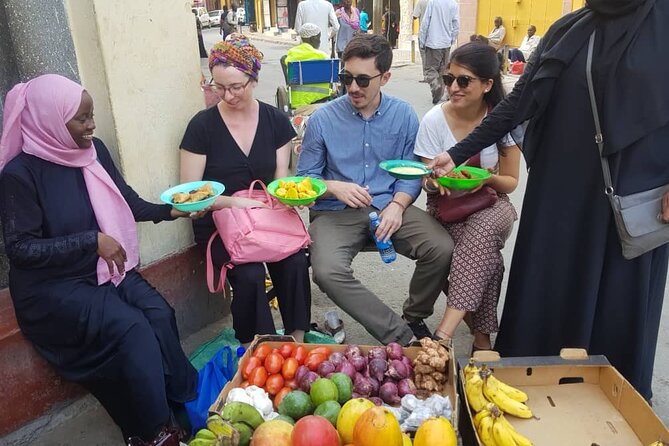
The guides are central to the experience. Hawa is praised for explaining Mombasa’s history, local culture, architecture, and food. Another account spells the name Havah, so the guide’s name may appear in either form when you book or communicate with the operator.
The useful point is not just the name. The guide is expected to connect several subjects at once. You get food information, but also the story of the city around you. That is especially helpful in Old Town, where a short walk can carry more meaning when someone explains what you are seeing.
A good guide also helps you handle the practical side of street food. You can ask what a dish is, how it is eaten, and why it matters locally. The supplied feedback gives particular attention to the guide’s explanations, so cultural interpretation appears to be one of the strongest parts of the outing.
Still, no walking tour is identical from one departure to the next. The named guide may not be available every time, and the food selection can vary by slot, vendor, and day. If a particular guide matters to you, ask the provider before booking rather than assuming.
Same city, another round of plates:
- Dubai: Old Town, Souks, Street Food, Guided Tour & Abra Ride
★ 4.9 · 7,170 reviews - Naples: Street Food Walking Tour with Local Guide
★ 4.9 · 4,976 reviews - Small Group Hanoi Street Food Tour with a Real Foodie
★ 5.0 · 4,682 reviews - Rome: Street Food Tour with Local Guide
★ 4.8 · 4,077 reviews
Morning, midday, or evening?
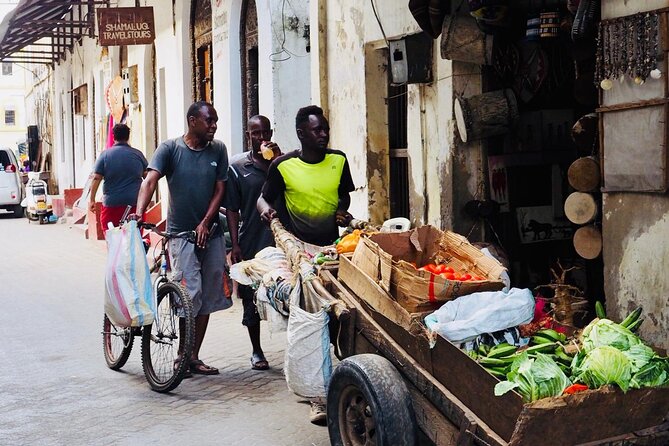
You can choose among three departure periods: breakfast, lunch, and evening. The tour lasts about four hours in each case.
For the best fit, think about your appetite and your plans in Mombasa. The breakfast option may work well if you want an early introduction to the city and its food. The lunch slot can serve as a substantial sightseeing break. The evening tour lets you make food the focus of the night.
Because the tour includes drinks and food, avoid planning another large meal immediately afterward. Six tasting stops can add up, even if individual portions are not described. You may want to keep the rest of the day flexible, especially if you are unsure how filling the route will be.
The schedule also affects the feel of Old Town. Morning, midday, and evening bring different activity levels and light. The information does not promise a particular market scene or menu at any hour, so choose based on your own timetable rather than expecting one slot to be objectively best.
How the $55 price measures up
The cost is $55 per person. For a four-hour small-group experience, that is a fair price if you value explanation and variety, not just the food itself.
Your payment covers the food and drinks at the six stops, plus transport during the tour. It also pays for the guide, planning, and the chance to move through Mombasa with a food route already arranged. Buying six separate tastings and arranging transport yourself could be awkward, even if it might cost less in some situations.
The value is strongest for a first visit to Mombasa or for anyone who wants help understanding local food customs. You do not need to research vendors, work out the order of stops, or guess what to try. The guide gives the route a clear purpose.
The value is weaker if you already know Old Town well, prefer to eat at your own pace, or want a formal restaurant meal. It is also worth remembering that the tour does not include entry inside Fort Jesus. The fort is used as the meeting point and historical introduction, not as a separate admission visit.
Group size and practical comfort
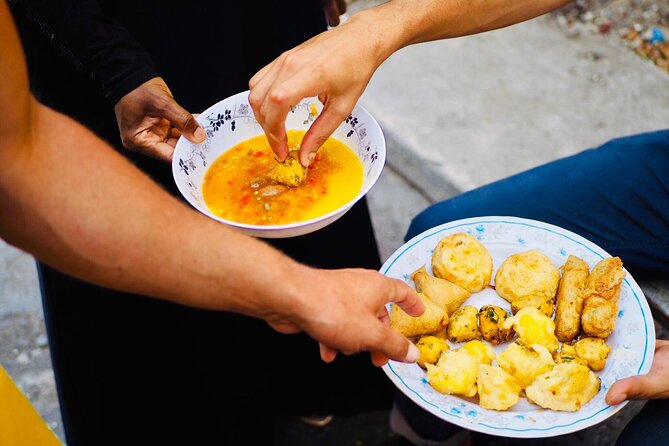
The maximum group size is 10 people. That is small enough to make it easier to hear the guide and ask questions, while still large enough to have a social feel.
A small group also helps in market areas and at local vendors. You are less likely to feel lost behind a large crowd, and the guide can give more direct attention to food questions. The details do not guarantee a private tour, so expect to share the route with other people.
The tour is delivered by mobile ticket, and confirmation is received at booking. It starts and ends at Fort Jesus Museum, which makes the route easier to plan before and after the activity.
Public transport is nearby. Service animals are allowed, and the tour information says most people can participate. No detailed information is given about the walking surface, seating, toilet stops, or the exact transport used during the route, so ask the provider if you have mobility or comfort concerns.
What to know before eating
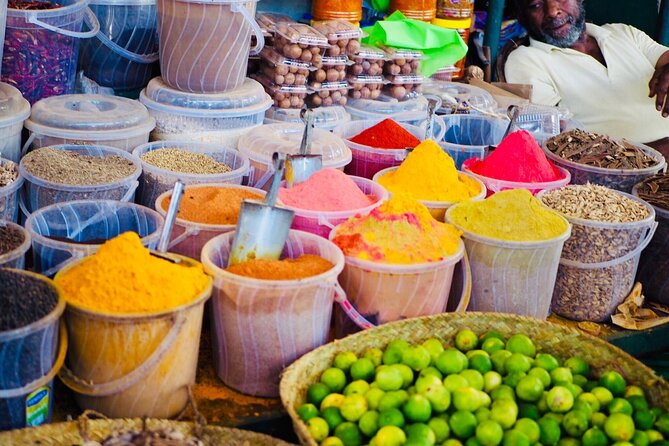
The tour is built around local delicacies, but it does not publish a dish list. You should contact the provider ahead of time if you have allergies, dietary restrictions, or strong food preferences. The available information does not confirm vegetarian, vegan, halal, gluten-free, or allergy-specific arrangements.
The same applies to portion size. Six stops do not necessarily mean six full meals. Think of the route as a series of tastings that together may form a substantial food outing.
You may also want to wear comfortable clothes and shoes suitable for a four-hour city experience. That is simple advice, but it matters when a food tour includes walking, market visits, stops at several vendors, and time on city streets.
The tour is a cultural experience as well as a meal. Your attention will be divided between eating, listening, looking at buildings, and meeting vendors. That is the point, but it means the food may not always arrive in the relaxed order of a restaurant dinner.
Who will enjoy this Old Town food walk?
I would recommend this tour to a first-time visitor who wants a quick, guided introduction to Mombasa. It gives you food, local stories, architecture, and a look at everyday commerce in one four-hour outing.
It also suits curious eaters who like sampling several things instead of ordering one familiar meal. The six-vendor plan gives you a wider taste of the city and lets the guide explain what you are trying.
Families and mixed-interest groups may find it useful because the food is paired with history and culture. Someone who is less focused on eating still has the fort, Old Town, buildings, and local life to observe.
I would be more cautious if you need a tightly controlled diet, dislike eating from multiple vendors, or prefer a quiet sit-down meal. The tour may also feel rushed if you want to linger at each stop. Ask about dietary needs and the expected walking pace before paying.
Booking and cancellation details
This experience is often booked about 30 days ahead, so planning early is sensible if your Mombasa dates are fixed. The maximum group size is 10 people, which may affect availability.
You can cancel for a full refund up to 24 hours before the start time. Cancellations made less than 24 hours before the experience do not receive a refund, and changes inside that period are not accepted. The cut-off follows local time.
That policy is reasonable, but watch the clock if you are changing a travel plan. A late flight change or missed connection could fall inside the no-refund period.
Should you book the Swahili Street Food Tour?
Book it if you want a guided introduction to Mombasa that treats food as part of the city’s culture, not just something to eat. The strongest features are the six vendor stops, the Old Town setting, the Fort Jesus introduction, and the guide’s focus on history, architecture, and local food.
The $55 cost makes sense when you count the included food, drinks, transport during the tour, and four hours of guidance. I would choose it early in a Mombasa stay, since it can help you understand the city and point you toward foods you may want to try again.
Skip it if you want a slow restaurant meal, need a confirmed menu, or prefer to explore independently. For most curious visitors who can handle an active four-hour tasting route, this is a practical and appealing way to meet Mombasa through its streets and food.
FAQ
Where does the Swahili Street Food Tour start?
It starts at Fort Jesus Museum in Mombasa, Kenya.
Does the tour go inside Fort Jesus?
No. The guide provides an overview of Fort Jesus, but the tour does not include a visit inside the fort.
Where does the tour finish?
The activity ends back at the Fort Jesus meeting point.
How long does the tour last?
The tour lasts approximately four hours.
How many food vendors do you visit?
You visit six local vendors during the selected tour slot.
Can I choose the tour time?
Yes. You can choose a breakfast, lunch, or evening departure.
Are food and drinks included?
Yes. The tour price includes the food and drinks provided during the experience.
Is transport included?
Transport during the tour is included. Transport to Fort Jesus before the tour is not specified.
What is the maximum group size?
The tour has a maximum of 10 travelers.
Can I cancel for a full refund?
Yes, if you cancel at least 24 hours before the experience start time. Cancellations made within 24 hours are not refunded.
Newly added plates around the world
- Zanzibar:Stone town Street food market walking tour,transfer★ 4.5 · 9 reviews
- Zanzibar: Stone town visit, Shopping tour &Night food Market★ 4.4 · 2 reviews
- Xi’an Muslim Quarter Night Market Foodie Walking Tour★ 4.2 · 22 reviews
- Xi’an: Gourmet & Street Food Tour★ 4.8 · 22 reviews
- Zanzibar: Stone town tour, Prison island & night food market★ 4.5 · 2 reviews
- Vienna Food Tour: Dishes, Wine, Street Food & Culture★ 4.7 · 12 reviews
- Verona: Street Food and History Tour with Local Guide★ 4.7 · 6 reviews
- Verona: City Highlights & Street Food Walking Tour★ 5.0 · 3 reviews
Kenya Street Food Tours, compared.
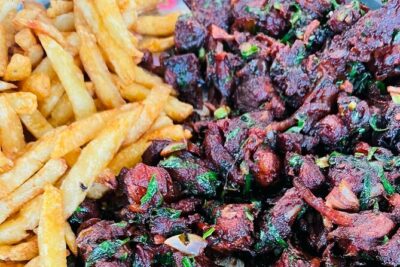
Nairobi Food Tour – Street Food Experience Lunch
Read our review →
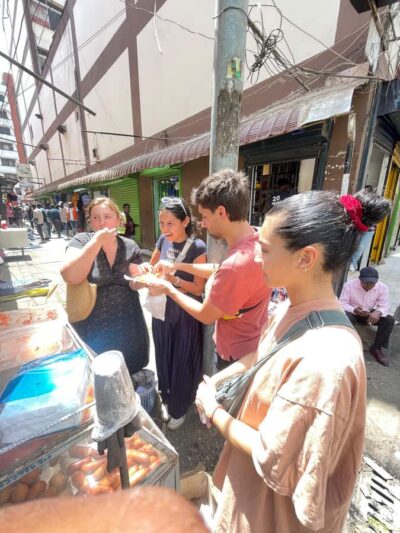
Nairobi: 1 Hour Gastronomic and Street Food tour of Nairobi
Read our review →
Browse the lists this tour appears in