
REVIEW · STREET FOOD AND DRINKS CRAWLS
Lisbon: Portuguese street food cooking class with Drinks
Lisbon’s best food lesson may be the one that leaves you with a pork sandwich in one hand and a glass of Portuguese wine in the other. At Compadre Cooking School, you spend about two hours making three everyday dishes: bifana, caldo verde, and peixinhos da horta, the green-bean fritters that helped inspire tempura.
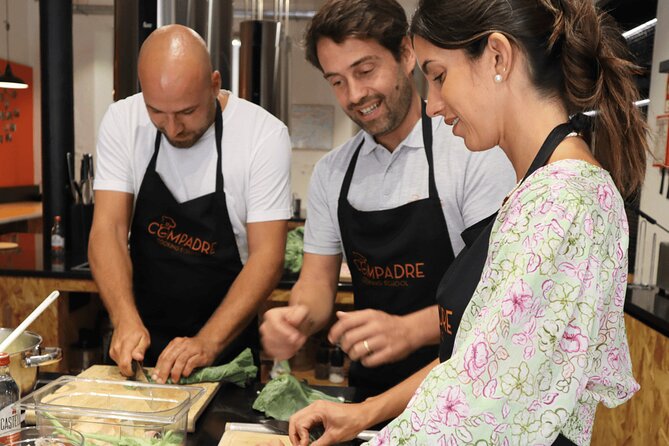
I like the practical menu. These are not fussy restaurant plates, but foods you can make again at home. I also like the small class size, capped at 12, which gives the chefs time to guide beginners and chat about Portuguese food. The main consideration is that the class includes only one glass of wine and a taste of ginjinha, so this is a cooking lesson with drinks, not a full drinks tour.
Key points
- Three classic dishes in two hours: Make collard-greens soup, a pork loin sandwich, and Portuguese vegetable fritters.
- Useful for home cooks: The recipes are designed to be simple enough to repeat in your own kitchen.
- Small-group setting: A maximum of 12 people allows for personal help without making the class feel private.
- A taste of Portugal in the glass: You receive one glass of white or red wine and a taste of ginjinha, a cherry liqueur.
- Good rainy-day plan: The class is indoors, social, and food-focused, making it a handy break from Lisbon sightseeing.
- Central practical details: It starts and ends at R. Heliodoro Salgado 14 and is near public transportation.
A Lisbon food class built around everyday dishes
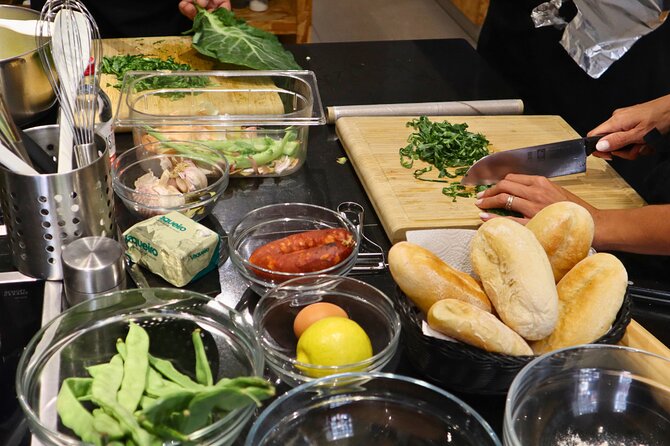
This class works because it focuses on food people actually eat. Caldo verde is a simple soup of potatoes and collard greens. Bifana is a seasoned pork loin sandwich. Peixinhos da horta turns green beans into crisp fritters, a Portuguese dish often linked to the development of tempura.
That menu gives you three different lessons in one sitting. You learn how a soup becomes a comfort food, how a humble sandwich gets its flavor, and how vegetables can become a snack with real crunch. You are not simply watching a chef plate a meal. You take part in preparing the recipes, then eat the light lunch made during the class.
The format suits a wide range of cooking ability. If you cook often, you can ask about technique and ingredients. If your kitchen experience ends at boiling water, the hands-on setup gives you a clear place to start. The recipes are meant to be approachable, not a test of knife skills or professional cooking.
More Street Food and Drinks Crawls in the world:
- Hungry Osaka Street Food Tour:15 Tastings & 3 Drinks with a Local
★ 5.0 · 1,727 reviews - Florence: Street Food Tour with Wine & Local Guide
★ 4.9 · 1,443 reviews - Athens: Food Market Visit and Cooking Class with Wine
★ 4.9 · 1,087 reviews
Meeting the chefs and hearing the food stories
The session begins with a welcome and a short introduction to the dishes. This matters because each recipe has a place in Portuguese daily life. You learn not only what goes into the food, but why these particular dishes are familiar across Portugal.
Marta and Anna are named as the chefs leading the experience. Their role is more than demonstrating steps. You can expect them to explain the cultural meaning of comfort food and help connect the recipes to Portuguese habits and traditions. The class is offered in English and Portuguese, and the guide is licensed or certified.
That opening talk also helps you read Lisbon’s food scene after the class. A bifana is not just a sandwich to check off a menu. It is a compact, filling street food built around tender pork and bread. Caldo verde is not just green soup. Its short ingredient list shows how simple cooking can produce something satisfying. Peixinhos da horta shows how a vegetable dish can move from local tradition into a wider culinary story.
Caldo verde: the gentle start
The first dish is caldo verde, a soup made with collard greens. The dish is a good opening course because it introduces you to a basic Portuguese cooking style: a few familiar ingredients, handled with care.
You can expect the preparation to show how the soup gets its body and how the greens are added. The class is not presented as a complex chef challenge, so the value is in learning a repeatable method. Once you know the pattern, you can make the soup at home without searching for rare equipment or hard-to-find techniques.
This course also gives you a chance to compare the dish with the versions you may encounter around Lisbon. Restaurants and families can prepare traditional foods in slightly different ways, but the class gives you a solid starting point. If you have been eating rich pastries and grilled meats during your trip, a bowl of caldo verde offers a welcome change of pace.
The menu calls this a starter, though it is substantial enough to feel like more than a tiny tasting. Since the food prepared during class becomes your light lunch, you should arrive ready to eat, but not expecting a large multi-course restaurant meal.
Bifana: the sandwich worth learning
The bifana is the centerpiece for many people. This Portuguese pork sandwich uses pork loin and turns a few straightforward components into something far more satisfying than the ingredient list suggests.
The class shows you how the meat and seasoning work together inside the bread. That is useful knowledge for home cooks because a sandwich like this depends on timing and balance. The pork needs flavor, the bread needs to hold up, and the final result should be easy to eat rather than overloaded.
One family described the recipes as ranking among their top three sandwiches ever, and that praise points to the dish’s broad appeal. Teenagers liked it, too, which makes the class a strong choice for families with older children. You do not need to be interested in fine dining to enjoy this part of the lesson. A good bifana is direct, filling, and memorable.
I would pay close attention here if you want to recreate the meal after Lisbon. Ask about the cut of pork, seasoning, cooking time, and how the sandwich is assembled. The class is specifically designed to leave you with food you can make at home, so this is the moment to note the details instead of simply eating quickly.
More Cooking Classes in the world:
- Mexican Cooking Class with Food Market Visit in Mexico City
★ 5.0 · 506 reviews - Florence: Cooking Class with Local Food Market Tour
★ 4.9 · 407 reviews - Street Food Cooking Class
★ 5.0 · 125 reviews - Food Market Shopping and Cooking Workshop in A Coruña
★ 5.0 · 89 reviews
Peixinhos da horta and the Portuguese link to tempura
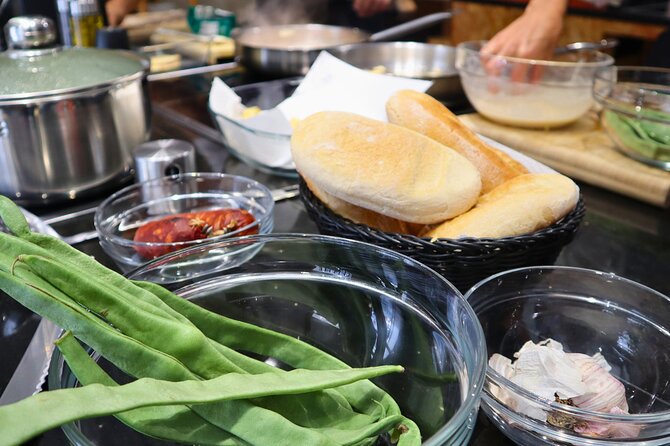
Peixinhos da horta is the most unusual item on the menu for many people. The name means little fish from the garden, but the dish is made with green beans. They are coated and fried in a style often described as Portuguese vegetable tempura.
This is a smart choice for a cooking class because it gives you a story to remember and a technique to practice. You see how a vegetable can become a crisp snack, and you gain a connection between Portuguese cooking and one of Japan’s best-known food styles. The class presents the dish as an original Portuguese preparation that helped inspire tempura.
It also adds variety to the meal. After the soft texture of soup and the hearty bifana, these fritters bring crunch and a more playful element. You may find this is the recipe you are most eager to repeat at home, especially if you want a way to serve green beans that does not feel routine.
Frying can make some beginners nervous. The benefit of doing it with a chef nearby is that you can get help with the process instead of guessing at home. Still, anyone who dislikes fried food should know that this part of the menu is clearly about crisp texture and cooking in oil.
Drinks that make the class social
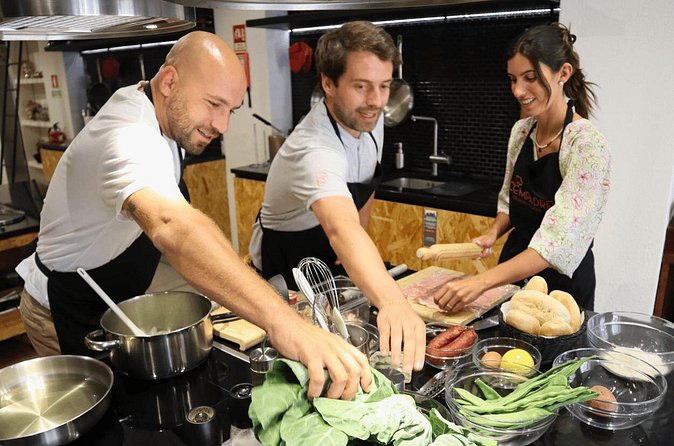
The class includes one glass of white or red wine and a taste of ginjinha, the Portuguese cherry liqueur. Coffee and tea are also included. These drinks help turn the lesson into a relaxed shared meal rather than a strict kitchen workshop.
Ginjinha is especially useful as a small cultural detail. It is not served as a full tasting flight, but the sample gives you a chance to try a drink closely tied to Portugal. If you like sweet liqueurs, you may want to seek out more during the rest of your stay.
The drinks are limited, so set your expectations correctly. Soda and bottled water are not included, and the experience does not promise unlimited wine. If you want water, plan around that detail. The included drink package adds value, but the main purchase is the food lesson and the meal you prepare.
What the two hours feel like
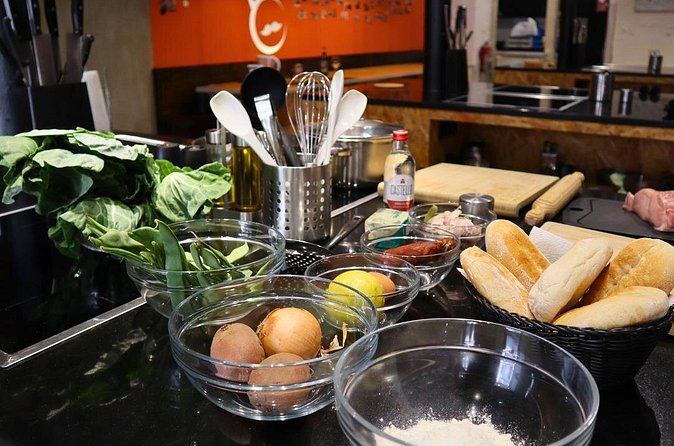
Two hours is a good length for this menu. You have enough time to hear the background, take part in the preparation, sit down to eat, and enjoy conversation without giving up an entire afternoon.
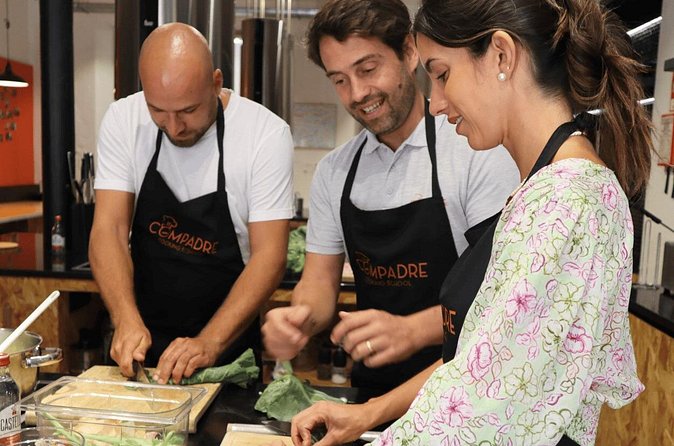
The small-group limit of 12 is important. Cooking classes can become frustrating when everyone is crowded around one work surface or waiting for a turn. A group of this size should give you a better chance to see the demonstrations and ask for help. It also creates an easy setting for solo visitors, couples, and groups who want to meet people over food.
The tone is laid-back rather than formal. You are not being graded, and the class is suitable for all skill levels. That makes it a useful option on a rainy Saturday or on a day when you want a break from monuments and hills.
The class ends where it begins, at R. Heliodoro Salgado 14, 1170-374 Lisboa. It is near public transportation, and the mobile ticket makes the practical side simple. Check the address before setting out, since Lisbon’s streets can make even a short route feel longer than expected.
Price, group size, and what you receive
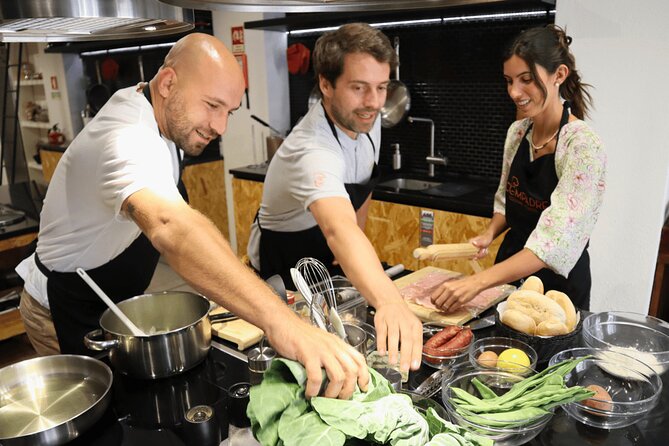
The price is $60.21 per person. I consider that fair if you value both the instruction and the meal. You receive a two-hour hands-on class, three dishes, a light lunch, coffee or tea, wine, and ginjinha.
The value is stronger for anyone who plans to cook the recipes again. A restaurant meal gives you a finished dish, but this class gives you a method you can carry home. The recipes are meant to be simple enough for an ordinary kitchen, which makes the experience more useful than a one-off tasting.
It is less compelling if you are looking only for a cheap lunch. You are paying for the teaching, the setting, and the chance to take part. If your schedule is tight or you have no interest in cooking, a traditional restaurant may be a better use of your money.
The class is booked, on average, 19 days ahead. That suggests you should reserve early if it fits your Lisbon plans, especially since the maximum is 12 people. You receive confirmation at booking, and free cancellation is available up to 24 hours before the start time. Changes or cancellations inside that 24-hour window are not accepted for a refund.
Who should book this Lisbon experience
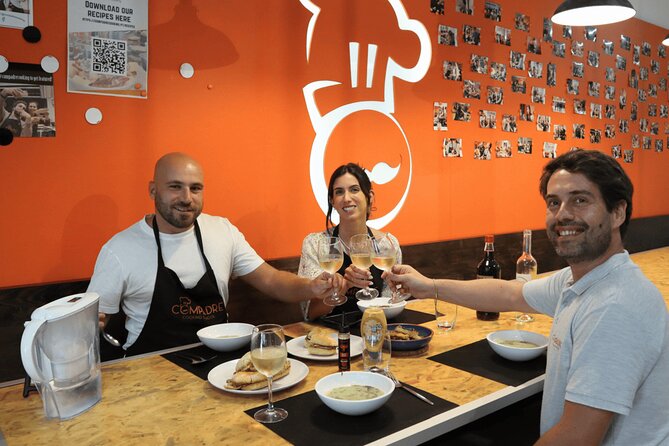
I would recommend it to couples who want a shared activity, solo visitors who enjoy meeting people around a table, and families with teenagers. The menu is familiar enough to appeal to cautious eaters, but different enough to teach you something new.
It also suits anyone who wants a food souvenir that takes up no space in a suitcase. You may forget the exact restaurant where you ate lunch, but a good bifana method or a green-bean fritter recipe can return to your kitchen for years.
The class is less suited to people seeking a long chef-led course, a large wine tasting, or a full dinner. It lasts about two hours and includes a light lunch. The menu is fixed around the three stated recipes, so it is not the right pick if you need a broad survey of Portuguese seafood, pastries, or regional wines.
Should you book the Compadre Cooking School class?
Book it if you want participation instead of another meal out. The menu is practical, the class is small, and the food connects neatly to Portuguese daily life. Marta and Anna add a personal guide presence, while the wine and ginjinha keep the mood relaxed.
I would especially choose this class early or midway through a Lisbon stay. You can use what you learn for later food decisions, and the recipes give you a better sense of what you are eating around the city.
Skip it if you want a private lesson, extensive drinks, or a full evening event. For most people who enjoy food and have two free hours, though, the $60.21 fee buys more than lunch. It buys a story, a few useful techniques, and a meal you helped make yourself.
FAQ
How long does the Portuguese street food cooking class last?
The class lasts approximately two hours.
Where does the experience begin?
It begins at R. Heliodoro Salgado 14, 1170-374 Lisboa, Portugal.
Where does the class end?
The activity ends back at the meeting point.
What dishes will I prepare?
You will prepare caldo verde, a collard-greens soup; bifana, a pork loin sandwich; and peixinhos da horta, Portuguese green-bean fritters.
Is lunch included?
Yes. A light lunch made from the recipes prepared during the class is included.
Are drinks included?
Yes. The class includes one glass of white or red wine, a taste of ginjinha, and coffee or tea. Soda and bottled water are not included.
What languages are offered?
The experience is offered in English and Portuguese.
How many people can join the class?
The class has a maximum of 12 travelers.
Can I cancel for a full refund?
Yes. You can cancel at least 24 hours before the experience start time for a full refund. Cancellations or changes made less than 24 hours before the start time are not accepted for a refund.
Newly added plates around the world
- Zanzibar: Stone town visit, Shopping tour &Night food Market★ 4.4 · 2 reviews
- Zanzibar:Stone town Street food market walking tour,transfer★ 4.5 · 9 reviews
- Xi’an Muslim Quarter Night Market Foodie Walking Tour★ 4.2 · 22 reviews
- Xi’an: Gourmet & Street Food Tour★ 4.8 · 22 reviews
- Zanzibar: Stone town tour, Prison island & night food market★ 4.5 · 2 reviews
- Verona: Street Food and History Tour with Local Guide★ 4.7 · 6 reviews
- Vienna Food Tour: Dishes, Wine, Street Food & Culture★ 4.7 · 12 reviews
- Verona: City Highlights & Street Food Walking Tour★ 5.0 · 3 reviews
Street Food and Drinks Crawls, compared.

Hungry Osaka Street Food Tour:15 Tastings & 3 Drinks with a Local
Read our review →
Food Market Visit and Cooking Class with Wine
Read our review →
Cancun Taco Tour, Local Beer and Night Market with Transportation
Read our review →Budapest Centre Food Tour with 10+ Tastings, Wine & Street Food
Read our review →
Authentic Vienna Food Tour inc. lunch, street food, 3 drinks
Read our review →

Hungry Osaka Street Food Tour: 15 Dishes & 3 Drinks
Read our review →Browse the lists this tour appears in