
REVIEW · USA STREET FOOD TOURS
Japanese Street Food Class in Beech Grove
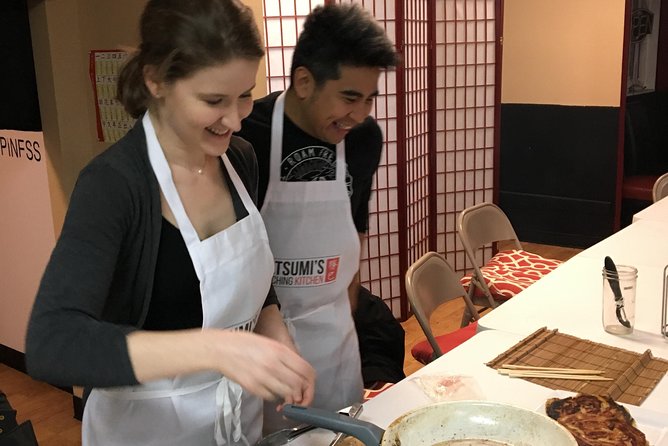
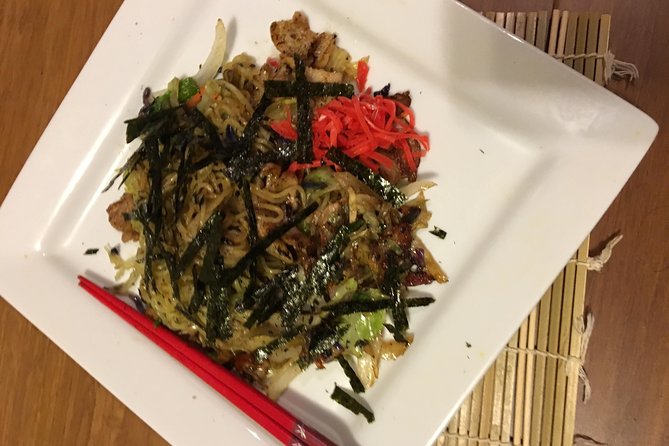
Japanese street food is best understood with your hands busy. In this Beech Grove class, you cook yakisoba, okonomiyaki, and takoyaki, then finish with a rice cooker cake topped with matcha green tea glaze. Mori sensei also explains where the dishes come from and how the ingredients fit together.
I like the private format, since your group gets a more personal lesson instead of trying to keep up with strangers. I also like the practical recipe guide and advice on finding or substituting ingredients, which gives the class value long after dinner is over.
The main consideration is time. Two and a half hours is a sizeable block for a cooking lesson, and the class requires advance notice about allergies and food restrictions. You should also note the stated good-weather requirement before booking.
Key points to know before you book
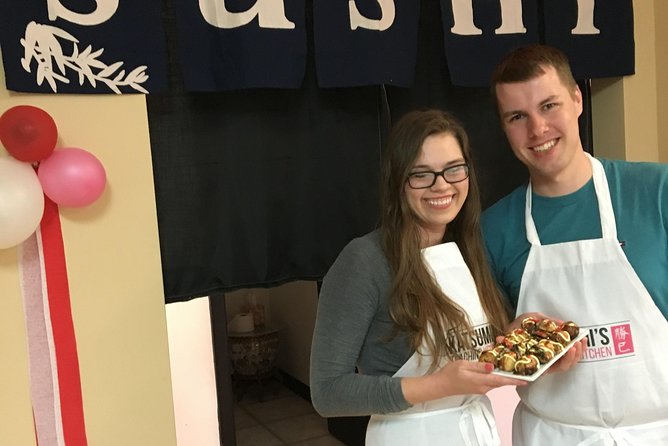
- Three Japanese street foods in one class: Prepare yakisoba, okonomiyaki, and takoyaki, then make dessert.
- Mori sensei leads the lesson: The instructor combines cooking guidance with stories about ingredients and dish origins.
- Private for your group: The class is not shared with other participants, allowing more direct help.
- Useful take-home support: You receive recipes plus tips on where to find ingredients and what to use when they are unavailable.
- A memorable dessert: Rice cooker cake gets a simple, lightly sweet matcha green tea glaze.
- Simple arrival routine: Meet at 222 Main St. in Beech Grove at 3:00 pm, put on an apron, wash your hands, and begin.
Three street foods, one compact Japanese cooking lesson
This experience gives you a useful introduction to several Japanese comfort foods rather than building the entire class around one recipe. You work with yakisoba, okonomiyaki, and takoyaki, three dishes often associated with casual eating and street-food culture.
The class also places each dish in context. As you cook, Mori sensei explains its origins and discusses the ingredients. That matters because Japanese dishes can look simple on the plate while depending on particular textures, sauces, and cooking methods.
I like this mix of hands-on work and explanation. You are not only following instructions, and you are not only listening to a food lecture. The story behind each dish gives you a better chance of remembering what you cooked and why it is prepared that way.
The available information does not specify the exact order of the dishes or the full ingredient list. You should expect a guided cooking session rather than a fixed restaurant-style meal, with the group moving through the recipes as the lesson progresses.
More street food tours in the USA:
- Charleston Upper King Street Food Tour
★ 4.5 · 200 reviews - Portland Food Carts, Pods & Patios Tour
★ 5.0 · 166 reviews - Mexican Street Food: Tijuana Day Trip from San Diego
★ 4.5 · 158 reviews
Starting at 3:00 pm in Beech Grove
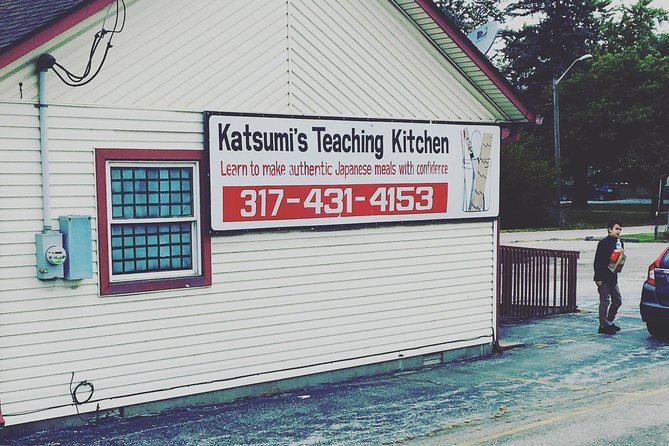
The meeting point is 222 Main St., Beech Grove, Indiana 46107. The activity starts at 3:00 pm and finishes at the same location, so you do not need to arrange a separate end point.
The class is offered in English, and the location is near public transportation. That makes the meeting point easier to reach if you are not driving, though the supplied details do not identify specific routes, stops, or parking arrangements.
You do not need to bring special equipment or supplies. The opening routine is straightforward: put on an apron, wash your hands, and get started. That simple beginning is helpful for first-time cooking students because you can arrive without worrying about packing kitchen tools.
Plan to arrive ready to begin at the stated time. Since this is a private class, the instructor is preparing for your particular group rather than a large walk-in crowd.
Yakisoba brings a familiar first step
Yakisoba is likely to be the most approachable of the three savory dishes for many students. It is a noodle dish, and its basic format makes it easy to understand as you work through the recipe.
The value here is not just learning one meal. You also get a chance to see how Japanese flavors come together in a dish that can be made at home. The instructor explains the ingredients while you cook, so you can pay attention to the choices that affect the finished result.
You should use the lesson to ask practical questions. If you are unsure where to buy an ingredient, or if a particular item is hard to find near home, this is the time to ask about substitutions. That advice is one of the stronger reasons to choose an in-person class instead of relying on a recipe alone.
The class is not presented as an advanced professional course. It is better suited to someone who wants a guided introduction, clear instruction, and enough context to repeat the dish later.
Okonomiyaki shows another side of Japanese comfort food
Okonomiyaki adds a different style of cooking to the session. It gives you a second savory dish with its own preparation and background, helping the class feel like a small tour through Japanese street-food traditions rather than a single recipe demonstration.
Mori sensei discusses the origins of the food as you work. I find that especially useful with dishes whose names and methods may be unfamiliar, since the background gives you a reason to remember the technique.
Because the class is private, you can ask for clarification without worrying about holding up a larger group. That can be helpful if you cook at a slower pace, have limited experience, or want to understand why a step matters rather than simply copy it.
The format should also work well for couples and families who want to cook together. You get a shared activity, but the focus stays on making food rather than watching a demonstration from the back of a room.
Same city, another round of plates:
- New York City Food Cart Walking Tour
★ 5.0 · 68 reviews - Food Carts of Portland Bike Tour: local flavors and stories
★ 5.0 · 67 reviews - Street Food Tour of South Lake Union- Area of Amazon Spheres
★ 5.0 · 60 reviews - The Ultimate New York City Street Food Tour
★ 5.0 · 43 reviews
Takoyaki makes the lesson more hands-on
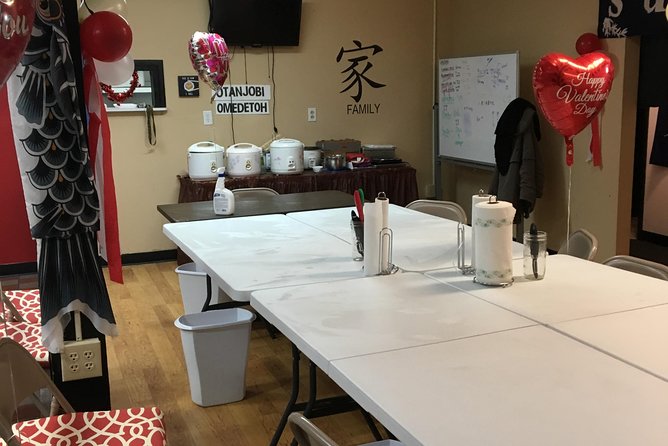
Takoyaki completes the trio of savory dishes. It is one of the most recognizable Japanese street foods included in the class, and preparing it gives the session a more tactile finish on the savory side.
The supplied details do not promise a particular filling list or cooking tool, so you should avoid booking with a strict expectation about every ingredient. What is clear is that takoyaki is part of the planned menu and that you will learn to make it as part of the guided class.
This is where the private setting can matter most. If you have questions about shaping, timing, or handling the dish, Mori sensei can give your group direct attention. The instructor’s lighthearted approach, noted in the experience details, should also help keep mistakes from becoming stressful.
You leave with more than a meal. The point is to understand enough of the process to recreate these foods at home, supported by the recipe guide and ingredient advice.
Rice cooker cake closes with a gentle matcha finish
Dessert is rice cooker cake with matcha green tea glaze. The cake is described as sponge-like, with a texture that is softer and more appealing than you might expect from a rice cooker preparation.
The glaze is simple to make and not too sweet. That makes it a sensible ending after three savory dishes, especially if you prefer desserts that let the tea flavor remain noticeable instead of burying it under sugar.
This is also the class’s most unusual recipe. Many home cooks may already have a skillet or noodle pot, but a rice cooker cake gives you a new idea to try with equipment you may already own. The recipe guide should be particularly useful here because the method is less familiar than baking a cake in a standard oven.
The exact serving arrangement is not provided, so think of dessert as part of the cooking lesson rather than a separate restaurant course. You will learn the preparation and finish the class with the completed sweet.
Mori sensei adds context and a relaxed tone
Mori sensei is the instructor identified with this experience. The class combines cooking instruction with historical and ingredient background, and the teaching style is described as funny and lighthearted.
That balance matters. A class can be accurate but stiff, or friendly but too loose to teach much. Here, the appeal is the combination of practical recipes, cultural context, and a tone that helps people feel comfortable while working.
I would especially recommend telling the instructor what you want from the lesson at the start. You might care most about recreating the dishes, understanding Japanese food traditions, or learning how to shop for the ingredients. The private format gives you room to make those priorities clear.
A previous participant also found out that Katsumi’s Teaching Kitchen offers other cooking classes. That makes this experience a sensible first visit if you are interested in building a series of food lessons, though you should treat other class topics as separate offerings rather than part of this booking.
Why the private format affects the value
A private class costs more than joining a large shared demonstration in many cases, though no price is provided here, so I cannot judge the exact dollar value. The right question is what you gain from the format.
Your group receives direct instruction, can ask questions freely, and does not have to match the pace of unrelated participants. That is useful for beginners, couples, families, and small groups with food restrictions or different comfort levels in the kitchen.
The recipe guide adds another layer of value. A cooking class is easy to forget once you leave, especially if you only watch someone else prepare the food. Written recipes and ingredient-substitution advice give you a better chance of making the dishes again.
The class also includes four planned foods: three savory street foods and one dessert. A little miso soup may be prepared as an extra, based on the experience details, but it should not be treated as a guaranteed part of the listed menu.
Who should book this Beech Grove class
I would choose this class if you enjoy food as an activity, not just as a final meal. It suits people who want to learn by doing and who appreciate hearing why a dish matters while preparing it.
It is a good fit for:
- Couples looking for a shared indoor activity
- Small private groups with a common interest in Japanese food
- Beginners who want patient, direct instruction
- Home cooks who need ingredient substitutions
- People curious about Japanese street-food traditions
- Anyone who wants recipes to repeat after the class
It may be less suitable if you only want a quick tasting or a short cooking demonstration. At about two hours and thirty minutes, this is a full lesson, not a fast stop between other Beech Grove plans.
You should also share all allergies and food restrictions with the instructor before the class begins. Do not wait until you arrive. The supplied guidance specifically asks for advance notice about both restrictions and allergies.
Booking details and cancellation flexibility
Confirmation is provided at booking, and the activity is available with a mobile ticket. Service animals are allowed, and the location is near public transportation.
Free cancellation is available if you cancel at least 24 hours before the 3:00 pm start time. Cancellations or changes made within 24 hours are not refunded or accepted under the stated policy.
The experience also has a minimum number of participants. If that minimum is not met, you may be offered another date or experience, or a full refund. The supplied policy also says the activity requires good weather, with a different date or full refund offered if poor weather causes cancellation.
Should you book the Japanese Street Food Class in Beech Grove?
Book it if you want a private, practical cooking lesson with several recipes, cultural background, and guidance you can use at home. The mix of yakisoba, okonomiyaki, takoyaki, and rice cooker cake gives you plenty to work on during one visit.
I would be more cautious if you need a very short activity, have severe food restrictions that cannot be adjusted, or want a complete price comparison before deciding. Since the price is not provided here, check the current cost against your group size and remember that the private format, recipe guide, and direct help are the main parts of the value.
For most small groups interested in Japanese food, this is a well-focused way to spend an afternoon in Beech Grove. You arrive with clean hands, an apron, and no equipment, then leave with new recipes and a better sense of how these street foods fit into Japanese cooking.
FAQ
Where does the Japanese Street Food Class take place?
The class meets at 222 Main St., Beech Grove, Indiana 46107, USA.
What time does the class begin?
The activity starts at 3:00 pm.
How long does the experience last?
The class lasts approximately 2 hours and 30 minutes.
Where does the activity finish?
The class ends back at the meeting point on Main Street in Beech Grove.
Which savory dishes will I learn to make?
You will learn to make yakisoba, okonomiyaki, and takoyaki.
What dessert is included?
The dessert is rice cooker cake with matcha green tea glaze. The glaze is described as simple to make and not too sweet.
Is the class private?
Yes. Only your group participates in the private activity.
Is the class offered in English?
Yes. The experience is offered in English.
What is the cancellation policy?
You can cancel at least 24 hours before the start time for a full refund. Cancellations or changes made less than 24 hours before the start time are not accepted or refunded. The activity may also be rescheduled or refunded if poor weather or an insufficient minimum number of participants causes cancellation.
Newly added plates around the USA
- Tampa Riverwalk Street Food by the Bay 3 Hour Walking Food Tour★ 5.0 · 17 reviews
- Downtown Sarasota Street Food -Casual Lunchtime Walking/Food Tour★ 3.5 · 3 reviews
- Street Food Tour of South Lake Union- Area of Amazon Spheres★ 5.0 · 60 reviews
- Tijuana Walking Street Food Tour for Foodies★ 5.0 · 10 reviews
- The Ultimate New York City Street Food Tour★ 5.0 · 43 reviews
- Food Carts of Portland Bike Tour: local flavors and stories★ 5.0 · 67 reviews
- Little Havana Street Food Tour with Enthusiastic Guide★ 4.0 · 21 reviews
- Taste of Little Havana: Miami Cuban Food & Culture Tour★ 5.0 · 3 reviews
USA Street Food Tours, compared.
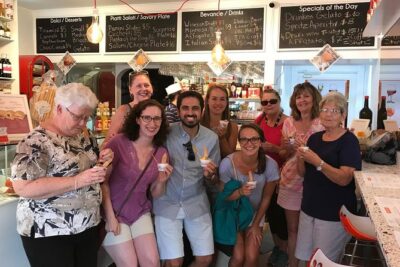
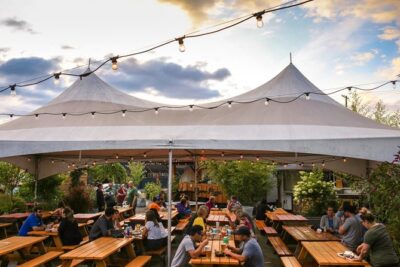
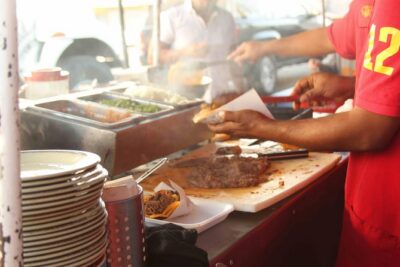
Mexican Street Food: Tijuana Day Trip from San Diego
Read our review →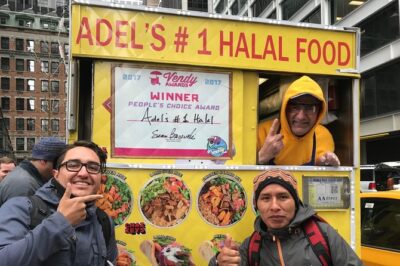

Food Carts of Portland Bike Tour: local flavors and stories
Read our review →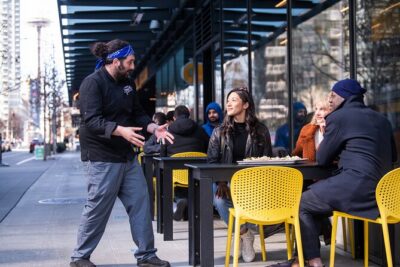
Street Food Tour of South Lake Union- Area of Amazon Spheres
Read our review →
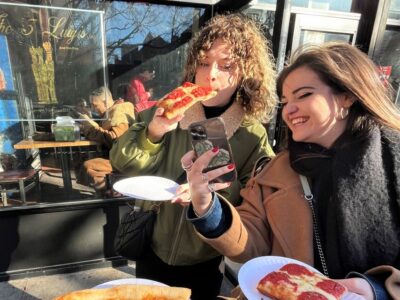
No Diet Club – Best street food tour in Brooklyn ! (NYC)
Read our review →Browse the lists this tour appears in