
REVIEW · USA STREET FOOD TOURS
Little Havana Street Food Tour with Enthusiastic Guide
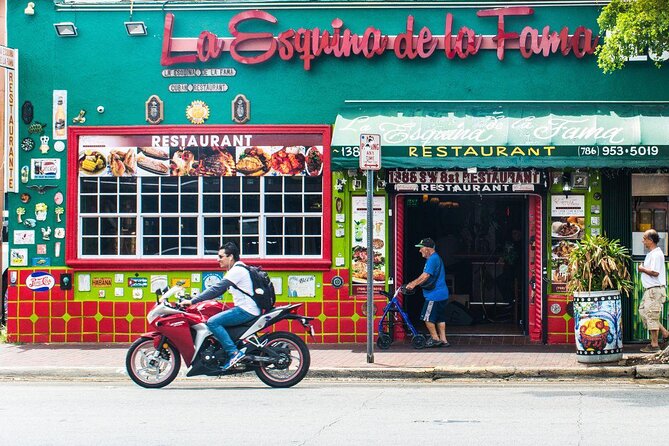
Little Havana is best understood one bite and one conversation at a time. This small-group walk combines Cuban food with local stories, from a family bakery and a neighborhood coffee window to a cigar factory where rollers work by hand. Guides such as Danny and Farouk add plenty of personality.
I especially like the generous food portions, which add up to something close to a full lunch or dinner, and the short walking route, less than a mile. The visits to Casa del Tabaco and the local art gallery also give the tour more substance than a simple restaurant crawl.
The main consideration is that several stops sit along well-known Calle Ocho. If you want obscure addresses and experimental dishes, you may find some locations easy to discover on your own. Also, the tour includes alcohol, dairy, seafood, and wheat, so dietary needs should be discussed when booking.
Key points at a glance
- Five food-tasting stops: Try a Cuban sandwich, beef empanada, seafood, guava and cheese pastry, churros, mojito, sugarcane or mango juice, and Cuban coffee.
- A small group of up to 12: The size makes it easier to hear the guide and ask questions.
- Less than a mile on foot: The route suits older visitors and people who prefer not to walk far.
- Cigar-making up close: Casa del Tabaco lets you watch rollers produce cigars in a family-run shop.
- Cuban culture beyond food: Stops include Domino Park, the Bay of Pigs Monument, Tower Theater, Rooster Alley, and local art shops.
- Good timing for a first Miami day: The tour finishes near the start point and can help you choose where to eat and what to revisit.
Why this Little Havana tour works
This is not just a parade of snacks. The food gives you an easy way into the neighborhood, while the guide explains the people, customs, businesses, and political events that shaped Cuban Miami.
The tour begins at Tumbao, at 1652 SW 8th Street, and ends at Churromania at 1417 SW 8th Street. The finish is about two blocks from the starting point, which makes the route simple to manage by taxi, rideshare, bus, or car.
The advertised time is about two hours and 30 minutes, though some descriptions refer to a three-hour experience. Food is served at several stops rather than in one sitting, and the pace includes short talks at cultural sites. Allow at least three hours so you are not rushing to your next plan.
With a maximum of 12 people, the group is small enough for a personal feel without the price of a private tour. That matters in places such as the cigar shop and Domino Park, where a large crowd could make it hard to see or hear.
More street food tours in the USA:
- Charleston Upper King Street Food Tour
★ 4.5 · 200 reviews - Portland Food Carts, Pods & Patios Tour
★ 5.0 · 166 reviews - Mexican Street Food: Tijuana Day Trip from San Diego
★ 4.5 · 158 reviews
Five food stops that add up to a full meal
The strongest part of this experience is the amount of food. You will not simply receive one sample and then be sent searching for lunch. The tastings are divided among five local food stops, and the total is described as roughly equivalent to a full-size lunch or dinner.
You begin with a mojito from one of the neighborhood’s popular spots. Later, you may receive sugarcane or mango juice, depending on the season and what is available. These drinks help break up the heavier food, though you should remember that the mojito is part of the experience and not an optional extra.
The savory selections include a tapas-size seafood tasting called salpicon de mariscos, a local Miami version of the Cuban sandwich, and a beef empanada from a small neighborhood establishment. The food is varied enough to show several sides of Cuban-American cooking, from crisp pastry to pressed bread and seafood.
The sweet finish brings guava and cheese pastry from a family bakery, followed by a churro. Cuban coffee, served as a colada from a local ventanita, rounds out the stops. A colada is strong and traditionally shared, so do not expect a large mug of mild coffee.
I would schedule this tour in place of lunch, not after it. The portions are intended to fill you up, and the best value comes when you treat the tastings as your main meal.
Starting with art and local family businesses
After the first food tasting, the group visits RC Gallery Miami. The shop features work made by members of the family who run it, including creations by Cuban-born local artist Rafael de Armas.
This stop gives the tour a useful change of pace. You are not only hearing about Cuban culture from a guide. You are also seeing how artists build a life and a business in Miami. The gallery can be a good place to return after the tour if you want a locally made gift rather than a standard souvenir.
The visit is brief, around 10 minutes, so do not expect a full gallery tour or a long art lecture. Its value is in the personal connection and the chance to see a family-run business that you might otherwise pass without noticing.
Big Papa and the story of the guayabera
At the Havana Shirt Store, you meet Big Papa, a familiar local clothing vendor who explains the guayabera. This lightweight shirt is closely tied to Cuban style, and the presentation covers its origins and how people wear it.
This is one of the more colorful stops because it is built around a person, not just an object. Big Papa’s talk gives you a quick look at Cuban-inspired fashion and the way local businesses turn cultural symbols into everyday clothing.
The stop lasts about 10 minutes. You can browse and possibly buy a shirt, but the tour does not require you to purchase anything. If you are looking for a practical Miami souvenir, a guayabera may be more useful than another refrigerator magnet.
Same city, another round of plates:
- New York City Food Cart Walking Tour
★ 5.0 · 68 reviews - Food Carts of Portland Bike Tour: local flavors and stories
★ 5.0 · 67 reviews - Street Food Tour of South Lake Union- Area of Amazon Spheres
★ 5.0 · 60 reviews - The Ultimate New York City Street Food Tour
★ 5.0 · 43 reviews
Casa del Tabaco and the cigar rollers
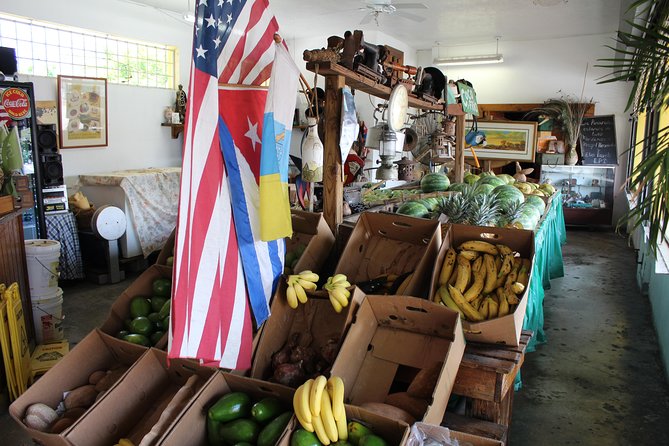
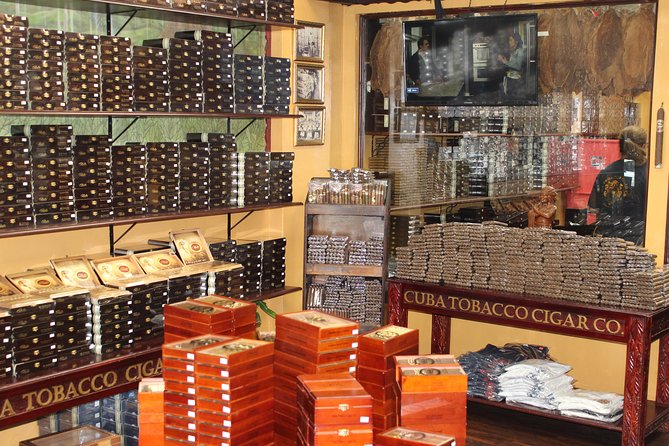
Casa del Tabaco is the clearest hands-on cultural stop. It is a family-owned cigar factory, described as the only lady-owned cigar factory in Little Havana, where the cigars sold in the shop are produced on site.
You can watch cigar rollers make different varieties and take pictures or video. The guide explains the tobacco trade, the role of cigar production in Cuban culture, and how the industry has changed over time. You can also ask how to choose a cigar or shop for gifts.
This stop is especially useful if cigar-making is new to you. The work is done individually and by hand, so the visit shows a real craft rather than a display behind glass. The shop and rollers have also appeared in films and music videos, including work connected with Pitbull.
Allow about 15 minutes. That is enough for an introduction and a look at the rolling tables, but not a long workshop. If you do not smoke, the craftsmanship and conversation still make the stop worthwhile. If you dislike cigar smoke or tobacco shops, this is the part of the route you should consider carefully.
Tower Theater and the changing Calle Ocho
Tower Theater dates from 1926 and is known for its Art Deco design. The group pauses here for about 10 minutes to discuss its place in the neighborhood.
You will not be taking a full theater tour. The stop is mainly an architectural and local-history note, but it helps you see Calle Ocho as more than a row of restaurants and souvenir shops. The building is a reminder that the district has long been a place of entertainment, business, and community life.
The longer walk along Calle Ocho gives that idea more room. Your guide explains the Cuban-American community and the other groups who live and work in the area, along with everyday habits and local rituals. This is where a resident guide can add useful context that a map or self-guided walk may miss.
One point to keep in mind: the food venues are not all far from the main street. If your main goal is to find secret spots far from the tourist route, this tour may feel more central than expected. Its strength is interpretation and access to local personalities, not geographic isolation.
Domino Park and the Bay of Pigs Monument
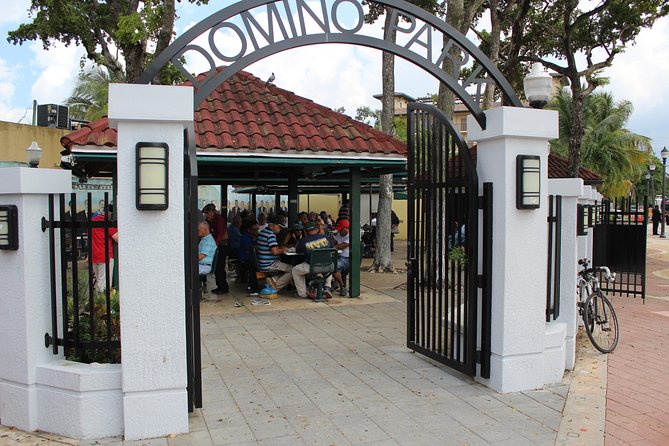
Maximo Gomez Domino Park is one of Little Havana’s best-known meeting places. The guide explains why dominoes matter to the Cuban-American community, and you may see local elders playing the game.
The value of this stop is not simply watching a game. Dominoes are a social ritual, and the park shows how public space can support daily community life. The tour includes the chance to learn about the game and its place in neighborhood culture.
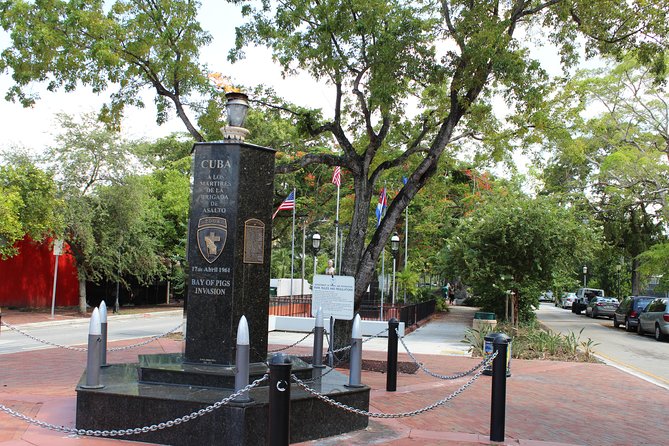
The Bay of Pigs Monument brings a more serious tone. The guide explains the 1961 invasion attempt and the people who fought and died while trying to oppose Castro’s government. You may also encounter veterans in the area, though that cannot be guaranteed on every departure.
This part of the tour is important for understanding why Little Havana carries such strong political memories. It is also a reminder that Cuban history in Miami is not only about food, music, and bright storefronts. The subject can be emotional and political, so expect a direct explanation rather than a light sightseeing stop.
Rooster Alley and local street art
Near the end, the group visits the Havana Rooster area, sometimes called Rooster Alley. Roosters appear throughout Little Havana in paintings and sculptures, and the guide explains their place in Cuban and Latin American culture.
The alley is supported by a local entrepreneur who donated a backyard and passageway for more than 25 artists to decorate. The result is a small public-art setting that feels different from the main commercial strip.
This is a good photo stop, but it is also a useful example of neighborhood improvement coming from local initiative. The visit takes about 10 minutes, so you will see the art without losing too much time from the food stops.
What the guides add
The guide can make or break a walking food tour, and the strongest part of this experience is the human connection. Danny is described as upbeat, conversational, and well informed about the area. Farouk, also spelled Furuk in one account, is described as friendly, entertaining, and closely connected to the neighborhood.
The exact guide may vary by date, but you should expect an English-language tour. Some guides speak intermediate Spanish, though the tour is not conducted in both languages at the same time.
A good guide matters here because the route is compact. You could pass the theater, cigar shop, domino park, and monuments without understanding why they matter. The guide links the food to migration, family businesses, politics, and daily life.
The best feedback centers on the guides’ energy, clear explanations, and ability to connect the group with local people. One useful practical detail is that the tour does not involve much walking, which makes it a sensible choice for older adults and anyone who wants a neighborhood introduction without a long march.
Is $69 a fair price?
At $69 per person, the tour is not the cheapest way to eat in Little Havana. You could order individual snacks along Calle Ocho for less, especially if you already know where to go.
The price becomes easier to justify when you count the included mojito, juice, coffee, seafood, Cuban sandwich, pastry, empanada, and churro. Add the guide, the small group, the cigar-factory visit, and the cultural stops, and the experience functions as both a meal and a neighborhood orientation.
I see the best value for a first visit to Miami. You get a broad sample of Cuban food without ordering full portions at several places, and you can return later to the stops you liked best.
It is less useful if you have already spent several days eating along Calle Ocho or if your priority is a highly specialized culinary tour. The food is designed to introduce you to local staples, not to offer a formal tasting menu or a chef-led analysis.
Practical details before you book
Street parking is available near the starting point and generally costs about $2 per hour through a mobile parking app. Read the signs carefully, and do not use a restaurant’s private parking area. Public buses stop near the meeting point, and taxis or rideshares are also practical.
The tour is suitable for most ages and fitness levels. Wheelchairs and baby strollers can be accommodated, and the walking distance is less than a mile. Some surfaces and business entrances may still require ordinary city-walking care, so contact the operator in advance if you have specific mobility needs.
Vegetarian and dairy-free diets can be accommodated if you note them at checkout. The operator cannot provide a gluten-free menu or accommodate celiac disease. Seafood, dairy, wheat, and alcohol are built into the normal food plan, so ask about substitutions before you arrive.
Bring water, sun protection, and an umbrella if rain is forecast. The tour operates in most weather, though unsafe conditions can lead to a new date or a full refund. Free cancellation is available up to 24 hours before the start time. Inside that window, changes and refunds are not accepted.
Who should book this tour?
I would choose this for first-time Miami visitors, families, couples, and older adults who want food and culture without a long walk. It also works well at the beginning of a trip, since the guide can point you toward other places to eat and revisit.
The tour is a good fit if you want a full meal, local stories, family-run businesses, and a friendly guide in one compact outing. It is particularly useful before a Miami Marlins game because the route is close to LoanDepot Park, and the food may be enough to carry you through the game.
I would hesitate only if you need strict gluten-free food, dislike tobacco settings, or want every tasting to be far off the main street. For everyone else, $69 buys a practical introduction to Little Havana, with enough food to make the walk feel like a meal rather than a sample tray.
FAQ
How much food is included?
The tastings add up to about a full-size lunch or dinner. The food is spread across five local tasting stops and includes a Cuban sandwich, seafood, beef empanada, guava and cheese pastry, churros, Cuban coffee, and drinks.
How much walking is involved?
The route is less than a mile. The stops are close together, so the tour is suitable for people who prefer limited walking.
Where does the tour start and finish?
It starts at Tumbao, 1652 SW 8th Street, Miami. It ends at Churromania Little Havana, 1417 SW 8th Street, about two blocks from the starting point.
Is parking available?
Street parking is available near the departure point and is typically about $2 per hour. Payment is made through a mobile app, and you should follow the current street signs.
Can dietary restrictions be accommodated?
Vegetarian and dairy-free diets can be accommodated if you list them when booking. The operator cannot provide a gluten-free menu or accommodate celiac disease.
Is the tour offered in languages other than English?
The tour is conducted in English. Some guides speak intermediate Spanish, but the same tour is not conducted in both languages at once.
Newly added plates around the USA
- Tampa Riverwalk Street Food by the Bay 3 Hour Walking Food Tour★ 5.0 · 17 reviews
- Downtown Sarasota Street Food -Casual Lunchtime Walking/Food Tour★ 3.5 · 3 reviews
- Street Food Tour of South Lake Union- Area of Amazon Spheres★ 5.0 · 60 reviews
- Tijuana Walking Street Food Tour for Foodies★ 5.0 · 10 reviews
- The Ultimate New York City Street Food Tour★ 5.0 · 43 reviews
- Food Carts of Portland Bike Tour: local flavors and stories★ 5.0 · 67 reviews
- Taste of Little Havana: Miami Cuban Food & Culture Tour★ 5.0 · 3 reviews
- Key West Street Food Private Local Guided Tour★ 3.5 · 2 reviews
USA Street Food Tours, compared.
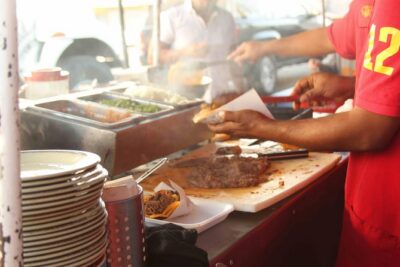
Mexican Street Food: Tijuana Day Trip from San Diego
Read our review →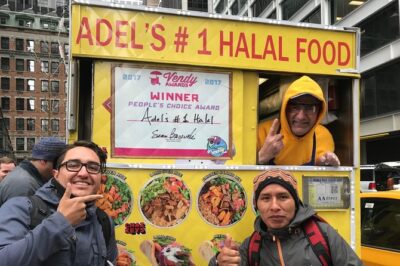

Food Carts of Portland Bike Tour: local flavors and stories
Read our review →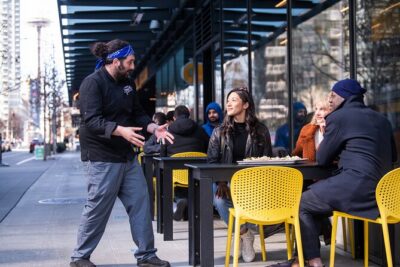
Street Food Tour of South Lake Union- Area of Amazon Spheres
Read our review →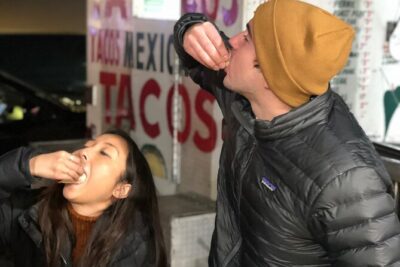
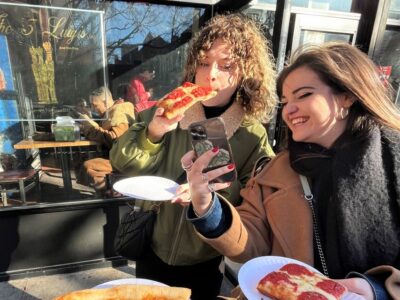
No Diet Club – Best street food tour in Brooklyn ! (NYC)
Read our review →Browse the lists this tour appears in