
REVIEW · BUDAPEST STREET FOOD TOURS
Budapest: Langos Making Class – Nr. 1 Hungarian Street Food
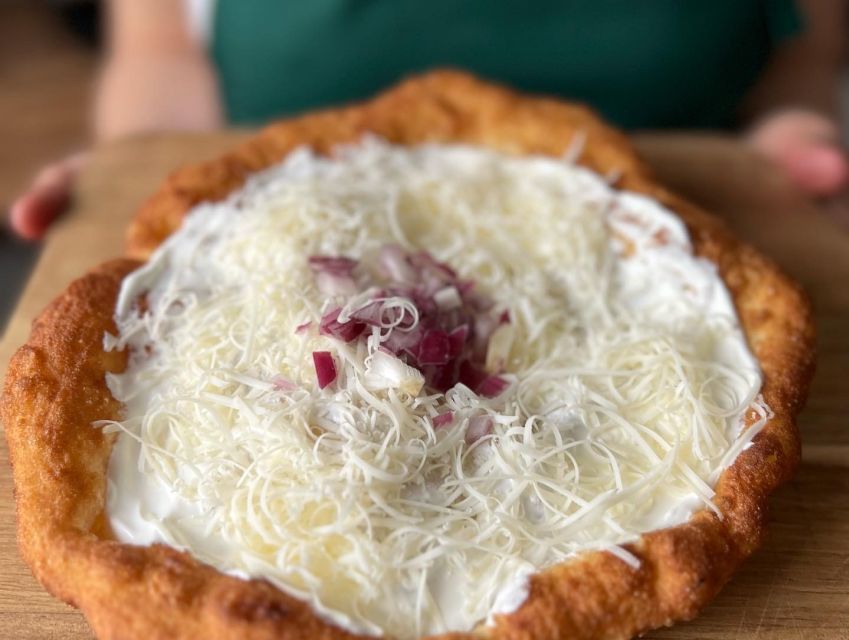
Langos is Budapest’s great edible guilty pleasure: a hot, deep-fried flatbread that comes out crisp, soft, and ready for garlic, sour cream, cheese, bacon, paprika, or red onion. This two-hour cooking class lets you make both classic and potato versions, rather than simply buying one at a market stall.
I like the fully hands-on format and the chance to learn how the dough changes between two recipes. I also like the practical setting near Oktogon Square, with wine, soft drinks, recipes in English, and enough food to make this part meal and part cultural lesson. The main consideration is that the class is not suitable for children under 10, and the English-only format may not suit every group.
Key points at a glance
- Two doughs from scratch: Make both classic and potato langos, then fry them yourself.
- Classic Hungarian toppings: Try combinations such as garlic cream, sour cream, grated cheese, bacon, paprika, and red onion.
- Central Budapest kitchen: The studio is near Oktogon, at the corner of Kiraly and Csengery Street, not in a basement room.
- Food and drinks included: Your price covers two large langos portions with toppings, plus Hungarian wine, soft drinks, or mineral water.
- Useful take-home skills: You receive English recipes and tips for making and serving langos at home.
- Simple booking terms: The class lasts two hours, runs in English, and allows free cancellation up to 24 hours before the start.
Why langos belongs on your Budapest food list
Hungarian food is often associated with heavy stews, paprika, and rich pastries. Langos gives you a quicker, more casual taste of the country. It is a flat piece of dough fried until the outside is crisp, with a tender center that carries toppings well.
The simplest version may be brushed with garlic cream and eaten hot. Sour cream and grated cheese make it richer. Bacon adds salt and smoke, while paprika and red onion give it extra punch. The appeal is not subtle. Langos is warm, filling, inexpensive-looking street food that has become a fixture at festivals and summer events across Hungary.
A class makes sense because the finished food is only half the story. You learn how the dough is prepared, how the potato version differs from the classic dough, and how to fry each piece so it is cooked without becoming greasy or tough. You also hear about customs and different ways of serving it in Hungary.
I would not choose this activity for a formal cooking-school experience. It is more relaxed and focused on one famous dish. That focus is a strength if you want a practical taste of everyday Hungarian food instead of a long menu with several small dishes.
More street food tours in the world:
- Dubai: Old Town, Creek, Museums, Souks, & Street Food Tour
★ 4.8 · 10,816 reviews - Ho Chi Minh City Street Food Tour & Sightseeing By Motorbike
★ 5.0 · 9,413 reviews - Medellin: Comuna 13 Graffiti Tour, Cable Car & Street Food
★ 4.8 · 9,046 reviews
Arriving near Oktogon Square
The kitchen studio is in central Budapest, close to Oktogon Square. Look for the building on the corner of Kiraly and Csengery Street, then use the doorbell when you arrive.
This location is useful for a short activity because you do not need to spend much of your day getting there. The meeting point is a kitchen studio rather than a restaurant or cellar, and the space is described as well equipped and open, not a basement room. That matters when you are working with hot oil, dough, bowls, and cooking equipment.
There is no hotel pickup or drop-off, so you must make your own way to the studio. Build in a little time to find the entrance and ring the bell. The address details are clear, but central Budapest streets can still take a moment to orient yourself.
At the start, you receive an introduction and a welcome drink. The included drinks are Hungarian red or white wine, soft drinks, and mineral water. The wine serving is listed as 1.5 deciliters, with the experience also described as allowing a couple of glasses during the meal. If you do not drink alcohol, the soft drinks and water give you an easy alternative.
Making the classic and potato doughs
The class begins with the dough, and this is where the activity earns its price. You are not watching a demonstration from across the room. You help prepare two kinds of dough from the beginning, one classic and one made with potato.
That comparison gives you something useful to notice. The two versions are not simply different toppings on the same base. They offer a chance to see how an added ingredient changes the feel and finished texture of the bread. The hosts guide you through the steps and explain the ingredients, kitchen methods, and small tricks that help at home.
The recipes are supplied in English, so you are not left trying to remember what happened after the class. That makes the session more than a one-time meal. You can use the instructions later, although your home kitchen will need suitable equipment for frying.
The class also covers different langos dough ideas and restaurant-style serving methods. You may not leave as a professional cook, but you should understand the basic process and the choices involved. For a food class built around one dish, that practical focus is valuable.
One point to keep in mind is the amount of food. You will prepare two large langos portions, not a light tasting plate. If you have a substantial meal shortly before the class, the final eating session may feel heavy.
Choosing toppings beyond garlic cream
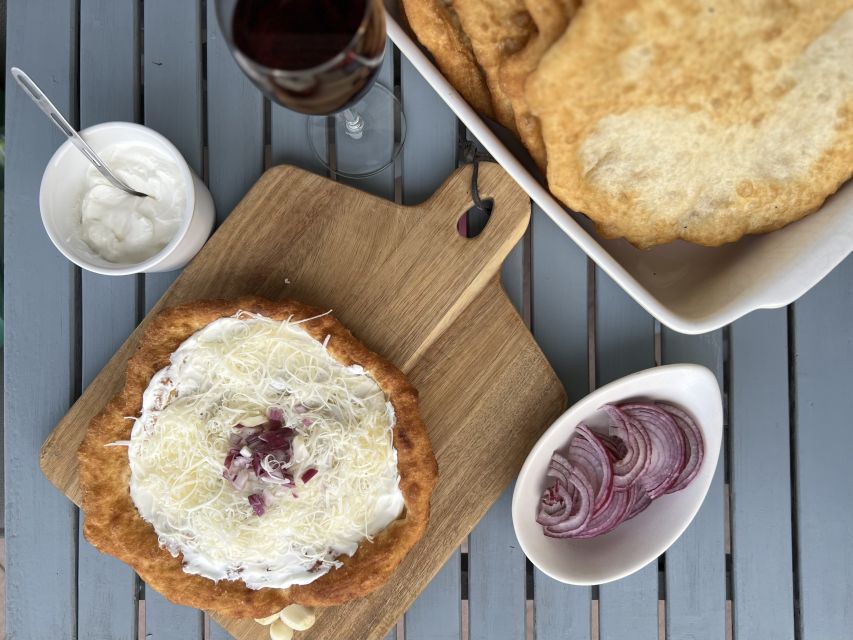
Once the dough is ready, the group prepares the toppings. The familiar starting point is garlic cream, often brushed over the hot langos as soon as it comes out of the oil. Sour cream and grated cheese create the classic creamy combination.
You can also try bacon, different kinds of paprika, and red onion. The class is designed to let you taste several topping styles, so you can compare a plain garlic version with richer or sharper choices. The food becomes a useful introduction to how Hungarian cooks balance salt, fat, heat, and freshness.
The toppings are not just decoration. They show why langos works so well as street food. The flatbread is a sturdy base, and each topping changes the character of the dish without requiring a new cooking method.
The hosts also explain versions and customs connected with langos. This is one of the better parts of the class for anyone who wants context along with lunch. You learn why the dish appears so often at summer events and festivals, and why it remains popular in casual Hungarian eating.
Same city, another round of plates:
- Dubai: Old Town, Souks, Street Food, Guided Tour & Abra Ride
★ 4.9 · 7,170 reviews - Naples: Street Food Walking Tour with Local Guide
★ 4.9 · 4,976 reviews - Small Group Hanoi Street Food Tour with a Real Foodie
★ 5.0 · 4,682 reviews - Rome: Street Food Tour with Local Guide
★ 4.8 · 4,077 reviews
Frying the langos yourself
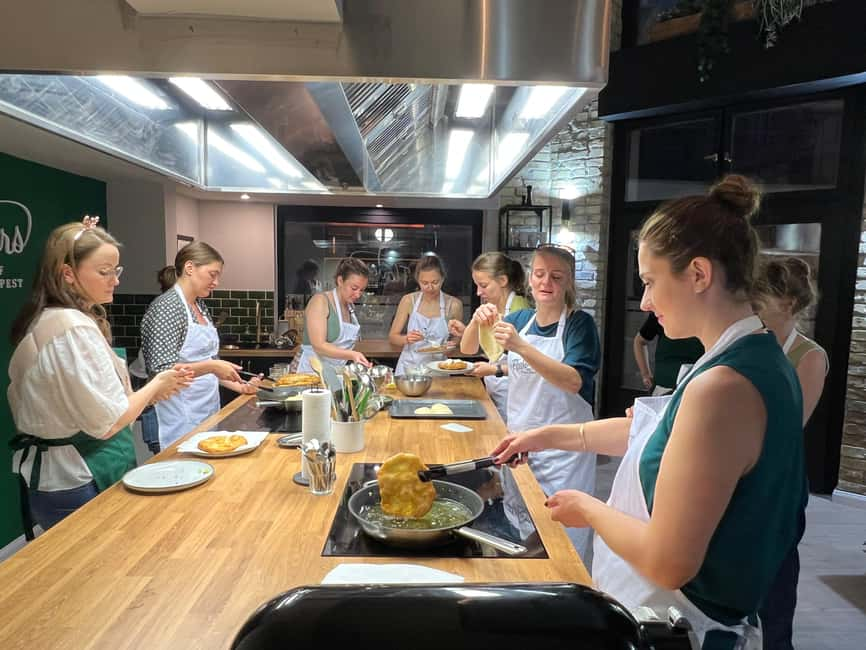
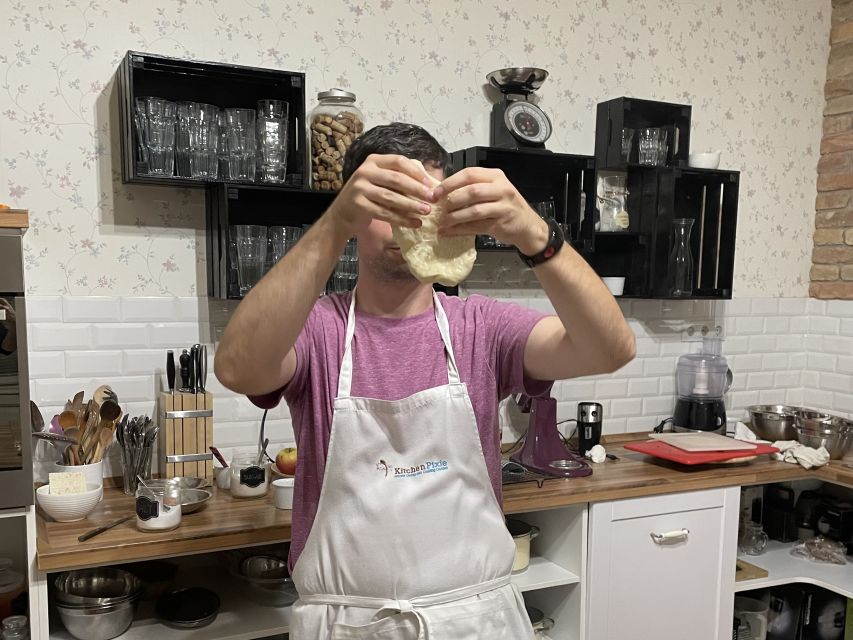
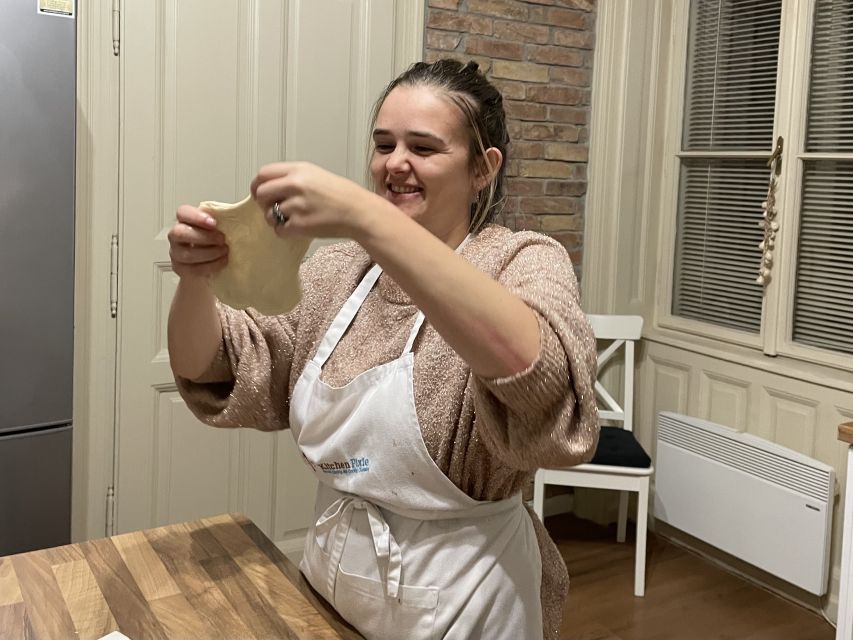
The most satisfying stage is frying. You shape the dough, place it into the hot oil with guidance, and watch it change into a crisp flatbread. The goal is a browned exterior with a soft middle, and timing matters.
This is also the point where the class offers something a restaurant cannot. At a food stall, you receive the finished item. Here, you see the process and can ask questions while you work. The hosts provide the pots, equipment, apron, ingredients, and kitchen help, so you do not need to bring anything for the cooking itself.
Hot oil always deserves attention. Follow the instructions closely and expect the hosts to guide the frying stage. The activity is not presented as suitable for young children, and the stated age limit is 10 and older. That makes sense for a class involving hot equipment and active food preparation.
After frying the classic version, you also prepare the potato langos. Having both types side by side is a useful way to judge texture, flavor, and topping choices while everything is fresh.
Eating together with Hungarian wine
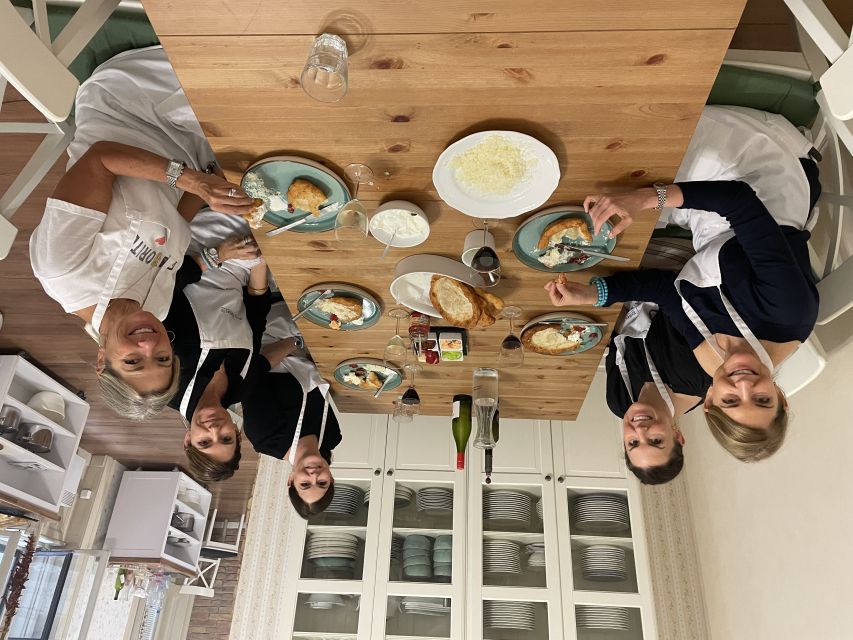
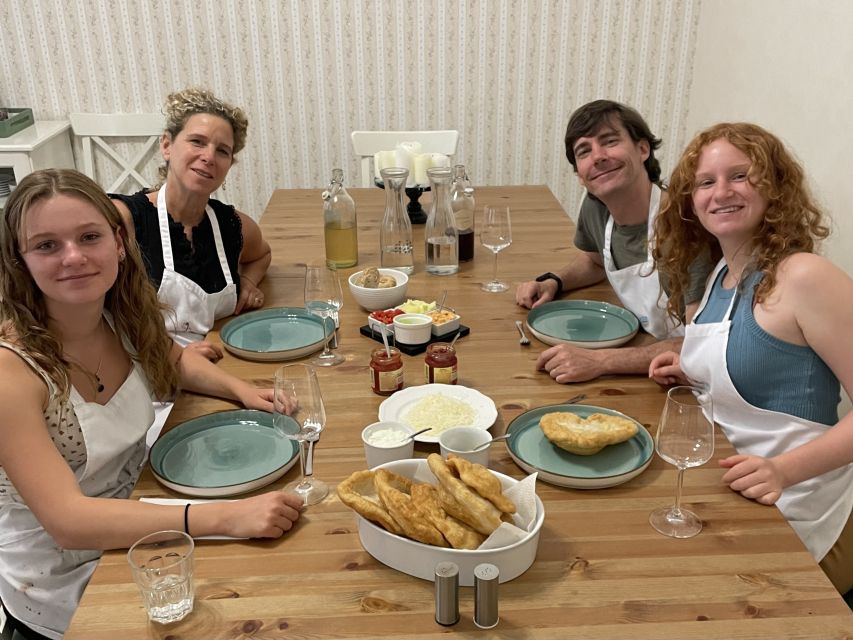
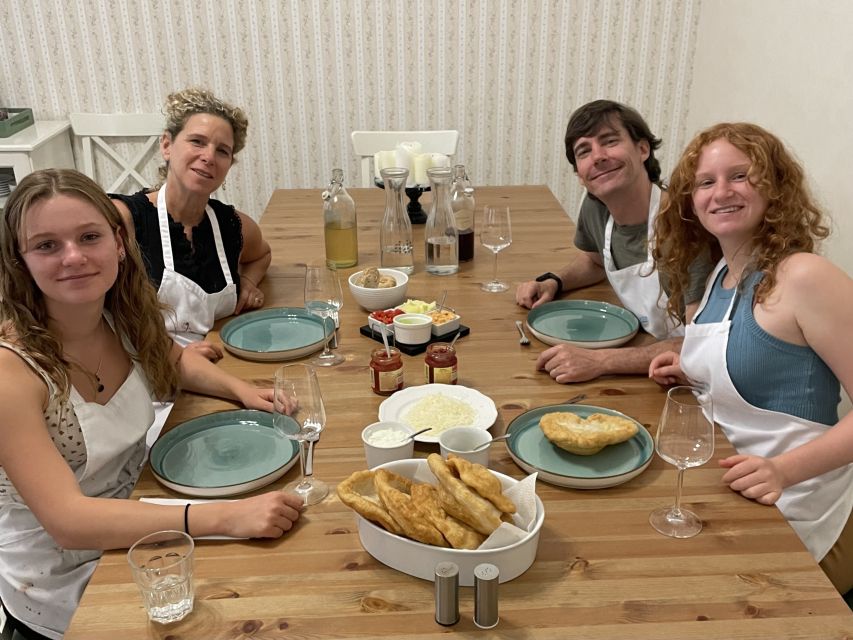
The final stage is simple: sit down and eat what you made. You receive two kinds of large langos with different toppings, along with the included drinks.
This shared meal gives the class a social finish without turning it into a long evening event. The full duration is about two hours, so the pace should suit you if you want an activity that fits between sightseeing plans. It is long enough to cook properly, but short enough to leave room for another part of Budapest.
The food also has real meal value. At $81 per person, the price is higher than buying one langos from a street vendor. You are paying for the kitchen space, ingredients, equipment, instruction, recipes, drinks, and the chance to make two doughs yourself. If you only want to taste langos, a market or festival stall will cost less. If you want a guided activity that combines food, stories, and a full meal, the price is easier to justify.
I would especially consider this class for a couple, a small group of friends, or a parent with an older child. The hands-on work gives everyone something to do, and the shared eating makes the experience feel more personal than a standard restaurant stop.
How the class handles the Budapest food story
The food itself is the star, but the conversation around it helps you place langos in Hungarian life. You hear about local ingredients, different versions, serving habits, and customs linked to the dish.
That information is useful because langos can seem simple at first glance. It is only dough, oil, and toppings. The stories explain why such a basic food has a strong place in Hungarian summer culture and festival eating.
The English-speaking hosts also provide kitchen tips and tricks. The available information does not give the hosts’ names, so I would not book this expecting a named celebrity chef or a formal culinary lecture. Expect a focused class led in English by the Cooking Hungary team, with practical guidance rather than a polished stage performance.
The setup has received particularly strong praise for its organization, presentation, and kitchen environment. That suggests the class is a good choice if you care about a clean, prepared setting and a clear sequence from welcome drink to final meal.
What to know before you book
The class is offered in English. If everyone in your group is comfortable following instructions and asking questions in English, that should make the cooking process straightforward. No other teaching language is listed.
Children under 10 cannot join. For older children, the activity may be appealing because it involves mixing, shaping, topping, and eating, but the hot oil means close attention is needed.
The experience is held indoors in a kitchen studio, so it can fit well into a Budapest plan in any season. Langos is especially tied to summer and festivals, but learning to make it indoors gives you a way to connect with that food tradition outside festival time.
You can cancel for a full refund up to 24 hours before the activity. You can also reserve now and pay later, which helps if your Budapest schedule is still changing. These terms are useful, but the bigger decision is simple: do you want to spend two hours actively cooking, or would you rather keep your food stops spontaneous?
Is the $81 price worth it?
For a quick snack, no. Langos bought from a casual food stand will be far cheaper, and you will not need to commit two hours of your day.
For a cooking activity, the calculation is different. The price includes all ingredients, equipment, an apron, instruction, two dough recipes, several toppings, two large finished langos, and drinks. You also get the English recipes and cooking advice to take home.
The strongest value comes from the comparison between classic and potato langos. You are not making one item and watching someone else do the rest. You take part from dough preparation through frying, then eat the results while the process is still fresh in your mind.
I would call it fair value for someone who enjoys food classes and wants a central, well-organized activity. It is less suitable for a budget-focused visitor who only wants to sample Hungarian street food.
Who should book this langos class?
Book it if you want to understand one of Hungary’s most common casual foods by making it yourself. It is also a good fit if you enjoy social cooking, want a substantial meal during an activity, or need a two-hour plan near central Budapest.
The class is particularly useful for first-time visitors who want a taste of local food without committing to a full Hungarian cooking course. You get one clear subject, two dough styles, multiple toppings, drinks, and background about customs.
Skip it if you dislike fried food, prefer a quiet meal, need a class in a language other than English, or are traveling with a child under 10. You should also choose a cheaper food stop if your main goal is simply to eat langos.
FAQ
How long does the langos cooking class last?
The class lasts two hours.
Where does the class meet?
It meets at a kitchen studio in central Budapest near Oktogon Square, in the building on the corner of Kiraly and Csengery Street. Use the doorbell when you arrive.
What kinds of langos will I make?
You will prepare two kinds of dough from scratch: classic langos and potato langos.
Are food and drinks included?
Yes. The activity includes two large langos with different toppings, plus 1.5 deciliters of Hungarian red or white wine, soft drinks, and mineral water.
Is the class taught in English?
Yes. The listed instruction language is English, and English recipes are provided.
Can children join the class?
Children under 10 are not suitable for this activity. The stated minimum age is 10.
Should you book it?
I would book this class if you want more than a quick bite and like the idea of learning through food. The combination of two doughs, hands-on frying, classic toppings, drinks, and local food customs gives you a clear sense of what makes langos such a lasting part of Hungarian street eating.
The best reason to go is the practical format. You make the food, eat it fresh, and leave with recipes and a better feel for the dish. Just remember that $81 is the price of a cooking experience and meal, not a cheap street-food snack.
Newly added plates around the world
- Zanzibar:Stone town Street food market walking tour,transfer★ 4.5 · 9 reviews
- Zanzibar: Stone town visit, Shopping tour &Night food Market★ 4.4 · 2 reviews
- Xi’an Muslim Quarter Night Market Foodie Walking Tour★ 4.2 · 22 reviews
- Xi’an: Gourmet & Street Food Tour★ 4.8 · 22 reviews
- Zanzibar: Stone town tour, Prison island & night food market★ 4.5 · 2 reviews
- Vienna Food Tour: Dishes, Wine, Street Food & Culture★ 4.7 · 12 reviews
- Verona: Street Food and History Tour with Local Guide★ 4.7 · 6 reviews
- Verona: City Highlights & Street Food Walking Tour★ 5.0 · 3 reviews
Budapest Street Food Tours, compared.
Budapest Centre Food Tour with 10+ Tastings, Wine & Street Food
Read our review →
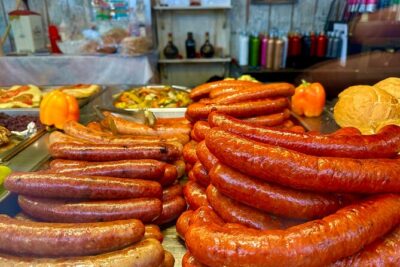
Budapest Street Food Tour with Local Snacks, Dessert and Beer
Read our review →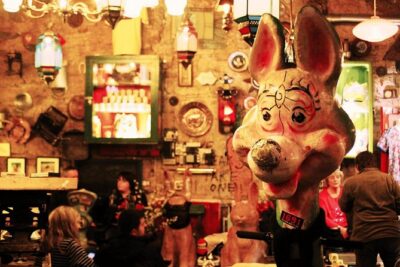
Budapest Ruin Bars Evening Walking Tour with Drinks & Street Food
Read our review →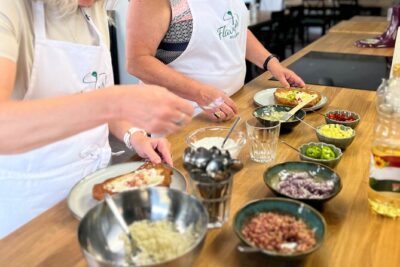
Hungarian Langos Making Class: The No. 1 Street Food in Hungary
Read our review →
Budapest Bites: A street food adventure (3 iconic dishes)
Read our review →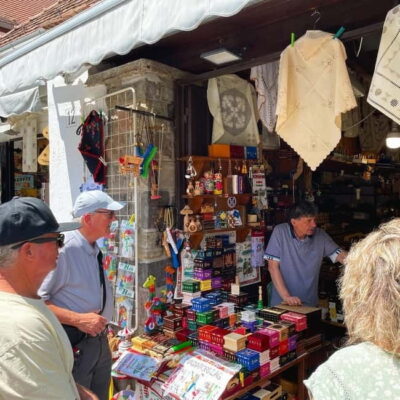

Private Budapest Street Food Tour with Snacks Dessert and Beer
Read our review →Browse the lists this tour appears in