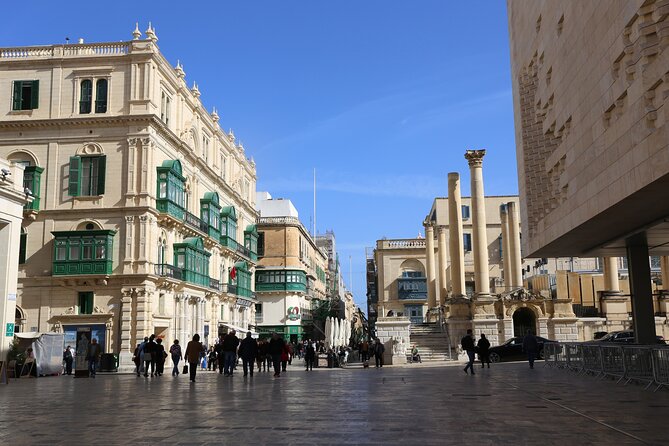
REVIEW · TOURS
The Valletta Street Food and Culture Walking Tour
Valletta’s best introduction may be eaten one small plate at a time. This three-hour walk links Maltese street food with the city’s squares, old buildings, and stories, so you get your bearings while trying pastizzi, ftira, Kinnie, spiced coffee, sweets, beer, and a traditional main dish.
I like the generous amount of food and the relaxed pace. I also like the practical meeting point at the New Parliament Building, the small group limit of 16, and the audio headsets used on some tours so you can hear guides such as Ernest, Marisa, Nadine, or Charlotte without crowding around them. The main drawback is that this is not a good fit for vegans or people with gluten intolerance, and you should expect plenty of walking and steps.
Key points to know before booking
- Arrive hungry: The tastings add up to more than a light snack and can replace lunch for many people.
- Start at 9:30 am: You meet outside the New Parliament Building at the entrance to Valletta.
- Expect Maltese classics: Pastizzi, ftira, Kinnie, Mqaret or another seasonal sweet, Cisk lager, and a traditional dish are part of the food trail.
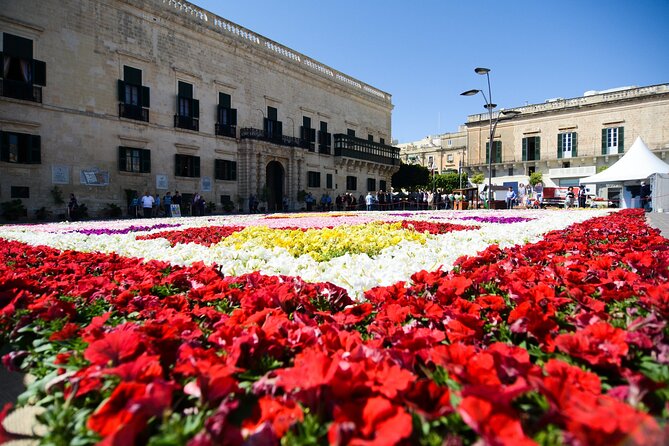
- History comes with every stop: The walk covers Castille Square, Auberge d’Italie, Merchant Street Market, St. George’s Square, and other central sights.
- Groups stay fairly small: A maximum of 16 people makes it easier to hear the guide and ask questions.
- Plan the rest of your day: The tour lasts about three hours and ends in central Valletta, close to other sights and services.
A food-first introduction to Valletta
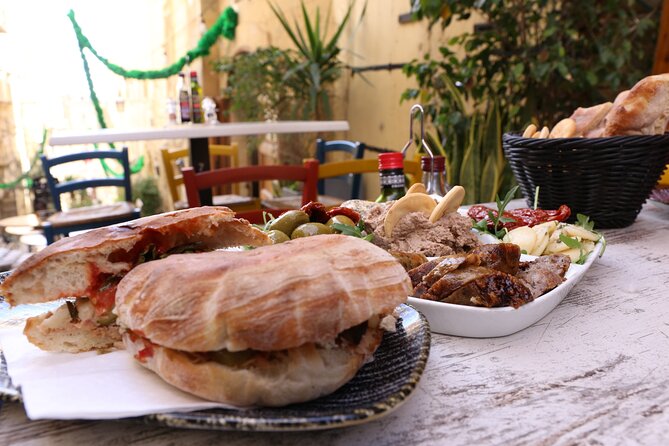
This tour works because it does not treat food and sightseeing as two separate jobs. You walk through Valletta while learning how Malta’s location and past shaped its cooking. At one stop you may be hearing about a landmark; minutes later, you are holding a warm pastry or tasting a local drink.
The price is $66.51 per person. That is not the cheapest way to eat breakfast in Valletta, but the cost covers several food stops, a licensed guide, local drinks, beer, and a guided look at the city. If you paid separately for a filling lunch, drinks, snacks, and a private history walk, the total could easily approach the tour price.
I see this as a good value for your first morning in Malta. It gives you a useful overview without taking the whole day. You can still visit museums, churches, and viewpoints afterward, since entrance fees are not part of the tour.
The walk is offered in English. Confirmation arrives when you book, and the tour is usually arranged well ahead of time, with an average booking point of about 38 days before departure. That suggests you should not leave it until the last minute if your Malta dates are fixed.
More street food tours in the world:
- Dubai: Old Town, Creek, Museums, Souks, & Street Food Tour
★ 4.8 · 10,816 reviews - Ho Chi Minh City Street Food Tour & Sightseeing By Motorbike
★ 5.0 · 9,413 reviews - Medellin: Comuna 13 Graffiti Tour, Cable Car & Street Food
★ 4.8 · 9,046 reviews
Meeting your guide at the New Parliament Building
The starting point is easy to locate: meet at 9:30 am in front of the New Parliament Building on Republic Street, at the entrance to Valletta. This is more useful than a vague meeting point on a side lane, especially if you are still learning the city.
The guide begins with an introduction to Valletta before leading you into the food stops. Guides vary, but the names attached to this experience include Ernest, Marisa, Nadine, Charlotte, and Mariella. The strongest part of the guiding is the link between what you are eating and what you are seeing.
Ernest is described as relaxed, clear, and good at explaining how Maltese food connects with the island’s culture. Marisa brings an energetic approach and, at times, family stories that make the past feel personal. Nadine has also helped with practical matters such as taxi arrangements. Your experience will depend partly on who leads the group that morning, but the format allows room for questions and conversation.
You are not joining a silent tasting circuit. The guide talks as you walk, explains local customs, and points out the importance of central buildings and streets. Some guides use headsets, which is a welcome touch in a group. You can listen while walking instead of pressing close to the guide every time the group stops.
Pastizzi: the right way to begin
The first taste is pastizzi, Malta’s famous savory pastry. It is a small, inexpensive snack with a flaky shell and a filling, often mushy peas or ricotta. The tour uses it as an opening lesson in Maltese street food, and it is a smart choice because it is simple, familiar, and strongly tied to everyday eating on the island.
One useful detail is that you may try the pea-filled version rather than only the better-known ricotta style. If you have never tasted pastizzi before, pay attention to the contrast between the crisp pastry and soft filling. It is the sort of food that makes more sense when eaten fresh rather than explained in a brochure.
This first stop is listed at about 30 minutes, including the guide’s introduction and the start of the city walk. You will not spend the entire time eating. Much of the value comes from hearing how ordinary snacks fit into Maltese life.
Castille Square and Auberge d’Italie
The next section moves through central Valletta, including Castille Square and Auberge d’Italie. Here, food becomes an excuse to get oriented. The guide brings together architecture, the city’s past, and the ingredients appearing on your plate.
The pace is one of the tour’s strengths. You are not rushed from one tasting to another, yet the morning keeps moving. A 40-minute section gives the guide enough time to explain the sights without turning the walk into a long formal lecture.
This is also where you should listen for the parts of Malta’s story that explain its food culture. The island’s cooking reflects outside influences, local farming, trade, religion, and daily life. You will not become an expert in three hours, but you will have a better idea why Maltese dishes do not fit neatly into one national style.
Same city, another round of plates:
- Dubai: Old Town, Souks, Street Food, Guided Tour & Abra Ride
★ 4.9 · 7,170 reviews - Naples: Street Food Walking Tour with Local Guide
★ 4.9 · 4,976 reviews - Small Group Hanoi Street Food Tour with a Real Foodie
★ 5.0 · 4,682 reviews - Rome: Street Food Tour with Local Guide
★ 4.8 · 4,077 reviews
Ftira and Kinnie at Merchant Street Market
At Merchant Street Market, the focus shifts to ftira, a Maltese flatbread filled with Mediterranean ingredients. This is a more substantial bite than pastizzi, and it helps explain why the tour can leave you too full for lunch.
The ftira stop is paired with Kinnie, Malta’s distinctive bitter-sweet soft drink. Its herbal and citrus character is different from ordinary soda, so this is a good moment to try something you might not order on your own. You may like it immediately, or you may need a few sips to understand it. Either response is useful. Food tours should give you room to test unfamiliar flavors without committing to a full meal.
The stop lasts about 40 minutes and takes place as you continue through the old center. A practical point: the tour is not only about sampling. You will be standing, walking, and listening between bites. Wear comfortable shoes, especially since the route includes steps and sloping streets.
Spiced coffee and a Maltese sweet
The coffee stop looks small on paper, but it adds an important piece to the morning. You learn about the Maltese style of spiced coffee and sample Mqaret, a date sweet flavored with cinnamon and orange blossom water, or another seasonal sweet.
Mqaret gives you a different taste from the savory pastries and bread. The dates bring a dense sweetness, while the spices and orange blossom add a more perfumed note. Some tours serve the sweet earlier than the final savory course, which may feel out of order if you prefer dessert last. It is a minor issue, but worth knowing if the sequence of a meal matters to you.
This 30-minute stop also shows how the tour keeps changing texture and flavor. You are not eating five versions of the same snack. The morning moves from pastry to bread, from soda to coffee, then toward a fuller restaurant meal.
The final restaurant plate and Cisk beer
The tour ends at a local restaurant in central Valletta. Here you receive a local platter or tapas-style selection, a glass of Cisk lager, and one traditional dish. The exact food varies by day, but it may include ravioli or rabbit.
Rabbit matters in Maltese cooking, and trying it is one of the clearest ways to move beyond tourist-standard pasta and pizza. One popular preparation is braised rabbit, but the supplied menu information allows for variation, so you should listen to the guide for the day’s actual selection.
The final course is why I advise you to skip a large breakfast. The combined tastings can amount to more than a full meal. If you are planning a restaurant lunch immediately afterward, you may find yourself carrying it into the evening instead.
The restaurant setting also gives the tour a different feel from the earlier street stops. You can sit down, finish with a drink, and ask questions before the walk ends. The finish is at St. George’s Square on Republic Street, close to central amenities and the main square.
How the history and food work together
The tour is at its best when the guide connects a dish to a place or custom rather than reciting dates. You may hear about the Knights, Valletta’s buildings, Maltese coffee, family food traditions, and the cultural influences that shaped the island’s kitchen.
Guide style can affect the experience. Most of the comments about the guides point to clear explanations, a friendly manner, and strong local knowledge. One guide was considered too opinionated in discussing the Knights, presenting them in a strongly negative way. If you prefer a strictly neutral historical account, remember that a walking tour includes a person’s interpretation, not only established facts.
That said, personal stories can be an asset. Marisa has used family memories to bring Maltese customs to life, while other guides have focused on how ingredients and traditions connect with Valletta today. I prefer this kind of human detail to a list of dates, as long as the guide makes clear when a point is personal opinion.
Group size, pace, and practical comfort
The maximum group size is 16. That is small enough to keep the group together on Valletta’s streets and large enough to keep the price below a private tour. The use of headsets on some departures is especially helpful for older participants or anyone who dislikes squeezing into a tight circle around a guide.
Most people can take part, and service animals are allowed. The tour operates near public transportation, though no specific transport route is supplied. The meeting and ending points are both in Valletta, so you should arrange your own way to the start.
Children up to age five may join without paying, but no food is provided for non-paying children. If a child is likely to want the tastings, include that child as a paying participant.
Diet matters here. The tour is not recommended for a vegan diet or gluten intolerance. You should tell the operator about dietary needs before the tour, but you should not assume that every tasting can be replaced. Anyone with a serious allergy should ask specific questions before booking.
Is $66.51 a fair price?
I think the price makes sense if you want a useful first look at Valletta and would otherwise pay for several snacks, drinks, and lunch. You are also paying for timing and coordination. The guide keeps the group moving, chooses the food sequence, explains the city, and ends you near other attractions.
The value is weaker if you only want a quick snack crawl or already know Valletta well. It is also not a good purchase for someone who cannot eat the main foods offered. Since museum and church entrance fees are excluded, you should budget separately if you plan to enter major sights afterward.
The tour is recommended by 97 percent of participants and carries a 4.9 rating from 711 ratings. Those numbers point to a reliable format, but they do not remove the need to check your dietary needs, walking comfort, and appetite. The experience is strongest when you want both food and context.
Who should book it?
I would book this for a first or second morning in Malta. You get a city orientation, enough food to count as lunch for many people, and a free afternoon for the Grand Harbour, museums, churches, or further wandering.
It suits couples, families with older children, solo visitors, and mixed-age groups who want an easy pace. The small group and headset option help people who worry about missing the guide’s explanations.
I would skip it if you want a private experience, dislike group schedules, need strict vegan or gluten-free food, or prefer to spend three hours inside museums. I would also avoid booking it on a day when you have a tight afternoon appointment, since walking, tasting, and conversation can run to about three and a half hours.
For everyone else, this is a sensible way to meet Valletta through its everyday foods rather than only its grand buildings. Book it early if your dates are fixed, arrive at the New Parliament Building before 9:30 am, and come hungry.
FAQ
How long is the Valletta Street Food and Culture Walking Tour?
The tour lasts approximately three hours, although some departures may run to about three and a half hours.
What time does the tour begin?
It begins at 9:30 am.
Where does the tour start?
Meet your guide in front of the New Parliament Building on Republic Street, at the entrance to Valletta, Malta.
Where does the tour end?
The tour ends at St. George’s Square on Republic Street in central Valletta, close to the main square and local amenities.
What foods and drinks are included?
Included tastings are local specialties, pastizzi, ftira, Kinnie, a Maltese sweet such as Mqaret or another seasonal treat, a local platter, Cisk lager, and one traditional dish. The main dish may include ravioli or rabbit, and selections vary by day.
Are entrance fees included?
No. Entrance fees to museums or churches are not included.
Is the tour suitable for vegans or people with gluten intolerance?
It is not recommended for clients on a vegan diet or for people with gluten intolerance. You should notify the operator about dietary needs before the tour.
Can children join the tour for free?
Children up to age five can join for free, but food is not provided for non-paying children.
What is the cancellation policy?
You can cancel at least 24 hours before the start time for a full refund. Cancellations or changes made less than 24 hours before the start time are not refunded or accepted. If the operator cancels because the minimum number of participants is not reached, you will be offered another date or experience, or a full refund.
Newly added plates around the world
- Zanzibar:Stone town Street food market walking tour,transfer★ 4.5 · 9 reviews
- Zanzibar: Stone town visit, Shopping tour &Night food Market★ 4.4 · 2 reviews
- Xi’an Muslim Quarter Night Market Foodie Walking Tour★ 4.2 · 22 reviews
- Xi’an: Gourmet & Street Food Tour★ 4.8 · 22 reviews
- Zanzibar: Stone town tour, Prison island & night food market★ 4.5 · 2 reviews
- Verona: Street Food and History Tour with Local Guide★ 4.7 · 6 reviews
- Vienna Food Tour: Dishes, Wine, Street Food & Culture★ 4.7 · 12 reviews
- Verona: City Highlights & Street Food Walking Tour★ 5.0 · 3 reviews
Tours, compared.
Old Town, Creek, Museums, Souks, & Street Food Tour
Read our review →
Ho Chi Minh City Street Food Tour & Sightseeing By Motorbike
Read our review →
Comuna 13 Graffiti Tour, Cable Car & Street Food
Read our review →
Old Town, Souks, Street Food, Guided Tour & Abra Ride
Read our review →
Small Group Hanoi Street Food Tour with a Real Foodie
Read our review →
Private Street Food Tour by Motorbike/Car with Local Students
Read our review →