
REVIEW · ROME STREET FOOD TOURS
Testaccio Experience: Street Food, Market and Traditions
Testaccio is where Rome gets wonderfully specific. This 3.5-hour walk skips the usual pizza, gelato, and pasta routine at first, sending you instead toward maritozzo, tripe, polpette di lesso, supplì, and Lazio cheese. You eat what Romans eat, in a working market district, with food and drinks sourced from Rome and the surrounding region.
I like the small group of no more than 10 and the clear local focus. I also like the way the guide connects each bite to daily life, football, family habits, and the story of Testaccio. The main catch is simple: this is street food, not a restaurant crawl. Seating is limited, the walking is on foot, and the tour is not suitable for vegans, people with several food intolerances, or very picky eaters.
Key points at a glance

- Maritozzo starts the morning or afternoon with a classic Roman sweet, served near Trastevere train station.
- Testaccio Market provides the center of the experience, with local stalls, food sellers, and recipes rarely found on standard Rome menus.
- You taste more than eight Roman and Lazio specialties, including tripe, fried supplì, regional cheese, polpette di lesso, pasta, and seasonal dessert.
- Three wine tastings come from the Rome region, with stories about the producers and foods served.
- The pasta course is a proper sit-down meal, although the overall tour still focuses on stalls, bakeries, delis, and food counters.
- A small English-speaking group keeps the pace personal, but start times should be checked carefully because one booking had a 10:00 versus 10:30 discrepancy.
Why Testaccio is the right place for a food walk
Rome has no shortage of food tours. Many repeat the same safe list: pizza, gelato, carbonara, and a quick coffee. Testaccio gives you a different angle. This neighborhood is tied to ordinary Roman life, local shopping, working food stalls, and recipes that do not always travel well beyond Lazio.
That matters because food here is not treated as a collection of photo stops. You taste several dishes that make more sense once you hear where they came from and how Romans eat them. The guide talks about local customs, family food, football passion, and the rhythm of daily life. You get a better feel for Rome by eating its less polished foods.
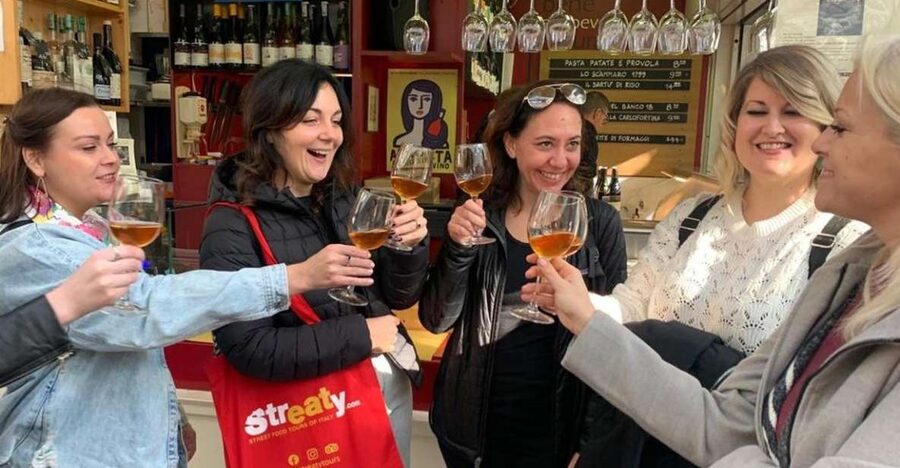
The tour begins at Piazza Flavio Biondo, number 7, near Trastevere train station. Look for a guide carrying a red Streaty bag. The listed route then moves into Testaccio, finishing at Piazza Vittorio Bottego, although the meeting details also describe the activity as ending back at the meeting point. I would confirm the final route when booking, especially if you have a tight schedule afterward.
More street food tours in Rome:
- Rome: Street Food Tour with Local Guide
★ 4.8 · 4,077 reviews - Rome: Trastevere & Campo de Fiori Street Food Walking Tour
★ 4.9 · 2,768 reviews - Rome Street Food Tour with Local Guide
★ 5.0 · 2,361 reviews
A sweet Roman start with maritozzo
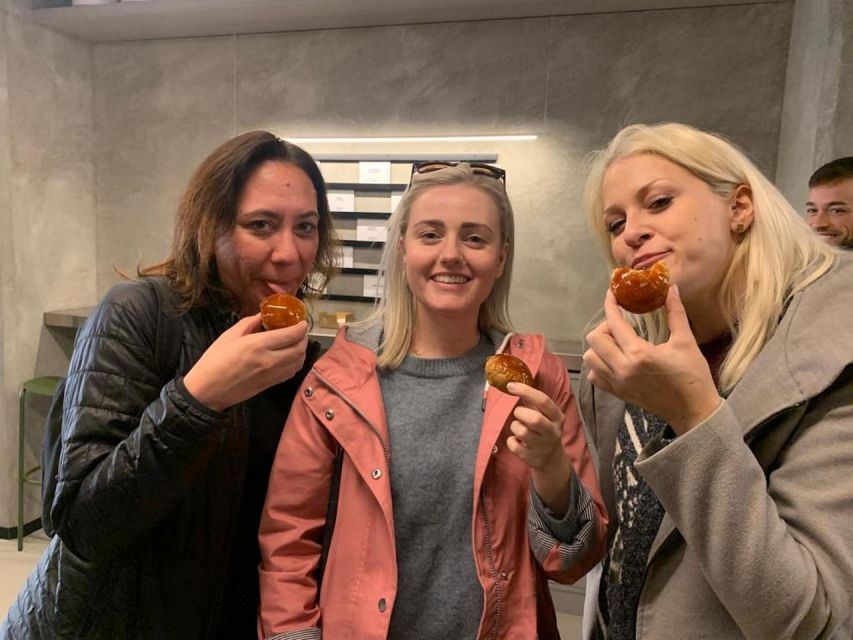
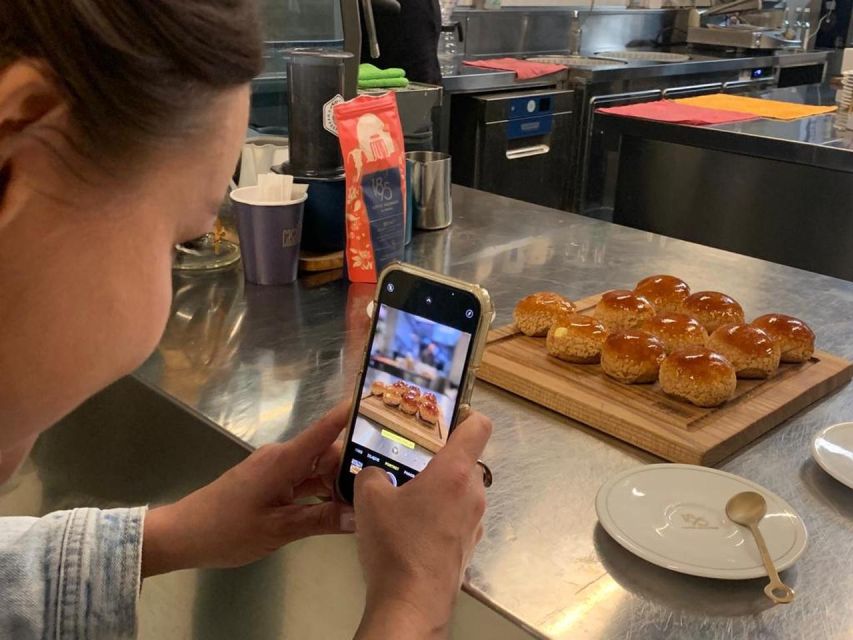
The opening bite is a maritozzo, a soft Roman sweet traditionally associated with breakfast. You receive it at a café selected by the Streaty team near the starting point. This is a smart beginning because it gives the group time to meet before the walking and tasting begin.
The guide also uses this first stop to learn about the people in the group. That personal start can make a difference on a small tour. Marica, one of the guides connected with this experience, was ready at the scheduled time despite a timing error in the booking details. Manuela is another guide named in the feedback, and she was praised for making the cultural explanations easy to follow and helping the group feel comfortable.
Do not treat the maritozzo as a token snack. It is the first example of the tour’s main idea: Roman food is often simple, filling, and tied to a particular time of day. It also gives you an early taste of the regional rule that runs through the whole walk. The food and drinks are meant to come from Rome or Lazio, not from a general Italian menu.
Walking into the Testaccio Market
After breakfast, you walk toward Testaccio Market. The walk is described as manageable rather than strenuous, but this is still a walking tour, and the route includes several stops around the market. People with back problems, mobility impairments, or wheelchair users should choose another activity.
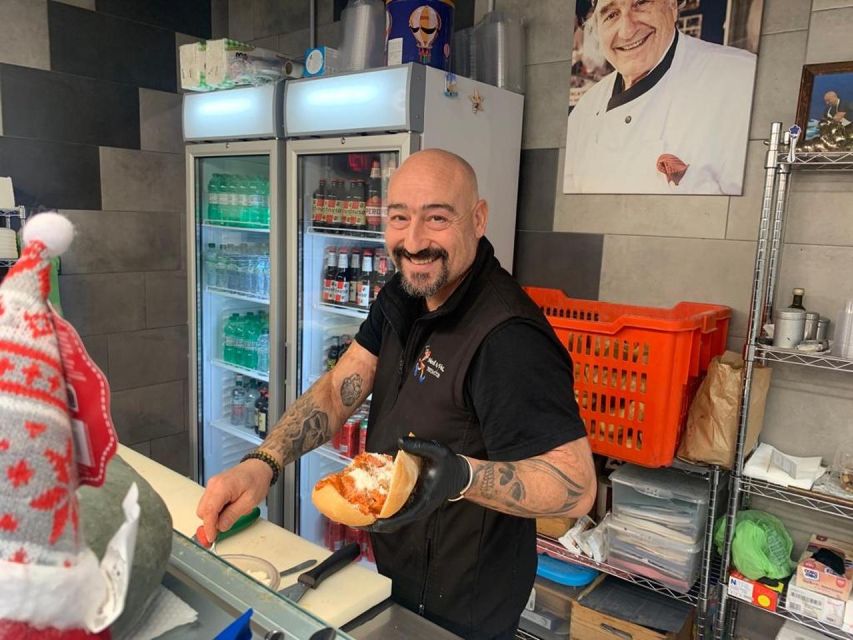
The market is the heart of the tour. You spend about an hour visiting the stalls and learning how the area works. This is more useful than a quick pass through a market with no explanation. You can see where locals shop, meet food sellers, and connect dishes on your plate with the people who prepare or sell them.
The first market tastings include foods that many visitors will not encounter on a standard Rome itinerary. One example is polpetta di lesso, a meatball made with boiled meat. Another is Roman tripe, a traditional dish with a firm place in the city’s food culture. These are not designed for cautious nibbling, and the tour openly warns that it is a poor match for picky eaters or anyone following a low-carb diet.
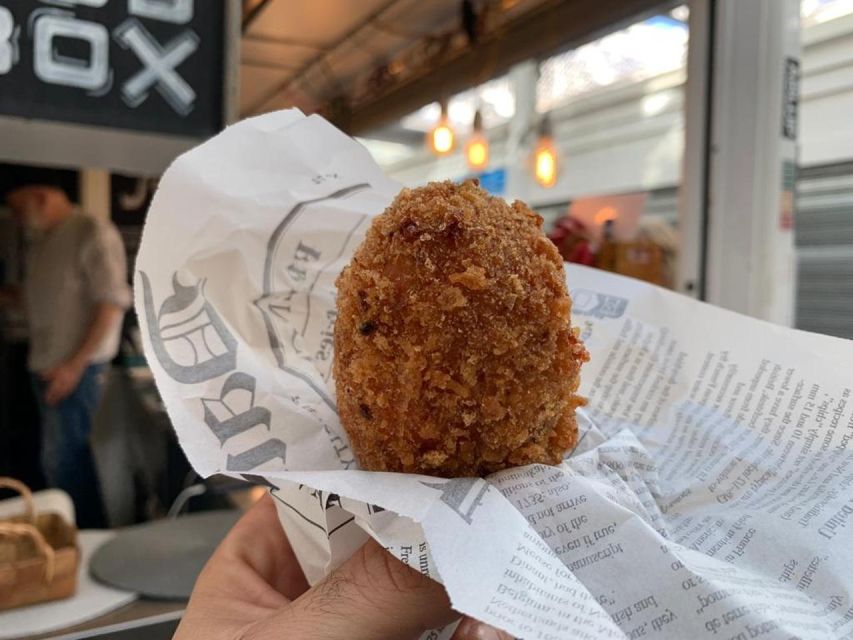
You also taste regional cheeses and crunchy fried supplì. Supplì are a classic Roman street snack, and the fried texture provides a welcome change from the softer meat and cheese dishes. The point is not just variety. You get a sense of how Roman food balances humble ingredients, strong flavors, frying, sauces, and practical cooking.
What you eat, and what you do not
The tour includes more than eight traditional recipes from Rome and Lazio. That number makes the $100.82 price easier to judge, because you are paying for a full sequence of tastings rather than one lunch and a brief walk.
The food may include:
- Roman maritozzo
- Polpette di lesso
- Roman tripe
- Lazio cheeses
- Fried supplì
- A traditional Roman pasta
- Three regional wine tastings
- A seasonal dessert
The exact dishes can change with the season or availability. The provider is strict about the regional focus, so do not expect Parmigiano, mozzarella, cannoli, pizza, or a spritz simply because they are familiar Italian choices. That limitation is a strength if you want a more local food lesson, but it may disappoint you if you are seeking Rome’s most famous dishes in one sitting.
The experience also is not suitable for vegans, people with gluten intolerance, lactose intolerance, or nut allergies. Vegetarians and pescatarians should notify the company before the tour. That does not guarantee every dietary need can be handled, so you should ask before paying if your restrictions are serious.
Same city, another round of plates:
- Rome: Trastevere Street Food Walking Tour with Local Expert
★ 4.8 · 1,784 reviews - Roman Food Tour with Visit to the Trionfale Food Market
★ 5.0 · 471 reviews - Trastevere & Campo de’ Fiori Street Food Tour, Eat Like a Local
★ 5.0 · 207 reviews - Hidden Rome: Small Group E-Bike Tour with Street Food Stops
★ 5.0 · 169 reviews
Wine, cheese, and the stories behind the stalls
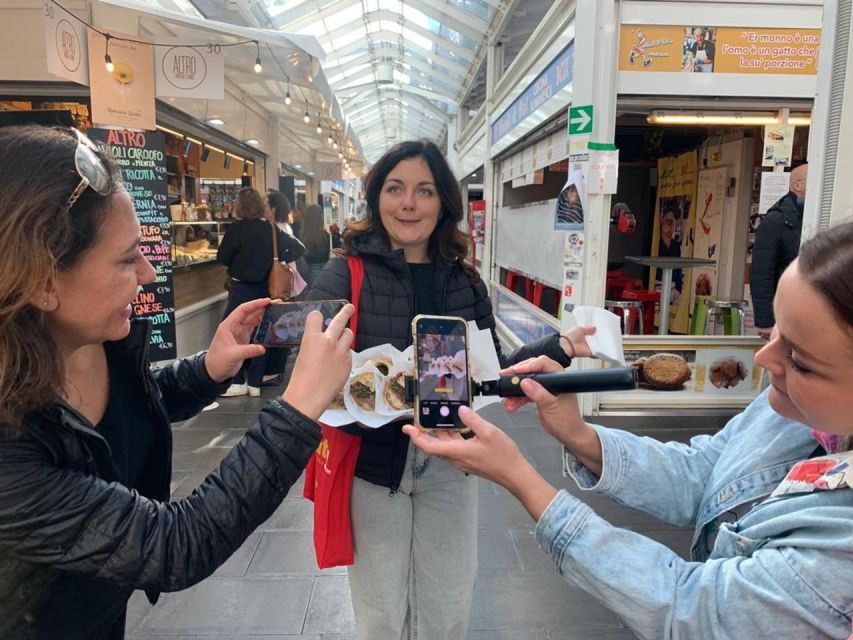
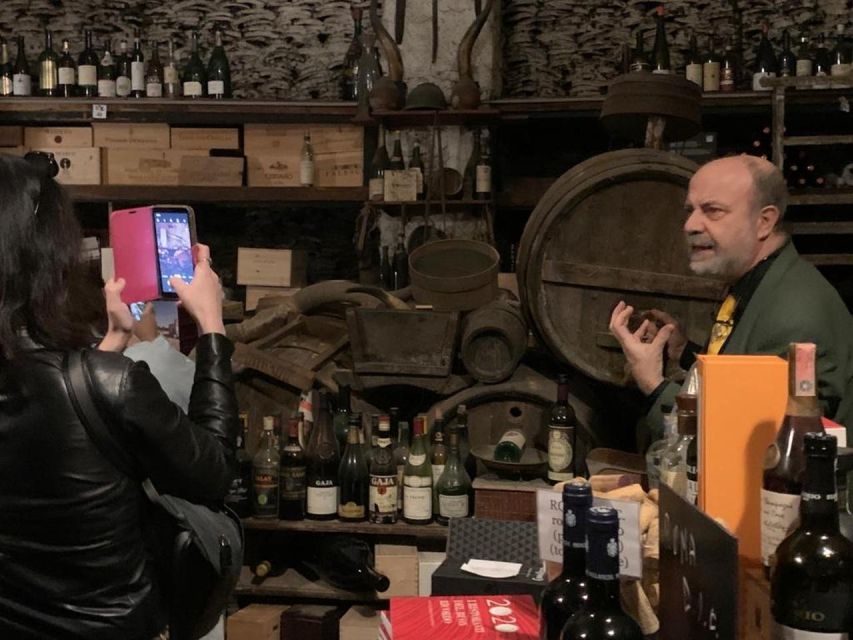
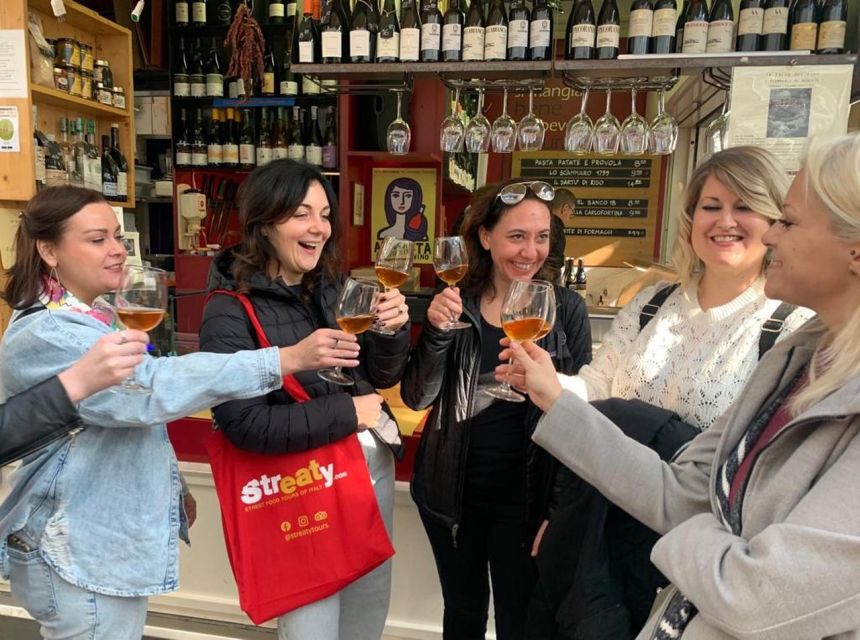
At three different food stops, you taste wine from the Rome region. These are not separate wine tastings with a long formal lesson. Instead, the wine accompanies food while the host explains the cheese or dish in front of you.
I like this format because it keeps the experience grounded. You are not sitting in a classroom memorizing grape names. You are learning how food and drink fit together at a local table or counter. The seated portions also give you a short break from walking.
Still, seating is not promised at every stop. This is important. The tour uses food stalls, delis, bakeries, fast-food counters, and market sellers, not conventional restaurants. Most bites are eaten on the go, with only a couple of indoor seated tastings. Bring comfortable shoes and accept that the setting may be busy, informal, and practical.
Bottled water is not included. You can buy it along the route, but bringing your own refillable bottle is the better choice. It cuts down on plastic and keeps you from hunting for a shop when the group is moving.
The Roman pasta lunch in Testaccio
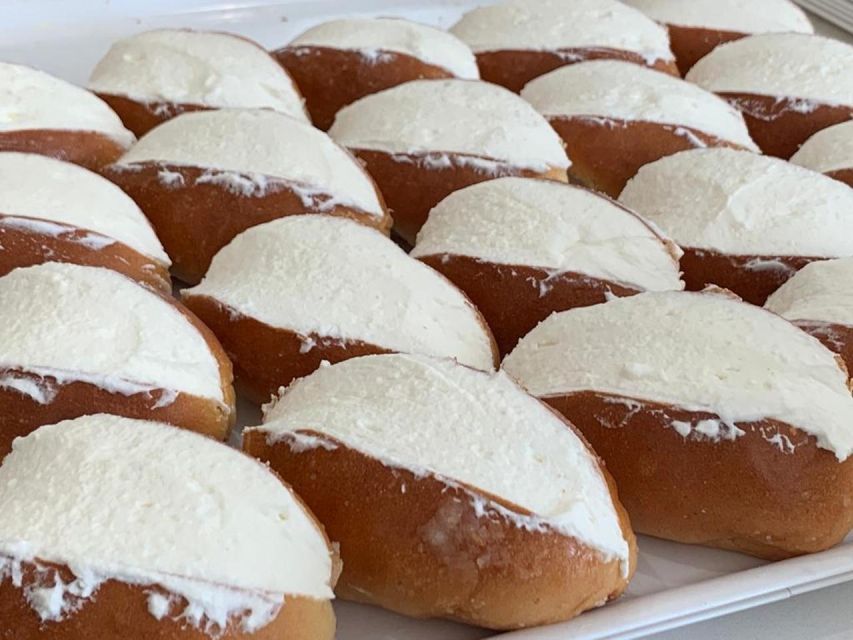
The tour eventually reaches a sit-down lunch featuring traditional Roman pasta. This is the most substantial part of the food program, and it makes the tour feel like a full meal rather than a string of samples.
The meal takes place in the belly of Testaccio, in a secret pastry-shop setting according to the tour description. The wording suggests a tucked-away local stop rather than a formal dining room, so keep your expectations practical. You are not booking a polished restaurant meal with guaranteed long seating. You are getting a comfortable pause and a proper pasta course within a street-food route.
This pasta course is valuable for two reasons. First, it gives you something filling after the market bites. Second, it shows how the neighborhood’s food culture moves between quick snacks and traditional home-style dishes. The guide can explain the pasta and its place in Roman cooking while you eat, which adds context that a stand-alone lunch would lack.
One earlier account specifically praised the pace of the food stops and the balance between quantity and quality. That is useful guidance. The tour is generous enough that you should not plan another major meal immediately afterward.
A seasonal dessert to finish
Dessert comes after lunch and lasts about 30 minutes. The sweet ending is seasonal, so the exact item is not fixed. This keeps the menu tied to what is available rather than forcing the same product all year.
The dessert stop also gives the guide one more chance to talk about Roman food habits. The tour is not only about eating as much as possible. It links the dishes to local routines, traditions, and the people who make them. That is why the final sweet course works better than simply adding another generic gelato stop.
You may want to stay in Testaccio after the tour. The market itself deserves extra time if your schedule allows. One account found the market interesting enough to wish for more time there after the guided portion. Since the tour moves through several stops, you may not have the freedom to browse every stall at your own pace.
How much value do you get for $100.82?
At $100.82 per person, this is not a budget lunch. The value depends on what you want from a Rome food experience.
You receive a local guide for 3.5 hours, a Roman breakfast, market tastings, cheese, wine, a sit-down pasta meal, dessert, and more than eight regional recipes. You also get interpretation of Testaccio’s food culture and daily life. If you paid separately for several of those items and added a private market introduction, the price would be easier to justify.
The strongest value comes from the regional focus. You are not paying to eat familiar Italian food that you could find in many cities. You are paying for dishes such as tripe and polpette di lesso, introductions to food sellers, and a guide who can explain why those foods matter.
The price is less attractive if you dislike offal, fried food, cheese, pasta, sweets, or wine. It is also not ideal if you want lots of free time for photography or independent shopping. The schedule is built around tasting stops, and the small group must keep moving.
Free cancellation up to 24 hours before the activity lowers the booking risk. You can also reserve and pay later, which helps if your Rome schedule is still shifting. Check the starting time carefully, since one booking had a mismatch between 10:00 and 10:30. The guide was present at the correct time in that case, but you should not leave this detail to chance.
Who should book this Testaccio tour?
You should consider it if you want:
- A local food focus rather than a greatest-hits menu
- A small English-speaking group
- A full meal spread across several market and food stops
- An introduction to Testaccio through food and daily life
- Traditional Roman dishes that may be unfamiliar
- A guide who connects eating with neighborhood customs and history
It suits an adventurous eater who wants structure. You do not need to know Roman cuisine in advance. You only need curiosity and a willingness to try dishes that may be less familiar.
It is a weaker choice for a vegan, a person with gluten or lactose intolerance, someone with a nut allergy, or anyone who needs guaranteed seating. The tour is also not for people who want a gentle, vehicle-based outing. You walk between stops and spend much of the experience standing or eating on the go.
Should you book the Testaccio food walk?
Book it if you want Rome’s everyday food culture, not a parade of famous Italian standards. The combination of Testaccio Market, regional-only ingredients, small-group guiding, Roman pasta, and less familiar recipes gives you a useful sense of the city beyond its postcard sights.
I would especially choose it early in a Rome visit. The guide’s advice can help you decide where and what to eat later, and the market gives you a practical view of local life. Leave room in your schedule afterward, since you may want to browse Testaccio on your own and you probably will not be hungry soon.
Skip it if you need strict dietary control, guaranteed chairs, or a menu built around pizza and gelato. For everyone else, the $100.82 cost is reasonable when you count the food, wine, full meal, and three-and-a-half hours of local guidance. Just arrive ready to walk, share space, and try the Roman dishes most visitors never order.
FAQ
Where does the Testaccio food tour start?
Meet the guide at Piazza Flavio Biondo 7, near Trastevere train station. The guide will carry a red bag with the Streaty logo.
How long does the experience last?
The tour lasts 3.5 hours. Starting times vary, so check availability when booking.
What language is the tour offered in?
The live tour guide speaks English.
Is this a small-group experience?
Yes. The group is limited to 10 participants.
Is bottled water included?
No. You can buy bottled water at shops along the route, but bringing your own bottle is recommended.
Can vegetarians or pescatarians join?
They may be able to join, but you must inform the provider before the tour. The experience is not suitable for vegans, people with gluten intolerance, lactose intolerance, or nut allergies.
Newly added plates around Rome
- Vegan Street Food Tour in Rome★ 5.0 · 6 reviews
- Testaccio Street Food Tour Eat Like a Local★ 3.5 · 2 reviews
- Tasty Trastevere Street Food Tour in Rome from Tiberine Island to Ponte Sisto★ 5.0 · 25 reviews
- Vatican Street Food Tour and Wine Experience with Local Guide★ 5.0 · 7 reviews
- Gems of Rome: Small group E-bike tour with street food stops★ 5.0 · 36 reviews
- Tasty Rome Street Food Tour around Campo de’ Fiori Market & Jewish Ghetto★ 5.0 · 2 reviews
- Small-Group Rome Street Food Guided Tour★ 5.0 · 15 reviews
- Rome Trastevere Street Food Tour: Eat and Drink Like a Local★ 5.0 · 35 reviews
Rome Street Food Tours, compared.
Trastevere & Campo de Fiori Street Food Walking Tour
Read our review →
Trastevere Street Food Walking Tour with Local Expert
Read our review →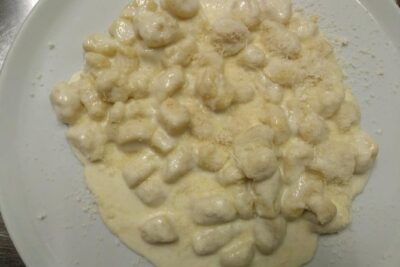
Roman Food Tour with Visit to the Trionfale Food Market
Read our review →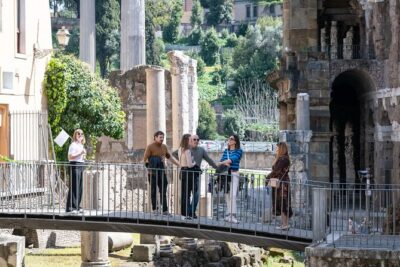
Trastevere & Campo de’ Fiori Street Food Tour, Eat Like a Local
Read our review →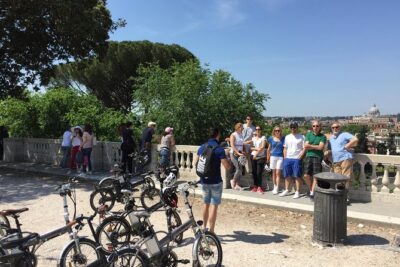
Hidden Rome: Small Group E-Bike Tour with Street Food Stops
Read our review →Hidden Rome: Small Group E-Bike Tour with Street Food Stops
Read our review →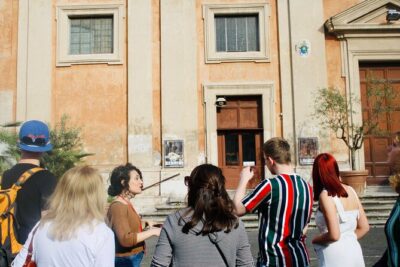
Browse the lists this tour appears in