
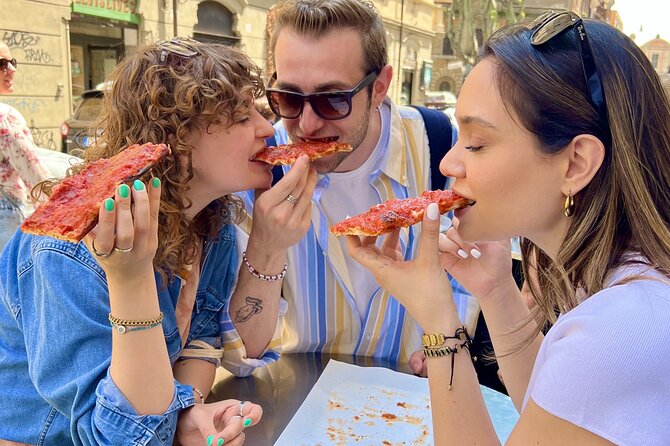
REVIEW · ROME STREET FOOD TOURS
Rome Street Food Tour Eat Like a Local
Roman food tells you plenty about the city, and this small-group street food walk lets you taste that story one bite at a time. You’ll try Roman staples such as supplì, pizza, panini, and possibly the famous artichoke of the Jewish district while moving through central neighborhoods rather than sitting in one restaurant.
I like the relaxed pace and the way guides such as Daniel, Leonardo, Anna, and Alessandra connect each dish with Roman customs and local history. I also like that the route helps you get your bearings early in a visit. The main drawback is that portion sizes can vary, and one person found the tastings too small, so this is best viewed as a generous snack tour rather than a full restaurant meal.
Key points to know before booking
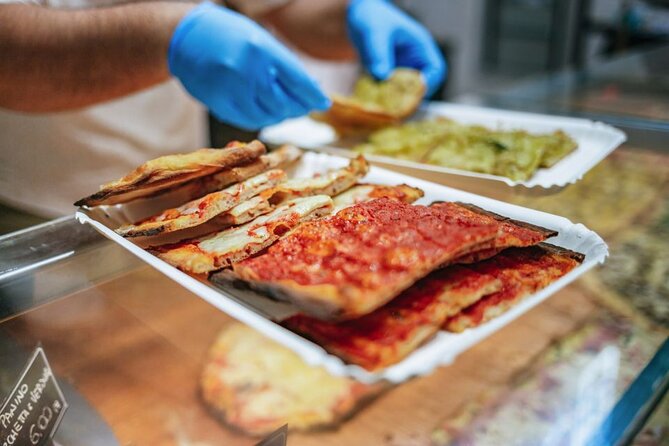
- Six food stops may fill the 2.5-hour route: Expect a broad tasting of Roman street foods, with portions ranging from small samples to more substantial bites.
- The Jewish district is a highlight: Artichokes and the neighborhood’s food traditions add a distinct local character to the walk.
- Guides shape the experience: Daniel, Leonardo, Fiammetta, Anna, Alessandra, and others are praised for storytelling, humor, food knowledge, and practical restaurant advice.
- The group is capped at 14 people: Smaller groups may make it easier to ask questions and keep the walk friendly.
- Start hungry, but not desperately hungry: The food can be plentiful, and several people found themselves full by the end.
- Vegetarians need to plan ahead: A vegetarian option is available with prior notice, but the tour is not suitable for people with celiac disease.
A Roman meal served on the move
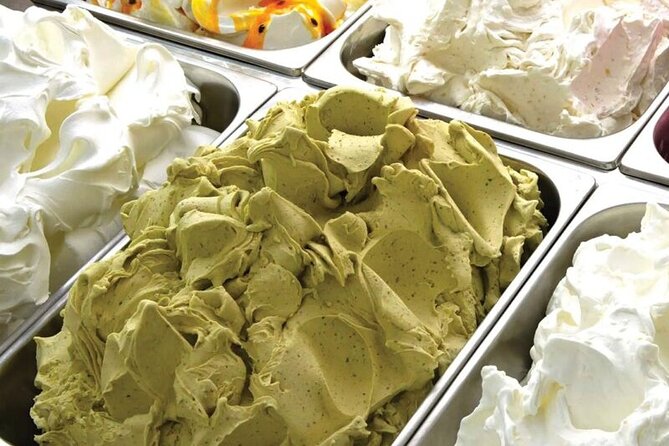
Rome’s street food is not just quick fuel. It reflects the city’s working-class cooking, regional habits, Jewish-Roman traditions, and love of fried snacks. This tour gives you a useful introduction without requiring you to decode a menu or guess which doorway is worth entering.
You begin beside the fountain in Piazza di San Simeone. From there, the walk heads toward Campo de’ Fiori, continues through the Jewish district, and finishes in Piazza Sant’Eustachio. The route offers food, but it also helps you connect several central parts of Rome on foot.
That combination is the tour’s real strength. You are not simply handed a plate and told what it is. You are given some context about the dish, the neighborhood, and the people who still make or eat it. Guides have also shared suggestions for other restaurants, which can be useful if you take the tour near the start of your stay.
More street food tours in Rome:
- Rome: Street Food Tour with Local Guide
★ 4.8 · 4,077 reviews - Rome: Trastevere & Campo de Fiori Street Food Walking Tour
★ 4.9 · 2,768 reviews - Rome Street Food Tour with Local Guide
★ 5.0 · 2,361 reviews
Starting at Piazza di San Simeone
Piazza di San Simeone is a practical meeting point in central Rome, near public transportation and within the historic center. Look for the group beside the fountain at Piazza di S. Simeone. Since this is a walking tour, wear shoes that can handle uneven city streets and arrive ready to stay on your feet for roughly two and a half hours.
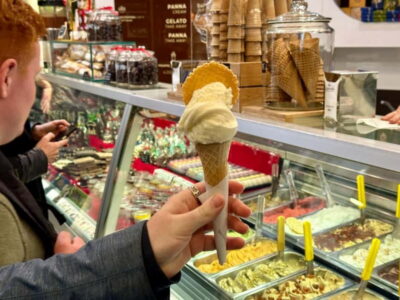
The opening stop often sets the tone with supplì, one of Rome’s best-known fried snacks. A supplì is a fried rice ball, often bound with tomato and cheese. It is humble, filling, and easy to eat while standing, which makes it a fine introduction to Roman casual food.
One particularly useful part of the experience is learning the difference between simply tasting something and understanding why it matters. A guide such as Leonardo may explain the food while also pointing out details in the surrounding streets. Daniel has been praised for mixing humor with food and city history, while Fiammetta and Anna have been recognized for explaining ingredients, traditions, and regional differences in a clear way.
The exact food order can vary. That is normal for a tour using local businesses rather than a fixed dining room. You should expect the general food themes listed for the experience, not a guaranteed menu of identical dishes at every departure.
Campo de’ Fiori, where Roman food feels everyday
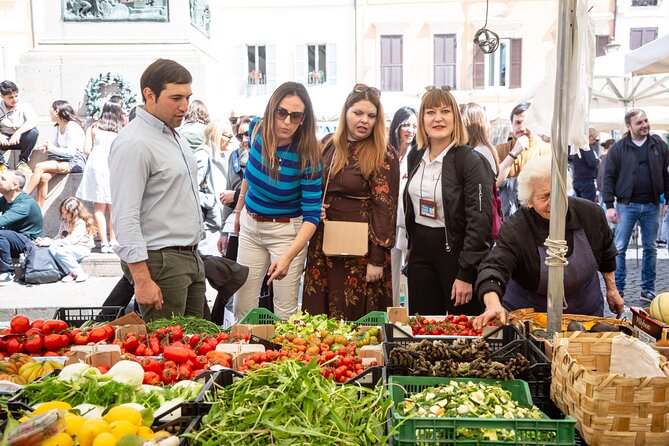
Campo de’ Fiori is one of the best-known public squares in central Rome. The tour uses the neighborhood as a food setting, not simply as a photo stop. Here, you may taste pizza, panini, and other Roman bites while hearing how these foods fit into daily life.
Pizza in Rome often means a thinner, crisper style sold by weight or in casual slices. It is different from the soft, round Neapolitan style many people expect. A guide can help you notice that contrast and explain how Roman eating habits favor food that is easy to carry through the city.
Panini add another layer to the tasting. They are simple on paper, but the quality depends on the bread, fillings, and the shop making them. A good guide can point out what makes a local sandwich different from a generic tourist lunch.
The value here is variety. You are likely to move between fried food, baked food, bread, and seasonal ingredients rather than eating several versions of one dish. Some people describe the tastings as generous and leave full. One person found the portions small and wished for another restaurant or two. I would plan a light meal beforehand, then treat the tour as lunch if the tastings are substantial on your day.
The Jewish district and the artichoke stop
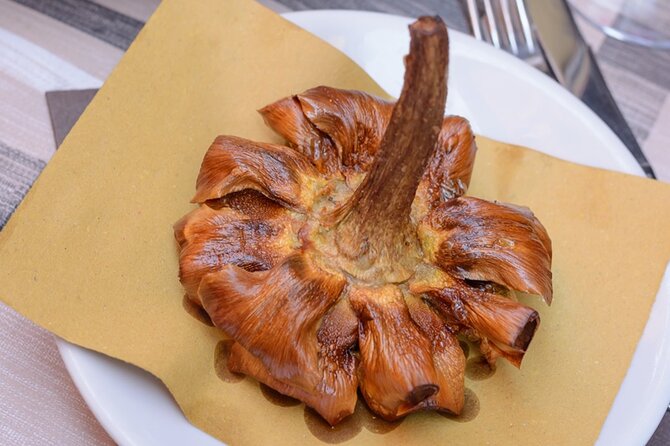
The walk then reaches Rome’s Jewish district, one of the most distinctive parts of the route. Food here carries a clear local identity, and the artichoke is the dish most likely to stick in your memory.
The Jewish-Roman artichoke is traditionally associated with a crisp, fried preparation. The outer leaves become edible and crunchy, while the center remains tender. It is a good example of how a single ingredient can tell a larger story about neighborhood traditions and Roman cooking.
This stop also gives the tour a stronger sense of place. You are not just sampling something popular across the city. You are connecting a dish with a specific community and part of Rome. One guide, Daniel, received particular praise for the artichoke tasting, while other guides have used the district to explain both food and the streets around it.
The route is not a formal architectural tour, so you should not book it expecting a detailed monument-by-monument lecture. Still, the neighborhood stories add useful depth. Alessandra Bucci, Leonardo, and others are praised for showing how food and the city’s past connect. That mix is especially helpful if you are seeing Rome for the first time and want more than a list of famous sights.
Same city, another round of plates:
- Rome: Trastevere Street Food Walking Tour with Local Expert
★ 4.8 · 1,784 reviews - Roman Food Tour with Visit to the Trionfale Food Market
★ 5.0 · 471 reviews - Trastevere & Campo de’ Fiori Street Food Tour, Eat Like a Local
★ 5.0 · 207 reviews - Hidden Rome: Small Group E-Bike Tour with Street Food Stops
★ 5.0 · 169 reviews
What the guides add to the food

The guide makes a large difference on this experience. The provider uses licensed English-speaking guides, and the named guides in the feedback include Daniel, Daniele, Leonardo, Anna, Fiammetta, Alessandra, Sylvia, Costanza, Angelica, Arianna, Alex, Matt, and Mario.
That list matters because the tone may vary from one departure to another. The strongest guide experiences share several traits: clear explanations, humor, interest in the group, and an ability to connect food with Roman life. Leonardo is often praised for his warmth, pacing, neighborhood knowledge, and practical suggestions. Daniel is described as entertaining and enthusiastic, while Anna is noted for explaining regional differences and where ingredients come from.
You can also ask questions. A small group makes it easier to speak with the guide than on a large coach excursion. The maximum group size is 14, though some departures may be smaller. One group had only five people, and another had 11, both of which allowed a more personal experience.
Do not assume you can request a particular guide and receive that person. Several people have singled out Leonardo, but guide assignment is not stated as guaranteed. Book this for the food and format first, then regard a favorite guide as a pleasant possibility rather than a promise.
Six stops, different neighborhoods, and a relaxed pace
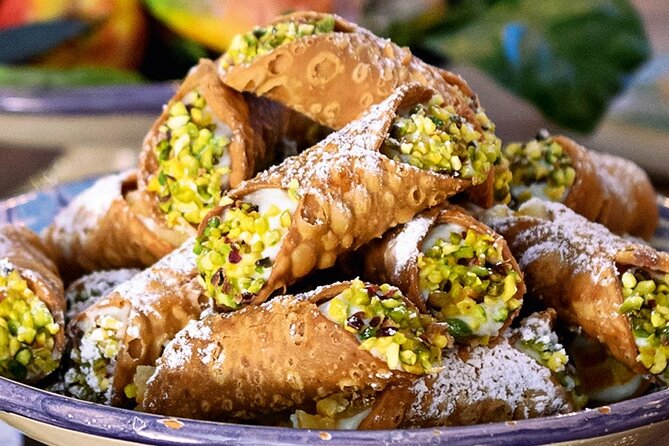
The experience is described as having several food destinations, and one account refers to all six stops. The stops are not only about quantity. Each one gives you a different way to understand Roman eating.
You might move from a fried snack to pizza, then to a panino or a seasonal specialty. The food is served in local businesses, and some people have returned to their favorite stops later in their visit. That is one of the tour’s practical benefits: you leave with a short list of places you already understand rather than a pile of untested restaurant names.
The pace is another plus. This is not designed as a race from one tasting to the next. Guides have been praised for keeping things easygoing and giving the group time to listen, eat, and walk. That suits Rome, where the best food experiences often need a little patience.
Still, the tour covers multiple neighborhoods in a limited time. You will be walking, standing, and eating in casual settings. If you want a long, seated meal with wine and several courses, choose a restaurant-based food experience instead. Drinks are not included, so bring money for anything you want to drink along the way.
Is $53.21 a fair price?
At $53.21 per person, the price is reasonable if the tastings are substantial on your departure. You are paying for several food samples, a 2.5-hour guided walk, and a small-group introduction to central Rome. The included guide is licensed and English-speaking, and the route covers more than one neighborhood.
The value improves if you use the tour as an orientation on your first day. You learn what supplì is, how Roman pizza differs from other styles, and which local foods deserve another try. You also receive restaurant suggestions from someone who knows the city’s food scene.
The value is weaker if you mainly want a large lunch. Portion sizes are not described as fixed, and one person felt the servings were too small. The safest plan is to arrive hungry but not skip food for an entire day. You may leave stuffed, but you may also need a small meal later.
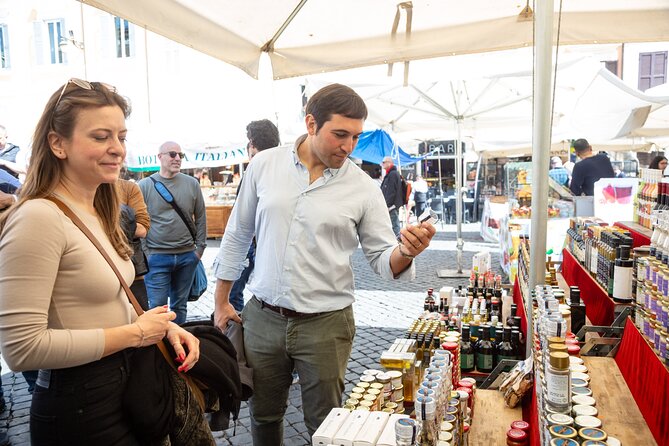
I would also separate the tour from any shopping advice you receive. The experience includes food tastings, not a promise that suggested gourmet purchases are the best-priced option. One person later found a truffle product at the airport duty-free shop for much less than the price paid in the city. Enjoy the tasting, but compare prices before buying packaged goods.
Who will enjoy this Rome food walk?
I would recommend it to first-time visitors who want an easy introduction to Rome’s food and central neighborhoods. It also suits people who like learning the story behind a dish rather than simply eating it.
Families with older children and teenagers may enjoy the variety. One parent and teenage daughter had a particularly good time because the tour combined food with city stories. It can also work well for cautious eaters, since the guide can explain unfamiliar dishes before you try them.
Food-focused visitors will appreciate the local businesses and the chance to return to stops later. So will anyone who wants restaurant ideas without spending an evening on a formal dinner.
You may want another type of experience if you have celiac disease, since the tour is not suitable for you. Vegetarians can request an alternative in advance, but do not wait until the meeting point. Drinks cost extra, and the route is on foot, so anyone who needs frequent seated breaks should consider that before booking.
Timing, group size, and practical details
The tour lasts approximately two hours and 30 minutes. It is offered in English and uses a mobile ticket. Confirmation arrives when you book, which makes the process straightforward.
The starting point is Piazza di San Simeone, next to the fountain. The walk finishes in Piazza Sant’Eustachio. Since the end point is different from the beginning, do not plan on leaving a bag at the meeting point or returning to a parked car there.
The maximum group size is 14. Smaller departures are possible, and a smaller group usually means better access to the guide and less waiting at food stops. The tour is near public transportation, service animals are allowed, and most people can take part.
Free cancellation is available until 24 hours before the local start time. Canceling or changing the booking within 24 hours does not qualify for a refund. The experience requires good weather and a minimum number of participants. If the provider cancels for weather or because that minimum is not reached, you will be offered another date or experience, or a full refund.
Should you book the Rome Street Food Tour?
Book it if you want Roman food, neighborhood walking, and useful city context in one compact experience. I especially like it for the first day or two of a Rome visit, when knowing where to eat can improve the rest of your stay.
The best reason to go is the combination of dishes and storytelling. Supplì, pizza, panini, and the Jewish district’s artichoke give you a broad taste of Rome, while guides such as Leonardo, Daniel, Anna, and Alessandra add the local explanation that makes the food memorable.
Skip it if you need a guaranteed menu, a long seated meal, or celiac-safe food. For everyone else, $53.21 is a fair price for a relaxed small-group walk that can leave you full, better oriented, and ready to revisit the places you liked most.
FAQ
Where does the Rome Street Food Tour start?
The tour starts at Piazza di San Simeone, Piazza di S. Simeone, 00186 Rome, beside the fountain.
Where does the tour finish?
The tour ends in Piazza Sant’Eustachio, 00186 Rome.
How long does the food tour last?
The walking food tour lasts approximately two hours and 30 minutes.
What foods are included?
The tour includes Roman street food tastings such as supplì, pizza, panini, and other local foods. The exact selection may vary.
Are drinks included?
No. Drinks are not included in the tour price.
Is a vegetarian option available?
Yes. A vegetarian option is available with prior notice. The experience is not suitable for people with celiac disease.
How many people can join the tour?
The maximum group size is 14 participants.
Is the tour offered in English?
Yes. The tour is offered in English and led by a licensed English-speaking guide.
What is the cancellation policy?
You can cancel up to 24 hours before the local start time for a full refund. Cancellations or changes made less than 24 hours before the start time are not refunded. If poor weather or an insufficient number of participants causes the provider to cancel, you will be offered another date or experience, or a full refund.
Newly added plates around Rome
- Vegan Street Food Tour in Rome★ 5.0 · 6 reviews
- Testaccio Street Food Tour Eat Like a Local★ 3.5 · 2 reviews
- Tasty Trastevere Street Food Tour in Rome from Tiberine Island to Ponte Sisto★ 5.0 · 25 reviews
- Vatican Street Food Tour and Wine Experience with Local Guide★ 5.0 · 7 reviews
- Gems of Rome: Small group E-bike tour with street food stops★ 5.0 · 36 reviews
- Tasty Rome Street Food Tour around Campo de’ Fiori Market & Jewish Ghetto★ 5.0 · 2 reviews
- Small-Group Rome Street Food Guided Tour★ 5.0 · 15 reviews
- Rome Street Food Tour – History, Craft and Authentic Taste★ 5.0 · 25 reviews
Rome Street Food Tours, compared.
Trastevere & Campo de Fiori Street Food Walking Tour
Read our review →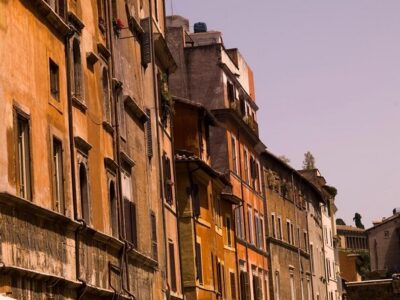
Trastevere Street Food Walking Tour with Local Expert
Read our review →
Roman Food Tour with Visit to the Trionfale Food Market
Read our review →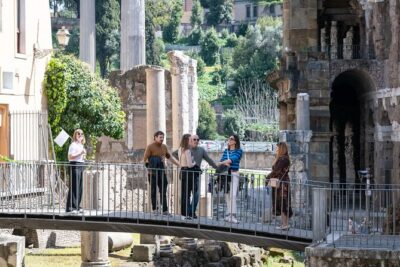
Trastevere & Campo de’ Fiori Street Food Tour, Eat Like a Local
Read our review →
Hidden Rome: Small Group E-Bike Tour with Street Food Stops
Read our review →Hidden Rome: Small Group E-Bike Tour with Street Food Stops
Read our review →
Browse the lists this tour appears in