
REVIEW · OLD QUARTER AND MEDINA FOOD WALKS
Old Dubai Walk, Souk, Street Foods, Al Fahidi and Al Seef Tales
The best part of this experience is the way it links Old Dubai’s food, waterways, and markets in one compact route. You begin beside Al Seef’s camel statues, wander through heritage-style lanes, cross Dubai Creek in a wooden abra, and finish among the spices and gold shops of Deira.
I like two things in particular: the chance to try small local foods such as luqaimat and ragag, and the long abra ride, which gives you a useful view of both old and modern Dubai. The main caution is organization. One serious account describes a 2pm meeting with no guide appearing, despite calls and messages, so confirm the meeting details before setting out.
Key points to know before booking
- Al Seef begins the story: Start with Arabic coffee or tea, dates, camel statues, souks, and waterfront views.
- The route crosses Dubai Creek: A traditional abra connects Bur Dubai with Deira and gives you a different view of the city.
- Food is part of the walk: Expect local snacks, fresh juice, and either a shawerma or falafel sandwich with the premium option.
- The dagger museum is included: Bayt Al Khanyar displays traditional khanjars and swords, with admission covered.
- The tour ends in Deira: You finish at the Gold Souk after visiting the Spice Souk and seeing the famous large gold ring.
- Small groups are possible: The maximum group size is 15, and pickup is offered with the premium option.
A four-hour introduction to Dubai’s older side
Dubai is easy to picture as glass towers, luxury malls, and broad highways. This tour gives you a different starting point. Its focus is the creekside city that grew through fishing, pearling, trading, and small waterfront markets.
The route takes about 3 hours and 50 minutes, though walking pace, food stops, and group timing can affect the actual finish. You start in Al Seef and end at the Gold Souk in Deira, so this is not a round trip. Plan your later schedule around finishing in the Al Ras area.
The price is listed at $19.99 per person, which is low for nearly four hours if the included items are delivered as described. You also get a special offer for booking three adults and receiving one adult free. Check the exact booking terms carefully, since some features are marked as premium rather than standard.
Pickup and drop-off are offered with the premium option. The standard meeting point is Al Seef Heritage Hotel Dubai, near Dubai Creek, and the stated end point is the Gold Souk in Deira. A mobile ticket makes the meeting details easy to keep on your phone, but I would still save the provider’s contact information and confirm the start time.
More Old Quarter and Medina Food Walks in Dubai:
- Dubai: Old Town, Creek, Museums, Souks, & Street Food Tour
★ 4.8 · 10,816 reviews - Dubai: Old Town, Souks, Street Food, Guided Tour & Abra Ride
★ 4.9 · 7,170 reviews - Dubai: Old Town, Souks, Street Food, Guided Tour & Abra Ride
★ 5.0 · 1,664 reviews
Al Seef: camel statues, coffee, and a polished old-town setting
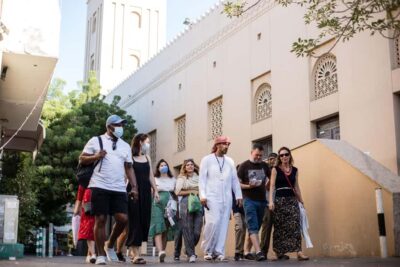
The walk begins at the colorful camel statues near Souk Al Seef. They provide an easy landmark and a fitting introduction to the role of camels in Emirati life. You can also take your first photographs here before the group sets off.
You’re offered Arabic tea or coffee with dates, a small custom that helps set the tone. The drink and dates are not simply filler. They give you a taste of how hospitality is presented in the Gulf, even in a modern visitor district.
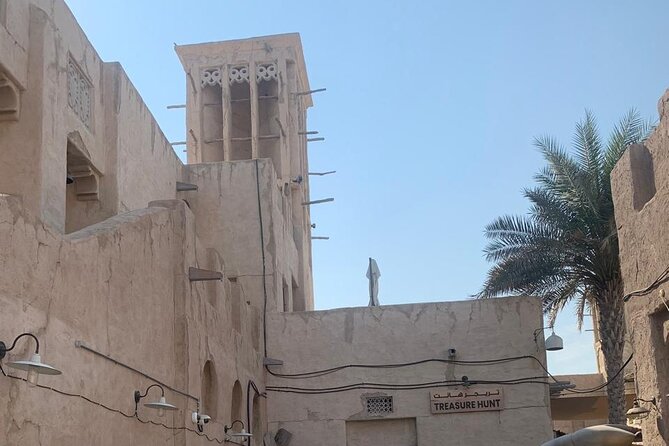
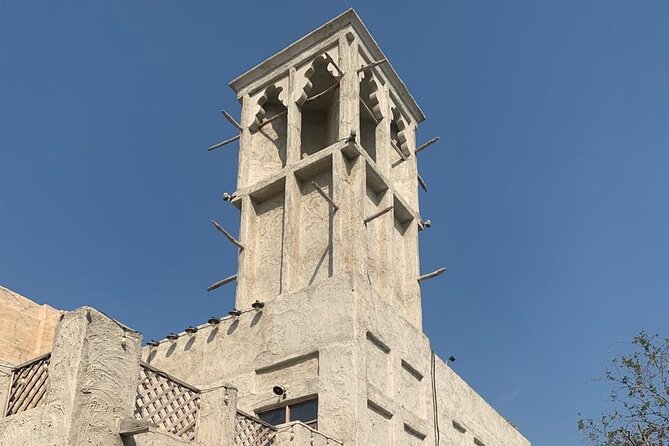
Al Seef presents traditional-looking lanes, wind-tower forms, waterfront walkways, and shops. It is worth understanding what you are seeing. This is a designed destination rather than an untouched old neighborhood, but it is built to recall Dubai’s earlier creekside character. The result is accessible and photogenic, though shoppers looking for a completely local market may find parts of it polished and commercial.
Street food is introduced here and continues later. The stated food examples include luqaimat, small sweet dumplings, and ragag, a thin traditional flatbread. Fresh juice is also included with the premium option. Ask your guide what you are being served and how it is normally eaten. That simple question can turn a quick tasting into a useful cultural lesson.
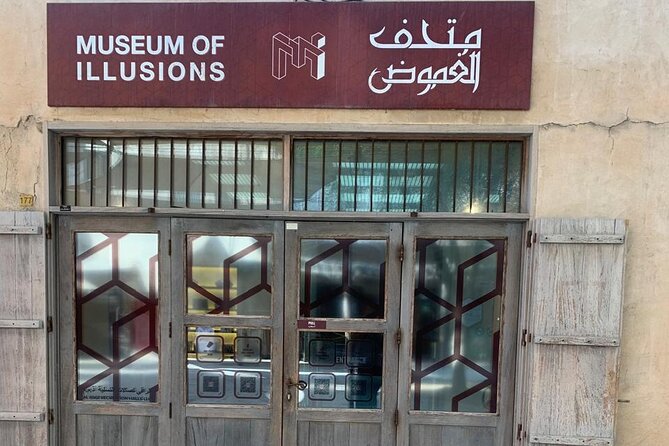
A quick photo stop at the Museum of Illusions
The route passes the Museum of Illusions in Al Seef for about 10 minutes. This is a photo stop only. Your ticket does not include entry, so do not expect to tour the museum’s exhibits.
The stop is aimed at playful pictures with optical illusions and three-dimensional displays. It breaks up the historical material and may work well for families or groups who want a few light moments. If you prefer a tightly packed cultural tour, this is the easiest part to treat as optional.
Since the stop is short, you won’t have time for a full museum visit. If the attraction interests you, plan a separate visit rather than assuming it forms part of the guided admission.
Bayt Al Khanyar and the craft of the khanjar
The Dagger Museum, also called Bayt Al Khanyar Museum and Coffee Shop, is one of the more distinctive stops. Admission is included, and the visit lasts about 25 minutes.
Inside, you see traditional khanjars and swords, with attention to their decorative details and place in Arabian culture. A khanjar is more than a blade. Its shape, sheath, handle, and decoration can signal status, identity, and craftsmanship. The stop gives the tour a sharper focus than a general walk through shops and old lanes.
The museum is small in scope, so expect a concentrated visit rather than a large national collection. That is part of its appeal. You can look closely at the objects and ask questions without trying to cover several floors of displays.
The supplied information describes traditional weapons as symbols of honor and craftsmanship. That makes this a useful stop for understanding how objects tied to daily life can also carry social meaning. If you have limited interest in weapons, the visit is still brief enough not to dominate the day.
More street food tours in Dubai:
- Dubai: Old Town, Street Food, Creek, Souks, & Emirati House
★ 4.9 · 1,496 reviews - Old Dubai: Premium Guided Tour with Street Food & Abra Ride
★ 4.9 · 416 reviews - Dubai Top Highlights: Frame Entry, Souks, Abra & Street Food
★ 4.8 · 344 reviews - Dubai: Premium Old Town, Street Food, Souks & Boat Ride Tour
★ 4.9 · 262 reviews
Al Fahidi Fort and the Dubai Museum story
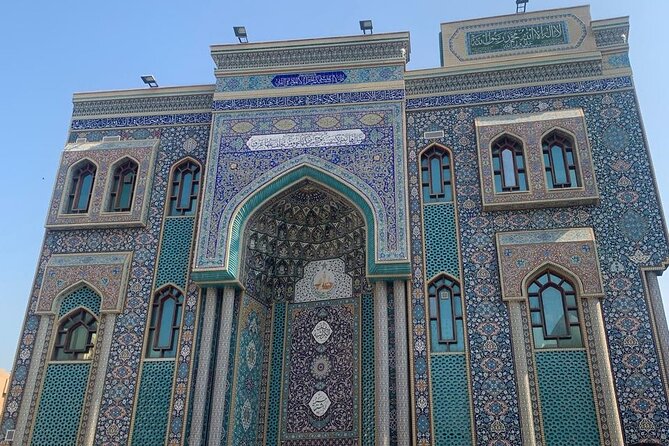
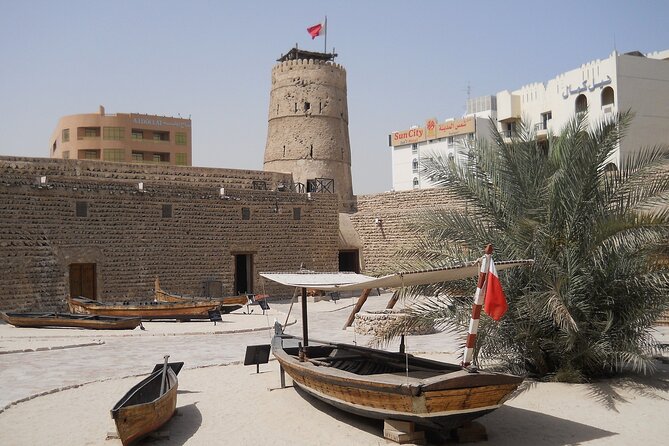
Al Fahidi Fort is described as dating to 1787, making it one of Dubai’s oldest surviving buildings. It began as a defensive structure and was later turned into a museum in 1971, shortly after the United Arab Emirates formed.
The Dubai Museum displays life-sized scenes, historical objects, and multimedia presentations about Dubai’s earlier days as a fishing and pearling settlement. That background matters because it gives context to the rest of the route. The creek, dhows, souks, and trade goods you see later are not random sights. They connect to the city’s growth before oil and high-rise development changed its scale.
The tour information includes Al Fahidi Fort and the Dubai Museum in its cultural story, but the stop details do not clearly state a separate visit duration or admission arrangement. Confirm at booking whether entry is included and whether the museum is open on your date. This is an important point, since the value of the tour changes if you receive only an exterior explanation instead of museum time.
Al Fahidi Historical District is also where you get the clearest sense of older building forms, including wind towers and narrow lanes. Walk slowly here. The charm is in the shade, proportions, and small details rather than in one grand monument.
Meena Bazaar: a short look at Bur Dubai
Meena Bazaar is a shopping quarter in Bur Dubai known for textiles, jewelry, spices, and food. The scheduled visit is about 15 minutes, with admission listed as included.
That short timing tells you what to expect. This is an orientation stop, not a long shopping session. You can look at the storefronts, note the mix of goods, and get a feel for the commercial side of Bur Dubai. If you want to buy fabric, jewelry, or food, you may need to return independently.
Meena Bazaar adds a different note to the day. Al Seef is a carefully presented heritage waterfront, while Meena Bazaar is more directly tied to everyday shopping and the South Asian communities that have helped shape Bur Dubai. The tour cannot explain every part of the district in 15 minutes, but it gives you a useful first look.
Keep your belongings secure in any busy market area, and do not feel pressured to buy at the first shop. Prices and products vary, especially in jewelry and textiles.
The long abra crossing on Dubai Creek
The traditional abra ride is one of the strongest parts of the route. It lasts about 30 minutes, longer than a simple point-to-point crossing, and offers a view of Dubai from the water.
As you move along the creek, you can see the Gold and Spice Souks, wooden dhows, heritage buildings around Al Fahidi, and modern towers farther away. This contrast explains Dubai better than a bus ride through a newer district. The creek remains the dividing line between Bur Dubai and Deira, while the skyline shows how quickly the city expanded around that older core.
The wooden boat is open to the surroundings, so you can watch the water, docks, shops, and buildings without glass between you and the view. Keep your phone secure and be ready for bright sun. The ride is included, and the experience is described as a private abra ride, but confirm whether the whole boat is reserved for your group or whether the term refers to the arranged ride itself.
This is also the point where the tour feels less like a list of city stops and more like a connected journey. You have walked through the old quarter, sampled food, and now use the creek in the same way generations of people used it for movement and trade.
Spice Souk: aromas, dried goods, and careful shopping
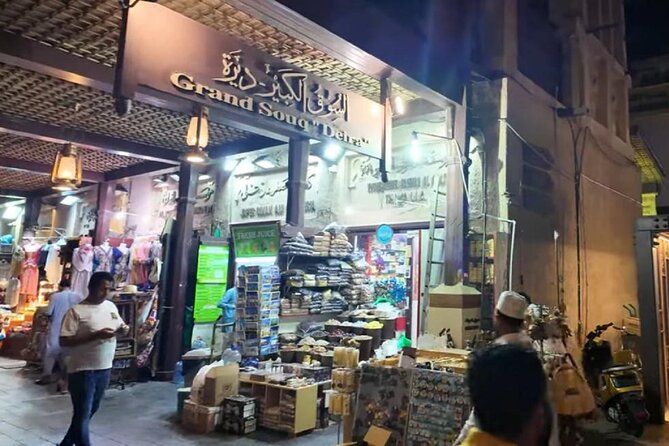
The Spice Souk in Deira is a narrow market area filled with sacks and displays of spices, herbs, incense, oils, and dried flowers such as rose petals. Common spices include saffron, cardamom, cumin, coriander, and turmeric.
You will notice the smells before you study the products. That sensory element is the reason this stop works so well on foot. A guide can help explain the difference between ingredients used in Emirati, Gulf, and wider Middle Eastern cooking, though the exact depth will depend on the guide and the group.
The visit is planned for about 45 minutes, giving you enough time to browse. If you buy saffron, spices, incense, or oils, ask about the weight, price, and packaging before agreeing. The area is made for shopping, and the best way to enjoy it is to stay curious without feeling obliged to purchase.
This is also a good place to use your fresh juice, if included with the premium option, and to take a break before the final market stop. The tour includes a cold bottle of water, but Dubai’s heat can still make a small drink break useful.
Gold Souk and the famous large gold ring
The final stop is Dubai’s Gold Souk, where the tour ends. You’ll see the famous large gold ring, a popular photo point linked to Dubai’s gold trade.
The tour information notes that VAT does not apply to gold bullion or gold jewelry in the way it applies to many other goods and services. That does not mean every item is a bargain. Jewelry prices also reflect craftsmanship, weight, design, and the daily gold rate, so ask for a clear breakdown before buying.
The Gold Souk is best approached as both a market and a spectacle. Even if you buy nothing, the window displays show the scale of Dubai’s jewelry trade. If you do shop, compare several stores and confirm the final price in writing or on a receipt.
Because the tour ends here, you can continue browsing after the group departs. You are also well placed to make your own way onward from Deira, though the experience does not include a return to Al Seef unless you book the premium pickup and drop-off arrangement.
Food, inclusions, and the real value of $19.99
At the stated price, the tour offers a lot of structure for very little money. You receive an English-speaking guide, water, Arabic tea or coffee, dates, the dagger museum entry, the abra ride, and all listed taxes and fees.
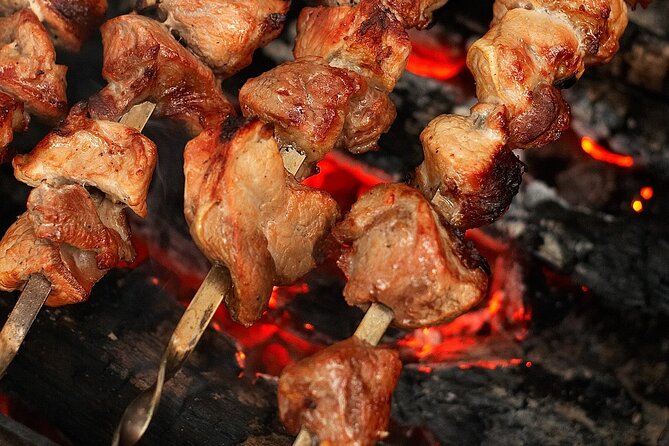
The premium option adds more practical value if you want food and transport handled. It includes pickup and drop-off, a shawerma or falafel sandwich, and fresh juice. Camel milk chocolate is also listed among the inclusions. Check the exact package before paying, because the wording separates standard and premium benefits.
The food is not presented as a formal restaurant meal. Think of it as a tasting-led walk, with a sandwich and small local dishes helping you stay fueled. That suits the route. You can sample several flavors without spending much extra time sitting down.
The group limit is 15 people. That is small enough for a more personal walk than a large coach tour, but the narrow lanes and market stops may still feel crowded if the group reaches its maximum. Most people can participate, and the meeting point is near public transportation.
Who should book this Old Dubai walk?
I would recommend it to a first-time Dubai visitor who wants historical context without giving up food and shopping. It also suits anyone with only half a day for the older districts and anyone who prefers a guide to connect the stops.
Families may like the camel statues, optical-illusion photo stop, snacks, and boat ride. Shoppers will appreciate finishing at the Spice and Gold Souks. The route also works for visitors who want to see Dubai beyond malls and tower districts.
I would hesitate if you want long museum visits, extended time for shopping, or a fully private custom itinerary. The schedule covers a lot in under four hours, so several stops are necessarily brief. I would also treat the meeting arrangement seriously because of the reported no-show at a scheduled 2pm start. Confirm the time, save the meeting point, and allow a little arrival margin.
Free cancellation is available until 24 hours before the start time. Inside that window, the amount paid is not refunded and changes are not accepted.
Should you book it?
Book this tour if you want a low-cost, food-focused introduction to Old Dubai with a creek crossing and a clear finish at the Gold Souk. The strongest elements are the abra ride, the spice market, the dagger museum, and the easy mix of snacks with local stories.
Book with caution if your schedule is tight or if you expect a guaranteed, polished operation at every step. Confirm the guide, start time, package inclusions, and museum access before you go. With those details settled, this is a practical way to see the creekside city in one morning or afternoon without paying for a large sightseeing coach.
FAQ
How long does the Old Dubai Walk, Souk, Street Foods, Al Fahidi and Al Seef Tales tour last?
The tour lasts approximately 3 hours and 50 minutes.
Where does the tour begin and end?
It begins at Al Seef Heritage Hotel Dubai, near Dubai Creek. It ends at the Gold Souk in Deira, Dubai.
Is an abra ride included?
Yes. A traditional wooden abra ride lasting about 30 minutes is included.
Is food included in the tour price?
Arabic tea or coffee, dates, and a cold bottle of water are listed as included. The premium option includes a shawerma or falafel sandwich and fresh juice. Camel milk chocolate is also listed among the inclusions.
Is admission to the dagger museum included?
Yes. Admission to Bayt Al Khanyar Museum and Coffee Shop, the dagger museum, is included.
Can I cancel for a full refund?
Yes, if you cancel at least 24 hours before the experience start time. Cancellations or changes made within 24 hours are not refunded.
Newly added plates around Dubai
- Original Street Food Tour of Dubai★ 4.5 · 41 reviews
- Dubai Street Food Tour★ 5.0 · 5 reviews
- Discover Old Dubai Town, Souks, Street Food, Culture and History★ 5.0 · 3 reviews
- Dubai Souks, Museum, Street Food Walking Tour with Hotel Transfer★ 4.5 · 7 reviews
- Local Street Food and Guided Walking Tour of Dubai Old Town★ 5.0 · 37 reviews
- Private Dubai Street Food Tour .★ 4.5 · 7 reviews
- Private Dubai Old Town Tour,street food,Boat & Museums★ 5.0 · 6 reviews
- Old Dubai Guided Tour With Photographer: Souks & Street Food★ 4.9 · 74 reviews
Old Quarter and Medina Food Walks, compared.
Old Town, Creek, Museums, Souks, & Street Food Tour
Read our review →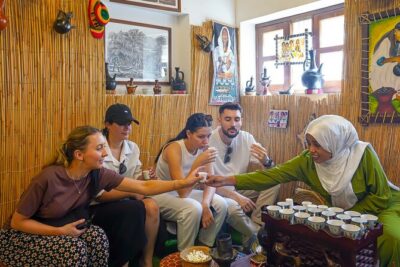
Old Town, Souks, Street Food, Guided Tour & Abra Ride
Read our review →
[HOT] Hanoi Old Quarter Walking Street Food – Small Group Tour
Read our review →Old Town, Souks, Street Food, Guided Tour & Abra Ride
Read our review →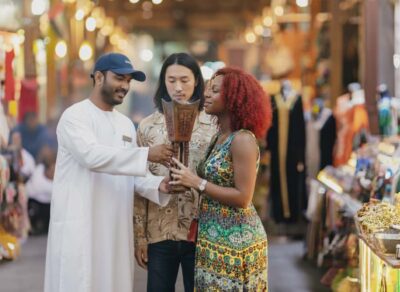
Chania: Old Town Highlights Guided Tour with Street Food
Read our review →Browse the lists this tour appears in