
REVIEW · PORT LOUIS STREET FOOD TOURS
Mauritius: Port Louis Street Food Walking Tour
Port Louis makes the most sense when you taste it one small plate at a time. This two-hour walk leaves the polished Caudan Waterfront for the central market, Chinatown, and local food stalls, where dholl puri, jalebis, gâteau piment, and Chinese-influenced snacks explain how Mauritius became a meeting place of cultures. I like the generous range of food and the way guides such as Christopher, Christophe, and Sailen link each bite to the island’s past.
I also like the small groups, capped at 10, and the chance to see parts of Port Louis you might skip on your own. The main caution is the heat and walking: one person found the pace tiring in 30-degree weather with high humidity, and uneven footpaths require attention.
Key points at a glance
- About eight tastings: Expect enough food to make lunch unnecessary, with sweet, savory, fried, and spice-filled stops.
- A food lesson in Mauritius: Indian, Chinese, African, and Gujarati influences appear in the dishes and the stories behind them.
- A local-market setting: The walk reaches the central market and Port Louis Chinatown rather than staying in the tourist district.
- Guides who add context: Christopher, Christophe, and Sailen have been praised for connecting food with Mauritian history and culture.
- Small-group format: With no more than 10 participants, it is easier to hear the guide and ask questions.
- Come hungry and prepared: Wear comfortable shoes, bring sun protection, and remember that the tour runs rain or shine.
Why Port Louis food tells the island’s story
Mauritius is not a place where one food tradition tells the whole story. Indian, Chinese, African, and Gujarati influences meet in the capital, and this tour uses food as the easiest way to understand that mix.
That approach works well for me because you are not just stopping to eat. You are learning why a dish appears in Mauritius, how it is prepared, and how different communities shaped the island. Several guides have also included short lessons about national history, culture, wildlife, and daily life, making this feel broader than a simple snack crawl.
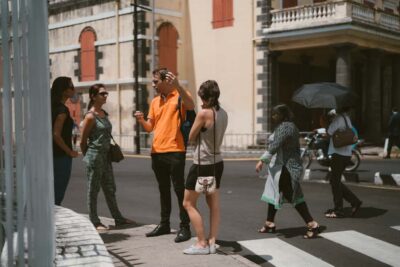
You begin in front of the casino, opposite Café LUX at Le Caudan Waterfront. That is a convenient landmark, but it is also a deliberate starting point. Caudan is the polished, visitor-friendly side of Port Louis. The tour then moves toward ordinary streets, the market, and Chinatown, giving you a quick change of scene.
The contrast is useful. You get your bearings in a familiar place before heading into the parts of the capital where signs, sidewalks, traffic, and food stalls feel less arranged for visitors.
More street food tours in the world:
- Dubai: Old Town, Creek, Museums, Souks, & Street Food Tour
★ 4.8 · 10,816 reviews - Ho Chi Minh City Street Food Tour & Sightseeing By Motorbike
★ 5.0 · 9,413 reviews - Medellin: Comuna 13 Graffiti Tour, Cable Car & Street Food
★ 4.8 · 9,046 reviews
Leaving Le Caudan for the central market
The walk heads away from the waterfront and into central Port Louis. The route is not a sightseeing loop built around grand monuments. Its focus is the city’s food life, with stops chosen for what people eat rather than what appears in a guidebook photograph.
The central market is the main setting for the Mauritian side of the tasting. This is where you can expect an active, crowded city atmosphere, strong food smells, colorful displays, and plenty of movement around the stalls. Your guide helps you understand what you are seeing and directs you toward the items included in the tour.
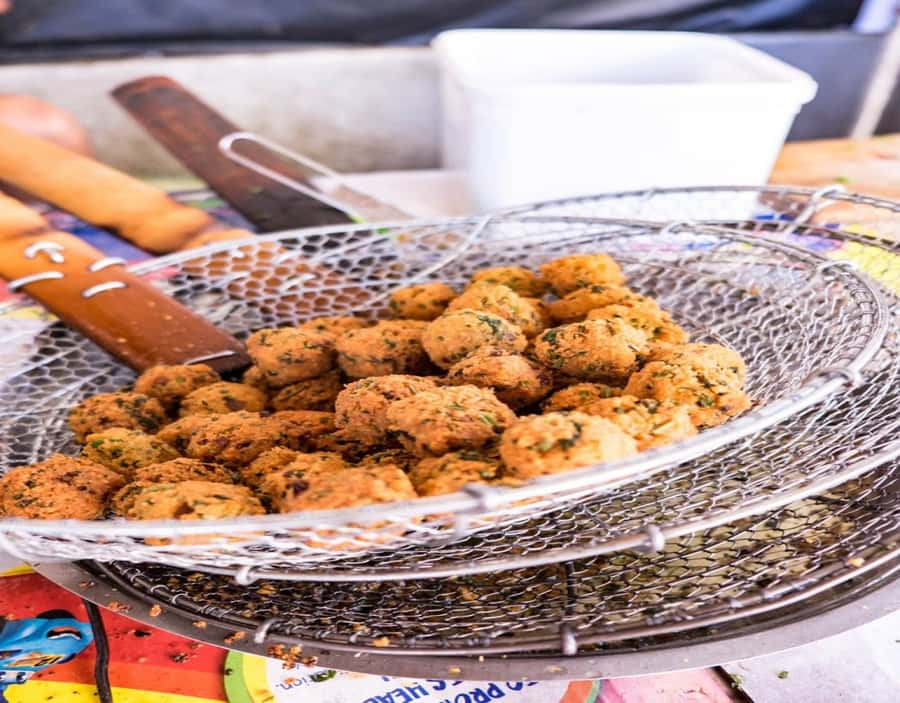
One of the clearest examples is gâteau piment, also called gato pima. These are small fried chili bites made with soaked split peas, spring onions, and green chilies. They have a crisp outside and a lively kick, though the strength of the heat can vary.
The dish reflects Gujarati influence and shows why a market walk is more useful than ordering a random snack from a hotel menu. You learn the ingredients, the cultural connection, and the way the food fits into local eating habits.
Eight tastings, with sweet and savory stops
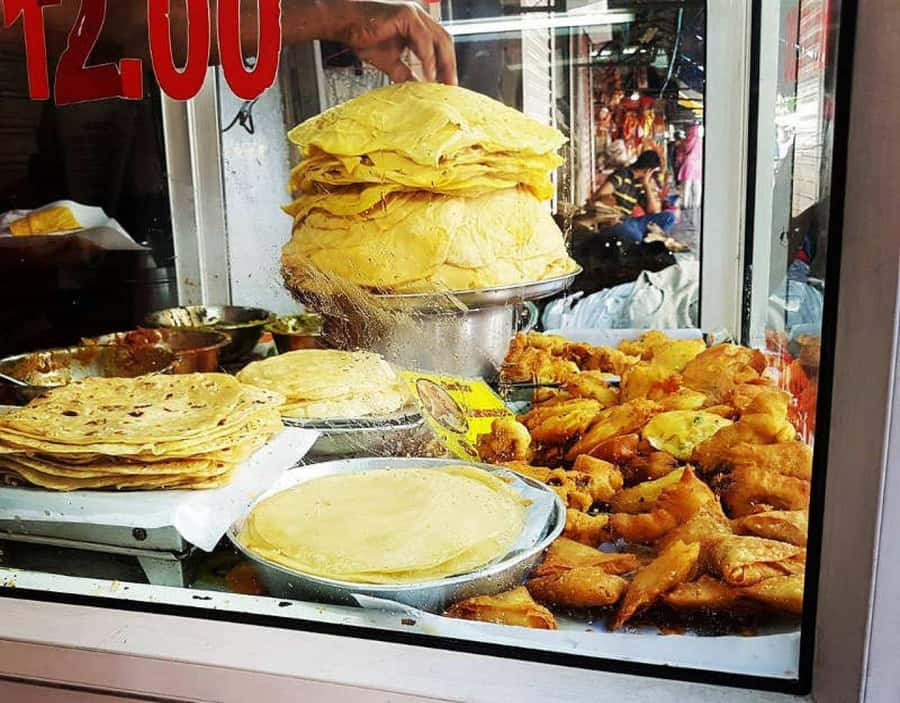
The tour includes about eight food tastings. Exact dishes can vary, but the advertised selection includes dholl puri, jalebis, and gâteau piment, along with Chinese-influenced treats found around Port Louis Chinatown.
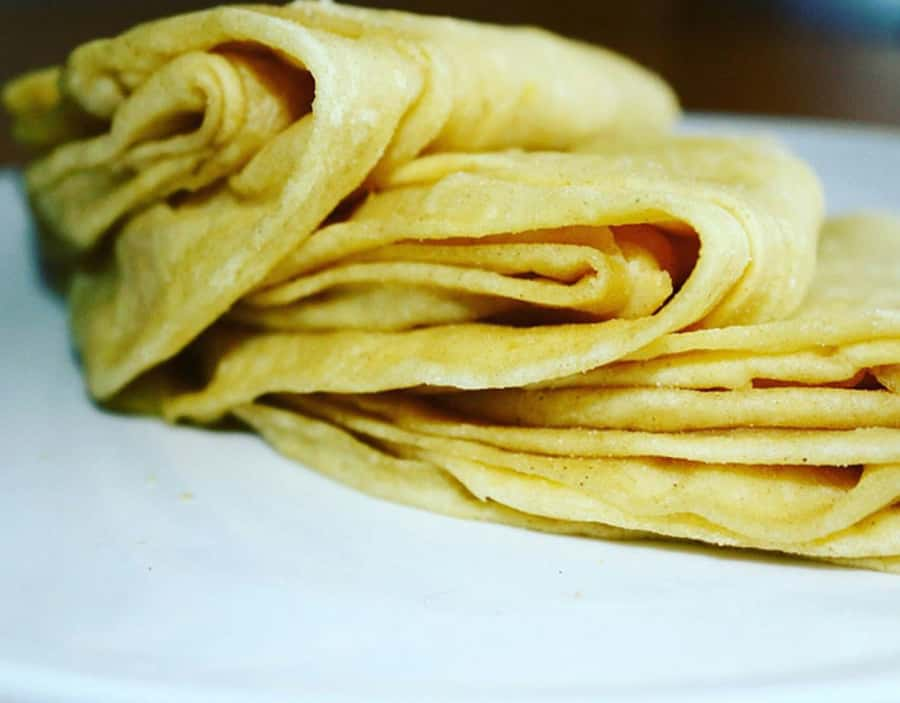
Dholl puri is one of the foods you will want to pay attention to. It is a flatbread made with split peas and commonly connected with the island’s Indian influence. It is filling, so even a modest portion adds up quickly when combined with several other stops.
Jalebis provide a sweet change of pace. These bright, coiled sweets are fried and soaked in syrup, giving them a crisp texture and sugary finish. After spicy or savory bites, they reset your palate, though anyone who prefers restrained desserts may find them very sweet.
The food is served in enough quantity that you should not eat a full meal before arriving. Several people have found the portions ample, with some unable to finish everything. I would treat this as a tasting lunch, not an appetizer before lunch.
The best part of the format is the range. You are not eating eight versions of the same snack. The stops cover different textures, cooking methods, and flavor profiles, and the guide explains what makes each item part of Mauritius rather than simply labeling it.
Most of the food may suit vegetarians, but the tour is not designed for vegans. It also does not cater to gluten-free diets, so you should not book it if avoiding gluten is essential.
Through Port Louis Chinatown

The walk continues through the gates of Port Louis Chinatown, where the food reflects Hakka Chinese influence. This section gives the tour a second clear cultural thread after the market’s Indian and Gujarati connections.
You can expect the guide to explain the connection between the food and the community that brought these cooking traditions to Mauritius. The point is not to treat Chinatown as a separate attraction, but to show how Chinese dishes became part of everyday Mauritian food.
This stop is particularly valuable if you know little about the island before arriving. A plate or snack gives you a simple entry into a much larger subject. Instead of memorizing dates, you can taste how migration and cultural exchange affect daily meals.
The city walk itself also adds value. You see streets and local spots that you might not choose alone, especially if your visit to Port Louis begins and ends at the waterfront. The route offers a more ordinary view of the capital, though you should keep your attention on the pavement as well as the buildings.
Same city, another round of plates:
- Dubai: Old Town, Souks, Street Food, Guided Tour & Abra Ride
★ 4.9 · 7,170 reviews - Naples: Street Food Walking Tour with Local Guide
★ 4.9 · 4,976 reviews - Small Group Hanoi Street Food Tour with a Real Foodie
★ 5.0 · 4,682 reviews - Rome: Street Food Tour with Local Guide
★ 4.8 · 4,077 reviews
A history walk as well as a food tour
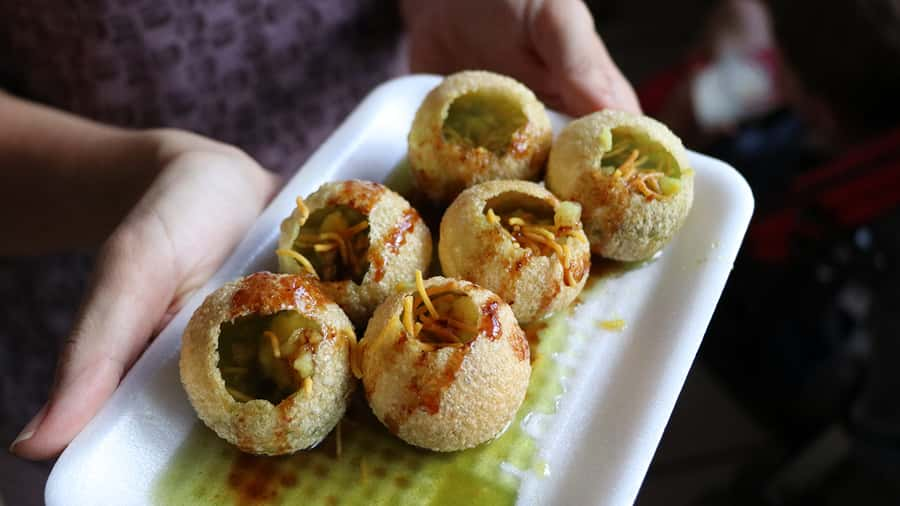
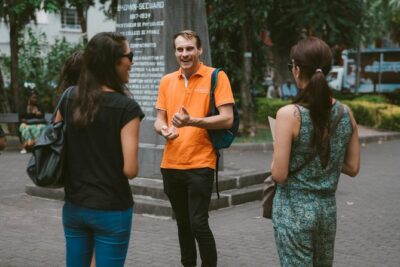
The strongest guides do more than point at each dish. Christopher and Christophe have been praised for explaining how Mauritian history shaped the food, while Sailen has been praised for his city and food knowledge.
That background changes the experience. You begin to see the food as evidence of movement, settlement, trade, and family tradition. A stop at the market is no longer just a chance to eat a fried snack. It becomes a way to understand why certain ingredients, techniques, and flavors are common in Mauritius.
Some departures have included a museum visit as part of the city walk. Since the information describes this as part of the experience on some occasions rather than a fixed promise for every departure, I would not book solely for the museum. The reliable feature is the guided walk through Port Louis, with food and cultural explanation at its center.
The tone also appears relaxed rather than rushed in most cases. One person described the experience as a fast three hours in hot, humid conditions, even though the listed duration is two hours. That may reflect the pace of a particular outing, but it is a useful warning for anyone who struggles in heat.
Heat, pavement, and the practical side of the walk
Port Louis can be hot, and humidity makes a two-hour walk feel longer. Bring or wear a hat, apply sunscreen, and use comfortable shoes with good support. You receive a bottle of water, but you should still arrive prepared for outdoor conditions.
The tour runs rain or shine. That gives you a dependable plan, but it also means you need to accept that weather may affect your comfort. Light rain can make uneven pavement more awkward, while strong sun can make the market and street portions tiring.
Footpaths are another consideration. The route includes city streets and sidewalks that may be uneven or crowded. If you like slow photography stops, this may not be the ideal sightseeing tour. The focus is on moving between food stops and listening to the guide, not on lingering at every corner.
The activity is wheelchair accessible, which is important to know, though the practical experience can still depend on street conditions and the pace of the group. If you have mobility concerns, confirm the route details before booking.
Is $70 a fair price?
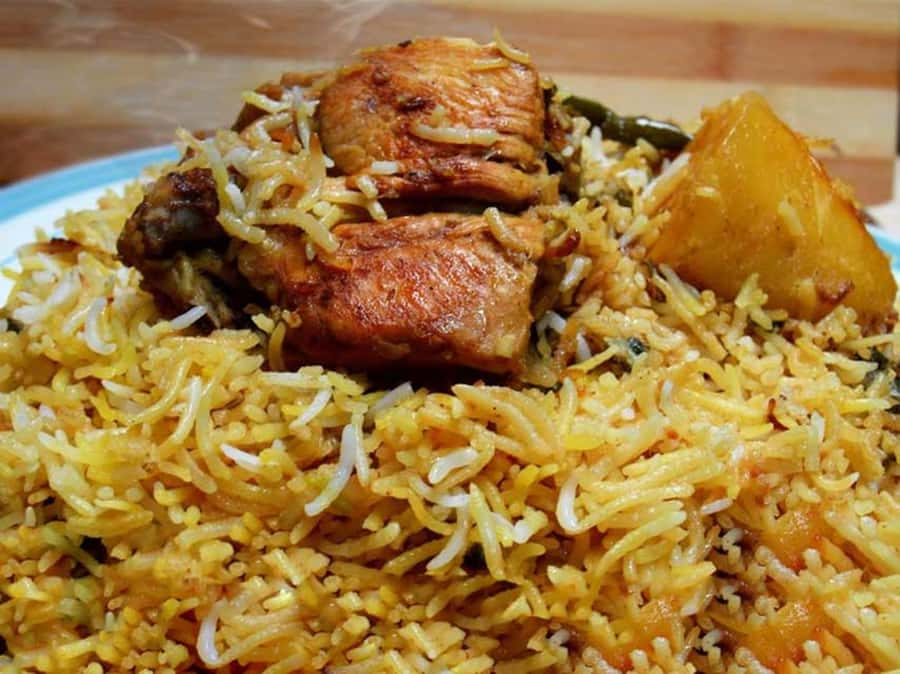
At $70 per person, this is not the cheapest way to eat in Port Louis. You could spend much less buying individual snacks at local stalls, especially if you already know what to order and where to go.
The value comes from the combination of food, orientation, and interpretation. You receive about eight tastings, a bottle of water, a two-hour guided walk, and access to local food places that may be difficult to identify on your own. You are also paying to avoid guessing what a dish is, how to eat it, or which cultural tradition it represents.
For a first visit to Port Louis, I think the price can make sense, especially if you consider the tastings a substantial meal. It is less compelling for repeat visitors who already know the market and Chinatown, or for anyone mainly looking for a low-cost lunch.
The small group matters here. With up to 10 people, the guide can check that everyone is following, explain unfamiliar food, and answer questions without turning the walk into a large procession. Some departures may be smaller still, which makes it easier to hear and keep pace.
There is no hotel pickup or drop-off, so you need to reach Le Caudan Waterfront on your own. That is simple enough if you are already in Port Louis, but you should include your transport cost when judging the full price.
Who will enjoy this experience most?
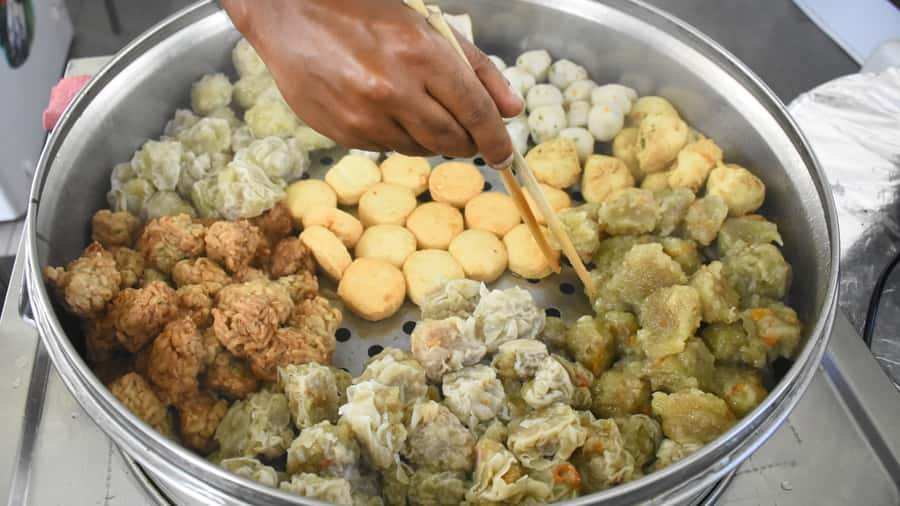
I would recommend this tour to first-time visitors who want an introduction to Port Louis without spending half a day on a formal sightseeing program. It suits curious eaters who enjoy trying unfamiliar dishes and asking why they are part of local culture.
It is also a good choice for couples, friends, and solo visitors who prefer the safety and ease of a guide in a busy city. The small-group setup gives you company without the feel of a large bus tour.
Families with older children may also enjoy the food and short duration, provided everyone is comfortable walking in heat and around uneven paths. The activity is not suitable for people over 95, according to the stated restrictions.
I would skip it if you are vegan, gluten intolerant, or unwilling to eat fried food and sweets. I would also think twice if hot weather makes walking unpleasant for you. A food tour should leave you curious, not exhausted.
How to get the most from the two hours

Eat lightly beforehand. The combination of dholl puri, fried split-pea bites, jalebis, and other tastings is more filling than the word tasting suggests.
Wear shoes you can walk in for the full route. Bring sunscreen and a hat, and keep your schedule flexible enough that you do not need to rush away immediately after the final stop.
Ask questions about ingredients and preparation. The guides have been especially valued for explaining how dishes are made, and that information can be as useful as the tasting itself. If you enjoy cooking, take mental notes, because some of the preparation methods are simple enough to try at home.
I would also schedule this early in your Port Louis visit if possible. The walk can help you decide what foods you want to try again and which parts of the city deserve another look. It gives you a practical first orientation rather than only a list of attractions.
Should you book the Port Louis street food walk?
Book it if you want a food-led introduction to Mauritian culture, especially on your first day in Port Louis. The strongest reasons are the eight tastings, the market and Chinatown route, the small group, and guides such as Christopher, Christophe, and Sailen who connect food with history.
Do not book it for a quiet, air-conditioned outing or a strict dietary menu. The streets can be hot, the pavement uneven, and the food is not suitable for vegans or people avoiding gluten.
For most curious eaters, the $70 price is reasonable because it combines a generous amount of food with local context and city orientation. Arrive hungry, wear sensible shoes, and let the market snacks introduce you to Mauritius one bite at a time.
FAQ
Where does the Port Louis street food tour meet?
The meeting point is in front of the casino, opposite Café LUX at the Caudan Waterfront in Port Louis.
How long does the tour last?
The listed duration is two hours. Starting times vary, so you should check availability when booking.
How many food tastings are included?
The tour includes approximately eight food tastings.
What foods might I try?
The advertised foods include jalebis, dholl puri, and gâteau piment, along with Chinese-influenced dishes in Port Louis Chinatown.
Is hotel pickup included?
No. Hotel pickup and drop-off are not included, so you need to reach the meeting point yourself.
Is the tour available in English?
Yes. The live guide can conduct the tour in English or French.
Is the tour suitable for vegans or people with gluten intolerance?
No. The tour does not cater to vegan or gluten-free diets, and it is not suitable for people with gluten intolerance.
What should I bring?
Bring comfortable shoes, a hat, and sunscreen. A bottle of water is included, and the tour runs rain or shine.
Newly added plates around the world
- Zanzibar:Stone town Street food market walking tour,transfer★ 4.5 · 9 reviews
- Zanzibar: Stone town visit, Shopping tour &Night food Market★ 4.4 · 2 reviews
- Xi’an Muslim Quarter Night Market Foodie Walking Tour★ 4.2 · 22 reviews
- Xi’an: Gourmet & Street Food Tour★ 4.8 · 22 reviews
- Zanzibar: Stone town tour, Prison island & night food market★ 4.5 · 2 reviews
- Verona: Street Food and History Tour with Local Guide★ 4.7 · 6 reviews
- Vienna Food Tour: Dishes, Wine, Street Food & Culture★ 4.7 · 12 reviews
- Verona: City Highlights & Street Food Walking Tour★ 5.0 · 3 reviews
Port Louis Street Food Tours, compared.

Mauritius: Snorkeling with Turtles & Port Louis Street Food
Read our review →
Port Louis: Private Guided Tour and Street Food Tasting
Read our review →

Browse the lists this tour appears in