
REVIEW · HUE STREET FOOD TOURS
Hue Street Food Walking Tour with Local Dishes
Hue’s best food lesson may come on a small plastic stool, with a plate of steamed rice cakes in front of you and a local guide explaining how each one is different. This three-hour walking tour takes you from Hàng Me Mẹ to neighborhood food stalls and restaurants for a broad taste of Hue cooking.
I like the way the tour covers both savory staples and sweets, rather than stopping at one famous bowl of noodles. I also like the human side: guides such as Ruby and Rosa explain food customs, answer questions in English, and help you try dishes you might otherwise pass by.
The main consideration is simple: you need to walk between stops, and the amount of food is generous. One person found the tour a little pricey at $34, though still worth it for the number of dishes and the guide. If a knee problem leads you to request a last-minute cyclo change, the route and food stops may be different.
Key points at a glance
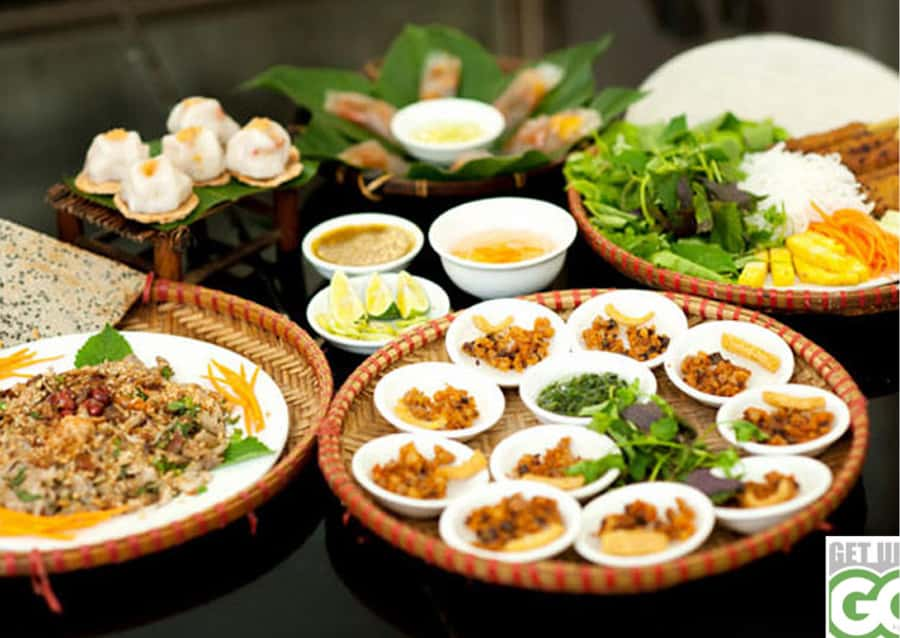
- Four Hue cakes at Hàng Me Mẹ: Try bánh bèo, bánh nậm, bánh lọc, and bánh ram ít in one sitting.
- A full local menu: The food includes bún hến, bún bò Huế, bánh khoái, Chè Huế, and Chè Cung Đình Huế.
- English-speaking local guidance: Ruby and Rosa have led the experience, with food, customs, and some Hue culture explained along the way.
- Food is included: The $34 price covers the dishes listed, so you can focus on tasting rather than ordering each plate yourself.
- Walking is part of the experience: Wear comfortable shoes and tell the provider about allergies or dietary needs before starting.
- A strong food-focused record: The experience has a 4.9 rating from 14 reviews, with repeated praise for the selection, the hosts, and the chance to try unfamiliar local dishes.
Starting at Vua Da and finding Hue on foot
The tour begins at Vua Da, then moves through Hue on foot. The point is not only to eat, but to connect the stops into a picture of everyday local cooking. Your English-speaking Vietnamese food enthusiast guide leads the way, introduces the dishes, and helps explain what you are eating.
That guidance matters in Hue. Several dishes have similar ingredients, but their texture, shape, and serving style are quite different. A visitor looking at a menu alone could easily confuse them. With a guide beside you, the meal becomes a lesson in rice flour, tapioca, shrimp, pork, herbs, fish sauce, coconut milk, and the balance of sweet and salty flavors.
The walking also gives the tour a more local rhythm than a restaurant meal. You move from one food stop to another, see the streets between them, and meet vendors where people actually eat. The route is not designed as a major sightseeing walk, so you should book it for the food rather than expect a full tour of Hue’s monuments.
The tour lasts about three hours. That is long enough for a proper tasting route without taking an entire day from your schedule. Since the food comes at several stops, avoid arriving after a large meal. You may need room for more than you expect.
More street food tours in Hue:
- Hue Flavor Street Food Tour
★ 5.0 · 250 reviews - Hue Street Food Tour At Night By Scooter
★ 5.0 · 140 reviews - Half-Day Guided Street Food Walking Tour at Hue
★ 5.0 · 116 reviews
Four classic cakes at Hàng Me Mẹ
The first substantial stop is Hàng Me Mẹ, known for traditional Hue cakes. You taste four varieties, each built around a small portion of rice or tapioca but finished in a different way.
Bánh bèo, or water fern cake, is a soft rice cake topped with dried shrimp, crispy pork skin, scallion oil, and a savory dipping sauce. It is small but layered in flavor. The steamed rice base is mild, while the shrimp and pork skin add salt and crunch.
Bánh nậm is a flat steamed rice dumpling with shrimp and pork. It is steamed in a banana leaf, which gives the serving a traditional look and makes the texture soft and delicate. This is a good example of how Hue turns a few basic ingredients into something precise and refined.
Bánh lọc uses tapioca rather than rice flour. Shrimp and pork are wrapped in banana leaf, then served with a slightly saltier fish sauce. The tapioca gives the dumpling a chewier texture, so it provides a clear contrast with bánh nậm.
Bánh ram ít combines a sticky rice cake with a crispy fried base and dried shrimp. It may be the most texturally playful of the four, with soft and crunchy parts in the same bite.
This opening stop is a strong reason to book the tour. Ordering four types of Hue cake on your own is possible, but you would need to know what to ask for and how much to order. Here, you can compare them without committing to full portions at several separate restaurants.
If you do not eat pork or shrimp, tell the guide before the tour starts. The standard menu contains both, and vegan or vegetarian choices may be limited.
Bún hến, a bowl with plenty going on
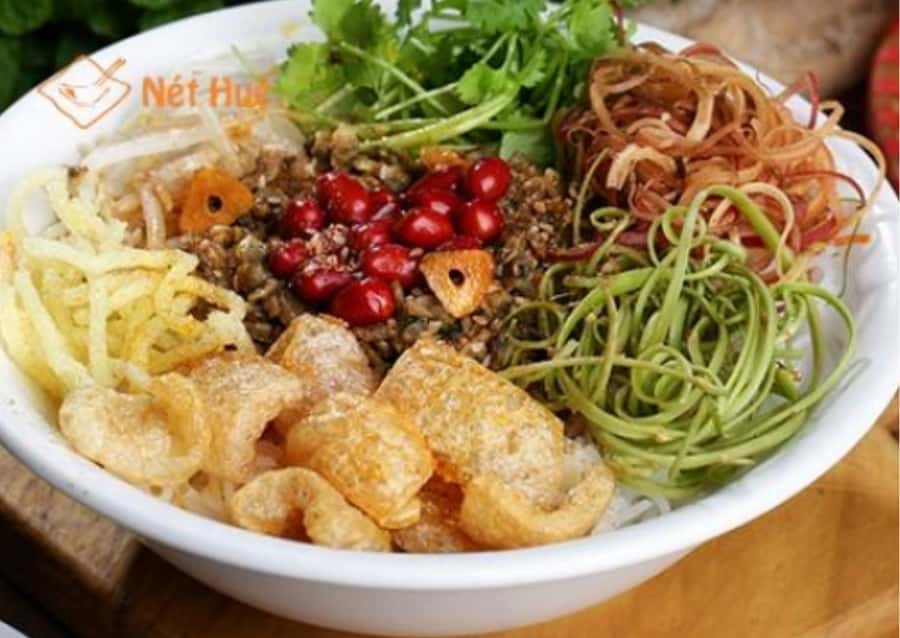
Next comes bún hến, a Hue specialty made with noodles and baby mussels. The bowl also includes fresh herbs, vegetables, peanuts, and fish sauce.
This is a useful stop because it shows a different side of Hue food. The dish is not built around a large piece of meat or a thick broth. Instead, the mussels, noodles, herbs, vegetables, peanuts, and fish sauce create a mixed bowl with several textures and tastes.
The baby mussels give the dish its main savory note. Fresh herbs and vegetables keep it from feeling heavy, while peanuts bring crunch. Fish sauce ties the components together. Your guide can help you understand how to mix the ingredients and what to notice in each mouthful.
Bún hến is also a good test of how adventurous you want to be. The flavor combination may be unfamiliar if your usual Vietnamese order is pho or a simple noodle dish. That is exactly where the guide is useful. You are not left guessing what sits in the bowl or how locals usually eat it.
Chè Huế brings sweetness into the route
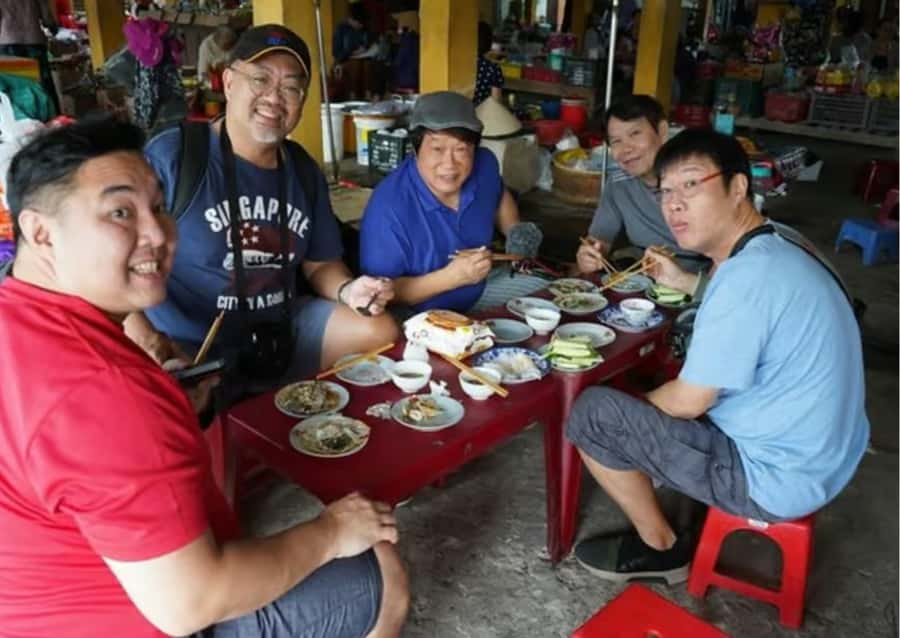
After the savory dishes, the tour stops at a dessert shop for Chè Huế. Chè is a sweet soup rather than a single fixed recipe. This version may include beans, taro, sweet potatoes, coconut milk, and tapioca pearls.
The range of ingredients gives the dessert an appealing mix of soft, creamy, chewy, and starchy textures. Coconut milk adds richness, while the beans and root vegetables make it more substantial than a light drink. Tapioca pearls provide the familiar chew.
This stop also helps you see how Vietnamese desserts differ from Western cakes and pastries. Chè is assembled from separate ingredients, and the balance can be more about texture than sharp sweetness. It is a welcome change after fish sauce, shrimp, and spicy broth.
If you prefer savory food, do not dismiss this as an unnecessary extra. The two dessert stops are part of what makes the tour feel like a picture of Hue eating habits rather than a list of famous main dishes.
Same city, another round of plates:
- Hue Authentic Street Food tour
★ 5.0 · 67 reviews - Hue Food Tour: Central Vietnam Culinary Heritage (Small Group)
★ 5.0 · 42 reviews - Hue: Night Street Food Tour by Cyclo with a Local Guide
★ 4.7 · 28 reviews - Hue Street Food On Foot (Daily Tour – Group Tour | 12 pax max)
★ 5.0 · 15 reviews
Bún bò Huế at Quán Cẩm
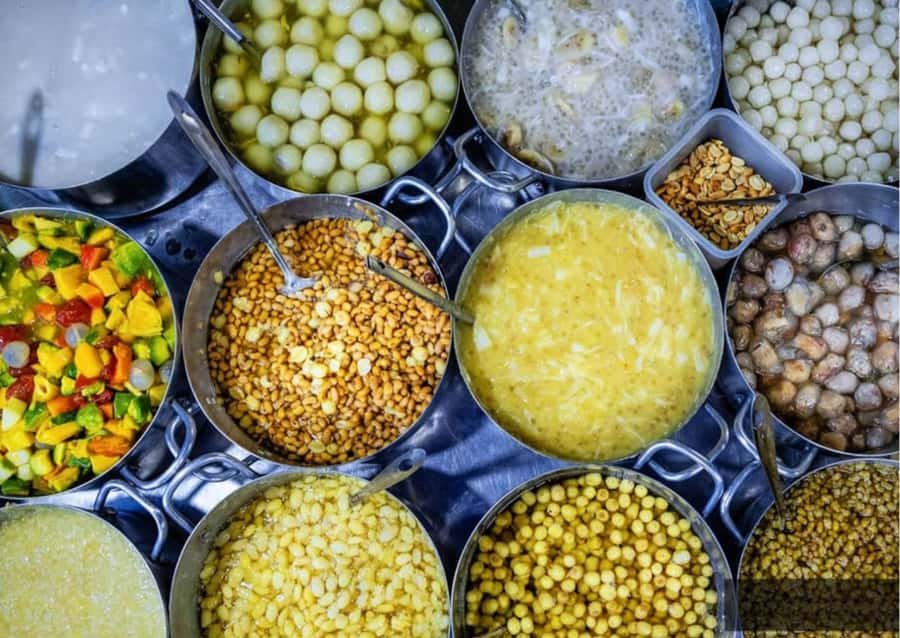
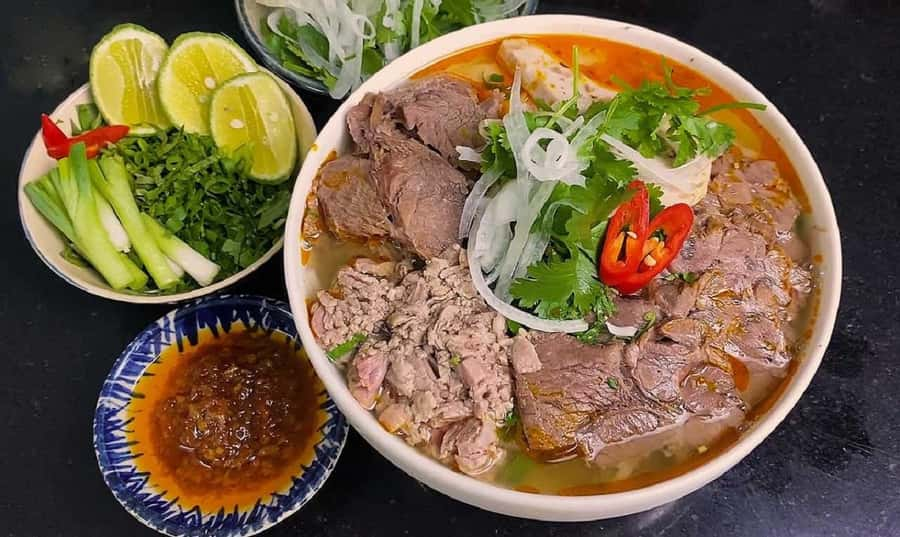
At Quán Cẩm, you try bún bò Huế, the city’s famous spicy beef noodle soup. The serving includes noodles and a hot, seasoned broth, with pork or crab meat included according to the food description.
This is the dish most associated with Hue, so it deserves a proper place in the route. Compared with the lighter rice cakes and mixed bún hến, bún bò Huế gives you a stronger, more filling bowl. The spice and seasoning make it especially useful for understanding Hue’s preference for bold flavors.
The exact level of heat can be important. If you are sensitive to spice, ask your guide for help before eating. The tour is designed for tasting, not for proving how much chili you can handle.
Because the route includes several more dishes, you may not receive a huge bowl or may find yourself eating slowly. That is an advantage in one sense. You can taste the soup without letting it fill you too early, then continue to the next stop.
Crispy bánh khoái at Lạc Thiện Restaurant
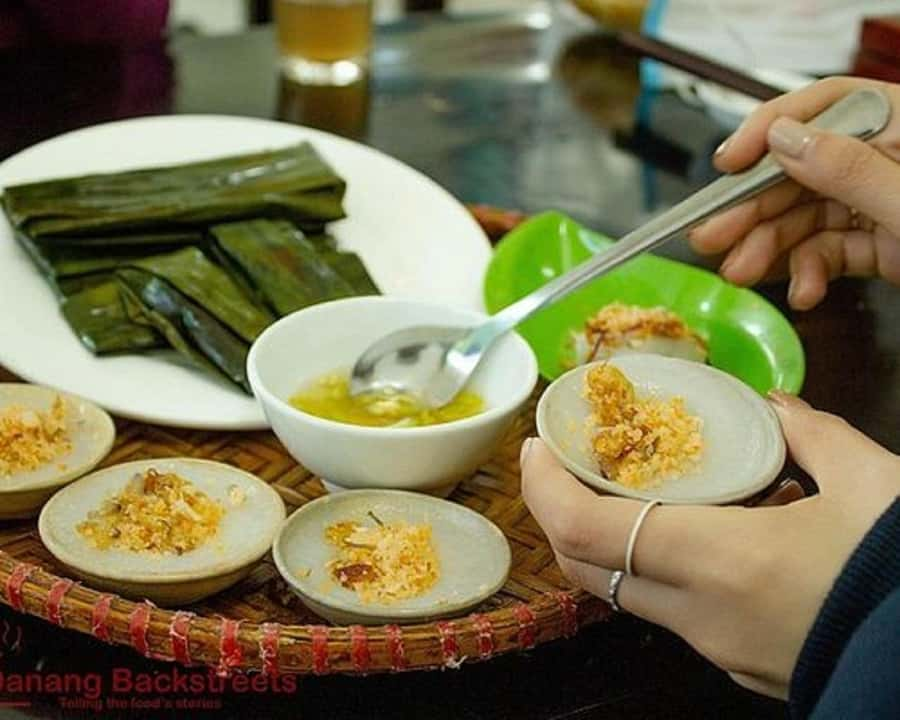
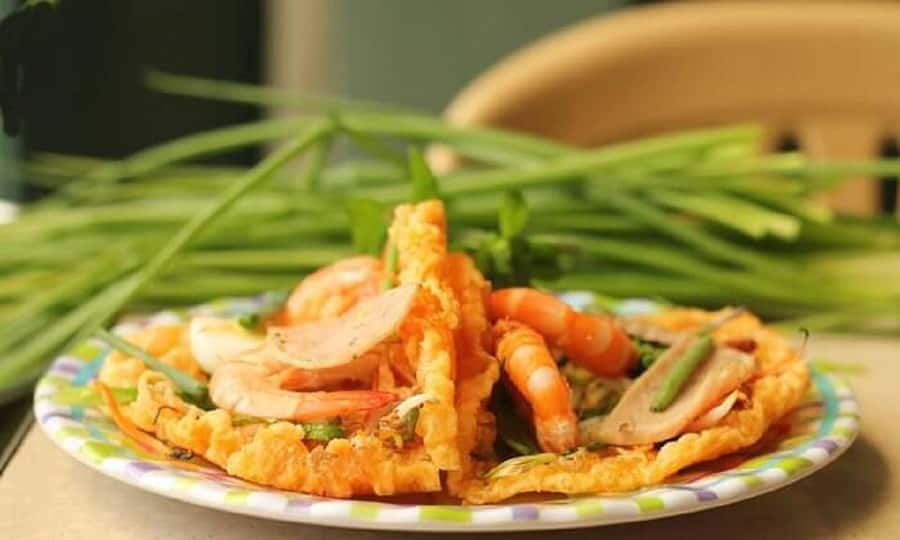
The next stop is Lạc Thiện Restaurant for bánh khoái, a crispy rice pancake filled with shrimp and pork. It is served with fresh herbs and a sesame-peanut sauce.
The pancake gives the route another change in texture. After soft dumplings, noodles, soup, and sweet soup, the crisp exterior makes the meal feel lively again. Fresh herbs help cut through the fried element, while the sesame-peanut sauce adds a nutty sweetness.
This dish is easy to mistake for other Vietnamese pancakes, but the sauce and serving style give it a Hue identity. Let the guide show you how the components are meant to work together. The best bite is not simply the pancake by itself, but the combination of crisp batter, filling, herbs, and sauce.
At this point, you may be close to full. That is worth planning for. The food is not a token sample at each stop, and one person found there was so much to eat that finishing everything was difficult. Small bites are the sensible approach.
Chè Cung Đình Huế, a royal-style finish
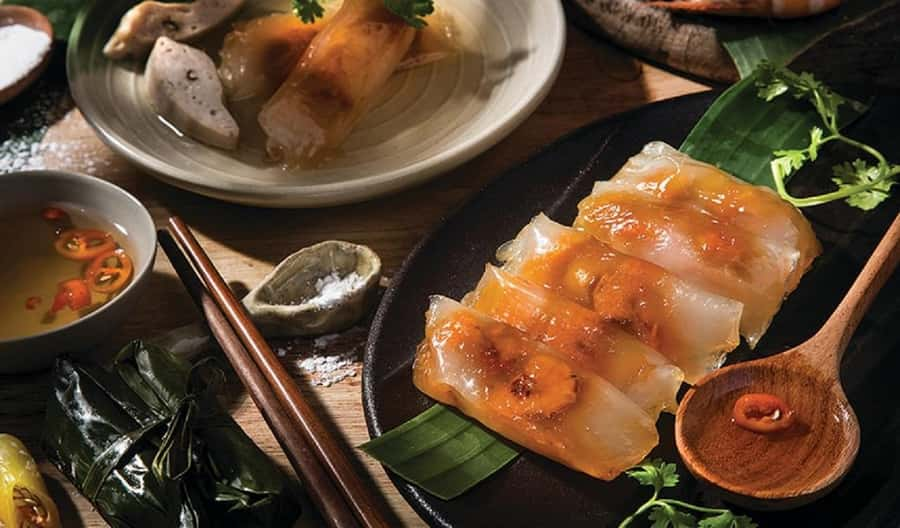
The final food stop is Chè Cung Đình Huế, described as a royal-style sweet soup. It includes beans, sticky rice, banana, and tapioca balls.
This dessert is distinct from the earlier Chè Huế because the ingredients and presentation offer another combination of textures. Sticky rice makes it more filling, banana adds softness and fruitiness, and tapioca balls provide chew. It is a cooling finish after spicy soup and fried pancake.
The name refers to Hue’s royal culinary tradition, but you should view this as a taste of that style rather than a formal palace meal. The tour remains casual and street-food focused, with local shops and everyday food stops doing most of the work.
The tour ends at the last food stop. That is convenient if you want to continue exploring from there, but it means you should not expect a return to Vua Da. Plan your next move before you begin, especially if you have a timed evening booking.
What the $34 price buys you
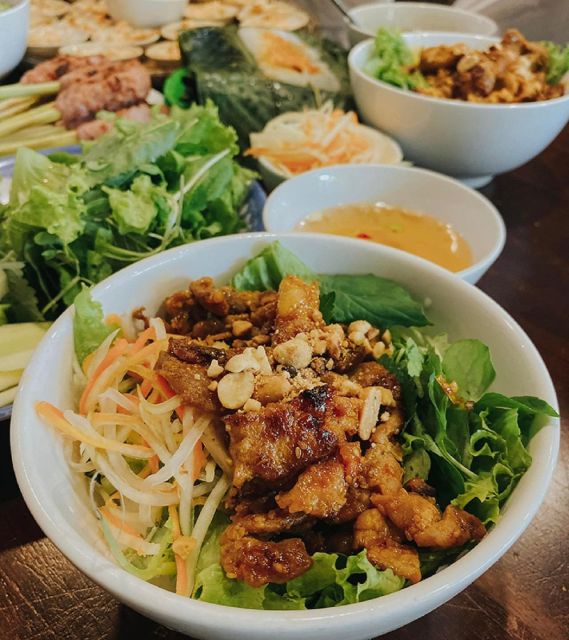
At $34 per person, this is not the cheapest way to eat in Hue. Local dishes can cost very little when ordered one at a time, and a confident eater could visit some stalls independently.
The value comes from the range and the guidance. You are tasting four Hue cakes, bún hến, Chè Huế, bún bò Huế, bánh khoái, and Chè Cung Đình Huế. The listed dishes are included, so you are not repeatedly opening your wallet or worrying about ordering the wrong quantity.
You also pay for the route through several different food settings and for an English-speaking guide who can explain unfamiliar ingredients. Ruby has been praised for balancing information with time to enjoy the meal, while Rosa has been described as strong on food and customs. That kind of help is particularly useful on a first day in Hue.
The price makes more sense if you want variety and cultural explanation. It makes less sense if you only want a cheap bowl of bún bò Huế or if you already know Hue’s food scene well.
Guides, pace, and practical limits
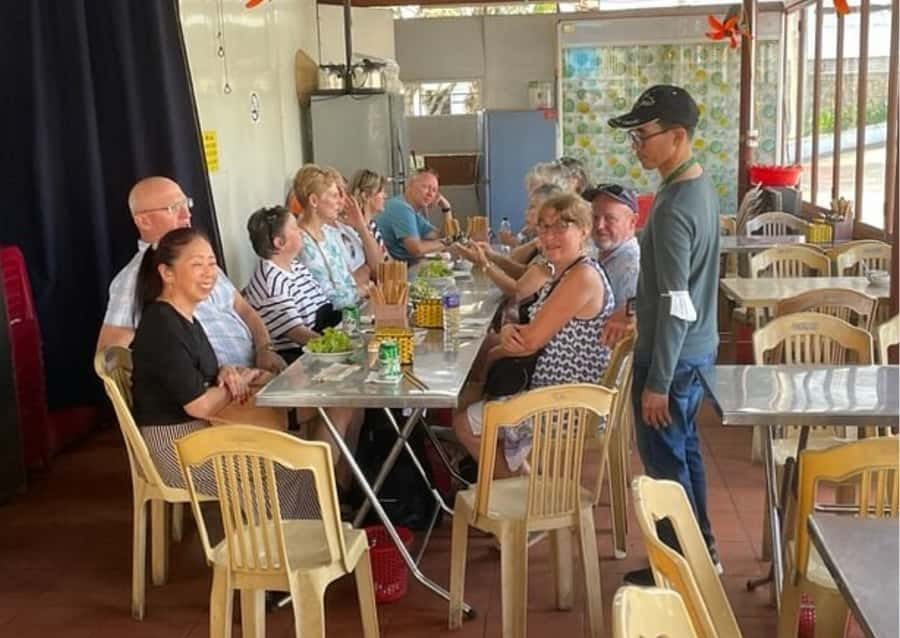
The available guiding is in English. Ruby is the guide named most often in the supplied information, and Rosa has also led the route. Both are associated with clear explanations and a friendly approach, but the exact guide for your departure is not guaranteed.
The pace is described as relaxed, with space to eat and listen. Still, this is a food walk, not a slow architectural tour. You will need to move between stops, stand or sit at local food places, and keep going even as the meal gets larger.
Wear comfortable shoes and loose clothing. There is no stated group size, so do not assume the experience is private. If you have food allergies or dietary restrictions, tell the provider before the tour starts. This matters because shrimp, pork, fish sauce, peanuts, coconut milk, and other common ingredients appear across the route.
Vegetarian and vegan choices may be limited. Pets are not allowed.
One practical warning comes from the tour’s walking format. A person who changed to a cyclo because of a knee injury ended up visiting only two of the advertised food stops and spent more time on a cyclo ride and a boat folk-singing activity. That alternative may be enjoyable, but it is not the same food experience. If you need transport instead of walking, confirm the arrangement before departure.
Who should book this Hue food walk?
I would choose this tour if you want to try many local dishes in one sitting and prefer having someone explain what is in front of you. It suits first-time visitors, food-focused couples, and anyone who wants an easy introduction to Hue cooking without researching every stall.
It is also a good choice for cautious eaters who want to try unfamiliar dishes with guidance. The menu includes seafood, pork, spicy soup, herbs, peanuts, and sweet soups, so you get a broad sense of the city’s flavors.
I would think twice if you have major dietary restrictions, dislike walking, or want a small meal. The menu is fixed enough that substitutions may be limited, and the quantity can be substantial.
The experience has a 4.9 rating from 14 reviews, with repeated praise for the food selection, friendly hosts, clear English, and cultural explanations. The one clear warning is the price, plus the risk of a changed route if you request a cyclo at the last minute.
Should you book it?
Book this Hue street food tour if you want a guided introduction to local dishes and value variety more than the lowest possible meal cost. The best part is the range: four traditional cakes, two styles of chè, bún hến, bún bò Huế, and bánh khoái in about three hours.
Skip it if you want to wander alone, avoid most seafood and pork, or cannot manage the walking. For everyone else, $34 is a fair price for a meal-heavy introduction led by a local English-speaking guide, especially at the start of your time in Hue.
FAQ
Where does the Hue street food tour start?
The tour starts at Vua Da in Hue, Vietnam.
How long does the food tour last?
The tour lasts three hours.
What food is included?
Included dishes are four Hue cakes at Hàng Me Mẹ, bún hến, Chè Huế, bún bò Huế, bánh khoái, and Chè Cung Đình Huế. All dishes listed in the itinerary are included in the price.
Is the tour conducted in English?
Yes. The tour includes a live English-speaking Vietnamese food enthusiast guide.
Is walking required?
Yes. You walk between the food stops, so comfortable shoes are advisable.
Can I request vegetarian or vegan food?
You should inform the provider about allergies or dietary restrictions before the tour. Vegetarian and vegan options may be limited.
Newly added plates around Hue
- Hue Food Tour: Central Vietnam Culinary Heritage (Small Group)★ 5.0 · 42 reviews
- Hue Night Walking And Street Food Tour★ 5.0 · 2 reviews
- Hue Street Food On Foot (Daily Tour – Group Tour | 12 pax max)★ 5.0 · 15 reviews
- Walking street food tour★ 4.5 · 7 reviews
- Hue Night Tour: Cyclo, Street Food & Folk Music on Perfume River★ 4.5 · 2 reviews
- E biking Night Street Food Tour with Local Guide★ 5.0 · 4 reviews
- Hue Night Street Food Safari By Cyclo★ 5.0 · 11 reviews
- Hue Walking Street Food Tour★ 5.0 · 6 reviews
Hue Street Food Tours, compared.

Half-Day Guided Street Food Walking Tour at Hue
Read our review →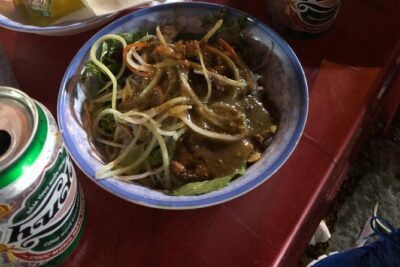
Hue Food Tour: Central Vietnam Culinary Heritage (Small Group)
Read our review →
Night Street Food Tour by Cyclo with a Local Guide
Read our review →
Hue Street Food On Foot (Daily Tour – Group Tour | 12 pax max)
Read our review →
Browse the lists this tour appears in