REVIEW · TOURS
Cape Town: Local street food tour
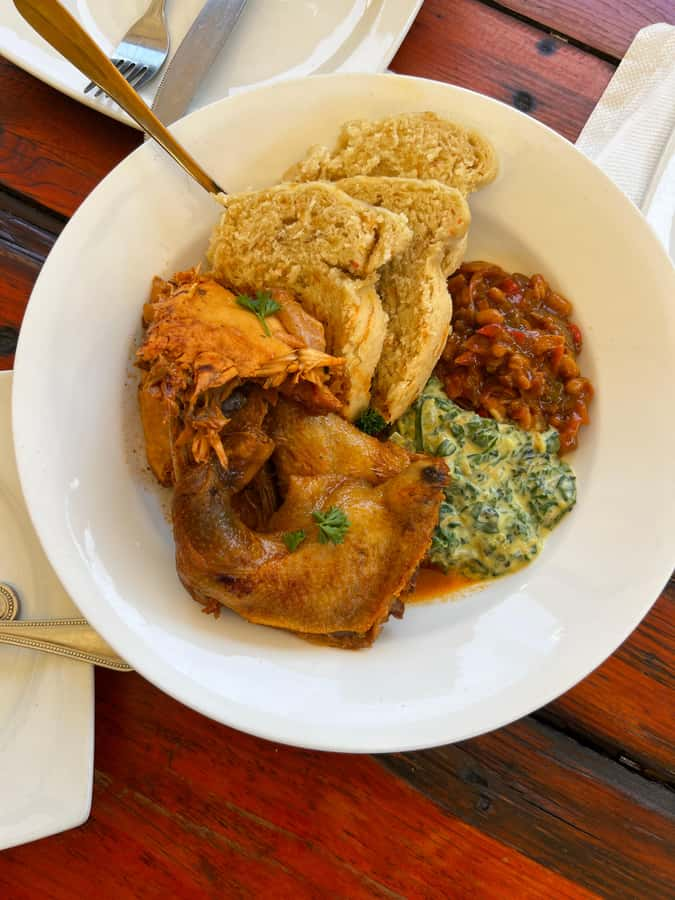
Langa’s food tells its story one bite at a time. On this three-hour walking tour, you move through the township with a local guide, stopping for familiar South African dishes while hearing about Langa’s past, people, culture, and hopes for the future. It is less a restaurant crawl than a guided introduction to daily life, served in small plates and street-side portions.
I like two things here: the food is local, not a polished hotel version of South Africa, and the guide brings personal knowledge of Langa into the walk. Guides named Thando, Mzukisi, and uThando have led this experience, with Mzukisi described as Langa-born and raised. The main consideration is that this is a short, focused township tour, so food stops and history come at a fairly quick pace, and the exact dishes may depend on what is available that day.
Key points to know before booking
- Start at Guga S’thebe Cultural Centre: This is both the meeting point and the place where you return after the walk.
- Expect about 105 minutes of guided touring: The first part focuses on Langa, its history, people, and culture.
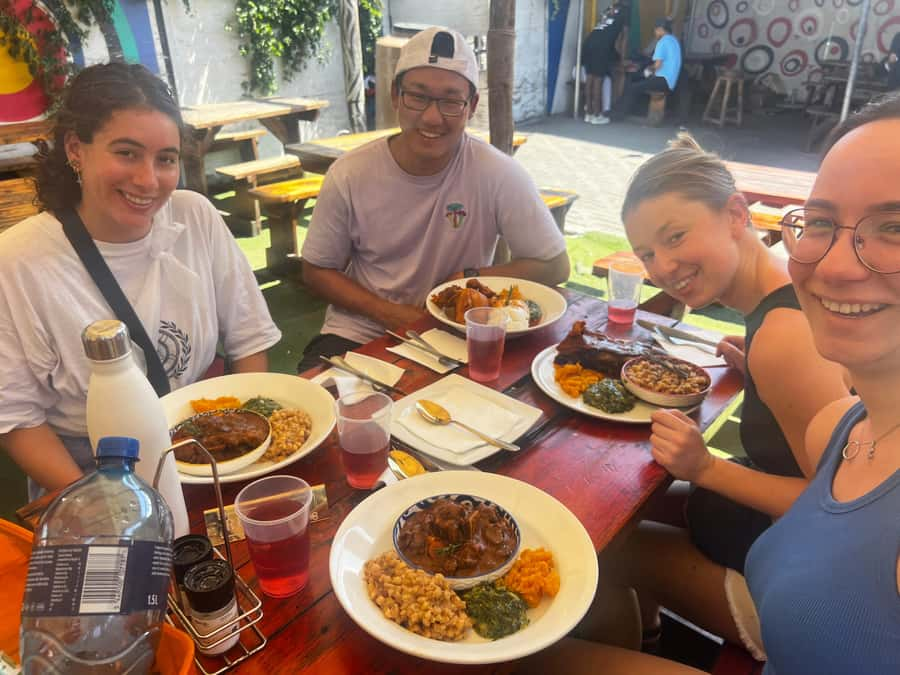
- Plan on about 70 minutes of tasting: The food portion includes several South African street-food favorites rather than one large meal.
- Look for bunny chow and boerewors rolls: These are hearty local staples with Indian and South African influences.
- English-speaking local guides lead the experience: Thando, Mzukisi, and uThando are among the guides associated with the tour.
- The $87 price covers tastings and water: You still need to budget for a tip for your guide.
Why Langa food makes this tour different
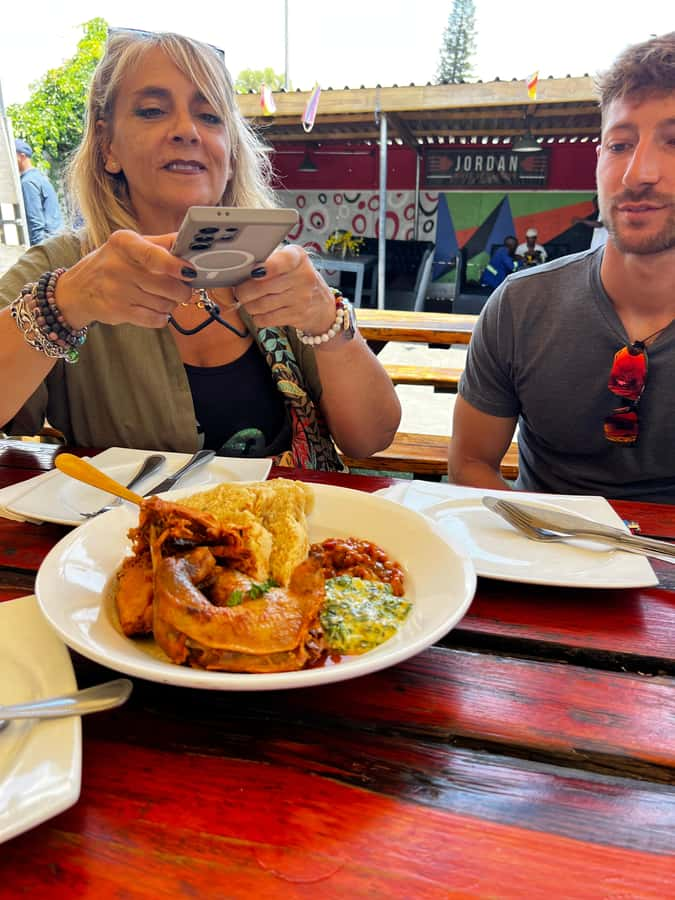
Cape Town has no shortage of food tours, but this one takes you into Langa Township, where food connects directly with family life, local custom, and the area’s story. You are not simply sampling dishes and moving on. Your guide explains what you are eating and how it fits into South African life.
That context matters. A plate of pap and chakalaka may look simple, but it represents everyday home cooking. A boerewors roll speaks to the country’s love of grilled meat. Bunny chow reflects the influence of Indian cooking and has become one of South Africa’s best-known comfort foods.
I also like the social side of the experience. The stated aim is to meet local people, and the walking route gives you opportunities to see food being prepared and sold in the community. You are encouraged to listen, ask questions, and treat the township as a lived-in place rather than a sightseeing set.
The food is a major reason to book, but the guide is just as important. Thando is described as warm and enthusiastic, while Mzukisi is Langa-born and raised and brings a personal connection to the area. UThando is also praised for being engaging and ambitious. Since guides can vary, your exact experience will depend partly on who leads your tour.
More street food tours in the world:
- Dubai: Old Town, Creek, Museums, Souks, & Street Food Tour
★ 4.8 · 10,816 reviews - Ho Chi Minh City Street Food Tour & Sightseeing By Motorbike
★ 5.0 · 9,413 reviews - Medellin: Comuna 13 Graffiti Tour, Cable Car & Street Food
★ 4.8 · 9,046 reviews
Starting at Guga S’thebe Cultural Centre
The tour begins and ends at Guga S’thebe Cultural Centre. That gives the experience a clear base and makes the meeting point easy to understand when you are planning your day.
From here, your guide leads you into Langa for the township portion of the outing. The guided walk lasts about 105 minutes, followed by roughly 70 minutes of food tasting. The full activity is listed as three hours, allowing time for moving between stops and returning to the cultural centre.
Guga S’thebe is more than a pin on a map for this tour. It provides a cultural setting for an experience that aims to explain Langa rather than simply pass through it. You begin with the guide’s introduction, spend the main part of the tour walking and talking, then return to the same place at the end.
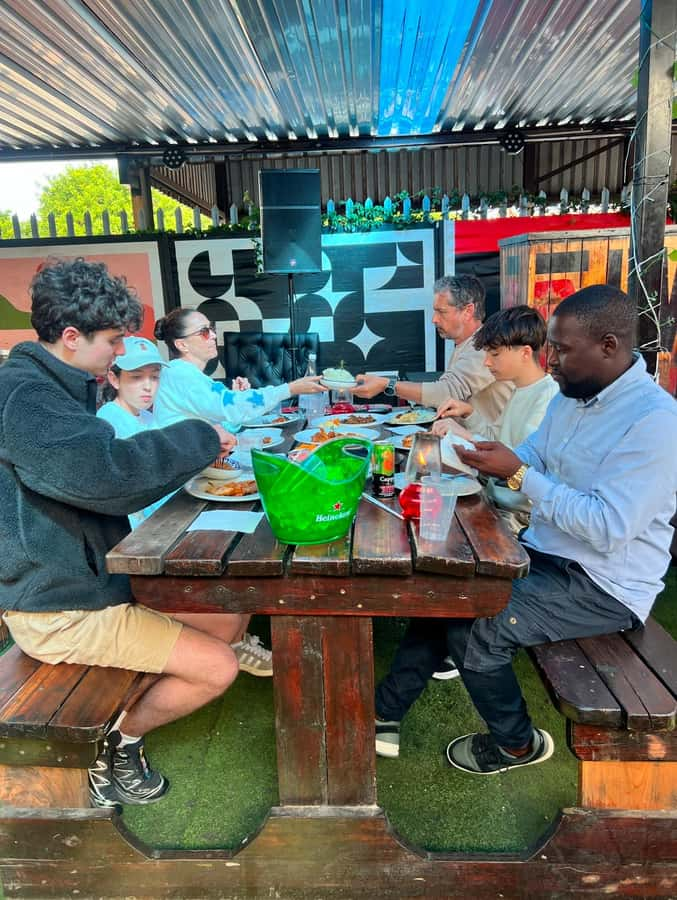
You should arrive ready to walk and ready to eat in stages. This is not a sit-down lunch with one fixed course. It is a series of tastes spread through the tour, so a light breakfast or early meal may be sensible if you are booking it at midday.
The 105-minute walk through Langa
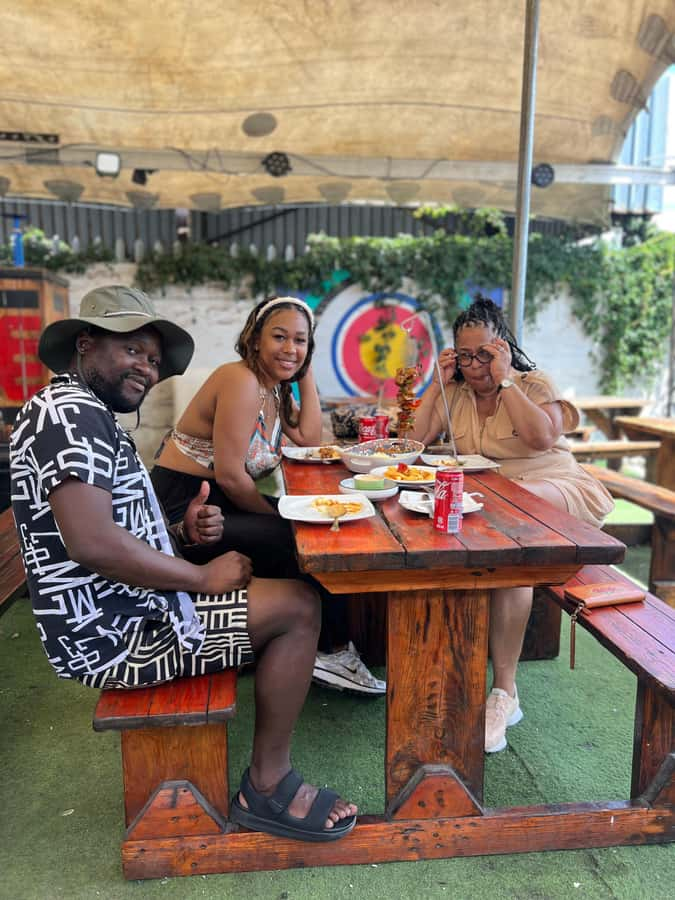
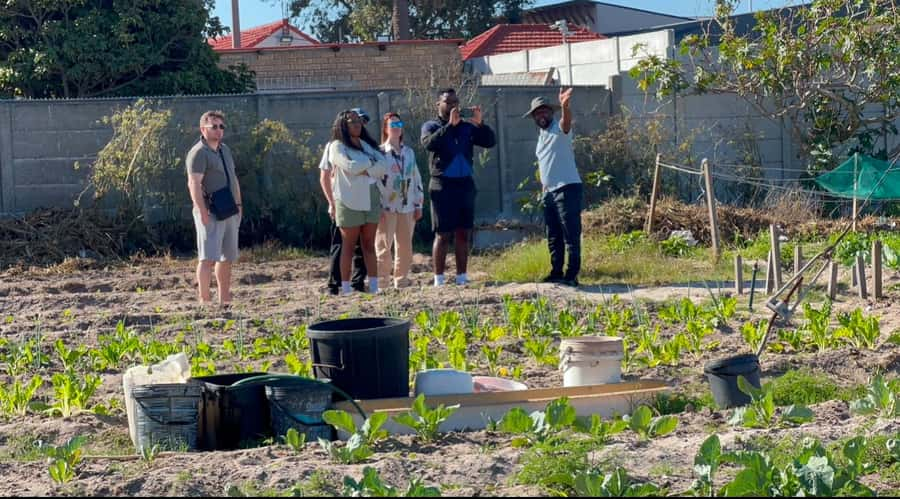
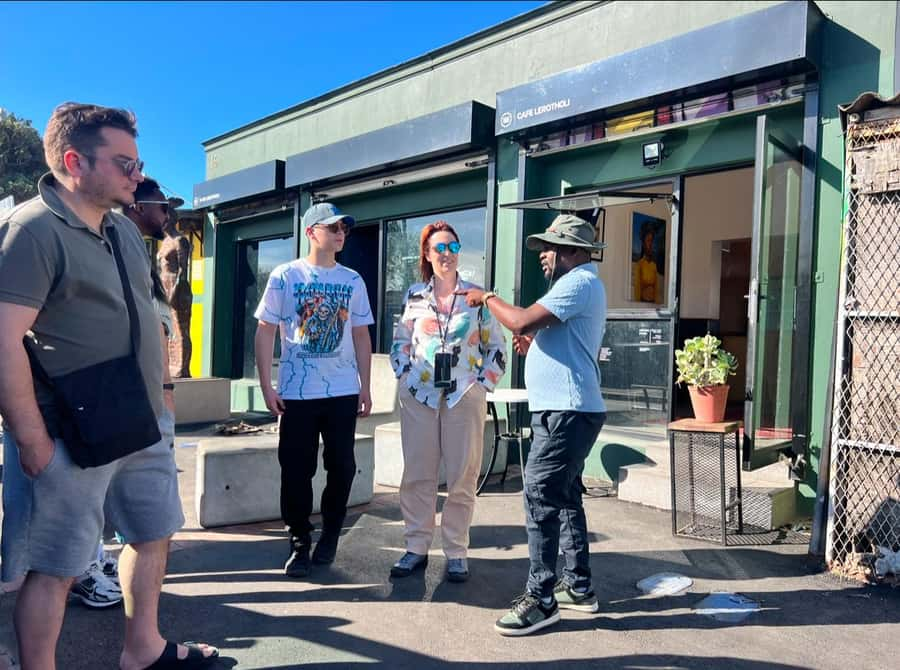
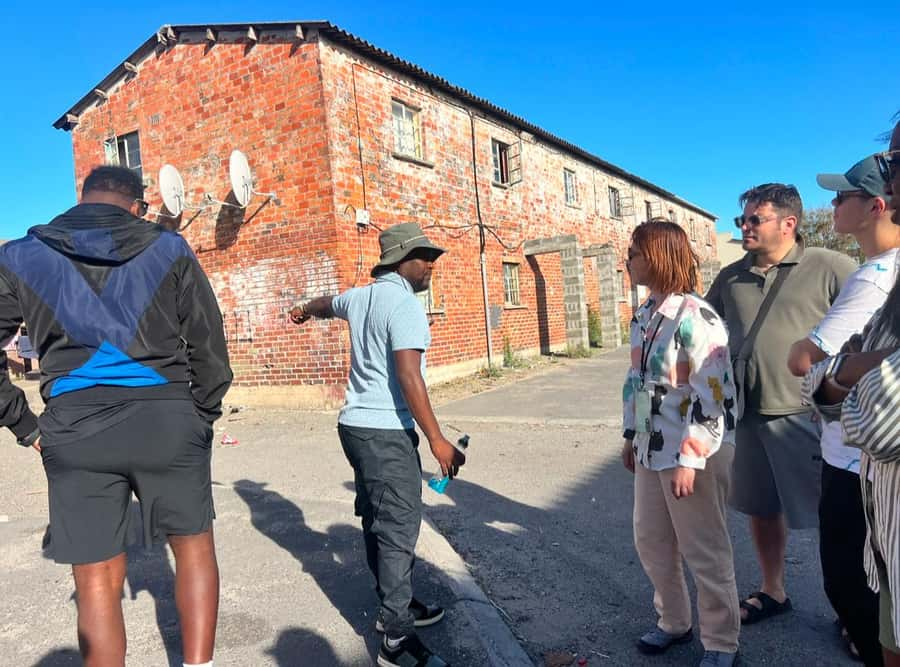
The first major part of the tour is the guided visit through Langa. Your guide discusses the township’s history, culture, residents, and future. The supplied information does not give a fixed list of streets or landmarks, so you should expect the emphasis to be on local explanation and conversation rather than a rigid monument-to-monument route.
That can be a strength. Langa is best understood through the people who live there and the way they describe it. A local guide can explain details that are easy to miss if you only pass through by car or visit a formal museum.
The guides also help you feel at ease. The available feedback repeatedly highlights safety and the guides’ personal approach. One couple said they felt safe throughout the walk with Thando, while Mzukisi was described as both informative and absorbing. Those points matter because a township tour should feel respectful and comfortable, not hurried or voyeuristic.
Still, keep your expectations realistic. This is not a full academic history course, and 105 minutes cannot cover every part of Langa’s past. You will receive a focused introduction, with the guide’s own experiences and priorities shaping the detail.
Ask questions as you go. If you want more information about local customs, food preparation, or the township’s future, this is the time to bring it up. The tour is conducted in English, so you can take part in a direct conversation rather than relying on written explanations.
Bunny chow, a meal in a loaf of bread
Bunny chow is one of the most memorable foods on the menu. It consists of a hollowed-out loaf filled with curry, often made with lamb, chicken, or vegetables. The bread soaks up the sauce, making this a filling dish that is eaten with the hands.
Its importance goes beyond novelty. Bunny chow grew from Indian culinary influence in South Africa and is now firmly part of the country’s food culture. Tasting it in Langa gives you a chance to try a dish that links different communities and traditions.
Because it can be spicy and substantial, bunny chow may be one of the heavier samples on the tour. If you prefer mild food, ask your guide about the heat level before eating. The information provided does not promise a choice of filling or spice level, so you should treat those details as subject to the day’s food stops.
Same city, another round of plates:
- Dubai: Old Town, Souks, Street Food, Guided Tour & Abra Ride
★ 4.9 · 7,170 reviews - Naples: Street Food Walking Tour with Local Guide
★ 4.9 · 4,976 reviews - Small Group Hanoi Street Food Tour with a Real Foodie
★ 5.0 · 4,682 reviews - Rome: Street Food Tour with Local Guide
★ 4.8 · 4,077 reviews
Boerewors rolls and the street braai
A boerewors roll pairs a grilled South African sausage with a soft bread roll. Chutney or tomato sauce often finishes it. It is straightforward, hearty food, and it gives you a taste of the country’s fondness for meat cooked over a flame.
The tour may also include a street braai, where chicken, lamb, or beef is grilled over an open fire. The important part is not only the meat. A braai is tied to sharing food and spending time together, so it helps explain the communal side of South African cooking.
This stop may appeal most to meat eaters, but the tour also includes vegetable-based foods such as samosas and chakalaka. The information does not state that every dish can be changed for dietary needs, so contact the provider before booking if you have allergies, follow a strict diet, or need vegetarian certainty.
Vetkoek, samosas, and everyday comfort food
Vetkoek is fried dough that can be filled with minced meat or served with jam. It is simple, filling, and comforting. You may find the contrast interesting: the same basic fried dough can work as either a savory snack or a sweet treat.
Samosas bring another layer of flavor. These pastries may contain spiced potatoes, peas, or meat, and they can be fried or baked. Their seasoning reflects the Indian influence that appears in South African food, just as bunny chow does.
These smaller items help balance the heavier bread and meat dishes. They also make the tour feel like a tasting route rather than a single large meal. You can compare textures and seasonings as you go, while your guide explains how different foods fit into local habits.
Pap, chakalaka, and the taste of home cooking
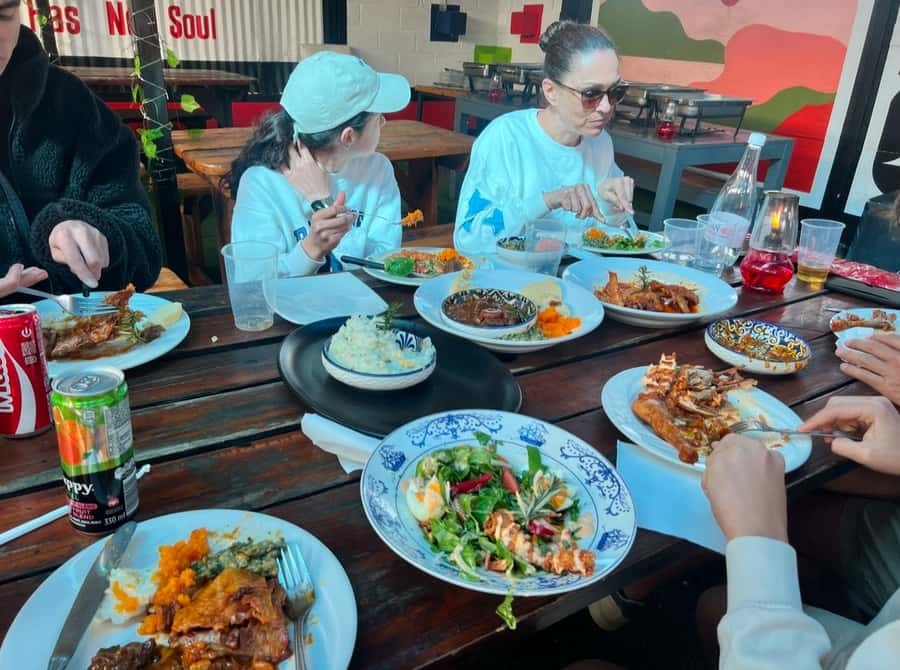
Pap is a maize porridge commonly served with chakalaka, a spicy vegetable relish. The combination is filling and familiar in many South African households. It may not look as dramatic as a loaded curry or grilled sausage, but it is one of the most useful dishes for understanding ordinary meals.
I especially like that the food selection includes this kind of staple. A tour made up only of famous snacks would give you a narrow picture of South Africa. Pap and chakalaka bring the focus back to home-style cooking and the food people depend on day after day.
Chakalaka can be spicy, so ask your guide before taking a large serving if you are sensitive to heat. The menu description presents it as a traditional pairing, but it does not give exact portion sizes or preparation details.
Ginger beer juice and biltong
The tour includes ginger beer juice, described as freshly pressed, sweet, and refreshing. It gives you a nonalcoholic drink to enjoy while walking between food stops. Ginger has a noticeable bite, but the sweetness makes it an easy match for savory food.
Biltong is another classic South African taste. It is dried, cured meat available in spicy and sweet styles. Think of it as a snack rather than a full dish, and expect the seasoning to vary.
Together, these items broaden the tasting. You are not limited to hot food. The drink helps refresh you, while biltong introduces a preserved food with a very different texture from sausage, curry, or fried dough.
A bottle of water is included. That is useful, especially if the day is warm or the food is spicy, though you may still want to bring extra water if you know you drink a lot while walking.
Is $87 a fair price?
At $87 per person, this is not the cheapest way to eat in Cape Town. The value depends on what you want from the outing. You are paying for a three-hour guided experience, a local English-speaking guide, several food tastings, and a bottle of water.
If you only want a quick taste of bunny chow or biltong, you can spend less elsewhere. But that would not include the guided walk, the history of Langa, or the chance to discuss local culture directly with someone from the area.
The strongest value comes from the combination of food and interpretation. A dish becomes more meaningful when you understand where it fits in local life. You also avoid having to plan several food stops yourself, and the guide gives the outing a structure.
The price will suit you best if you want a focused cultural activity rather than a bargain lunch. Couples and curious first-time visitors to Cape Town may find the cost easier to justify, especially if they value direct conversation and local context. People mainly seeking a large meal may feel less satisfied, since the format is a series of tastings.
A tip for the guide is not included. Set aside money for that separately, particularly if your guide gives you the personal, engaging tour this experience is designed to provide.
Who should book this Langa food tour?
I would recommend it to you if you want to understand Cape Town beyond the city centre and major sights. It suits people who like trying unfamiliar foods, asking questions, and hearing local stories while walking.
It is also a good choice for visitors who want a guide with a direct connection to Langa. Mzukisi is described as Langa-born and raised, while Thando and uThando are praised for their warmth, enthusiasm, and ability to discuss the township’s culture, history, people, and future.
Families may appreciate the variety of food, though the supplied information does not give an age range or child pricing. Anyone booking for children should confirm those details first.
You should think carefully before booking if you need a guaranteed menu, a fixed spice level, or a fully seated meal. The food list is broad, but exact availability is not specified. This is also not the right pick if you want a long, slow historical tour with extensive sightseeing. The walk and tasting are both substantial parts of a compact three-hour schedule.
Practical details that affect your day
The tour is offered in English and has a live guide. It starts and finishes at Guga S’thebe Cultural Centre in Langa, so plan your day around reaching that meeting point.
The booking terms are flexible: you can cancel up to 24 hours in advance for a full refund, and you can reserve now and pay later. Starting times vary, so check the available time before committing your schedule.
The experience is listed with free cancellation, included tastings, and water. It also includes skip-the-ticket-line access, though this is a guided food and culture walk rather than a standard attraction visit.
The activity has a top rating based on six reviews. The praise is consistent in the areas that matter most here: guides are friendly and engaging, the food is enjoyable, the history is explained clearly, and participants feel comfortable during the walk.
Should you book the Langa street food tour?
Book it if you want local food with local explanation. The best feature is the pairing of a Langa-led walk with dishes such as bunny chow, pap and chakalaka, boerewors, vetkoek, samosas, braai meat, biltong, and ginger beer juice.
The tour is less suitable if your main goal is a large lunch, a guaranteed menu, or a detailed architectural tour. For everyone else, $87 buys more than food. It buys time with a guide who can connect the meal to Langa’s people, culture, history, and future. That makes this a worthwhile choice for a first visit to Cape Town when you want to listen as well as eat.
FAQ
Where does the tour start?
The tour starts at Guga S’thebe Cultural Centre in Langa, South Africa.
Where does the tour end?
The tour returns to Guga S’thebe Cultural Centre.
How long does the experience last?
The full tour lasts three hours.
How much does the tour cost?
The price is $87 per person.
What language is the tour conducted in?
The live guided tour is conducted in English.
What food can I expect to taste?
Possible tastings include bunny chow, boerewors rolls, vetkoek, samosas, pap and chakalaka, street braai meats, ginger beer juice, and biltong.
Are meals included?
Yes. Meals to taste are included in the tour price.
Is water included?
Yes. A bottle of water is included.
Do I need to tip the guide?
Yes. Tipping the guide is requested and is not listed as included in the price.
Can I cancel the booking?
You can cancel up to 24 hours in advance for a full refund. You can also reserve now and pay later.
Newly added plates around the world
- Zanzibar:Stone town Street food market walking tour,transfer★ 4.5 · 9 reviews
- Zanzibar: Stone town visit, Shopping tour &Night food Market★ 4.4 · 2 reviews
- Xi’an Muslim Quarter Night Market Foodie Walking Tour★ 4.2 · 22 reviews
- Xi’an: Gourmet & Street Food Tour★ 4.8 · 22 reviews
- Zanzibar: Stone town tour, Prison island & night food market★ 4.5 · 2 reviews
- Verona: Street Food and History Tour with Local Guide★ 4.7 · 6 reviews
- Vienna Food Tour: Dishes, Wine, Street Food & Culture★ 4.7 · 12 reviews
- Verona: City Highlights & Street Food Walking Tour★ 5.0 · 3 reviews
Tours, compared.
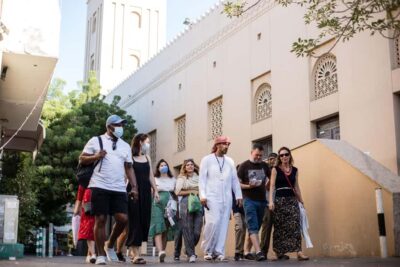
Old Town, Creek, Museums, Souks, & Street Food Tour
Read our review →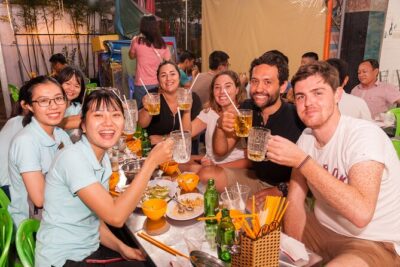
Ho Chi Minh City Street Food Tour & Sightseeing By Motorbike
Read our review →
Comuna 13 Graffiti Tour, Cable Car & Street Food
Read our review →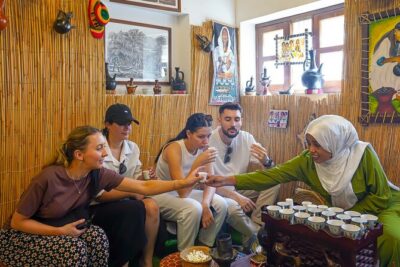
Old Town, Souks, Street Food, Guided Tour & Abra Ride
Read our review →
Small Group Hanoi Street Food Tour with a Real Foodie
Read our review →
Private Street Food Tour by Motorbike/Car with Local Students
Read our review →