REVIEW · TOURS
São Paulo: Liberdade Street Food Tour
São Paulo’s Liberdade district packs several cultures into a few walkable streets. This two-hour food walk links Japanese pastel, onigiri, takoyaki or tempura, Korean pastry, Brazilian drinks, and possibly Argentine empanadas with the story of the people who shaped the neighborhood. I like the mix of eating and local history, and I like that the group stays small enough for a real conversation with the guide.
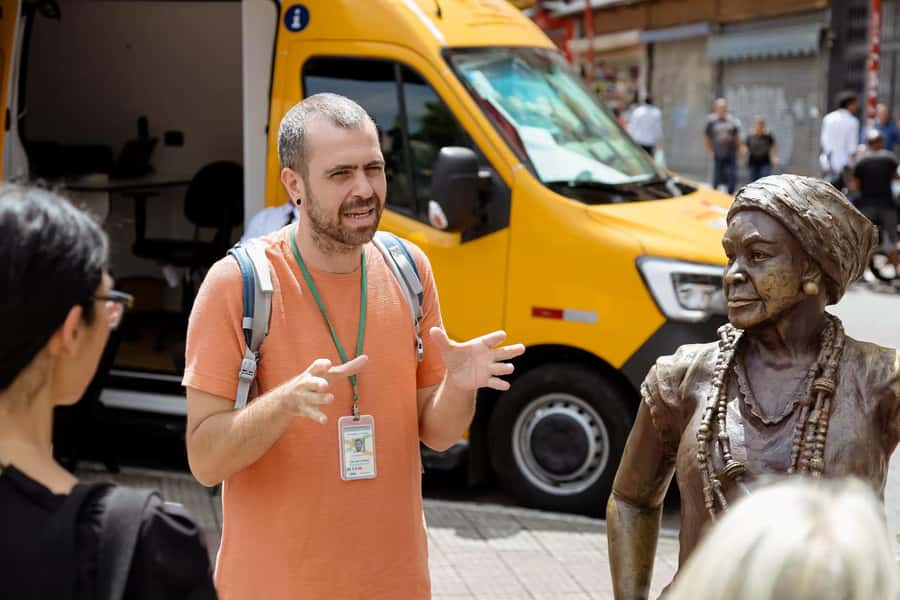
The guide, Giuliano, has earned especially strong praise for his clear English, energy, and grasp of São Paulo’s past. The main consideration is the fixed start time: arrive late and you cannot join the group. Also, the final food stop may not suit every palate, so this is best for curious eaters rather than picky ones.
Key points at a glance
- A cross-cultural tasting route: Sample food connected to Japan, Brazil, Korea, and sometimes Argentina in one compact walk.
- Liberdade beyond the shops: Learn how a former military district became a center for Japanese immigration and later a home for many other communities.
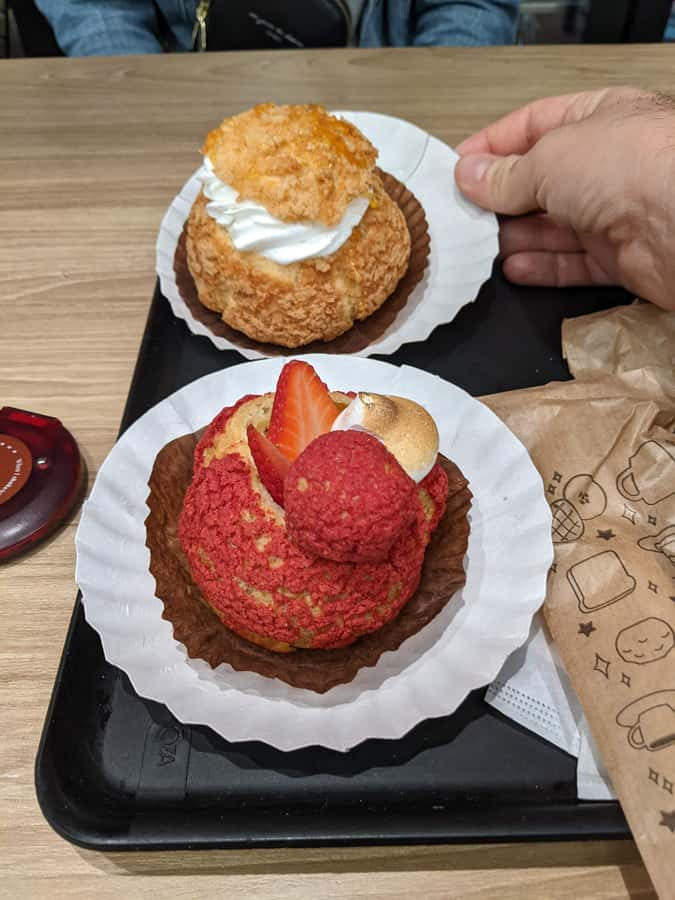
- Three main food stops: The tasting menu includes Japanese pastel and onigiri, takoyaki or tempura, Korean choux au craquelin, drinks, and a final snack or beverage.
- A small English-speaking group: With a limit of 10 people, you have a better chance to ask questions and hear the guide clearly.
- A filling two hours: Arrive hungry. The tastings add up, and one past participant found the food more than enough for an afternoon.
- Strict meeting time: Meet outside the large red Bradesco bank in Liberdade Square, with no late entry once the walk begins.
Why Liberdade makes such a good food stop
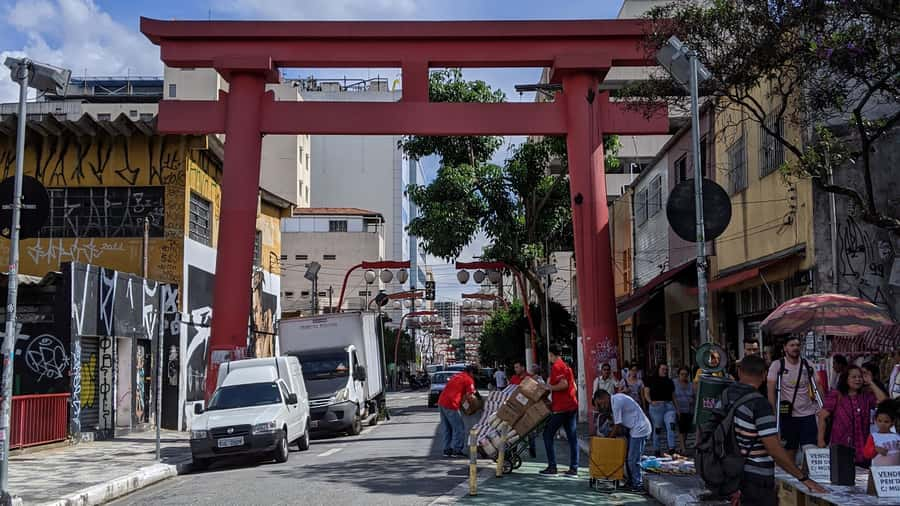
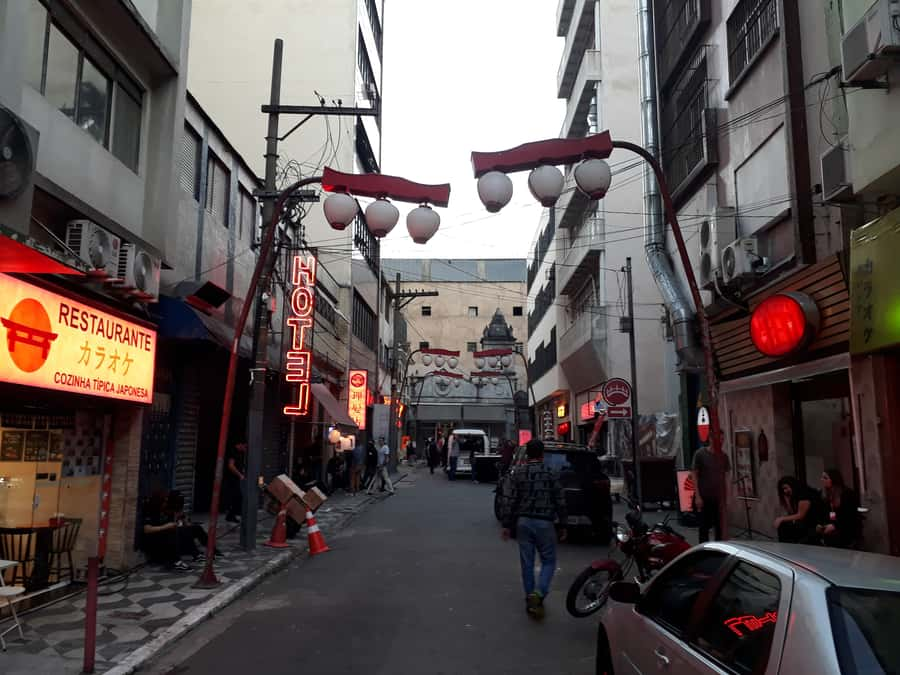
Liberdade is not simply São Paulo’s Japanese quarter. It is a neighborhood shaped by several waves of migration, with Japanese, Chinese, Korean, Haitian, Congolese, and Afro-Brazilian influences all part of its modern identity.
The Japanese connection is the starting point. São Paulo is home to the largest Japanese community outside Japan, and Liberdade became the main home for Japanese immigrants in the city about a century ago. That background gives the food more meaning than a simple snack crawl. You are tasting dishes in the district where Japanese food and customs became part of everyday São Paulo life.
The area also has an older past. Before its association with Japanese immigration, Liberdade was a military district. The walk uses food as a way into that layered story, then adds a look at architecture and the people who live in the neighborhood today.
I like this approach because it avoids treating culture as a museum display. You get a quick lesson in migration, then see how those influences appear in food stalls, bakeries, markets, and streets. The tour is short, but the subject is much larger than the menu.
More street food tours in the world:
- Dubai: Old Town, Creek, Museums, Souks, & Street Food Tour
★ 4.8 · 10,816 reviews - Ho Chi Minh City Street Food Tour & Sightseeing By Motorbike
★ 5.0 · 9,413 reviews - Medellin: Comuna 13 Graffiti Tour, Cable Car & Street Food
★ 4.8 · 9,046 reviews
Starting at Liberdade Square
The meeting point is outside the large red Banco Bradesco Prime building in the middle of Liberdade Square. This is a practical location, but you should give yourself extra time to find it. The walk starts strictly on schedule, and the guide will not be checking the phone once the group has left.
That rule matters in a dense city such as São Paulo. If you are unfamiliar with the neighborhood, plan your route before the day of the tour. Do not count on calling the guide after the start time. Once the walk is underway, late arrivals cannot be added.
From the square, the guide leads the group through Liberdade’s streets and markets. The planned guided portion lasts about 105 minutes, with the full activity listed at two hours. The remaining time covers the food stops and the close of the experience at Restaurante Kazu.
The small group limit of 10 is useful here. Food walks can become awkward when a large crowd gathers around a counter, but a smaller party should make ordering, listening, and moving between stops easier. It also gives you more room to ask Giuliano about the district, the dishes, and São Paulo’s wider story.
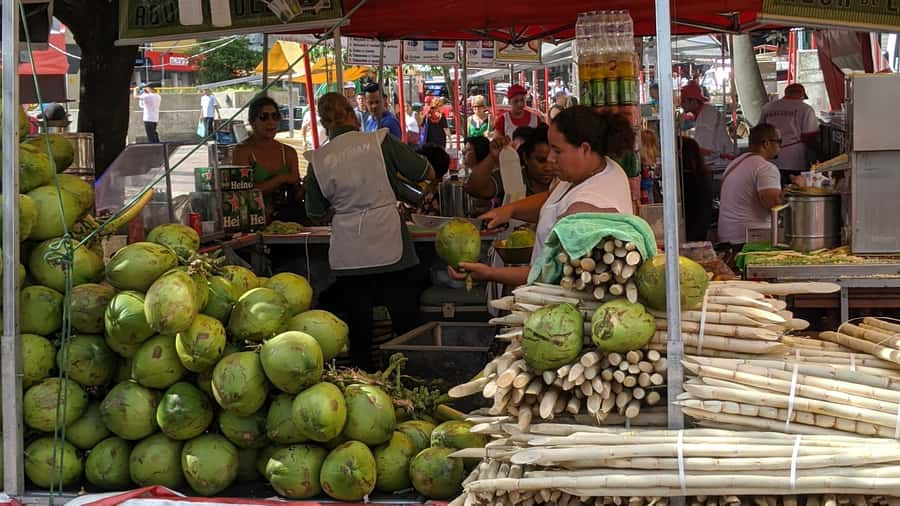
Japanese pastel, onigiri, and sugarcane juice
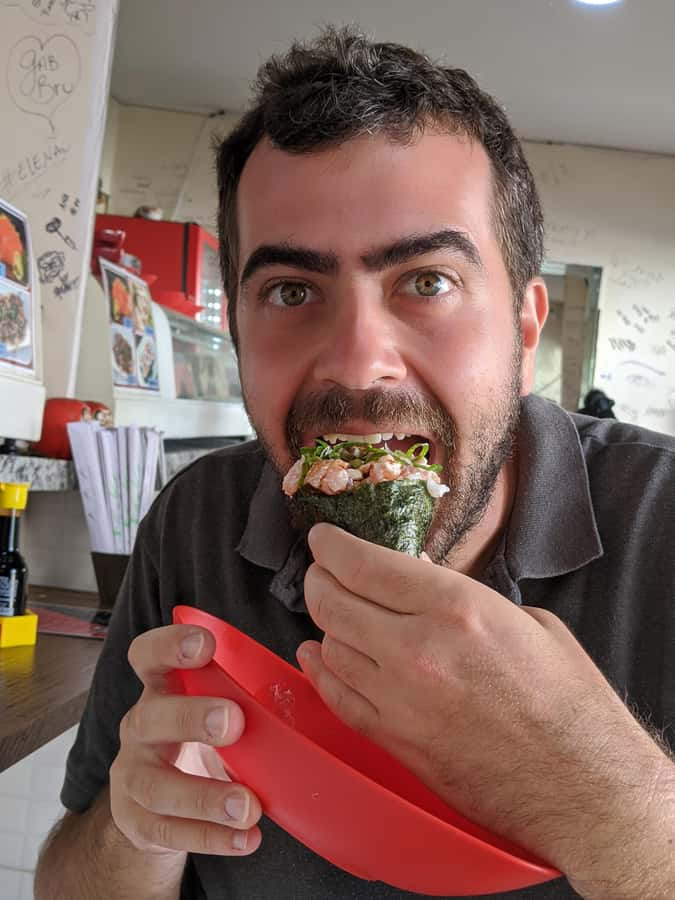
The first major taste is Japanese pastel with onigiri and sugarcane juice. Pastel is a familiar Brazilian street snack, but the Japanese version gives the dish a local twist and shows how immigrant food traditions can change in a new city.
Onigiri adds another Japanese staple to the opening tasting. Together, the two foods help set up the tour’s central idea: Liberdade is not divided into neat national sections. Japanese cooking exists here alongside Brazilian street food, and the result is a distinctly São Paulo experience.
The sugarcane juice brings a tropical Brazilian note to the stop. It is also a smart pairing for a food walk, since it gives you something cool and refreshing between savory tastings. Your included drinks are limited, so use this chance to try the cane juice rather than treating it as an ordinary beverage.
This is a good point to ask questions. The tour is not only about naming ingredients. The guide explains how the neighborhood’s food reflects its immigrant communities, so you can pay attention to what has changed, what has stayed familiar, and how dishes fit into daily life.
Takoyaki, tempura, or an Argentine change of course
The next tasting is traditionally takoyaki or tempura. Takoyaki is a Japanese snack with a distinctive shape and texture, while tempura offers a lighter fried option. The exact choice may depend on the day and the stop available.
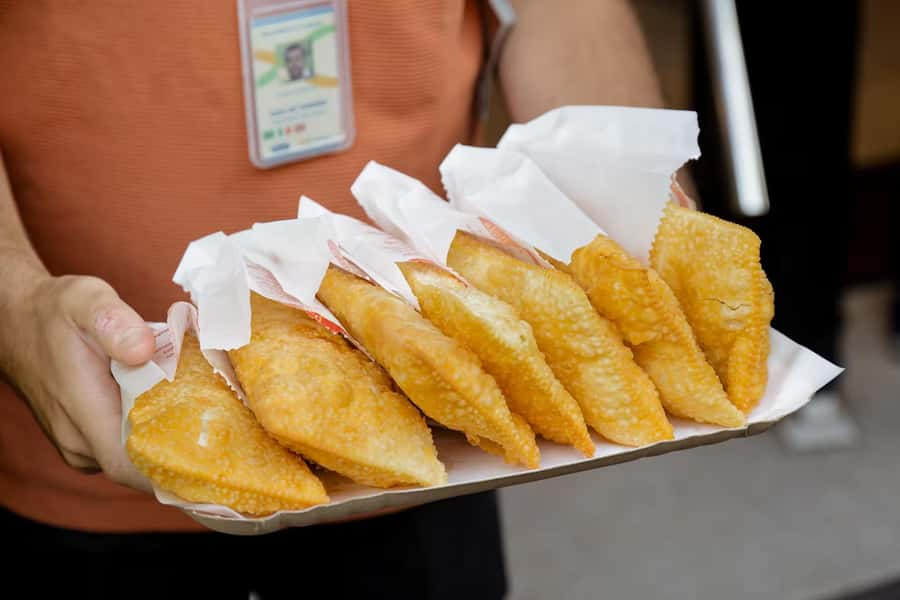
On weekdays, this tasting may be replaced by Argentine empanadas. That is not a minor detail. If you have your heart set on takoyaki, you should understand that the menu is not identical every day. On the other hand, the possible empanada stop adds another useful layer to the tour, showing how South American immigration also contributes to Liberdade’s food scene.
The empanadas were a favorite for at least one person on the tour, and the switch may be welcome if you already know Japanese food well. If you are comparing this experience with a tightly controlled tasting menu, the weekday substitution makes the route less predictable. If you prefer a food walk that reflects what is available locally, it is a reasonable tradeoff.
The guide’s role is important here. Giuliano is described as an Italian who has lived in Brazil for many years, and his background gives him a broad way of discussing Brazilian food and culture. His English is fluent, and the strongest feedback repeatedly points to his energy, clear communication, and ability to connect dishes with São Paulo’s past.
Same city, another round of plates:
- Dubai: Old Town, Souks, Street Food, Guided Tour & Abra Ride
★ 4.9 · 7,170 reviews - Naples: Street Food Walking Tour with Local Guide
★ 4.9 · 4,976 reviews - Small Group Hanoi Street Food Tour with a Real Foodie
★ 5.0 · 4,682 reviews - Rome: Street Food Tour with Local Guide
★ 4.8 · 4,077 reviews
Korean choux au craquelin and the final stop
The Korean tasting is choux au craquelin, a crisp-topped pastry with a French name and Korean presentation. It adds a sweet course and keeps the route from being all fried or savory food.
This pastry also fits the district’s wider story. Liberdade’s identity is often reduced to Japan, but the neighborhood is also home to Korean and Chinese communities, along with people from Haiti, Congo, and other places. A Korean item on the menu reminds you that the area has continued to change.
The tour finishes at Restaurante Kazu, where you receive a final soft drink or coffee. The exact food at this point may be less successful for you than the earlier tastings. One person found the last stop disappointing, so I would keep your expectations open rather than assuming every bite will be a favorite.
Still, the overall quantity is generous for a short walk. You receive three main snacks, Japanese pastel and onigiri, takoyaki or tempura, Korean choux au craquelin, sugarcane juice, bottled water, and a final beverage. Arrive with an appetite. A full meal before the tour would make it harder to enjoy the route.
Additional food and drinks are not included, so bring some money if you want to continue sampling after the official tastings. The listed menu is enough to leave you satisfied, but it is not an unlimited food crawl.
The history between the bites
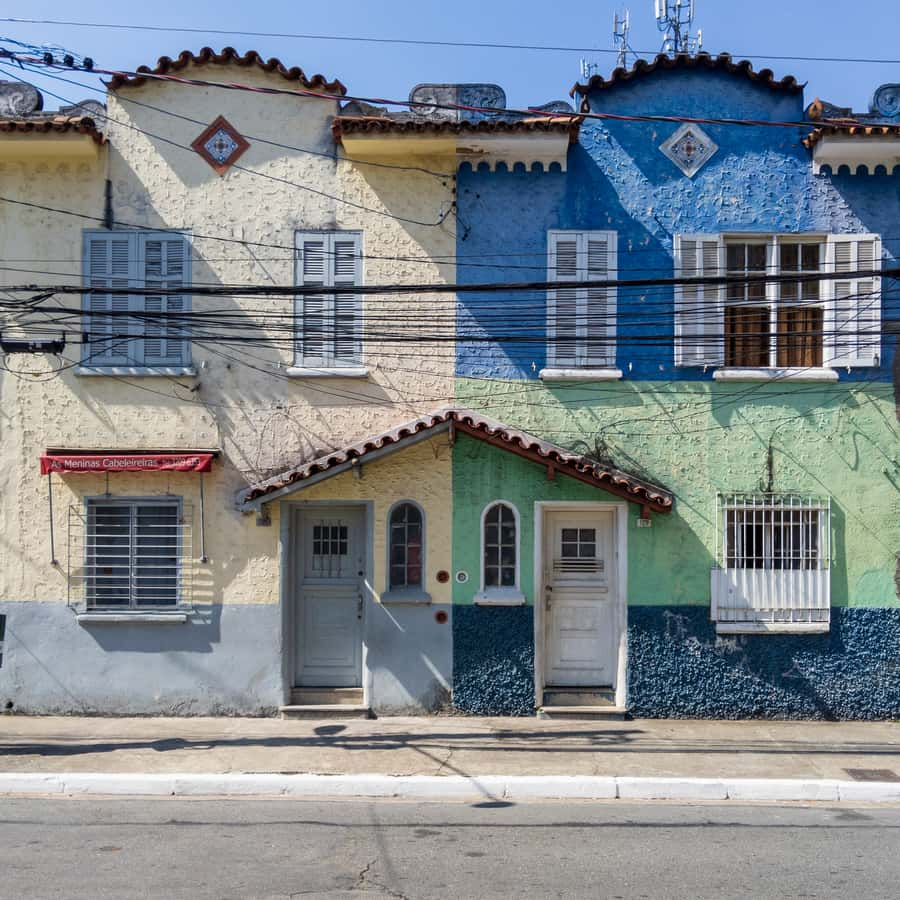
The food is the hook, but the neighborhood explanation is the real reason to book this walk instead of simply eating on your own. As you move through Liberdade, the guide discusses the Japanese influence and the area’s earlier role as a military district.
You also hear about the experiences of immigrants and the way different communities have made the neighborhood their home. That context gives more weight to ordinary details. A bakery, market, sign, or street corner becomes part of a larger story about movement, adaptation, and city life.
The walk includes architectural sights as well. The available information does not promise a formal architecture tour, so you should not expect a long specialist lecture on every building. Instead, the guide points out places of visual interest while explaining who lives in the area and how its character developed.
This balance suits São Paulo. You get enough history to understand Liberdade without spending two hours indoors or listening to a lecture. The food keeps the pace moving, and the street setting lets you see the neighborhood as it functions today.
Is $60 a fair price?
The price is $60 per person. For two hours, that may look high if you compare it with buying individual street snacks. But the fee covers more than the food itself. You are paying for an English-speaking guide, a planned route, historical context, several tastings, sugarcane juice, water, and a final coffee or soft drink.
The small group also matters. A limit of 10 people usually gives you a more personal experience than a large coach-style walk. You can ask questions, hear the explanations, and keep the group together in busy streets.
I see the best value here for a first visit to São Paulo, especially if you want an easy introduction to Liberdade and do not speak Portuguese. You could spend less by eating independently, but you would lose the connections between the food, the immigration story, and the neighborhood’s changing identity.
The value is weaker if you want a full meal, a long architecture tour, or a fixed menu with no weekday substitutions. It is also not ideal for someone who wants to choose every dish. This is a guided introduction, not a free-form food market expedition.
Who will enjoy this food walk?
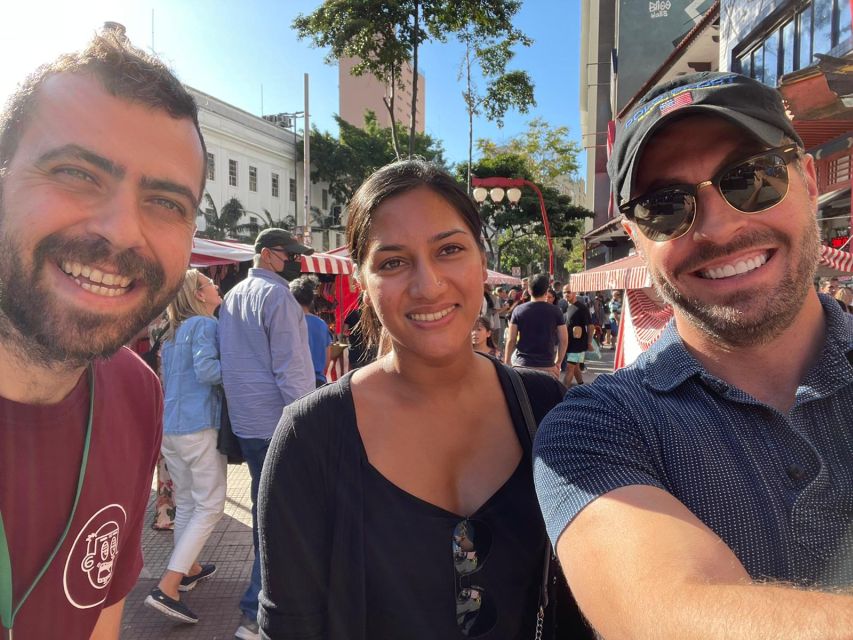
I would recommend it to first-time visitors who want to understand São Paulo through one neighborhood. It works well for people who like trying unfamiliar snacks, asking questions, and walking while they eat.
It also suits anyone interested in migration and cultural change. The route does not present Liberdade as only Japanese, and that wider view is one of its strongest features.
Families and small groups may appreciate the limited size and short duration, though the information provided does not specify children’s pricing or a separate child menu. People using wheelchairs can take part, since the activity is listed as wheelchair accessible.
Picky eaters should think carefully. The menu includes several different styles of food, and the weekday empanada substitution means the exact experience can change. If you are open to tasting small portions, you are more likely to enjoy the variety.
Bring sunscreen and an umbrella. São Paulo weather can change, and much of the activity takes place outdoors. Comfortable walking shoes are also sensible, though the tour does not state a specific distance.
Practical details before you book
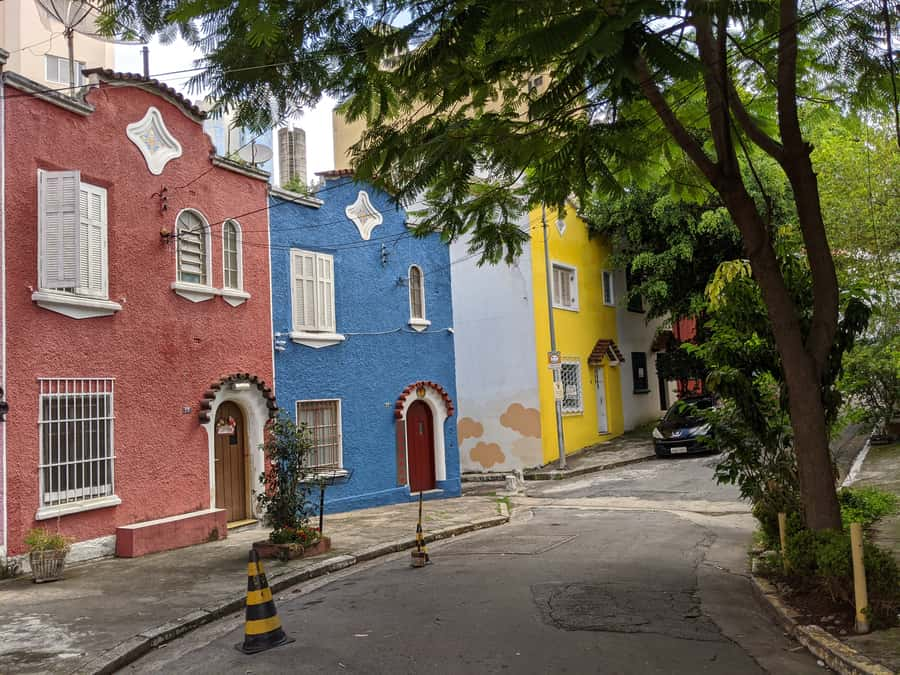
The tour is offered in English with a live guide. Giuliano is the guide most often identified in the feedback, and his communication skills are a major strength. The experience is supplied by Concrete Jungles Walking Tours.
The meeting point is outside the large red Bradesco bank in Liberdade Square. The tour ends at Restaurante Kazu, so you do not return to the starting point.
You can cancel up to 24 hours before the start for a full refund, and the reserve-now, pay-later option lets you hold a place without paying immediately. Availability and starting times should be checked for your chosen date.
The tour runs for two hours, with the main Liberdade walk and tastings taking about 105 minutes. It is not a late-night food tour or a sit-down dining experience. Think of it as a compact afternoon introduction to the neighborhood.
Should you book the Liberdade Street Food Tour?
Book it if you want food with context, not just a list of snacks. The strongest parts are the cross-cultural menu, the story of Japanese immigration and Liberdade’s older past, and the lively English-language guiding associated with Giuliano.
Skip it if you need a guaranteed menu, dislike walking between food stops, or want a large restaurant meal. The final tasting may not please everyone, and weekday substitutions can change the plan.
For most curious eaters, $60 is a reasonable price for a small-group introduction to one of São Paulo’s most distinctive districts. Arrive on time, arrive hungry, and let the food open the door to the neighborhood’s larger story.
FAQ
Where does the São Paulo Liberdade food tour meet?
Meet outside the large red Banco Bradesco Prime bank in the middle of Liberdade Square.
Where does the tour finish?
The experience finishes at Restaurante Kazu.
How long does the activity last?
The full activity lasts two hours. The guided Liberdade portion is listed as approximately 105 minutes.
What language is the tour offered in?
The tour is conducted in English with a live guide.
How many people can join the group?
The group is limited to 10 participants.
Is the tour wheelchair accessible?
Yes, the activity is listed as wheelchair accessible.
What food is included?
The included tastings are Japanese pastel and onigiri, traditional takoyaki or tempura, Korean choux au craquelin, one sugarcane juice, one bottle of water, and a final soft drink or coffee.
Can the menu change?
Yes. On weekdays, takoyaki or tempura may be replaced by Argentine empanadas.
Are extra food and drinks included?
No. Additional food and beverages are not included.
What should I bring?
Bring sunscreen and an umbrella. You should also plan your journey carefully because the tour starts strictly on time and late participants cannot join.
Newly added plates around the world
- Zanzibar:Stone town Street food market walking tour,transfer★ 4.5 · 9 reviews
- Zanzibar: Stone town visit, Shopping tour &Night food Market★ 4.4 · 2 reviews
- Xi’an Muslim Quarter Night Market Foodie Walking Tour★ 4.2 · 22 reviews
- Xi’an: Gourmet & Street Food Tour★ 4.8 · 22 reviews
- Zanzibar: Stone town tour, Prison island & night food market★ 4.5 · 2 reviews
- Verona: Street Food and History Tour with Local Guide★ 4.7 · 6 reviews
- Vienna Food Tour: Dishes, Wine, Street Food & Culture★ 4.7 · 12 reviews
- Verona: City Highlights & Street Food Walking Tour★ 5.0 · 3 reviews
Tours, compared.
Old Town, Creek, Museums, Souks, & Street Food Tour
Read our review →
Ho Chi Minh City Street Food Tour & Sightseeing By Motorbike
Read our review →
Comuna 13 Graffiti Tour, Cable Car & Street Food
Read our review →
Old Town, Souks, Street Food, Guided Tour & Abra Ride
Read our review →
Small Group Hanoi Street Food Tour with a Real Foodie
Read our review →
Private Street Food Tour by Motorbike/Car with Local Students
Read our review →